Can You Make Whipped Cream from Sweetened Condensed Milk? An Experiment and The Truth
The question often arises in kitchens worldwide: Is it possible to transform a humble can of sweetened condensed milk into fluffy, delightful whipped cream? It’s a tempting idea, offering a potential shortcut or a convenient alternative when heavy cream isn’t readily available. Driven by curiosity and a passion for culinary experiments, I set out to investigate this common query. I’ve conducted an in-depth test, and I’m eager to share my findings, shedding light on whether this pantry staple can truly rise to the occasion as a whipped topping.
The Allure of Whipped Cream: A Classic Delight
Whipped cream is a staple for a reason. Its light, airy texture and delicate sweetness elevate almost any dessert, from pies and cakes to hot chocolates and fruit bowls. The process of making traditional whipped cream is wonderfully simple: take cold heavy cream, add a touch of sugar and vanilla, and whip until soft or stiff peaks form. The magic lies in the high fat content of heavy cream (typically 36% or more), which, when agitated, traps air bubbles and creates a stable, voluminous foam. The only real challenge is avoiding over-whipping, which can quickly turn your luscious cream into butter.
Beyond its classic form, whipped cream is incredibly versatile. You can easily infuse it with different flavors to complement your dishes. Imagine the rich depth of mocha whipped cream gracing a chocolate dessert, or the tangy richness of a stable cream cheese whipped cream balancing out a sweet pie. For autumn treats, a dollop of maple whipped cream on waffles or pancakes is simply divine. These variations highlight how a simple base ingredient can lead to a world of culinary creativity.
Why the Sweetened Condensed Milk Question?
So, with traditional whipped cream being so straightforward, why do so many people wonder about using sweetened condensed milk as an alternative? The answer often comes down to convenience and availability. Many home cooks keep a can of sweetened condensed milk in their pantry as a go-to for baking and dessert-making. It’s a shelf-stable ingredient, unlike fresh heavy cream, which requires a special trip to the grocery store and has a shorter shelf life.
The thought of simply chilling and whipping sweetened condensed milk into a ready-to-serve dessert topping is certainly appealing. Its inherent sweetness and creamy consistency seem to offer a natural starting point. However, understanding the fundamental differences between sweetened condensed milk and heavy cream is crucial to predicting the outcome of such an experiment. Sweetened condensed milk is cow’s milk from which about 60% of the water has been removed, and a substantial amount of sugar has been added, making it thick, sweet, and shelf-stable. Heavy cream, on the other hand, is a dairy product with a much higher fat content, specifically designed for whipping and creating stable foam structures. This difference in composition is key to our investigation.
Embarking on the Experiment: My Scientific Approach
Despite my initial skepticism and understanding of dairy chemistry, the recurring question from readers piqued my interest. A true food blogger and enthusiastic home scientist must always put theory to the test! So, I decided it was time to give it a try. My preliminary research on Google yielded only a handful of resources suggesting that whipping sweetened condensed milk was even possible, and these sources often offered identical, somewhat vague instructions. The scarcity of reliable information only fueled my determination to find a definitive answer.
To ensure my findings were credible and well-documented, I prepared to capture the entire process on video. After all, you never know when a culinary breakthrough, or even an interesting failure, might unfold before your eyes! The consistent advice from the limited resources I found emphasized one critical step: ensure all ingredients and equipment are extremely cold. This made perfect sense, as chilling is a well-known best practice for achieving perfectly whipped heavy cream. With my hypotheses formed and equipment ready, it was time to dive into the sweet, condensed unknown.
The Whipping Process: A Step-by-Step Account
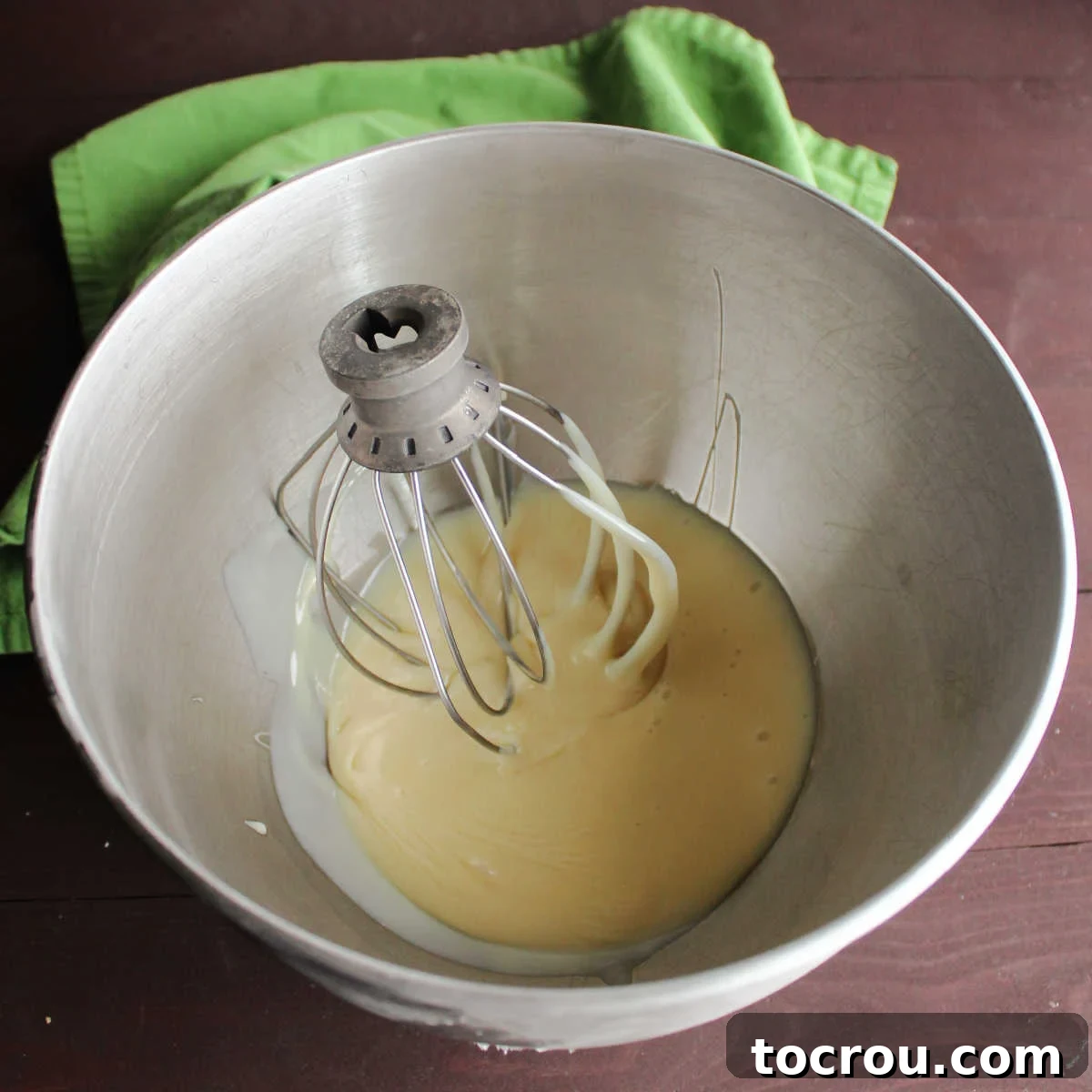
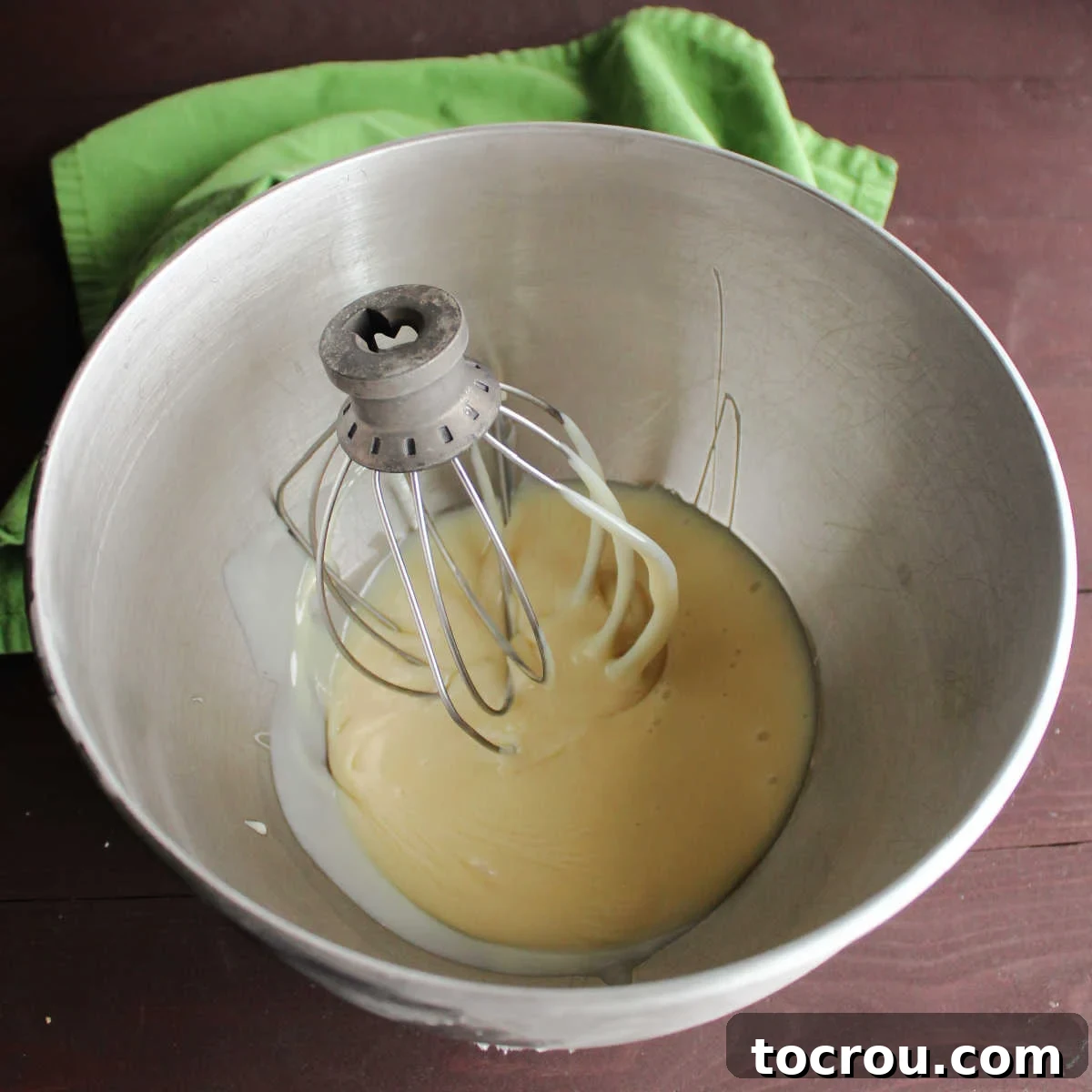
Following the consensus from the scarce online guides, the first step in my experiment was to achieve optimal coldness. I meticulously poured the entire can of sweetened condensed milk into my stand mixer bowl. To ensure maximum chill, I then placed the bowl, the milk, and the mixer beaters into the deep freezer for a full half-hour. This extended chilling period was intended to mimic the ideal conditions for whipping heavy cream, hoping to give the condensed milk its best possible chance.
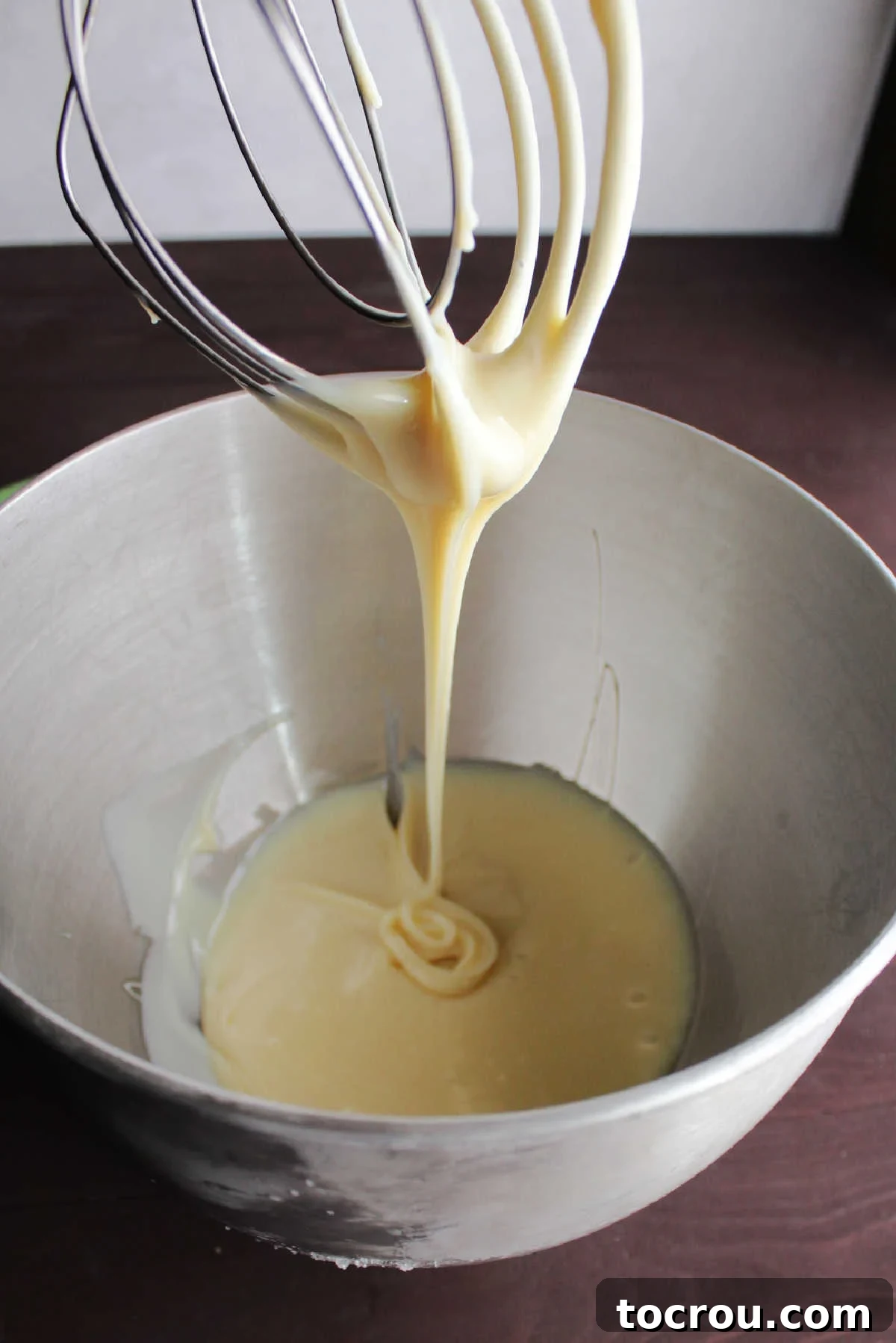
Upon retrieving the bowl from the freezer, the sweetened condensed milk was noticeably thicker and stickier than at room temperature. It had a consistency akin to very cold honey, clinging to the beaters. For a brief moment, this dense, cold texture felt quite promising. It certainly looked different from its original pourable state, and a tiny flicker of hope that this might actually work began to spark.
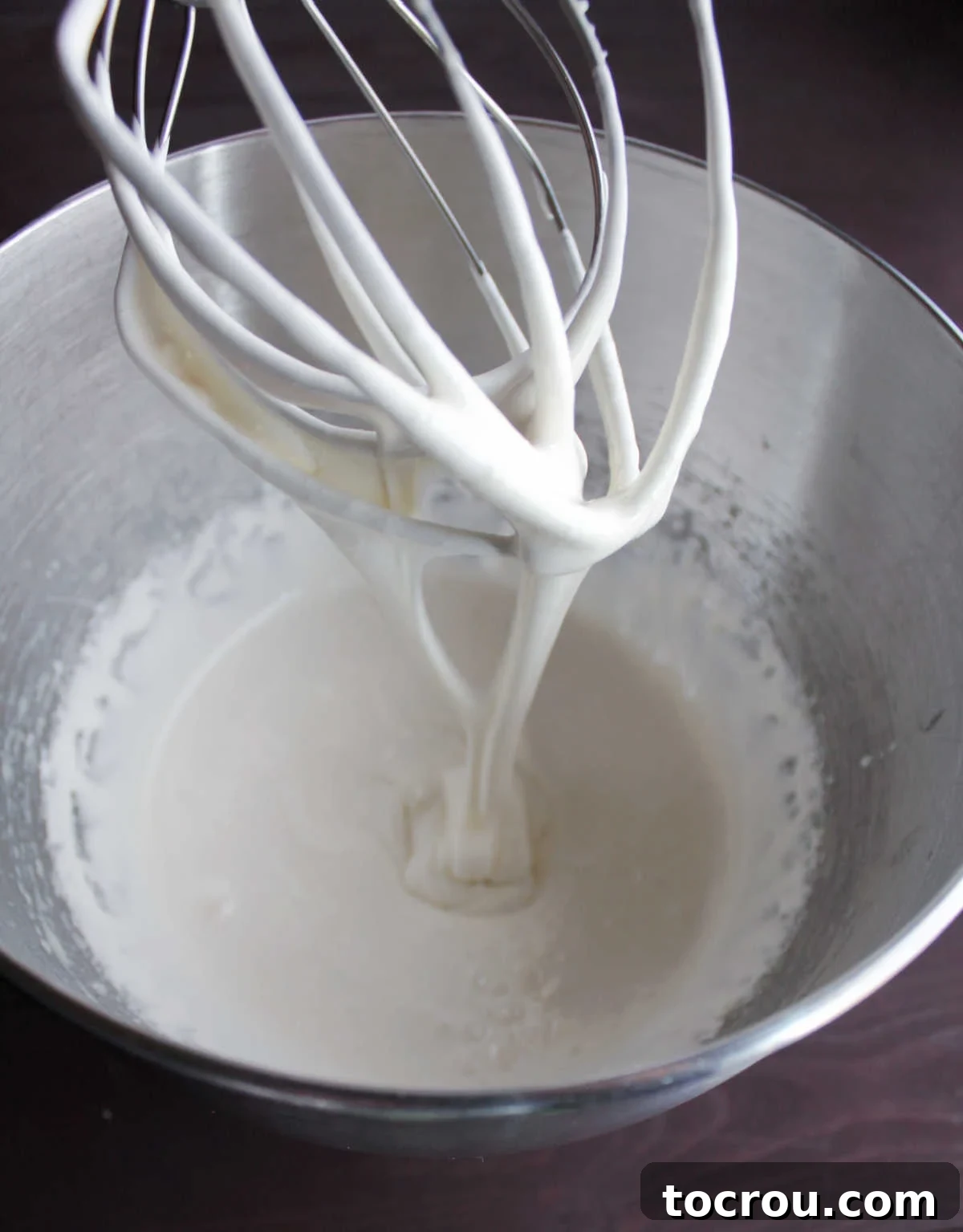
With everything perfectly chilled, it was time to begin the whipping process. I started the mixer on a medium-high speed, eager to see the transformation. As air was incorporated, the condensed milk did indeed begin to change. Its color gradually lightened, taking on a paler, almost opaque hue. The volume increased slightly, and it seemed to fluff up a bit, creating what appeared to be tiny air pockets. I diligently checked the consistency after one minute, then two, and again after five minutes, carefully observing any developments. Each check revealed a similar pattern: the texture became marginally lighter, and the volume showed a slight expansion. However, despite the visible changes and my continuous effort, it never quite reached the light, airy, and stable consistency characteristic of true whipped cream. The mixture remained dense, never forming peaks, even soft ones, and certainly not stiff peaks. It simply became an aerated, slightly expanded version of its original sticky self.
The Unsweetened Truth: Did It Work?
After a thorough attempt and careful observation, the conclusion is clear: unfortunately, whipping sweetened condensed milk into a stable whipped cream consistency does not work. While the mixture did become lighter in color and marginally more voluminous, it never achieved the characteristic peaks and airy texture of traditional whipped cream. It remained a thick, aerated liquid, lacking the structural integrity to hold its shape as a topping.
Understanding the Failure: The Science Behind It
The primary reason for this lack of success lies in the fundamental composition of sweetened condensed milk compared to heavy cream. Whipped cream relies on the high fat content (typically 36-40% in heavy cream) to form a stable emulsion. When heavy cream is whipped, the fat globules become damaged and partially coalesce around air bubbles, creating a robust network that gives whipped cream its structure and ability to hold peaks. The fat acts as a stabilizer, preventing the air from escaping and the foam from collapsing.
Sweetened condensed milk, while creamy and delicious, has a much lower fat content, usually around 8%. It also contains a high percentage of sugar (around 55%) and water (around 30%). This unique composition, designed for sweetness and thickening rather than aeration, simply doesn’t possess the necessary fat structure to trap and hold air in a stable form. The sugar and water content further weigh down any potential foam, making it impossible to achieve the desired light and fluffy texture of whipped cream.
While the cold temperature and whipping action did incorporate some air, the mixture lacked the fat molecules required to build and maintain a stable network. It’s like trying to whip water into stiff peaks – it might get foamy for a moment, but it will quickly revert to its liquid state because there’s no fat to hold the air. My experiment confirms that while sweetened condensed milk is a fantastic ingredient for many desserts, creating a true whipped cream from it is simply not within its chemical capabilities.
If you have somehow achieved success in transforming sweetened condensed milk into whipped cream, please share your secrets! I would genuinely love to know what magic you performed and would be eager to give your method a try. For now, however, it seems this particular culinary myth has been debunked.
Searching for Pantry Whipped Cream Alternatives
If you’re still on the hunt for a whipped cream alternative that can be conjured from your pantry, don’t despair! While sweetened condensed milk might not be the answer, another canned milk product offers a different, and more successful, outcome. I highly recommend checking out my post on how to make whipped cream from evaporated milk. You’ll discover that the results of that experiment were quite different from this one, providing a viable, albeit distinct, whipped topping for your desserts.
Evaporated milk, like sweetened condensed milk, is milk from which water has been removed. However, it does not have added sugar. When properly chilled and whipped, evaporated milk can achieve a surprisingly airy, foamy texture that, while not identical to heavy cream whipped cream, serves as a very good stand-in for many applications. It relies on the milk proteins to create a foam, which becomes more stable when thoroughly chilled. This demonstrates that while fat content is crucial for traditional whipped cream, protein content can also play a role in creating aerated structures in dairy products.
Embracing Sweetened Condensed Milk’s True Potential
While sweetened condensed milk might not be destined to become whipped cream, its true potential shines in countless other delectable applications. This versatile ingredient is a powerhouse for creating rich, creamy, and irresistibly sweet desserts without needing to be whipped. Its thick, syrupy consistency and concentrated flavor make it an invaluable component in no-bake desserts, fudge, caramel sauces, and luscious fillings.
Rather than attempting to make it something it’s not, let’s celebrate sweetened condensed milk for what it truly is: a remarkable ingredient that adds unparalleled richness and sweetness to a vast array of recipes. From comforting pies to decadent cheesecakes and chewy cookies, its presence guarantees a delightful depth of flavor and a wonderfully smooth texture. Below are some fantastic recipes where sweetened condensed milk takes center stage, delivering exceptional results every time. Explore these options and discover the many ways this pantry hero can elevate your dessert game!
Delightful Recipes to Make With Condensed Milk
Get the Recipe
Pin the Recipe

Get the Recipe
Pin the Recipe
Get the Recipe
Pin the Recipe
Get the Recipe
Pin the Recipe