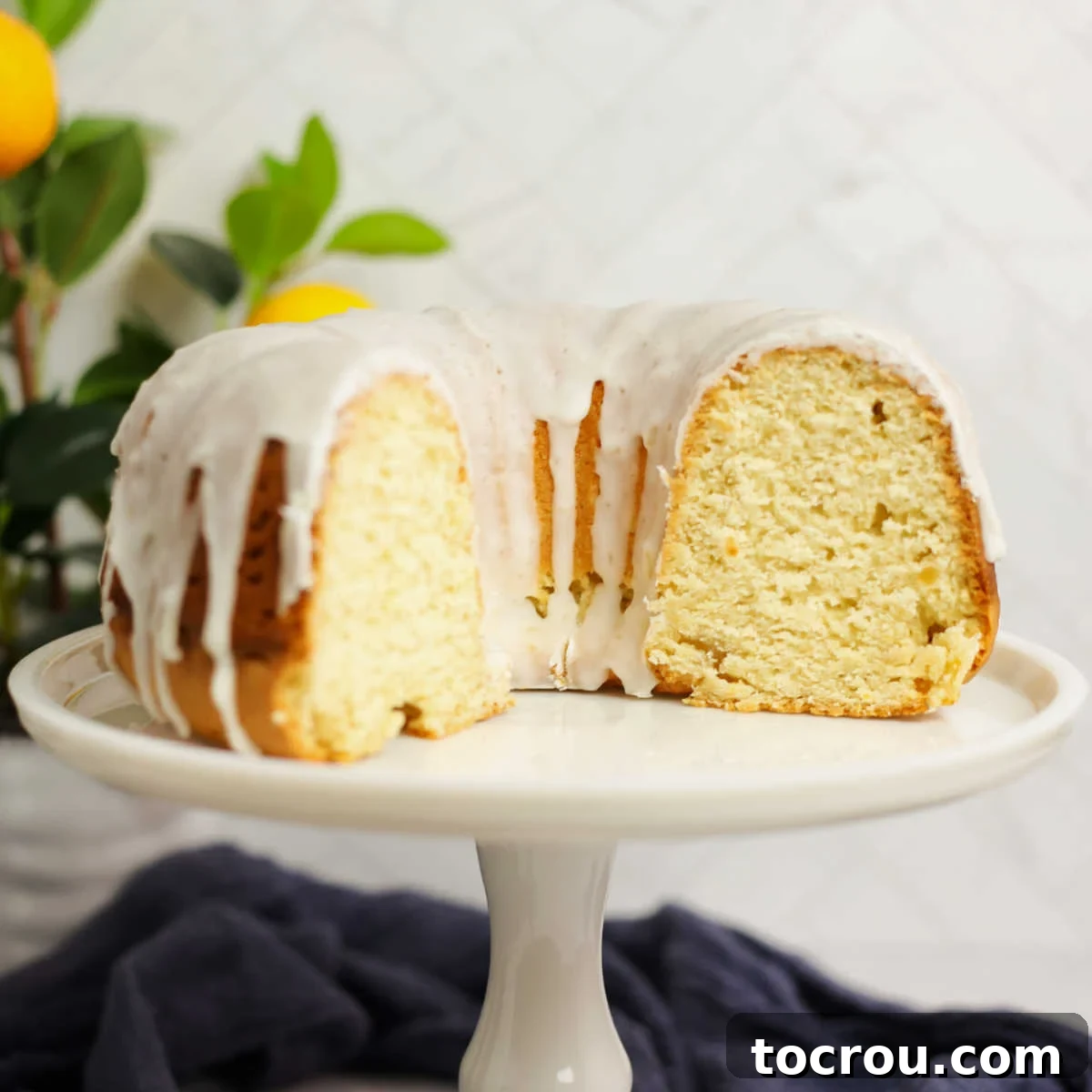
Enchanting Lemon Bundt Cake with Zesty Ginger Glaze: Your Ultimate Guide to a Perfect Dessert
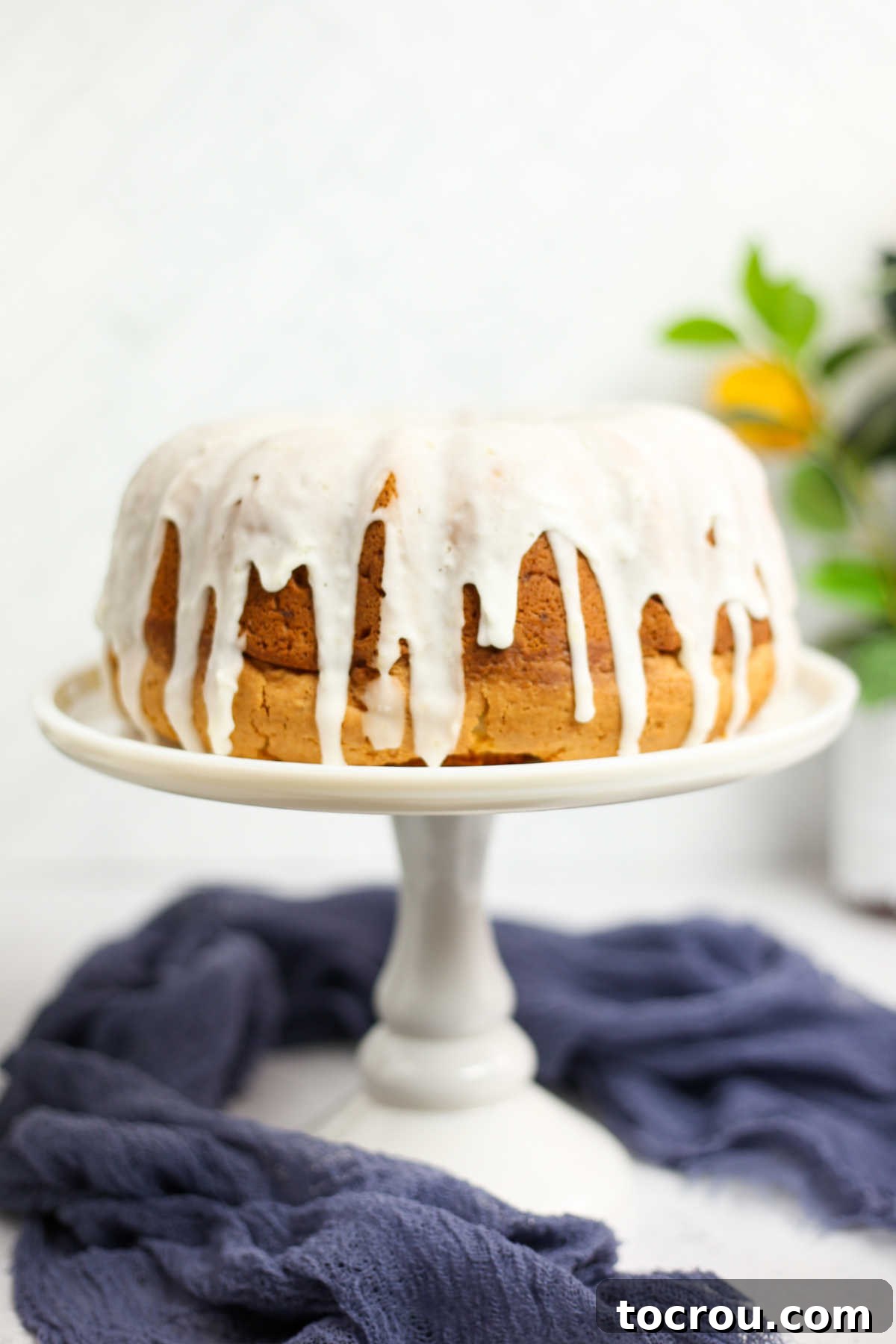
Indulge in the captivating charm of a homemade lemon Bundt cake, exquisitely crowned with a vibrant ginger lemon glaze. This dessert is a true culinary masterpiece, offering a sensational balance of sweet, tart, and a subtle hint of spice that elevates any occasion into a memorable celebration. Whether gracing a formal dinner or brightening a casual gathering, its intricate flavor profile and stunning presentation promise to impress every guest.
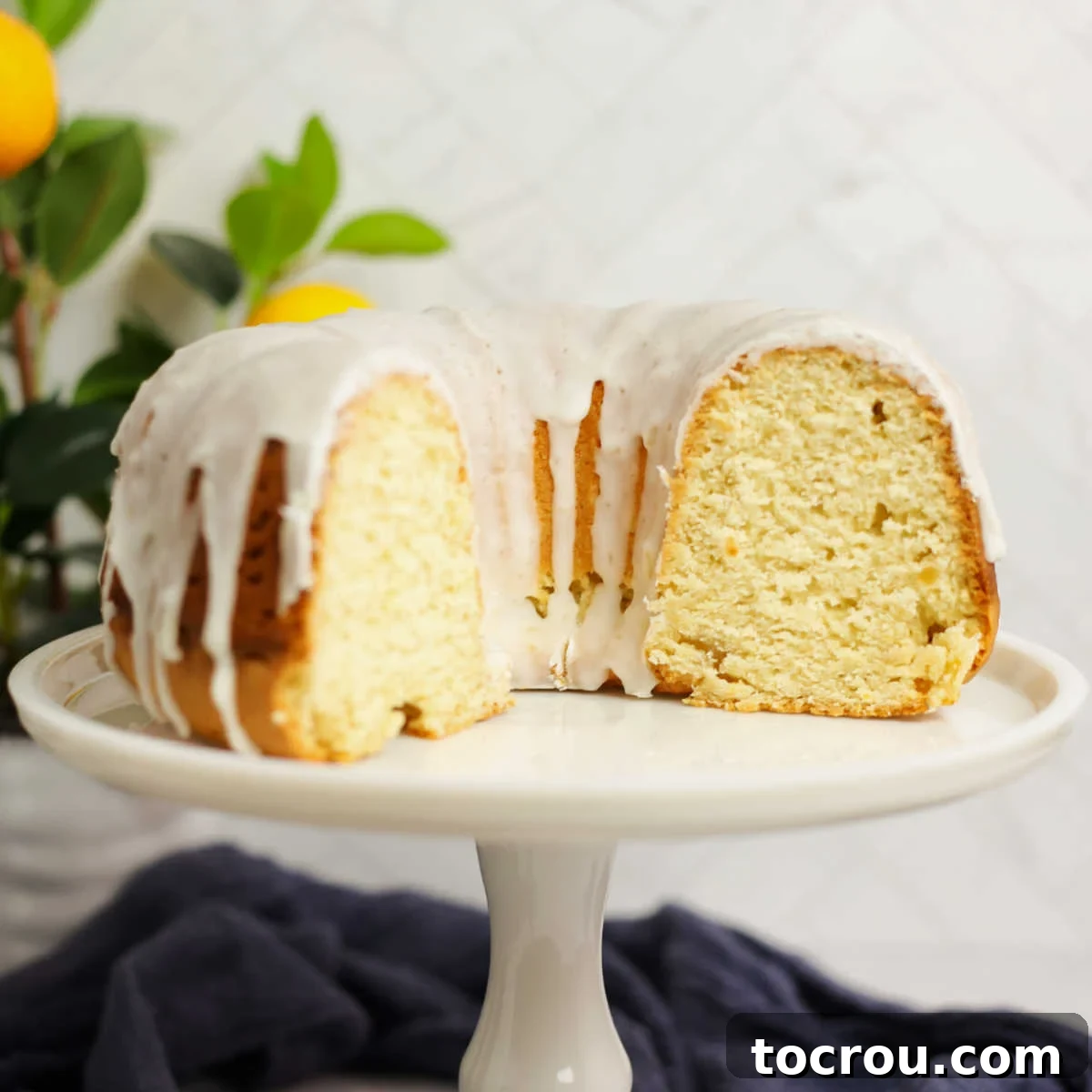
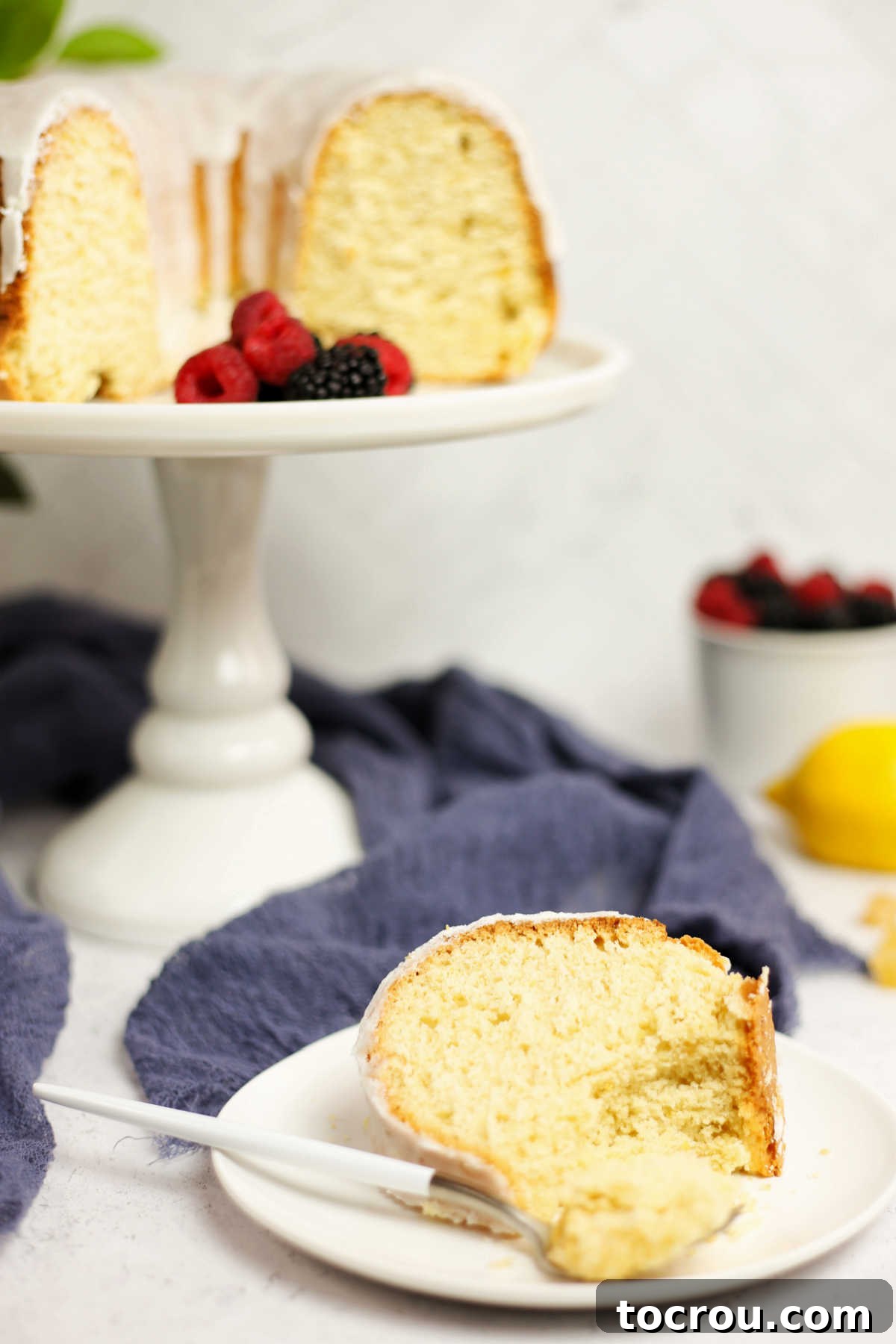
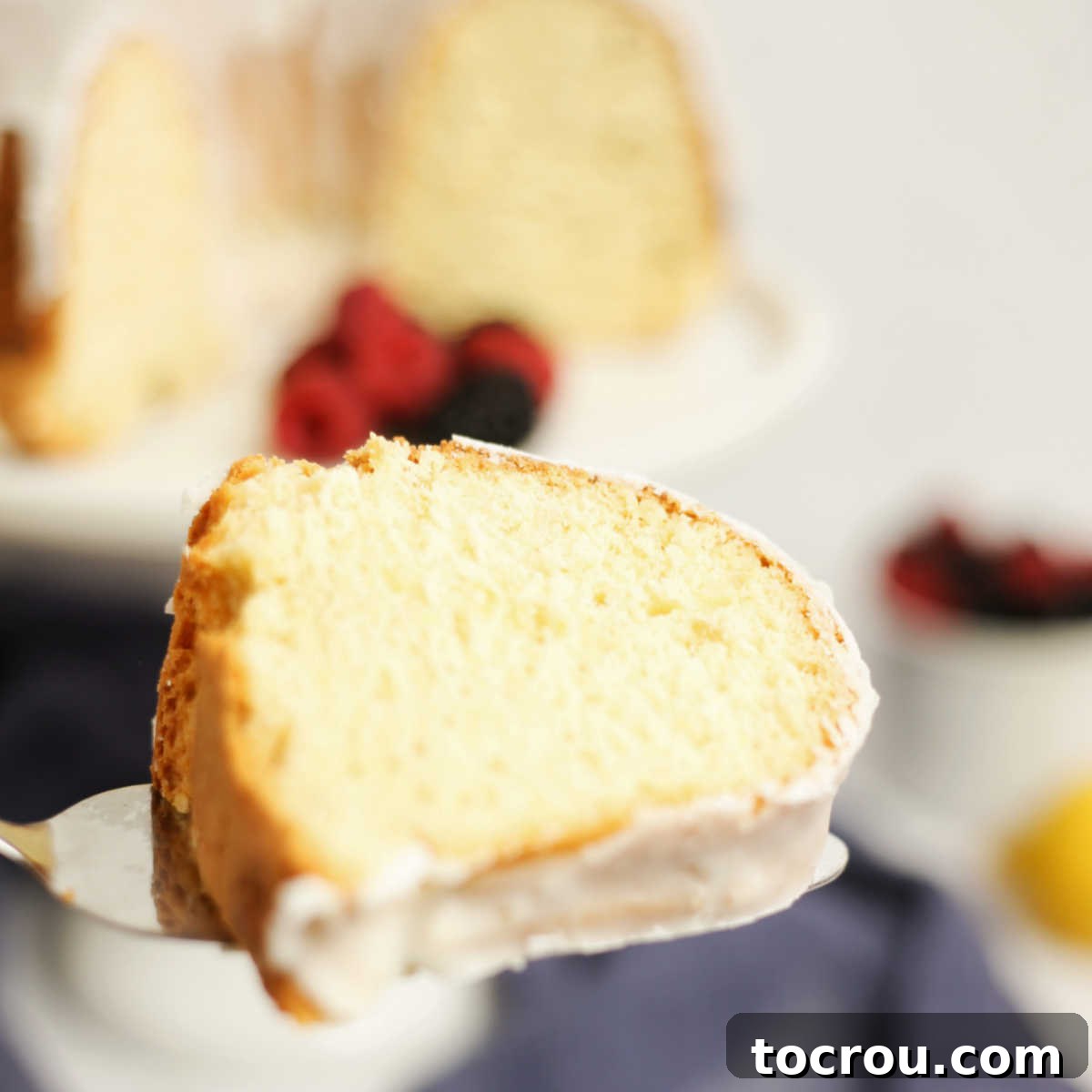
Crafting this delightful lemon cake from scratch is a surprisingly straightforward process, making it accessible even for novice bakers. The inherent beauty of a Bundt pan means that with minimal effort, your cake will emerge as a breathtaking showstopper, its elegant fluted design captivating all who see it. Each slice reveals a moist, tender crumb infused with bright lemon, perfectly complemented by the unique kick of the candied ginger glaze.
This exquisite Bundt cake is a versatile companion. Picture it alongside a steaming mug of herbal tea on a cozy afternoon, offering a comforting embrace with every bite. Alternatively, imagine it as the spectacular grand finale to a lively summer barbecue, its refreshing citrus notes providing a crisp contrast to savory grilled flavors. Truly, there are very few occasions that wouldn’t be enhanced by a generous slice of this sunny lemon confection. So, let your imagination run wild – this cake is destined to be a crowd-pleaser, no matter the event.
The Art of Baking: Whipping Up Your Perfect Lemon Bundt Cake Batter
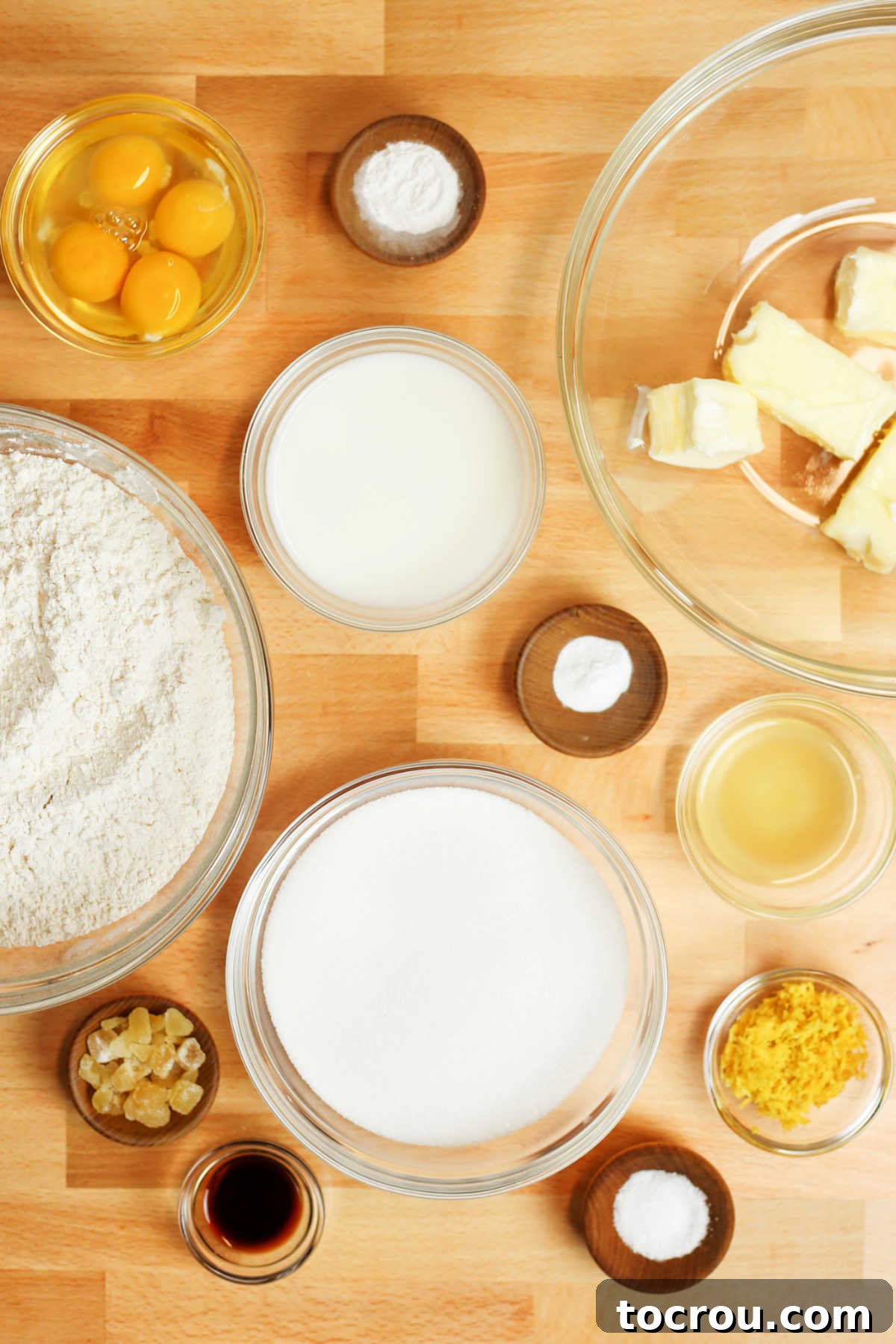
The secret to an incredibly moist and flavorful lemon Bundt cake lies in its meticulously prepared batter. While the process is refreshingly simple, paying attention to a few key details will guarantee outstanding results. The most crucial step begins even before you start mixing: ensure all your ingredients are at room temperature. This seemingly small detail makes a profound difference in the texture and consistency of your finished cake.
Softened butter, for instance, whips effortlessly into a smooth, creamy mixture with sugar, creating a light and airy base for your cake. If you attempt to cream cold butter, it will stubbornly remain lumpy, leading to an uneven batter and a potentially dense cake. Similarly, room temperature eggs and buttermilk integrate far more smoothly into the batter, preventing curdling and ensuring a homogeneous mixture. A batter that starts at a consistent room temperature will also bake more evenly throughout the Bundt pan, resulting in a perfectly risen cake with an ideal crumb.
Unlocking Pure Lemon Flavor: Zest vs. Juice
For the most authentic and vibrant lemon flavor, always opt for freshly squeezed lemon juice and finely grated zest. The zest holds the aromatic oils of the lemon, providing a powerful burst of citrus fragrance that permeates the entire cake. The fresh juice, on the other hand, contributes the bright, tangy notes that balance the sweetness. While bottled lemon juice can be used in a pinch, and a few drops of lemon extract can boost flavor, nothing compares to the natural brightness of fresh lemons.
Baking to Perfection: Pan Size and Doneness
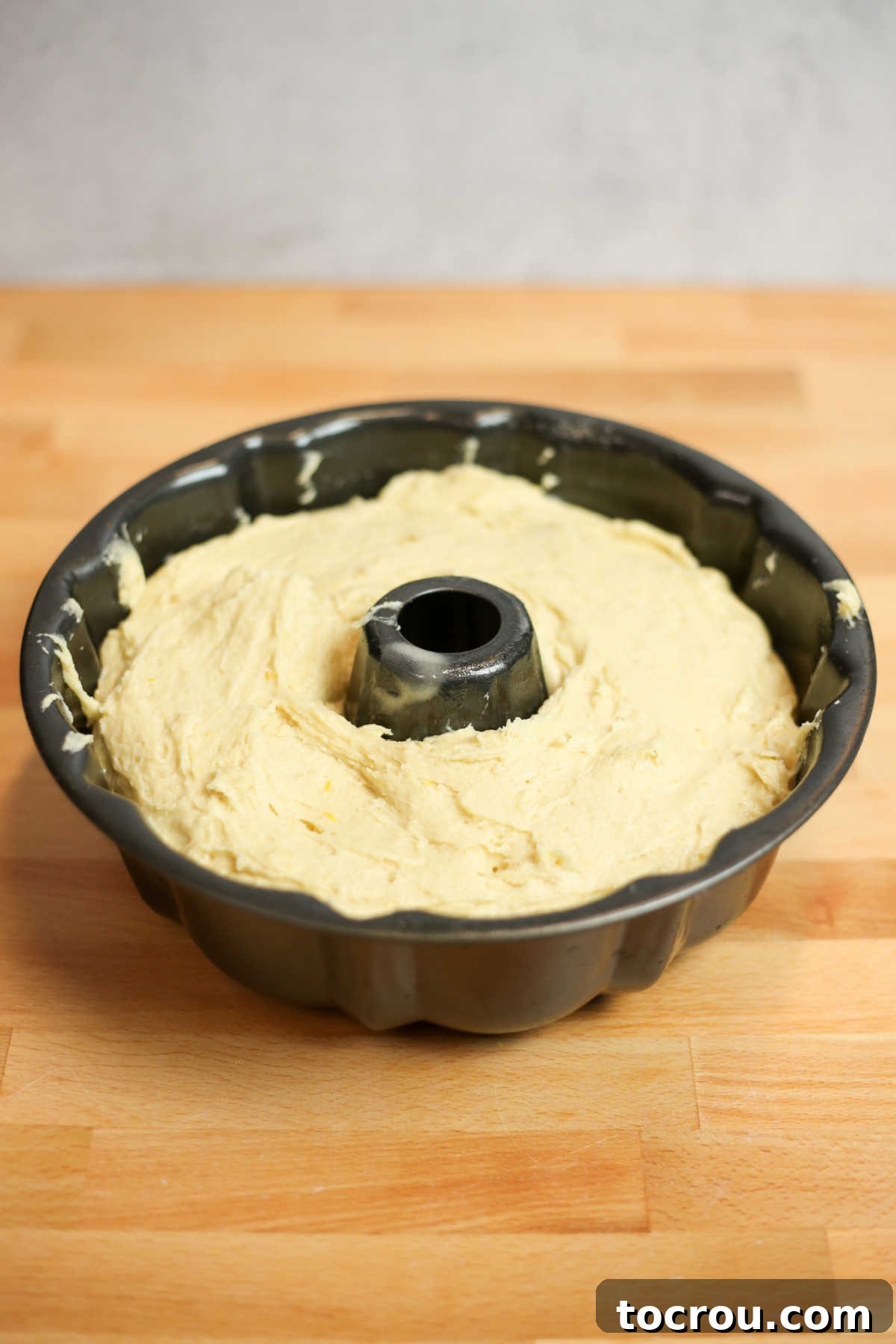
To ensure optimal results and that signature Bundt cake shape, a standard 12-cup Bundt pan is the ideal choice for this recipe. Once your batter is poured, bake the cake until a toothpick inserted into several spots comes out mostly clean, indicating it’s cooked through without being over-baked and dry. After baking, resist the urge to immediately flip the cake. Allow it to cool in the pan for about 10-15 minutes, which helps it set and prevents it from sticking. Then, carefully invert it onto a wire rack to cool completely before applying the glaze. Patience during the cooling process is key to a perfectly formed Bundt cake.
No Buttermilk? No Problem! Essential Substitutions for Baking Success
Buttermilk is a star ingredient in many baking recipes, prized for its ability to add a tender crumb and subtle tanginess to cakes, muffins, and pancakes. Its acidity reacts with baking soda to create a light and airy texture. However, it’s not always a pantry staple. If you find yourself without buttermilk, don’t let that deter your baking plans! There are several excellent substitutes that yield similar desirable results, ensuring your lemon Bundt cake is just as delicious.
Homemade Buttermilk Hack: The Lemon or Vinegar Method
The quickest and most common way to create a buttermilk substitute is to “sour” regular milk. For every cup of buttermilk required in a recipe, simply add about one tablespoon of fresh lemon juice or white vinegar to a liquid measuring cup. Then, fill the rest of the cup with regular milk (dairy or non-dairy works well), stirring gently to combine. Let this mixture sit for about 5 to 10 minutes. You’ll notice it will slightly curdle and thicken, mimicking the consistency and acidity of true buttermilk. This “mock” buttermilk is then ready to be used in your recipe just as you would the real thing.
Buttermilk Powder: Your Secret Pantry Weapon
For frequent bakers, keeping buttermilk powder on hand is a game-changer. This shelf-stable ingredient can be hydrated with water to produce instant buttermilk, perfect for recipes like this lemon Bundt cake, as well as pancakes, waffles, and dressings. It eliminates the need for last-minute substitutions and ensures you always have buttermilk when you need it.
The Secret to a Perfect Release: Preparing Your Bundt Pan
One of the most common anxieties when baking a Bundt cake is the moment of truth: turning it out of the pan. A properly prepared Bundt pan is paramount to a clean release and a beautifully intact cake. Fortunately, there are several reliable methods to ensure your cake slides out effortlessly, preserving its intricate design.
Baking Spray with Flour: A Modern Baker’s Best Friend
My preferred method for preparing a Bundt pan is using a high-quality nonstick baking spray that contains flour. These sprays are incredibly effective and convenient, providing a thin, even coating that ensures every nook and cranny of your pan is covered. This dual-action spray reduces the chances of sticking dramatically, making for a smooth and satisfying release every time.
DIY Baker’s Goop: A Trusted Homemade Solution
For those who prefer a homemade approach, many bakers swear by their own “baker’s goop” or pan release mixture. This concoction typically combines equal parts vegetable oil, shortening, and all-purpose flour. You simply mix these ingredients until smooth, then generously brush the mixture into every crevice of your Bundt pan using a pastry brush. This creates a robust nonstick barrier that is highly effective.
Classic Butter and Flour: Tried and True
The traditional method of preparing a Bundt pan involves thoroughly coating it with softened butter, then dusting it with flour. Use a generous amount of butter, ensuring it covers all surfaces, then sprinkle in a few tablespoons of flour, rotating the pan and tapping out any excess until it’s evenly coated. For chocolate Bundt cakes, you can substitute cocoa powder for flour, which prevents any white residue from appearing on your dark cake. This classic technique has been used for generations for a reason – it works!
The Butter and Sugar Technique: For a Golden, Crispy Crust
An interesting variation involves coating the buttered pan with granulated sugar instead of flour. Proponents of this method claim that the sugar caramelizes slightly during baking, creating a delightful, slightly crispy, golden crust on the exterior of the cake. While I personally find the flour-based sprays incredibly convenient, this butter and sugar technique is definitely worth experimenting with if you’re looking to add another layer of texture and flavor to your Bundt cakes. If you have a preferred method or any clever tips for preparing Bundt pans, I encourage you to share them in the comments below – fellow bakers are always eager for new tricks!
Crafting the Irresistible Ginger Lemon Glaze
The ginger lemon glaze is truly what takes this Bundt cake from delicious to absolutely unforgettable. It adds a vibrant tang from the lemon, beautifully contrasted by the warm, subtle spice of candied ginger. This unique flavor combination is both invigorating and comforting, creating a truly exceptional finishing touch. Achieving the perfect consistency and distribution of this flavorful glaze is simpler than you might think.
The Spice Factor: Preparing Candied Ginger
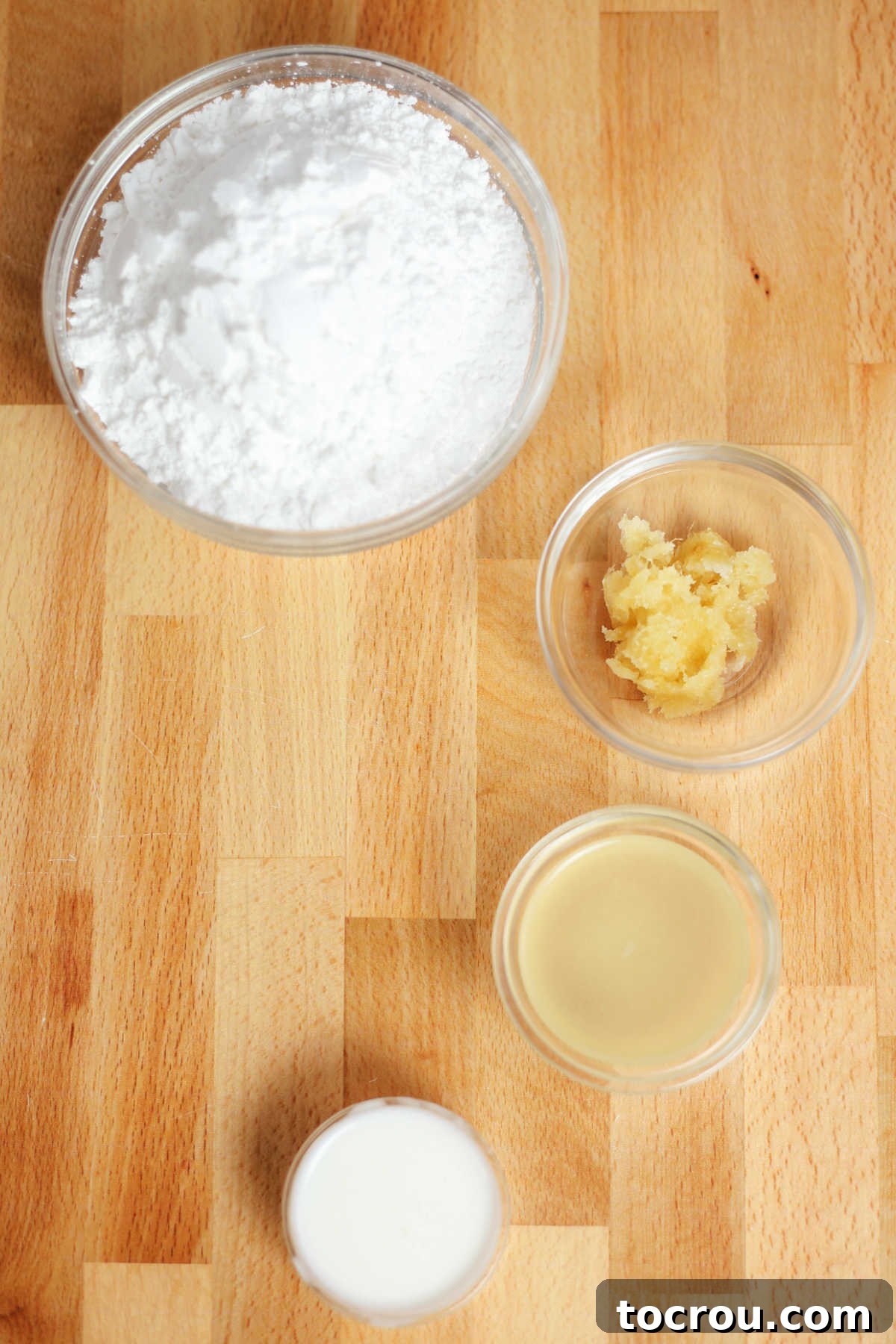
The key to incorporating candied ginger into your glaze is to ensure it’s finely ground. Candied ginger pieces can be quite firm, and if left in large chunks, they won’t disperse evenly and might create an unpleasant texture in your smooth glaze. To prevent this, use a mortar and pestle to grind the ginger into a fine paste or very small bits. Alternatively, a small food processor or even a spice grinder works wonderfully for this task. For an even smoother result, you can even combine the buttermilk and ginger in a small blender and process until the ginger is finely incorporated, infusing the liquid with its distinct flavor.
Mixing and Glazing Tips for a Flawless Finish
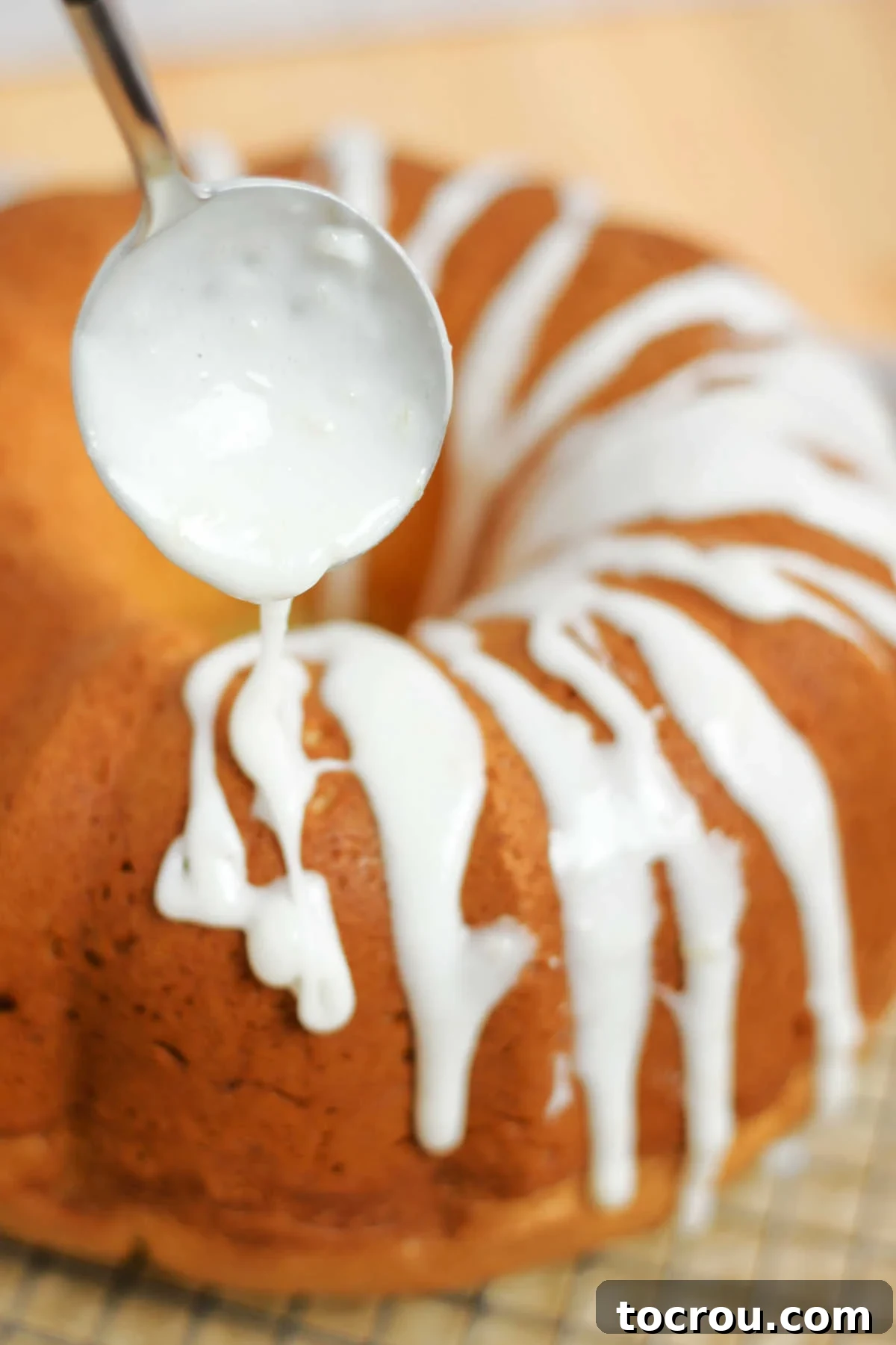
Once your ginger is prepared, simply whisk it together with the powdered sugar, fresh lemon juice, and buttermilk until you achieve a smooth, pourable glaze. If you prefer a thinner glaze that will create more of a delicate sheen, you can gradually add a bit more buttermilk, one tablespoon at a time, until you reach your desired consistency. When it’s time to glaze, you have a couple of options: you can either drizzle or pour the glaze directly over the cake while it’s resting on your serving platter for immediate presentation, or for a cleaner finish with less mess, glaze the cake while it’s still on the wire rack. Pro tip for the latter: place a sheet pan underneath the cooling rack to catch any drips, making cleanup a breeze and ensuring your countertop remains spotless. Allow the glaze to set and harden slightly before slicing and serving for the best texture.
Serving Suggestions and Storage Tips for Your Lemon Bundt Cake
This lemon Bundt cake with ginger lemon glaze is incredibly versatile and delightful in any setting. Its bright, refreshing flavor makes it a fantastic dessert for warm weather gatherings, offering a lovely counterpoint to richer meals. Think summer barbecues, garden parties, or even a sophisticated picnic. In cooler months, its comforting notes of lemon and ginger make it a perfect companion for a warm beverage, ideal for afternoon tea, cozy brunches, or a comforting treat after a holiday dinner. Serve it simply on its own, or enhance the experience with a dollop of whipped cream, a scoop of vanilla bean ice cream, or a scattering of fresh berries.
Storing Your Bundt Cake for Maximum Freshness
To keep your lemon Bundt cake fresh and delicious, store it properly. An unglazed cake can be kept at room temperature, tightly covered with plastic wrap or in an airtight cake keeper, for up to 3 days. Once glazed, it’s best stored at room temperature in an airtight container for up to 2-3 days. The glaze will help seal in moisture. If you need to store it longer, the cake (glazed or unglazed) freezes beautifully for up to 3 months. Wrap individual slices or the entire cake tightly in plastic wrap, then in aluminum foil. Thaw overnight in the refrigerator before bringing to room temperature to serve.
Explore More Delicious Bundt Cake Recipes
If you’ve fallen in love with the ease and elegance of Bundt cakes, you’re in for a treat! There’s a whole world of flavors waiting to be explored with these versatile pans:
- Whip up a homemade chai latte Bundt cake for your next soiree. It combines all the beloved spices of a chai latte within a rich, buttery cake, creating a sophisticated adult treat that’s both comforting and exotic.
- Discover a soft and delicious strawberry and sour cream Bundt cake, generously studded with chunks of fresh strawberries. The sour cream lends an unparalleled tenderness to the cake’s texture, reminiscent of a luxurious pound cake. It strikes a perfect balance of sweetness, allowing the fresh berries to truly shine.
- Experience the harmonious blend of flavors in an Italian lemon and honey Bundt cake. This cake is infused with the ideal mix of bright lemon and sweet honey, and when topped with a glistening caramelized honey glaze, it transforms into an extra special, irresistible dessert.
- Prepare to be amazed by a homemade chocolate Bundt cake filled with a decadent peanut butter filling. This combination is sure to make your mouth water and delight any chocolate and peanut butter enthusiast! A simple drizzle of peanut butter glaze and a sprinkle of chopped peanut butter cups elevate this cake into a visually stunning and intensely flavorful creation with surprising ease.
Homemade Lemon Bundt Cake with Ginger Lemon Glaze
Equipment
-
Nordic Ware Bundt Cake Pan & Keeper, 12 Cup capacity
-
Nordic Ware Pro Bundt Pan
Ingredients
Cake
- 3 cups all-purpose flour
- 1 teaspoon salt
- 1 teaspoon baking powder
- ½ teaspoon baking soda
- ¾ cup buttermilk room temperature
- 3 Tablespoon lemon zest
- 3 Tablespoon fresh lemon juice
- 1 Tablespoon vanilla extract
- 18 Tablespoons unsalted butter softened
- 1¾ cups granulated sugar
- 3 large eggs + 1 yolk
Glaze
- 2 cups powdered sugar
- 3 Tablespoons fresh lemon juice
- 1½ Tablespoons buttermilk
- 2 Tablespoons crystallized ginger or more to taste
Instructions
Cake
-
Spray a 12-cup Bundt pan with nonstick baking spray and preheat the oven to 350°F.
-
Whisk together flour, salt, baking powder, and baking soda in a medium bowl and set aside.
-
Combine buttermilk, lemon zest, lemon juice, and vanilla in a small bowl and set aside.
-
In a large bowl or stand mixer, beat together the butter and sugar on medium-high until light and fluffy.
-
Add eggs one at a time, beating well after each addition until fully combined.
-
Reduce the speed of the mixer to low and add the dry flour mixture in thirds, alternating with two halves of the buttermilk mixture. Mix until just combined, being careful not to overmix.
-
Pour batter evenly into the greased Bundt pan and bake at 350°F for about 45-55 minutes or until a toothpick inserted in the center comes out clean.
-
Allow the cake to cool in the pan for 10-15 minutes, then carefully turn the cake out onto a wire rack and allow to cool completely before glazing.
Glaze
-
Crush the crystallized ginger with a rolling pin or mortar and pestle to form a fine paste or very small bits.
-
Add powdered sugar, crushed ginger, lemon juice, and buttermilk in a bowl and whisk until fully combined and smooth.
-
NOTE: This is a thick glaze. If you prefer a thinner consistency, add more buttermilk a tablespoon at a time, whisking well after each addition, until it reaches your desired drizzling consistency.
-
Drizzle or pour the prepared glaze generously over the top of the completely cooled cake.
-
Allow the glaze to set and harden slightly before serving for the best presentation and flavor.
Nutrition Information
“Cooking With Carlee” is not a dietitian or nutritionist, and any nutritional information shared is an estimate. If calorie count and other nutritional values are important to you, we recommend running the ingredients through whichever online nutritional calculator you prefer. Calories and other nutritional values can vary quite a bit depending on which brands were used.
Did you try this recipe?
Don’t forget to leave a rating below and make sure to follow on Pinterest and Instagram for more!