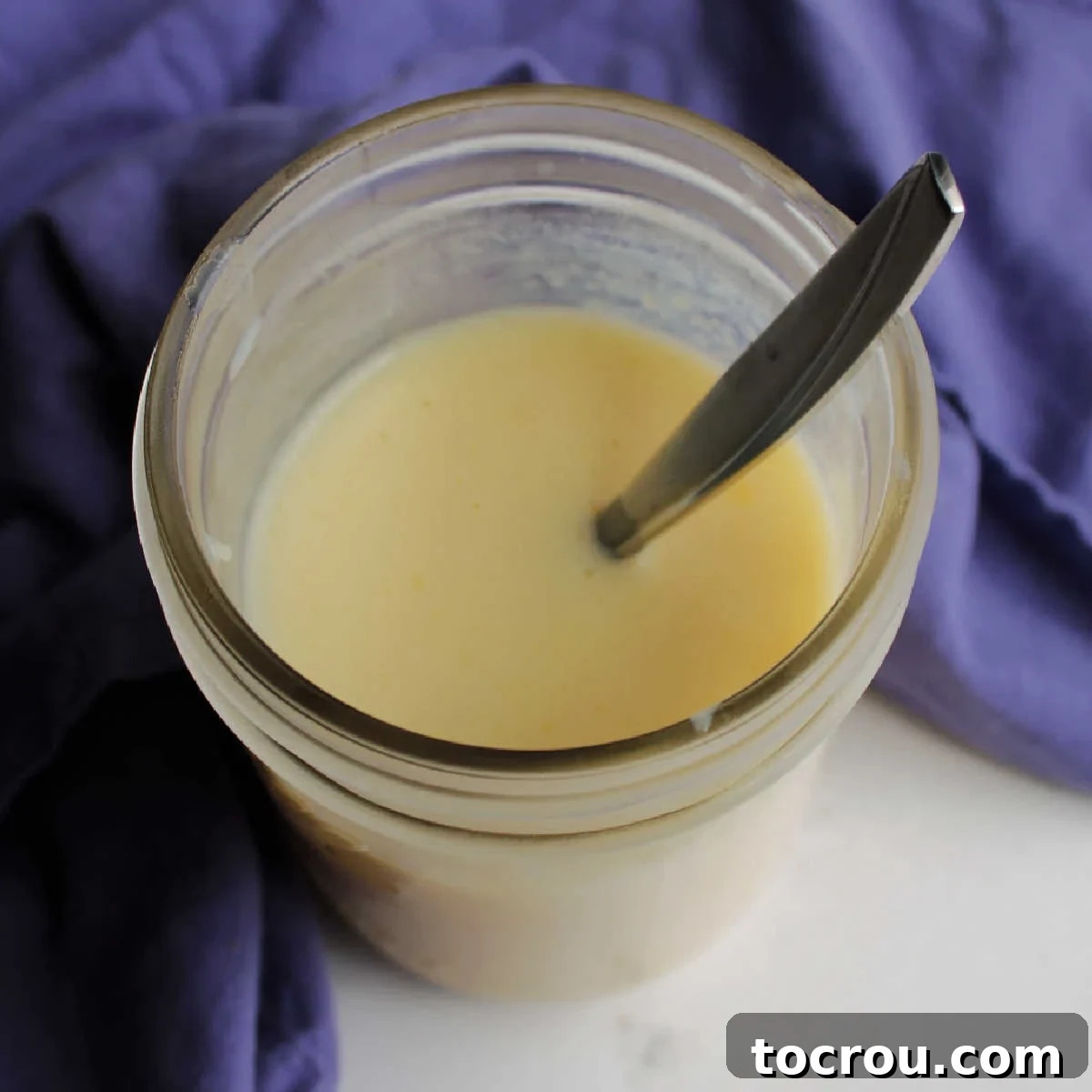
Imagine a world where you never run out of that rich, creamy, and undeniably sweet ingredient that elevates countless desserts and drinks. What if you could conjure up a batch of perfect sweetened condensed milk right in your own kitchen, using just four basic ingredients? The good news is, that world is not a fantasy, and making your own “liquid gold” is surprisingly simple!
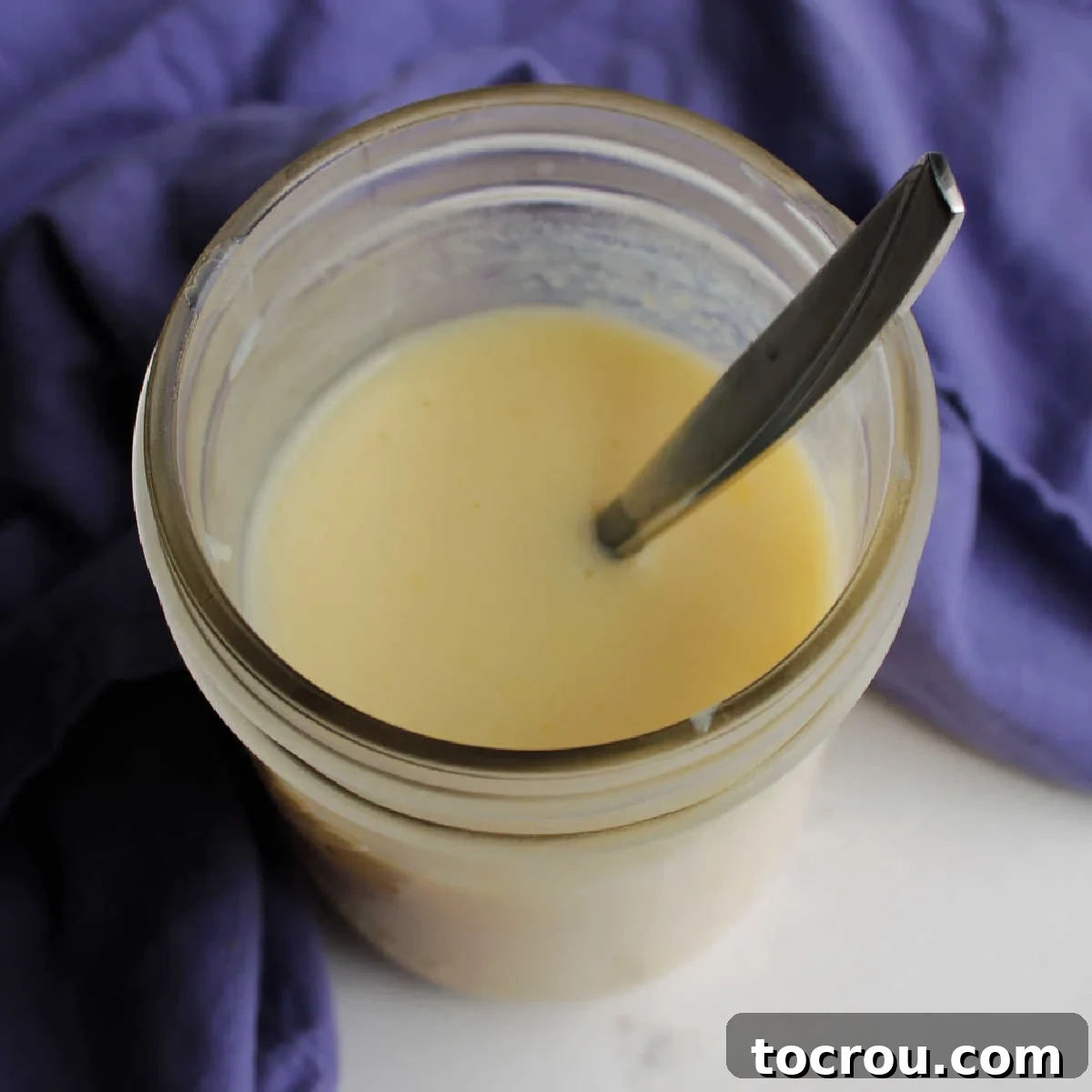
There’s a unique satisfaction that comes from crafting staples from scratch, and sweetened condensed milk is no exception. Perhaps you’ve embarked on a baking adventure, only to discover a crucial recipe calls for sweetened condensed milk, and your pantry is bare. Or maybe you’re looking for ways to reduce your reliance on canned goods, seeking fresher, more natural alternatives. Some might even be driven by a desire to utilize milk nearing its expiration date, transforming it into a long-lasting, versatile ingredient.
Whatever your motivation, diving into the world of homemade sweetened condensed milk offers a multitude of benefits. It’s not just about convenience; it’s about control over ingredients, potentially saving money, and enjoying a product free from preservatives or additives found in commercial versions. The process, while requiring a bit of patience, demands very little hands-on effort. If you can confidently simmer milk and sugar, you’re well on your way to creating this delectable concoction.
Why You Should Make Your Own Sweetened Condensed Milk
The allure of homemade sweetened condensed milk extends beyond simply having it on hand. Here are compelling reasons to embrace this simple kitchen craft:
- Emergency Ingredient Solution: Ever been midway through a recipe only to realize you’re missing that crucial can? With this recipe, a quick trip to the grocery store becomes unnecessary. Most likely, you already have the few ingredients needed in your pantry and fridge.
- Control Over Ingredients: When you make it yourself, you dictate what goes in. This means no artificial flavors, preservatives, or stabilizers. You can choose organic milk and sugar, or even explore alternative sweeteners to suit dietary preferences.
- Cost-Effective: Canned sweetened condensed milk can be surprisingly expensive, especially if you use it frequently. Making your own from basic dairy and sugar can often be a more economical choice, stretching your food budget further.
- Customization Options: The homemade version offers unparalleled flexibility. Want to try it with a different type of milk, like almond or oat? Curious about using honey or maple syrup instead of granulated sugar? Making it from scratch allows you to experiment and tailor the flavor and consistency to your exact liking.
- Superior Freshness and Flavor: While store-bought condensed milk is good, there’s a subtle depth and freshness to the homemade version that truly shines in recipes. The simple act of slowly reducing the milk with sugar creates a rich, concentrated flavor that’s hard to beat.
- Reducing Waste: If you find yourself with milk nearing its expiration date, transforming it into sweetened condensed milk is an excellent way to prevent food waste. It extends the shelf life of the milk significantly, turning a perishable item into a long-lasting pantry staple.
- Educational and Empowering: For many, the act of making a fundamental ingredient like this is empowering. It demystifies the cooking process and builds confidence in the kitchen, encouraging further culinary exploration.
The Simple Process: How to Make Homemade Sweetened Condensed Milk
Creating your own sweetened condensed milk is primarily a waiting game. The magic happens through slow reduction, concentrating the milk’s natural sugars and the added granulated sugar into a thick, syrupy consistency. But before you begin, a critical step is selecting the right equipment. The mixture will foam and bubble as it simmers, so it’s essential to use a saucepan that is large enough to accommodate this expansion without overflowing. A 2-quart saucepan is typically sufficient for this recipe, allowing ample headspace.
Once your saucepan is chosen, the process begins by combining the milk and sugar. Gently bring this mixture to a light boil over medium heat, stirring occasionally to ensure the sugar fully dissolves and doesn’t scorch at the bottom of the pan. As soon as you see it begin to bubble, reduce the heat to a medium-low setting. This is where patience becomes your most valuable ingredient.
Allow the mixture to simmer uncovered, gently bubbling, for an extended period. The goal is to reduce the volume of the liquid significantly, thickening it to a rich, pourable consistency. This reduction process is similar to making caramel sauces like cajeta or dulce de leche, but with one key difference: you want to prevent any significant browning or caramelization. The objective here is concentrated sweetness and thickness, not a caramel flavor, though a very subtle, light caramel undertone may naturally develop.
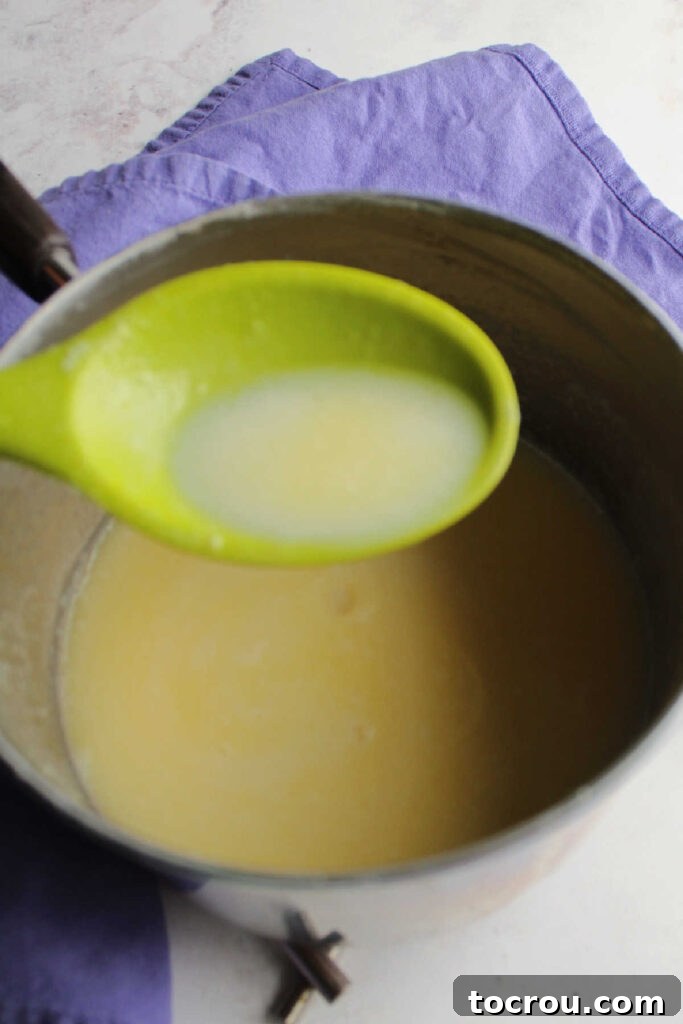
The simmering process usually takes between 30 to 45 minutes, sometimes a little longer, depending on your stove and the exact heat setting. You’ll know it’s ready when the volume has reduced to approximately one cup. For baking recipes where precision is crucial, measuring the final volume is recommended. For less finicky applications, like stirring into coffee or drizzling over fruit, a slightly less precise reduction is perfectly fine.
Once the milk mixture has reached the desired consistency and volume, remove it from the heat immediately. This is the moment to stir in the butter and vanilla extract. The butter adds a luxurious richness and smooth texture that mimics the mouthfeel of canned condensed milk, while the vanilla provides a warm, comforting aroma and flavor. Stir until both are fully incorporated. That’s it! Your homemade sweetened condensed milk is nearly complete.
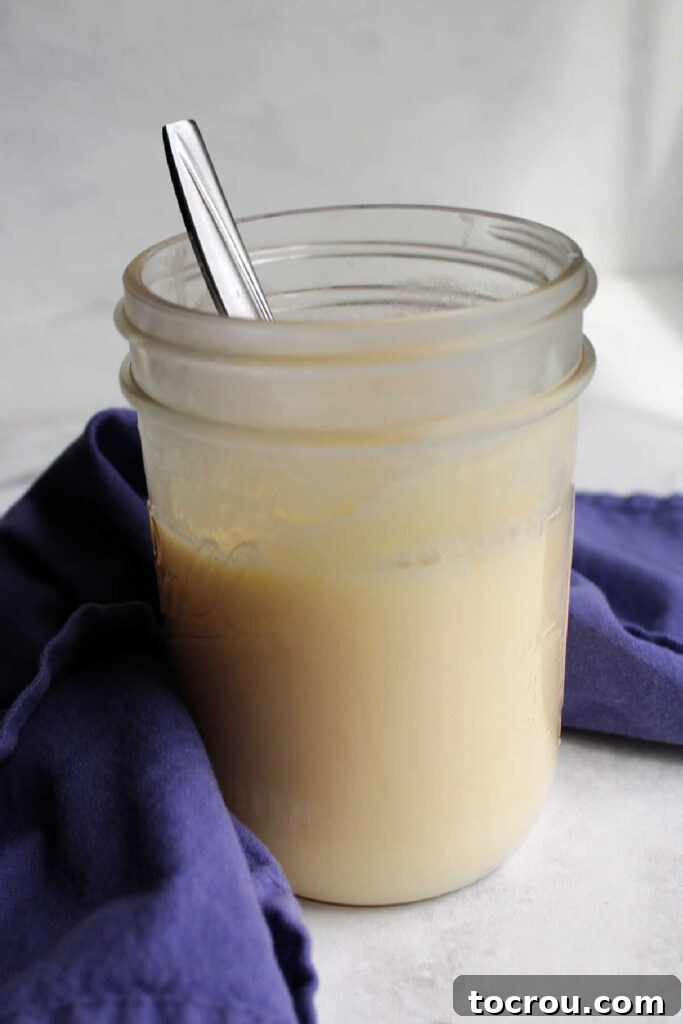
Now, allow your liquid gold to cool. It will appear quite thin when hot, but don’t be alarmed. As it cools to room temperature and then chills in the refrigerator, it will thicken considerably to the familiar creamy consistency you expect. Transfer it to an airtight container, like a glass jar, and store it in the fridge. Thanks to its high sugar content, homemade sweetened condensed milk boasts an impressive shelf life, lasting for several weeks, if not months, in the refrigerator. For even longer storage, up to a year, you can easily freeze it in freezer-safe containers.
Expert Tips and Troubleshooting for Perfect Results
Even with a straightforward recipe, a few insider tips can make your homemade sweetened condensed milk experience even smoother and more successful:
- Dealing with Curdling: Occasionally, milk can curdle slightly during the simmering process, especially if it’s nearing its expiration or if the heat is too high. Don’t panic! This usually manifests as small solids floating in the mixture. Simply skim these solids off the surface with a spoon and continue simmering. The final product will likely still be delicious, although it might have a slightly less uniform texture. To minimize curdling, use fresh milk and avoid bringing the mixture to a vigorous boil; maintain a gentle simmer.
- Choosing the Right Milk: While whole milk is recommended for the richest, creamiest result due to its fat content, you can experiment with other dairy milks like 2% or even skim milk. Just be aware that lower-fat milks might produce a slightly thinner condensed milk and may require a bit more butter at the end to achieve the desired richness.
- Dairy-Free Alternatives: For those with dietary restrictions or preferences, dairy-free milks are a viable option! Full-fat coconut milk (from a can, not a carton) often works best due to its higher fat content, yielding a creamy result. Almond milk or oat milk can also be used, but they might take longer to reduce and may not thicken quite as much. Regardless of your choice, the key is to reduce the mixture until it reaches the desired one-cup volume.
- Sweetener Swaps: Granulated sugar is the standard, but you can get creative with other sweeteners. Maple syrup or honey can be used as direct substitutes, but they will impart their distinct flavors to the condensed milk. This can be a delightful twist for certain recipes! Adjust the quantity slightly to taste, as the sweetness levels can vary.
- The Role of Butter: While optional, butter is highly recommended. It contributes significantly to the characteristic rich flavor and smooth, thick texture that we associate with canned sweetened condensed milk. If you choose to omit it, your condensed milk will still be sweet and reduced, but it might lack that luxurious mouthfeel. If using salted butter, you might want to adjust any added salt in your final recipes. If using unsalted butter, a tiny pinch of salt added during simmering can help balance the sweetness.
- Reincorporating Separated Butter: If you notice the butter separating out when the condensed milk cools or is stored, don’t worry. This can sometimes happen due to temperature fluctuations. A simple stir with a spoon or whisk before using will easily reincorporate it, bringing back that smooth consistency. Giving it a few stirs as it cools can also help prevent separation.
- Flavor Enhancements: Beyond vanilla, consider adding other flavorings. A cinnamon stick or a few cardamom pods can be simmered with the milk and sugar for an aromatic twist. Extracts like almond or coconut can also be added at the end with the vanilla for different flavor profiles.
Sweetened Condensed Milk vs. Evaporated Milk: What’s the Difference?
While often confused or thought of as interchangeable, sweetened condensed milk and evaporated milk are distinct products with different uses. Understanding their differences is key to successful baking and cooking:
| Feature | Sweetened Condensed Milk | Evaporated Milk |
|---|---|---|
| Ingredients | Milk (usually whole milk) and added sugar (typically granulated sugar). | Only milk (often whole milk), with no added sugar. |
| Process | Milk is simmered with sugar until about 60% of the water evaporates, resulting in a thick, sweet syrup. | Milk is heated to remove about 60% of its water content, then homogenized and often fortified with vitamins. |
| Taste | Extremely sweet, thick, and creamy, with a rich, slightly caramelized flavor due to the sugar. | Thicker and creamier than regular milk, with a slightly cooked or toasted milk flavor, but no sweetness. |
| Texture/Consistency | Thick, viscous, pourable syrup. | Creamier and slightly thicker than regular milk, but much thinner than condensed milk. |
| Common Uses | Desserts (pies, cheesecakes, fudge, custards), coffee, tea, cocktails, no-churn ice cream. It provides both sweetness and richness. | Savory dishes (creamy soups, sauces, casseroles), baked goods (for moisture and richness without added sweetness), diluted as a milk substitute. |
| Substitutability | Generally cannot be substituted for evaporated milk, as it adds significant sweetness. | Generally cannot be substituted for sweetened condensed milk due to the lack of sugar. |
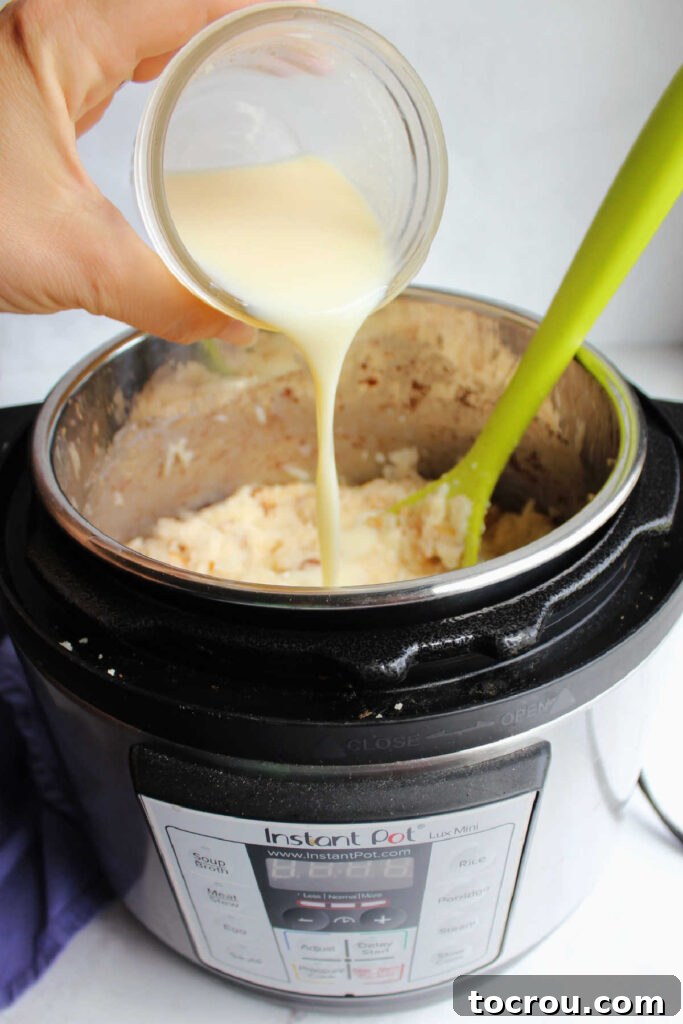
In essence, if your recipe calls for sweetness and a thick, rich base, sweetened condensed milk is your go-to. If it requires a creamy texture without the added sugar, evaporated milk is the correct choice. Now that you’re well-versed in the nuances, the only question remains: which of the many delightful recipes using sweetened condensed milk will you create first?
Homemade Sweetened Condensed Milk
Equipment
-
Mason Regular Mouth 8oz Jelly Jar 12PK
-
Stainless Steel 2 qt saucepan
Ingredients
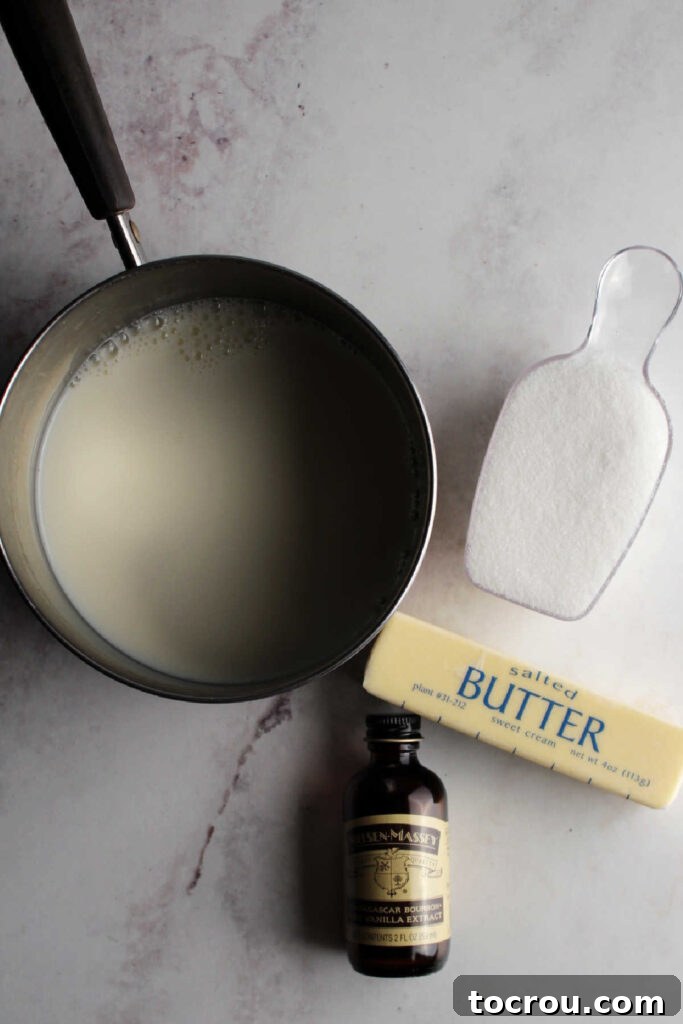
- 2 cups whole milk
- ¾ cup granulated sugar
- 4 Tablespoons butter
- 1 teaspoon vanilla extract
Instructions
-
Combine ¾ cup granulated sugar and 2 cups whole milk in a medium saucepan. Heat over medium heat, stirring occasionally, until the sugar dissolves and the mixture just begins to bubble. Then, reduce the heat to medium-low. Ensure your pan is large enough, as the mixture will foam up as it simmers.
-
Simmer gently over medium-low heat, stirring every 5-10 minutes to prevent scorching, until the volume is reduced to approximately 1 cup. This reduction process typically takes between 30 and 45 minutes, sometimes longer. The mixture should be noticeably thicker and coat the back of a spoon.
-
Remove the saucepan from the heat. Immediately stir in the 4 Tablespoons butter and 1 teaspoon vanilla extract until both are fully melted and incorporated into the condensed milk.
-
Allow the sweetened condensed milk to cool completely at room temperature before transferring it to an airtight container. Store in the refrigerator for up to one month. It will thicken further as it chills. Stir well before each use. For longer storage, freeze for up to 1 year.
Notes
Using salted butter adds a lovely balance to the sweetness. If you opt for unsalted butter, consider adding a tiny pinch (about ⅛ teaspoon) of fine salt to the milk mixture during the simmering phase.
Nutrition Information
“Cooking With Carlee” is not a dietitian or nutritionist, and any nutritional information shared is an estimate. If calorie count and other nutritional values are important to you, we recommend running the ingredients through whichever online nutritional calculator you prefer. Calories and other nutritional values can vary quite a bit depending on which brands were used.
Did you try this recipe?
We’d love to hear your thoughts and see your creations! Don’t forget to leave a rating below and make sure to follow us on Pinterest and Instagram for more delicious recipes!