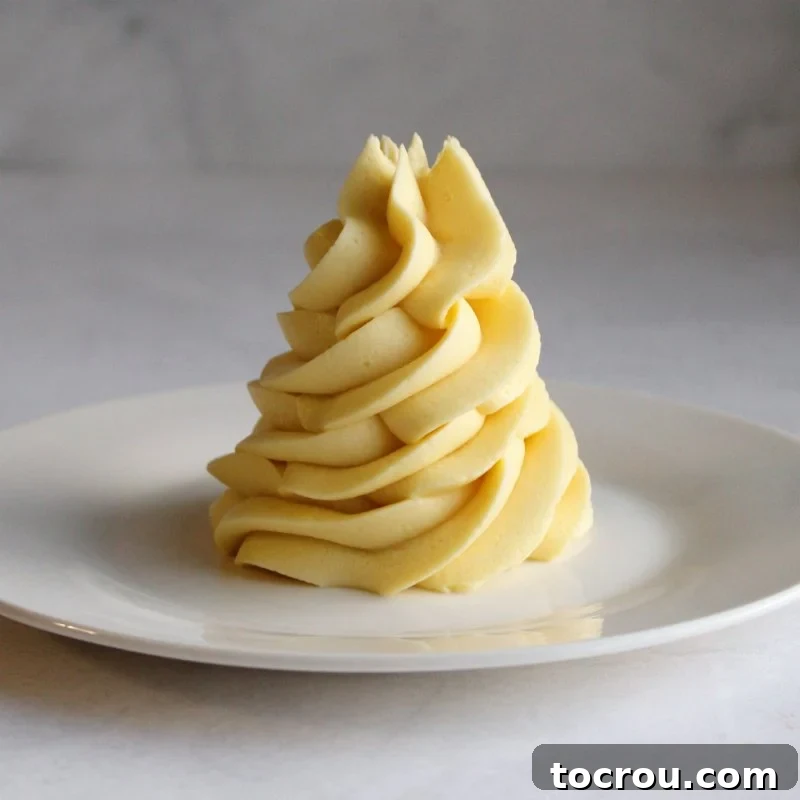
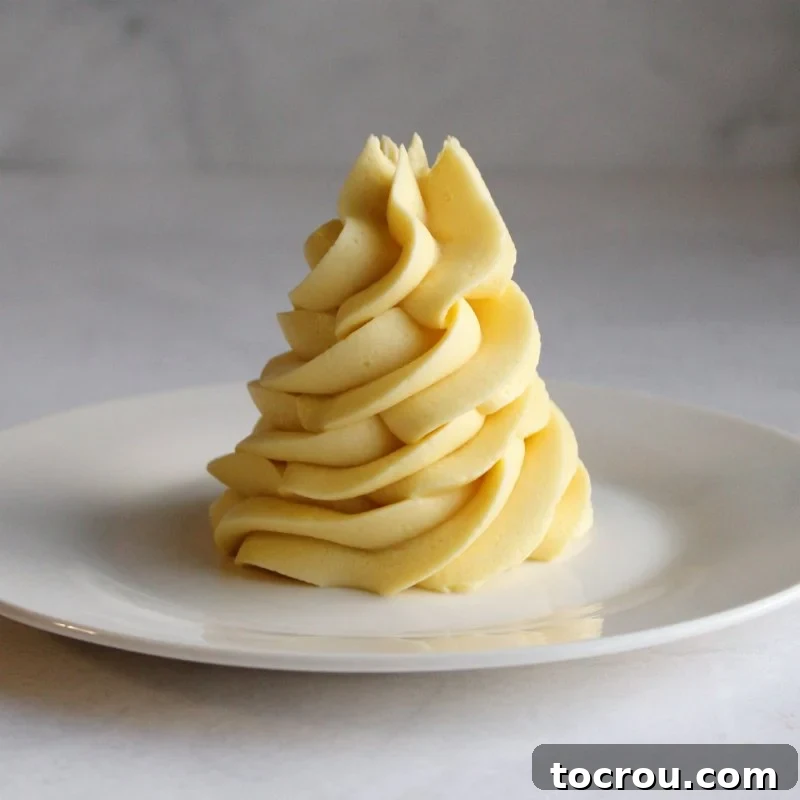
Welcome to the world of German Buttercream, a truly enchanting frosting that stands out from the crowd. Built upon a rich, creamy custard base, this buttercream is celebrated for its incredibly luscious texture and a sweetness that is perfectly balanced, never overpowering. It’s an absolute dream for decorators, effortlessly smooth for spreading, and so delightfully tempting you might just find yourself reaching for a spoonful straight from the spatula!
Discover the Magic of Custard-Based German Buttercream
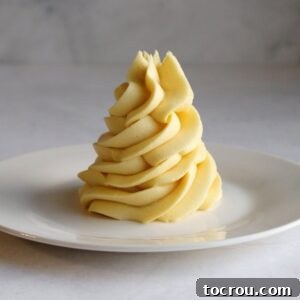
If your quest is for a frosting that is both super creamy and sumptuously rich, yet steers clear of the cloying sweetness often found in traditional American buttercreams, then you’ve absolutely arrived at the right destination. German buttercream, also known as Crème Mousseline or Buttercreme, is a European delight that begins with the creation of a thick, velvety pastry cream (custard). This custard is then carefully whipped with butter, transforming into an unbelievably light, airy, and delicious frosting that truly melts in your mouth. While this vanilla version is a timeless classic, it merely scratches the surface of the myriad flavor possibilities waiting to be explored.
The process of making German buttercream does involve a few distinct steps, which might seem a little intimidating at first glance. However, let not that deter you! It’s actually quite straightforward, and the beautiful part is that the custard base can be prepared several days in advance. This brilliant make-ahead option significantly reduces the workload on the day of assembly, making this gourmet frosting surprisingly accessible for home bakers. The resulting texture and sophisticated flavor are well worth the effort, promising to elevate any dessert it graces.
My personal journey into the allure of German buttercream began with a strong sense of curiosity, particularly after seeing Kelsey from the Itsy Bitsy Kitchen craft it for her exquisite Danube Waves cake. The very concept of a buttercream with a custardy foundation was instantly captivating, drawing me in with its promise of a unique flavor profile and unparalleled texture. As someone with deep German heritage, exploring a buttercream variety rooted in this culinary tradition always piques my interest, connecting me to flavors from my past.
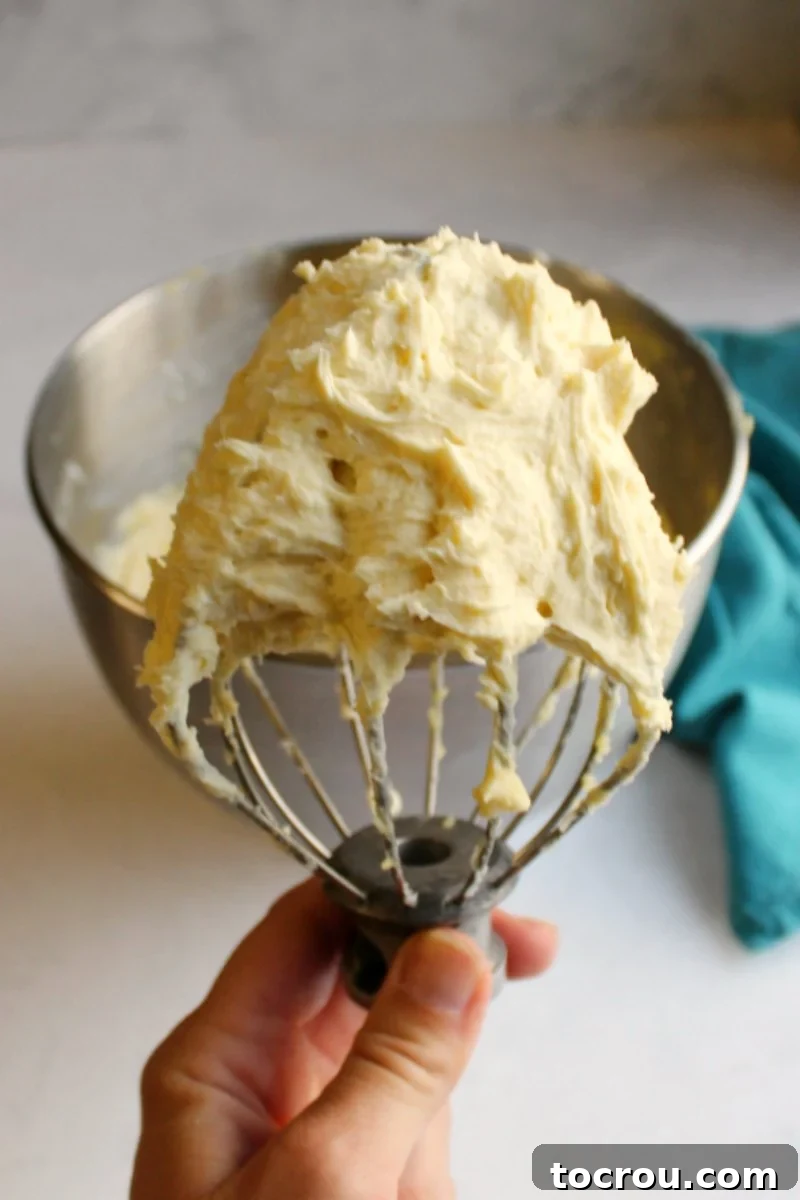
In my pursuit of the perfect German buttercream, I delved into extensive research, scrutinizing numerous recipes and methods. As is often the case with classic culinary techniques, I discovered several variations in approach and differing ratios of ingredients. Ultimately, I forged my own path, synthesizing the best aspects from all the recipes I encountered to create a version that truly sings. The results were nothing short of spectacular. As one might expect, the flavor is reminiscent of a really silky, rich pudding, yet it possesses a structural integrity that pudding simply cannot match. This allows it to be piped, spread, and hold its shape beautifully, making it an incredibly versatile frosting.
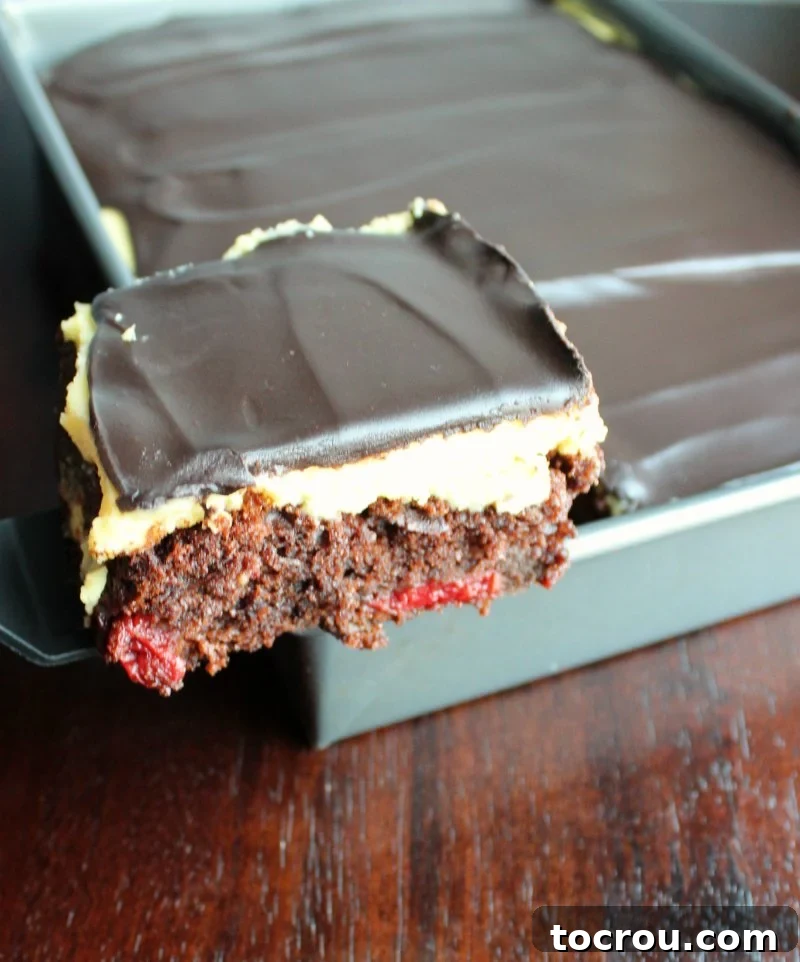
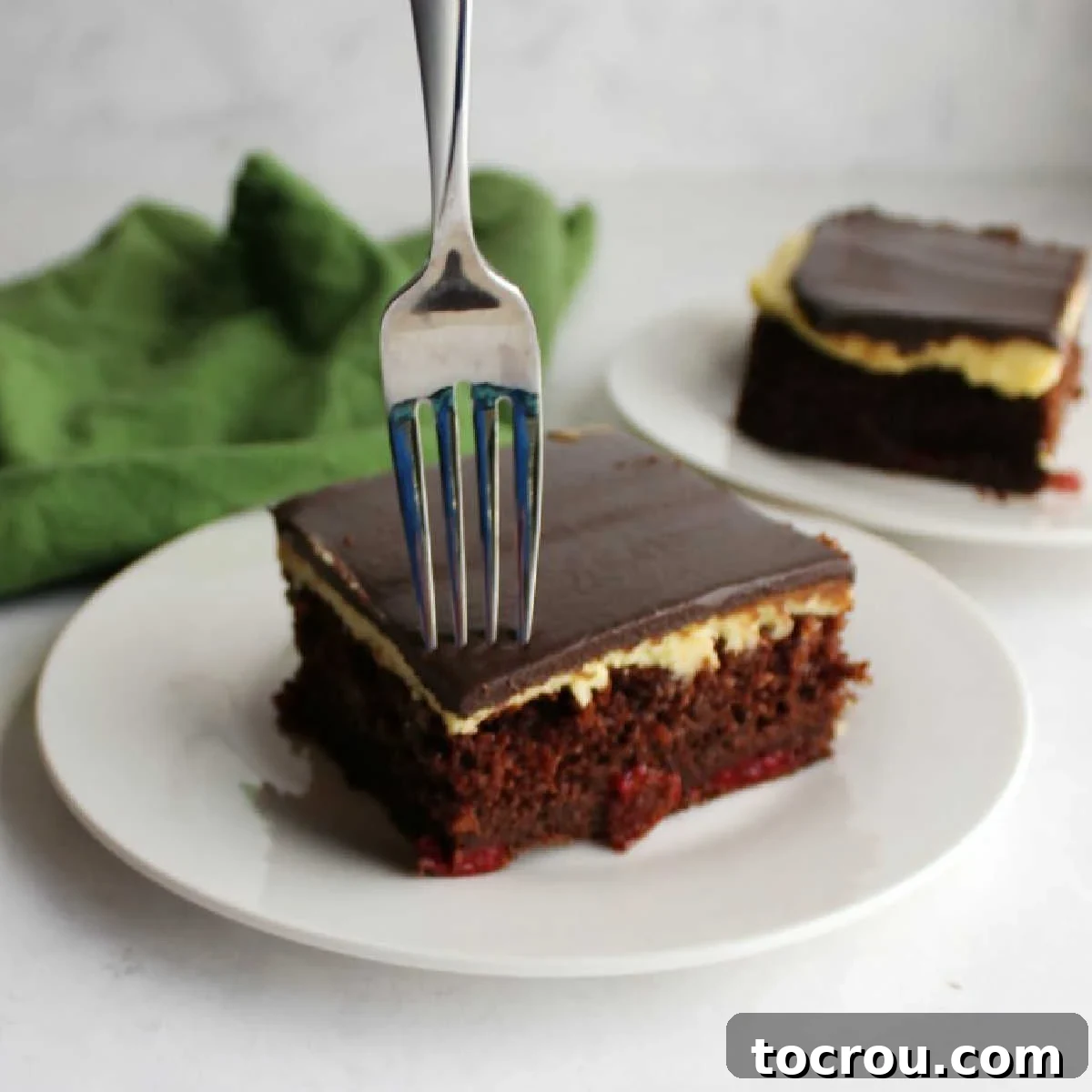
I recently had the pleasure of spreading a batch of this exquisite vanilla German buttercream over a delightful chocolate and cherry cake, topping it with a luxurious dark chocolate ganache to create a magnificent Black Forest style sheet cake. The combination was utterly divine, and I’m already eagerly seeking another occasion to recreate this masterpiece! Don’t fret, I’ll be sharing the complete cake recipe very soon. This creamy vanilla goodness would also be absolutely fabulous paired with fruity fillings in an elegant layer cake, offering a sublime contrast of textures and flavors. Let your culinary imagination guide you, and please, share your creations so I can be inspired by your artistry! 💕
Mastering German Buttercream: Tips for Success
Crafting the Perfect Custard Base (Pastry Cream)
The secret to an exceptional German buttercream lies in its foundation: a flawlessly smooth and thick pastry cream. Achieving this requires careful attention. Start by whisking your sugar and cornstarch together thoroughly to prevent lumps. Then, whisk in the eggs until the mixture is completely smooth. When heating the milk, bring it to a gentle simmer, not a rolling boil. The crucial step is tempering the eggs: slowly drizzle a small amount of the hot milk into the egg mixture while continuously whisking. This gradually raises the temperature of the eggs, preventing them from scrambling when added to the remaining hot milk. Once tempered, slowly pour the egg mixture back into the simmering milk, whisking vigorously. Continue cooking and stirring over medium-low heat until the custard thickens significantly, reaching the consistency of a tight pudding. Don’t be alarmed if it appears slightly lumpy initially; vigorous whisking during the thickening process will smooth it out. Removing it from the heat and stirring in a little butter at the end adds extra richness and helps with a silky texture. Always cover your finished custard with plastic wrap directly touching the surface to prevent a “skin” from forming, and ensure it’s thoroughly chilled before proceeding to the next step. Chilling for at least an hour, or even overnight, is essential for stability.
Combining Custard and Butter for a Fluffy Frosting
Once your custard is perfectly chilled and your butter has softened to room temperature, you’re ready to create the magic. The key here is temperature consistency; both the custard and the butter should be at a similar, soft room temperature. If the custard is too cold or the butter too hard, your buttercream might curdle. Begin by beating the softened butter until it is incredibly light, fluffy, and pale in color. This incorporates air, which is vital for the final texture. Then, add the chilled, dough-like custard a tablespoon or two at a time, beating thoroughly after each addition. This gradual incorporation allows the mixture to emulsify properly. Continue beating until all the custard is incorporated and the buttercream is wonderfully light and airy. Finally, stir in your vanilla extract and a pinch of salt to enhance the flavors, and give it one last whip until everything is perfectly combined and glossy.
Uses and Limitations of German Buttercream
This exquisite frosting is incredibly versatile and perfect for a wide range of desserts. It excels at spreading smoothly over sheet cakes, serving as a luxurious filling for elegant layer cakes, or piping beautiful designs atop cupcakes. Its stability makes it ideal for decorative work, holding its shape beautifully. However, like any specialized frosting, German buttercream has its unique characteristics and limitations.
Firstly, if you are aiming for a pristine, super-white frosting, this recipe might not be your best choice. The presence of egg yolks in the custard base naturally imparts a lovely, creamy yellow hue, which will persist no matter how long you whip it. In my experience, using fresh eggs from my parents’ farm often results in an even richer, more vibrant yellow because their yolks are exceptionally deep in color and flavor. If a pure white frosting is a non-negotiable requirement, you might consider alternatives such as Italian meringue buttercream, which is typically made with egg whites, producing a much lighter color.
Regarding heat stability, while German buttercream holds up well at moderate room temperatures, I haven’t extensively tested its longevity in very warm conditions. I would generally advise against choosing it as a primary option if you know your cake will be exposed to prolonged periods of warmth, such as an outdoor event on a hot day. This is largely because it relies on the emulsion of butter and custard, rather than the stabilizing power of powdered sugar found in American buttercream, or the meringue structure of Swiss and Italian buttercreams. Unlike some crusting buttercreams where replacing some butter with shortening (which has a higher melting point) can aid stability, I wouldn’t recommend a shortening swap for German buttercream. Its distinct, dairy-forward, custardy flavor is a key characteristic, and shortening would likely compromise that unique taste and luxurious texture.
Flavor Variations for Your German Buttercream
One of the most exciting aspects of German buttercream is its adaptability to various flavors. Before preparing the custard, you can infuse the milk with a myriad of aromas. Consider steeping ingredients like vanilla beans (for an even deeper vanilla flavor), cinnamon sticks, star anise, or cardamom pods for a warm, spicy note. For a citrusy twist, add orange, lemon, or lime zest to the milk. Coffee beans or instant espresso powder can create a delightful mocha buttercream. Loose leaf tea, such as Earl Grey or chai, can also be steeped for a sophisticated flavor. Simply add your chosen flavoring agent to the milk, bring it to a simmer, then strain it before continuing with the custard recipe. You can also incorporate extracts like almond, rum, or coconut after the buttercream is fully whipped. For a chocolate version, melt in some good quality dark or milk chocolate at the end. The possibilities are truly endless, allowing you to tailor this versatile frosting to any dessert or occasion.
Troubleshooting Common German Buttercream Issues
- **If your frosting is too soft or runny:** This often happens if your butter was over-softened, or if the chilled custard wasn’t quite cold enough when combined. Try placing the entire bowl of frosting into the refrigerator for 15-20 minutes, then re-whipping vigorously. If it’s still too loose, the custard might have been too thin to begin with. As a last resort, you can try beating in a tablespoon or two of powdered sugar at a time to help thicken it, though this will slightly alter its traditional smooth texture.
- **If your frosting appears curdled or chunky:** This usually indicates a temperature difference between the butter and the custard, where one was significantly colder than the other. Don’t panic! Gently warm a small portion of the buttercream over a double boiler or with a heat gun for a few seconds, then immediately return it to the mixer and beat vigorously. The gentle warmth helps the fats and liquids re-emulsify, creating a smooth consistency.
- **If you have small lumps in your buttercream:** This can be due to unincorporated butter or custard pieces. Continue beating the buttercream on medium-high speed for several minutes. The friction from the mixer will help smooth out most lumps. If persistent, you can carefully press the buttercream through a fine-mesh sieve, though this is rarely necessary if the ingredients were at the correct temperature and whipped sufficiently.
Vanilla German Buttercream
Carlee
18
Servings
15
mins
15
mins
1
hr
1
hr
30
mins
Ingredients
- ½ cup granulated sugar, divided
- ¼ cup cornstarch
- 2 large eggs
- 1 cup whole milk
- 2 Tablespoons unsalted butter
- 1 cup unsalted butter, softened
- 2 teaspoons vanilla extract
- 1 pinch salt
Instructions
-
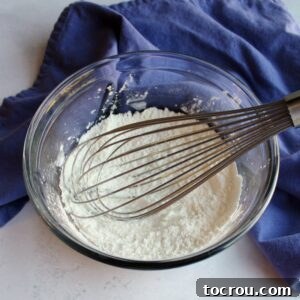
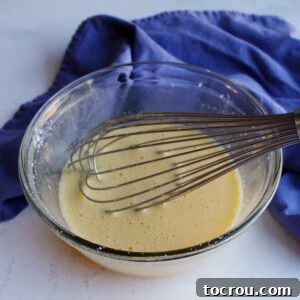
In a heat-resistant bowl, thoroughly whisk together ¼ cup of granulated sugar and the ¼ cup cornstarch until no lumps remain.

-
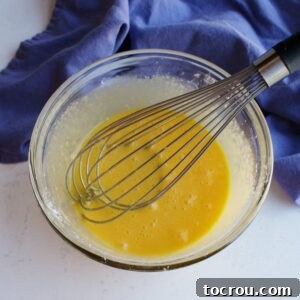
Beat the 2 large eggs into the sugar and cornstarch mixture until completely smooth. Set this bowl aside near your stove.
-
In a large saucepot or saucier, combine the 1 cup whole milk and the remaining ¼ cup of granulated sugar. Heat over medium heat, stirring occasionally, until the mixture comes to a gentle simmer.
-
Once the milk mixture is simmering, carefully scoop about ⅓ of a cup (or one small ladle full) of the hot milk into the egg mixture while continuously stirring to temper the eggs. Mix it in thoroughly to prevent scrambling.
-
Slowly drizzle the tempered egg mixture back into the simmering milk in the saucepot, beating vigorously with a whisk as you pour.
-
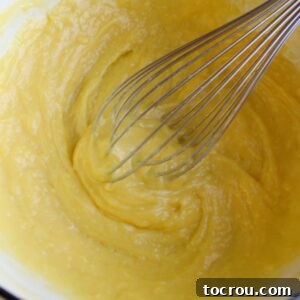
Continue to cook and stir over medium-low heat. Keep whisking until the mixture begins to thicken significantly. It may become a little lumpy at this stage, which is normal.
-
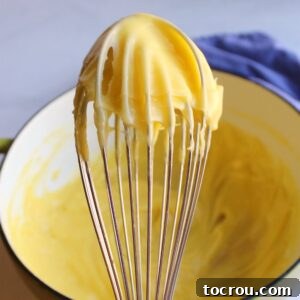
Once the mixture has thickened to approximately the consistency of a very thick pudding, reduce the heat to low. Whisk vigorously at this stage to remove any remaining lumps and ensure a perfectly smooth custard.
-
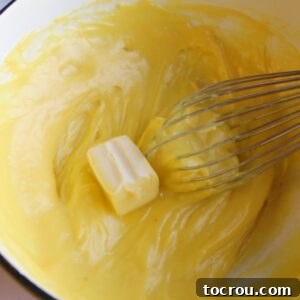
Remove the pot from the heat and stir in the 2 Tablespoons unsalted butter until melted and fully incorporated. The custard should be quite thick, yet still soft and smooth.
-
Transfer the custard to a clean bowl. Place a sheet of plastic wrap directly onto the surface of the custard, ensuring it touches to prevent a skin from forming. Refrigerate for at least one hour, or until thoroughly chilled and firm.
-
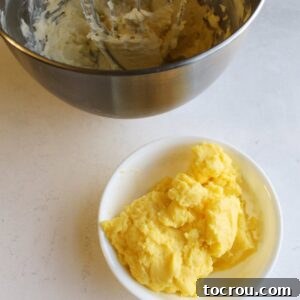
Once chilled, the custard should be very thick, almost resembling a smooth cookie dough consistency. Take it out of the fridge and let it sit on the counter along with your 1 cup unsalted butter (which you should have pulled out to soften earlier). It’s crucial for both the custard and butter to be at the same soft room temperature for optimal mixing.
-
Once the butter is softened, beat it in a stand mixer (or with a hand mixer) until it is very light, smooth, and creamy, and significantly paler in color. Remember to scrape down the sides of the bowl frequently to ensure even whipping.
-
Now, begin adding the chilled custard to the whipped butter, one to two tablespoons at a time. Beat thoroughly after each addition until fully incorporated. Continue this process until all of the custard has been added. Once everything is combined, beat the mixture on medium-high speed for several minutes until the buttercream is incredibly light and fluffy.
-
Finally, add the 2 teaspoons vanilla extract and 1 pinch salt. Beat for another minute or two to ensure they are well distributed and the buttercream is perfectly smooth and glossy. Your rich, delicious German buttercream is now ready to adorn your favorite cakes and treats!
🔽Hide Nutrition Information
Nutrition Information
Serving:
1
Serving
|
Calories:
148
kcal
|
Carbohydrates:
8
g
|
Protein:
1
g
|
Fat:
12
g
|
Saturated Fat:
8
g
|
Polyunsaturated Fat:
4
g
|
Cholesterol:
53
mg
|
Sodium:
113
mg
|
Sugar:
6
g
“Cooking With Carlee” is not a dietitian or nutritionist, and any nutritional information shared is an estimate. If calorie count and other nutritional values are important to you, we recommend running the ingredients through whichever online nutritional calculator you prefer. Calories and other nutritional values can vary quite a bit depending on which brands were used.
Did you try this recipe?
Don’t forget to leave a rating below and make sure to follow on Pinterest and Instagram for more delicious recipes!