
There’s a universal baking frustration almost every home baker has experienced: pulling a tray of cookies from the oven, only to find them not beautifully thick and chewy, but rather sad, flat, and greasy puddles. It’s disheartening when your baking dreams turn into a spreading mess. But don’t despair! This common baking conundrum is entirely solvable. With the right knowledge and a few simple adjustments, you can consistently achieve those perfectly thick, gloriously chewy, or delightfully crisp cookies you crave. This guide will delve into the core reasons why cookies spread too much and provide a comprehensive set of tips and tricks to prevent it from happening, ensuring your next batch is a resounding success.

The quest for the perfect cookie often feels like a delicate balance of ingredients and technique. When you envision plump, irresistible cookies and instead get a uniform layer across your baking sheet, it can feel like a personal affront from your oven. However, this issue is far more common than you might think. Whether you’re a novice or an experienced baker, encountering flat, spreading cookies is a rite of passage. Social media baking groups are often filled with desperate pleas for help regarding this very problem, highlighting that even tried-and-true recipes can sometimes yield unexpected results.
So, if you’ve recently found yourself staring at a tray of disappointingly flat cookies, take comfort in knowing you’re in excellent company. The good news is that this common issue can almost always be traced back to one or two primary culprits, and thankfully, they are usually straightforward to identify and rectify. Understanding the science behind cookie spreading is the first step towards mastering your baking and consistently producing impressive results that look as good as they taste.
The Power of the Test Cookie
Before you commit an entire batch of dough to the oven, potentially risking widespread disappointment, embrace the simple yet highly effective strategy of baking a test cookie. This method serves as your crystal ball, offering a sneak peek into how your dough will behave under heat and allowing you to make crucial adjustments before it’s too late. If you have any reservations about your cookie dough’s consistency or composition, a single test bake is an invaluable diagnostic tool.
Sometimes, the signs are evident just by looking at the dough. It might appear overly greasy, unusually soft, or simply too slack to hold its shape. These visual cues are often a strong indicator that spreading will occur. While some specialized recipes might intentionally feature a softer dough (and a good recipe developer will typically highlight this unusual characteristic), if the recipe doesn’t specify, it’s safe to assume something might be amiss.
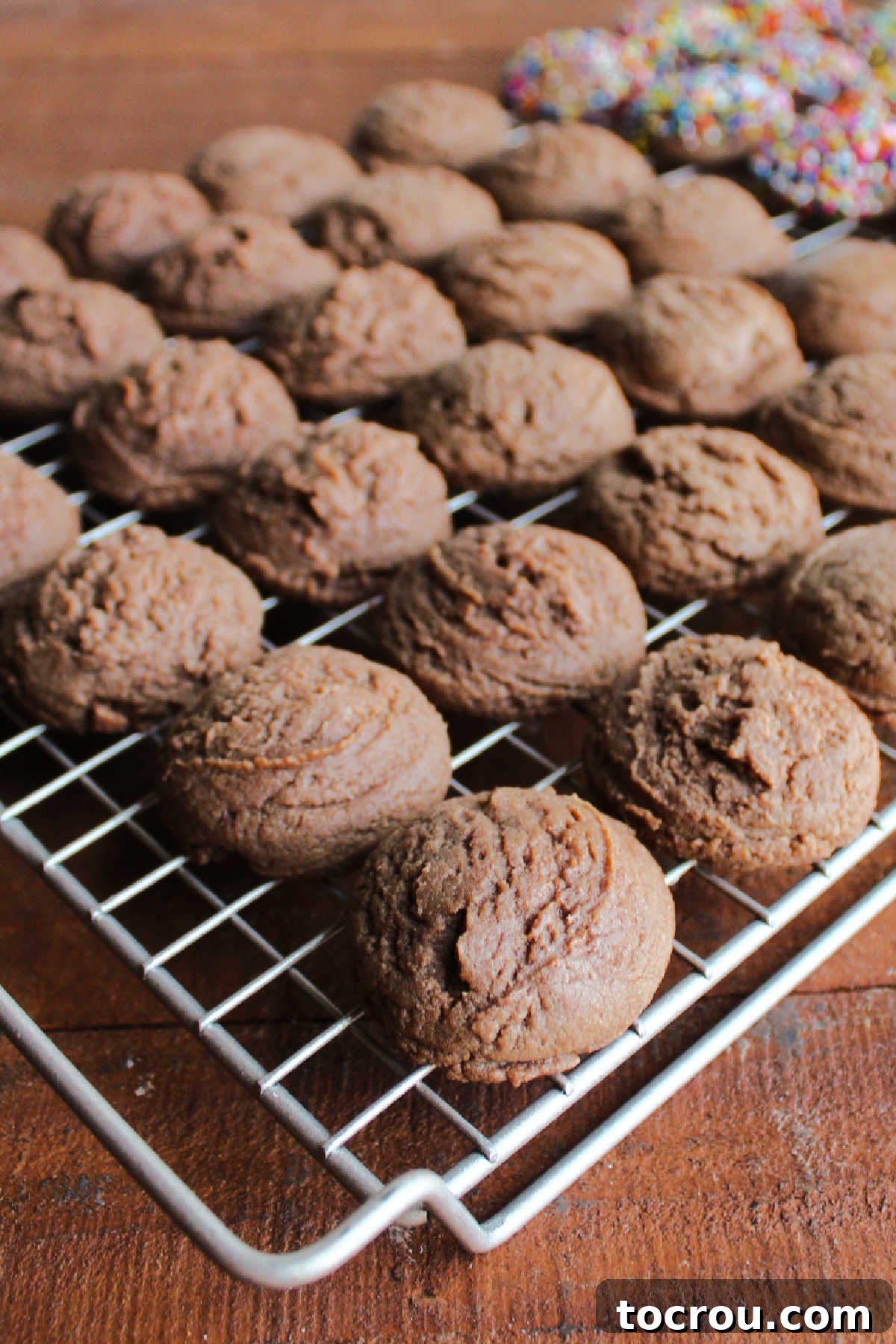
Even if your dough appears flawless, a test cookie is never a wasted effort. This preliminary bake allows you to assess the cookie’s texture, spread, and overall appearance. If modifications are needed – perhaps a bit more flour, a quick chill, or a tweak in the baking time – you’ve only sacrificed the ingredients for one cookie rather than an entire tray. It’s a small investment for a potentially huge return in baking satisfaction.
Performing a test bake is exactly as it sounds: prepare one cookie according to your recipe’s instructions. Bake it for the recommended duration, observing its behavior closely. Not only does this offer an opportunity to perfect your dough, but it also helps you zero in on the ideal baking time for your specific oven. Ovens vary significantly, and personal preferences for cookie doneness differ, so a test cookie is perfect for fine-tuning.
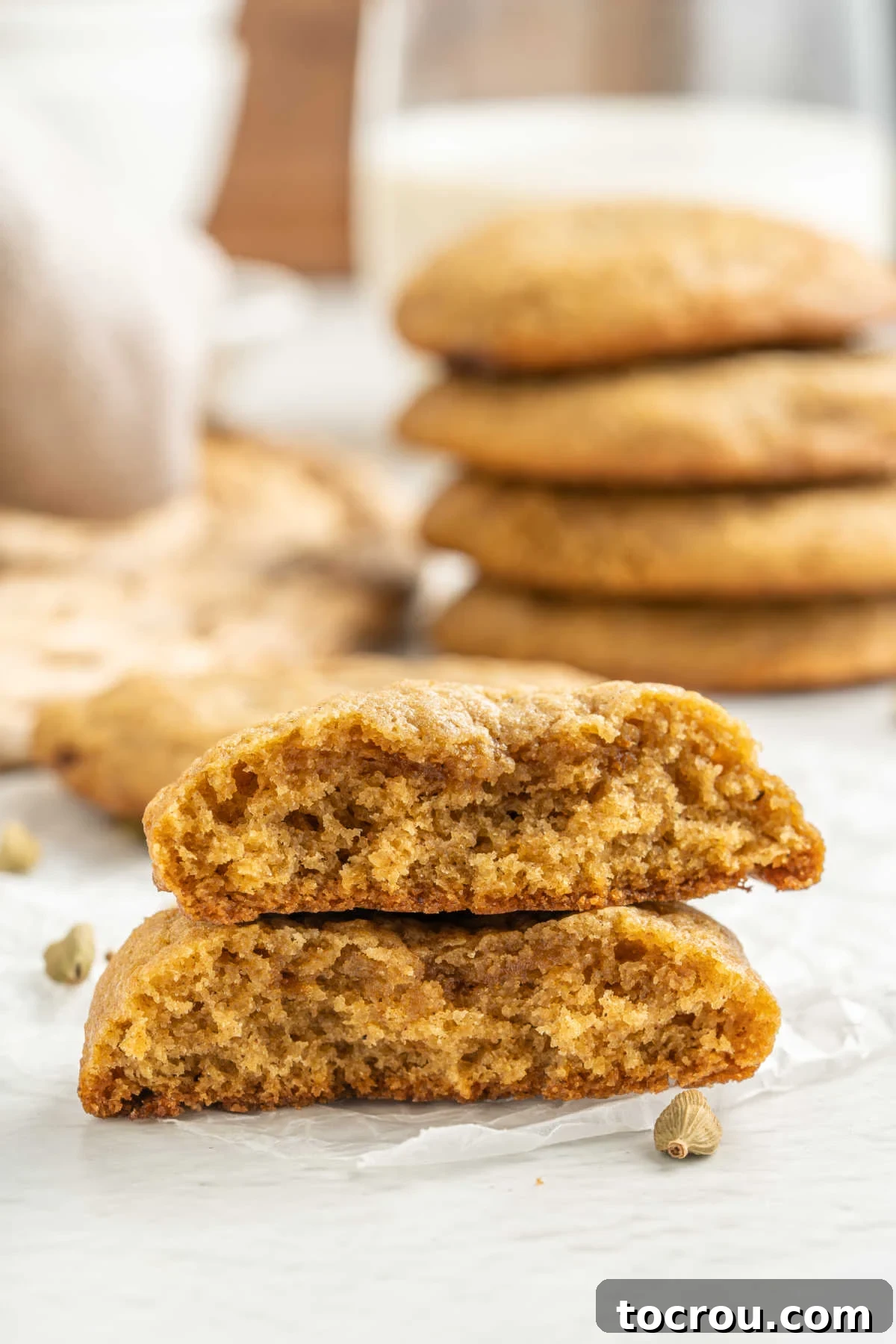
Most recipes provide a range for bake times to account for these variables. Baking a single cookie allows you to pinpoint the exact time that yields your preferred level of crispness, chewiness, or softness. Plus, let’s be honest, it provides the perfect, guilt-free excuse for an early taste test of your delicious creation!
Why Your Cookies Spread: Unraveling the Mystery
Understanding the root causes of cookie spreading is key to preventing it. While many factors can contribute, the most common culprits usually boil down to two main elements: temperature and flour content. Once you grasp how these two variables impact your dough, you’ll be well-equipped to troubleshoot and achieve perfectly baked cookies every time.
Temperature: The Melting Point of Butter
The role of temperature, particularly the temperature of your butter and dough, cannot be overstated. Butter is a crucial ingredient, providing flavor, moisture, and tender texture. However, its state directly affects how cookies bake. When butter melts quickly in a hot oven, it causes the cookie dough to lose its structure before it has a chance to set, leading to rapid and excessive spreading. Think of it like a building whose foundation melts before the concrete has cured.
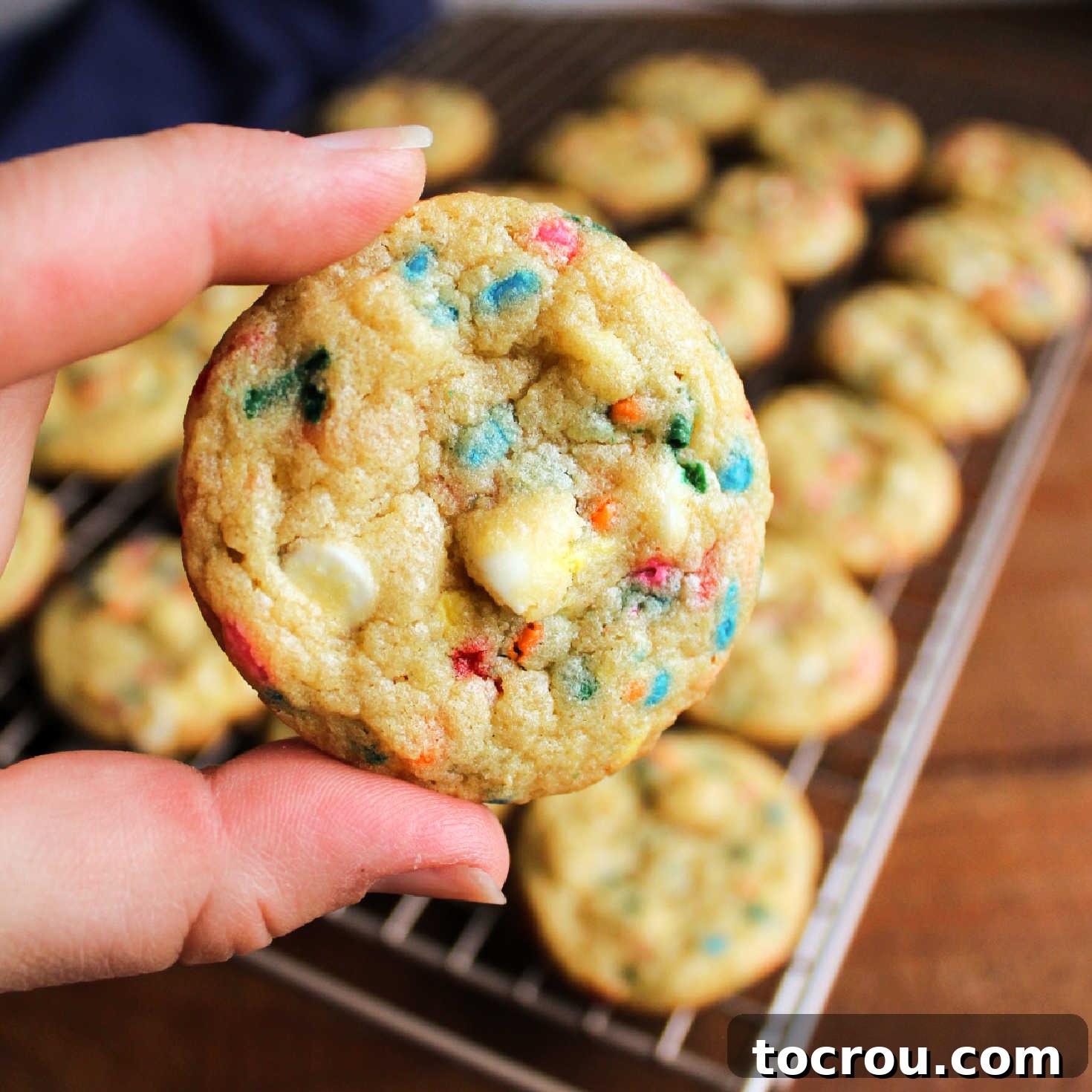
If your cookie dough feels warm or appears noticeably soft and pliable, chilling it is almost always the best first step. Even if a recipe doesn’t explicitly call for chilling, a minimum of 30 minutes in the refrigerator can work wonders. Chilling the dough solidifies the butter, making it more resistant to immediate melting when exposed to oven heat. This allows the cookie’s structure (thanks to the flour and eggs) to firm up and set before the butter fully liquefies, resulting in a thicker, more stable cookie that holds its shape beautifully rather than turning into a “puddle of goo” on the pan.
Flour Content and Measurement
Flour is the structural backbone of your cookies. It provides the necessary gluten development and bulk to hold all the ingredients together. An insufficient amount of flour, or flour that isn’t properly measured, can leave your cookies without the structural integrity needed to resist spreading. This is particularly relevant if you’re measuring by volume (cups) rather than by weight (grams).
Measuring flour by volume is inherently imprecise. A “cup of flour” can vary significantly depending on how densely it’s packed, whether it’s sifted, or how you scoop it. Your cup of flour might contain more or less flour than my cup, creating subtle but impactful variances in the dough’s consistency. While these small differences often go unnoticed, sometimes they are just enough to throw off the delicate balance of the recipe, leading to excessive spreading.
If your dough is already cold, but your test cookies are still spreading, it’s a strong indication that more flour is needed. The fix is simple: gradually stir in a little more flour, starting with a few tablespoons at a time. Mix until just combined, then bake another test cookie. Continue this process until your test cookie achieves the desired thickness and texture. This iterative approach ensures you don’t add too much flour, which can lead to dry, crumbly cookies.
Other Factors Contributing to Spread
While temperature and flour are primary concerns, a few other elements can contribute to overly flat cookies:
- Leavening Agents: An imbalance of baking soda or baking powder can affect spread. Too much baking soda, especially when reacting with an acidic ingredient, can cause rapid spreading.
- Sugar Type: Granulated sugar tends to promote more spread and crispiness, as it melts easily. Brown sugar, with its molasses content, contributes to chewiness and can help cookies retain their shape slightly better.
- Overmixing: Overmixing cookie dough can develop too much gluten, making cookies tough, but it can also incorporate too much air, which can then escape during baking, causing the cookie to collapse and spread.
- High Fat Content: Recipes with a very high ratio of butter or other fats to flour are inherently prone to more spreading.
Expert Tips for Achieving Thicker Cookies
Beyond addressing the core issues of temperature and flour, integrating specific techniques into your baking routine can consistently help you achieve those coveted thick, chewy, or perfectly formed cookies. Here are some actionable tips:
Mastering Butter Consistency
The “room temperature” butter often called for in recipes is critical. It should be soft enough to indent easily with a finger without the butter breaking apart or feeling greasy. It’s not melted, nor is it hard straight from the fridge. Butter that is too soft or even slightly melted before mixing will create a dough that’s already predisposed to spreading. This is because the emulsification with sugar won’t be as effective, and the butter will melt too quickly in the oven. Aim for butter that has been out of the fridge for about 30-60 minutes, depending on your room temperature.
Oven Environment and Baking Technique
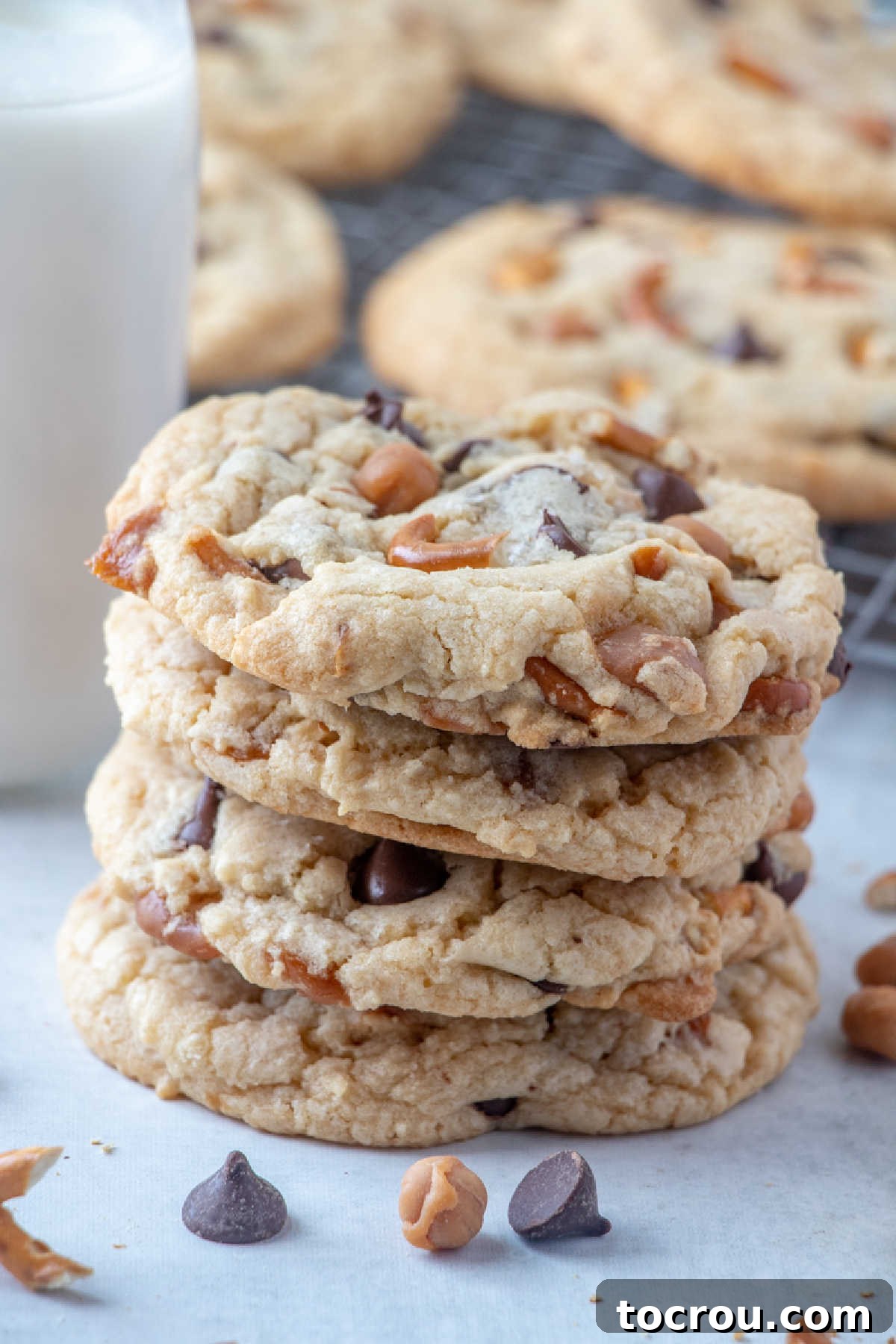
- Bake One Tray at a Time: For the most consistent and even baking, avoid overcrowding your oven. Baking a single tray on the middle rack allows for optimal heat circulation around each cookie. When multiple trays are in the oven, heat distribution becomes uneven, leading to some cookies baking too fast, too slow, or spreading more due to inconsistent temperatures.
- Use an Oven Thermometer: Many home ovens are not calibrated accurately, often running hotter or colder than the set temperature. An inexpensive oven thermometer can reveal your oven’s true temperature, allowing you to adjust accordingly. If your oven is too hot, cookies will spread rapidly before setting; if too cool, they might not bake properly.
- Preheat Thoroughly: Always allow your oven to fully preheat for at least 15-20 minutes after it signals it’s reached the desired temperature. This ensures the oven walls and racks are uniformly heated, creating a stable baking environment.
The Art of Dough Shaping
When shaping your cookie dough into balls, don’t just roll them into perfect spheres. Instead, slightly shape them to be taller than they are wide. Think of them as small, plump cylinders or slightly elongated ovals rather than perfectly round marbles. This subtle adjustment gives the cookie more vertical mass to start with, which naturally resists spreading outwards. As the cookie bakes, it will settle, but it will have a head start in maintaining a thicker profile.
The Magic of Chilling and Freezing
As mentioned, chilling is a powerful tool. For an even more robust solution, consider freezing your cookie dough. Scooping your dough into balls and then freezing them solid before baking is a surefire way to achieve remarkably thick cookies. When frozen dough hits the hot oven, the butter remains solid for a longer period, giving the flour and eggs ample time to set the cookie’s structure before any significant spreading occurs. You can bake directly from frozen, often adding just a minute or two to the total bake time.
Cool Surfaces for Optimal Baking
This tip is often overlooked but is incredibly important: ensure your cookie sheets are completely cooled before placing new dough on them. Placing fresh cookie dough onto a warm or hot baking sheet will instantly begin to melt the butter in the dough, initiating the spreading process before the cookies even make it into the oven. This gives them a significant disadvantage in holding their shape. If you’re baking multiple batches, have several cookie sheets on hand, or allow your single sheet to cool down completely between uses – you can even run it under cold water and dry it thoroughly to speed up the process.
Ingredient Considerations
- Flour Type: While most recipes call for all-purpose flour, understanding the protein content can be helpful. Using a slightly higher protein flour (like bread flour) can sometimes lead to less spread due to stronger gluten development, while lower protein flours (like cake flour) might result in more spread. Stick to the recipe’s specified flour type unless you know how to adjust.
- Less Fat, More Structure: If you consistently struggle with spreading, consider recipes that might have a slightly lower fat-to-flour ratio or those that incorporate ingredients like cream cheese or sour cream, which add moisture and tenderness without contributing to excessive spread in the same way butter does.
Troubleshooting Your Cookies
Even with all these tips, baking can sometimes be an unpredictable art. If you’ve tried everything and your cookies are still spreading, don’t give up! Review your recipe meticulously to ensure you haven’t missed a crucial step or ingredient. Check the expiration dates on your leavening agents (baking soda and baking powder can lose potency over time). Consider the humidity in your kitchen; high humidity can sometimes affect flour absorption. Ultimately, baking is about practice and observation. Each batch, whether perfect or not, offers a learning opportunity that brings you closer to mastering the craft of the perfect cookie.