Picture this: You’re halfway through preparing a delicious batch of pancakes, muffins, or a delightful cake. The wet and dry ingredients are perfectly mixed, the kitchen smells promising, and then you reach into the cabinet for that essential ingredient—baking powder—only to find it’s completely gone. It’s a common kitchen dilemma, but it doesn’t have to spell disaster for your baking ambitions. Knowing how to substitute baking powder can save your recipe and your sanity, allowing you to create light, fluffy, and perfectly risen baked goods without an unplanned trip to the grocery store.
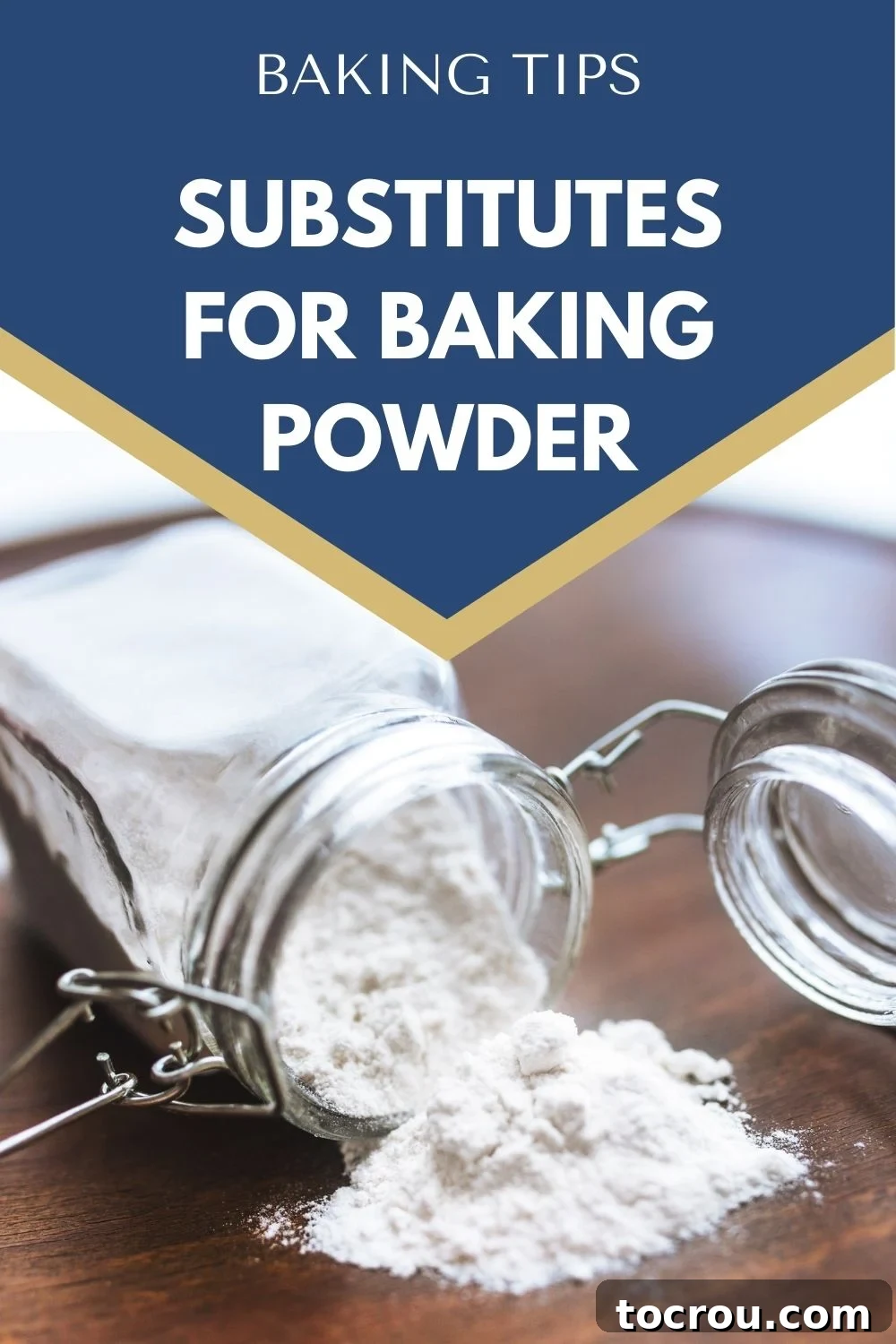
Baking powder is a crucial leavening agent, responsible for the airy texture and rise in countless recipes. It’s essentially a chemical leavener that, when combined with liquid and heat, produces carbon dioxide bubbles. These bubbles get trapped in the batter or dough, causing it to expand and rise, resulting in that desirable tender crumb. The good news is that its function can be replicated with a few common pantry staples. These ingenious substitutes will ensure your cakes, cookies, and pancakes don’t fall flat, allowing you to continue your culinary creativity uninterrupted.
To understand how to substitute baking powder, it’s helpful to know what it is. Baking powder is typically a blend of three main components: a base (baking soda, or sodium bicarbonate), an acid (like cream of tartar, sodium aluminum sulfate, or monocalcium phosphate), and a starch (such as cornstarch) that absorbs moisture and prevents premature activation. When liquid is added, the acid reacts with the baking soda, producing carbon dioxide gas. A second, stronger reaction often occurs when heat is applied during baking. This two-stage leavening process gives baking powder its reliable power.
Since baking powder’s magic lies in the acid-base reaction, its substitutes aim to recreate this same effervescent chemistry. You can use any of the following alternatives, always in conjunction with baking soda, to generate the necessary lift for your homemade baked goods. Remember, the key is to pair baking soda (the base) with an appropriate acidic ingredient to trigger that essential bubbly reaction.
Cream of Tartar and Baking Soda: The Classic Combination
When you’re out of baking powder, the most direct and foolproof way to replace it is by simply making your own from scratch. This method perfectly mimics the components of commercial baking powder, giving you consistent and reliable results without altering the flavor or texture of your recipe. Cream of tartar is a powdered acid, and when combined with baking soda, it creates the exact chemical reaction needed for leavening.
For optimal results, the ideal ratio is to mix two parts cream of tartar with one part baking soda. So, if your recipe calls for 1 teaspoon of baking powder, you would combine 1/2 teaspoon of cream of tartar with 1/4 teaspoon of baking soda. Whisk these two dry ingredients together thoroughly before adding them to your dry ingredients, ensuring an even distribution throughout your batter or dough. This homemade mixture can then be used in a 1-to-1 ratio for the baking powder specified in your favorite recipes, providing the same leavening power without any noticeable difference in taste or consistency. It’s the most seamless substitution, especially for delicate recipes where flavor neutrality is important.
Buttermilk and Baking Soda: For Tangy Tenderness
Buttermilk is a fantastic ingredient for baking, not just for its unique tangy flavor but also for its natural acidity, which makes it an excellent partner for baking soda. This combination is a common and highly effective substitute for baking powder, frequently found in recipes for items like fluffy pancakes and tender biscuits. Beyond its leavening capabilities, buttermilk contributes a subtle richness and a characteristic tangy flavor that enhances many baked goods, making cakes and pastries wonderfully moist and light.
The key to successfully using buttermilk as a substitute is balancing the liquids in your recipe. For every 1 teaspoon of baking powder your recipe requires, you can use 1/4 teaspoon of baking soda and 1/2 cup of buttermilk. Since you’re adding a significant amount of liquid, you will need to reduce other liquids in your recipe by 1/2 cup to maintain the correct consistency. For example, if your recipe calls for 1 cup of milk and 1 teaspoon of baking powder, you would use 1/2 cup of milk, 1/2 cup of buttermilk, and 1/4 teaspoon of baking soda. Buttermilk’s versatility extends further as it can also act as a direct substitute for oil, water, or regular milk in many recipes, making it even easier to adjust liquid content while adding flavor and tenderness.
Yogurt and Baking Soda: Richness and Rise
Similar to buttermilk, plain yogurt boasts a higher acidity level than regular milk, positioning it as an excellent acidic component to react with baking soda. This pairing creates a powerful leavening agent that can confidently replace baking powder, while also adding a lovely texture and subtle richness to your baked goods. Yogurt contributes moisture and a tender crumb, making it a favorite substitute for many bakers.
To use yogurt as a baking powder substitute, combine 1/4 teaspoon of baking soda with 1/2 cup of plain yogurt for every 1 teaspoon of baking powder required in your recipe. As with buttermilk, it’s crucial to adjust the other liquids in your recipe accordingly. Reduce the amount of other liquids by 1/2 cup to account for the added yogurt. This method works beautifully in muffins, quick breads, and certain cakes, imparting a desirable softness and a slightly creamy mouthfeel. Ensure you use plain, unflavored yogurt to avoid introducing unwanted sweetness or artificial flavors into your dish.
Vinegar and Baking Soda: The Sharp Solution
Vinegar, a readily available household staple, is another highly effective acidic ingredient that can trigger the vital chemical reaction needed to replace baking powder. Its potent acidity makes it a reliable leavening partner for baking soda, ensuring your baked goods achieve a good rise. One of the primary advantages of using vinegar is that very little is needed to create the reaction, meaning you often won’t need to make significant adjustments to the overall liquid content of your recipe, simplifying the substitution process.
For every 1 teaspoon of baking powder you wish to replace, combine 1/4 teaspoon of baking soda with 1/2 teaspoon of vinegar. Stir the vinegar directly into your wet ingredients just before combining them with the dry ingredients containing the baking soda. While any vinegar will technically work, white vinegar is typically recommended because its neutral flavor is least likely to alter the taste profile of your finished product. Apple cider vinegar can also be used, but be aware it might impart a very subtle fruity note. This substitute is particularly useful in recipes where a slight tang won’t clash with the overall flavor.
Lemon Juice and Baking Soda: Zesty Leavening
Much like vinegar, lemon juice is a fantastic natural acid that can be paired with baking soda to effectively replace baking powder. The citric acid present in lemon juice creates a vigorous reaction with baking soda, generating the carbon dioxide gas needed for leavening. This substitute is especially appealing for recipes where a bright, zesty citrus note would be a welcome addition, enhancing the overall flavor profile of sweet treats.
To use lemon juice as a substitute, incorporate 1/4 teaspoon of baking soda with 1/2 teaspoon of fresh lemon juice for each teaspoon of baking powder your recipe calls for. Add the lemon juice to the wet ingredients just before mixing with the dry ingredients that contain the baking soda. While lemon juice undoubtedly adds a distinctive tang, this can be a great asset in many desserts, fruit tarts, or muffins. If your recipe already includes lemon juice, you can simply adjust the amount to account for the leavening requirement, either reducing other liquids slightly or simply adding it in place of the original lemon juice amount if the total liquid volume remains balanced.
Tips for Successful Baking Powder Substitution
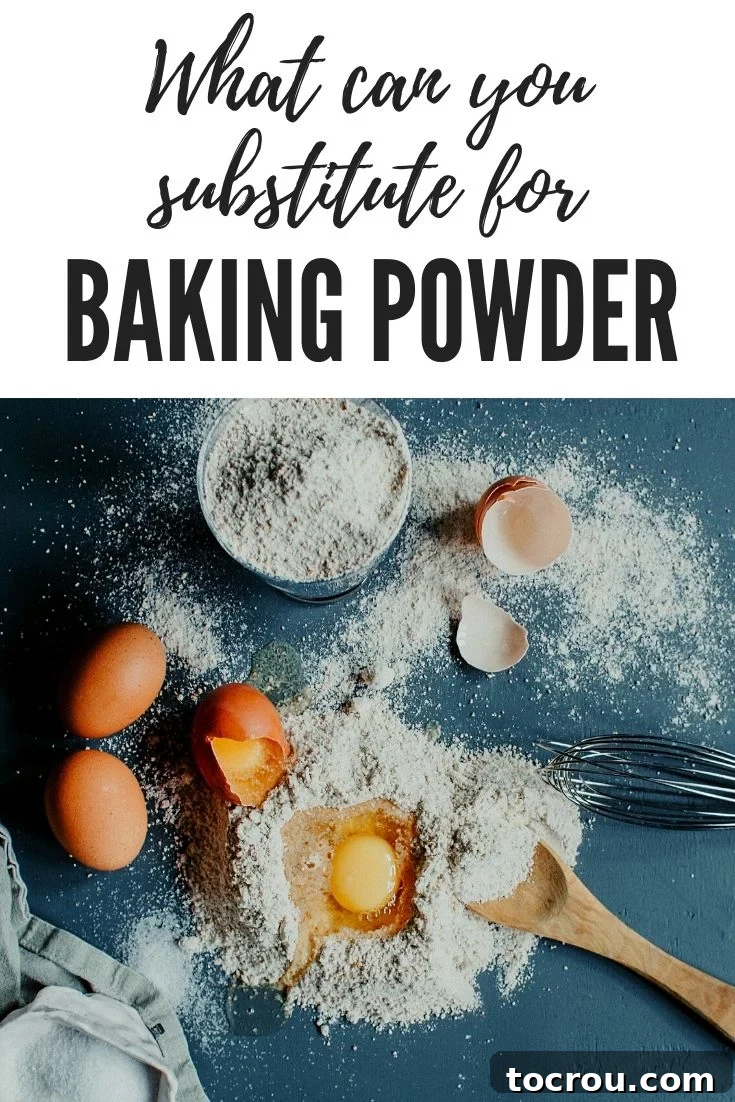
While these substitutes are highly effective, a few general tips can help ensure your baking endeavors are always successful:
- Measure Accurately: Baking is a precise science. Always use accurate measuring spoons and cups for both the baking soda and the acidic ingredient to ensure the correct chemical balance and optimal rise.
- Mix Thoroughly: For homemade baking powder (cream of tartar and baking soda), whisk them together well before adding to your dry ingredients. For liquid acids, ensure they are well incorporated into the wet ingredients.
- Bake Immediately: The leavening reaction begins as soon as the wet and dry ingredients are combined. To maximize the leavening power, get your batter or dough into the oven as quickly as possible after mixing.
- Consider Recipe Type: While most substitutes are versatile, some work better in specific recipes. For instance, buttermilk and yogurt are excellent for moist cakes and quick breads, while cream of tartar offers the most neutral flavor profile for delicate recipes.
- Don’t Overmix: Overmixing can develop gluten in your batter, making baked goods tough and counteracting the efforts of your leavening agent. Mix until just combined.
- Check Freshness: Ensure your baking soda and any other leavening agents are fresh. You can test baking soda by adding a bit of vinegar to it; if it bubbles vigorously, it’s still active.
Frequently Asked Questions About Baking Powder Substitutes
Can I use just baking soda instead of baking powder?
No, generally not. Baking soda (sodium bicarbonate) is a base and needs an acidic ingredient to react and produce carbon dioxide gas. Baking powder already contains an acid, so it reacts on its own when wet. If your recipe doesn’t have an acidic ingredient (like buttermilk, yogurt, or citrus), using only baking soda will not provide the necessary rise and may leave a metallic taste.
What happens if I don’t use a leavening agent at all?
Without a leavening agent like baking powder or baking soda, your baked goods will be dense, flat, and often tough. The absence of carbon dioxide bubbles means there’s nothing to create the light, airy, and tender texture that makes cakes, cookies, and quick breads so enjoyable.
How do I know if my baking powder is still good?
To test if your baking powder is still active, place 1 teaspoon of baking powder in a small bowl. Pour 1/2 cup of hot water over it. If it fizzes vigorously, it’s still good to use. If there’s only a weak fizz or no reaction, it’s time to replace it.
Can I make self-rising flour using regular flour and baking powder?
Yes, you can! To make 1 cup of self-rising flour, combine 1 cup of all-purpose flour with 1.5 teaspoons of baking powder and 1/4 teaspoon of fine salt. Whisk these ingredients together very well to ensure the leavening is evenly distributed.
Conclusion: Bake with Confidence
Running out of baking powder no longer needs to disrupt your baking plans. With a little creativity and a few common ingredients, you can easily create effective substitutes that ensure your baked goods are just as light, fluffy, and delicious as you intended. Whether you opt for the classic cream of tartar and baking soda, or leverage the acidity of buttermilk, yogurt, vinegar, or lemon juice, you now have a comprehensive toolkit of alternatives. Embrace the flexibility these substitutions offer, adjust liquids as needed, and continue to bake with confidence, knowing you can tackle any pantry challenge that comes your way!