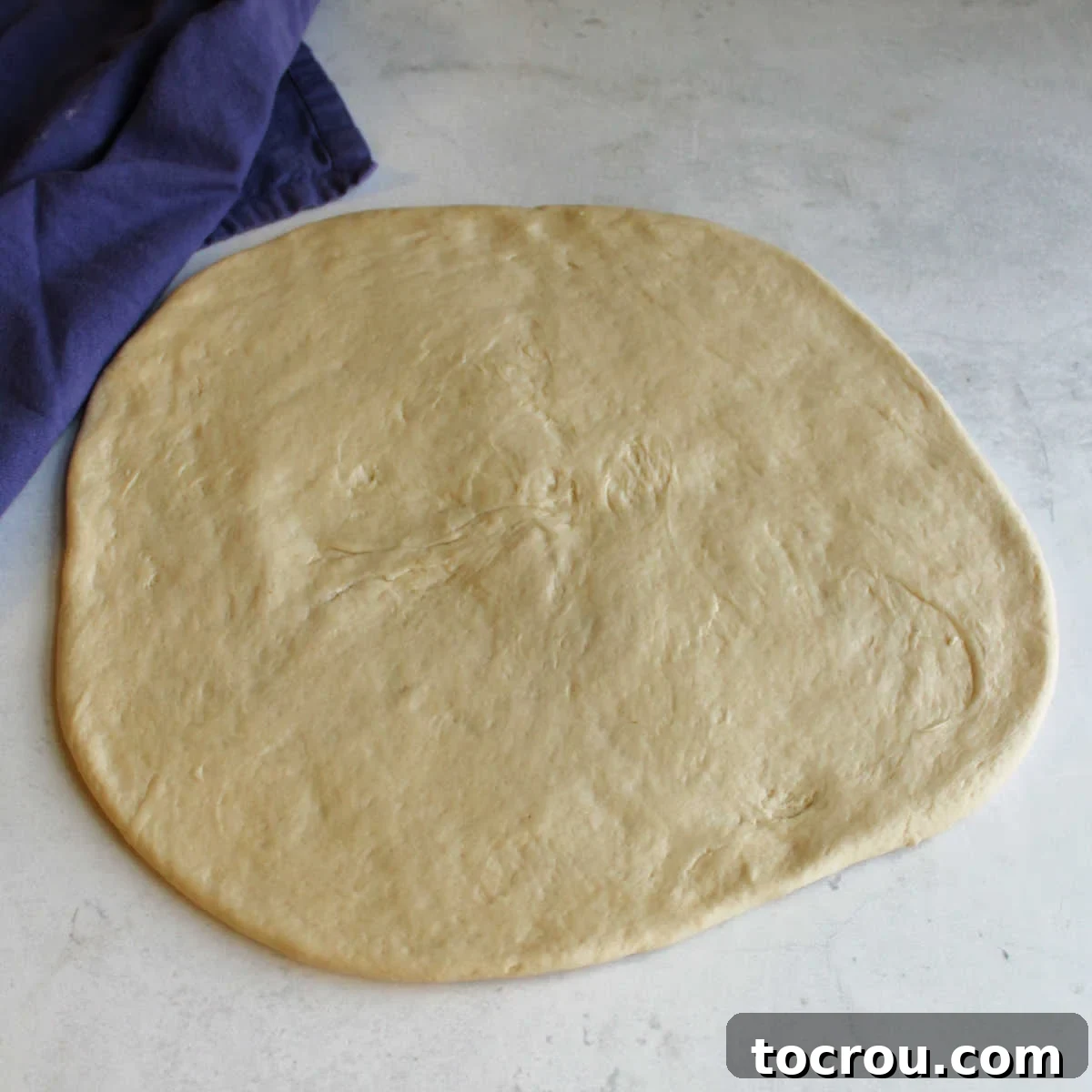
Ultimate Sourdough Pizza Crust: A Delicious Way to Use Discard
Unlock the incredible potential of your sourdough starter by transforming it into a spectacular pizza crust. This recipe isn’t just about making pizza; it’s about culinary ingenuity, minimizing waste, and savoring the unique depth of flavor that only sourdough can provide. Gone are the days of discarding excess starter; instead, you’ll create a foundation for a homemade pizza that’s far superior to anything store-bought, with a delightful texture and a subtle tang that truly elevates your meal. Prepare to embark on a delicious journey that will make pizza night an even more cherished event.
The Irresistible Allure of Homemade Sourdough Pizza
There’s a special satisfaction that comes with crafting a pizza from scratch, especially when you begin with a living, breathing sourdough starter. This recipe, a long-time family favorite, is designed to be both simple and incredibly rewarding. For years, our pizzas would vanish so quickly from the dinner table that documenting the process felt almost impossible. But the secret to our success lies in the dough, and it’s high time we shared this cherished method with you. Get ready to bake batch after delicious batch of pizzas that will become a staple in your home.
This sourdough pizza crust stands out not just for its ease, but for the exceptional qualities it brings to your pizza. Unlike commercial yeast doughs that can sometimes result in a flat, one-dimensional flavor, sourdough provides a subtle acidity and complexity that complements almost any topping. It’s a testament to the power of natural fermentation, transforming humble ingredients into something truly extraordinary.
Why Sourdough Makes the Best Pizza Crust
While a traditional yeast dough can certainly get the job done, our sourdough pizza crust offers an unparalleled experience. It produces a soft, chewy interior with a wonderfully crisp exterior, achieving that perfect balance every pizza lover dreams of. The natural fermentation process of sourdough imparts a complex, nuanced flavor that simply cannot be replicated by commercial yeast alone. Beyond taste, many individuals find sourdough products to be more digestible due to the breakdown of starches and gluten during the long fermentation, making this a potentially healthier and more satisfying option for your family pizza nights.
The beauty of this particular recipe lies in its flexibility. While a longer proofing time allows the sourdough to truly work its magic, developing deeper flavors and an airy texture, you can also adapt it if you’re short on time. A little added yeast provides a helpful boost, especially when using colder starter or in a cooler environment. However, we highly recommend allowing that natural fermentation to unfold whenever possible. This patient approach truly unlocks the distinctive character of sourdough, resulting in a pizza crust that’s both rustic and refined, with a superior chew and delightful aroma.
Choosing the Best Flour for Your Sourdough Pizza Crust
One of the many appealing aspects of this sourdough pizza crust recipe is its incredible adaptability when it comes to flour. You don’t need highly specialized ingredients to achieve fantastic results; feel free to work with what you have in your pantry. We’ve experimented with numerous combinations, and each has yielded a delicious crust. Don’t hesitate to play around with different flour types—you might discover your new favorite blend!
While you can certainly use a single type of flour, we often find that a thoughtful blend provides the best balance of flavor, texture, and workability. The type of flour you choose can significantly impact the final texture and taste of your pizza. Here are some of our tried-and-true combinations that consistently produce exceptional sourdough pizza crusts:
- Half All-Purpose Flour and Half White Whole Wheat Flour: This blend offers a good compromise, providing some of the nutty flavor and nutritional benefits of whole wheat without making the dough too dense. The all-purpose flour ensures a lighter, more pliable texture, making it easier to handle. This combination results in a crust that is both wholesome and deliciously tender.
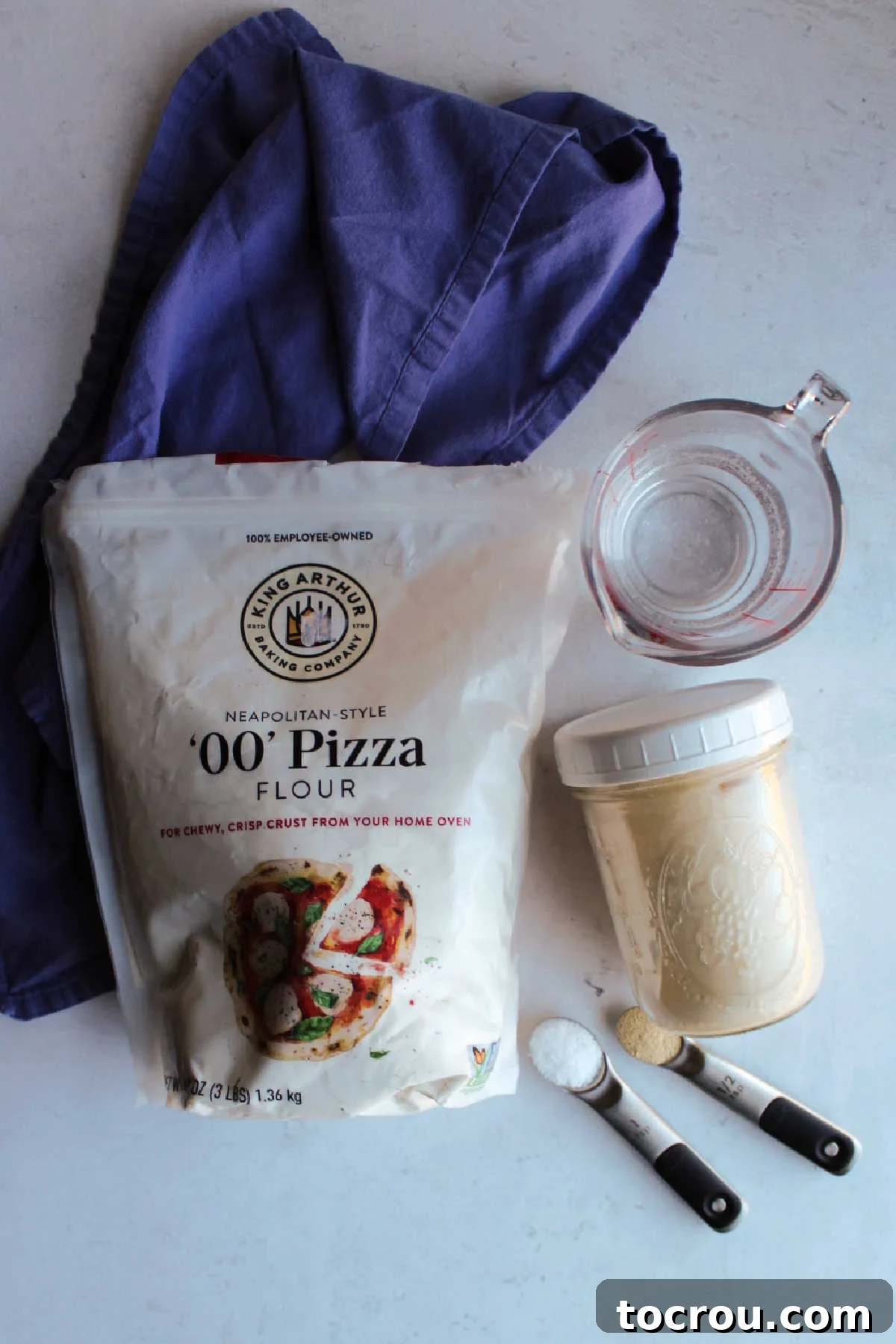
- Half All-Purpose Flour and Half 00 Flour: The Italian “00” flour is incredibly finely milled, resulting in a silky-smooth dough that’s a joy to work with and bakes into a delicate, crisp crust with a tender crumb. Blending it with all-purpose flour can make it more accessible and still deliver excellent results, capturing some of that authentic Italian pizzeria feel.
- All 00 Flour: For an authentic Neapolitan-style pizza experience, using 100% 00 flour is an excellent choice. It creates a very tender, airy crust with beautiful blistering (known as “leopard spots”) when baked at high temperatures. It’s often favored for its low protein content, which translates to a less chewy but more delicate crust.
- All All-Purpose Flour: A classic and reliable option. All-purpose flour is readily available and produces a consistently good, chewy pizza crust that holds up well to a variety of toppings. It’s a great starting point for beginners, as it’s forgiving and easy to find. The resulting crust is sturdy yet flavorful.
No matter your choice, ensure your flour is fresh and stored correctly to guarantee optimal performance. Fresh flour makes a noticeable difference in both the taste and texture of your dough.
Essential Tools and Equipment for Perfect Sourdough Pizza
While you don’t need a professional pizzeria setup, having a few key tools can significantly enhance your sourdough pizza-making experience and help you achieve restaurant-quality results at home. Investing in these items can make the process smoother and more enjoyable:
- Large Mixing Bowl: Essential for combining ingredients and the initial stages of dough development. A sturdy bowl will make kneading easier.
- Stand Mixer with Dough Hook (Optional but Recommended): For those who prefer a less hands-on approach to kneading, a stand mixer can save time and effort, ensuring thorough gluten development.
- Dough Scraper: Invaluable for handling sticky sourdough dough, dividing portions, and cleaning your work surface.
- Kitchen Scale: For precise measurements of flour and water, which is crucial for consistent sourdough baking. While this recipe uses cup measurements, a scale offers accuracy.
- Pizza Stone or Pizza Steel: A game-changer for crispy crusts. These absorb and retain high heat, transferring it directly to the pizza dough, mimicking a professional pizza oven. A pizza steel generally heats faster and retains heat more effectively than a stone.
- Pizza Peel: A flat paddle used to slide pizzas into and out of the hot oven. Dusting it lightly with cornmeal or semolina helps prevent sticking.
- Parchment Paper: Can be used under your shaped dough to make transferring the pizza to the oven easier, especially if you’re new to using a pizza peel.
- Damp Kitchen Towel or Plastic Wrap: For covering the dough during proofing to prevent it from drying out.
Having these tools ready will streamline your pizza-making process and contribute to a superior final product.
Frequently Asked Questions About Sourdough Pizza Crust
What state should my sourdough starter be in for this recipe?
This pizza crust recipe is remarkably versatile and forgiving. It works beautifully with sourdough discard, meaning unfed starter taken straight from the refrigerator. This is a fantastic way to utilize your discard and reduce food waste, making it a sustainable choice. The discard still contributes flavor and some leavening. However, you can also use fed and active sourdough starter if that’s what you have on hand and prefer. If you opt for an active starter, you might consider slightly reducing the amount of additional dry yeast in the recipe, as the active starter will contribute more leavening power and can result in a quicker rise.
Can I freeze this pizza dough?
Absolutely! Freezing this sourdough pizza dough is an excellent way to prepare ahead and have fresh pizza readily available whenever a craving strikes. After the initial proofing stage, once you’ve divided the dough into two portions and formed them into smooth balls, simply wrap each ball tightly in plastic wrap (and optionally an extra layer of aluminum foil or a freezer-safe bag for added protection against freezer burn) and freeze. It can be stored for up to 2-3 months. When you’re ready to make pizza, transfer the frozen dough to the refrigerator overnight to defrost, or leave it on the counter for a few hours until thawed. Allow it to come to room temperature and rise slightly (for about 30-60 minutes) before proceeding with shaping and baking. This makes impromptu pizza nights a breeze!
How do I get a crispy sourdough pizza crust?
Achieving that coveted crispy crust involves a few key steps. First, ensure your oven is preheated to a very high temperature, typically 475°F (245°C) or even higher if your oven allows, for at least 30-60 minutes with your pizza stone or steel inside. This super-hot surface delivers an initial burst of heat to the dough, creating a rapid rise (oven spring) and an incredibly crisp bottom. Second, avoid overloading your pizza with too many wet toppings, as excess moisture can hinder crisping and lead to a soggy crust. Finally, once the pizza is baked, let it rest on a wire rack for a few minutes before slicing; this allows steam to escape and prevents the crust from softening.
What are some popular topping combinations for sourdough pizza?
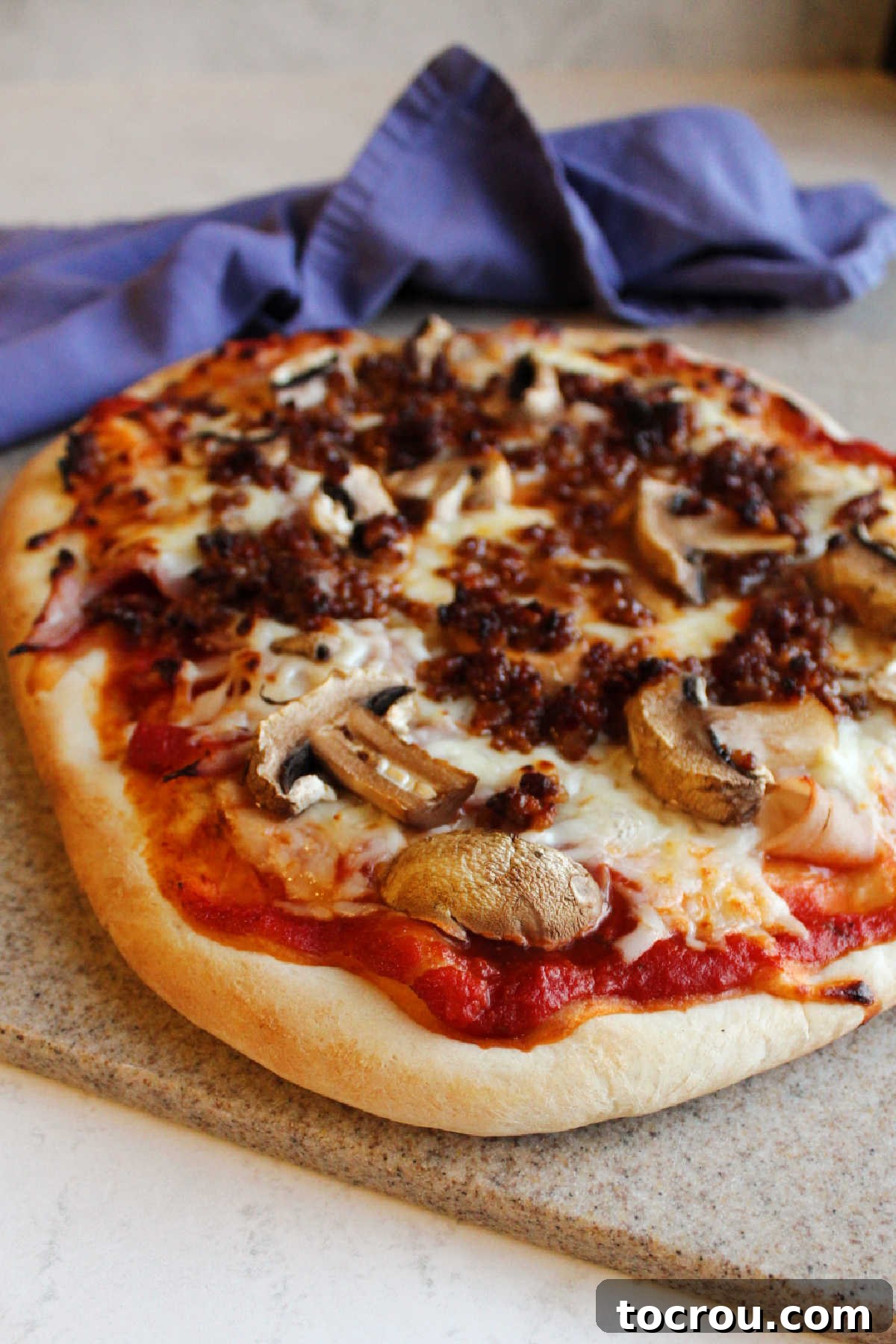
The beauty of homemade pizza is endless customization! For classic flavors, try a simple Margherita with San Marzano tomato sauce, fresh mozzarella, and fragrant basil. For something heartier, a meat lover’s pizza with pepperoni, sausage, and ham is always a hit. Vegetable enthusiasts can experiment with roasted peppers, caramelized onions, sautéed mushrooms, black olives, and fresh spinach. Don’t be afraid to venture into gourmet territory with unique combinations like fig and prosciutto, goat cheese and arugula (added after baking), or even a savory apple and bacon pizza for a truly memorable meal. The slightly tangy sourdough crust pairs wonderfully with both rich and fresh toppings, providing a fantastic canvas for your culinary creativity.

Sourdough Pizza Crust
Author: Carlee
Yields: 2 (12″ pizzas) or 1 (13×18 sheet pan pizza)
Rating: 4.77 out of 5 stars from 13 ratings
Utilize your sourdough discard to create a wonderfully flavorful and easy pizza crust. This recipe is a fantastic way to put your starter to good use and enjoy artisanal pizza at home!
Prep time: 30 minutes
Cook time: 15 minutes
Additional time (Proofing): 1 hour
Total time: 1 hour 45 minutes
Pin Recipe
Ingredients
- 1 cup sourdough discard or unfed starter (straight from the fridge)
- ½ cup warm water (around 105-115°F / 40-46°C)
- ½ teaspoon active dry yeast (optional, for a faster rise or more consistent results with less active starter)
- 2½ cups flour (your preferred type, see notes above for recommendations)
- 1 teaspoon salt
Instructions
- Combine Starter and Water: In a large mixing bowl, thoroughly dissolve the sourdough starter in the warm water. Use a whisk or fork to break up any large lumps until the mixture is smooth.
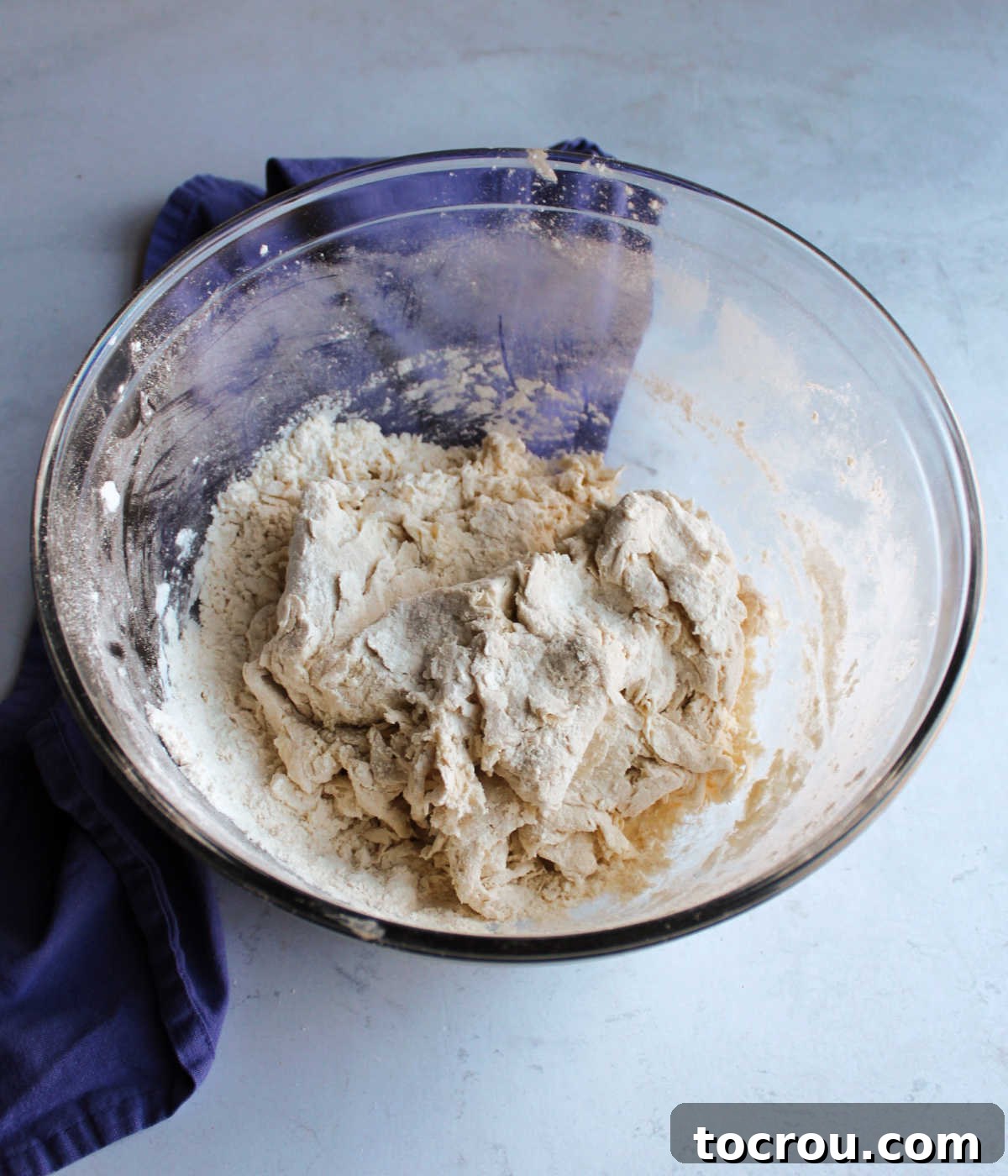
- Add Dry Ingredients: Stir in the active dry yeast (if using), flour, and salt. Mix with a sturdy spoon or a dough hook on a stand mixer until a shaggy, cohesive dough forms and all ingredients are just combined. Avoid overmixing at this stage.
- Knead the Dough: Turn the shaggy dough out onto a lightly floured countertop. Knead the dough vigorously for approximately 7 minutes, or until it becomes smooth, elastic, and no longer excessively sticky. This process develops the gluten, which is crucial for a good crust texture. If using a stand mixer, knead on medium speed for 5-7 minutes.
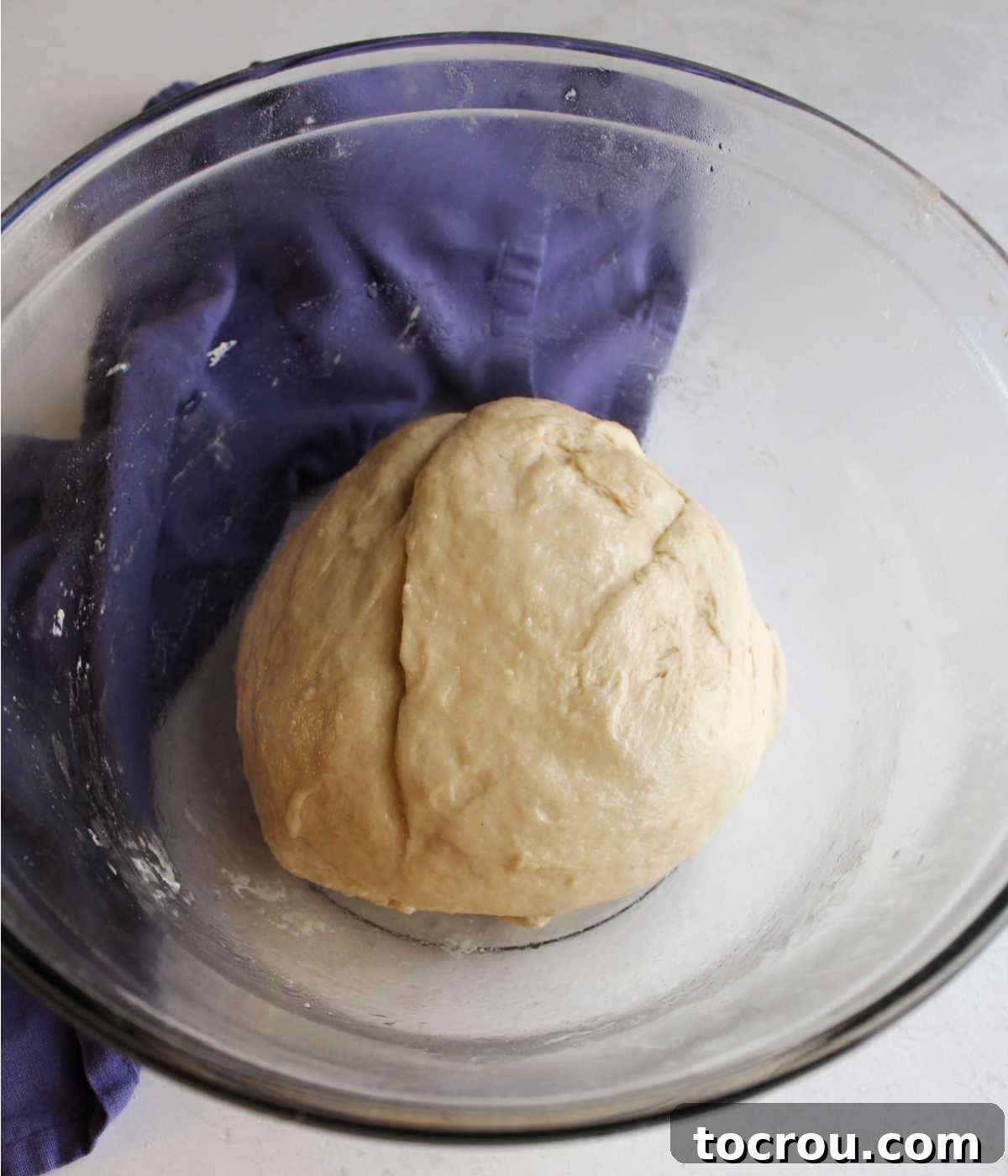
- First Proof: Lightly grease a clean, large bowl with a little olive oil. Place the kneaded dough ball into the bowl and turn it once to coat evenly. Cover the bowl snugly with a damp kitchen towel or plastic wrap to prevent the dough from drying out. Place it in a warm, draft-free spot (ideally around 75-80°F / 24-27°C) and allow it to rise until it has visibly doubled in size. This typically takes about two hours, but the exact time will depend on the ambient temperature of your kitchen and the activity level of your sourdough starter.
- Tip for Faster Rise: If you need to speed up the proofing process, you can increase the yeast by an additional ¼ teaspoon. Alternatively, preheat your oven to its lowest setting (around 200°F / 95°C) for just a few minutes, then turn it off completely. Place the covered dough in the warm, turned-off oven to proof more rapidly.
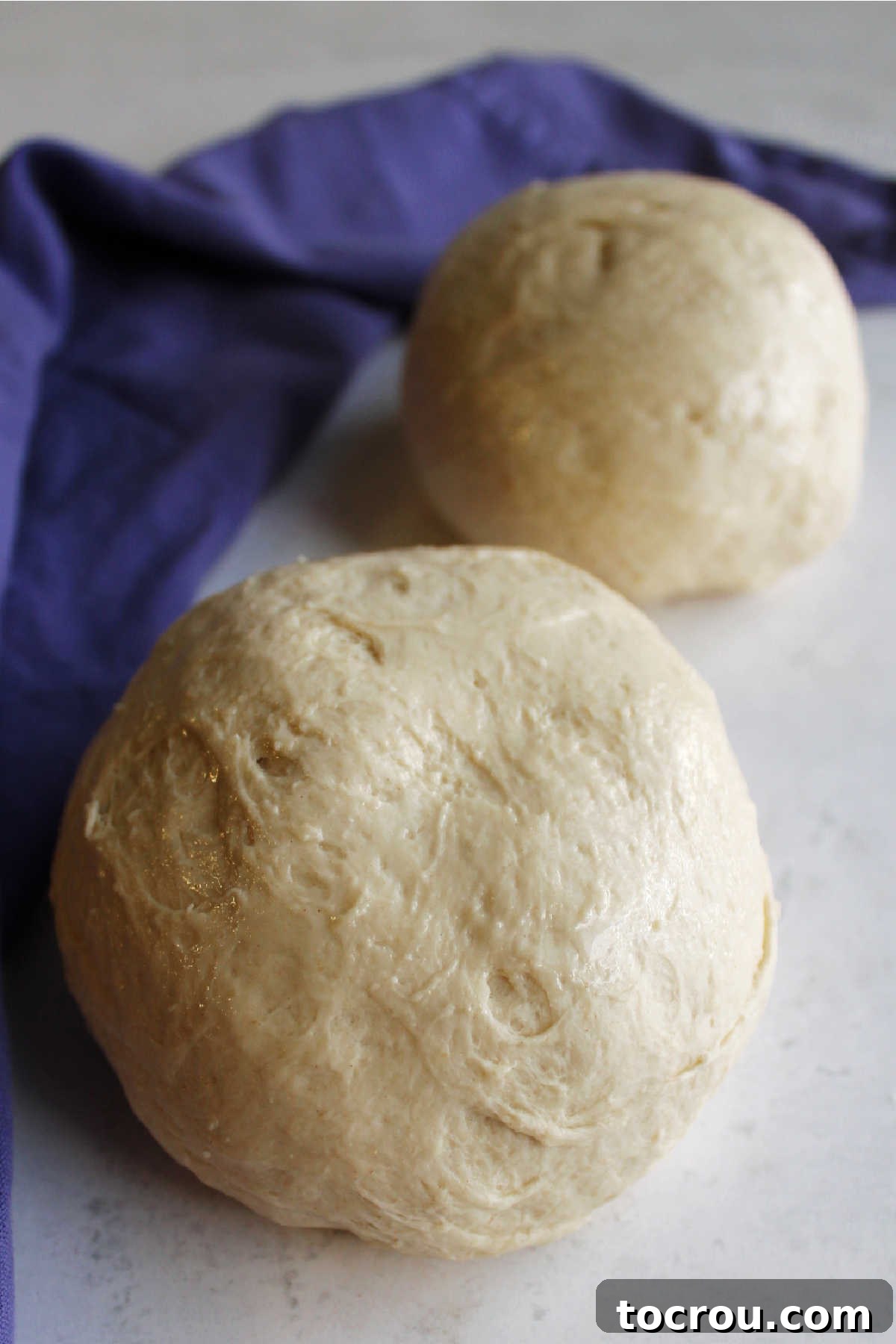
- Divide and Rest: Once the dough has doubled, gently punch it down to release the trapped air. Turn the dough out onto a lightly floured surface. Divide the dough into two equal portions and form each part into a smooth, tight ball.
- Freezing Option: At this point, you can wrap one (or both) of the dough balls tightly in plastic wrap and freeze them for later use. Refer to the FAQ section above for detailed defrosting instructions.
Cover the dough balls again with the damp cloth and let them rest for another 15 minutes. This short rest period allows the gluten to relax, making the dough much easier to roll or stretch without springing back.
- Preheat Oven and Pizza Stone/Steel: While the dough rests, preheat your oven to its highest possible temperature, ideally 475°F (245°C) or even 500°F (260°C). It is crucial to place your pizza stone, cast iron pizza pan, or pizza steel into the oven during preheating. Allow it to heat up for at least 30-60 minutes to ensure it’s scorching hot. This high, consistent heat is absolutely key for achieving a crispy crust and proper oven spring.
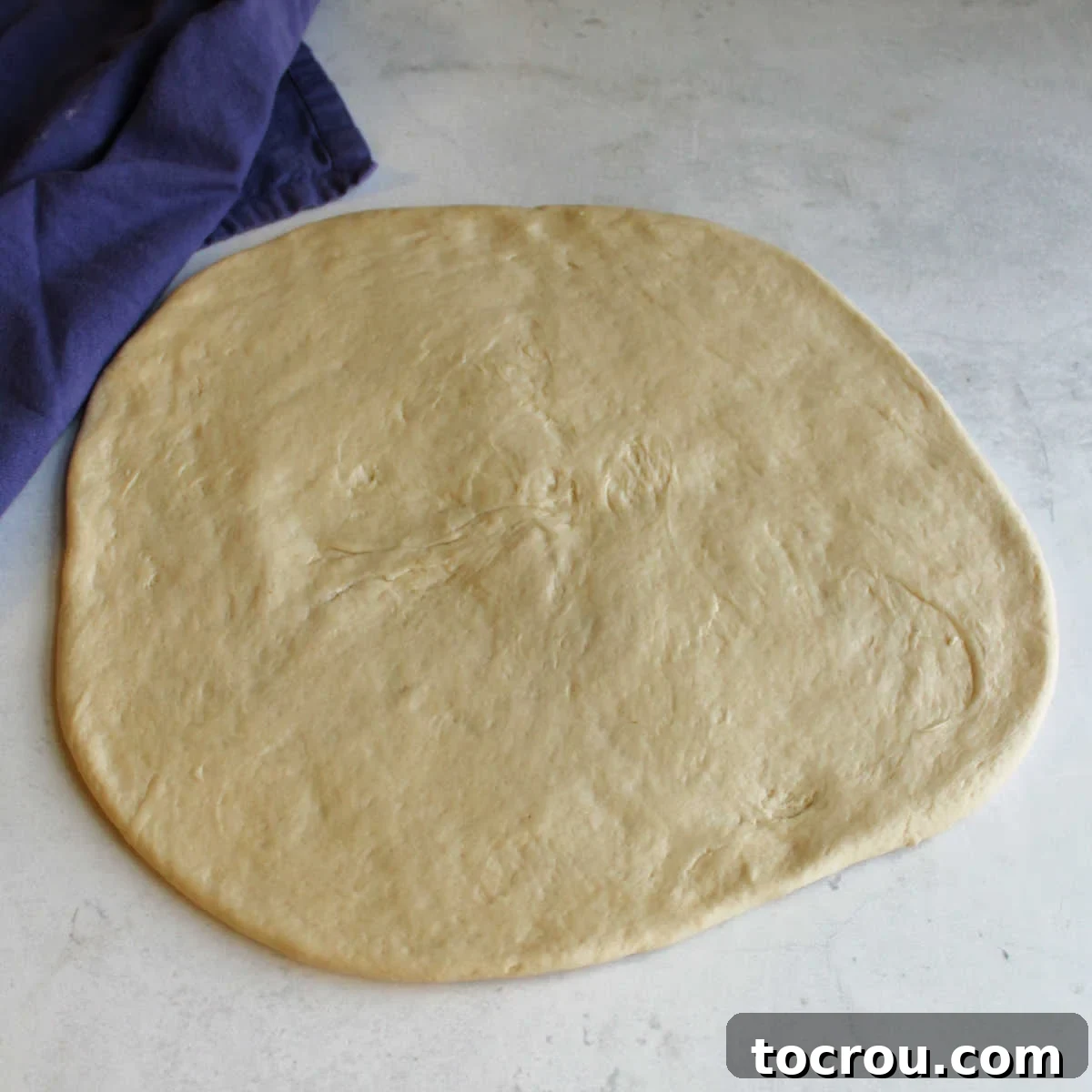
- Shape and Top Pizza: On a lightly floured surface (or a piece of parchment paper for easier transfer), roll or gently press one dough ball into a 12-inch circle. Work from the center outwards, leaving a slightly thicker edge for the crust. Be careful not to overwork the dough. Transfer the shaped dough to a pizza peel lightly dusted with cornmeal or semolina (or directly onto parchment paper if using). Quickly arrange your desired toppings over the dough, leaving a small border for the crust to puff up.
- Bake Pizza: Carefully slide the prepared pizza (with parchment paper, if using, or directly from the peel) onto the preheated pizza stone or steel in the hot oven. Bake for 12-15 minutes, or until the cheese is bubbling and golden brown, and the crust has a beautiful light golden-brown color with some desirable charring. Baking time may vary slightly depending on your oven’s calibration and the moisture content of your toppings.
- Cool and Serve: Remove the pizza from the oven using the pizza peel. Transfer it to a wire rack and let it cool for a few minutes before slicing and serving. This allows the cheese and sauce to set, preventing them from sliding off, and helps ensure the crust remains crisp. Enjoy your homemade sourdough masterpiece!
Recipe Notes
Don’t be afraid to experiment with different types of flour! While 00 flour is excellent for a classic Italian pizza, all-purpose flour or even white whole wheat flour (or a combination of these) will yield delicious results. Using a mix often provides a lovely balance of texture and flavor, allowing you to fine-tune the crust to your personal preference. Remember that flour absorbs water differently, so slight adjustments to water or flour quantities might be needed based on your chosen blend.
Nutrition Information (Estimated Per Serving)
Serving: 1 Serving | Calories: 188kcal | Carbohydrates: 40g | Protein: 6g | Fat: 1g | Polyunsaturated Fat: 1g | Sodium: 293mg | Fiber: 4g
Disclaimer: Nutritional information provided is an estimate based on the ingredients listed and may vary depending on specific brands, exact measurements, and additional toppings used. Please use a preferred online nutritional calculator for precise values, especially if you have specific dietary restrictions or health goals. This information is intended as a general guide.
Pro Tips for Perfecting Your Sourdough Pizza
Mastering sourdough pizza dough can seem daunting, but with a few expert tips, you’ll be baking like a pro in no time. These insights will help you achieve consistent, delicious results:
- Handle Sticky Dough with Care: Sourdough dough, especially with higher hydration, can be stickier than conventional yeast dough. Resist the urge to add excessive flour during kneading or shaping, as this can make the crust tough. Instead, use a light dusting of flour, a bench scraper, or slightly oiled hands to manage stickiness.
- Create a Warm Proofing Environment: Sourdough starters are most active in warm conditions. If your kitchen is cool, find a draft-free warm spot for proofing. This could be a slightly warmed (then turned off) oven, a microwave with a cup of hot water, or simply a sunny spot. Consistent warmth ensures a robust rise and better flavor development.
- Don’t Skimp on High Heat: The single most critical factor for a crisp, airy pizza crust is very high heat. Always preheat your oven to its maximum temperature (usually 475-500°F / 245-260°C) with your pizza stone or steel inside for at least 30-60 minutes. This super-hot surface delivers the thermal shock needed for rapid oven spring and creates a beautifully charred, crispy bottom.
- Less is Often More with Toppings: While it’s tempting to pile on the toppings, an overloaded pizza can lead to a soggy crust and uneven cooking. Stick to a moderate amount of toppings to allow the crust to cook properly and remain crisp. Distribute toppings evenly to ensure every slice is balanced.
- Patience is a Virtue When Shaping: Sourdough dough can sometimes be a bit more elastic and resistant to stretching than other doughs. If it springs back too much, cover it and let it rest for another 5-10 minutes. This brief rest allows the gluten to relax, making the dough much more pliable and easier to shape without tearing.
- Consider a Pre-Bake for Certain Toppings: If you’re using very wet toppings (like fresh mozzarella, certain vegetables, or a watery sauce), or if you prefer an extra-crispy crust, you can partially pre-bake your dough for 5-7 minutes before adding toppings. This helps evaporate some moisture from the crust.
Beyond the Basic: Creative Topping Ideas for Your Sourdough Pizza
With such a fantastic sourdough crust as your base, the possibilities for toppings are truly limitless. Don’t limit yourself to the usual pepperoni and cheese. Think seasonally, regionally, or simply about your favorite flavor combinations to create unique culinary masterpieces:
- Mediterranean Delight: A light base of olive oil and minced garlic, topped with sun-dried tomatoes, briny Kalamata olives, crumbled feta cheese, and fresh oregano. Finish with a drizzle of balsamic glaze after baking.
- Spicy Chorizo & Roasted Red Pepper: Start with a robust tomato sauce, then layer mozzarella, slices of spicy chorizo sausage, and sweet roasted red peppers. A sprinkle of chili flakes adds an extra kick.
- White Pizza with Ricotta and Spinach: A creamy base made with fresh ricotta, fresh spinach (sautéed lightly to remove excess water), minced garlic, and a blend of mozzarella and Parmesan. A drizzle of high-quality extra virgin olive oil after baking is simply divine.
- Breakfast Pizza: A unique twist for brunch! Use a light cheese base, then top with scrambled eggs, crumbled cooked sausage or bacon, shredded cheddar cheese, and a touch of chopped chives.
- BBQ Chicken: Shredded cooked chicken tossed in your favorite smoky BBQ sauce, thinly sliced red onion, fresh cilantro (added after baking), and a mix of smoked gouda and mozzarella cheese.
- Wild Mushroom & Truffle: A sophisticated choice with a white sauce or olive oil base, a medley of sautéed wild mushrooms, fontina cheese, and a delicate drizzle of truffle oil after it comes out of the oven.
Experiment with different cheeses, fresh herbs, and homemade sauces. The robust and slightly tangy flavor of the sourdough crust can stand up to a wide range of adventurous toppings, providing a perfect balance of flavors and textures.
Conclusion: Your Homemade Sourdough Pizza Adventure Awaits
Making sourdough pizza crust from scratch is a deeply rewarding culinary journey. Not only does it provide a wonderful and sustainable way to utilize your sourdough discard, but it also results in a pizza that boasts an incredible depth of flavor, superior texture, and often, enhanced digestibility. From the simple act of combining ingredients to the joy of pulling a perfectly baked, bubbly pizza from the oven, every step is a testament to the magic of natural fermentation and homemade goodness. We hope this comprehensive guide inspires you to embrace the process and create memorable pizza experiences in your own kitchen.
We encourage you to experiment, personalize your toppings, and most importantly, savor every bite. Don’t forget to share your delicious sourdough pizza creations and leave a rating if you tried this recipe—we’d love to hear about your experience!
Stay Connected!
Want more delicious sourdough recipes, baking tips, and culinary inspiration delivered straight to your inbox every week? Join our community and never miss a new post! We’ll send you the latest recipes and exclusive content directly.
(Imagine an email signup form here – sign up for our newsletter today!)