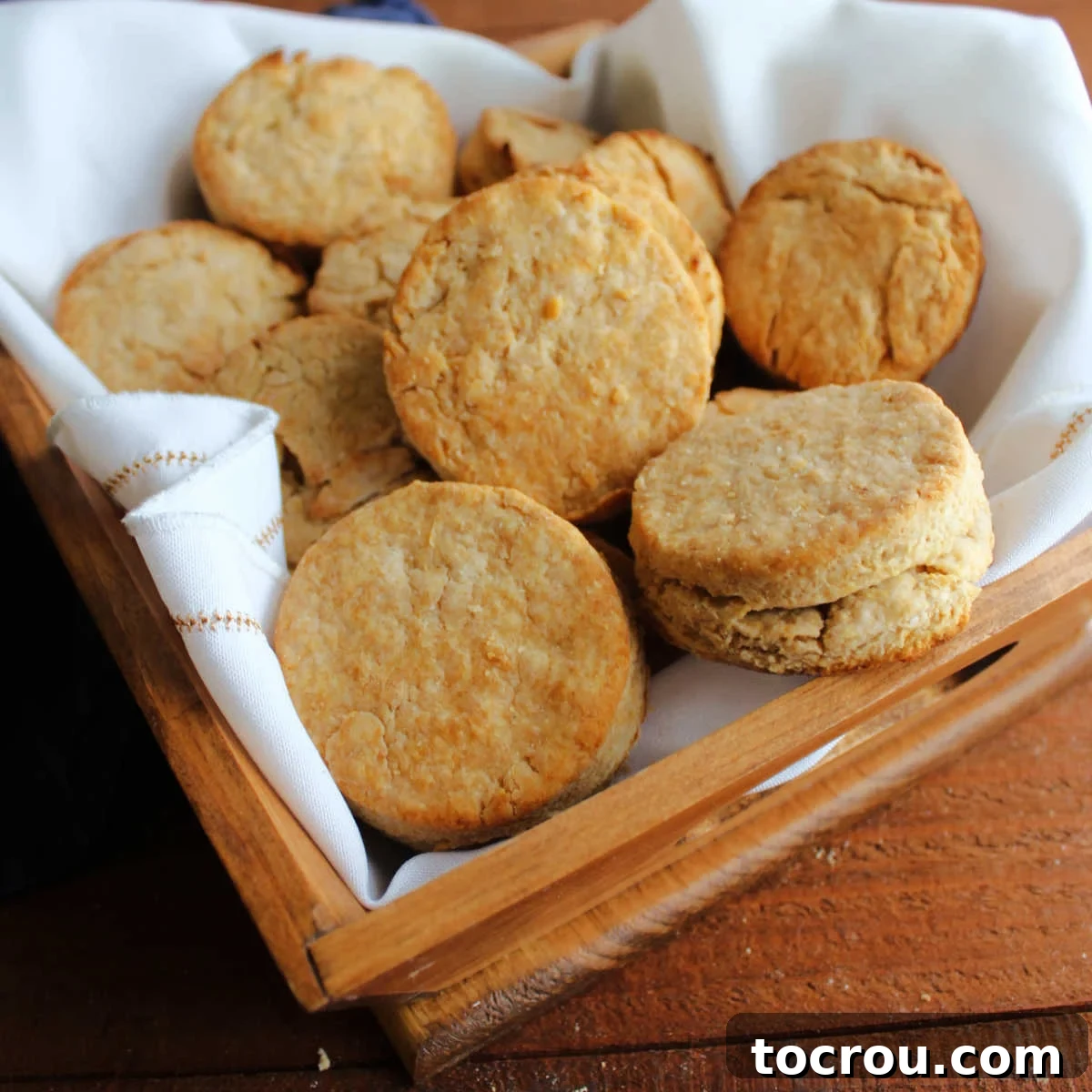
Indulge in the timeless charm of homemade, old-fashioned lard biscuits. These culinary gems are incredibly tender, delightfully flaky, and bursting with a rich, savory flavor that sets them apart. Perfect for creating a hearty breakfast sandwich piled high with your favorite fillings, or simply enjoyed warm with a generous smear of butter, homemade jam, or a drizzle of golden honey for a truly special treat. Whether you’re a seasoned baker or new to the kitchen, these biscuits promise a comforting taste of tradition that will quickly become a cherished favorite in your home.
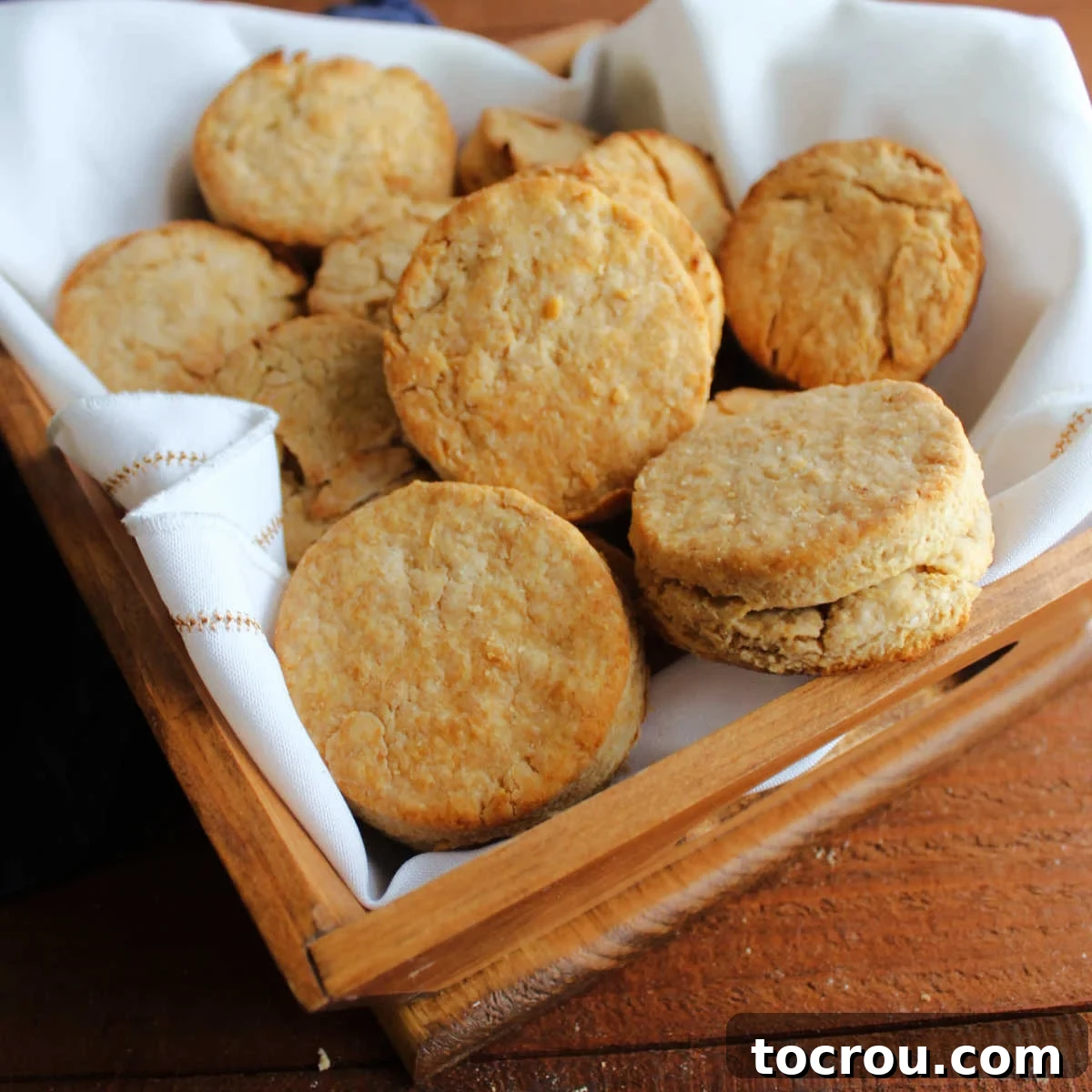
For those who appreciate the unparalleled qualities of a good quality fat, this lard biscuit recipe is an absolute must-have in your baking repertoire. The secret to their incredible texture lies in the lard: a perfectly baked biscuit boasts a soft, fluffy interior complemented by a delicate, slightly crisp exterior. This mouthwatering contrast is every bit as satisfying as it sounds, offering a depth of flavor and texture that butter or shortening often can’t replicate. Once you try these, you’ll understand why traditional bakers swear by lard.
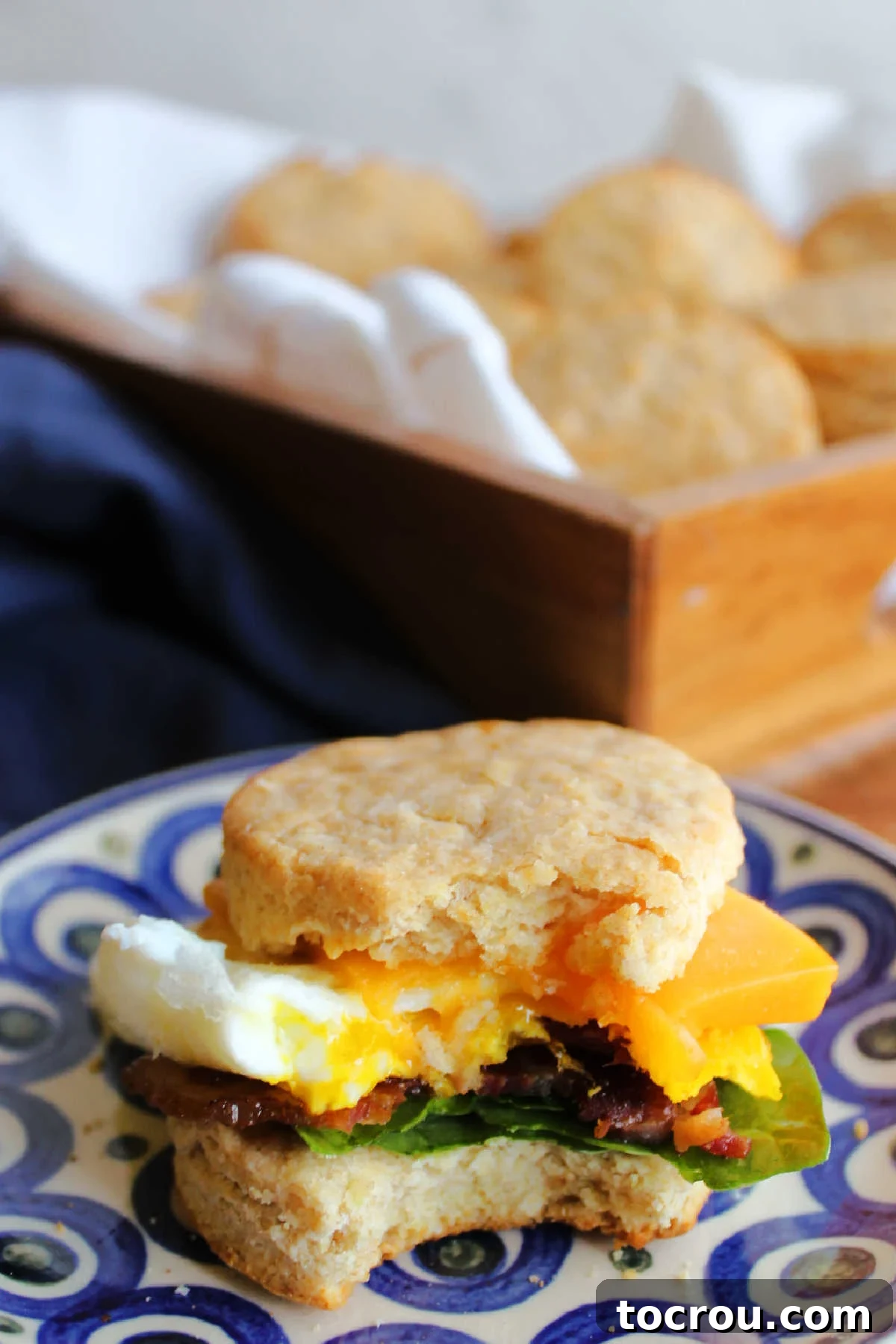
Elevate your breakfast or brunch by pairing these magnificent biscuits with a classic homemade sausage gravy – a combination that truly transports you to culinary heaven. Alternatively, take a cue from our family’s favorite tradition and transform them into epic breakfast sandwiches. Imagine layers of crispy bacon, perfectly cooked eggs, melty cheese, and fresh spinach nestled between two halves of a warm, flaky lard biscuit. It’s a substantial and incredibly satisfying start to any day.
About This Heirloom Lard Biscuit Recipe
This remarkable biscuit recipe comes straight from my brother-in-law, Anthony, a true connoisseur of hearty, home-cooked meals. Anthony shared his ingenious tip: he diligently saves the rendered grease after frying up a pound of crispy bacon specifically for making these biscuits. He simply transfers the warm bacon grease into a container and stores it in the refrigerator until it’s perfectly chilled and solidified. What’s even more fascinating is that this amount of bacon grease is typically the ideal quantity needed for one batch of his beloved biscuits. Naturally, I was captivated by this traditional, resourceful approach to baking.
Anthony revealed that using bacon grease is his personal, flavorful twist on an old family recipe. The original version, passed down through generations, traditionally called for butter. While many modern recipes favor butter or shortening, Anthony’s adaptation with bacon grease adds a unique depth of smoky, savory flavor that makes these biscuits truly extraordinary. The resulting biscuits are noticeably denser than the airy, often mass-produced varieties you might find at a fried chicken restaurant. However, it’s precisely this satisfying density and rich flavor that has made them an undeniable family favorite for years.
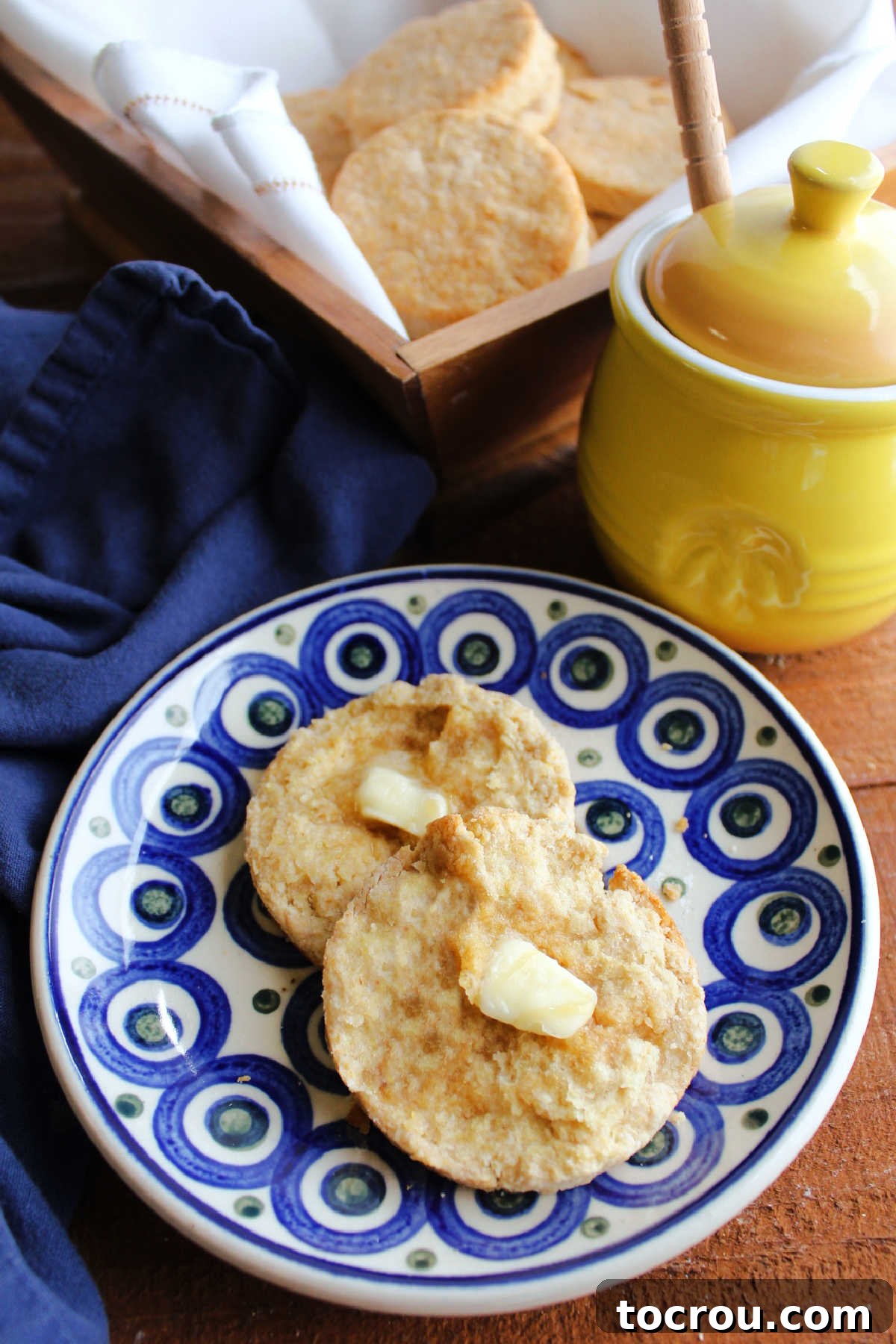
His mother, maintaining a long-standing family tradition, frequently serves these hearty biscuits as a delicious dinner roll alongside various meals, showcasing their versatility beyond just breakfast. Anthony, however, has a particular fondness for transforming them into robust breakfast sandwiches. His signature creation features fluffy eggs, savory ham, sharp cheddar cheese, and a handful of fresh spinach, all perfectly encased within these sturdy, flavorful biscuits. The combination is a testament to how adaptable and incredibly satisfying these lard biscuits truly are, making them much more than just a simple side.
After hearing Anthony’s enthusiastic endorsement, I simply couldn’t wait to try my hand at making these biscuits using our own carefully rendered lard. And I can confidently say, I am so incredibly glad I did! While they indeed possess a slightly denser texture compared to many commercially prepared or restaurant biscuits, this characteristic is actually a huge advantage. Their inherent sturdiness makes them perfectly capable of holding a generous amount of fillings without falling apart, making them ideal for those epic breakfast sandwiches. Beyond their structural integrity, the taste is truly outstanding – deeply savory, subtly rich, and utterly delicious. These are not just any biscuits; they are a comforting, flavorful experience worth savoring.
Versatile Alterations and Smart Substitutions for Your Lard Biscuits
This original recipe ingeniously combines both all-purpose flour and white whole wheat flour, contributing to a wonderfully balanced texture and a hint of nutty flavor. For the whole wheat portion, I personally opted for white whole wheat flour, which offers the benefits of whole grains without the heavy texture sometimes associated with traditional whole wheat. If you prefer a lighter, more classic biscuit, feel free to use solely all-purpose flour. This will result in biscuits that are brighter in color and likely even fluffier and more tender, catering to a different but equally delightful preference.
When it comes to the crucial fat component, leaf lard is widely considered the gold standard for baking due to its neutral flavor and exceptional tenderness, but any high-quality rendered white lard will work beautifully for this recipe. If you don’t have lard readily available, don’t despair! You can absolutely achieve delicious results using cold bacon grease for that savory kick, or opt for unsalted butter or a solid vegetable shortening. Each alternative will impart a slightly different flavor and texture, but all will yield a satisfying biscuit.
This recipe thoughtfully incorporates buttermilk powder, a pantry staple that’s incredibly convenient for baking as it boasts a significantly longer shelf life than fresh buttermilk. If buttermilk powder isn’t on hand, you have several excellent options. You can use regular dry milk powder in its place, or for a truly authentic flavor, substitute the water in the recipe with real, liquid buttermilk, omitting the powder altogether. For a quick and easy buttermilk substitute in a pinch, simply add one tablespoon of lemon juice or white vinegar to a cup of regular milk and let it sit for about five minutes. This will sour the milk, mimicking the acidity of buttermilk and ensuring a tender crumb in your biscuits.
Pro Tip: Turn Your Lard Into Convenient Sticks!
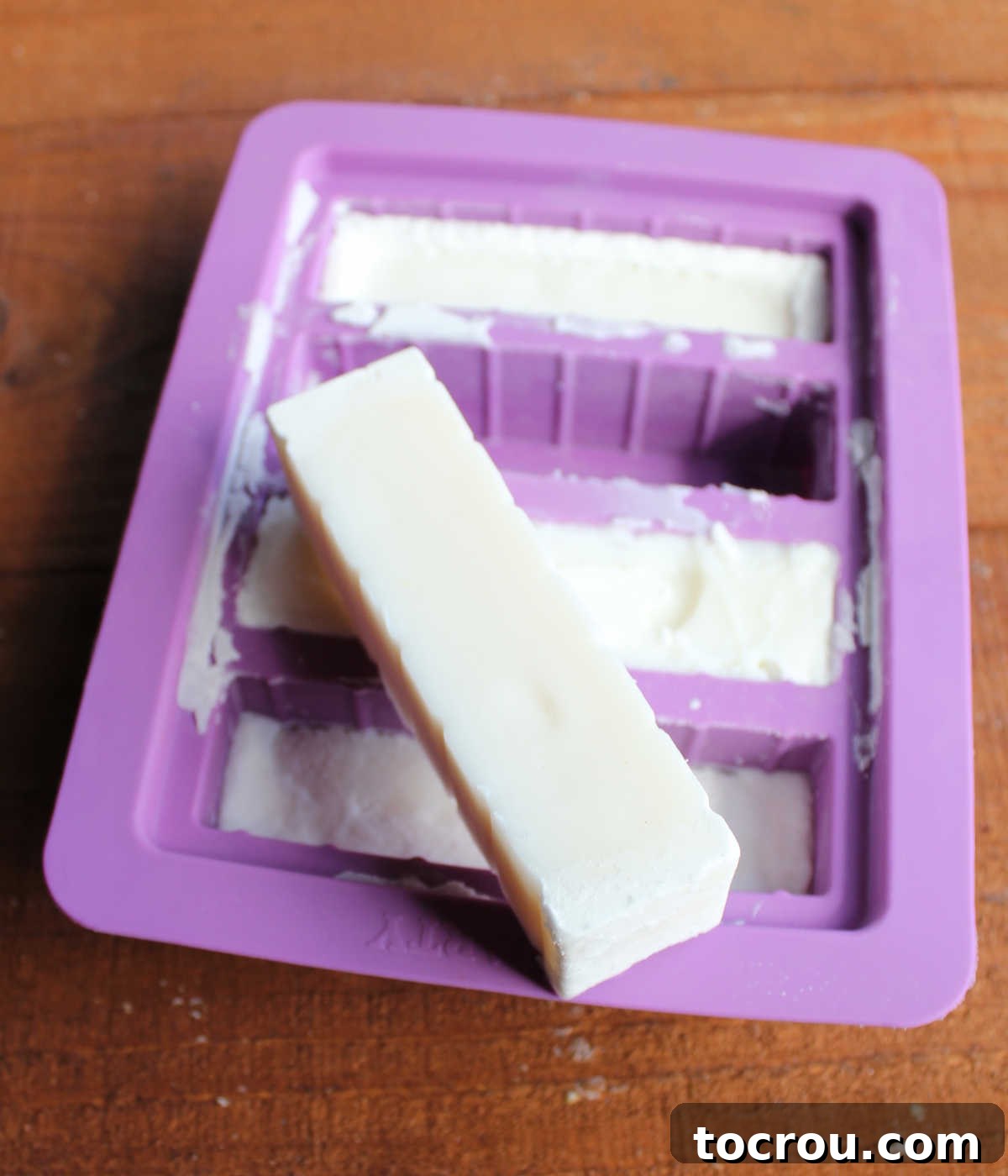
To make baking with lard as effortless as using butter, consider investing in silicone molds designed for butter sticks. Simply melt your rendered lard, pour it into these molds, and allow it to chill until solid. This brilliant trick transforms lard into easily measurable, mess-free sticks, streamlining your baking process and making it just as convenient as reaching for a stick of butter.
Frequently Asked Questions About Lard Biscuits
Where can I source quality lard for baking?
While some larger grocery stores may carry rendered lard, your best bet for finding high-quality, flavorful lard is typically at a local butcher shop, a specialty ethnic market, or directly from a farmer. For baking applications, leaf lard is highly recommended due to its neutral flavor and fine texture, which contributes to exceptionally flaky pastries and tender biscuits. However, any good quality rendered lard will produce excellent results in this recipe.
What’s the best way to store leftover biscuits?
Biscuits are undeniably at their absolute best when enjoyed fresh from the oven, warm and fragrant. However, if you find yourself with leftovers, you can store them in an airtight container at room temperature for up to a few days. To revive their texture and warmth, simply reheat them slightly in a toaster oven, microwave, or a conventional oven before serving. A quick warm-up will bring back much of their original tenderness and appeal.
Can I freeze biscuit dough for later?
Absolutely! Freezing biscuit dough is a fantastic way to enjoy fresh, warm biscuits on demand with minimal effort. To freeze, simply cut your biscuits as directed in the recipe and arrange them in a single layer on a baking tray. Place the tray in the freezer for a couple of hours until the biscuits are firm. Once frozen, transfer them to an airtight freezer-safe container or bag, and they will keep well in the freezer for up to a month. When you’re ready to bake, there’s no need to thaw! Simply place the frozen biscuits on a baking sheet and bake them in a preheated 325°F (160°C) oven for approximately 18-22 minutes, or until golden brown and cooked through.
Classic Old-Fashioned Lard Biscuits
Essential Equipment
-
Silicone Butter Mold Tray with Lid, Purple
-
OXO Dough Blender and Pastry Cutter
Ingredients
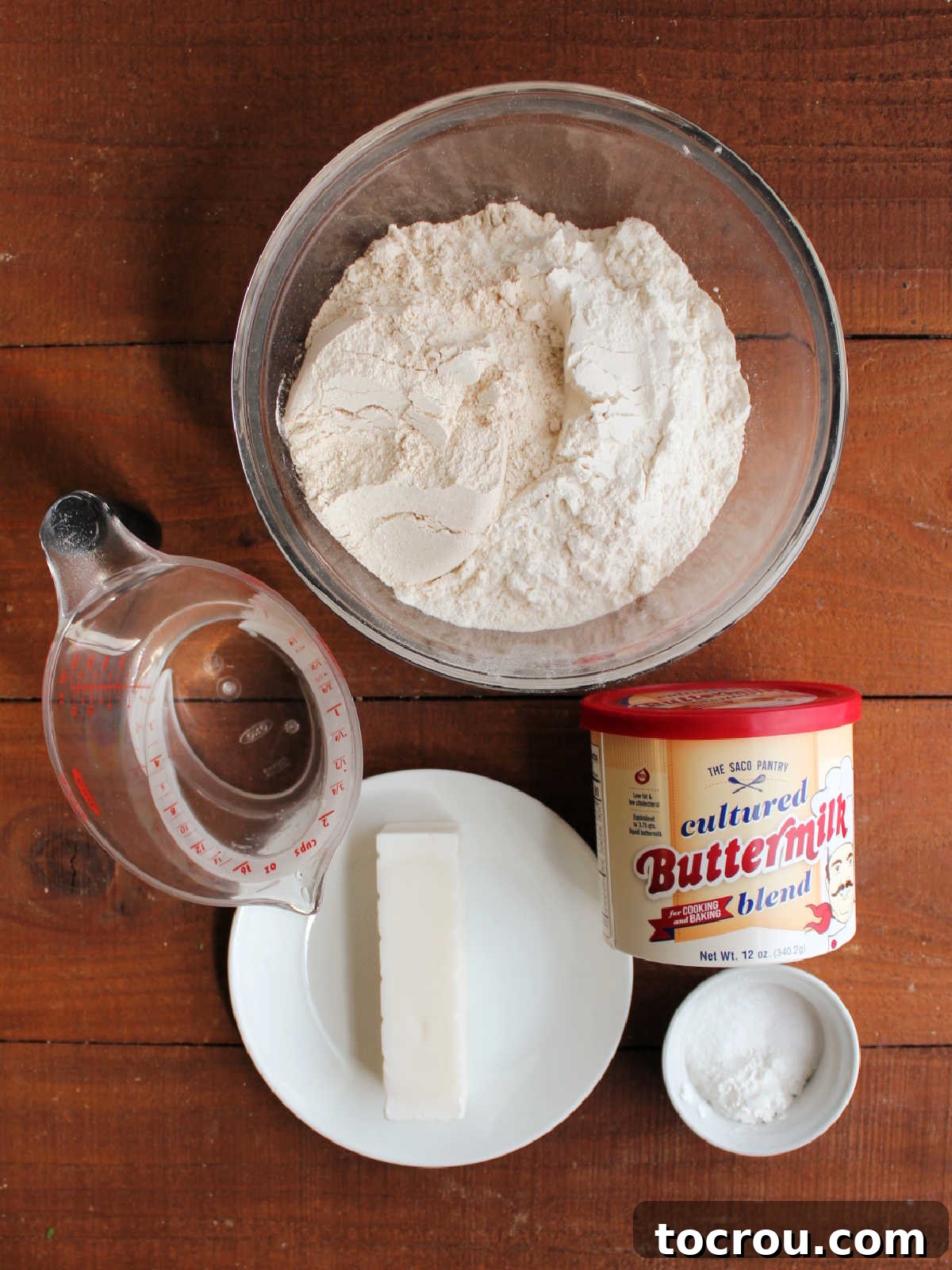
- 3 cups all-purpose flour
- 1 cup white whole wheat flour or additional 1 cup all-purpose flour for lighter biscuits
- 4 teaspoons baking powder
- 1 teaspoon salt
- 6 Tablespoons dry buttermilk powder
- 1 teaspoon baking soda
- ½ cup lard ensure it is cold and firm for best results
- Cold water approximately 1 to 1.5 cups, adjust as needed
Step-by-Step Instructions
-
Begin by preheating your oven to a blazing 450°F (232°C). This high temperature is key to achieving a quick rise and a beautifully golden crust on your biscuits.
-
In a spacious mixing bowl, meticulously combine the 3 cups all-purpose flour, 1 cup white whole wheat flour (or additional all-purpose for a lighter biscuit), 4 teaspoons baking powder, 1 teaspoon salt, 1 teaspoon baking soda and 6 Tablespoons dry buttermilk powder. Whisk them together thoroughly to ensure all leavening agents and seasonings are evenly distributed.
-
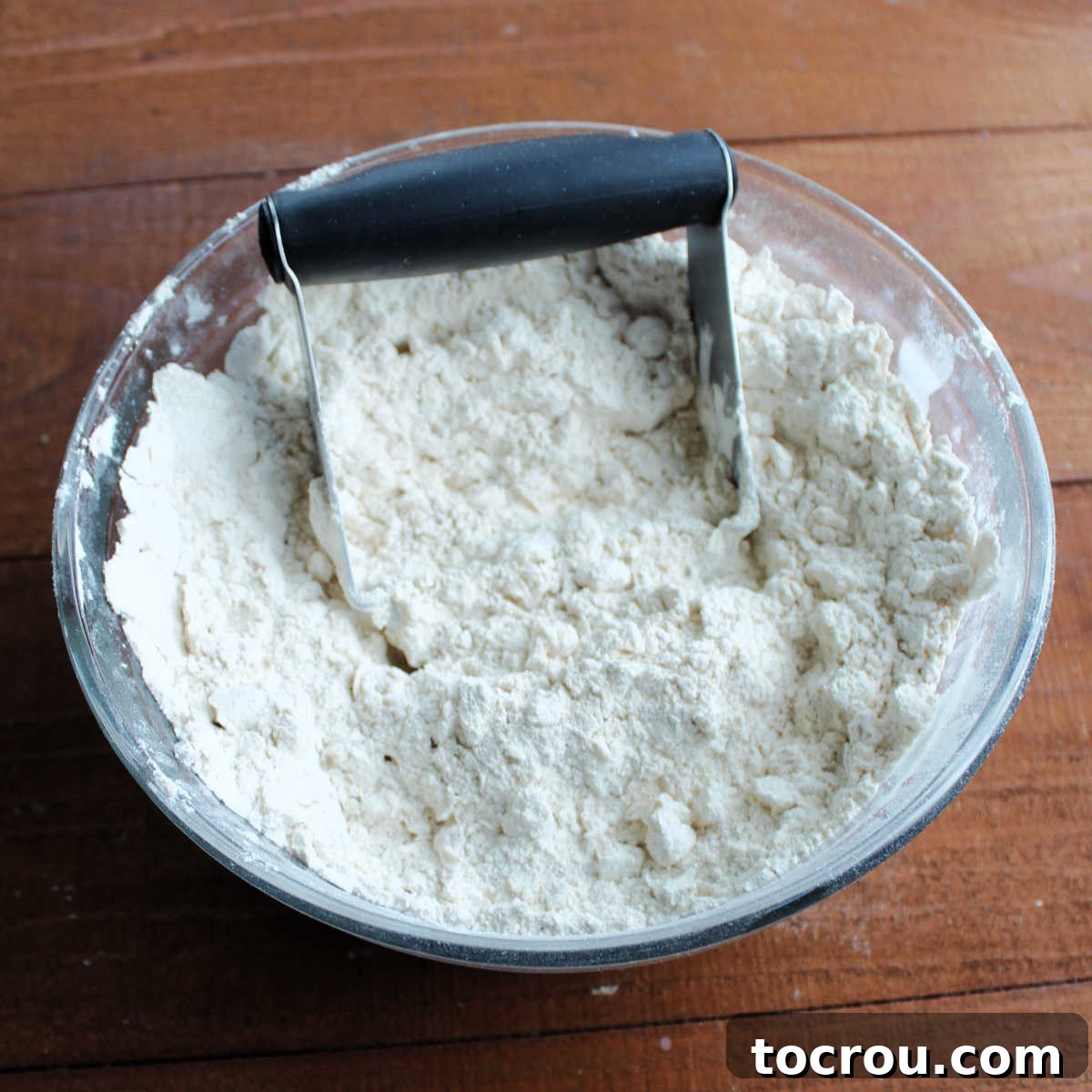
Carefully cut in the ½ cup of cold, firm lard until the mixture resembles a coarse meal with pea-sized pieces of fat. A sturdy pastry cutter works wonders for this step, ensuring the fat remains cold and distinct. Alternatively, you can use two knives or even your fingertips, but work quickly to prevent the lard from melting.
-
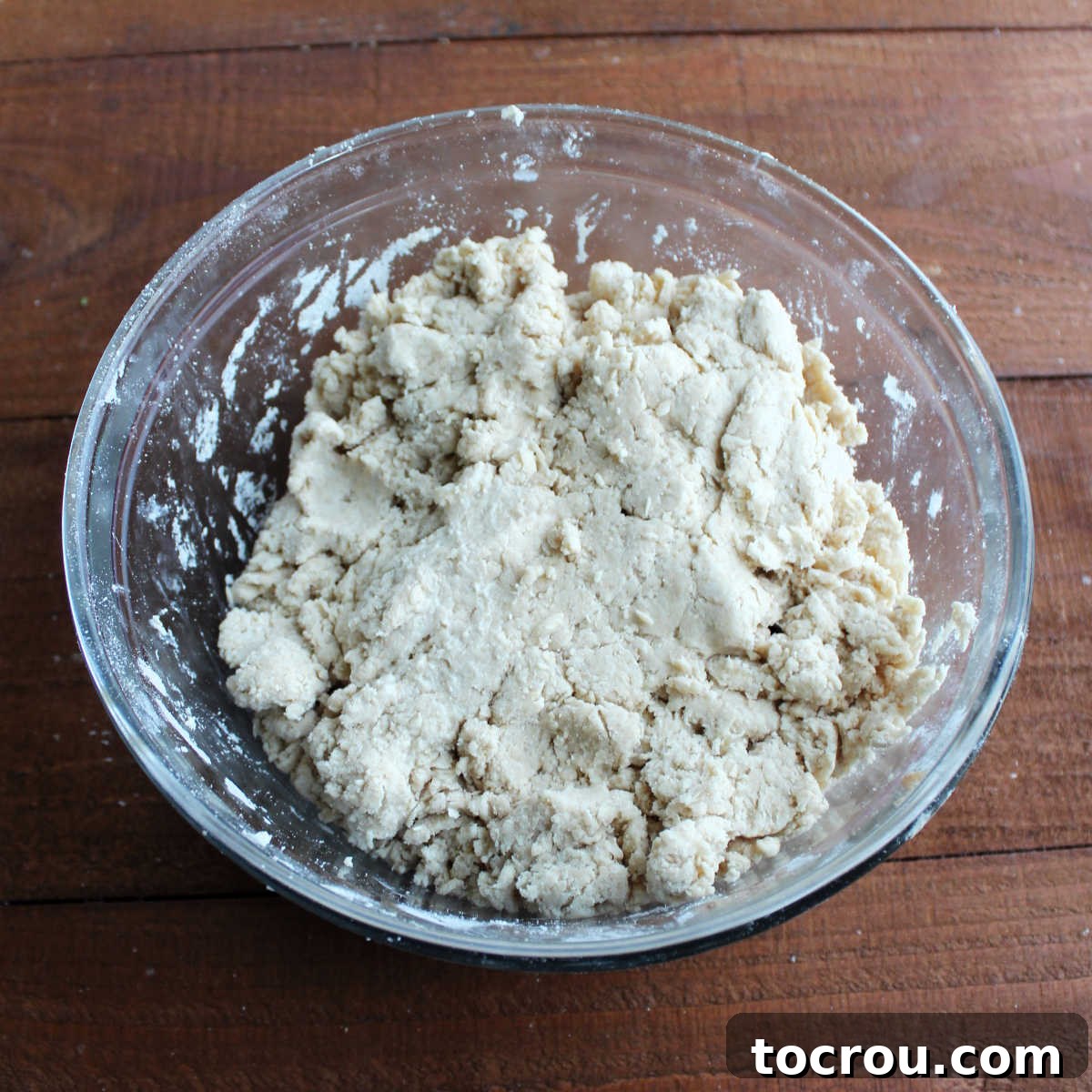
Gradually introduce about ½ cup of cold water to the flour mixture, stirring gently until it’s just combined. Continue adding more cold water, a couple of tablespoons at a time, until the dough barely comes together to form a rough, shaggy mass. The precise amount of water needed can vary due to factors like flour type and humidity, so add it cautiously until the dough is moist but not sticky.
-
Turn the dough out onto a lightly floured surface. Gently pat it out to a uniform thickness of about ½-inch. Now, fold the dough in half, bringing one edge over to meet the other, then pat it back out to a thickness of ½ to ¾-inch. This crucial step, known as laminating, creates those desirable flaky layers and a natural breaking point in the middle of each biscuit.
-
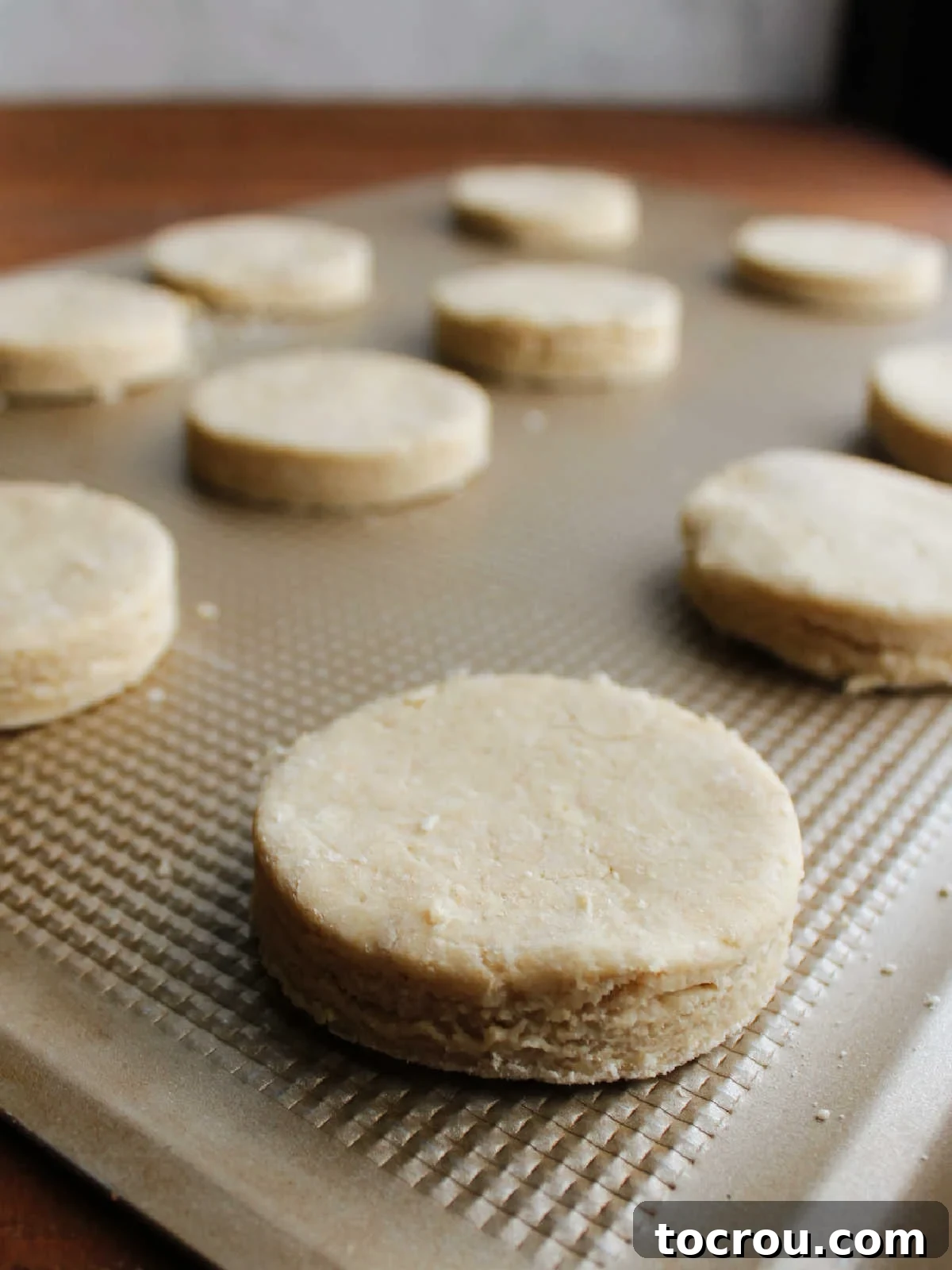
Using a sharp knife or a biscuit cutter, cut the dough into individual biscuits. When using a biscuit cutter, always press straight down and lift straight up – avoid twisting, as this can seal the edges and inhibit the biscuits from rising properly. Gather any remaining dough, gently pat it out again, and cut more biscuits until all dough is used, or reserve scraps to make savory dumplings later.
-
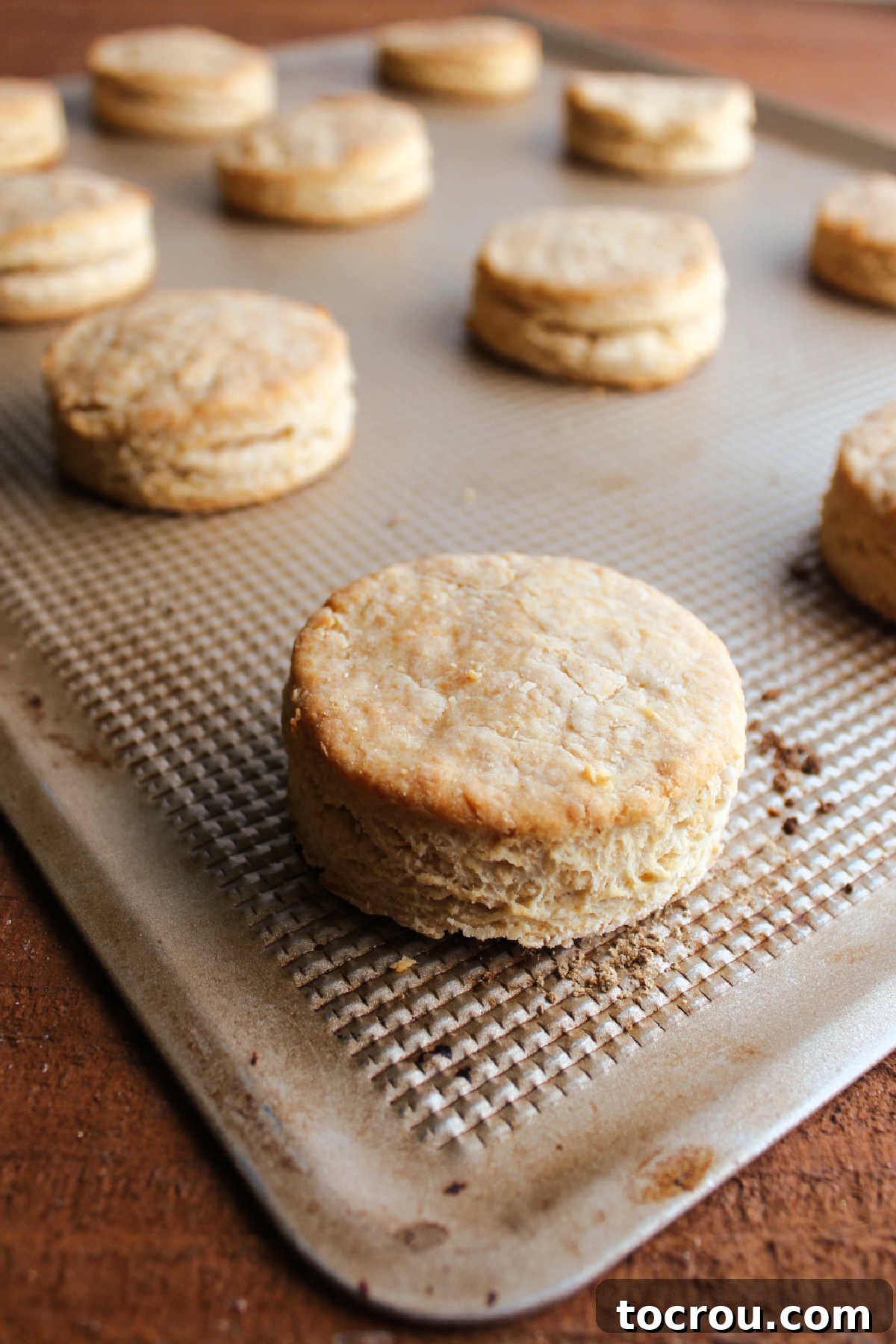
Carefully transfer the cut biscuits to an ungreased baking sheet, ensuring they are placed close enough to touch, which helps them rise taller and more evenly. Bake for 10-15 minutes in your preheated oven, or until the tops are beautifully golden brown and the biscuits are cooked through.
-
Serve these delectable lard biscuits warm, straight from the oven, to fully appreciate their tender crumb and rich flavor. Enjoy them plain, with butter and jam, or as the foundation for an unforgettable breakfast sandwich.
Chef’s Notes & Tips for Perfect Biscuits
Email Me This Recipe!
Want to easily find this amazing lard biscuit recipe later? I’ll email this post directly to your inbox, so you can access it anytime. Plus, you’ll receive my latest delicious recipes every week!
Nutritional Information (Estimated)
“Cooking With Carlee” is not a dietitian or nutritionist, and any nutritional information shared is an estimate. If calorie count and other nutritional values are important to you, we recommend running the ingredients through whichever online nutritional calculator you prefer. Calories and other nutritional values can vary quite a bit depending on which brands were used.
Did you try this recipe?
We’d love to hear from you! Don’t forget to leave a rating below and share your experience. For more delightful recipes and baking inspiration, make sure to follow us on Pinterest and Instagram!