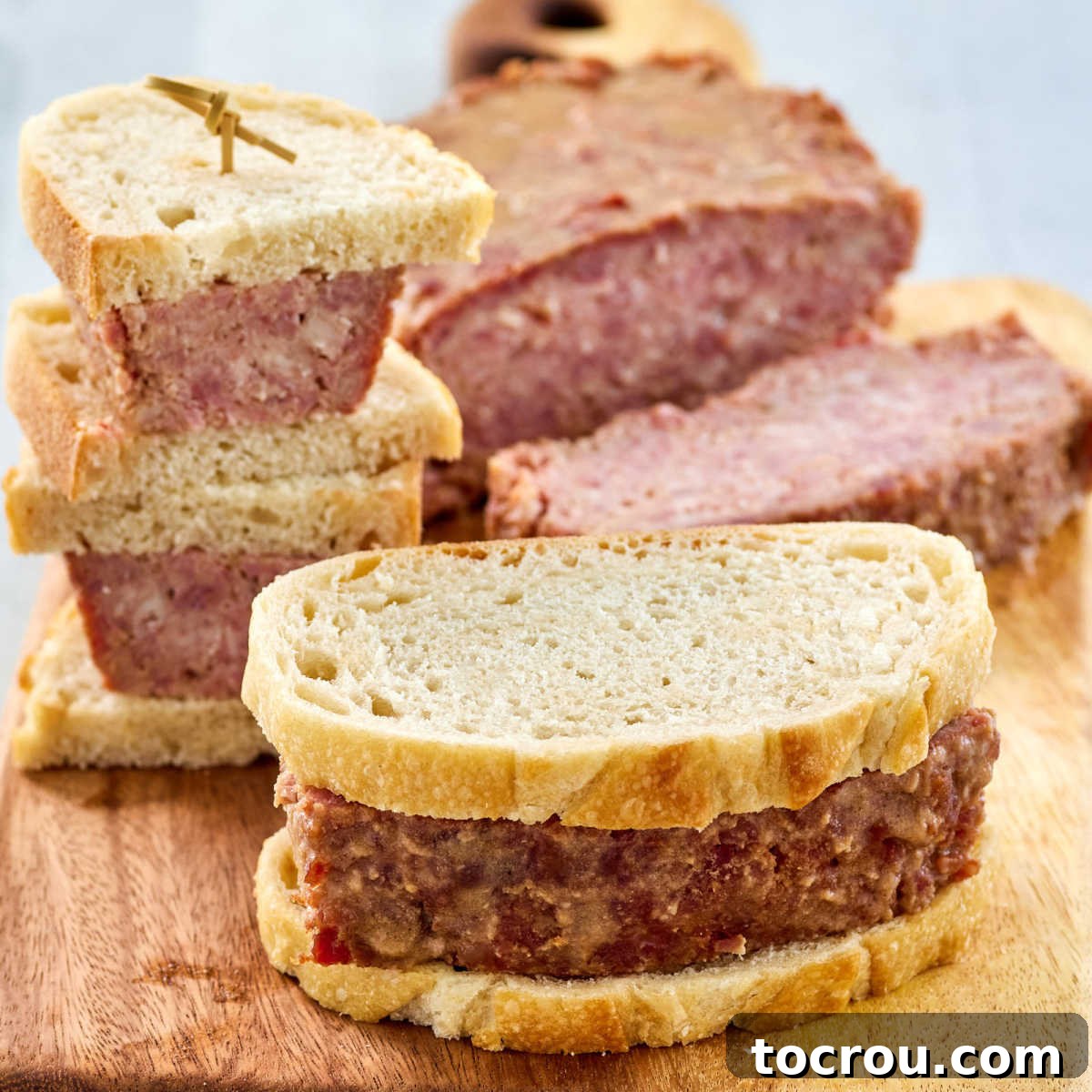
The Ultimate Glazed Ham Loaf: A Classic Comfort Food Recipe
Discover the heartwarming appeal of Glazed Ham Loaf, a true comfort food classic perfect for any meal. This recipe delivers a satisfying blend of sweet and savory flavors in tender, thick slices that are ideal for dinner. But the magic doesn’t stop there – the leftovers make for truly legendary sandwiches, ensuring every bit is savored. Simple to prepare and deeply flavorful, ham loaf is a fantastic choice for family dinners and holiday gatherings alike.
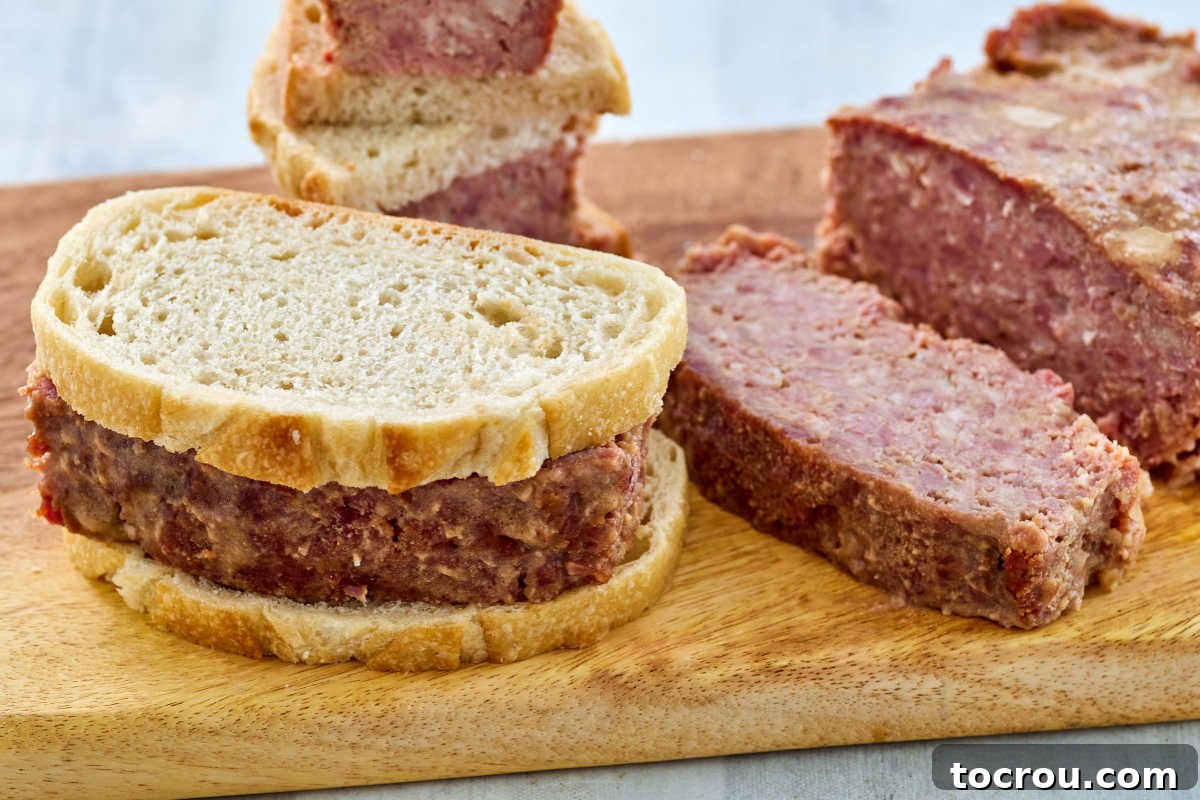
What is Ham Loaf? A Beloved American Tradition
If ham loaf is new to you, imagine the comforting essence of a classic meatloaf, but with a unique and delicious twist: it’s made primarily from ground ham, often blended with lean ground pork for an optimal balance of flavor and texture. This creates a distinctive profile that is both savory and subtly sweet, especially when adorned with its signature caramelized glaze. It’s a staple in many American households, particularly cherished in regions steeped in German and Pennsylvania Dutch culinary traditions.
Ham loaf stands out from traditional beef meatloaf with its cured ham base, offering a richer, saltier, and often sweeter flavor that pairs exquisitely with tangy glazes. Its appealing texture and robust taste make it a memorable dish that evokes a sense of nostalgia and home-cooked goodness.
A Glimpse into History: The Roots of Ham Loaf
The culinary journey of ham loaf is rich with history, believed to have originated in Germany before making its way to the United States. It quickly became a cornerstone in the kitchens of early European settlers, particularly within the thrifty and resourceful Amish and Pennsylvania Dutch communities. This ingenious dish provided an excellent way to utilize leftover ham trimmings and cured pork, ensuring no valuable meat went to waste.
As communities grew, so did the popularity of ham loaf. It became a beloved centerpiece at church suppers, community potlucks, and local diners throughout the Midwest. By the 1950s, its convenience and deliciousness were so recognized that local butchers frequently prepared and sold pre-ground ham or even pre-formed ham loaves. This allowed home cooks to simply purchase a loaf, take it home, and bake it, adding their own special glaze to personalize the dish. This tradition of customized glazing continues today, with countless variations adding unique touches to this versatile classic.
Ham loaf also shares a close cultural connection with “ham balls,” another popular regional dish, especially around Iowa. While ham balls are individually portioned and glazed, the ham loaf offers the same delightful sweet and savory flavor profile in a more convenient, single-loaf format. If you’re a fan of ham balls but appreciate a simpler preparation, this ham loaf recipe is definitely for you.
Crafting Your Perfect Ham Loaf: Essential Ingredients & Preparation Steps
Sourcing or Preparing Ground Ham
The foundation of an outstanding ham loaf lies in the quality and preparation of the ham itself. In certain regions, particularly in parts of the Midwest like Iowa, you might find ground ham readily available in the grocery store’s deli section or near other ham products. This convenience streamlines the preparation process considerably.
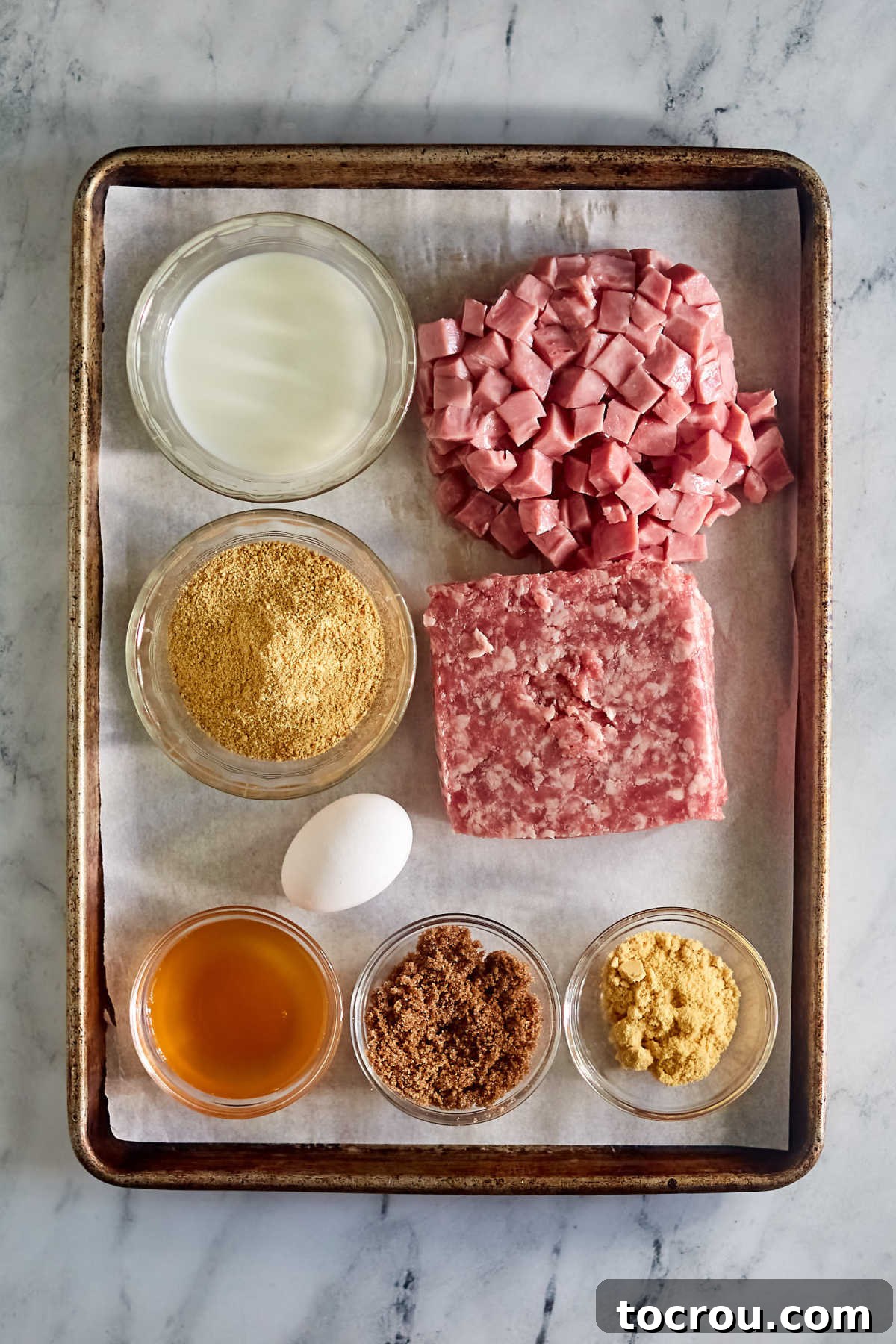
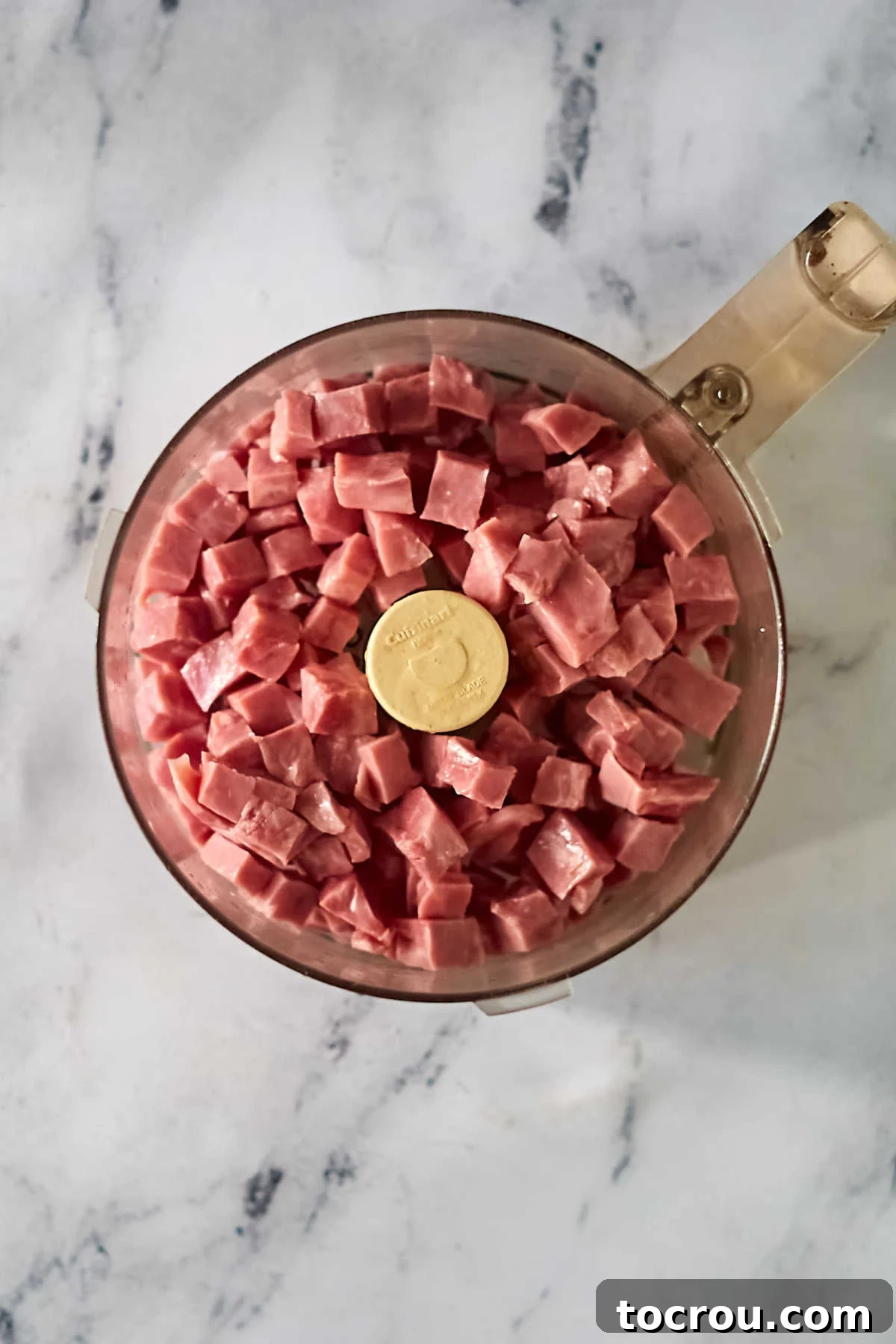
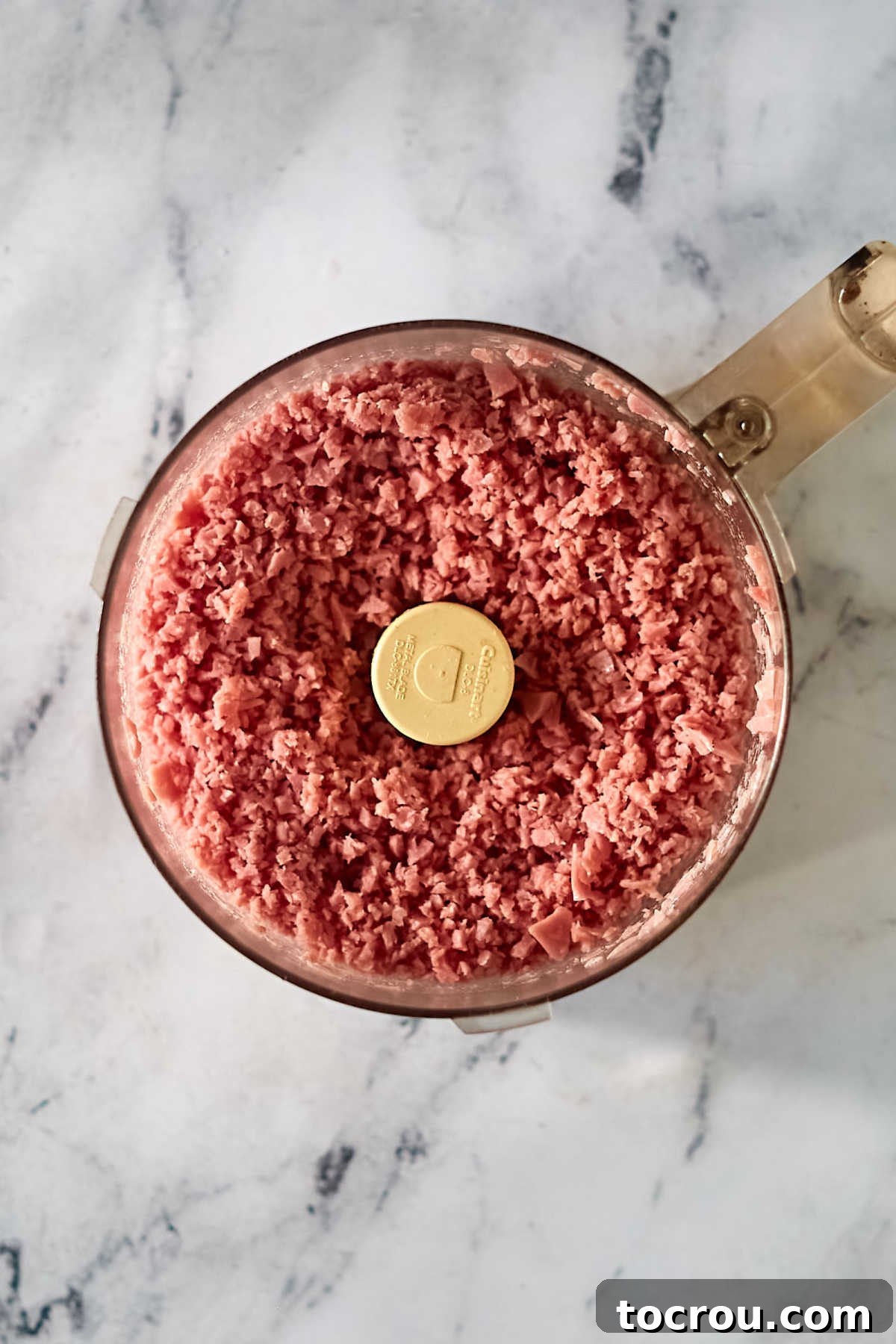
However, if pre-ground ham isn’t available at your local market, there’s no need to worry! Making your own is incredibly simple with a few basic kitchen tools:
- Using a Food Processor: Start by cutting your cooked ham into large, uniform chunks. Place these chunks into your food processor and pulse a few times. The goal is to create small, distinct crumbles—similar to the consistency of ground meat—rather than a smooth, pasty puree. Be careful not to over-process, as this can affect the texture of your finished loaf.
- With a Meat Grinder: If you’re fortunate enough to own a meat grinder, use the coarse grinding plate. This method yields a perfectly textured ground ham that’s ideal for ham loaf, ensuring a consistent and satisfying bite.
- By Hand with a Knife: For those without a food processor or meat grinder, a sharp chef’s knife and a sturdy cutting board are all you need. Dice the cooked ham as finely and uniformly as possible. While this method requires a bit more effort, it is equally effective in preparing the ham for your loaf.
This recipe is also an ingenious way to make the most of leftover ham from holidays or large family meals. By transforming it into a ham loaf, you give new life to ingredients that might otherwise go unused, creating a delicious and entirely new dining experience. The blend of ground ham with lean ground pork ensures a moist, tender, and incredibly flavorful loaf that will become a family favorite.
The Irresistible Glaze: Sweet, Tangy, and Perfectly Customizable
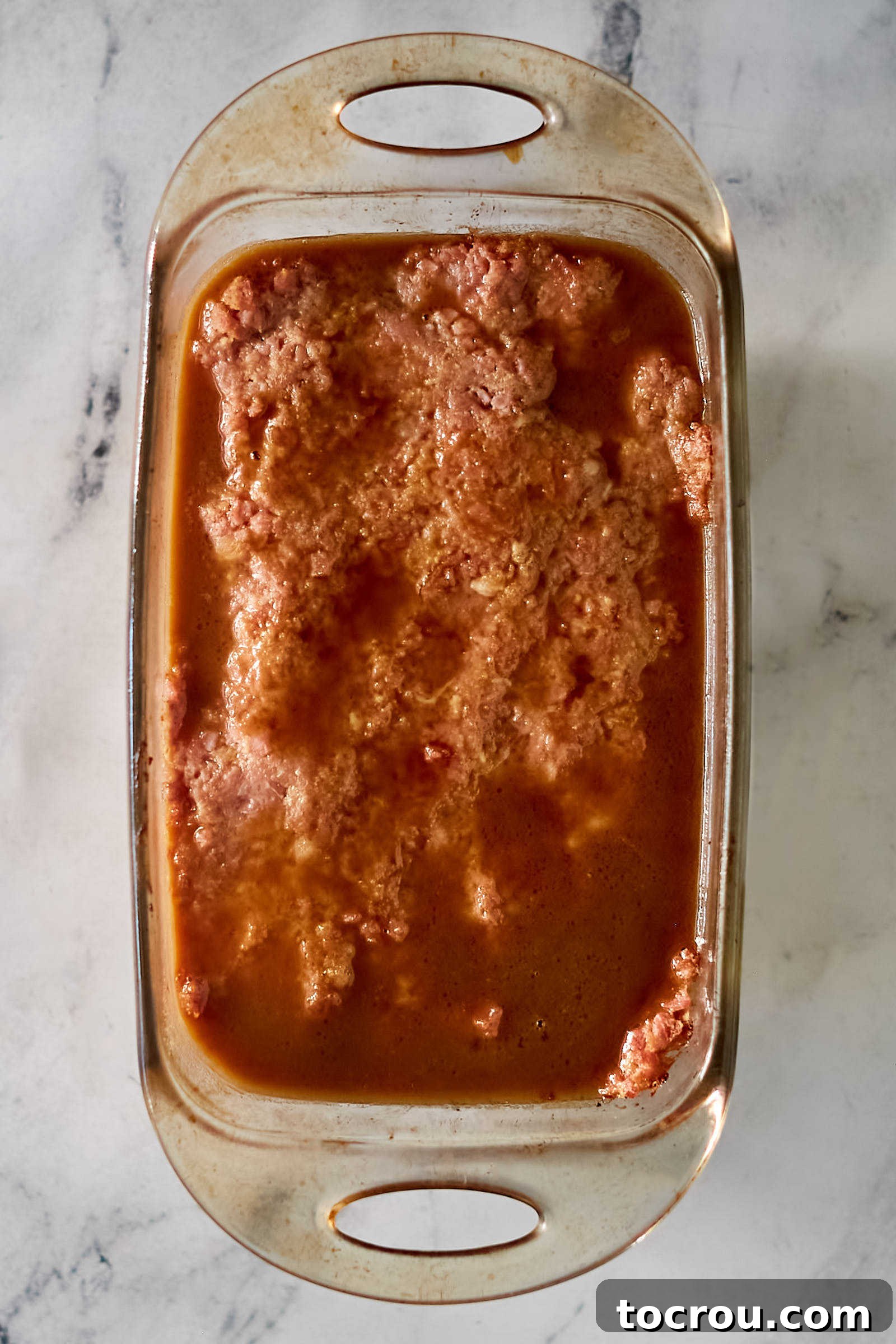
The distinctive glaze is arguably what makes a ham loaf truly special. Our featured mustard brown sugar glaze is remarkably simple to prepare yet delivers a profound depth of flavor. It achieves a wonderful balance between sweet and tangy, creating a sticky, glossy crust that caramelizes beautifully during baking. This not only adds a burst of flavor but also helps to seal in the loaf’s moisture, ensuring every slice is succulent.
While this glaze is a fantastic starting point, feel free to unleash your culinary creativity and customize it to your personal preferences. For instance:
- Fruity Sweetness: Stir in some well-drained crushed pineapple to introduce a delightful tropical sweetness. The acidity from the pineapple also helps to tenderize the ham.
- A Hint of Heat: If you enjoy a subtle kick, incorporate a teaspoon or two of hot pepper jelly or a pinch of cayenne pepper into the glaze. This adds an exciting warmth without overpowering the other flavors.
- Herbaceous Twist: A dash of dried thyme or a hint of smoked paprika can add a sophisticated layer to the glaze.
- Different Mustard Varieties: Experiment with Dijon mustard for a sharper, more piquant note, or a grainy mustard for added texture and a rustic feel.
The versatility of the glaze means you can easily adapt this ham loaf to suit various palates and occasions.
Baking Your Ham Loaf to Golden Perfection
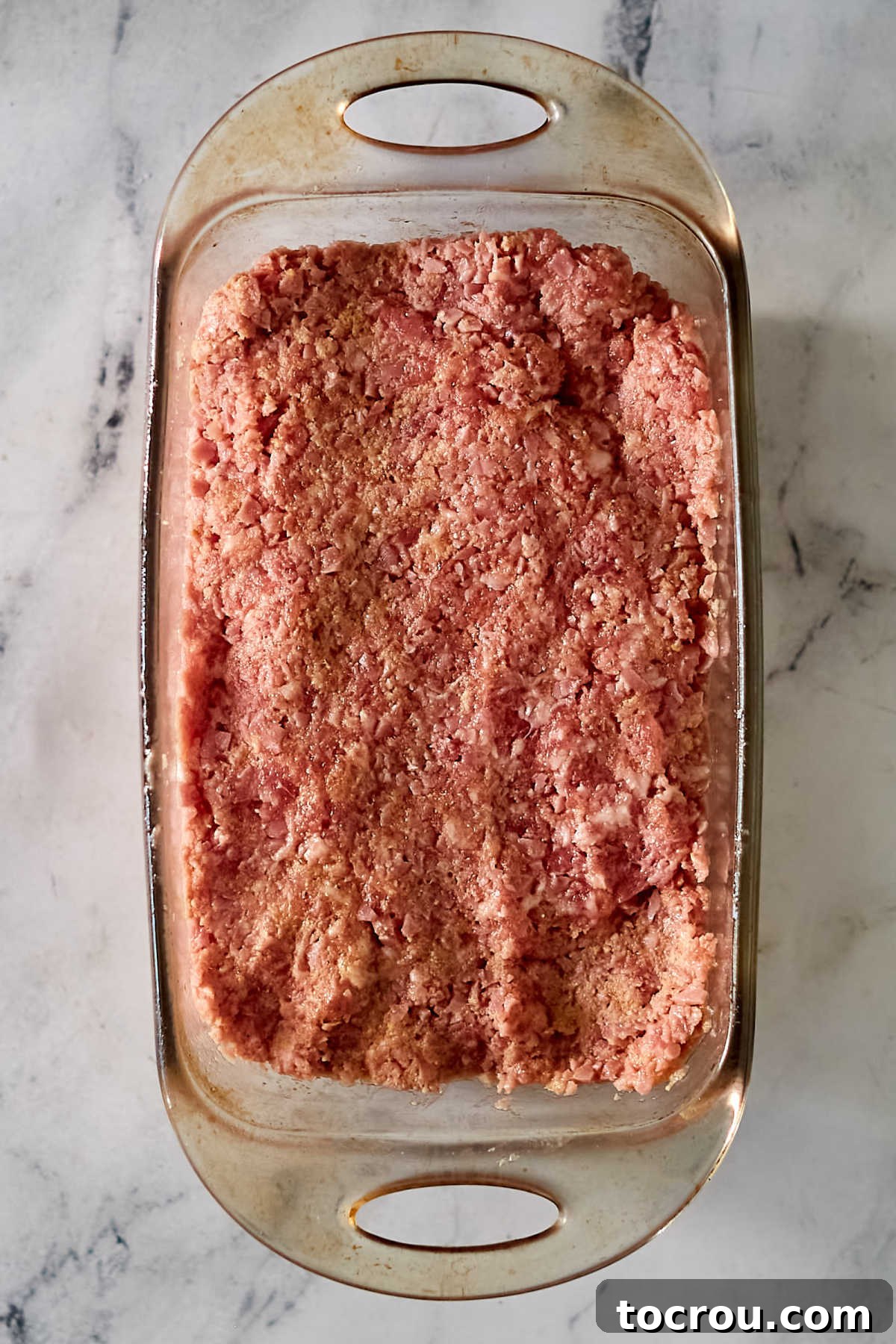
Achieving a perfectly baked and juicy ham loaf involves attention to a few key details, particularly regarding baking temperature and the essential resting period. Begin by preheating your oven to the specified temperature and lightly greasing your baking dish. Once your ham loaf mixture is thoroughly combined and shaped into an even loaf, apply about half of your prepared glaze. This initial layer begins to bake into the meat, infusing it with flavor and creating a flavorful foundation.
After an initial baking period, the remaining glaze is applied. This second layer is crucial for developing that beautiful, shiny, and sticky caramelized crust that is characteristic of a truly exceptional ham loaf. The most accurate way to determine if your ham loaf is fully cooked is by using a meat thermometer. Insert it into the center of the loaf; it should register an internal temperature of 160°F (71°C). This ensures the ham loaf is cooked through while retaining its delightful moisture and tenderness.
The Critical Importance of Resting
Much like with a traditional roast or meatloaf, allowing your ham loaf to rest after it comes out of the oven is a non-negotiable step for optimal results. If you attempt to slice the loaf immediately, the juices, which have gathered in the center during baking, will rush out, leaving you with a drier, crumbly loaf. By resting the ham loaf for at least 10 minutes, you allow these juices to redistribute evenly throughout the meat. This crucial process results in a firmer, moister, and much more cohesive loaf that slices beautifully and holds its shape, making for a much more appealing presentation and eating experience.
Storage, Freezing, and Reheating for Convenience
One of the many benefits of glazed ham loaf is its versatility for meal planning and enjoyment over several days. Proper storage techniques will help maintain its freshness and delicious flavor.
Preparing Ahead & Refrigeration Tips
To save time, you can prepare the ham loaf mixture a day or two in advance. Form it into a loaf in your baking pan, cover it tightly with plastic wrap, and store it in the refrigerator until you are ready to bake. This is an excellent strategy for busy weeknights or when preparing for a holiday meal.
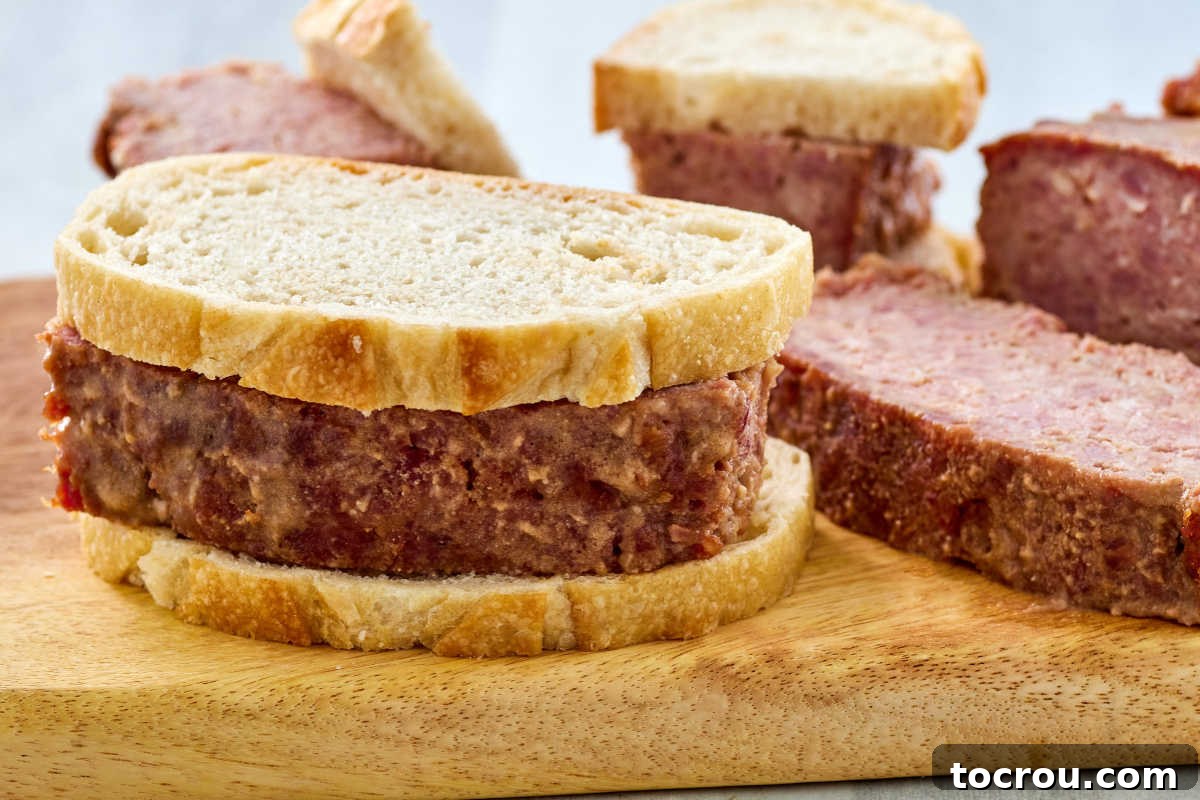
Once your ham loaf is baked, any leftovers should be stored promptly in an airtight container in the refrigerator. It will remain fresh and delicious for up to 4 days. These leftovers are fantastic for quick lunches—a slice of cold ham loaf on a sandwich is a surprisingly delightful and satisfying experience, offering a fun twist on the classic meatloaf sandwich.
Freezing for Future Feasts
Ham loaf freezes exceptionally well, making it a perfect candidate for batch cooking and long-term meal solutions. You have the option to freeze either a baked or an unbaked ham loaf:
- Freezing an Entire Loaf: For an unbaked loaf, simply wrap it tightly in plastic wrap and then place it in an airtight freezer-safe container or a heavy-duty resealable freezer bag. For a baked loaf, allow it to cool completely before wrapping and freezing. It will maintain its quality in the freezer for up to 3 months. When you’re ready to serve, thaw the loaf overnight in the refrigerator. If unbaked, proceed with the baking instructions. If baked, reheat it gently in the microwave, air fryer, or oven until it is thoroughly warmed through.
- Freezing Individual Slices: For ultimate convenience, particularly for single servings, slice the baked ham loaf into individual portions. Wrap each slice individually in plastic wrap, then place them all into a freezer bag. This allows you to grab just what you need. Thaw individual slices overnight in the fridge, then a quick reheat in the microwave or toaster oven will bring them back to life, ready for a sandwich or a small meal.
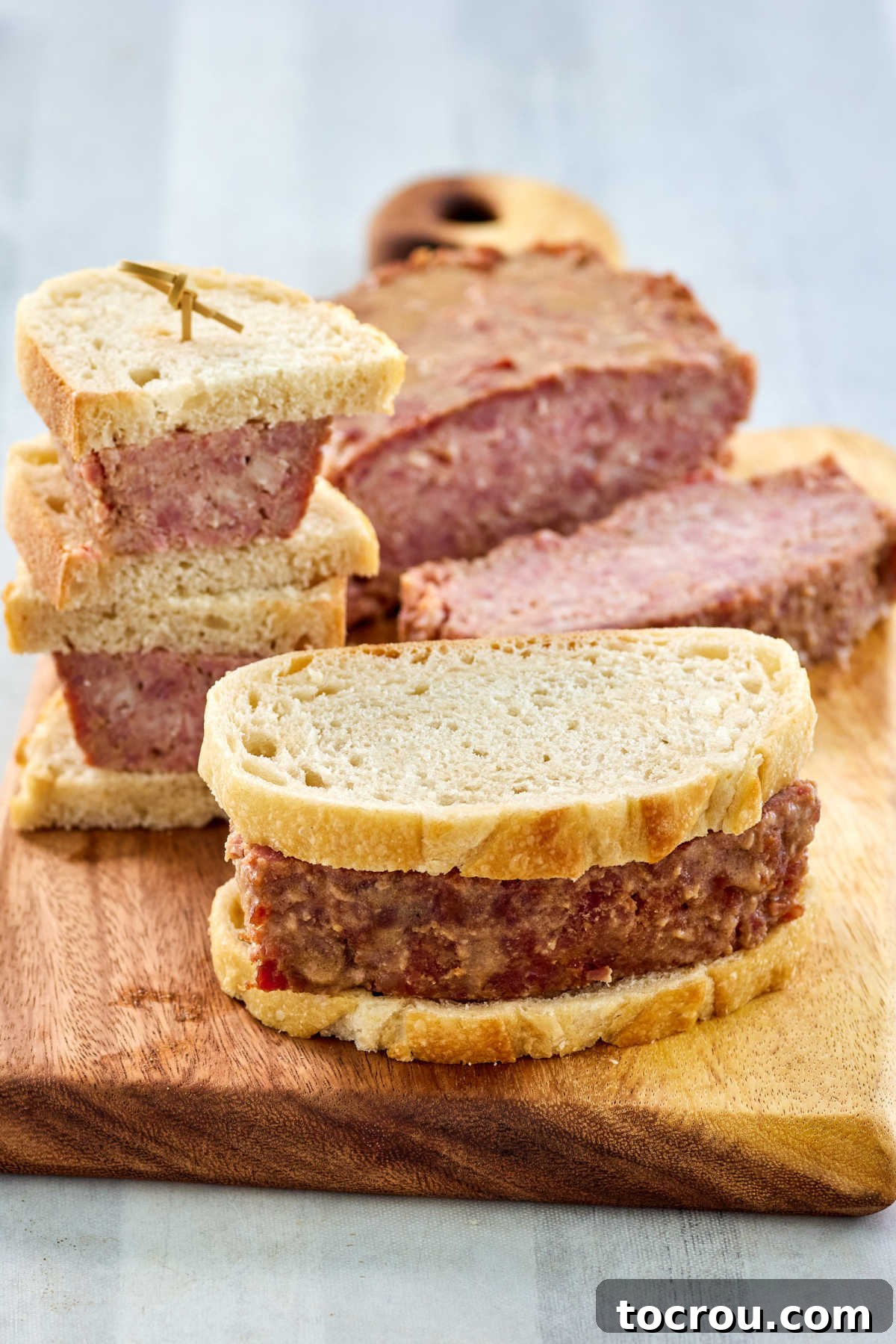
What to Serve with Your Delicious Glazed Ham Loaf
Glazed ham loaf is a wonderfully versatile main course that pairs beautifully with a wide array of side dishes. Consider serving it much like you would a traditional meatloaf, and you’ll find countless delicious accompaniments that elevate your meal.
- Creamy Potato Dishes: Classic mashed potatoes are an always-perfect partner. Elevate the experience with sour cream and chive mashed potatoes, or indulge in a decadent cheesy potato casserole with French onion dip. Roasted potatoes, scalloped potatoes, or even sweet potato fries also make excellent choices.
- Vibrant Vegetable Sides: To balance the richness of the ham loaf, serve it with fresh or cooked vegetables. Tender smothered green beans offer a comforting, savory contrast, while crisp pan-roasted Brussels sprouts add a delightful bitterness and textural crunch. Simple steamed asparagus, glazed carrots, or a crisp garden salad are also fantastic options that bring color and freshness to the plate.
- Hearty Breads: A side of crusty bread, warm dinner rolls, or fluffy cornbread is ideal for soaking up any extra glaze or for building those irresistible leftover sandwiches.
For more inspiration, explore our extensive collection of side dish recipes to find the perfect complement to your glazed ham loaf dinner.
Glazed Ham Loaf
Carlee
8 Servings
15 mins
1 hr
10 mins
1 hr 25 mins
Ingredients
Ham Loaf
- 1 pound ground ham
- 1 pound lean ground pork
- 1 cup graham cracker crumbs
- 1 large egg
- ¾ cup milk
Glaze
- 1 cup light brown sugar packed
- ⅓ cup vinegar
- 2 teaspoons dried mustard powder
Instructions
-
Preheat the oven to 350℉ and grease a 9×13-inch baking dish.
-
In a large mixing bowl, mix together the ingredients for the ham loaf. Don’t overwork the mixture, just stir until combined.1 pound ground ham,
1 pound lean ground pork,
1 cup graham cracker crumbs,
1 large egg,
¾ cup milk -
Transfer meat mixture to prepared loaf pan, shape into a loaf about 8 inches by 4 inches.
-
In a small bowl, stir together the glaze ingredients. Spoon about half of the mixture over the ham loaf.1 cup light brown sugar packed,
⅓ cup vinegar,
2 teaspoons dried mustard powder -
Bake for 45 minutes, then top with the remaining glaze mixture.
-
Bake for an additional 15 minutes or until the center of the loaf reads 160F on a meat thermometer.
-
Let rest for about 10 minutes before slicing and serving.
Notes
In some regions like Iowa, ground ham is easily found in the deli section. If your grocery store doesn’t carry it, you can easily make your own. To grind ham, cut it into large chunks then pulse in a food processor a few times until it forms small crumbles, avoiding a pasty texture. Alternatively, use the coarse setting on a meat grinder or finely dice cooked ham with a knife and cutting board.
Lean ground beef works as a substitute for ground pork.
Storage: Ham loaf can be assembled a day or two in advance and kept in the fridge until ready to bake. Leftovers store in an airtight container in the fridge for up to 4 days, perfect for sandwiches.
Freezing: Freeze baked or unbaked ham loaf wrapped tightly in plastic and in an airtight container or freezer bag for up to 3 months. Thaw overnight in the refrigerator before baking or reheating. Individual slices can also be frozen, thawed, and microwaved for a quick meal.
Email Me The Link
I’ll email this post to you, so you can easily find it later. Plus you’ll get new recipes from me every week!
Please note: The interactive email sign-up form is not included in this HTML output as per the request to remove JavaScript and dynamic content. For subscription, please visit the original site.
Nutrition Information
Calories: 466kcal |
Carbohydrates: 36g |
Protein: 22g |
Fat: 26g |
Saturated Fat: 10g |
Polyunsaturated Fat: 2g |
Monounsaturated Fat: 11g |
Trans Fat: 1g |
Cholesterol: 104mg |
Sodium: 163mg |
Potassium: 413mg |
Fiber: 0.4g |
Sugar: 30g |
Vitamin A: 71IU |
Vitamin C: 0.4mg |
Calcium: 81mg |
Iron: 2mg
“Cooking With Carlee” is not a dietitian or nutritionist, and any nutritional information shared is an estimate. If calorie count and other nutritional values are important to you, we recommend running the ingredients through whichever online nutritional calculator you prefer. Calories and other nutritional values can vary quite a bit depending on which brands were used.
Did you try this recipe?
Don’t forget to leave a rating below and make sure to follow on Pinterest and Instagram for more!