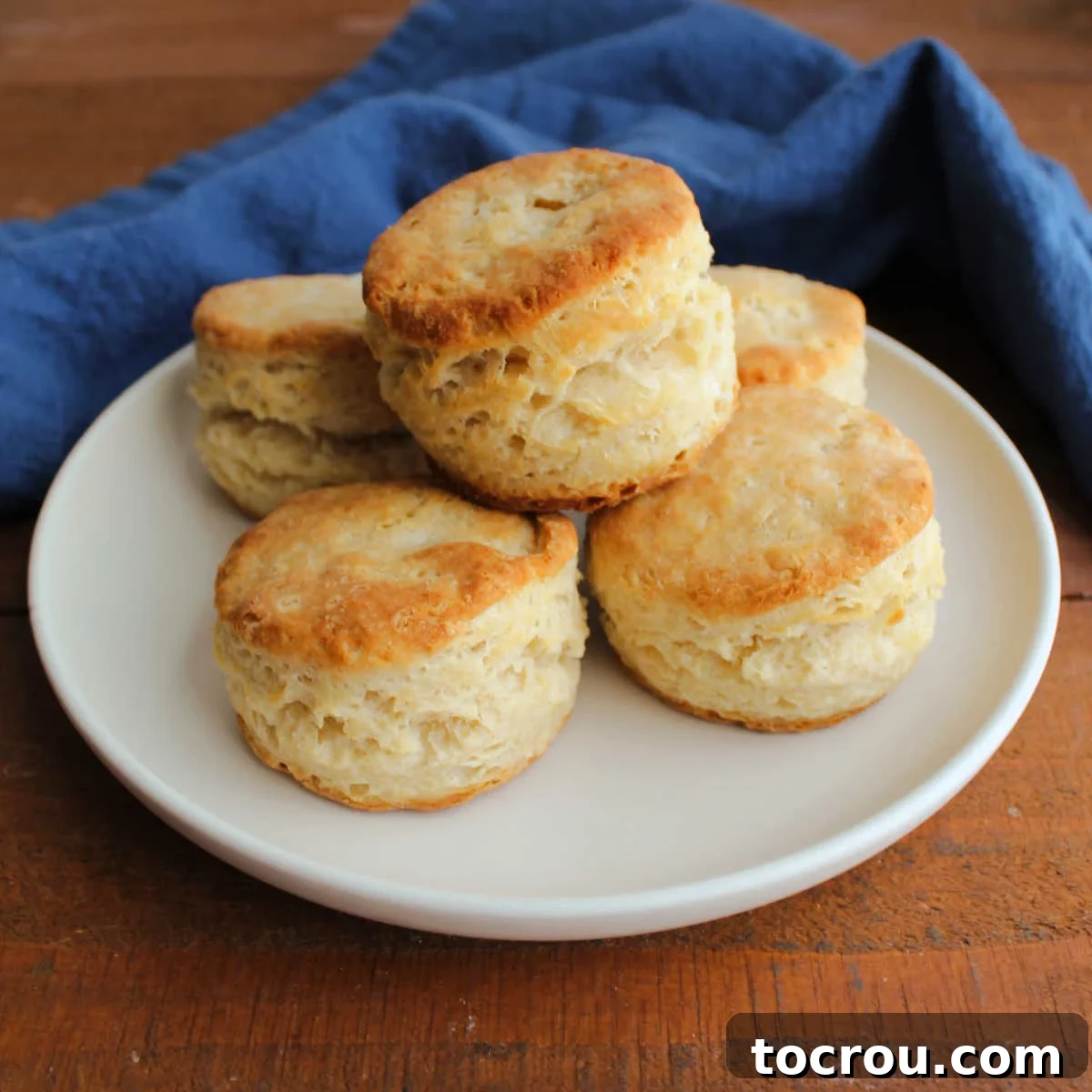
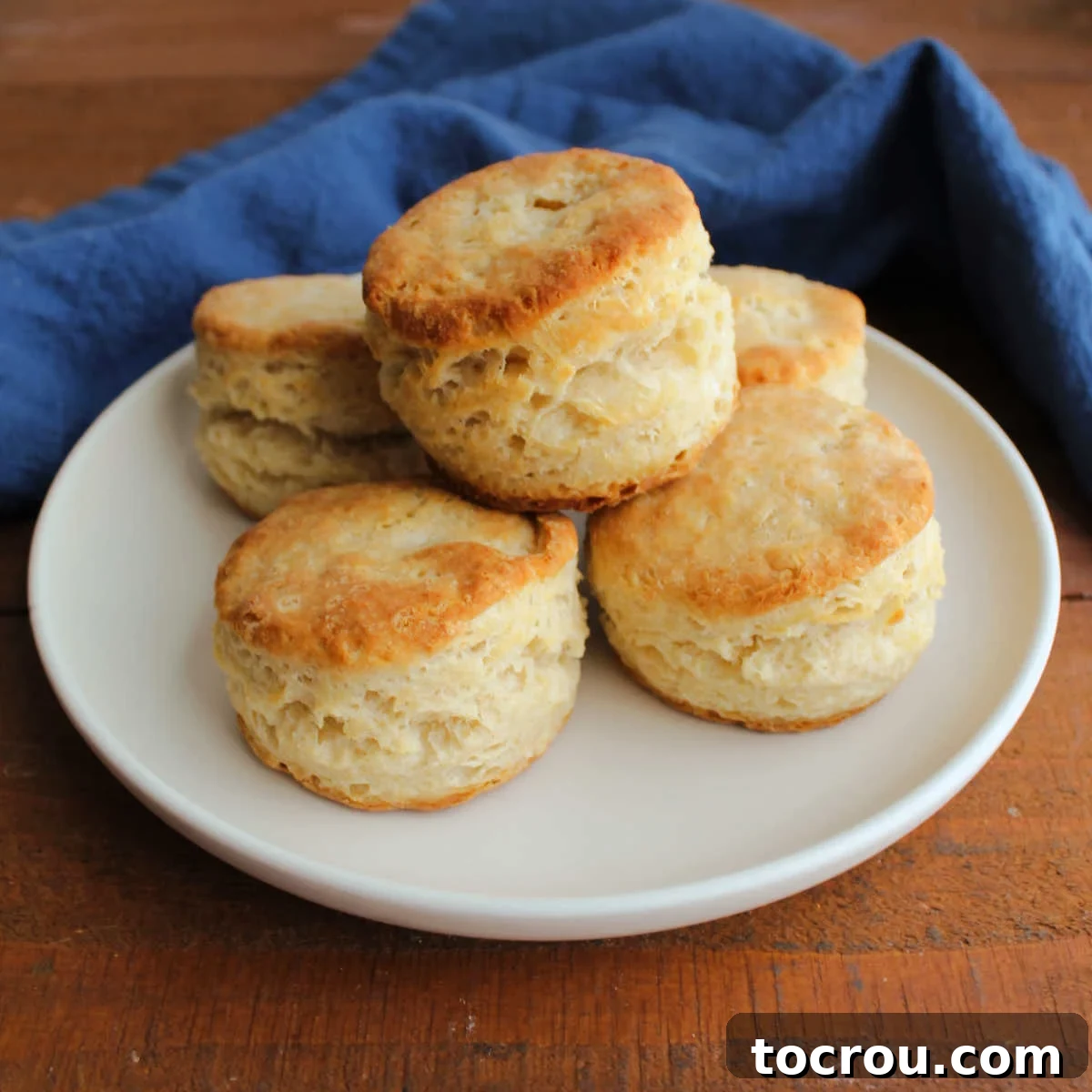
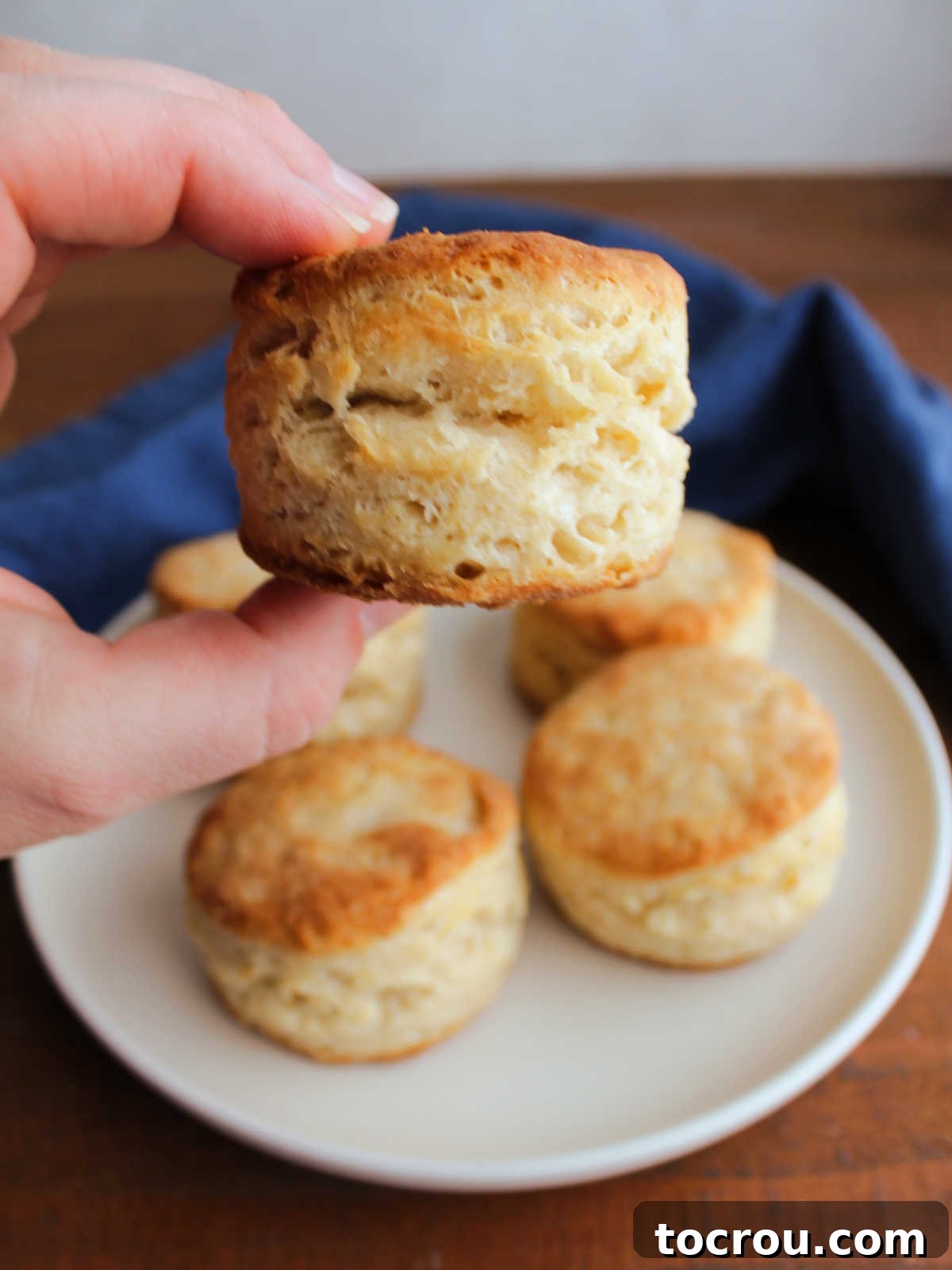
There’s an undeniable magic to a perfectly baked biscuit. That golden-brown exterior, slightly crisp to the touch, yielding to an interior that’s unbelievably soft, airy, and layered. These aren’t just any biscuits; these are MiMi’s Buttery Biscuits – a recipe that promises fluffy, rich, and utterly delicious results every single time. They embody comfort food at its finest, transforming simple ingredients into a truly memorable experience.
The Unmatched Joy of Homemade Buttery Biscuits
While making biscuits from scratch might seem a little daunting to some, especially if you’re new to baking, the truth is, it’s a wonderfully straightforward process that yields incredibly rewarding results. The satisfaction of pulling a tray of warm, fragrant biscuits from your own oven is unparalleled. Forget the dry, crumbly store-bought versions; these homemade wonders are designed for ultimate tenderness and a rich, buttery flavor that will elevate any meal. They are not just food; they are an experience, a delightful journey into the heart of classic comfort baking.
From a light and flaky texture to a rich, melt-in-your-mouth flavor, these biscuits hit all the right notes. They’re incredibly versatile, equally at home on a breakfast table alongside a hearty spread or as a sophisticated substitute for dinner rolls with almost any meal. Imagine them served with a steaming bowl of soup or stew, soaking up every drop of delicious broth. Or perhaps, complementing a succulent roasted chicken, offering a soft counterpoint to savory dishes.
Beyond the Dinner Plate: Versatile Serving Ideas
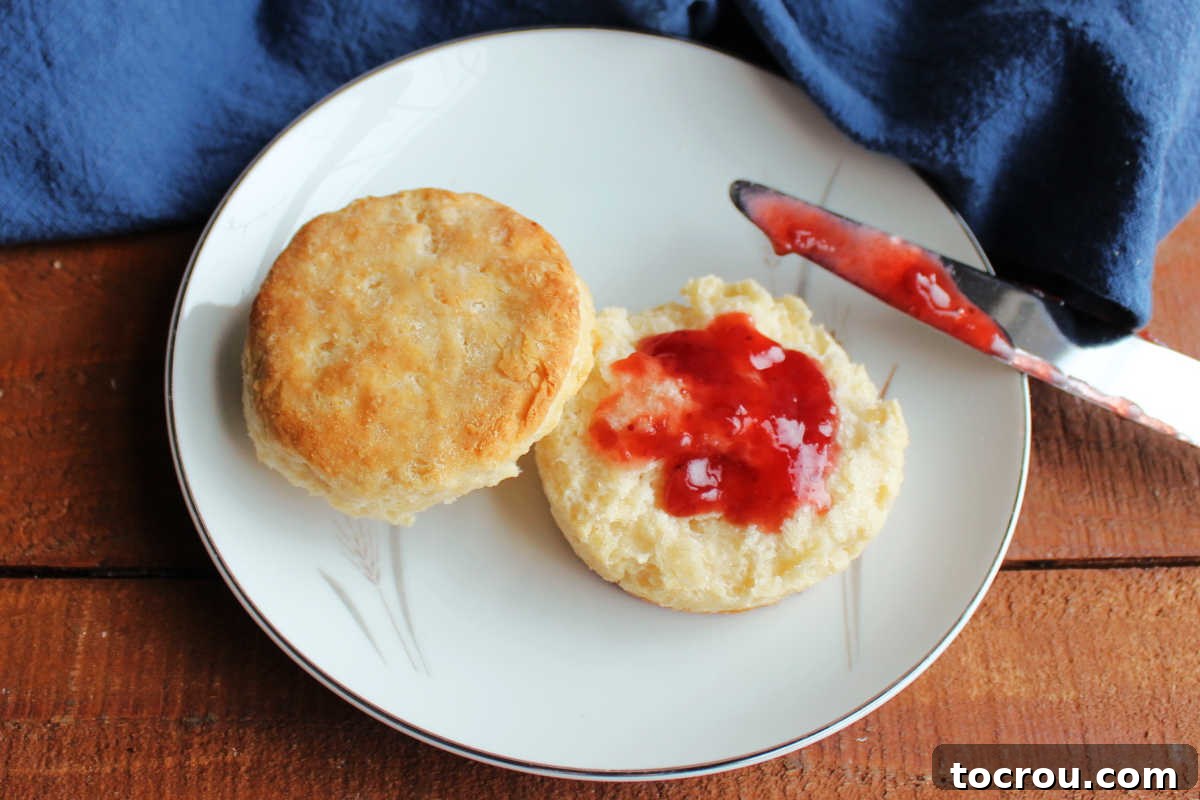
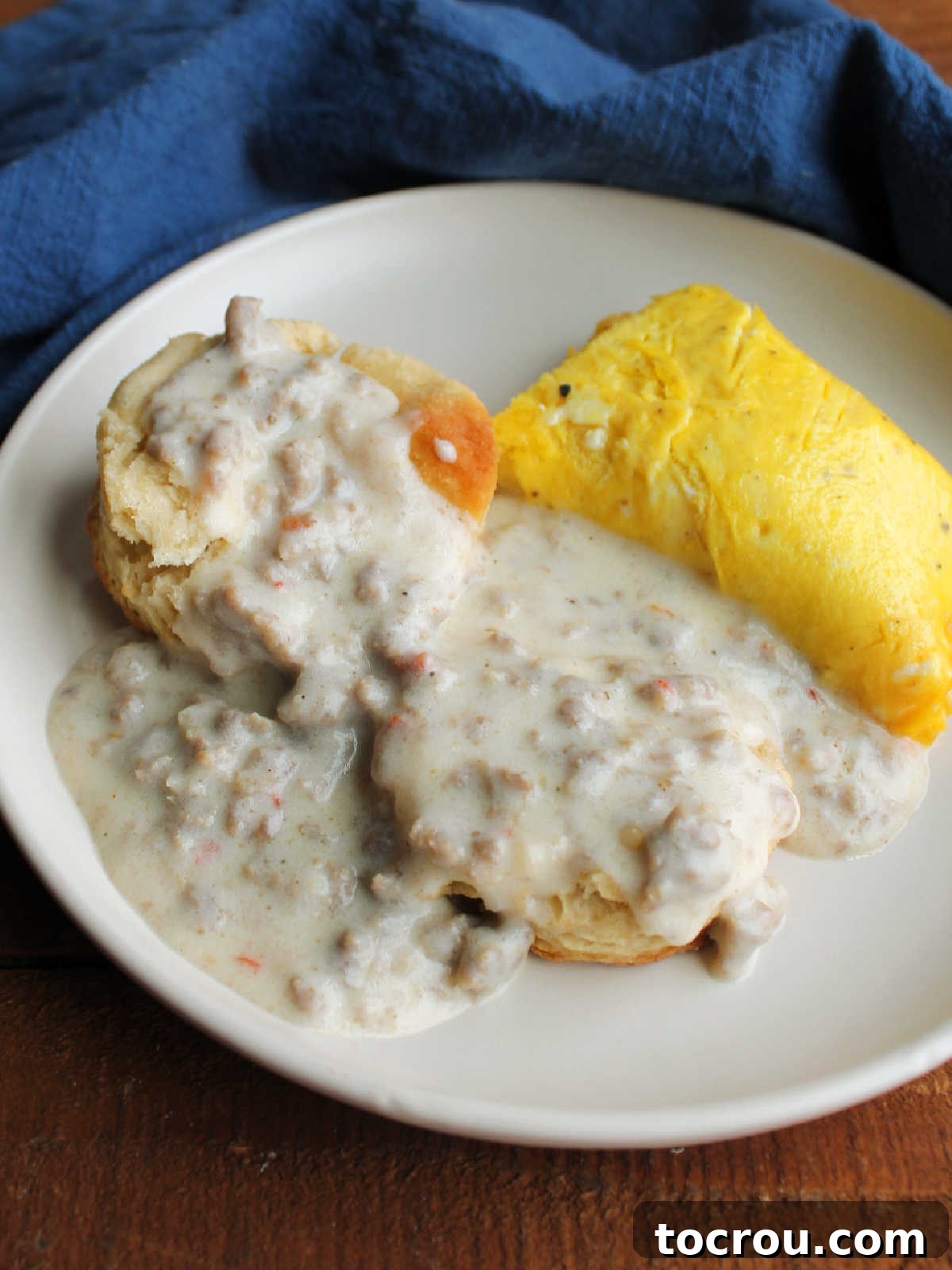
While these biscuits are magnificent at any meal, they truly shine during breakfast. We often find ourselves gravitating towards them first thing in the morning, perhaps with a generous dollop of butter, sweet jam, or a drizzle of golden honey. The classic combination of biscuits and gravy is, of course, a timeless favorite, transforming a simple breakfast into a decadent feast. But don’t limit yourself to the traditional! For a truly incredible start to your day, split a warm biscuit and nestle a fried or scrambled egg inside for a quick and satisfying breakfast sandwich. The soft, buttery layers perfectly complement the richness of the egg, creating a harmonious bite that’s both comforting and substantial.
For something a little different, consider serving them alongside fresh fruit and a dollop of whipped cream for a simple, rustic dessert. Or, for a savory twist, use them as mini sandwich bases for pulled pork sliders or thin slices of ham and cheese. Their sturdy yet tender structure makes them ideal for holding various fillings, making them a fantastic option for appetizers or lunchboxes. The possibilities are truly endless once you master this fundamental recipe.
The Golden Rules of Flaky Biscuits: Cold Butter is Key
The secret to achieving those coveted flaky layers and an incredibly tender crumb lies in one crucial element: **cold butter**. This isn’t just a suggestion; it’s the bedrock of excellent biscuit making. When tiny pieces of cold butter are incorporated into the flour, they don’t fully melt into the dough before baking. Instead, as the biscuits bake, the water in these butter pieces turns to steam, creating pockets that separate the layers of dough. This process is what gives biscuits their signature light, airy, and flaky texture, making them irresistibly delicate. If your butter is too warm, it will blend too readily with the flour, resulting in a dense, cake-like biscuit rather than the light and ethereal kind you desire.
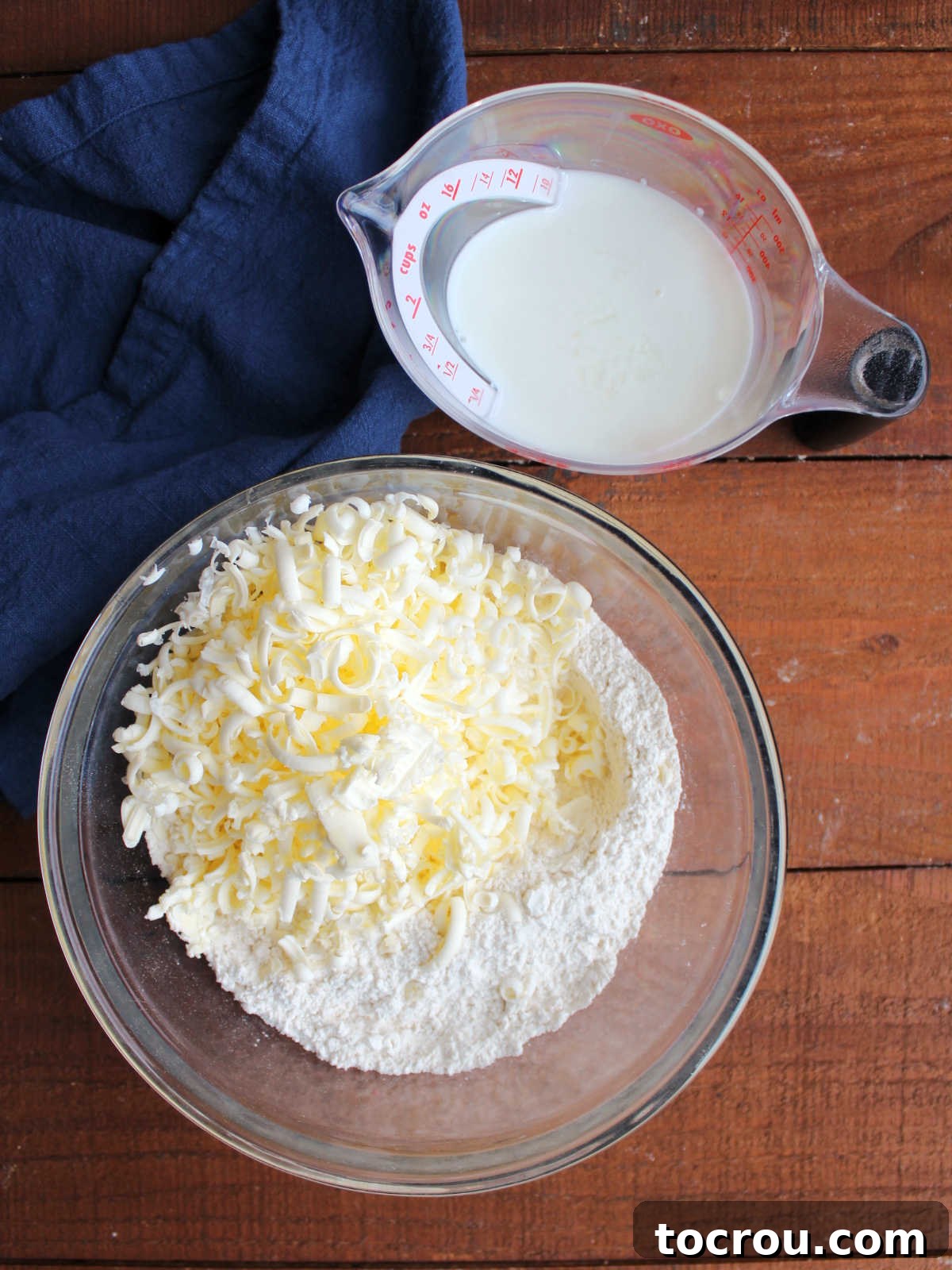
There are a couple of popular methods for incorporating cold butter effectively. You can either cut a stick of butter into very small cubes and then work them into the flour using a pastry cutter, two forks, or even your fingertips. The key here is to work quickly to prevent the butter from warming up from the heat of your hands. Alternatively, and this is our preferred method for its sheer ease and efficiency, you can grate frozen butter directly into your flour mixture. Freezing the butter first makes it firm and easy to grate, ensuring that the butter is distributed evenly throughout the dough in small, perfectly cold pieces. This method significantly reduces the risk of overworking the dough, which can also lead to tough biscuits, ensuring you achieve maximum flakiness with minimal effort.
The Buttermilk Advantage and Dough Consistency
Once your cold butter is perfectly integrated with the dry ingredients (flour, baking powder, and salt), the next key player is buttermilk. Buttermilk is essential for its tangy flavor and its acidic properties, which react with the baking powder to create additional leavening, resulting in an even lighter and taller biscuit. If you don’t have buttermilk on hand, don’t worry! You can easily make your own soured milk substitute. Simply add one tablespoon of white vinegar or lemon juice to a liquid measuring cup, then fill the rest of the way with regular milk until you reach the required amount. Let it sit for about five minutes until it slightly curdles – congratulations, you now have homemade buttermilk!
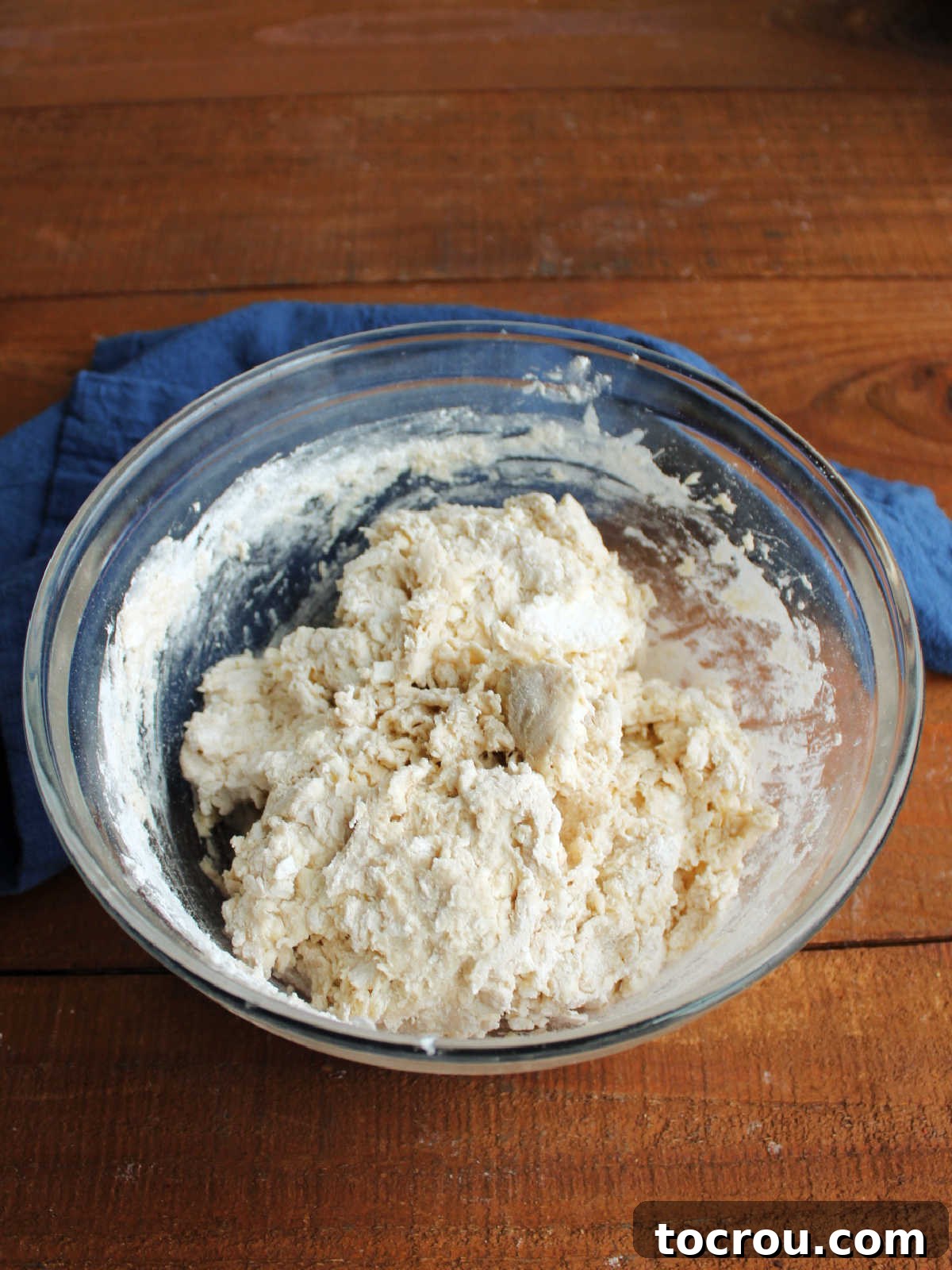
When mixing your wet and dry ingredients, less is truly more. Gently stir until the dough just comes together. It should look a little bit shaggy and feel slightly sticky to the touch. This “shaggy” appearance is exactly what you want, as it indicates that the gluten in the flour hasn’t been overdeveloped, which keeps the biscuits tender. Overmixing at this stage is a common pitfall that can lead to tough, chewy biscuits. Embrace the stickiness; it’s a sign that your biscuits are on their way to being perfectly soft and flaky.
Shaping, Cutting, and Baking for the Perfect Rise
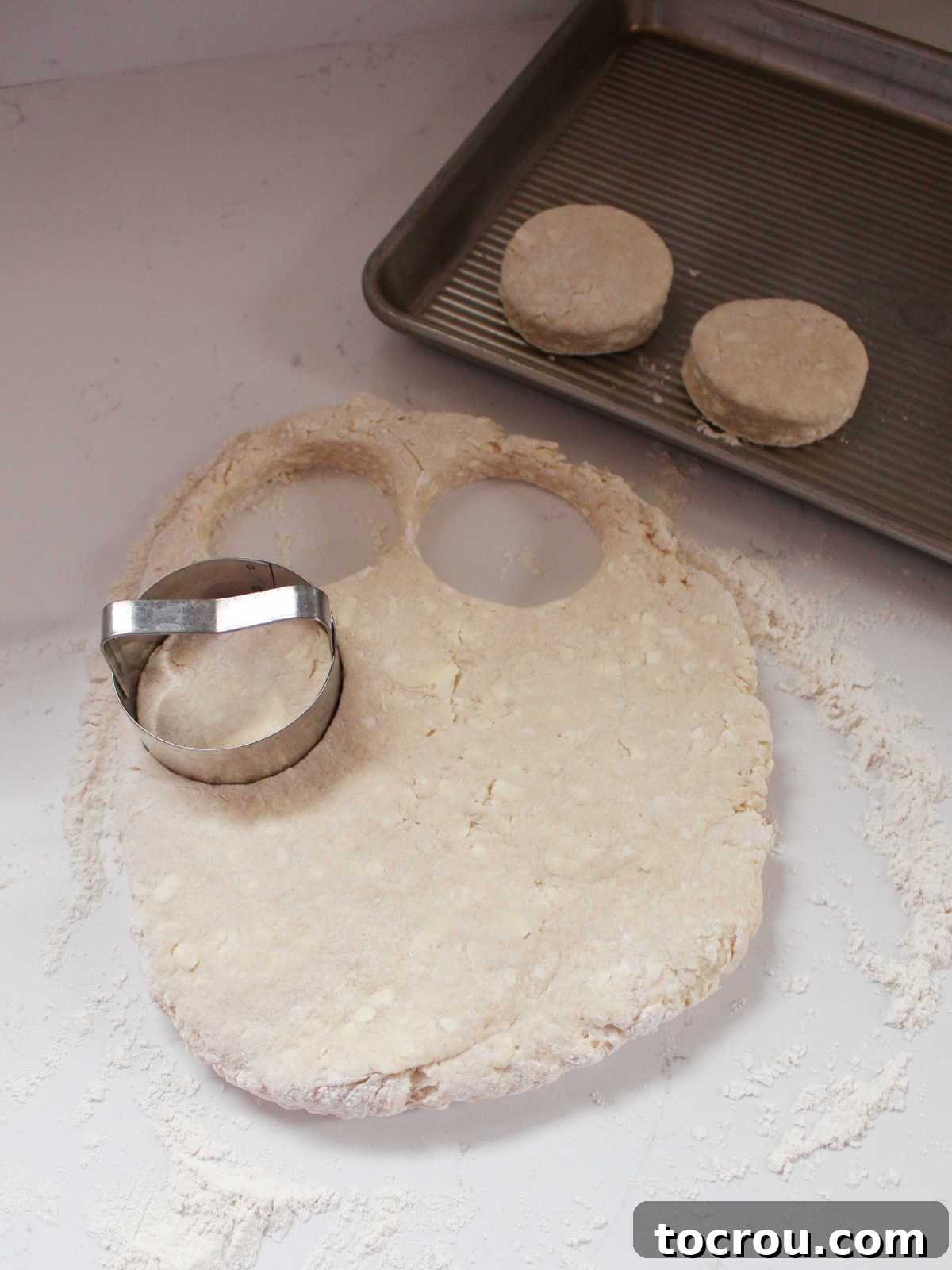
Once your dough is ready, turn it out onto a lightly floured surface. A few gentle kneads—no more than 3-4 times—are sufficient to bring it together. Then, pat the dough out into a uniform square or rectangle, aiming for a thickness of about an inch. When it comes to cutting your biscuits, the technique is important for achieving that beautiful, sky-high rise. Use a sharp biscuit cutter or even a clean, round glass, pressing straight down and lifting straight up. Avoid twisting the cutter, as this can seal the edges of the biscuit, hindering its ability to rise and create those wonderful layers. Place your cut biscuits on a baking sheet, leaving about an inch of space between each one to allow for even baking.
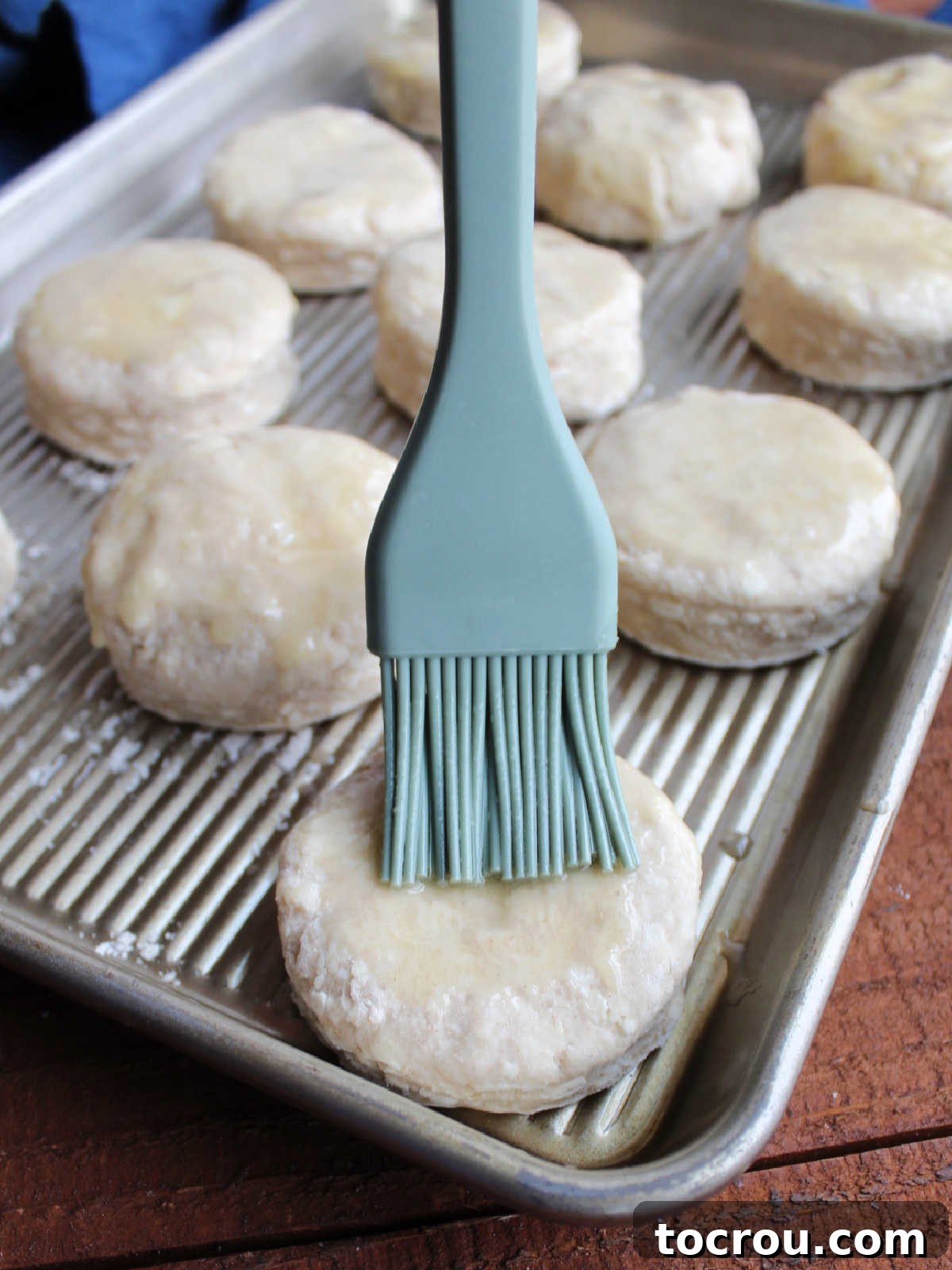
Don’t discard the dough scraps! Gather them gently, pat them together, and cut out more biscuits. While these “second-round” biscuits might not look quite as uniform or rise as dramatically as the first batch, they will still taste absolutely incredible. Before they go into the hot oven, brush the tops of each biscuit with a generous amount of melted butter. This final touch is what helps create that irresistible crisp, golden-brown exterior and imparts an extra layer of rich, buttery flavor that defines MiMi’s recipe. The aroma alone as they bake will have your mouth watering in anticipation.
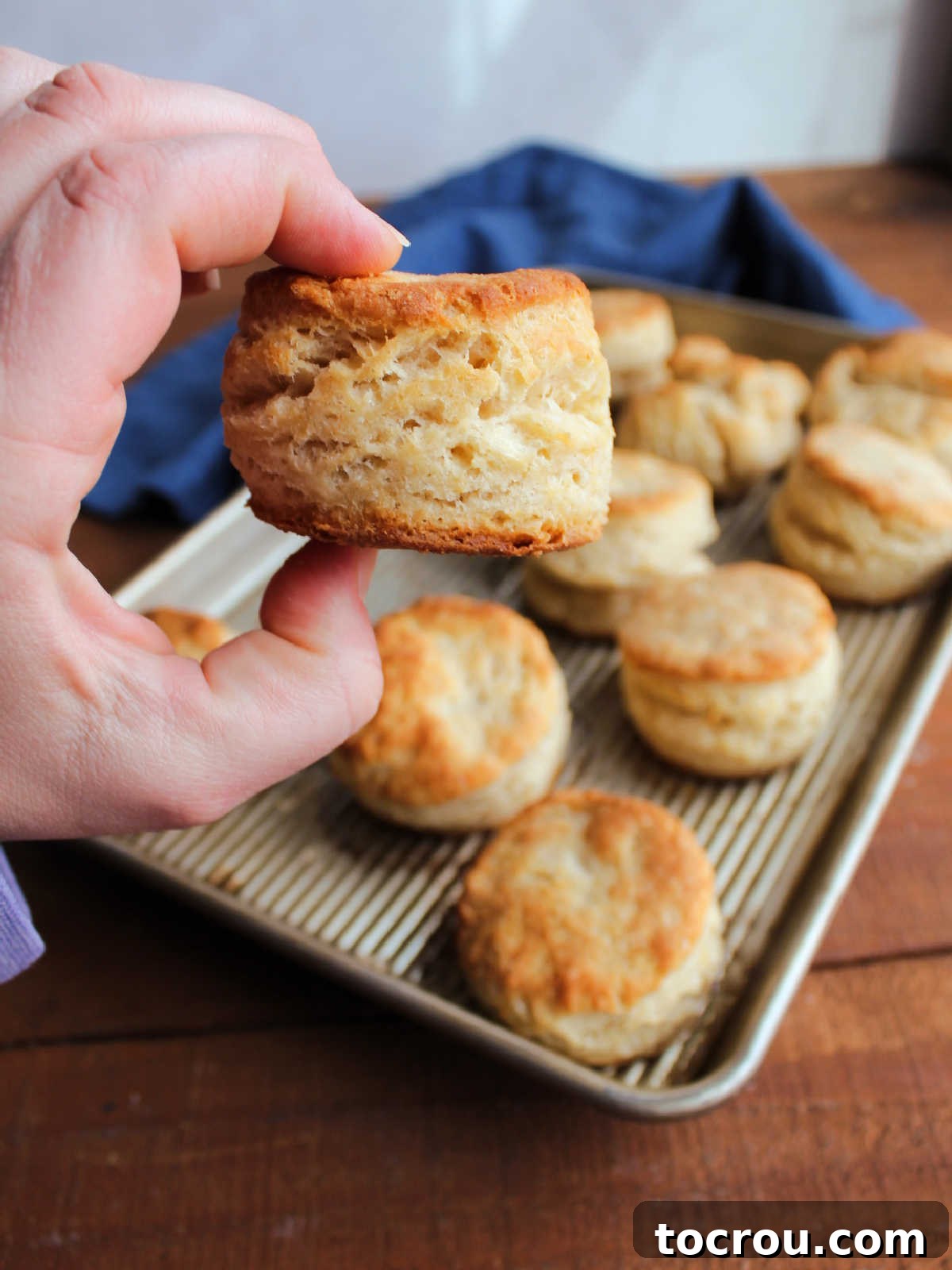
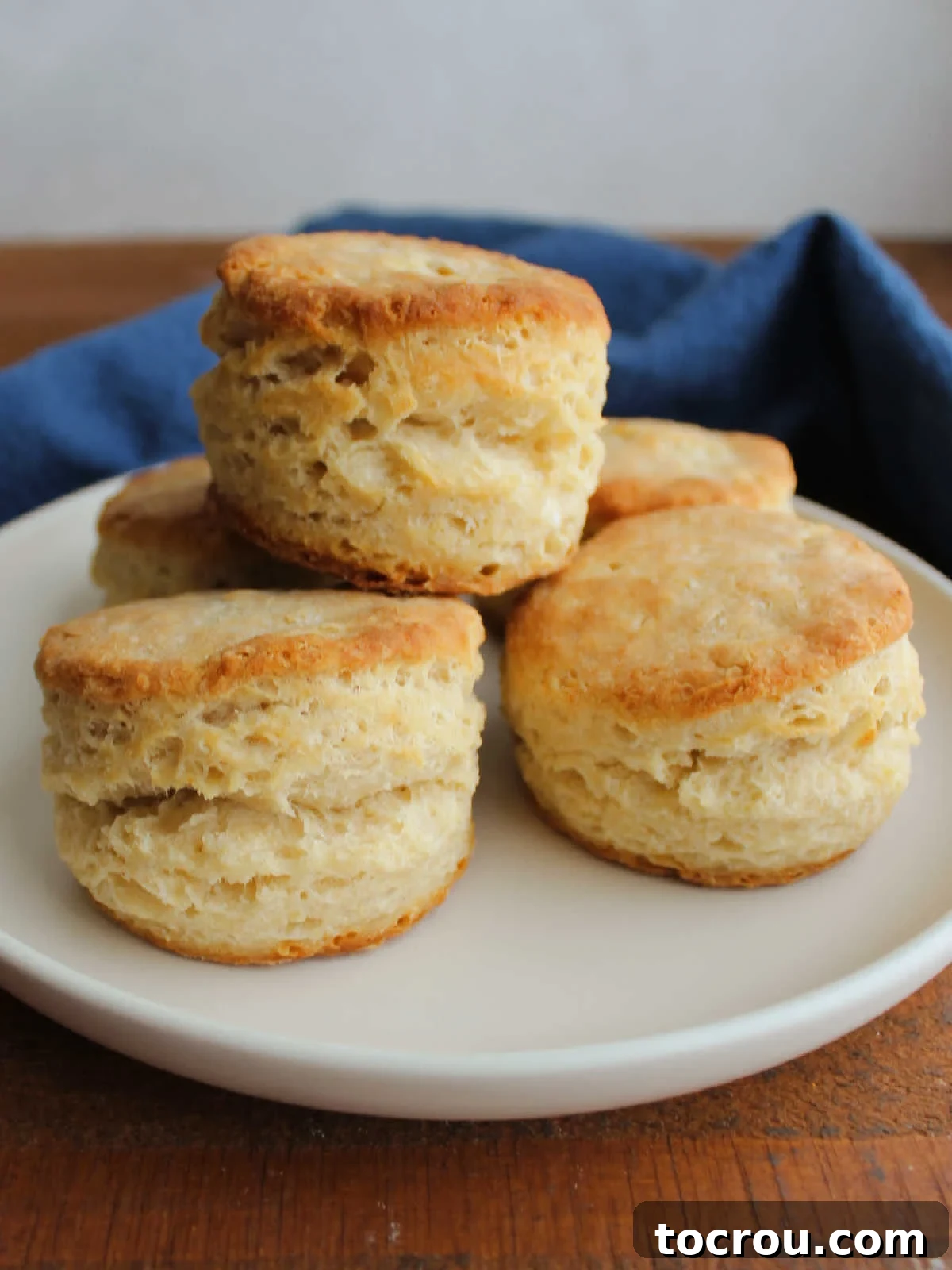
Baking these buttery biscuits is a simple process once you understand the few key steps. From the meticulous incorporation of cold butter to the gentle handling of the dough and the final butter brush, each step contributes to their exceptional taste and texture. In a mere matter of minutes, you’ll be pulling warm, fragrant biscuits from your oven, ready to be enjoyed. The reward for your efforts will be sinking your teeth into a delicious, flaky, and unbelievably tender biscuit that embodies homemade perfection.
Frequently Asked Questions: Freezing Biscuit Dough
One of the best ways to enjoy fresh biscuits whenever the craving strikes is to prepare the dough in advance and freeze it. Yes, you absolutely can freeze biscuit dough! Simply cut out your biscuits as instructed, then place them on a baking tray lined with parchment paper. Freeze them for a couple of hours until they are solid. Once frozen, transfer the individual biscuit rounds to an airtight freezer-safe container or a resealable bag. They will keep well in the freezer for up to one month. When you’re ready to bake, there’s no need to thaw! Just place the frozen biscuits on a baking sheet and bake them in a preheated 325°F oven for 18-22 minutes, or until golden brown and cooked through. This method makes fresh, warm biscuits an easy reality any day of the week.
Explore More Homemade Bread Recipes
If you’ve fallen in love with the art of homemade biscuits and are eager to explore more baking adventures, we have plenty of other delightful recipes for you to try. If you have access to a good source of lard, you might consider making lard biscuits. They offer a slightly different, yet equally delicious, flavor and texture profile, often resulting in an even flakier biscuit, and are just as simple to prepare as their buttery counterparts. Experimenting with different fats can yield surprisingly varied and wonderful results.
Perhaps you’re looking for something yeasted to round out your bread basket for a special occasion or family meal. In that case, we highly recommend trying some quick potato rolls, which are incredibly tender and moist, or our super soft refrigerator rolls, perfect for preparing ahead of time. These options offer a delightful contrast to biscuits and are fantastic for different culinary needs. Be sure to check out our comprehensive collection of bread recipes for even more tasty inspiration, from everyday loaves to festive holiday breads. Happy baking!
Storage and Reheating Tips for Freshness
While MiMi’s Buttery Biscuits are truly at their peak when devoured fresh from the oven, any leftovers can still be enjoyed for a few days with proper storage. To keep them as fresh as possible, allow them to cool completely before transferring them to an airtight container. Store them at room temperature for up to 2-3 days. Storing them in the refrigerator can sometimes make them a bit dry, so room temperature is often preferred for short-term storage.
When you’re ready to enjoy them again, a quick warm-up can restore much of their original glory. You can reheat biscuits in a preheated oven at 300°F (150°C) for about 5-7 minutes, or until warmed through. Alternatively, a toaster oven works wonderfully for a single biscuit, or a brief stint in the microwave (10-15 seconds) can soften them, though it might not return the crispness to the exterior. Warming them slightly before eating will help bring back their soft texture and buttery aroma, making them almost as good as freshly baked.

MiMi’s Buttery Biscuits
Carlee
11
Biscuits
10
17
27
Ingredients
- ½ cup unsalted butter frozen
- 2½ cups all purpose flour
- 1 Tablespoon baking powder
- 1 teaspoon salt
- 1⅛ cups buttermilk
- 1 Tablespoon butter melted
Instructions
-
Preheat your oven to 475℉ (245°C).
-
Prepare the butter: Either grate the frozen butter using a box grater or cut it into small cubes. This ensures the butter remains very cold and in small pieces, crucial for flaky biscuits.½ cup unsalted butter
-
In a large mixing bowl, combine the dry ingredients: stir together the all-purpose flour, baking powder, and salt until well mixed.2½ cups all purpose flour, 1 Tablespoon baking powder, 1 teaspoon salt
-
Add the cold butter: If using grated butter, simply stir it into the flour mixture until each piece is coated. If using cubed butter, cut it into the flour mixture using a pastry cutter, two forks, or your fingertips until the mixture resembles coarse crumbs with some pea-sized butter pieces remaining.
-
Incorporate the buttermilk: Pour in the buttermilk and stir gently with a spoon or your hands until the dough just comes together. It should look a little shaggy and feel slightly sticky. Be careful not to overmix.1⅛ cups buttermilk
-
Knead lightly: Turn the dough out onto a lightly floured surface. Knead it very gently, only 3-4 times, just enough to bring it into a cohesive mass. A slightly sticky dough is perfectly fine and desired for tenderness.
-
Shape and cut: Pat the dough into a square or rectangle, roughly 7-inches by 10-inches, with a thickness of about 1 inch. Using a 3-inch biscuit cutter, press straight down without twisting and lift straight up to cut out biscuits. Place them on a baking sheet, leaving at least an inch between each. Gather any remaining dough scraps, gently pat them together, and cut out more biscuits until all the dough is used.
-
Butter the tops: Brush the tops of all the cut biscuits with melted butter before baking. This helps achieve a beautiful golden-brown and crisp exterior.1 Tablespoon butter
-
Bake: Place the baking sheet on the top shelf of your preheated oven. Bake for 14-17 minutes, or until the tops are golden brown and the biscuits have risen significantly.
-
Serve: Serve the biscuits warm, straight from the oven, or at room temperature. Enjoy!
Notes
Milk Quantity: The recipe calls for a total of 1 cup + 1 Tablespoon of milk if using the soured milk method for 1⅛ cups of buttermilk.
Nutrition Information
Serving:
1biscuit
|
Calories:
202kcal
|
Carbohydrates:
23g
|
Protein:
4g
|
Fat:
10g
|
Saturated Fat:
6g
|
Polyunsaturated Fat:
1g
|
Monounsaturated Fat:
3g
|
Trans Fat:
0.4g
|
Cholesterol:
28mg
|
Sodium:
363mg
|
Potassium:
67mg
|
Fiber:
1g
|
Sugar:
1g
|
Vitamin A:
330IU
|
Calcium:
100mg
|
Iron:
1mg
“Cooking With Carlee” is not a dietitian or nutritionist, and any nutritional information shared is an estimate. If calorie count and other nutritional values are important to you, we recommend running the ingredients through whichever online nutritional calculator you prefer. Calories and other nutritional values can vary quite a bit depending on which brands were used.
Did you try this recipe?
Don’t forget to leave a rating below and make sure to follow on Pinterest and Instagram for more delicious inspiration and baking tips!