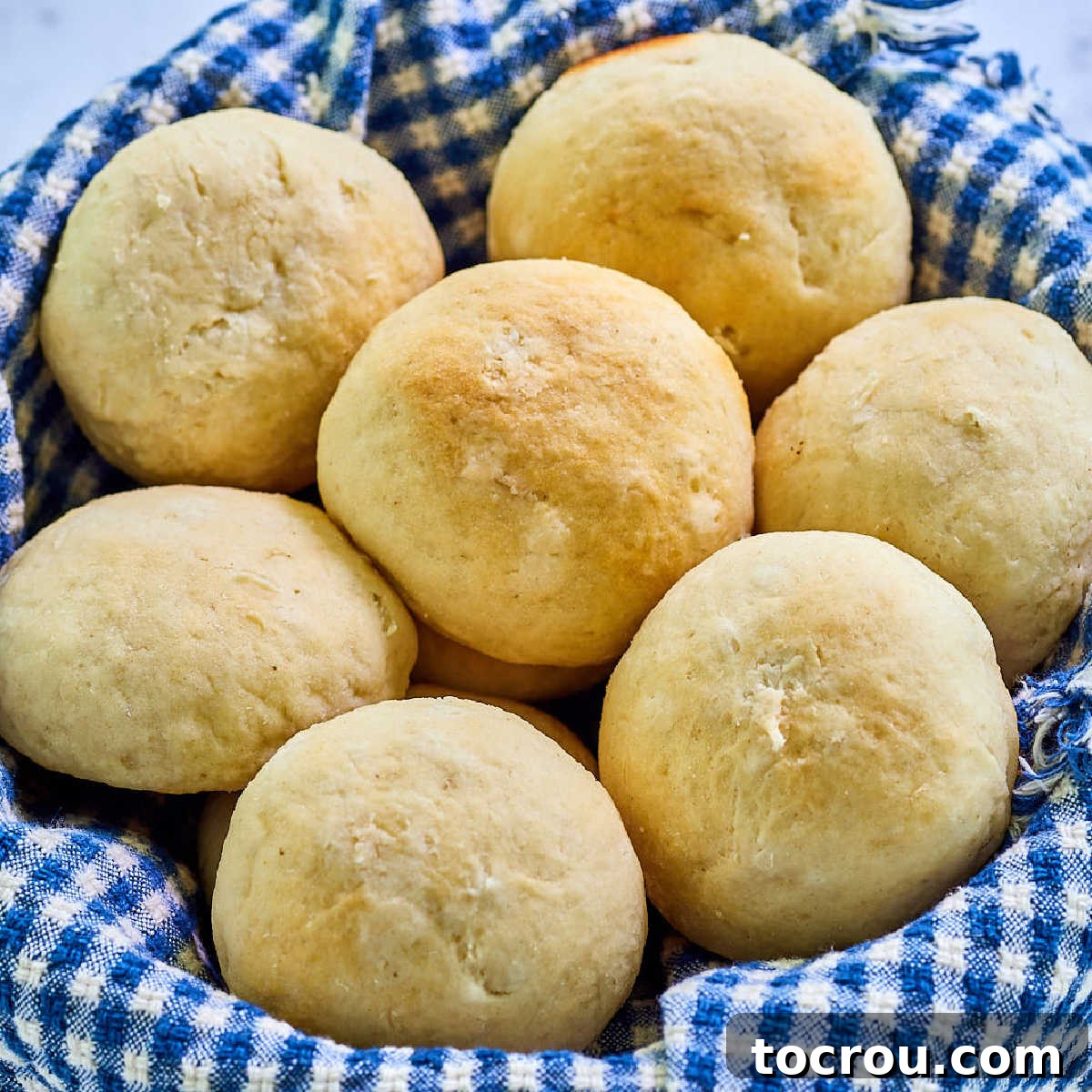
Transform your dinner table with these incredibly soft, buttery, and surprisingly quick homemade potato rolls. Whether you have leftover baked potatoes from last night’s meal or just a few minutes to spare for a quick microwave cook, this recipe is designed for ease and delicious results. These fluffy rolls, infused with the subtle sweetness and unique texture of mashed potatoes, are far more tender and moist than traditional dinner rolls, making them an instant family favorite. Perfect as a comforting side with any meal, an ideal base for gourmet sandwiches, or even delightful breakfast sliders, prepare to be amazed at how quickly these melt-in-your-mouth rolls come together.
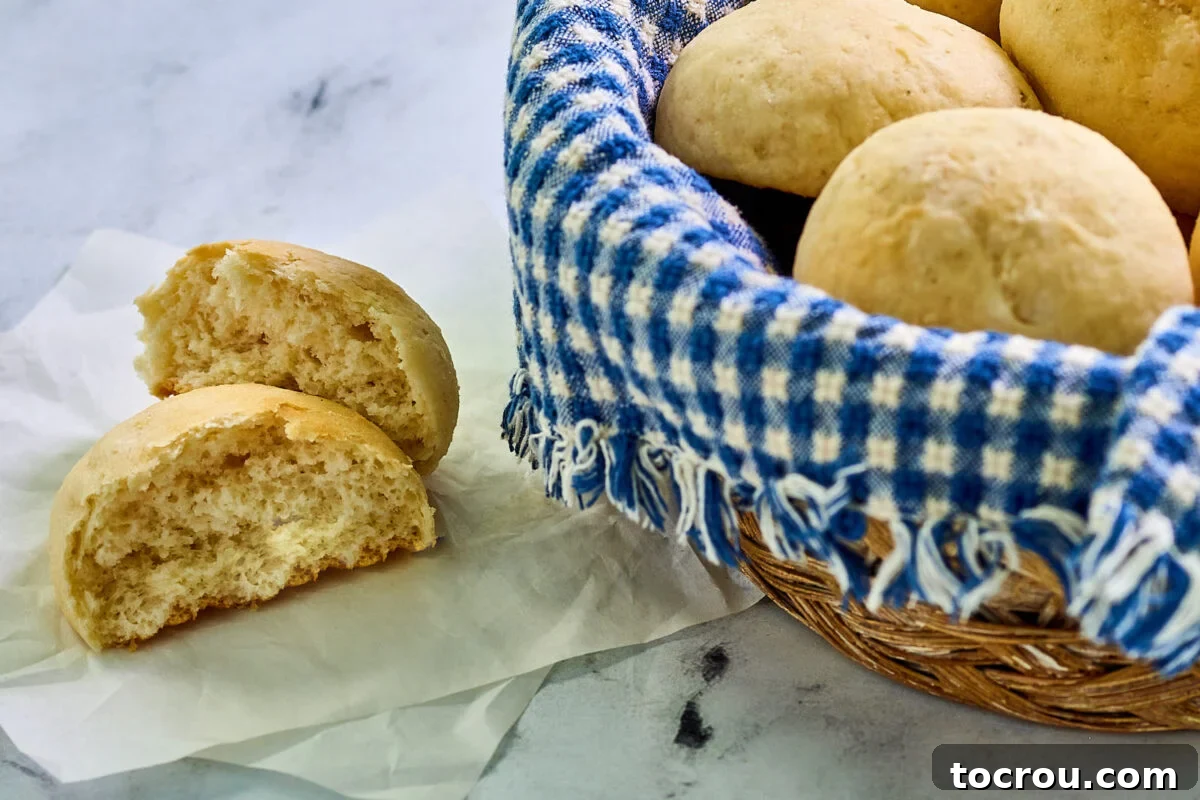
There’s a special magic in baking with potatoes. The addition of mashed potatoes to bread dough isn’t just a clever trick; it’s a centuries-old secret to achieving unparalleled softness and a wonderfully rich, buttery texture. These potato rolls exemplify this perfectly, offering a delicate crumb that truly melts in your mouth with every bite.
The inspiration for this recipe came from my dear friend Di, who shared her remarkably simple and quick method. What sets this recipe apart from many traditional bread recipes is its efficiency. You won’t find yourself waiting hours for multiple proofs. In fact, the total rise time for these potato rolls is an astonishingly brief 15 minutes! You read that right – by the time your oven is preheated to the perfect temperature, your dough will be ready to bake, making homemade bread a realistic weekday endeavor.
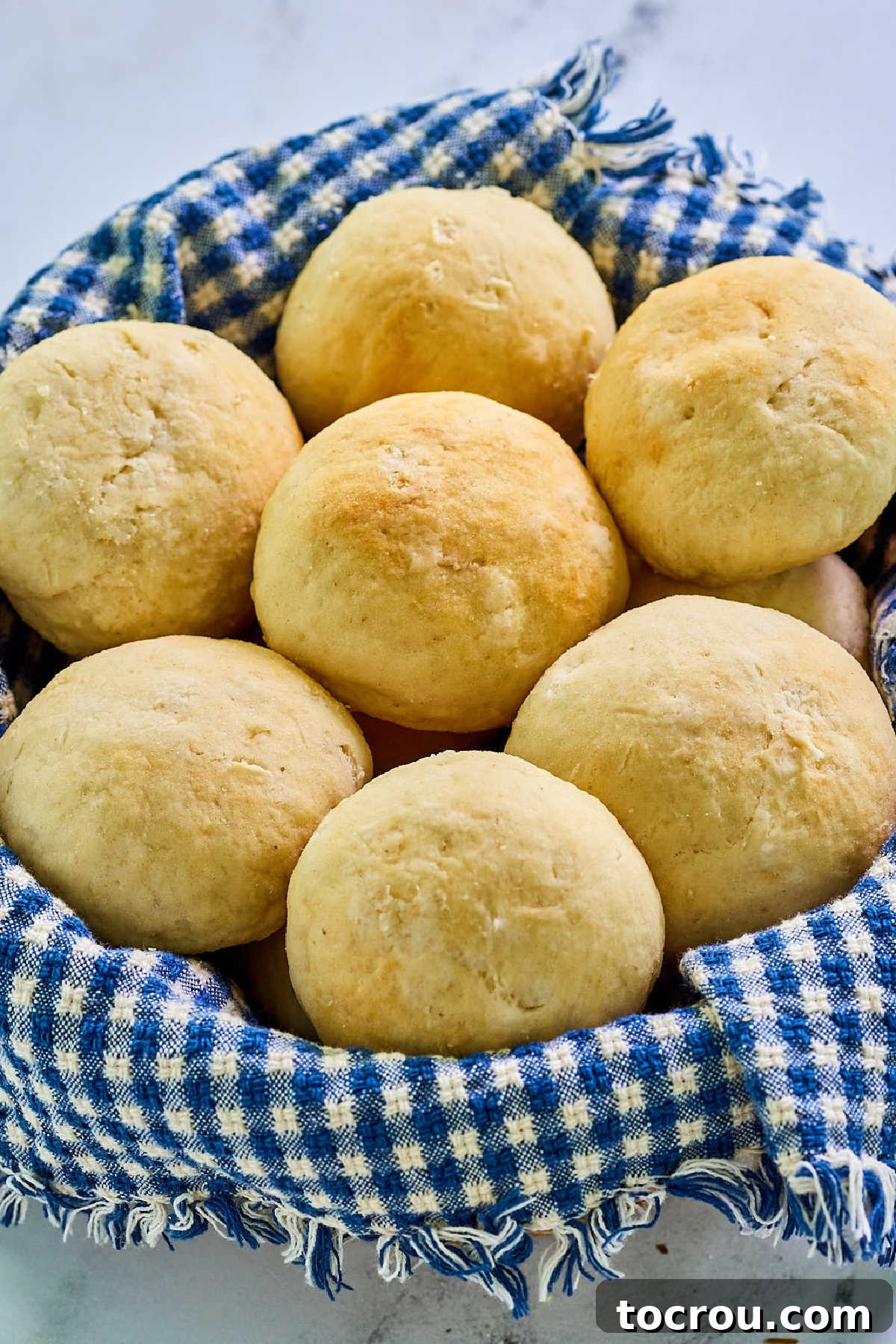
The result is a batch of rolls that are not just quick, but genuinely delicious. They boast an incredibly soft, pillowy texture, a subtle hint of sweetness that complements almost any dish, and that irresistible buttery finish that keeps everyone reaching for more. These aren’t just rolls; they’re an experience.
We’ve enjoyed these versatile potato rolls in countless ways. They were absolutely fantastic as the base for Porcupine Meatball sliders, offering a sturdy yet soft foundation for a hearty meal. The leftovers (if there are any!) quickly became the star of our breakfast sandwiches, elevating a simple morning meal into something truly special. But their potential doesn’t stop there. Imagine them serving as perfect dinner rolls alongside a holiday feast, or as soft, pillowy buns for your favorite lunch meat sandwiches. Their delicate flavor profile means they pair beautifully with almost anything.
What Exactly is a Potato Roll?
A potato roll is a type of bread roll where mashed potatoes are incorporated directly into the dough. This unique addition distinguishes them from standard dinner rolls, imparting a superior softness, a wonderfully moist crumb, and a subtly sweet flavor. You can use freshly cooked potatoes – easily prepared in a microwave until fork-tender – or conveniently repurpose leftover baked potatoes. The starch from the potatoes plays a crucial role in the dough’s structure and its ability to retain moisture, resulting in an exceptionally tender and light roll. While often served as dinner rolls, they can also be formed into larger buns, making them ideal for sandwiches, burgers, or any occasion where a soft, flavorful bread is desired.
Expert Tips & Tricks for Perfect Potato Rolls
Achieving the perfect potato roll is simpler than you think with a few key considerations. Here are some of my go-to tips to ensure your rolls turn out beautifully every time:
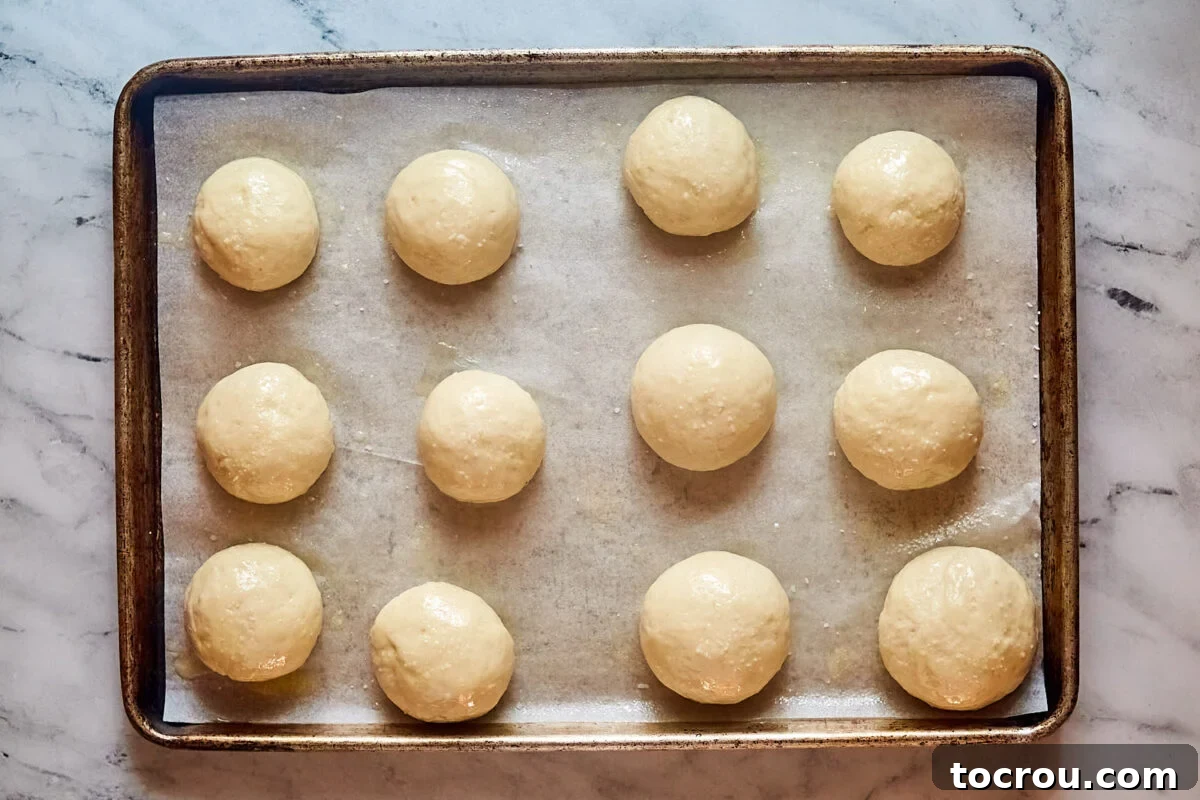
- Spacing for Desired Texture: The placement of your dough balls on the baking sheet will influence the final texture of your rolls. For pull-apart rolls with delightfully softer, less crusty sides, arrange the balls closer together so they gently touch as they rise and bake. If you prefer individually rounded, crustier rolls with an even golden-brown exterior, ensure ample space between each dough ball so they don’t touch during baking.
- Optimizing Your Proofing Environment: Yeast needs warmth to thrive. If your kitchen is cool, don’t despair! A simple trick to create a warm, cozy environment for your dough to proof is to preheat your oven to its lowest setting (around 200°F or 95°C) for just a few minutes, then turn it off completely. Place your sheet pan of dough balls, covered with a damp tea towel, into the warm but off oven. Allow it to proof for about 10-15 minutes. The residual warmth will gently encourage the yeast, and the rolls will continue to rise slightly as your oven preheats for baking.
- Perfectly Shaped Rolls: When you’re forming your dough into individual balls, pay attention to the seam. Always place the dough ball seam-side down on the baking sheet. This ensures that the top of your roll will be smooth and beautifully rounded as it rises and bakes, giving them a professional, bakery-quality appearance.
- Flour Variations (Proceed with Caution): This recipe has been perfected with all-purpose flour for its consistent results and tender crumb. While I haven’t personally experimented with whole wheat flour for these specific rolls, if you’re keen to try, I’d suggest starting by replacing only 1 cup of the all-purpose flour with an equal amount of white whole wheat flour. This allows you to gradually introduce whole grains while maintaining some of the original recipe’s characteristics. Whole wheat flour absorbs more liquid and can result in a denser roll, so be prepared to potentially adjust the milk slightly to maintain the correct dough consistency.
Following these simple guidelines will help you achieve exceptionally soft, flavorful, and perfectly baked potato rolls every single time, making your baking experience both enjoyable and rewarding.
Prep Ahead for Convenience
Life can get busy, but that doesn’t mean you have to sacrifice homemade goodness. This potato roll dough is fantastic for preparing ahead of time. Simply mix the dough as instructed, but instead of allowing it to proof, cover the bowl tightly with plastic wrap and refrigerate it. The cold will slow down the yeast activity, allowing you to store the dough for up to 24 hours. When you’re ready to bake, pull the dough out of the fridge about 30 minutes before you plan to form the rolls. This gives it a chance to warm up slightly and become more pliable, ensuring a successful and delicious batch of rolls whenever you need them.
The Magic of Potatoes in Dough: Why It Works Wonders
Adding mashed potatoes to bread dough is more than just a flavor enhancer; it’s a structural game-changer. The starches in the potatoes contribute significantly to the dough’s architecture, creating a framework that holds more moisture than traditional wheat flour alone. This extra moisture content is key to keeping the rolls incredibly soft and fresh for longer. What’s truly remarkable is that this tenderizing effect is achieved without developing additional gluten, which often leads to a chewier texture in bread. Instead, the potatoes help to create a wonderfully light, fluffy, and tender crumb that practically melts in your mouth. This very principle is what makes our potato dough cinnamon rolls so exceptionally soft and delicious – another must-try recipe for anyone who loves tender, flavorful baked goods.
Buttery Potato Rolls
Carlee
16
Rolls
25
mins
15
mins
40
mins
Equipment
-
KitchenAid 5-Qt. Stand Mixer
-
Dry Active Yeast
-
Nordic Ware Half Sheet Pans and Cover
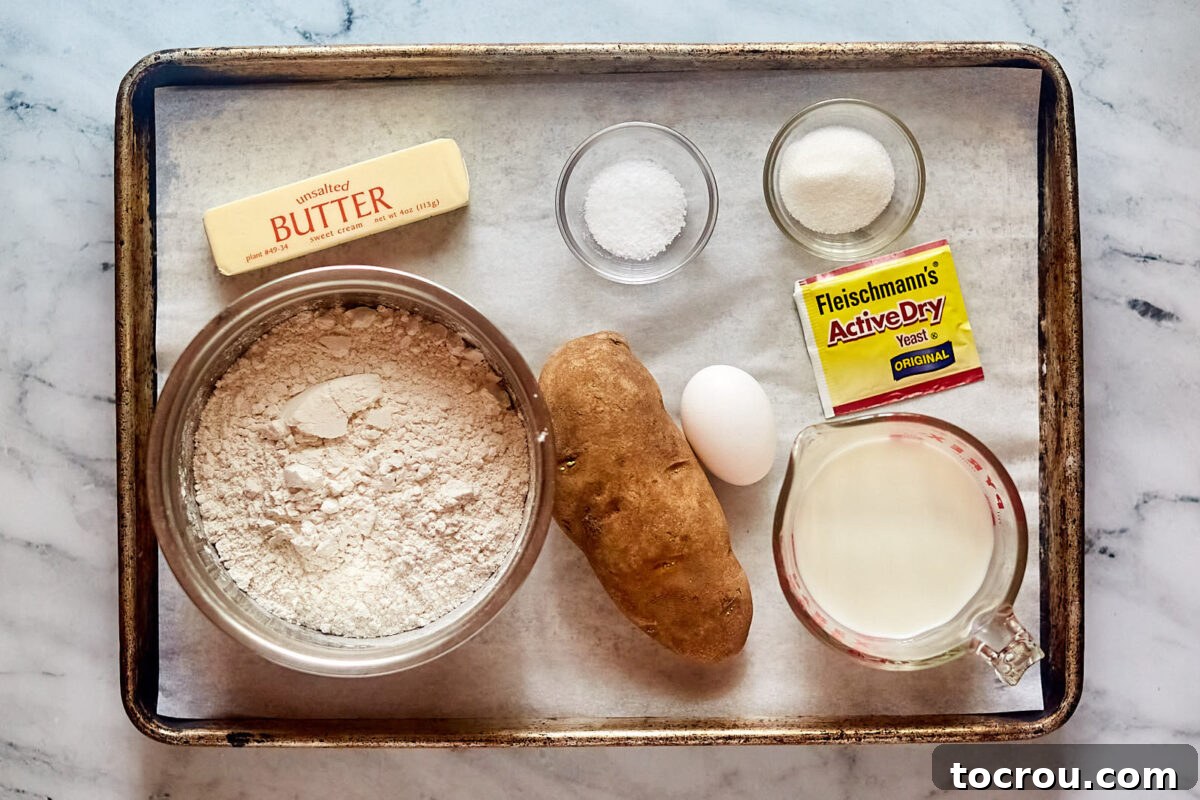
Ingredients
Dough
-
2
medium potatoes -
1
cup
milk -
1½
Tablespoons
dry active yeast
-
1
Tablespoon
granulated sugar -
2
Tablespoons
butter
softened -
1½
teaspoons
salt -
1
large
egg
beaten -
3
cups
all-purpose flour
For Finishing
-
3
Tablespoons
melted butter - salt
Instructions
-
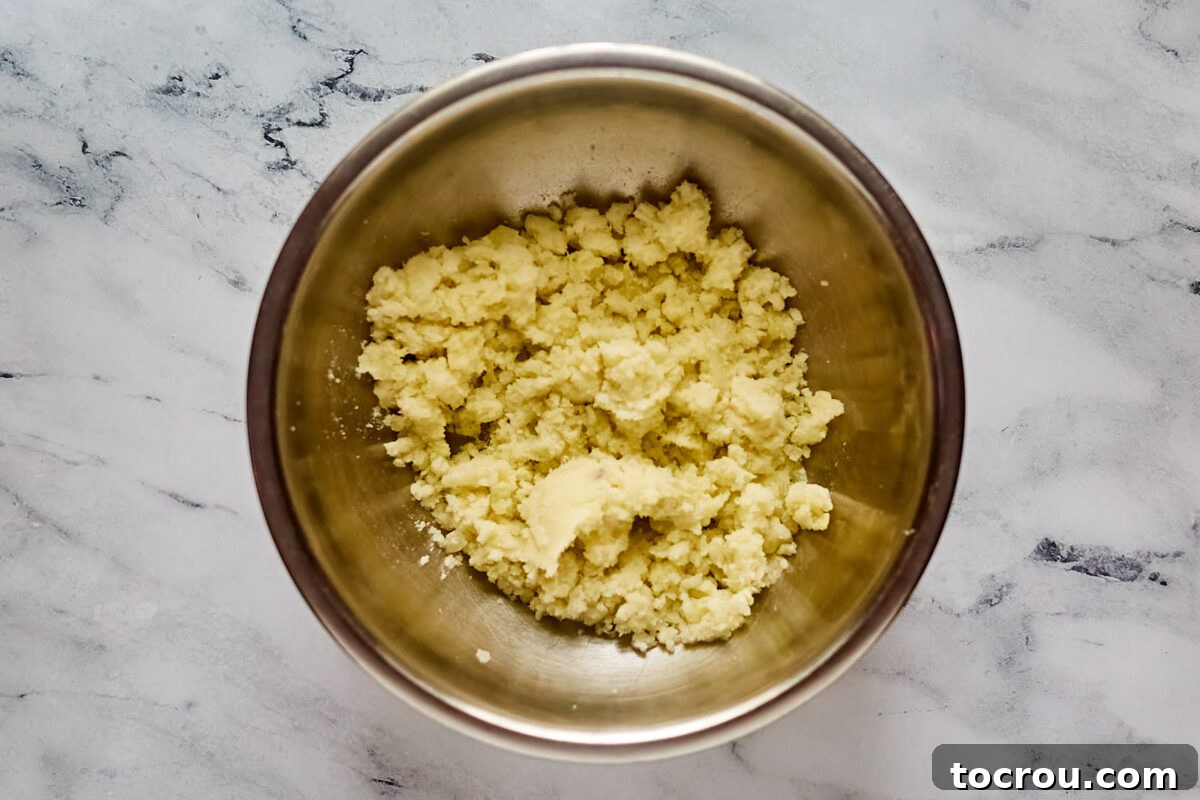
Bake your 2 medium potatoes by your favorite method; I just pierced mine with a fork and cooked them until tender in the microwave. Once they are cool enough to handle, scoop out the insides and mash slightly.
-
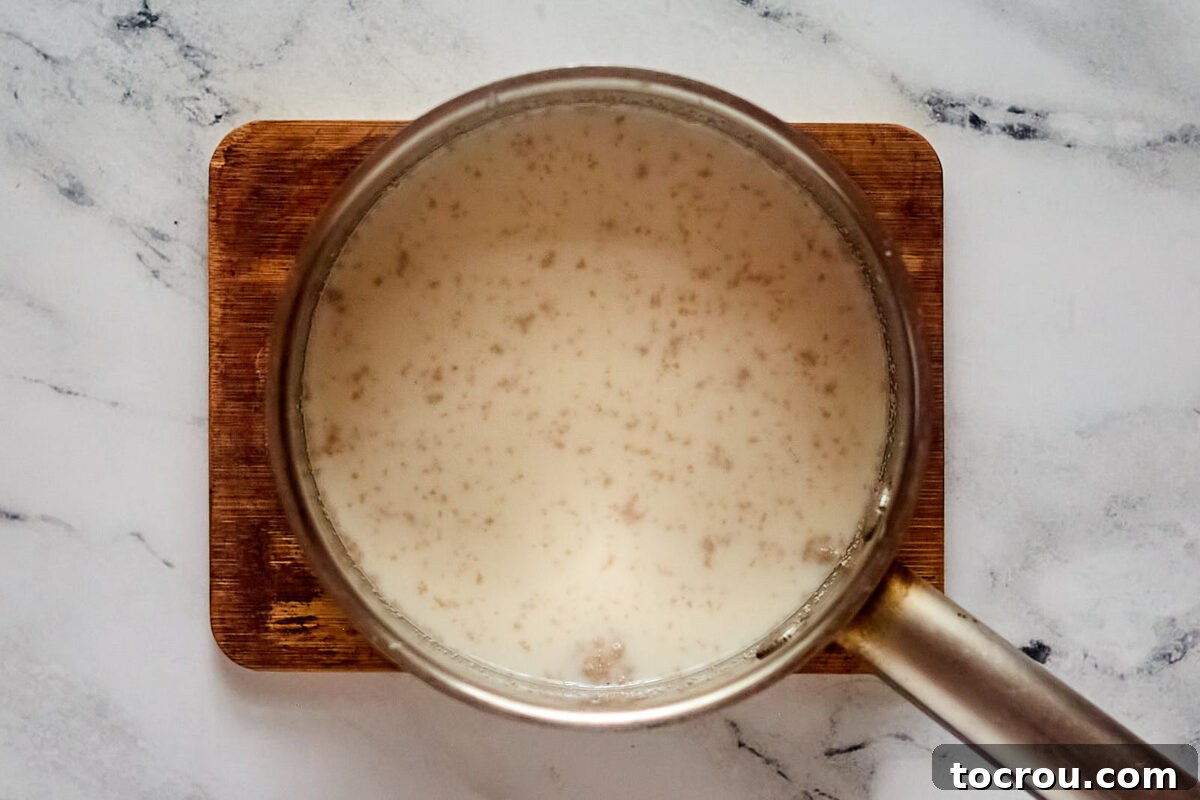
Warm the 1 cup milk to lukewarm, about 90°F (32°C). It doesn’t have to be exact. It should be warm to the touch, but not so warm that you couldn’t leave a finger in it for a minute or two. Stir in the 1 Tablespoon granulated sugar and sprinkle the 1½ Tablespoons dry active yeast over the top to activate it. Let it sit for about 5 minutes until foamy.
-
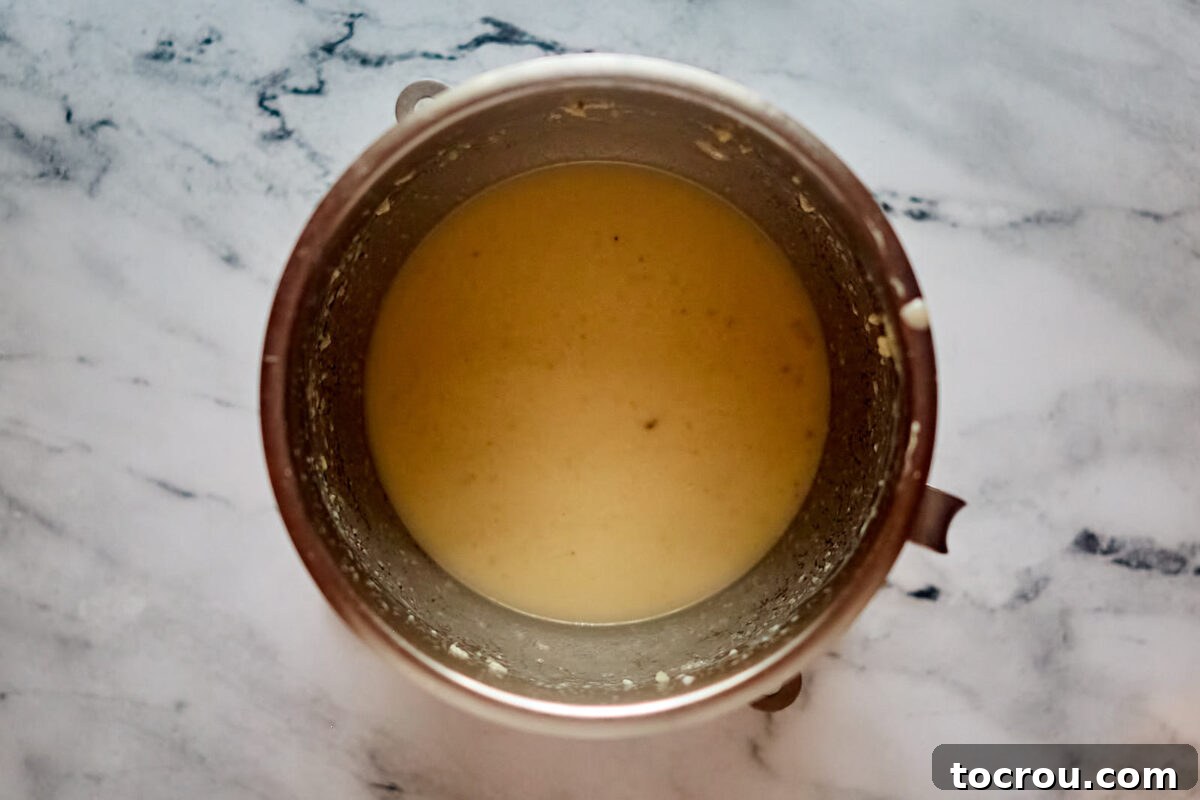
Place mashed potatoes, 2 Tablespoons softened butter, 1½ teaspoons salt and 1 large beaten egg in your mixer bowl and mix to combine until smooth.
-
Add the milk and yeast mixture to the potato mixture, again mixing to combine thoroughly.
-
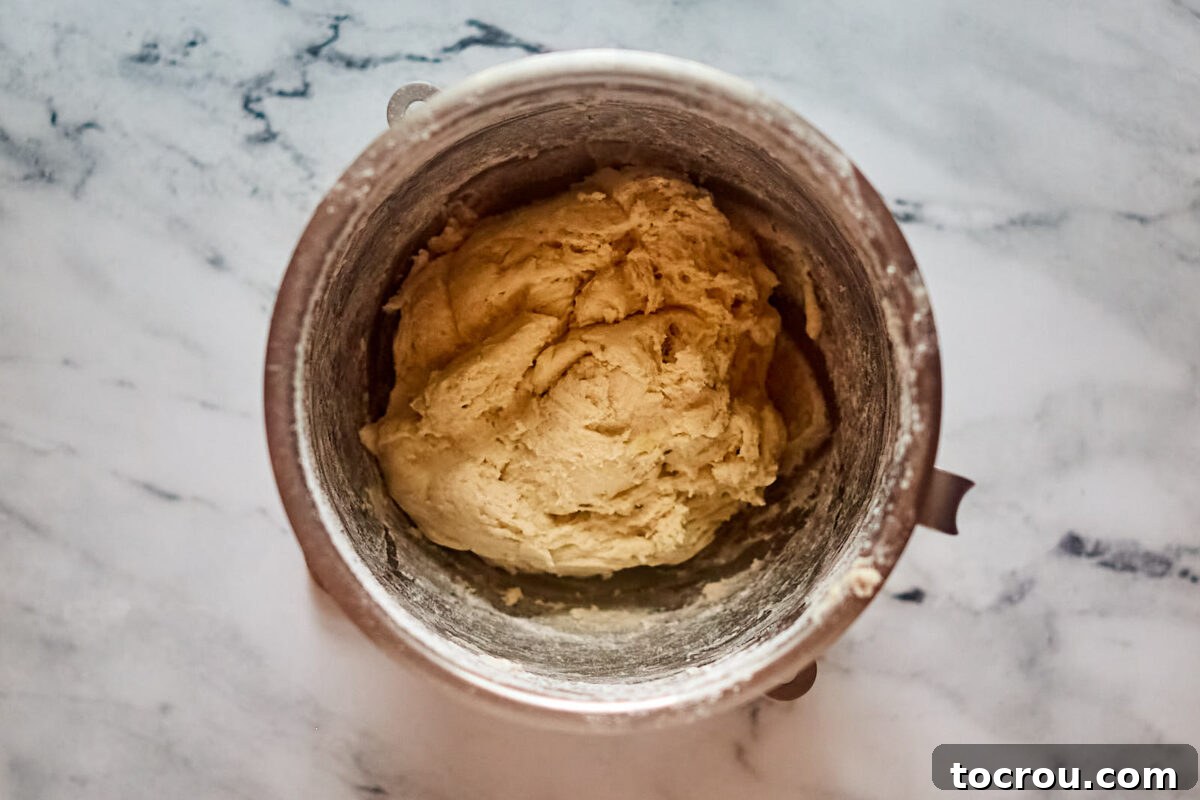
Gradually add the 3 cups all-purpose flour, one cup at a time, and mix until the dough begins to pull away from the sides of the bowl. The dough should be slightly tacky to the touch. You can adjust with a bit more flour (one tablespoon at a time) or a small splash of milk until you get the desired consistency.
-
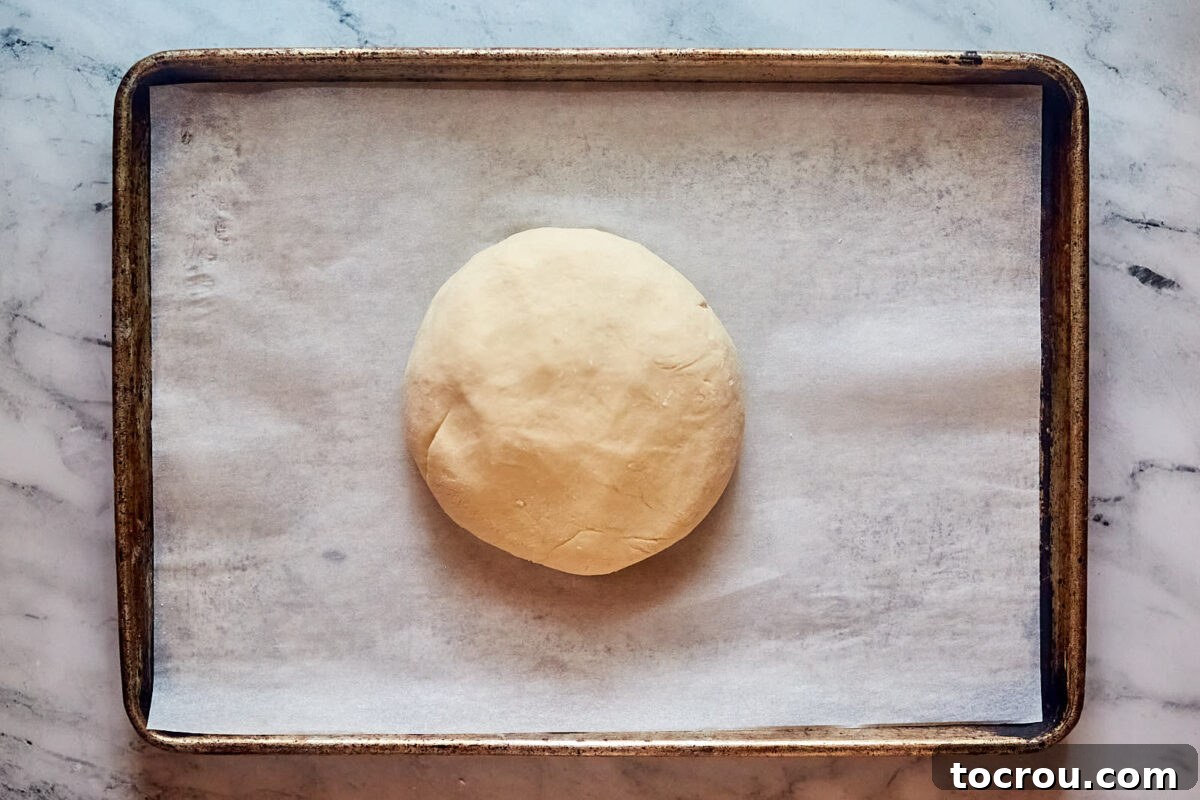
Turn the dough onto a lightly floured surface and knead until it becomes smooth and elastic, about 5-7 minutes. Divide the dough into 16 equal portions and roll each into a smooth ball, ensuring the seam is on the bottom. Place the prepared balls onto a greased or parchment-lined baking sheet, leaving plenty of room between them for individual rolls, or closer for pull-apart rolls.
-
Cover the baking sheet with a clean towel and allow the rolls to rise for 15 minutes while you preheat your oven to 400°F (200°C).
-
Remove the towel and brush the rolls generously with 3 Tablespoons melted butter. Sprinkle with a bit of extra salt if desired, and bake for 13-15 minutes or until golden brown and cooked through. Serve warm with butter or your favorite toppings.
Notes
Nutrition Information
Calories: 155kcal |
Carbohydrates: 24g |
Protein: 4g |
Fat: 5g |
Saturated Fat: 3g |
Polyunsaturated Fat: 0.3g |
Monounsaturated Fat: 1g |
Trans Fat: 0.1g |
Cholesterol: 23mg |
Sodium: 259mg |
Potassium: 169mg |
Fiber: 1g |
Sugar: 2g |
Vitamin A: 151IU |
Vitamin C: 5mg |
Calcium: 29mg |
Iron: 1mg
“Cooking With Carlee” is not a dietitian or nutritionist, and any nutritional information shared is an estimate. If calorie count and other nutritional values are important to you, we recommend running the ingredients through whichever online nutritional calculator you prefer. Calories and other nutritional values can vary quite a bit depending on which brands were used.
Did you try this recipe?
Don’t forget to leave a rating below and make sure to follow on Pinterest and Instagram for more delicious recipes!
More Popular Dinner Roll Recipes
Sourdough Crescent Rolls
Homemade Hawaiian Sweet Rolls
Homemade Crescent Rolls
3 Day Refrigerator Rolls
Check out my complete collection of homemade breads and roll recipes for more tasty inspiration to elevate your baking!