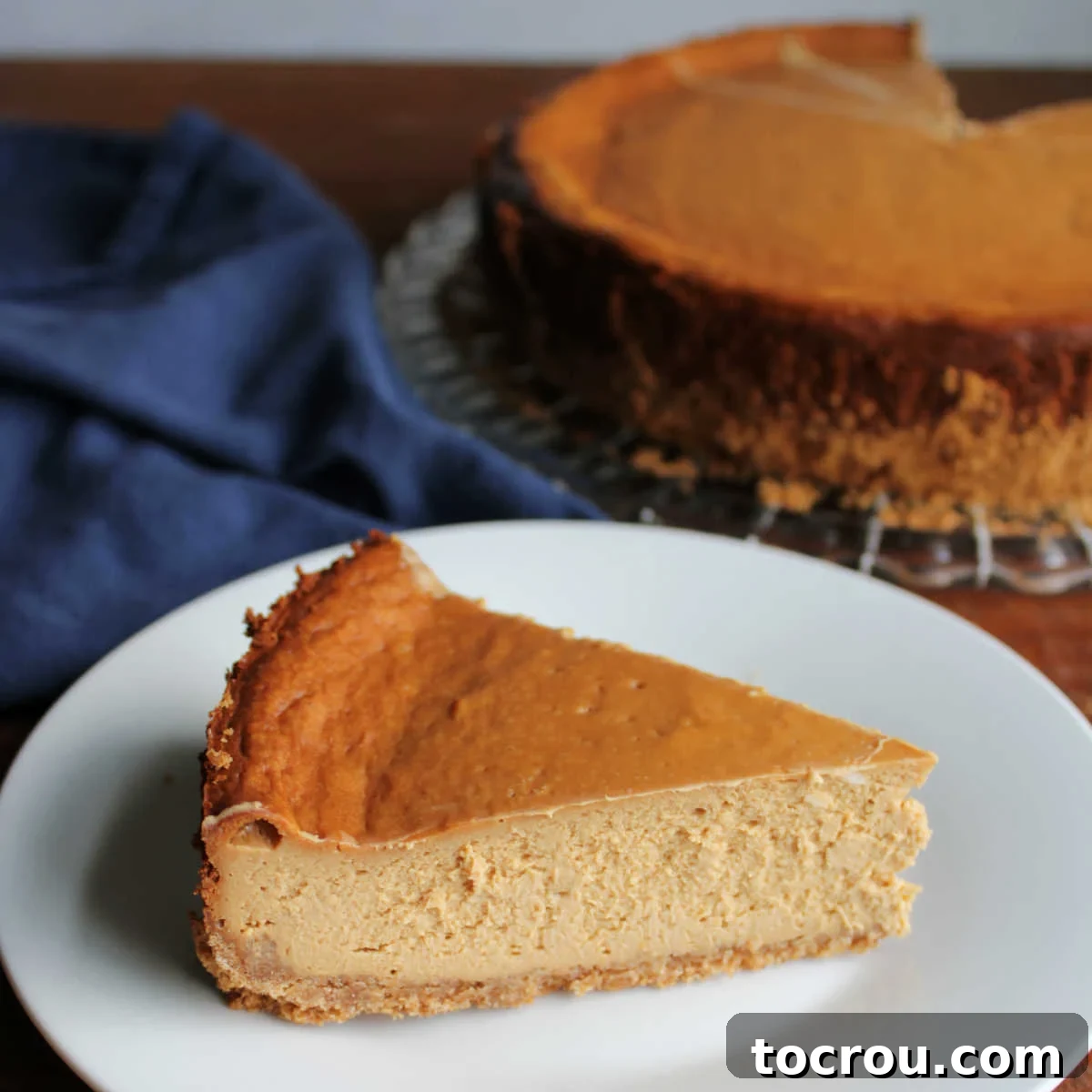
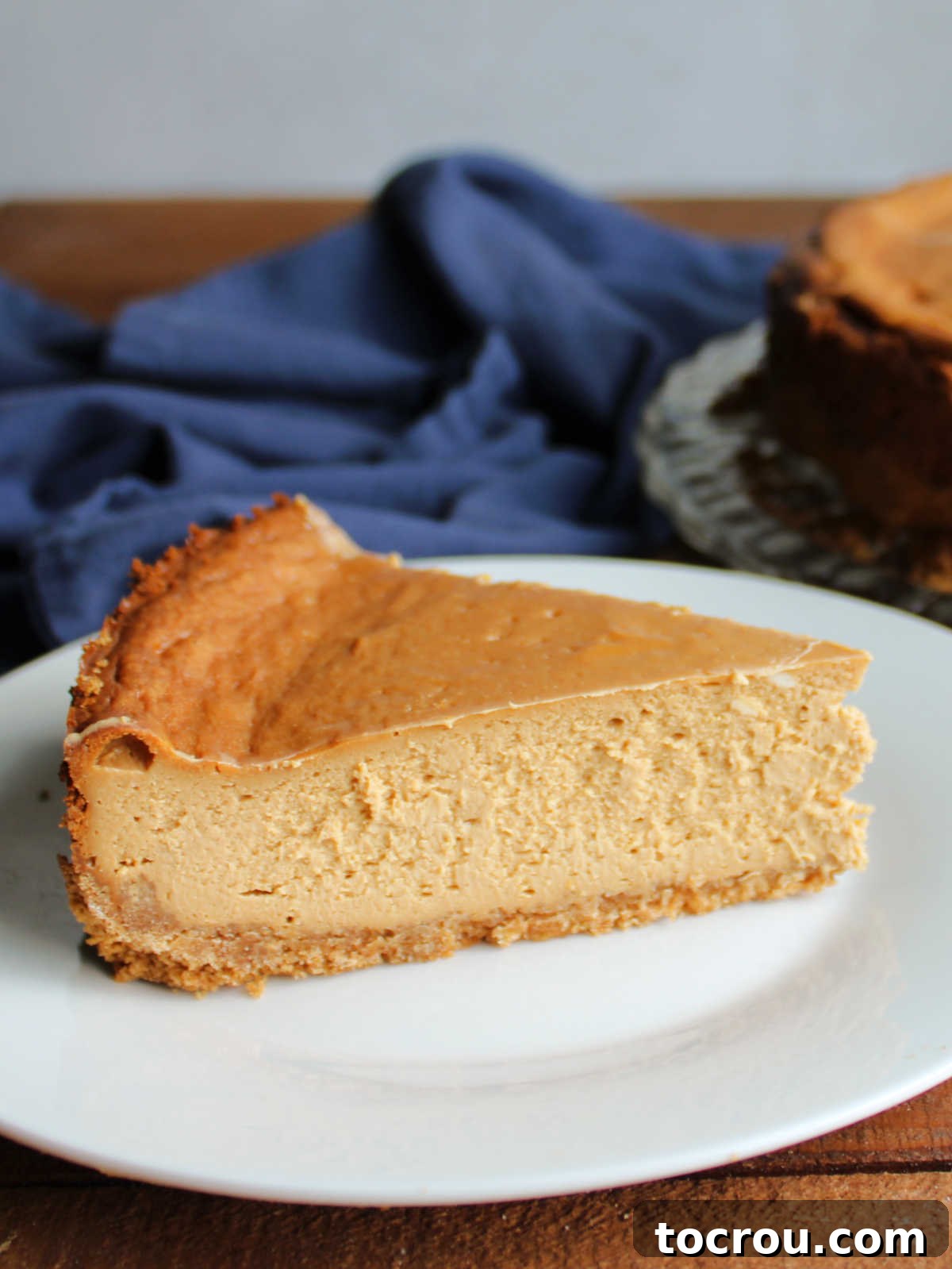
Prepare to fall in love with this extraordinary Dulce de Leche Cheesecake – a dessert that promises to be a staple in your recipe collection! Its luxurious filling is exceptionally smooth and creamy, boasting rich, deep caramel notes that are utterly irresistible. This isn’t just a cheesecake; it’s a culinary masterpiece you simply must try.
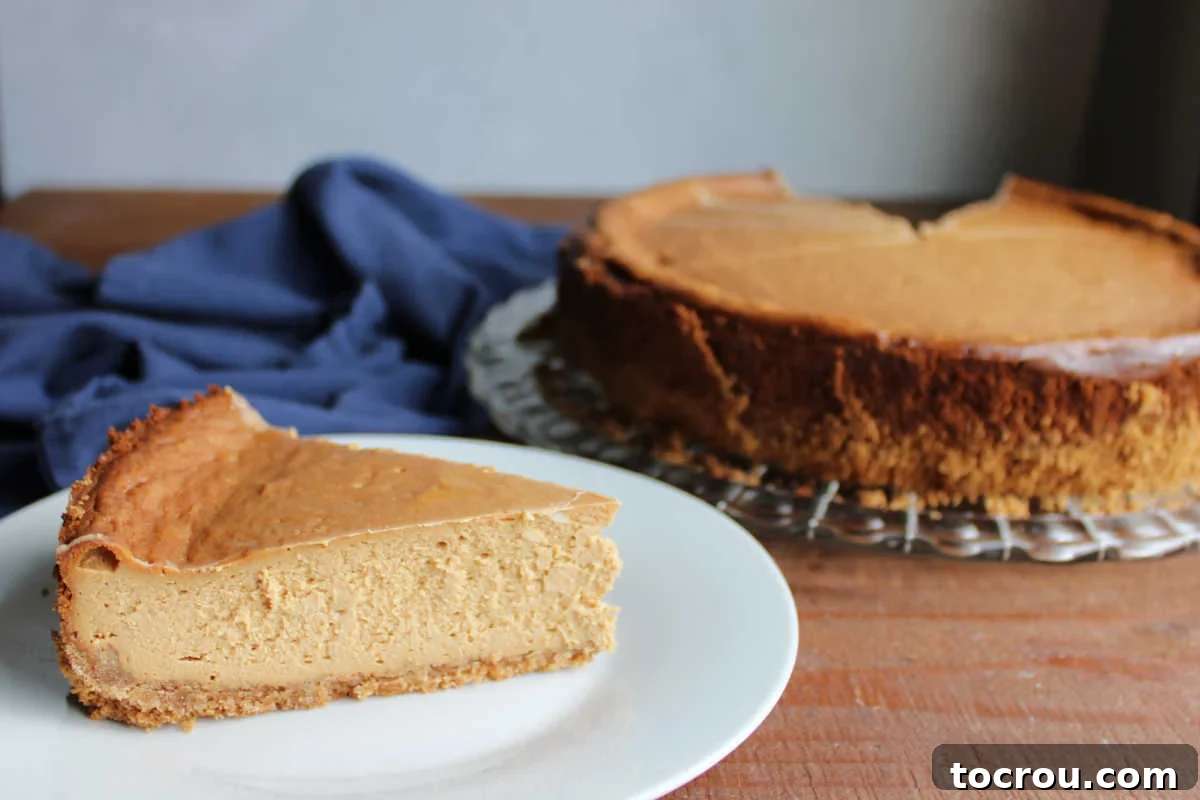
What makes this particular dulce de leche cheesecake recipe truly stand out is its incredible simplicity and reliability. Forget the hassle of a water bath; this “no-fail” recipe guides you through a seamless baking process, ensuring a perfectly smooth, crack-free cheesecake every single time. By following our easy-to-implement tips, you’ll achieve professional-level results in your home kitchen.
The star ingredient, dulce de leche, infuses the cheesecake with an unparalleled richness and a distinct caramel flavor that elevates it far beyond a standard cheesecake. It’s so good, and the instructions are so straightforward, you might just find yourself memorizing it after the first bake!
The Allure of Dulce de Leche: A Caramel Dream
Dulce de leche, translating to “sweet of milk,” is a confection born from gently heating sweetened milk until it caramelizes into a thick, creamy, and deeply flavored spread. Originating from Latin America, its unique, slow-cooked caramelization process yields a flavor profile that is richer, more complex, and less intensely sugary than traditional caramel sauce. This depth of flavor makes it an exquisite foundation for cheesecake, offering a comforting warmth and sophisticated sweetness that perfectly complements the tang of cream cheese.
For years, my Aunt Donna’s classic sweetened condensed milk cheesecake recipe has been a beloved family favorite. Yet, it wasn’t until recently that the brilliant idea sparked: how truly spectacular would this cherished recipe be when enhanced with the lusciousness of homemade dulce de leche? The result, as you’re about to discover, is nothing short of magnificent.
The deep, caramelized notes of the dulce de leche find a perfect partner in the brown sugar and graham cracker crumbs that form the delectable crust. Whether served simply as is, allowing its pure flavor to shine, or adorned with an extra drizzle of homemade caramel sauce and a generous sprinkling of toasted pecans, this cheesecake is a showstopper that will impress any guest.
Mastering the Creamy Texture: Essential Cheesecake Tips
Achieving that signature silky-smooth cheesecake texture is easier than you think, especially when you follow these critical steps. The goal is to create a homogenous, air-free batter that bakes evenly to perfection.
1. Room Temperature Cream Cheese is Key
This is arguably the most crucial step for a creamy cheesecake. Cold cream cheese is stiff and difficult to blend smoothly, leading to stubborn lumps in your batter. When cream cheese is at room temperature, it becomes soft and pliable, allowing it to mix effortlessly into a velvety consistency. Plan ahead and take your cream cheese out of the refrigerator at least an hour or two before you start baking.
2. Beat Well, Scrape Often
Once your cream cheese is perfectly softened, beat it thoroughly on its own before adding any other ingredients. This is your prime (and really, only) opportunity to work out every single lump. Use an electric mixer, and make sure to stop frequently to scrape down the sides and bottom of the bowl. Any unmixed cream cheese bits will remain chunky in the final product, compromising that luxurious texture we’re aiming for.
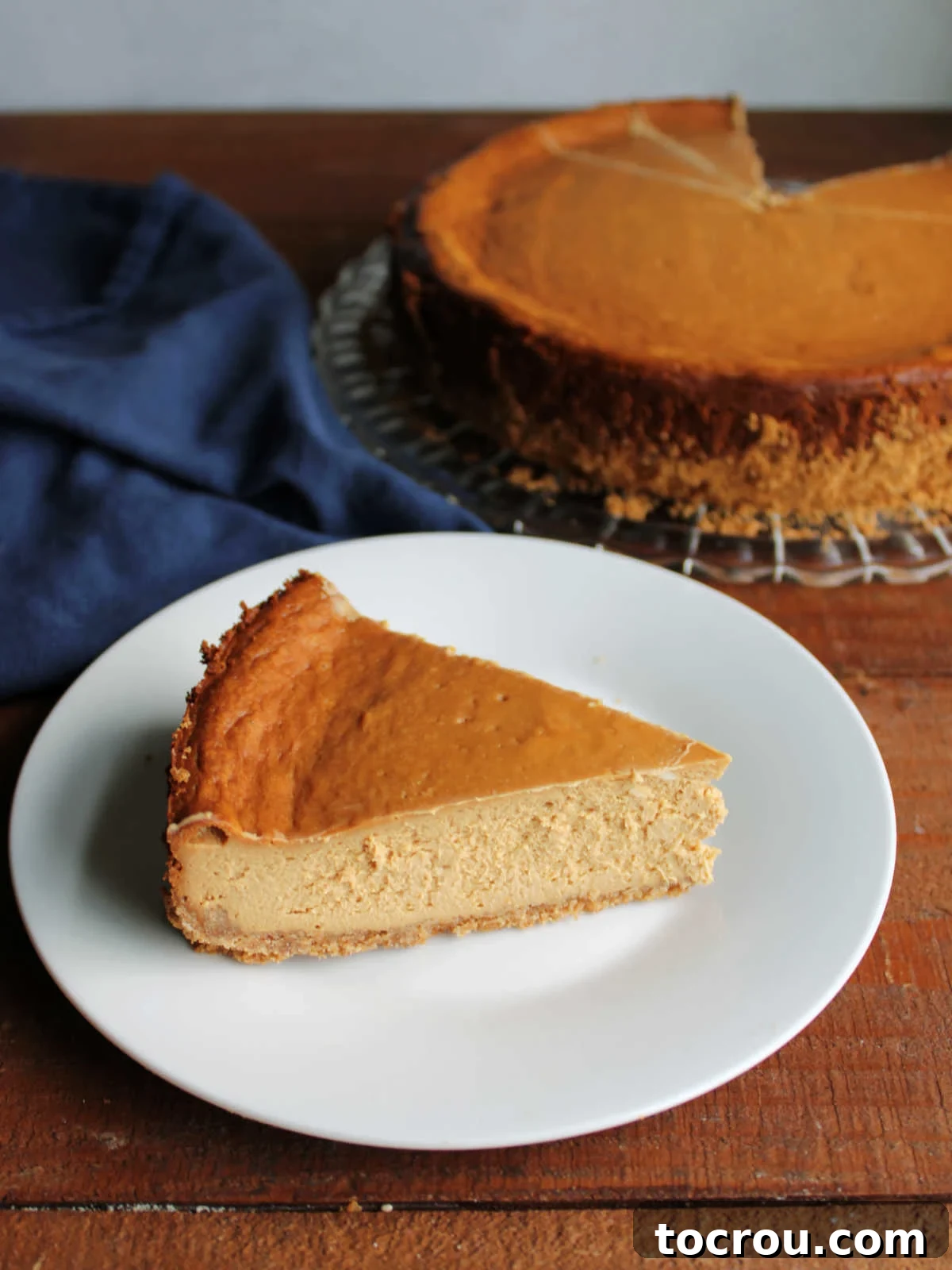
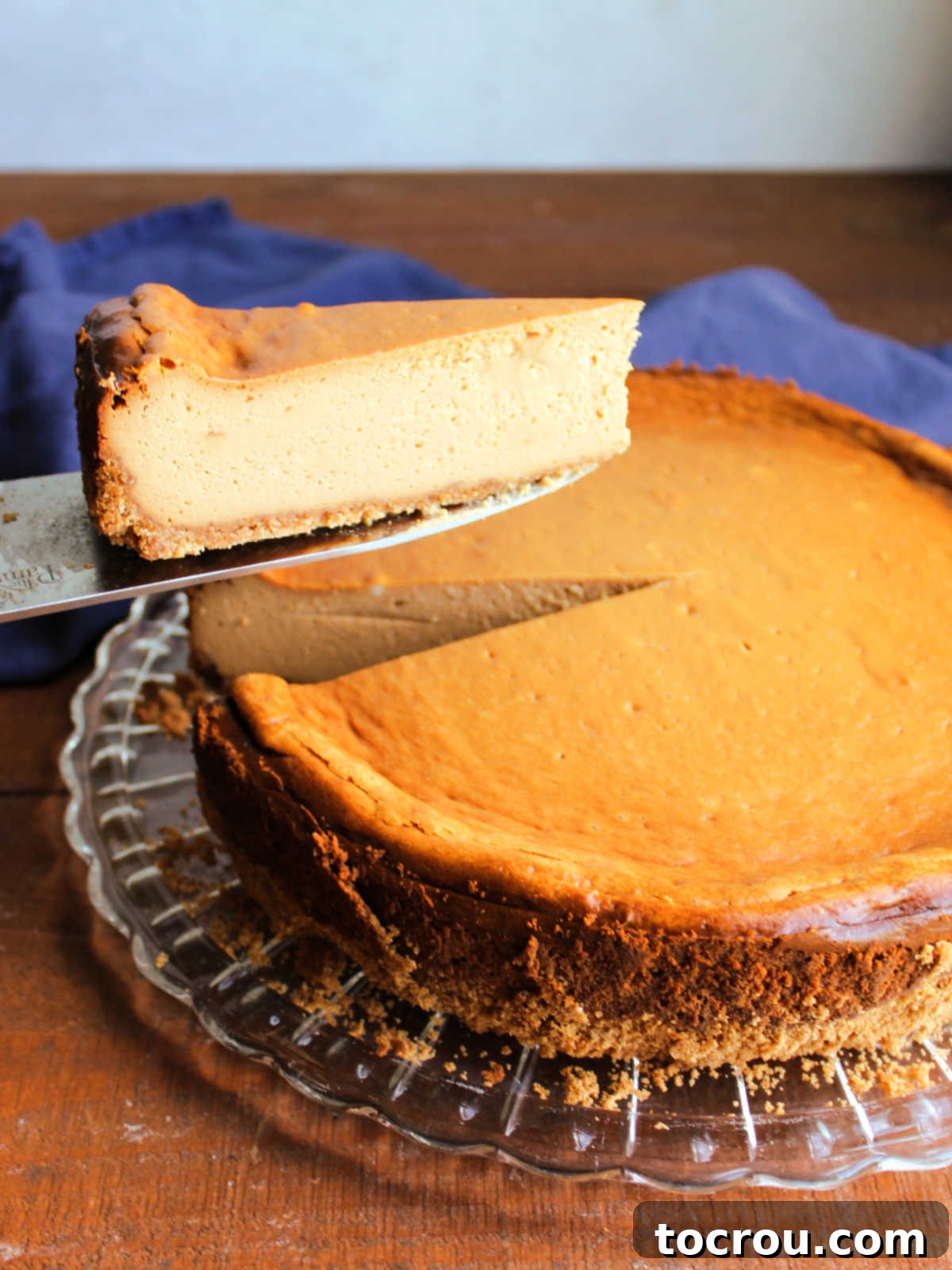
3. Gradual Incorporation of Ingredients
After the initial cream cheese base is smooth, add the remaining liquid ingredients, such as the dulce de leche and vanilla, gradually. This ensures each component is fully integrated without overwhelming the mixture or causing it to separate. Taking an extra minute or two here will make a significant difference in the final consistency of your cheesecake batter.
4. Gentle Hand with Eggs
When it comes to adding the eggs, switch your mixer to a low speed. Over-mixing eggs introduces excess air into the batter. While air helps some baked goods rise, in a cheesecake, it can cause the batter to puff up excessively during baking and then collapse and crack as it cools. Mix just until the eggs are combined, and no visible streaks remain.
5. The Tapping Technique
Before placing your cheesecake in the oven, give the springform pan a couple of firm taps on your kitchen counter. This simple action helps release any large air bubbles that might be trapped within the batter. Removing these bubbles contributes to an even bake and a beautifully smooth surface, further preventing unsightly cracks.
Achieving a Crack-Free Cheesecake: Expert Guidance
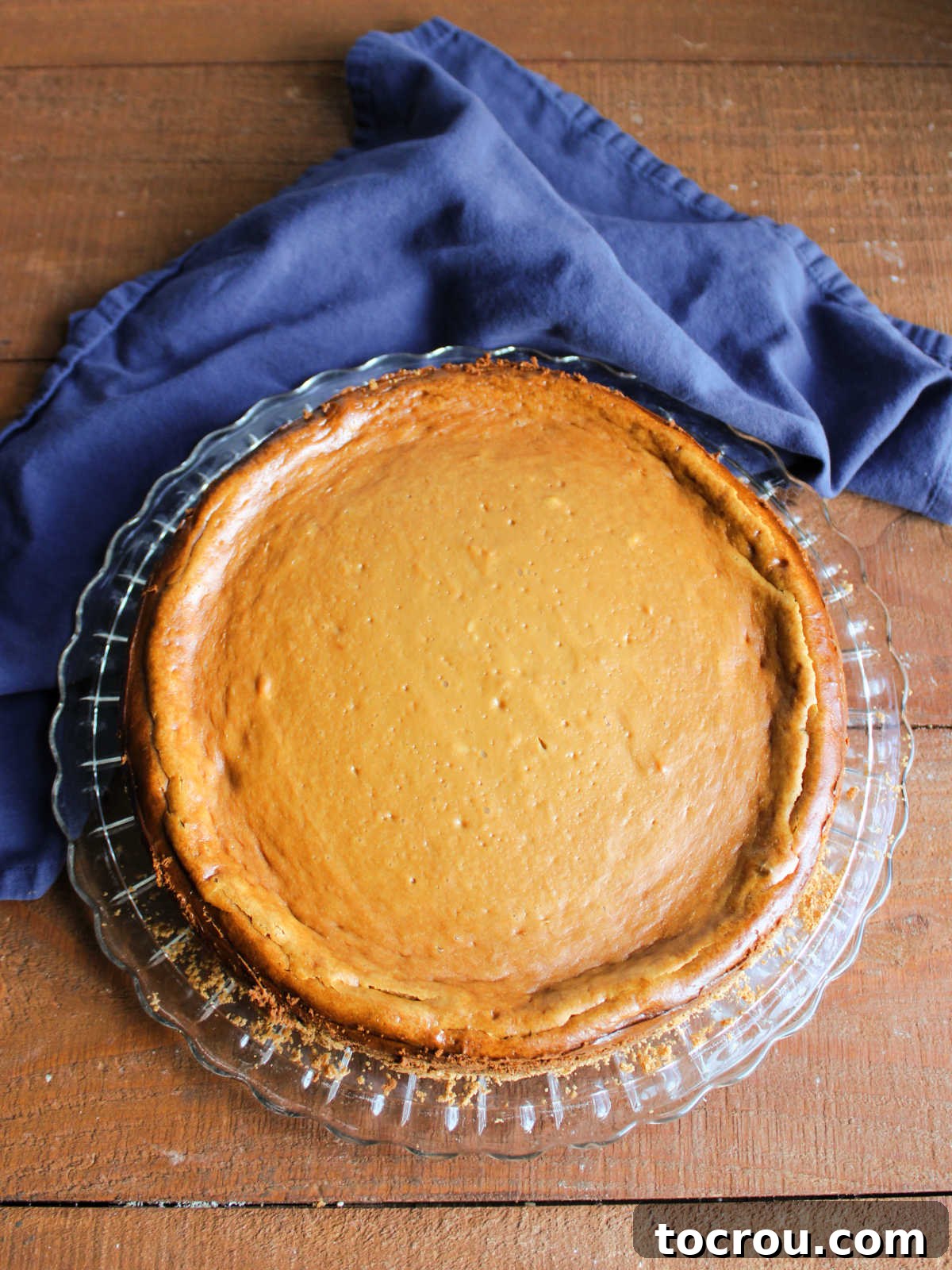
One of the most common anxieties for cheesecake bakers is the dreaded crack. However, with this recipe, and by following these simple, yet effective tips, you can achieve a flawless, crack-free surface without the fuss of a water bath.
1. The Low and Slow Bake
The secret to a cheesecake that bakes evenly and avoids cracking lies in a low oven temperature and a slow baking time. Baking at 300°F (150°C) allows the cheesecake to cook gently from the outside in, preventing the edges from setting too quickly while the center is still liquid. This even distribution of heat minimizes the risk of the cheesecake expanding unevenly, which is a primary cause of cracking. The cheesecake is ready when the edges are set and the center has a slight, gentle wobble.
2. The Art of Gradual Cooling
Rapid temperature changes are the enemy of a smooth cheesecake. When a hot cheesecake is pulled directly from a warm oven into a cooler room, the sudden thermal shock causes the cheesecake to contract too quickly, almost guaranteeing cracks. To prevent this, implement a gradual cooling process:
- Once your cheesecake is baked and the center has just a slight jiggle, turn off the oven.
- Prop the oven door open slightly with a wooden spoon or heat-proof utensil, and let the cheesecake remain inside for at least 10 to 15 minutes. This allows the cheesecake to slowly adjust to a lower temperature.
- After this initial cooling period in the oven, transfer the cheesecake to a wire rack on your counter to cool completely to room temperature.
- Finally, cover it loosely and place it in the refrigerator to chill for several hours, ideally overnight. This thorough chilling is essential not only for preventing cracks but also for allowing the flavors to meld and the cheesecake to firm up to its perfect texture.
Serving Suggestions & Flavor Variations
While this Dulce de Leche Cheesecake is utterly divine on its own, a few thoughtful additions can elevate it further. Consider a light dusting of cocoa powder for a subtle mocha hint, or a sprinkle of flaky sea salt to enhance the caramel flavor. For a fruitier touch, a side of fresh berries or thinly sliced bananas would be excellent. Chocolate shavings, a dollop of fresh whipped cream, or a scoop of vanilla bean ice cream are also fantastic complements, making this dessert versatile for any occasion from casual gatherings to elegant dinner parties.
Storage Tips for Optimal Freshness
To keep your Dulce de Leche Cheesecake at its best, store it covered in an airtight container in the refrigerator. It will stay fresh and delicious for 4-5 days. For longer storage, slices can be individually wrapped in plastic wrap and then foil, and frozen for up to 1-2 months. Thaw frozen cheesecake overnight in the refrigerator before serving to enjoy its full, creamy texture.
If you’re eager for more decadent dessert ideas, I have quite a few inspirations awaiting you! Explore my comprehensive collection of cheesecake recipes for even more tasty adventures.

Dulce De Leche Cheesecake Recipe
This effortless dulce de leche cheesecake recipe guarantees a smooth, creamy, and caramel-infused dessert without the need for a water bath or complicated steps. Just follow these simple directions, and you will have a truly irresistible, crack-free treat to enjoy!
Author: Carlee
Servings: 16 Servings (a 9-inch cheesecake)
Prep Time: 15 mins
Cook Time: 1 hr 10 mins
Additional Time: 1 hr 25 mins (for cooling and chilling)
Total Time: 2 hrs 50 mins
Equipment
- Hand Mixer
- 9-inch Nonstick Springform Pan
Ingredients
For the Crust:
- 1½ cups graham cracker crumbs
- 2 Tablespoons light brown sugar
- 4 Tablespoons butter, melted
For the Filling:
- 24 oz cream cheese, softened
- 14 oz dulce de leche
- 2 teaspoons vanilla extract
- 4 large eggs
Instructions
- Preheat your oven to 300°F (150°C).
- In the bottom of a 9-inch springform pan, combine the graham cracker crumbs and light brown sugar. Pour in the melted butter and mix until the crumbs are evenly moistened. Press this mixture firmly and evenly into the bottom of the pan to form a compact crust. Bake for approximately 10 minutes to set the crust, then remove it from the oven and set it aside to cool while you prepare the filling.
- Ensure your cream cheese is thoroughly softened to room temperature. In a large mixing bowl, using an electric hand mixer, whip the cream cheese until it is completely smooth and fluffy, making sure to scrape down the sides of your bowl several times with a rubber spatula to eliminate any lumps.
- Gradually add the 14 oz of dulce de leche to the cream cheese mixture, incorporating it slowly. Mix thoroughly after each addition, continuing to scrape the bowl to ensure a perfectly smooth and uniform batter.
- Stir in the 2 teaspoons of vanilla extract until just combined.
- Add the 4 large eggs, one at a time. Mix on a low speed only until each egg is just incorporated into the batter. It is crucial not to over-mix at this stage, as incorporating too much air can lead to cracks in your finished cheesecake.
- Pour the smooth cream cheese mixture onto the cooled graham cracker crust in the springform pan. Gently thump the pan on the counter a couple of times; this helps to release any large air bubbles trapped within the batter, ensuring a smoother surface.
- Bake the cheesecake in the preheated oven for about 1 hour, or until the edges are set and the center of the cheesecake has a slight, very gentle jiggle when the pan is lightly shaken. Avoid over-baking, as this can also lead to cracks.
- Once baked, turn off the oven. Prop the oven door open slightly and allow the cheesecake to cool inside the oven for approximately 10 to 15 minutes. This gradual cooling process is vital for preventing thermal shock and subsequent cracks.
- After the initial oven cooling, remove the cheesecake from the oven and transfer it to a wire rack on the counter to cool completely to room temperature.
- Finally, cover the cooled cheesecake loosely with plastic wrap and chill it in the refrigerator for at least 2 hours, but preferably overnight, before slicing and serving. Thorough chilling allows the cheesecake to firm up properly, enhancing its flavor and texture.
Notes
- For the graham cracker crust, you can either purchase pre-made graham cracker crumbs or make your own by crushing 1 sleeve of graham crackers. This can be done efficiently in a food processor, or by placing the crackers in a large resealable plastic bag and rolling over them several times with a rolling pin until they are fine crumbs.
- For the absolute best results and the creamiest texture, always use full-fat cream cheese in your cheesecake recipe.
Video
Nutrition Information
The following nutrition information is an estimate per serving (1 slice) based on a 16-serving cheesecake. Nutritional values can vary depending on specific brands and preparation methods.
| Nutrient | Value |
|---|---|
| Serving Size | 1 slice |
| Calories | 230 kcal |
| Carbohydrates | 10 g |
| Protein | 5 g |
| Fat | 19 g |
| Saturated Fat | 11 g |
| Polyunsaturated Fat | 1 g |
| Monounsaturated Fat | 5 g |
| Trans Fat | 0.1 g |
| Cholesterol | 91 mg |
| Sodium | 224 mg |
| Potassium | 89 mg |
| Fiber | 0.3 g |
| Sugar | 5 g |
| Vitamin A | 718 IU |
| Calcium | 56 mg |
| Iron | 1 mg |
“Cooking With Carlee” is not a dietitian or nutritionist, and any nutritional information shared is an estimate. If calorie count and other nutritional values are important to you, we recommend running the ingredients through whichever online nutritional calculator you prefer. Calories and other nutritional values can vary quite a bit depending on which brands were used.
Did you try this recipe?
We’d love to hear from you! Don’t forget to leave a rating below and make sure to follow on Pinterest and Instagram for more delicious recipes and baking inspiration!