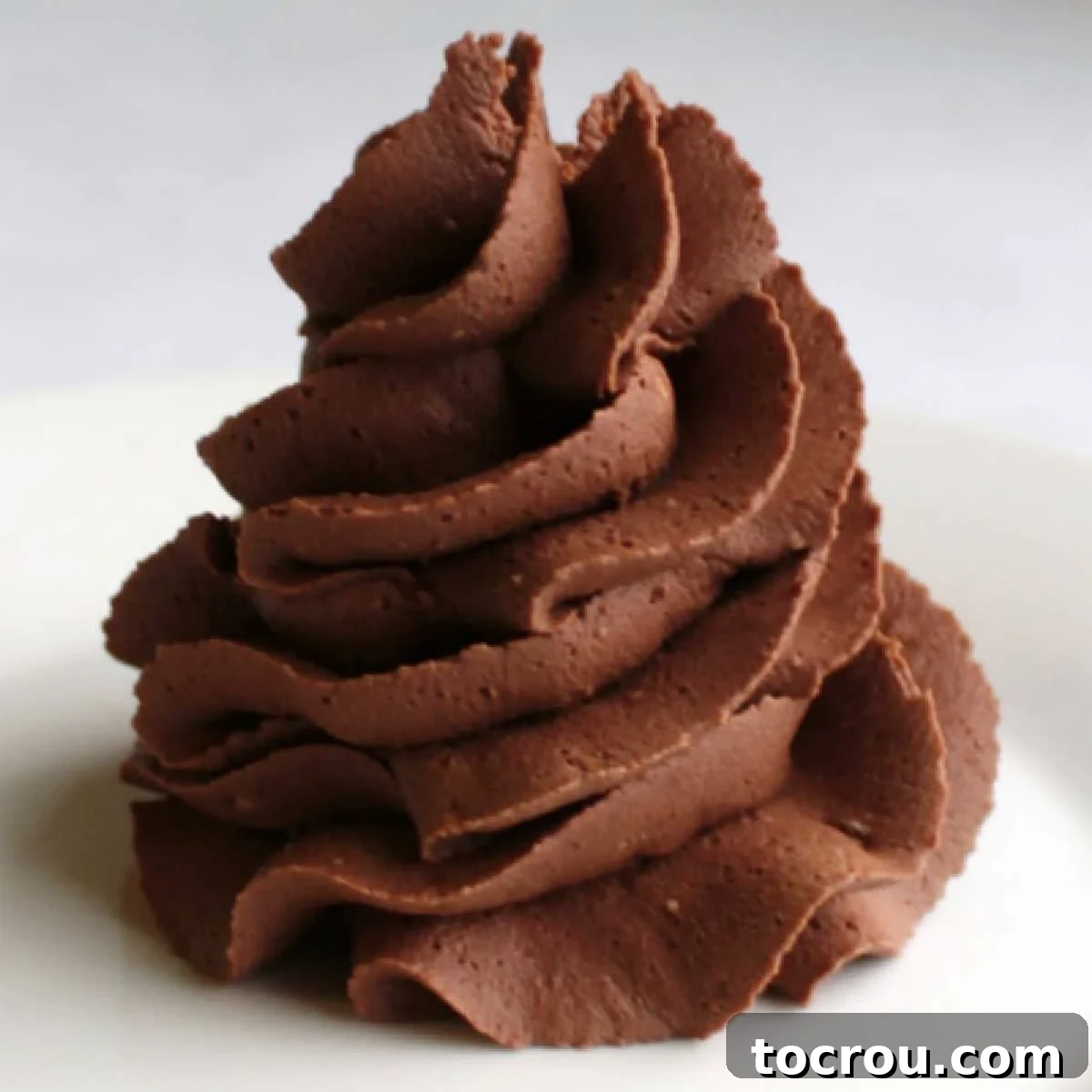
The Ultimate Guide to Homemade Chocolate Buttercream Frosting
Dive into the decadent world of homemade chocolate buttercream frosting, the perfect companion for virtually any dessert. Whether you’re decorating a celebratory cake, an array of cupcakes, or a batch of delightful cookies, this rich, creamy, and incredibly versatile frosting recipe is about to become your new kitchen staple. Forget those overly sweet, bland tubs from the store – our recipe is designed for flawless piping, boasts a perfectly balanced sweetness, and allows you to customize the chocolate intensity to your heart’s content. Prepare to elevate your baking with a frosting that’s as easy to make as it is delicious.
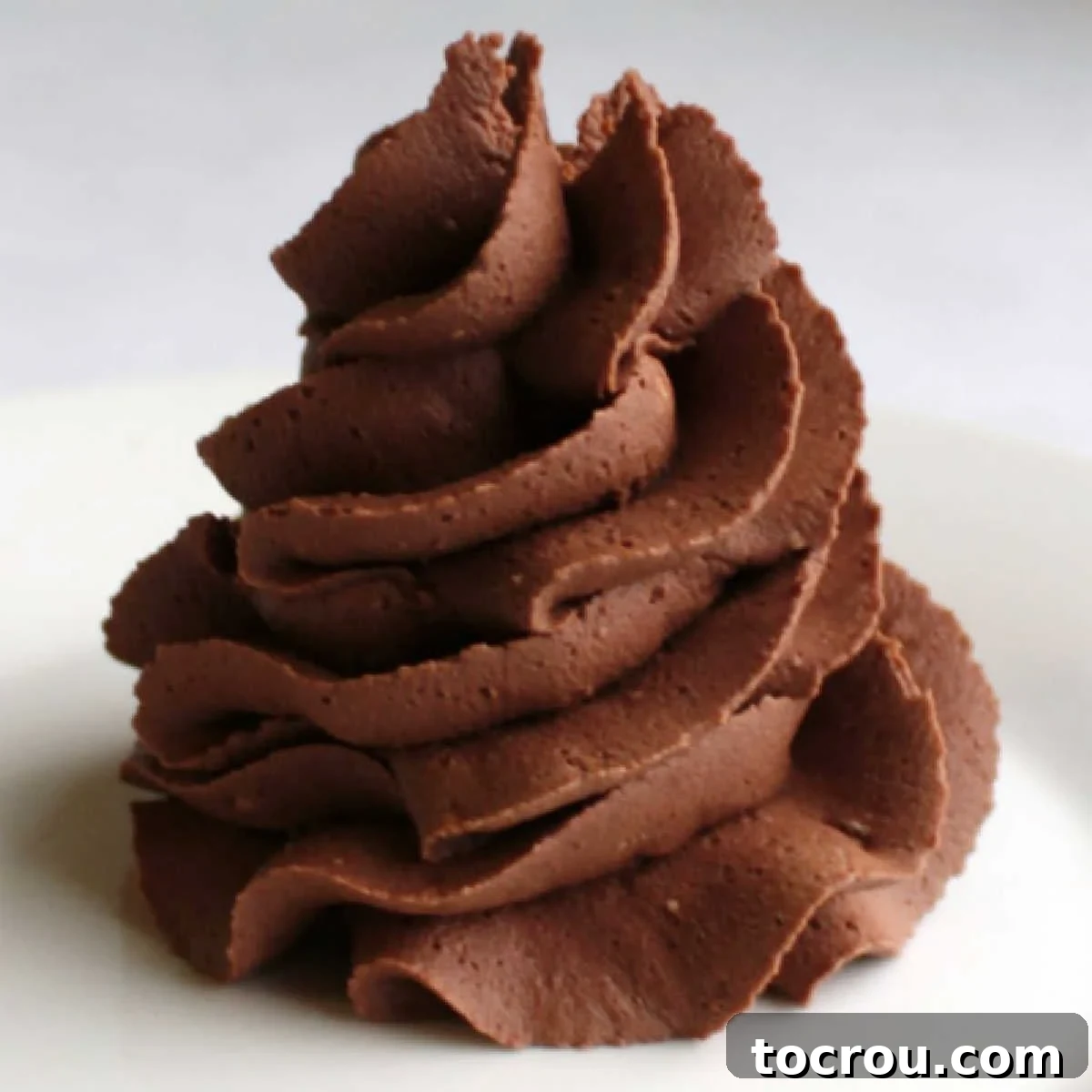
Why Homemade Chocolate Buttercream is a Game Changer
The difference between store-bought frosting and a homemade batch is monumental. While convenient, pre-made options often fall short in flavor, texture, and overall quality. They can be overly sweet, lack real chocolate depth, and sometimes have a greasy mouthfeel due to hydrogenated oils. Our homemade chocolate buttercream, however, uses simple, wholesome ingredients to deliver a superior product every single time.
This recipe comes together in mere minutes, requiring just a handful of pantry staples and a stand mixer or hand mixer. The real magic, though, lies in its adaptability. Do you prefer a subtle, elegant chocolate whisper, almost like a delicate mousse? Or are you craving an intense, deep dark chocolate experience that makes every bite a luxurious indulgence? This recipe empowers you to achieve either, simply by adjusting the amount and type of cocoa powder.
Moreover, the strategic use of cocoa powder serves a dual purpose: it not only provides that essential chocolate flavor and rich color but also helps to temper the sweetness of the powdered sugar. This results in a frosting that can be firm enough for intricate piping designs without being cloyingly sweet – a common complaint with many buttercream recipes. We’ll walk you through the variations so you can master your ultimate chocolate frosting!
Crafting a Culinary Masterpiece: The Guitar Cake Story
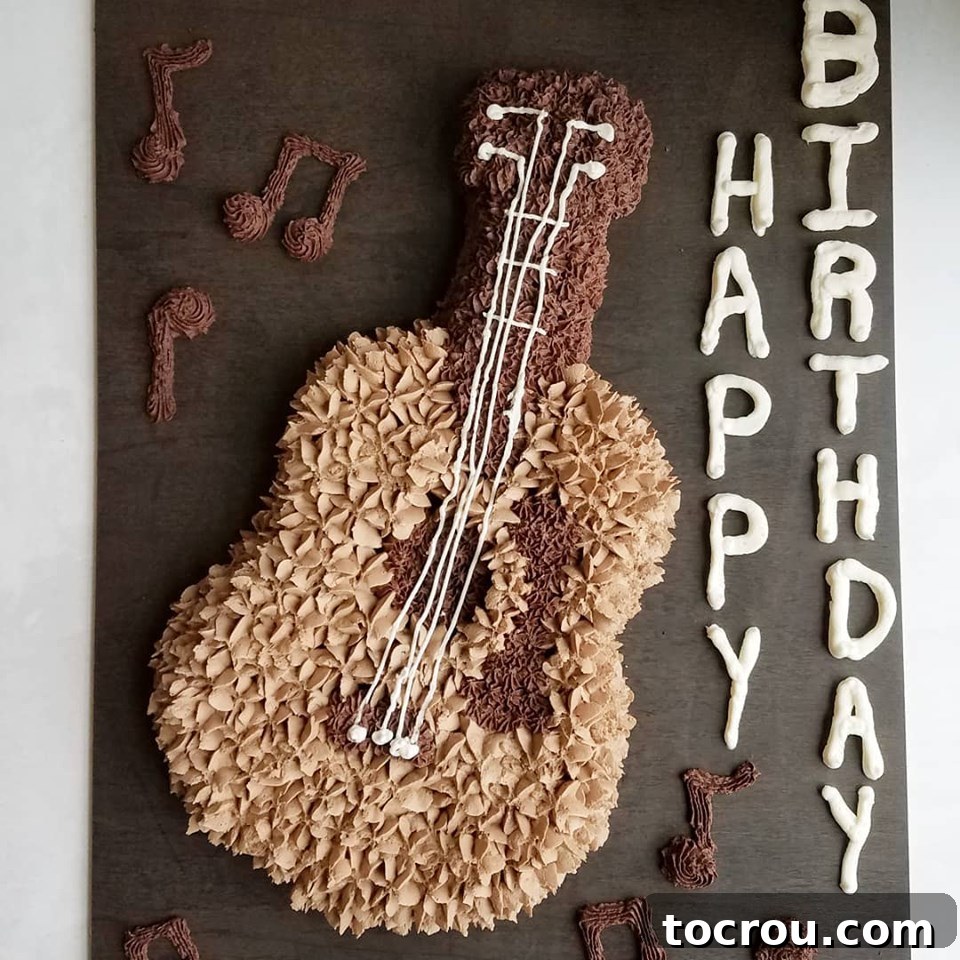
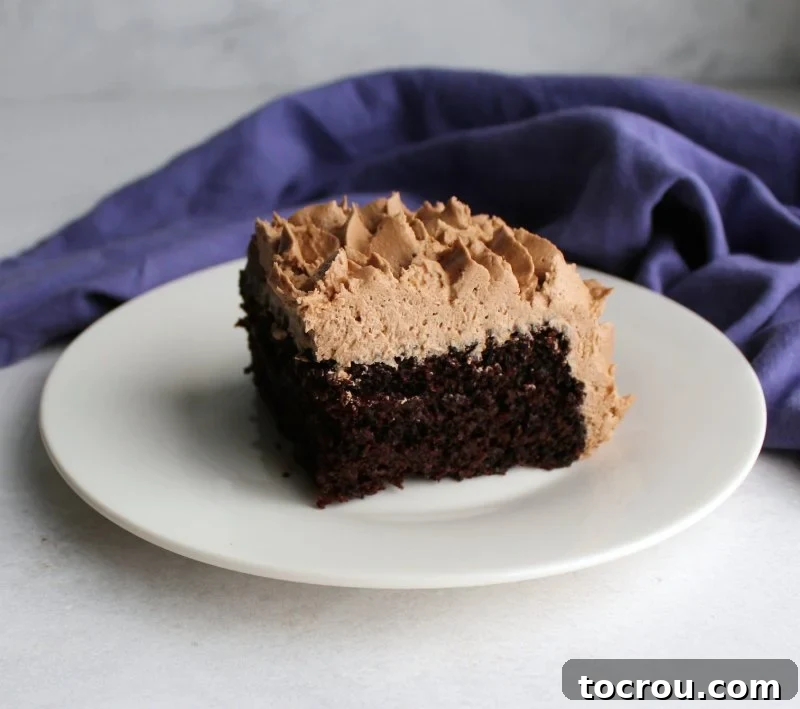
This chocolate buttercream recipe has a special place in my heart, often coming to the rescue for important baking projects. One memorable occasion was my grandma’s hootenanny birthday party. I knew a regular cake just wouldn’t do; it had to be a guitar cake to perfectly match the musical theme. My go-to base, the devilishly good chocolate cake, was the obvious choice – it’s consistently reliable and incredibly easy to prepare. But for the guitar’s distinct look, the frosting needed to be just right.
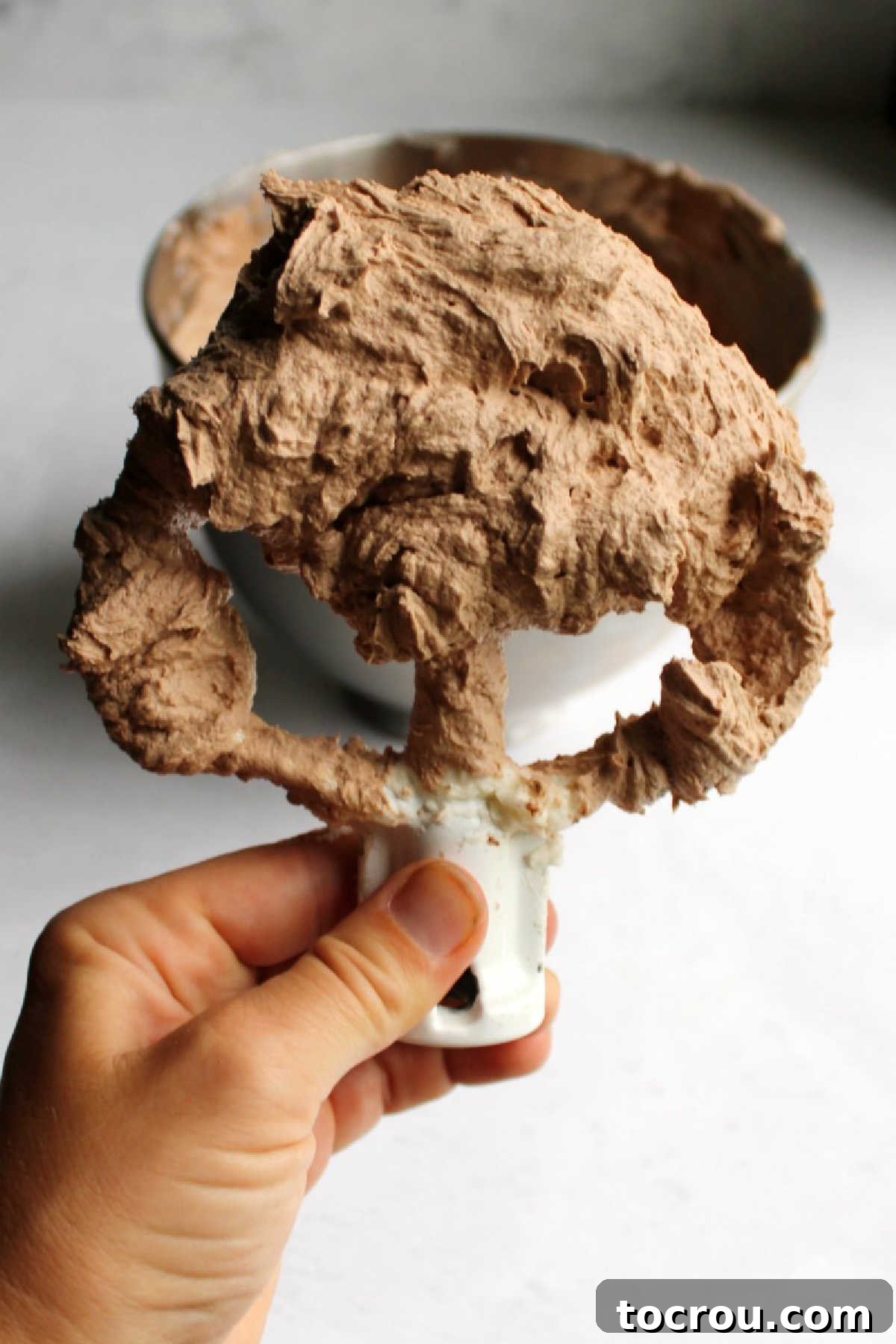
To achieve the authentic appearance of a guitar, I envisioned a multi-toned chocolate buttercream. This recipe proved to be the ideal canvas. I prepared a double batch, initially setting aside about three-quarters of a cup of plain buttercream before adding any cocoa powder. This lighter, uncolored frosting was perfect for piping delicate details like the strings and lettering on the guitar. Then, I gradually incorporated cocoa powder into the remaining buttercream to create the lighter wooden tones of the guitar body.
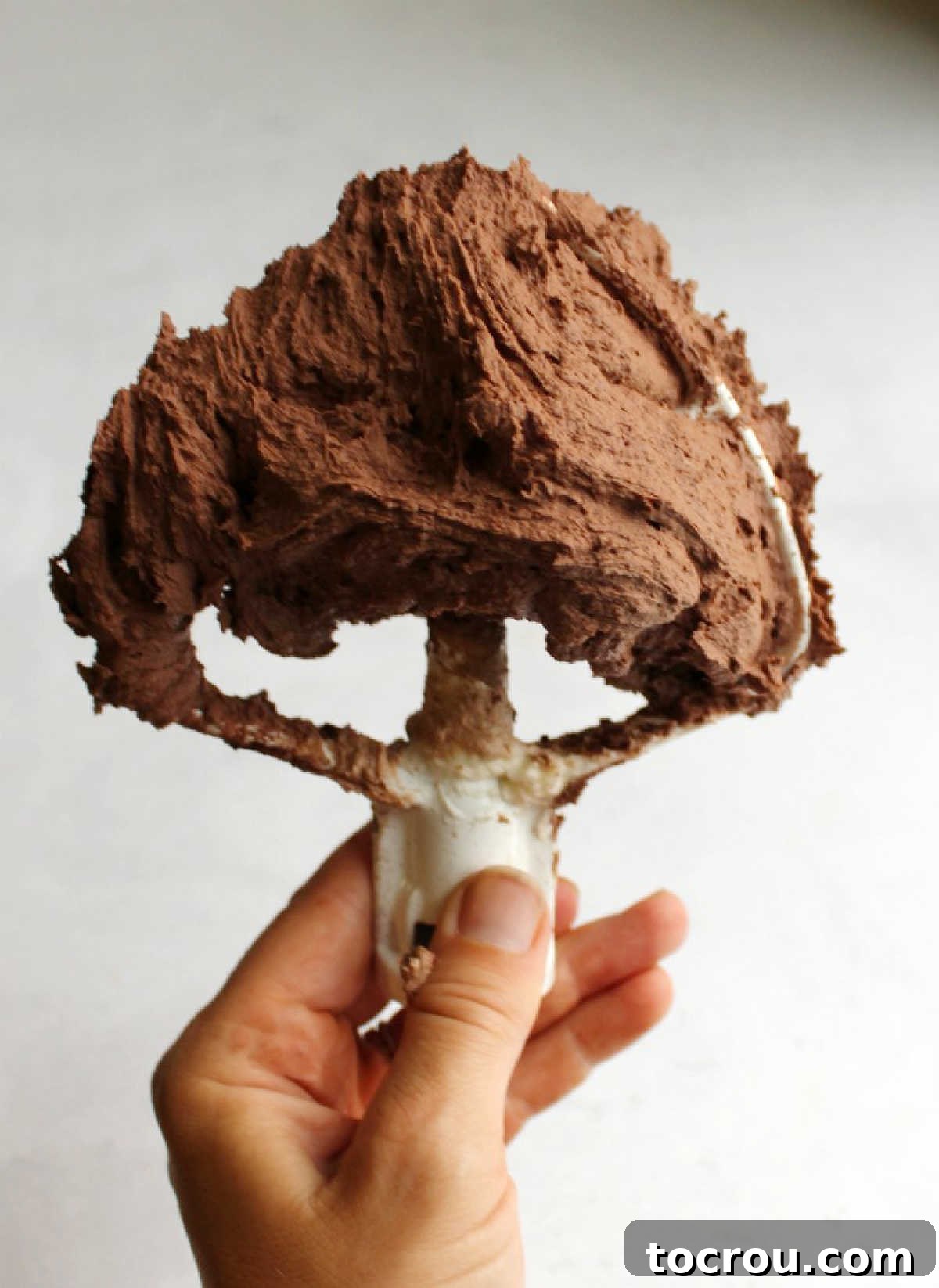
Once those sections were beautifully piped, I continued to add more cocoa powder to the buttercream, transforming it into a rich, dark shade suitable for the deeper, shadowed parts of the guitar. This layering of different chocolate intensities truly brought the cake to life, showcasing the incredible flexibility of this recipe. It’s this precise customizability that makes it my absolute favorite – you can literally sculpt and color your desserts with chocolate, exactly as you envision them.
Adjusting the Chocolate Flavor and Color with Cocoa Powder
The secret to perfect chocolate buttercream lies significantly in how you handle the cocoa powder. It’s not just about adding chocolate flavor; it’s about controlling intensity and even balancing sweetness. Here’s a deeper dive:
Understanding Cocoa Powder Options: Natural vs. Dutch-Processed
- Natural Cocoa Powder: This is cocoa beans that have been roasted, dried, and ground. It’s acidic and has a strong, slightly bitter chocolate flavor. Its color is generally lighter brown. In frosting, it provides a classic chocolate taste and can interact with baking soda in cake recipes (though not relevant for frosting).
- Dutch-Processed Cocoa Powder: This cocoa has been treated with an alkali to neutralize its acidity. It’s darker in color, often a deep reddish-brown or even black (like “black cocoa powder”). Its flavor is smoother, less bitter, and milder. For a truly rich, dark chocolate buttercream color, Dutch-processed cocoa is often preferred.
For my guitar cake, I started with natural cocoa powder for the initial chocolate tone, yielding a medium-brown hue. Then, to achieve the darker, more intense sections, I switched to a generous amount of Dutch-processed cocoa. This method allowed me to create distinct shades without compromising on flavor, demonstrating the versatility of using different cocoa types.
Achieving Your Desired Intensity
The beauty of this recipe is its “taste as you go” approach. Start with the recommended ¼ cup of cocoa powder. Once incorporated, taste a small amount. If you desire a deeper chocolate flavor or a darker color, add another tablespoon or two of cocoa powder at a time, mixing well after each addition. Continue this process until you reach your ideal chocolate bliss. This gradual addition ensures you don’t accidentally overpower the frosting or make it too dark for your preference.
Beyond color, cocoa powder plays a crucial role in managing the sweetness. The inherent bitterness of cocoa helps to cut through the often-intense sweetness of powdered sugar. This means you can create a frosting that is wonderfully stiff and pipeable without being saccharine. In fact, if you opt for a very dark chocolate frosting using a substantial amount of cocoa, you might find it beneficial to taste it carefully. If it leans too bitter, a splash more powdered sugar and a touch of milk can bring it back to perfect balance.
Essential Tips for Flawless Chocolate Buttercream
Achieving that perfectly smooth, fluffy, and delicious chocolate buttercream is easier than you think with a few key considerations:
- Room Temperature Butter is Non-Negotiable: This is perhaps the most important tip. Your butter should be softened, but not melted. If it’s too cold, it won’t cream properly, leading to lumpy frosting. If it’s melted or too warm, your frosting will be greasy and soupy. Ideally, it should yield slightly when pressed but still hold its shape.
- Sift Your Dry Ingredients: Both powdered sugar and cocoa powder can be prone to lumps. Sifting them before adding to the butter ensures a silky-smooth frosting without any gritty bits. This simple step makes a huge difference in texture.
- Start Slow, Then Speed Up: When adding powdered sugar and cocoa powder, start your mixer on the lowest speed to avoid a cloud of ingredients dusting your kitchen. Once combined, increase the speed to medium-high and beat for several minutes until the buttercream is light, fluffy, and pale in color (or rich brown, in this case). This aeration is what gives buttercream its signature airy texture.
- Adjusting Consistency:
- Too Thick? Add milk (or cream) one teaspoon at a time until you reach the desired consistency. A thicker frosting is great for piping intricate details, while a slightly thinner one is perfect for spreading.
- Too Thin? Add more sifted powdered sugar, one tablespoon at a time, until it thickens up.
- Enhance the Flavor:
- A Pinch of Salt: A tiny pinch of fine sea salt can miraculously enhance the chocolate flavor, making it pop without making the frosting salty.
- Espresso Powder: A teaspoon of instant espresso powder or coffee granules (dissolved in the milk) won’t make your frosting taste like coffee but will deepen and intensify the chocolate notes beautifully.
- Quality Vanilla: Don’t skimp on good quality vanilla extract; it’s essential for a well-rounded flavor profile.
Versatile Uses for Your Decadent Chocolate Buttercream
Once you’ve mastered this chocolate buttercream, the possibilities are endless! Its robust flavor and excellent piping consistency make it suitable for a wide array of desserts:
- Cakes: Layer cakes, sheet cakes, Bundt cakes – this frosting is ideal for creating stunning swirls, smooth finishes, or delicate borders.
- Cupcakes: Pipe towering swirls or simple dollops onto cupcakes for an instant upgrade. Experiment with different piping tips for varied designs.
- Cookies: Use it as a filling for sandwich cookies (like whoopie pies!) or as a decorative topping for sugar cookies and shortbread.
- Brownies & Bars: A rich layer of chocolate buttercream turns a simple pan of brownies or dessert bars into an extraordinary treat.
- Dessert Fillings: Use it to fill choux pastry, éclairs, or even crepes for a touch of chocolatey indulgence.
- Edible Gifts: Jarred in a pretty container, homemade chocolate buttercream makes a thoughtful and delicious gift for baking enthusiasts.
Storage Solutions for Your Buttercream
Properly stored, your homemade chocolate buttercream can last longer than you might expect, allowing you to prepare it in advance or save leftovers:
- Room Temperature: In an airtight container, buttercream can be stored at room temperature for up to three days. This is convenient for cakes and cupcakes that will be consumed quickly.
- Refrigerator: For longer storage, transfer the buttercream to an airtight container and refrigerate for up to two weeks.
- Freezer: For extended freshness, freeze the buttercream in an airtight container for up to three months.
To Use Chilled or Frozen Buttercream: Always bring it back to room temperature before using. If refrigerated, this might take a couple of hours. If frozen, allow it to thaw overnight in the refrigerator, then bring to room temperature. Once at room temperature, give it a good stir with a spatula or beat it for a minute or two with your mixer until it’s smooth and fluffy again. This re-aerates the frosting and restores its perfect texture for spreading or piping.
If you’re a frosting fanatic like me, eager to explore more creamy creations, be sure to check out my Frosting 101 guide. It breaks down various types of frosting and links to an abundance of other delicious recipes!
Chocolate Buttercream Frosting
Carlee
18
Servings
10
0
10
Ingredients
- 1 cup unsalted butter softened
- 4 cups powdered sugar
- ¼ cup cocoa powder*
- 2 teaspoons vanilla extract
- 2 Tablespoons milk plus more as necessary
Instructions
-
In a large mixing bowl, cream the softened butter until it is smooth and fluffy, about 2-3 minutes.
-
Gradually add the remaining ingredients: powdered sugar, cocoa powder*, vanilla extract, and milk. Beat on low speed until the dry ingredients are just incorporated, then increase to medium-high speed and beat until completely combined and fluffy, about 3-5 minutes. Start with ¼ cup of cocoa powder and gradually add more, tasting as you go, until you achieve your desired chocolate intensity.
-
Adjust the final consistency as needed with a bit more milk (for a thinner frosting) or powdered sugar (for a thicker frosting).
-
Use the frosting immediately to decorate your cake or cupcakes, or store it in an airtight container as directed below.
-
If using from the refrigerator, allow it to come to room temperature, then beat for a minute or two until it regains its fluffy consistency before use.
Notes
This recipe yields approximately 4 cups of frosting, which is typically enough to generously frost 12-18 cupcakes or one 9×13-inch sheet cake. For multi-layer cakes, elaborate piping designs, or if you prefer very generous swirls of frosting, you may want to prepare 1½ or even 2 batches of this recipe.
Nutrition Information
Serving:
1
Serving
|
Calories:
192
kcal
|
Carbohydrates:
25
g
|
Fat:
10
g
|
Saturated Fat:
7
g
|
Polyunsaturated Fat:
3
g
|
Cholesterol:
27
mg
|
Sodium:
83
mg
|
Sugar:
24
g
“Cooking With Carlee” is not a dietitian or nutritionist, and any nutritional information shared is an estimate. If calorie count and other nutritional values are important to you, we recommend running the ingredients through whichever online nutritional calculator you prefer. Calories and other nutritional values can vary quite a bit depending on which brands were used.
Did you try this recipe?
Don’t forget to leave a rating below and make sure to follow on Pinterest and Instagram for more delicious recipes!