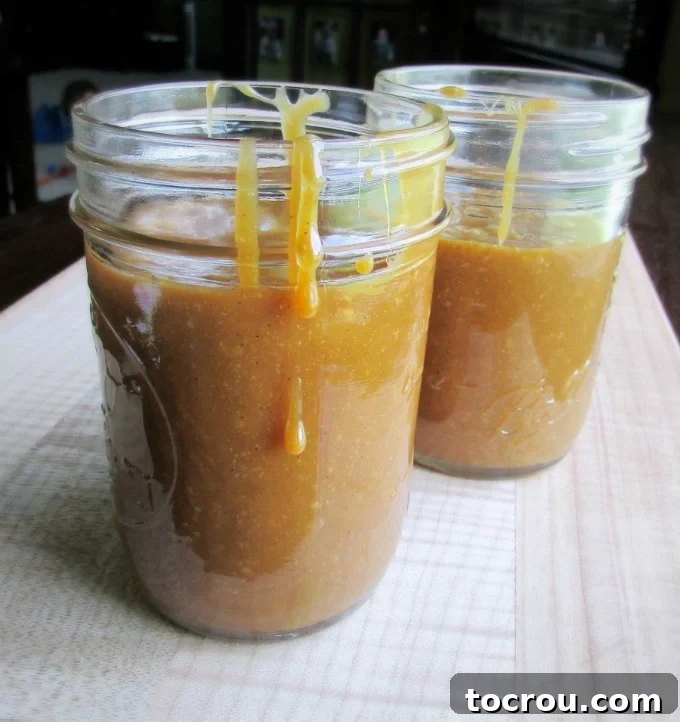
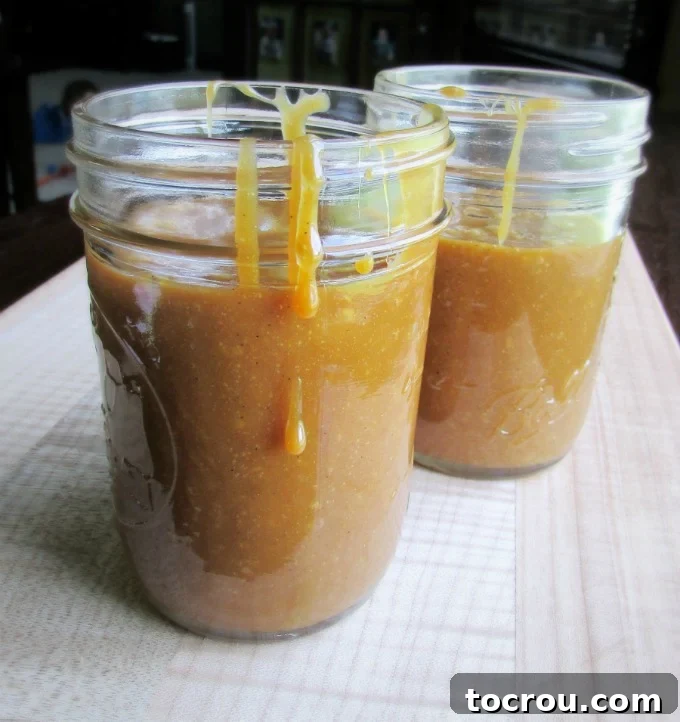
Welcome to the enchanting world of Cajeta, a decadent caramel sauce that’s truly liquid gold. Its rich, thick, and profoundly caramelly essence makes it an irresistible topping for your favorite desserts, a delightful dip for fresh fruit, or simply a treat savored by the spoonful. While traditionally crafted with goat’s milk, which imparts a unique depth of flavor, this versatile recipe can also be made with cow’s milk, ensuring everyone can experience its magnificent charm.
The Allure of Homemade Cajeta: A Culinary Revelation
Creating Cajeta from scratch might sound intimidating, but it’s surprisingly simple and incredibly rewarding. With just a few staple ingredients and a little patience, you can transform humble milk into a luscious, golden confection. This guide will walk you through the straightforward process, demystifying the “secret ingredients” that contribute to its distinctive texture and flavor. Once you’ve experienced the magic of homemade Cajeta, you’ll find yourself reaching for it to elevate nearly every meal and snack.
Our journey into the world of Cajeta is inspired by a deep appreciation for fresh, wholesome ingredients, often sourced directly from the land. We are fortunate to have family members who embrace the homesteading lifestyle, producing an abundance of delicious food. While our own garden yields a bounty of plant-based delights, our family’s homesteads contribute a vibrant array of animal products – from eggs laid by happy hens to milk from contented goats. This access to high-quality, farm-fresh ingredients elevates every dish, and Cajeta is no exception.
This “overflow” from the farm is a true gift, a testament to the hard work and dedication of our loved ones. We often receive farm-fresh eggs, which are quickly put to good use in our kitchen. From hearty skillet cornbread and tangy lemon chess bars to savory breakfast pizza, our household’s appetite for eggs is insatiable. The superior taste and quality of these fresh eggs are undeniable, making every meal a little more special.
Beyond Eggs: The Richness of Homestead Delights
Sometimes, the farm surprises us with even more unique treasures. Imagine homemade maple syrup, lovingly cooked down over a wood fire by my father-in-law from trees he tapped himself. Or exquisite goat cheese, carefully crafted from the milk of his own goats, even waxed to perfection for extended enjoyment. These are the moments when we truly feel connected to our food and the labor of love that goes into producing it.
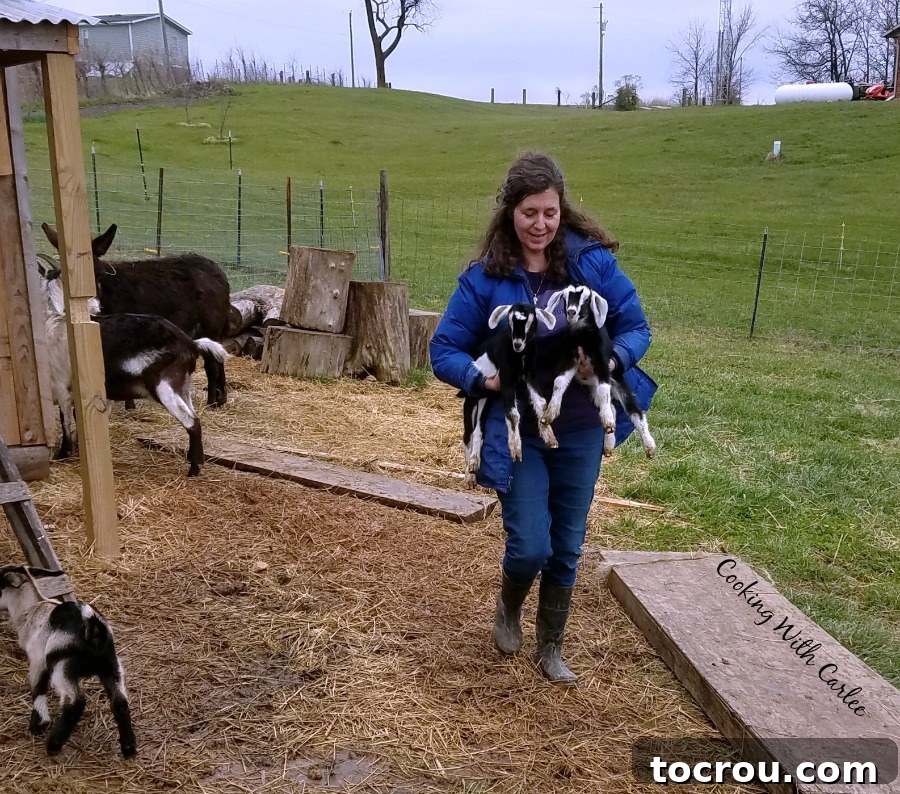
Receiving fresh goat’s milk is always a particular delight. Knowing the effort involved in milking and how much the family cherishes their own supply – using it for drinking, making yogurt, cheese, and even crafting goat milk soap – makes every drop feel precious. When I’m entrusted with this special ingredient, I strive to use it to its fullest potential, transforming it into something truly exceptional that we can savor. This homemade Cajeta perfectly fits that bill, showcasing the milk’s unique characteristics in a way that truly stands out.
What is Cajeta? The Goat Milk Caramel You Need to Try
Cajeta is a luxuriant, caramelly nectar that might just become your new culinary obsession. Essentially, it’s the goat milk equivalent of dulce de leche, but with a nuanced depth that sets it apart. While the distinctive flavor of goat milk adds an unparalleled complexity, you can certainly achieve a delicious result using whole cow’s milk if that’s what’s available to you. The addition of a cinnamon stick is entirely optional, yet it infuses the Cajeta with a warm, inviting spice that is simply divine. I highly encourage you to try it with the cinnamon stick for an extra layer of flavor!
The Secret Ingredient: Baking Soda’s Role in Caramelization
You might wonder about the inclusion of baking soda in this Cajeta recipe, especially if you’re accustomed to using it in hard caramels like peanut brittle or caramel corn. In those applications, baking soda typically serves to aerate the mixture, preventing it from hardening into an unmanageable sugar brick and yielding a more “biteable” texture. However, in a smooth, pourable sauce like Cajeta, aeration isn’t the primary goal.
My curiosity led me to research the science behind this unconventional ingredient. I discovered that baking soda plays a fascinating role by subtly lowering the pH of the milk mixture. This slight alkaline shift actually accelerates and enhances the Maillard reaction – the complex chemical process responsible for the rich brown color and deep, complex flavors of caramelized foods. By encouraging this reaction, baking soda helps develop a richer color and a more profound, irresistible flavor profile in the finished Cajeta. My inner food chemist was thoroughly satisfied with this explanation, confirming that every ingredient serves a purpose, even the unexpected ones!
A Note on Cooking Cajeta: Patience and Pot Size
While the baking soda’s main role isn’t aeration in this recipe, it will still cause the mixture to bubble and foam considerably. This is a crucial detail to remember for safety and success. Always, always use a pot that is at least twice the size you initially think you’ll need – and perhaps even the next size up for good measure! A large Dutch oven is ideal. This generous pot size will prevent messy boil-overs and allow the Cajeta to cook down beautifully.
Making Cajeta requires a little patience, but very little active effort. The process involves slow simmering, allowing the milk and sugar to transform gradually. It takes about 45 minutes to an hour of gentle cooking, with frequent stirring to prevent sticking. The wait is undeniably worth it, as you’ll be rewarded with a velvety, rich caramel unlike any other.
Versatile Delights: How to Enjoy Your Homemade Cajeta
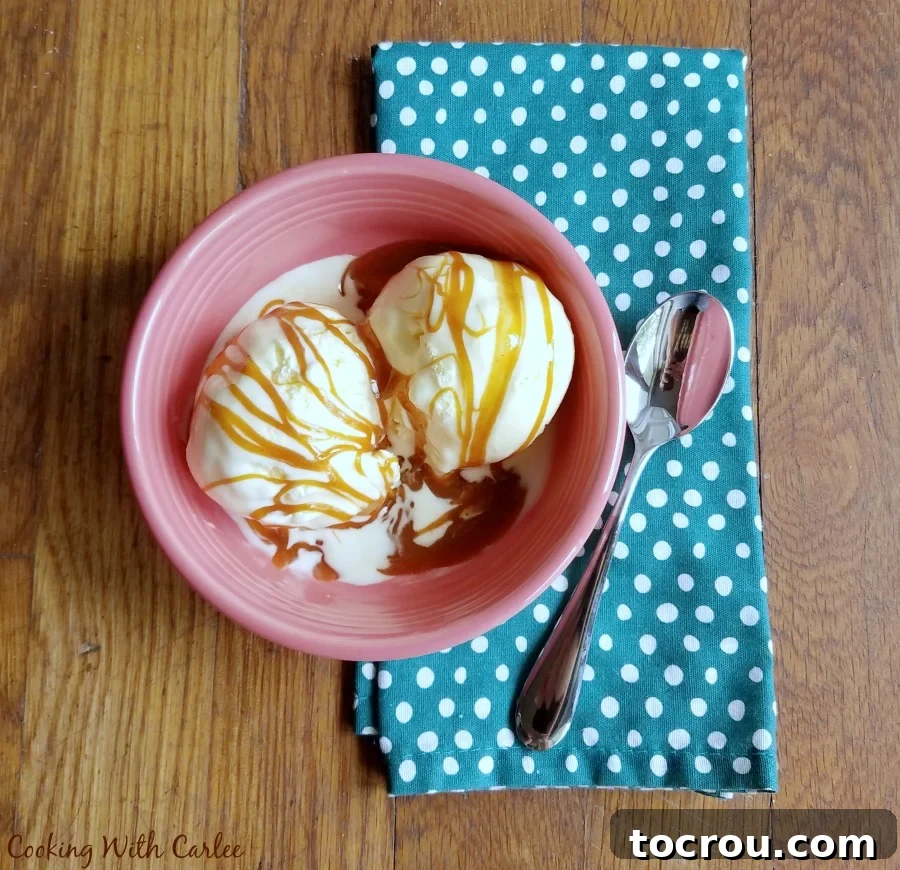
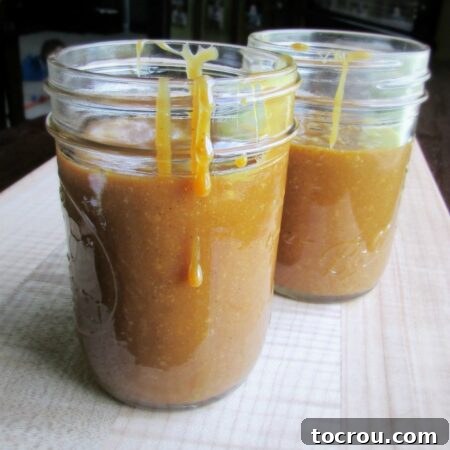
Once cooled, your homemade Cajeta is ready to be enjoyed in countless ways. Its versatility is remarkable: it drizzles beautifully when warm, creating elegant swirls over desserts, yet thickens to a spreadable, almost frosting-like consistency when chilled. Think of it as a premium upgrade to traditional dulce de leche, ready to elevate any dish.
Here are just a few ideas to get you started:
- Warm it slightly and spoon generously over vanilla ice cream, transforming a simple dessert into an extraordinary treat.
- Spread it onto toast, pancakes, or waffles for a luxurious breakfast or brunch.
- Use it as a dip for apple slices, bananas, or other fresh fruits, adding a sweet, caramelly counterpoint.
- Incorporate it into baked goods, like these delicious caramel apple empanadas.
- Or, simply indulge by eating it straight off a spoon – it’s that good!
We’d love to hear from you! Have you ever had Cajeta before? What are your absolute favorite ways to enjoy this incredible goat milk caramel, or its cousin, dulce de leche?
How to Make Homemade Cajeta
Equipment
-
Mason Regular Mouth 8oz Jelly Jar 12PK
-
Le Creuset Dutch Oven, 7.25 qt., Deep Teal
Ingredients
- 4 cups whole milk (goat’s milk if you have it)
- ½ teaspoon baking soda
- 1¼ cup granulated sugar
- 1 cinnamon stick
- 2 teaspoon vanilla extract
Instructions
-
In a small dish, dissolve the ½ teaspoon baking soda in a couple Tablespoons of the milk and set aside.
-
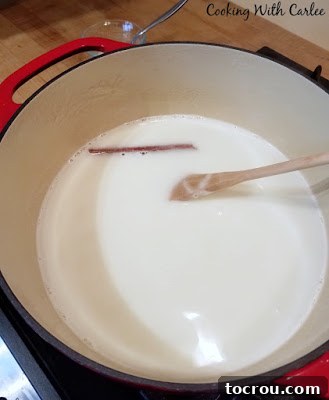
In a very large pot (we recommend a 6-quart Dutch oven or larger, as the mixture will bubble and foam), stir together the remaining 4 cups whole milk and 1¼ cup granulated sugar. Add the 1 cinnamon stick.
-
Over medium heat, bring the mixture to a low boil, stirring frequently. Turn off heat and carefully stir in the dissolved baking soda mixture. Be cautious, as this will cause intense bubbling and foaming.
-
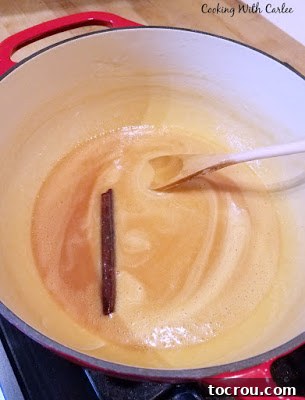
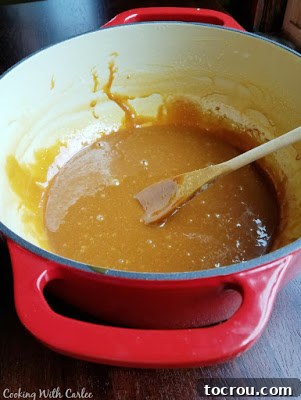
Return to medium heat and continue to cook, stirring frequently, until the mixture achieves a rich golden color and thickens to a consistency similar to honey. This process will typically take about 45 minutes to an hour. While you don’t need to stir constantly, it’s important to keep an eye on the pot to prevent it from sticking to the bottom.
-
Remove the pot from the heat and carefully remove the cinnamon stick. Stir in the 2 teaspoons vanilla extract and allow the Cajeta to cool slightly before transferring to jars.
-
Store your homemade Cajeta in an airtight container in the refrigerator for up to several weeks. It will firm up considerably when cold, but a short stint in the microwave will quickly return it to a pourable consistency.
Video
Nutrition Information
“Cooking With Carlee” is not a dietitian or nutritionist, and any nutritional information shared is an estimate. If calorie count and other nutritional values are important to you, we recommend running the ingredients through whichever online nutritional calculator you prefer. Calories and other nutritional values can vary quite a bit depending on which brands were used.
Did you try this recipe?
Don’t forget to leave a rating below and make sure to follow on Pinterest and Instagram for more!