Effortless Skillet Biscuit Bread: Your New Favorite Pone Bread Recipe
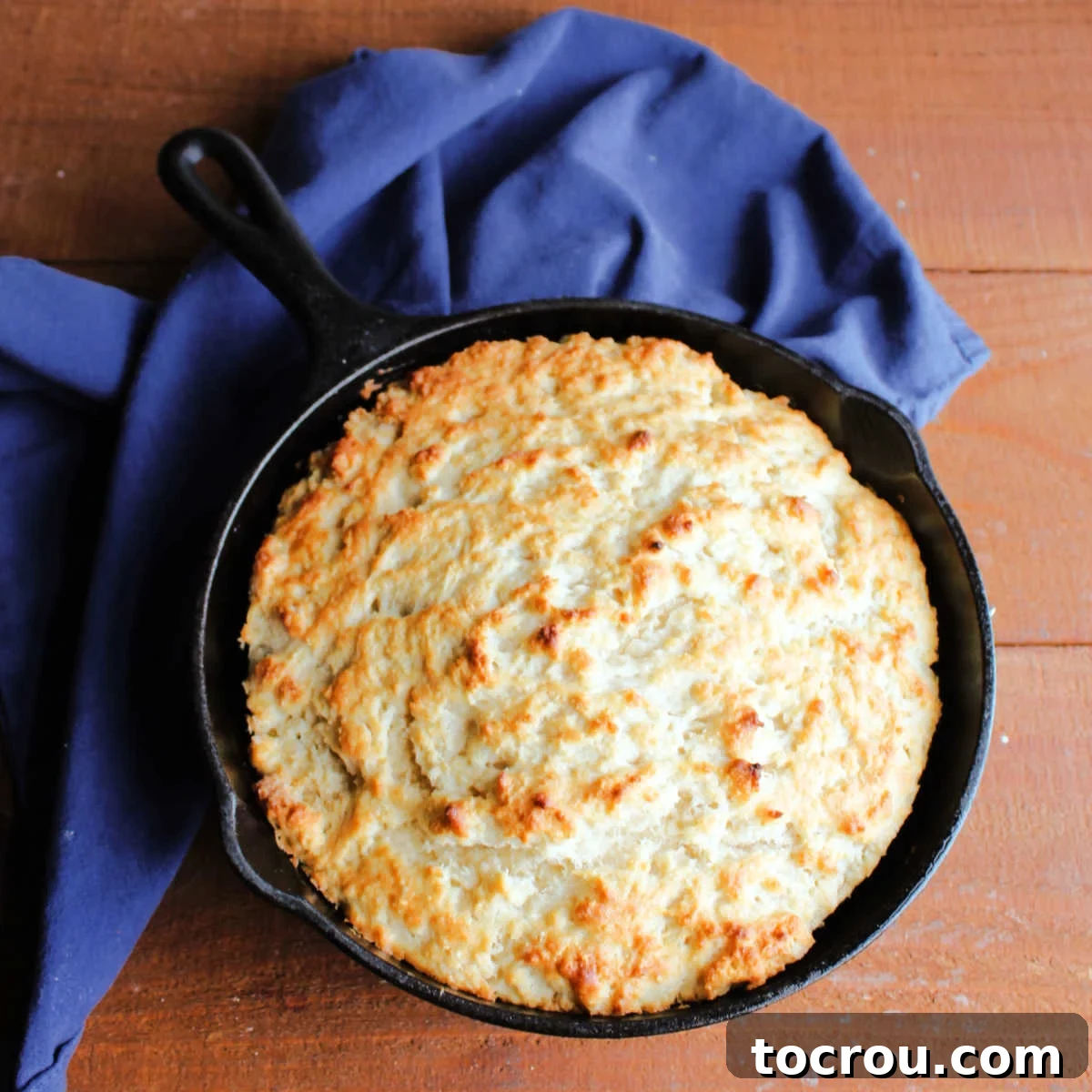
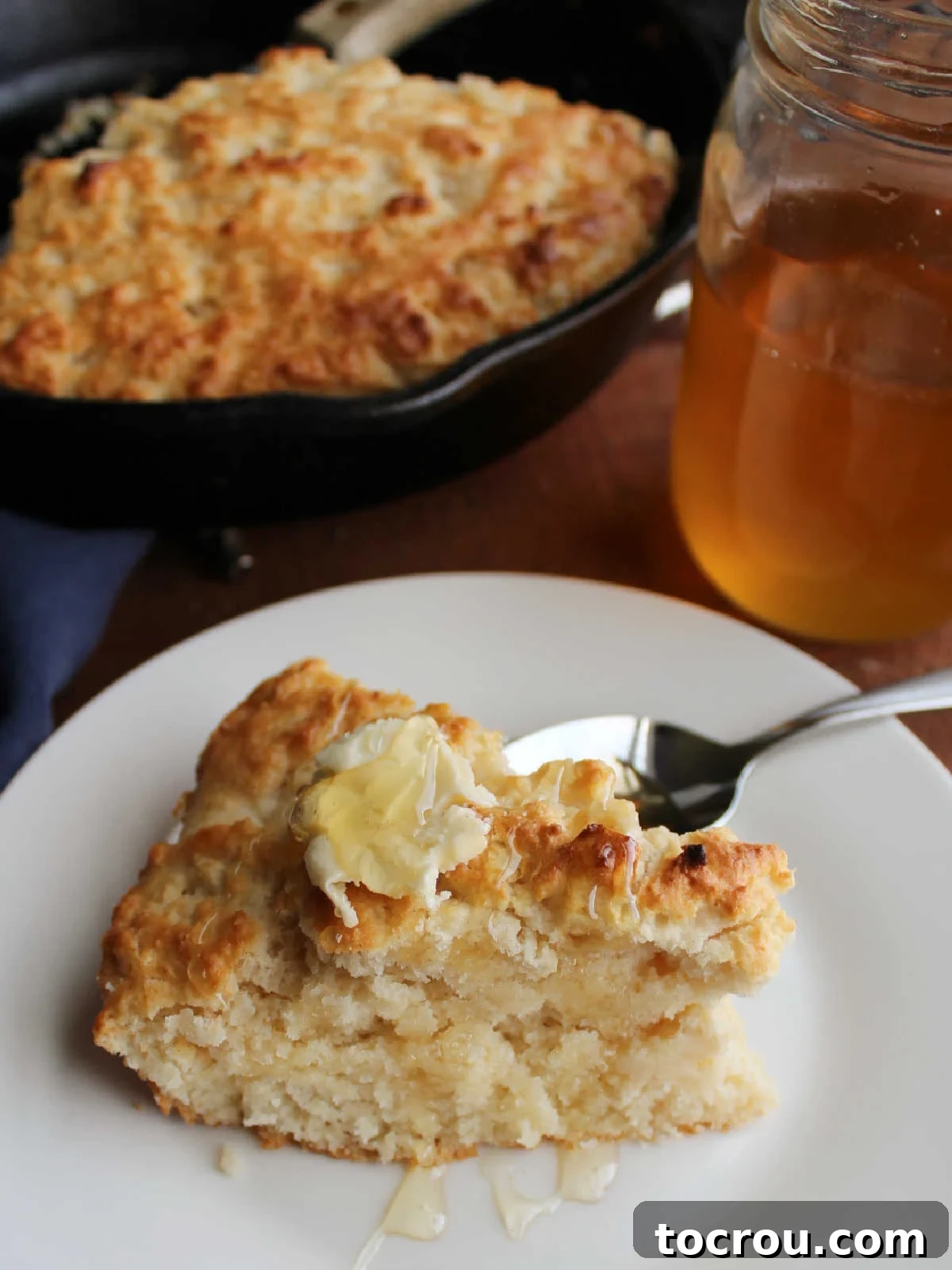
Are you a devoted fan of warm, fluffy homemade biscuits but find the traditional process a bit too time-consuming or fiddly? If so, then this remarkable pone bread recipe is precisely what you’ve been searching for. Often celebrated as “skillet biscuit bread,” this dish delivers all the comforting flavor and tender texture of a classic biscuit, but with significantly less effort. Imagine a large, golden-brown biscuit that bakes effortlessly in a single skillet – that’s the magic of pone bread.
What Exactly is Pone Bread? A Southern Comfort
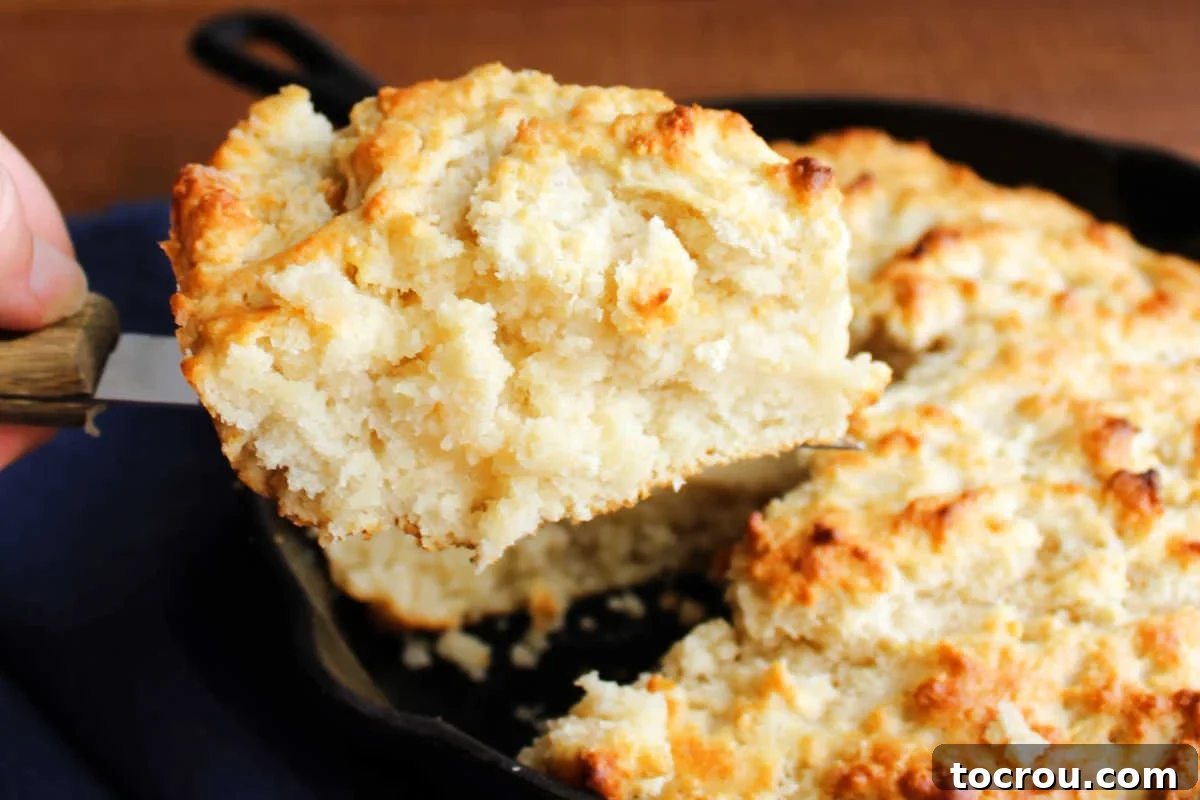
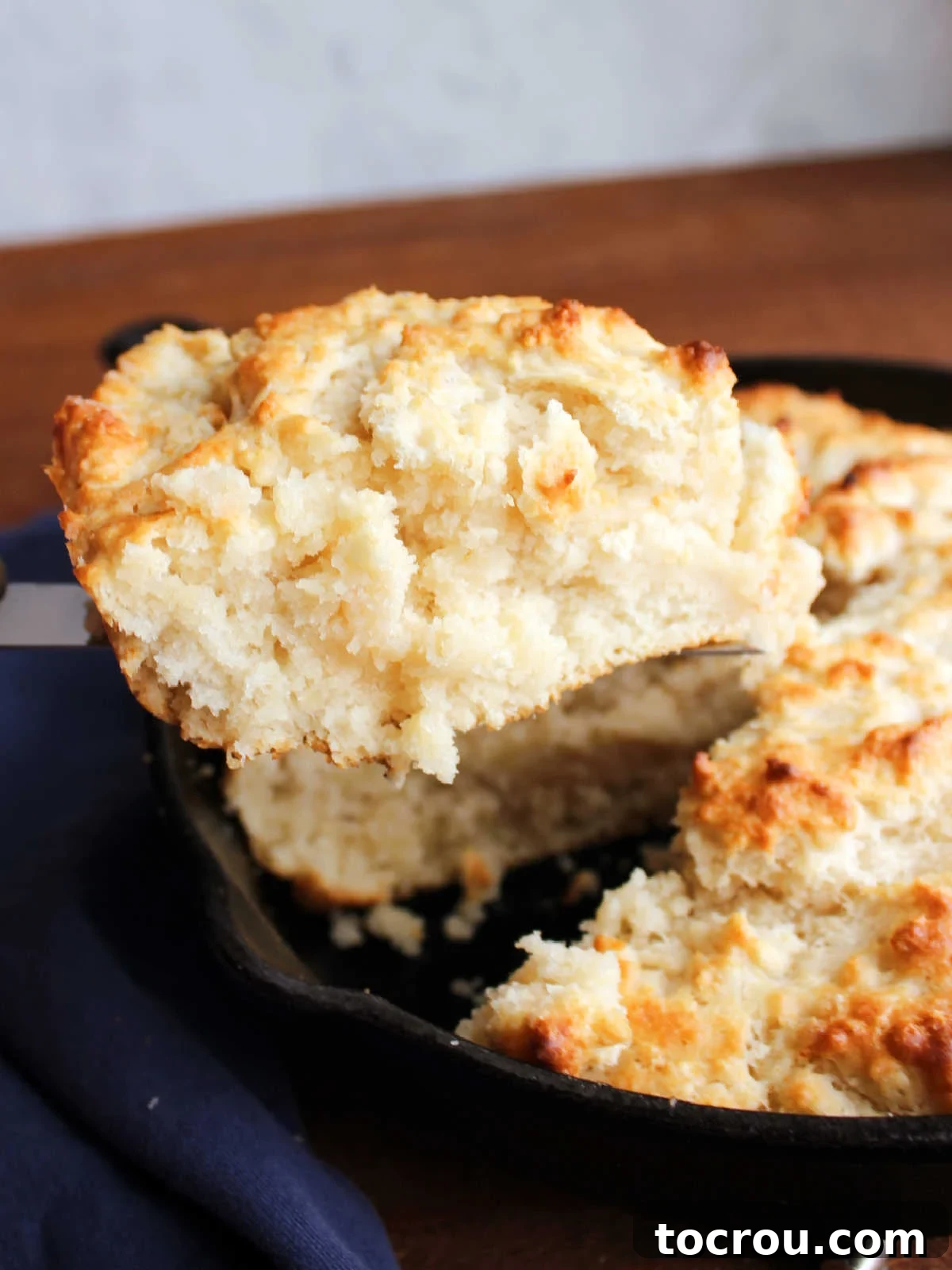
Pone bread is a delightful quick bread, characterized by its rustic charm and incredibly simple preparation. Traditionally baked in a skillet, it offers a distinct texture and flavor profile that closely resembles a tender, flaky biscuit. Its name, “pone,” often traces back to indigenous American origins, referring to a baked or roasted cornmeal bread. However, this particular recipe leans into a more biscuit-like texture, making it a versatile and beloved staple in many Southern kitchens.
The beauty of pone bread lies in its straightforward nature. Unlike individual biscuits that require rolling, cutting, and often a delicate touch, this recipe involves mixing a simple dough and spreading it into a hot skillet. The result is a single, large “biscuit” loaf that can be sliced and served, minimizing fuss without sacrificing an ounce of flavor or that satisfying, pull-apart texture.
Versatility on a Plate: How to Enjoy Your Skillet Biscuit Bread
One of the most appealing aspects of pone bread is its incredible versatility. It’s the perfect companion for a wide array of meals, easily transitioning from a savory side to a delightful sweet treat. Here are just a few ways you can savor this skillet biscuit bread:
- **Savory Pairings:** It’s absolutely phenomenal served alongside hearty dishes like soups, stews, or chili. The bread’s absorbent texture makes it ideal for soaking up rich broths and sauces. Imagine dipping a warm slice into a savory beef stew on a cold evening – pure comfort!
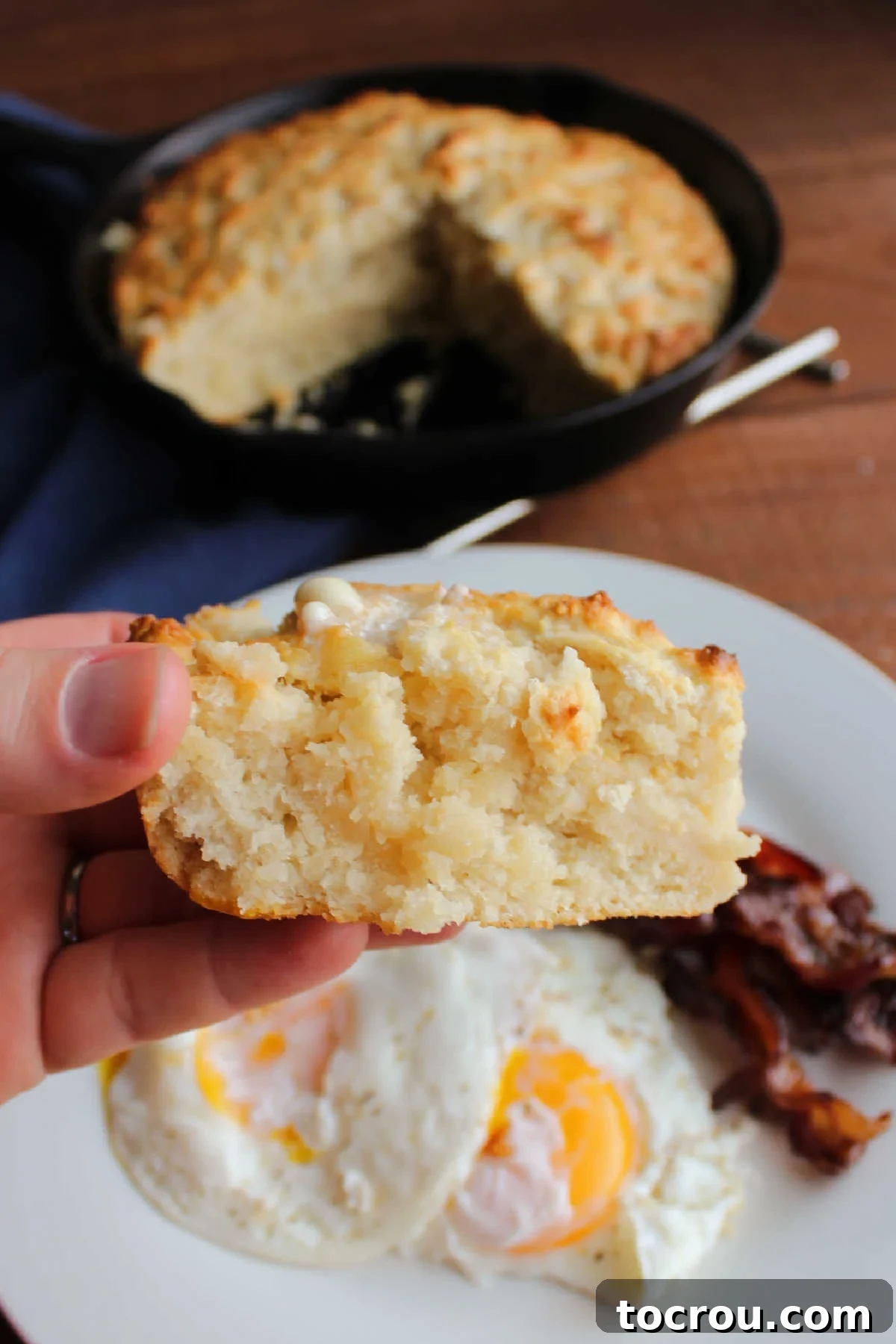
- **Breakfast of Champions:** For a truly indulgent breakfast, top your pone bread with some homemade sausage gravy. It’s a filling and utterly delicious way to start your day, mimicking a classic biscuits and gravy experience without the individual biscuit shaping.
- **Classic Enhancements:** A simple slather of butter, while the bread is still warm, allows it to melt into every crevice, creating an irresistible aroma and taste.
- **Sweet Indulgences:** Drizzling it with honey transforms pone bread into a subtly sweet delight. You can also imagine spreading it generously with your favorite fruit jam or marmalade for a treat that rivals any scone or quick bread. Apple butter, peach jam, or even a simple berry compote would be fantastic.
- **Replacing Other Breads:** Think of it as a convenient substitute for traditional biscuits or slices of skillet cornbread in almost any meal. Its robust texture holds up well to various toppings and accompaniments.
The Inspiration: A Family Favorite Discovered by MiMi
This fantastic recipe first graced our family table a few months ago, courtesy of my wonderful MiMi. She served it during a family dinner, and I vividly remember the entire loaf disappearing in what felt like mere minutes. Everyone, without exception, went back for seconds, and I suspect a few might have even managed a third helping. You know a recipe is a true winner when, by the end of the meal, only a scattering of crumbs remains on the serving plate!
Naturally, such a resounding success demanded that I obtain the recipe. MiMi, ever the culinary enthusiast, had found the foundational recipe in an old cookbook. However, the original version presented a few challenges. It called for self-rising flour, which isn’t a pantry staple for everyone (including myself!). More critically, it lacked essential details, like the ideal pan size, leaving some guesswork for the aspiring baker.
Adapting the Recipe for Everyday Bakers
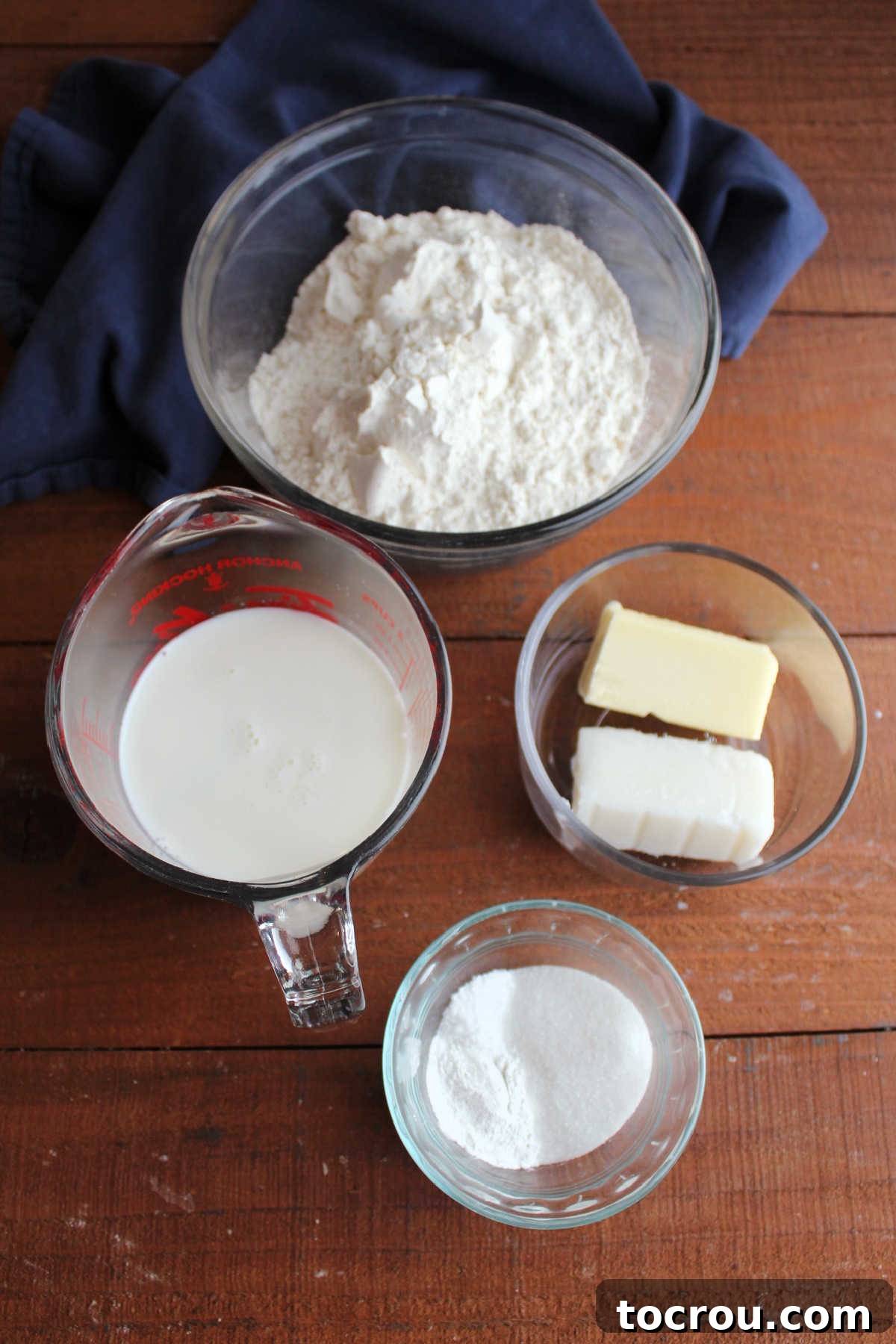
Like many home cooks, I typically don’t keep self-rising flour on hand. My pantry is always stocked with versatile all-purpose flour, and thankfully, I know just how to adapt recipes to make it work! This version of pone bread has been thoughtfully adjusted to utilize common all-purpose flour, ensuring that anyone can whip up a batch without a special trip to the grocery store. We’ll simply add the appropriate leavening agents – baking powder and a touch of salt – to achieve that perfect rise and texture.
The Secret to Incredible Texture: The Role of Lard (and Alternatives)
Another distinctive ingredient in this recipe is lard. For us, making our own lard is a natural part of processing hogs, so we always have a ready supply. Lard is a phenomenal fat for baking, contributing unparalleled flakiness and a rich depth of flavor to various dishes. It’s the secret behind some of my most cherished recipes, including Great Grandma’s lard pie crust, traditional lard biscuits, and even surprisingly, lard chocolate chip cookies.
Sourcing Lard and Easy Substitutions
Don’t fret if you don’t render your own lard! It’s becoming increasingly accessible. You can often find high-quality lard in well-stocked grocery stores, specialty food markets, or at your local butcher shop. If possible, opt for leaf lard, which is considered the highest quality and produces the flakiest results due to its neutral flavor and fine texture. However, any good quality rendered lard will work beautifully in this pone bread recipe.
Pro Tip: Lard Alternatives! If lard isn’t available or you prefer not to use it, don’t let that stop you from making this incredible bread! You can easily substitute it with an equal amount of solid vegetable shortening or additional cold butter. While the flavor and texture might have a slight variation, your pone bread will still turn out wonderfully moist, tender, and utterly fabulous!
Baking Perfection: Tips for Success with Pone Bread
Achieving a perfect loaf of pone bread is incredibly simple, but a few key tips can elevate your baking experience and ensure fantastic results every time:
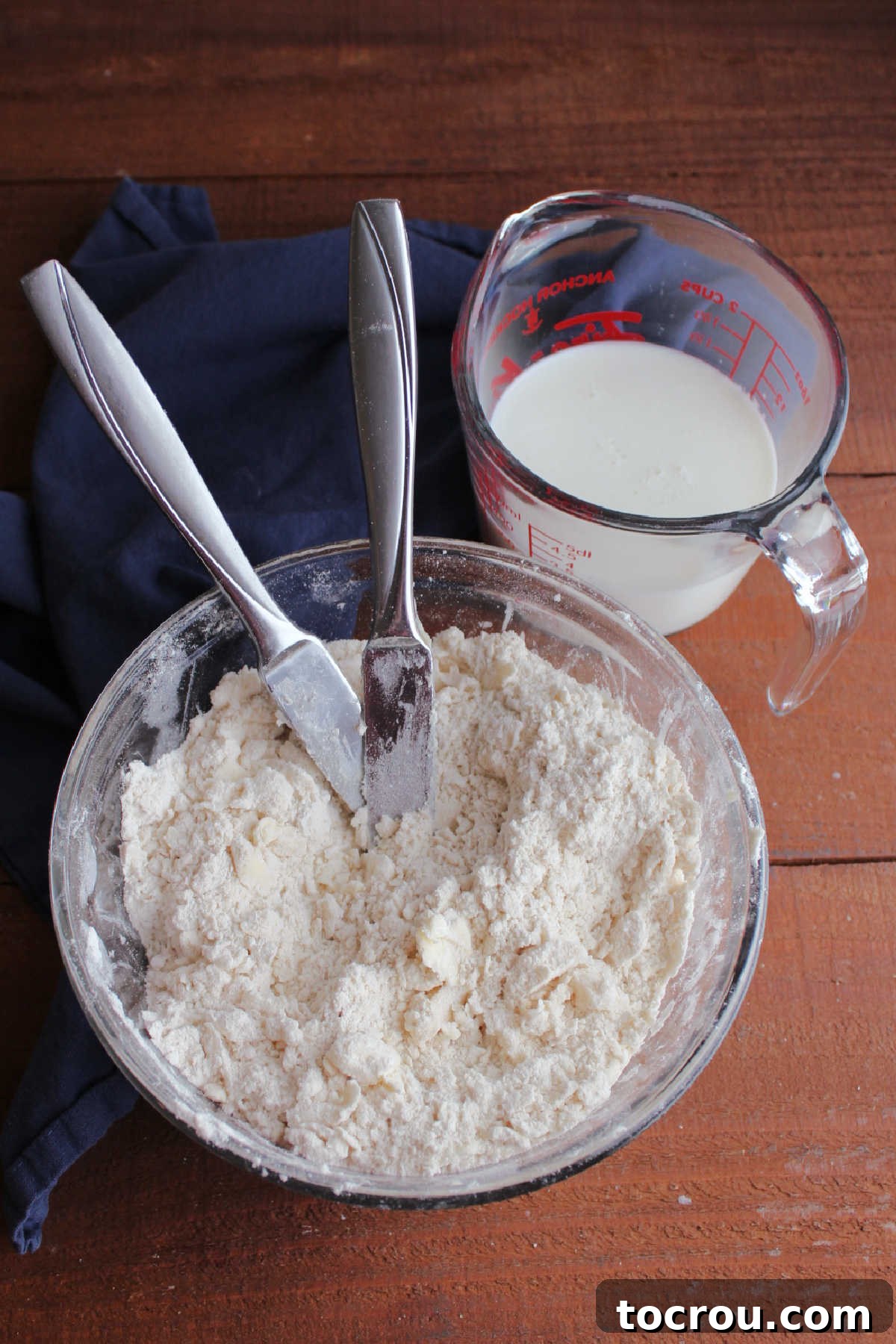
- **Don’t Overmix:** Just like with traditional biscuits, the key to tender pone bread is to avoid overmixing the dough. Stir until the ingredients are just combined; a few lumps are perfectly fine and even desirable. Overmixing develops the gluten too much, leading to a tough bread.
- **Cold Fats are Crucial:** Ensure your butter and lard (or shortening) are very cold. This helps create those wonderful pockets of steam during baking, resulting in a flaky texture. Using a pastry cutter or two knives to cut the fats into the flour mixture will help keep them cold and create pea-sized crumbles.
- **The Magic of Soured Milk:** Our recipe calls for soured milk, which mimics buttermilk. The acid in the vinegar or lemon juice reacts with the baking powder, providing an extra lift and tenderness to the bread. If you happen to have buttermilk on hand, feel free to use it directly in place of the milk and vinegar/lemon juice mixture.
- **Grease Your Skillet Well:** A well-greased cast iron skillet is essential for a golden crust and easy removal. The cast iron also helps conduct heat evenly, ensuring the bread bakes through beautifully.
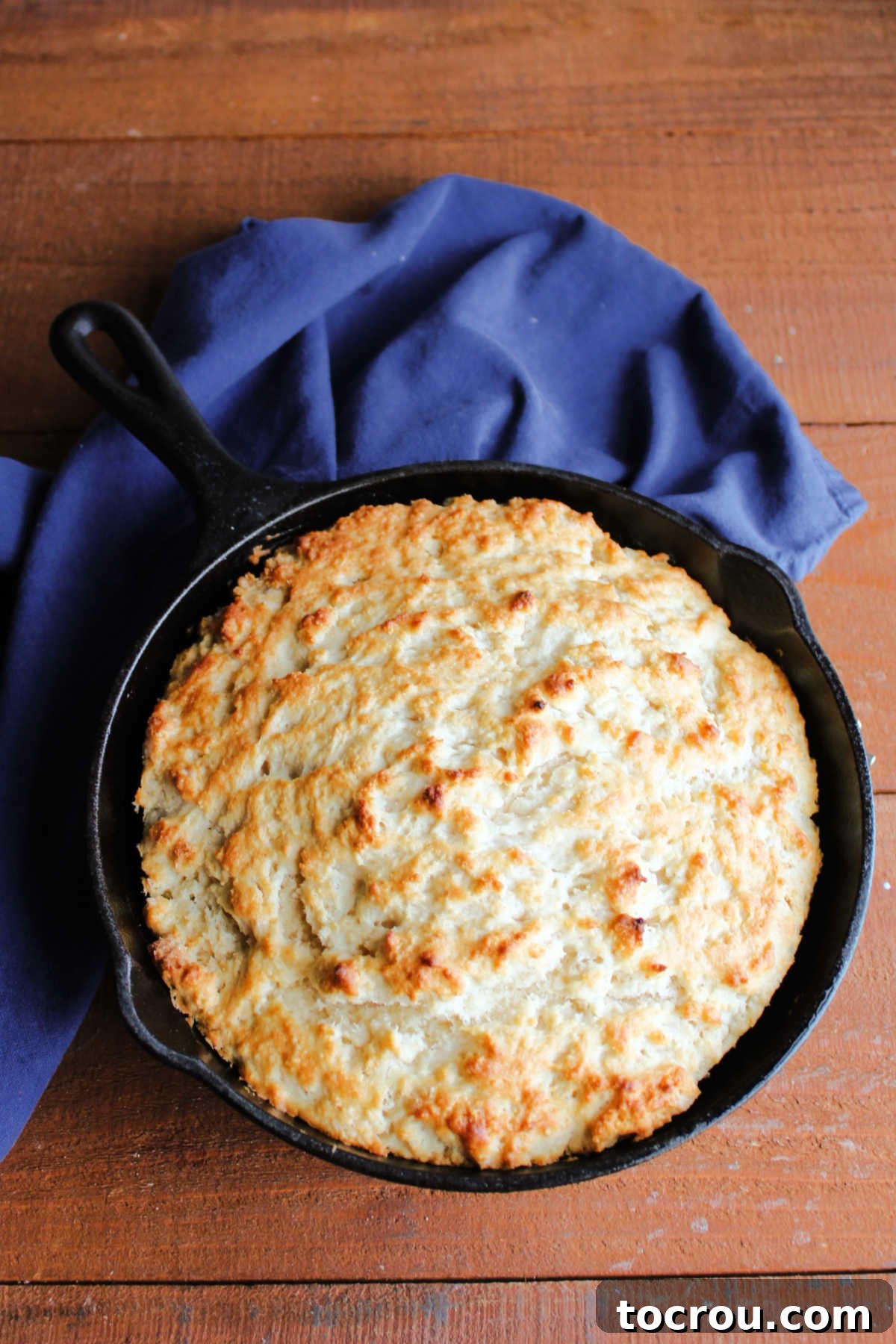
- **Check for Doneness:** The bread is ready when the top is beautifully golden brown and a wooden skewer or toothpick inserted into the center comes out clean.
- **Patience is a Virtue (for Cooling):** While it’s tempting to dive in immediately, allowing the pone bread to cool for 5-10 minutes in the skillet before slicing makes it easier to handle and ensures it sets properly.
The Pone Bread Recipe: Skillet Biscuit Bread
Pone Bread {Skillet Biscuit Bread}
Carlee
12
Servings
5
mins
25
mins
30
mins
Equipment
-
Lodge Cast Iron Skillet, 8-inch
-
OXO Dough Blender and Pastry Cutter
Ingredients
-
1¼
cup
milk -
1
Tablespoon
vinegar or lemon juice -
2½
cups
all-purpose flour -
3½
teaspoons
baking powder -
1
teaspoon
salt -
4½
teaspoons
granulated sugar -
¼
cup
butter -
¼
cup
lard
Instructions
-
Preheat oven to 450℉ and grease an 8 or 9-inch cast iron skillet.
-
Stir together milk and vinegar or lemon juice and set aside.1¼ cup milk,
1 Tablespoon vinegar or lemon juice -
In a medium mixing bowl, stir together flour, salt, sugar, and baking powder.2½ cups all-purpose flour,
3½ teaspoons baking powder,
1 teaspoon salt,
4½ teaspoons granulated sugar -
Cut the lard and butter into the dry ingredients using two knives or a pastry cutter. Stop when you have about pea sized crumbles.¼ cup butter,
¼ cup lard -
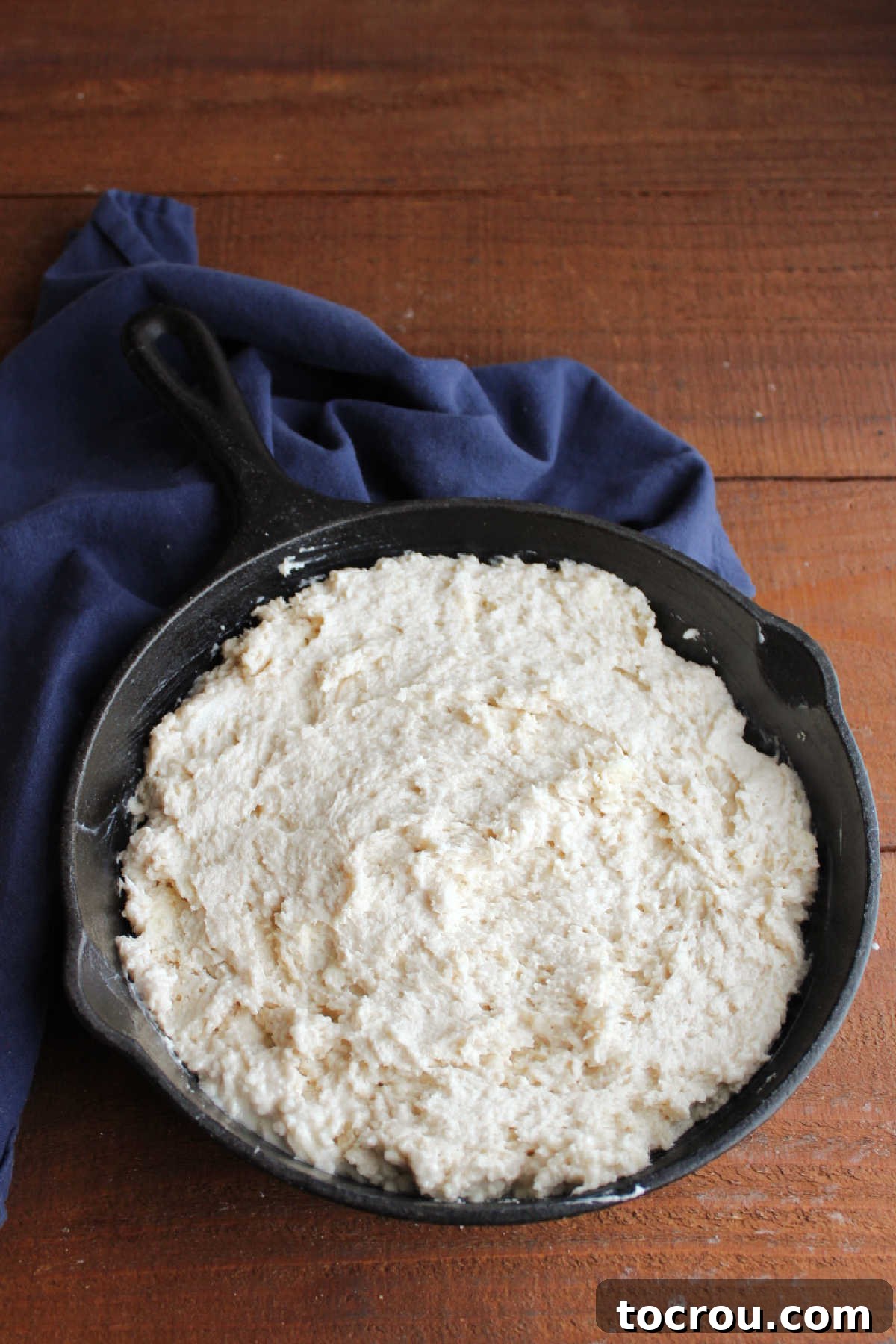
Add the soured milk and stir until just incorporated. The dough should be thick, but its okay if it is a little bit sticky.
-
Spoon into skillet and bake 20-25 minutes or until the top is golden.
-
Cool 5-10 minutes, then cut into slices and serve.
Notes
If you don’t have a cast iron skillet, try using a pie plate or a cake pan.
You can use shortening or additional butter in place of the lard.
Nutrition Information
Serving:
1
Serving
|
Calories:
148
kcal
|
Carbohydrates:
23
g
|
Protein:
3
g
|
Fat:
5
g
|
Saturated Fat:
3
g
|
Polyunsaturated Fat:
0.3
g
|
Monounsaturated Fat:
1
g
|
Trans Fat:
0.2
g
|
Cholesterol:
13
mg
|
Sodium:
356
mg
|
Potassium:
61
mg
|
Fiber:
1
g
|
Sugar:
3
g
|
Vitamin A:
189
IU
|
Vitamin C:
0.3
mg
|
Calcium:
101
mg
|
Iron:
1
mg
“Cooking With Carlee” is not a dietitian or nutritionist, and any nutritional information shared is an estimate. If calorie count and other nutritional values are important to you, we recommend running the ingredients through whichever online nutritional calculator you prefer. Calories and other nutritional values can vary quite a bit depending on which brands were used.
Did you try this recipe?
Don’t forget to leave a rating below and make sure to follow on Pinterest and Instagram for more!