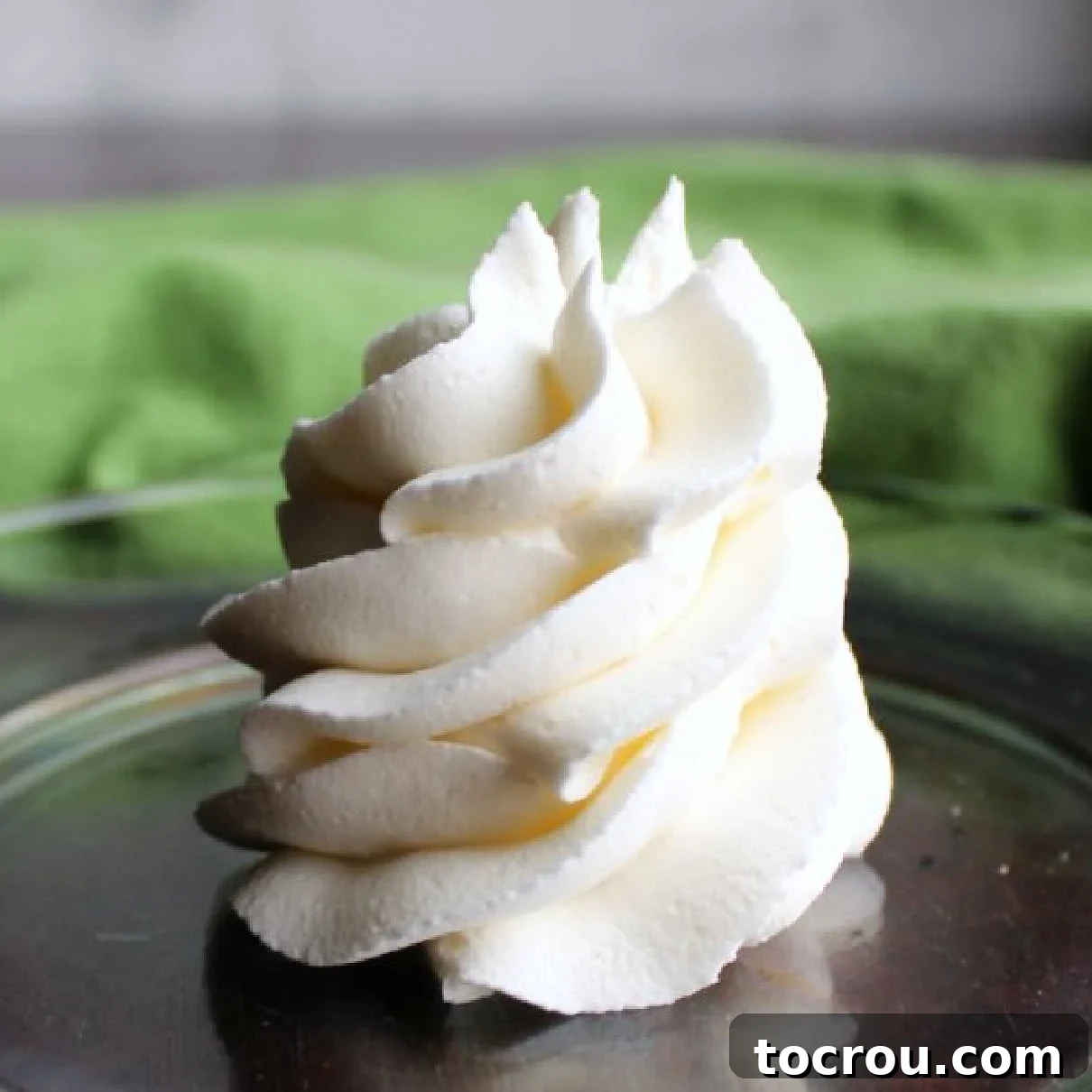
Welcome to the ultimate guide for creating the most luscious, fluffy, and perfectly pipeable classic American buttercream. This beloved frosting is not just a treat for the eyes but a delight for the taste buds, making it the ideal companion for everything from delicate cupcakes and elegant layer cakes to simple cookies and even sandwiched between graham crackers for an easy dessert hack.
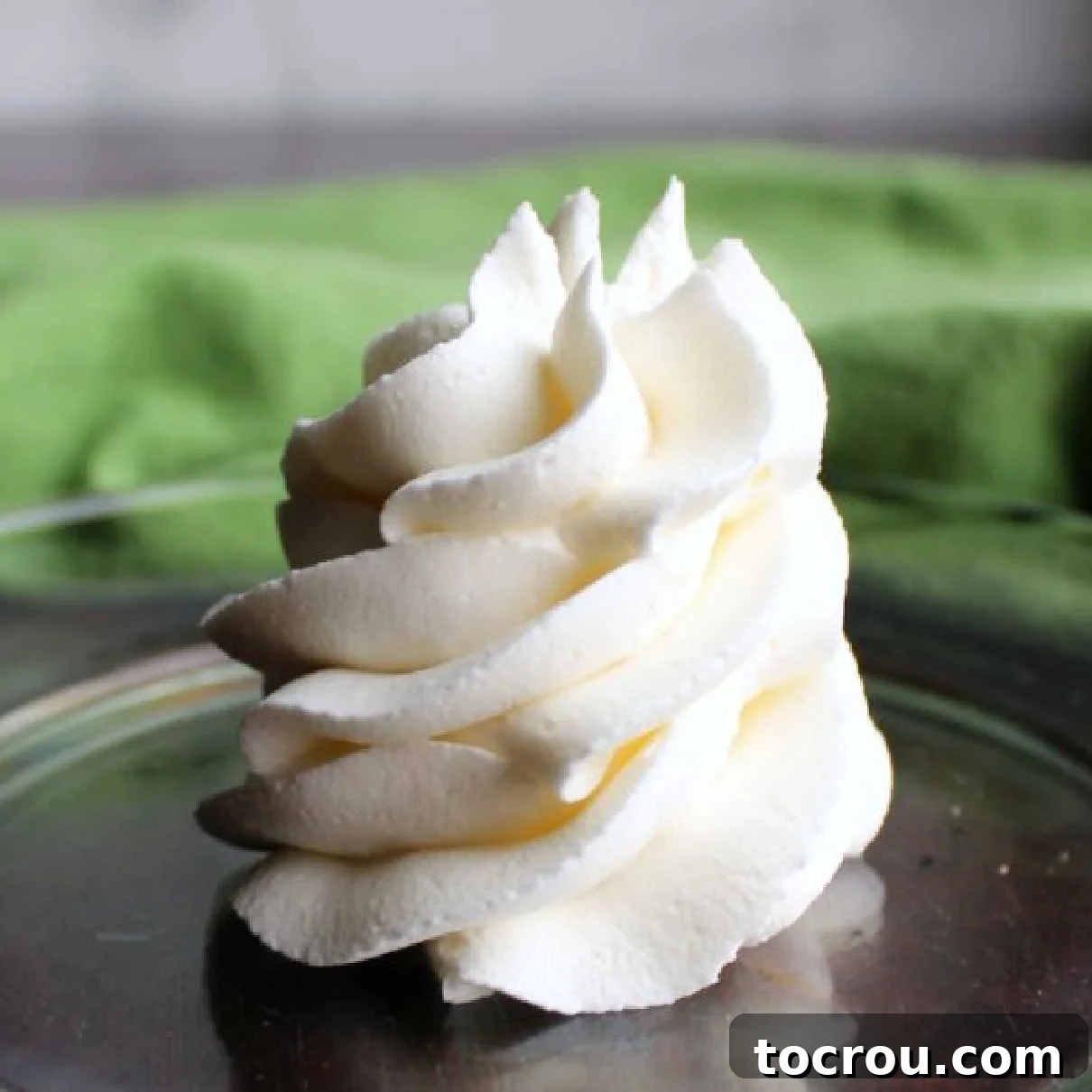
There’s an undeniable magic in homemade frosting that simply can’t be replicated by store-bought tubs. If you’re searching for an incredibly easy recipe that boasts minimal steps, requires only a handful of staple ingredients, and delivers an unparalleled taste and texture, then this classic American buttercream recipe is precisely what you need in your baking repertoire.
This versatile frosting is a true workhorse in the kitchen. Its stable yet yielding consistency makes it perfect for piping intricate shapes, elaborate borders, and delicate floral designs. Beyond decorative flair, it also spreads smoothly and effortlessly over cakes, creating a flawless canvas for your culinary artistry. Deliciously rich and adaptable to countless flavor profiles, it’s no wonder this buttercream remains a firm favorite among bakers of all skill levels.
Few culinary creations are as straightforward to prepare as American buttercream. The simplicity of its process often leads bakers to ponder why they ever settled for those pre-packaged tubs of frosting. Once you experience the superior taste and texture of a homemade batch, you’ll be hard-pressed to go back.
Crafted from just four fundamental ingredients, most of which are likely already in your pantry, this buttercream transforms into a light, airy, and utterly delectable frosting. Its inherent simplicity makes it a fantastic starting point for beginners, while its versatility ensures it remains a go-to for seasoned bakers.
Beyond its core deliciousness, American buttercream is incredibly adaptable. You can effortlessly switch up the extract to match the season, your mood, or the flavor profile of your baked goods. From classic vanilla to vibrant lemon or rich almond, the possibilities for customization are truly endless.
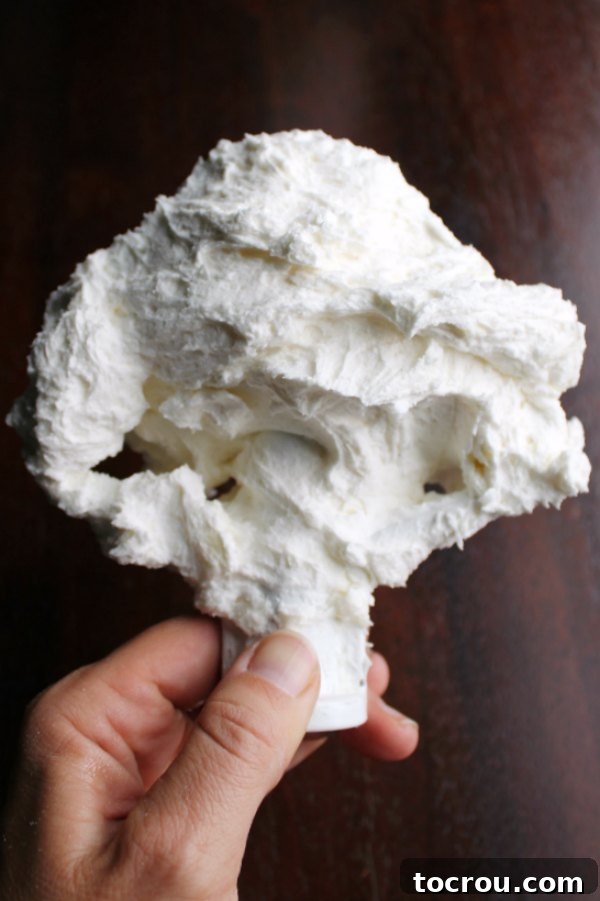
Whether you prefer a slightly thinner consistency for spreading elegant layers or a thicker, more robust texture for detailed piping, this recipe can be easily adjusted to suit your needs. Or, for a truly no-fuss indulgence, simply grab a graham cracker and dip straight into the bowl – we won’t tell!
Why American Buttercream Stands Out as the Best Frosting
As an avid baker, my passion for frosting is no secret. I revel in the endless possibilities of experimenting with diverse flavors and captivating textures. However, amidst a vast array of frosting recipes, a fundamental buttercream recipe like this one holds a special place. It’s an essential staple in every baker’s arsenal, a foundation upon which countless sweet creations are built, regardless of how many other frosting styles you explore and adore.
Unlike its more temperamental counterparts, such as Swiss meringue buttercream or Italian meringue buttercream, this American classic eliminates the need for any fuss with egg whites, demanding less precision and considerably less time. You also won’t find egg yolks here, a common ingredient in traditional French buttercream, further simplifying the process and making it accessible to even the most novice bakers. What you get is a delightfully light and fluffy frosting, achieved with just a few straightforward ingredients and minimal effort.
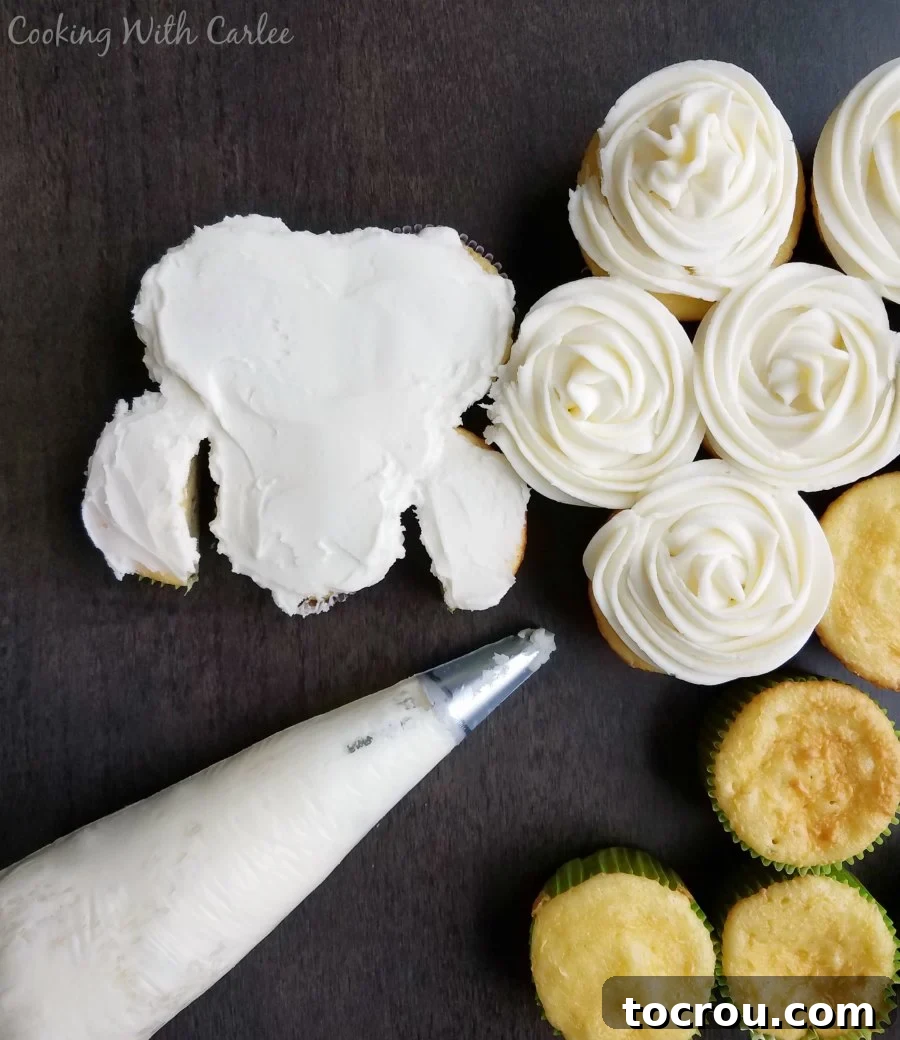
Once you’ve mastered this fundamental American buttercream frosting recipe, a world of creative possibilities opens up. Its inherent stability means it holds its shape beautifully, making it the perfect buttercream for piping intricate decorations, creating sharp edges on cakes, or adding simple swirls to cupcakes. The limits to the variations you can craft are truly boundless.
If you appreciate the comforting richness of buttercream but are eager to explore exciting twists, consider venturing into other delightful variations. For a uniquely creamy experience, my sweetened condensed milk buttercream offers a depth of flavor that’s both comforting and unexpected. Alternatively, my white chocolate buttercream provides a luxurious, velvety texture and rich, sweet notes that are simply amazing.
And of course, for the chocolate lovers, there’s the ever-popular chocolate buttercream, a timeless classic. For something a little whimsical and irresistibly sweet, try the marshmallow buttercream. With so many fantastic options, you might need to start baking a whole host of cakes and cupcakes just so you can try them all!
Mastering American Buttercream: Storage and Longevity
Proper storage is key to extending the life and maintaining the quality of your homemade American buttercream. This frosting is remarkably forgiving when it comes to storage, allowing you to prepare it in advance and keep it fresh for future baking projects.
At room temperature, American buttercream can be safely stored for up to two days. To prevent it from forming an unappealing crust and drying out, always ensure it is kept in an airtight container. This simple step preserves its smooth texture and fresh flavor.
For longer storage, transfer the buttercream into an airtight container and refrigerate it for up to two weeks. If you need to store it for an even more extended period, it freezes beautifully for up to two months. When you’re ready to use refrigerated or frozen buttercream, simply bring it back to room temperature. This might take a few hours on the counter, or you can gently warm it in a microwave for very short bursts, stirring frequently, until it reaches a soft consistency. Once at room temperature, give it a good whip in your stand mixer or with a hand mixer until it regains its light, fluffy texture and is perfectly smooth and ready to use for frosting or decorating.
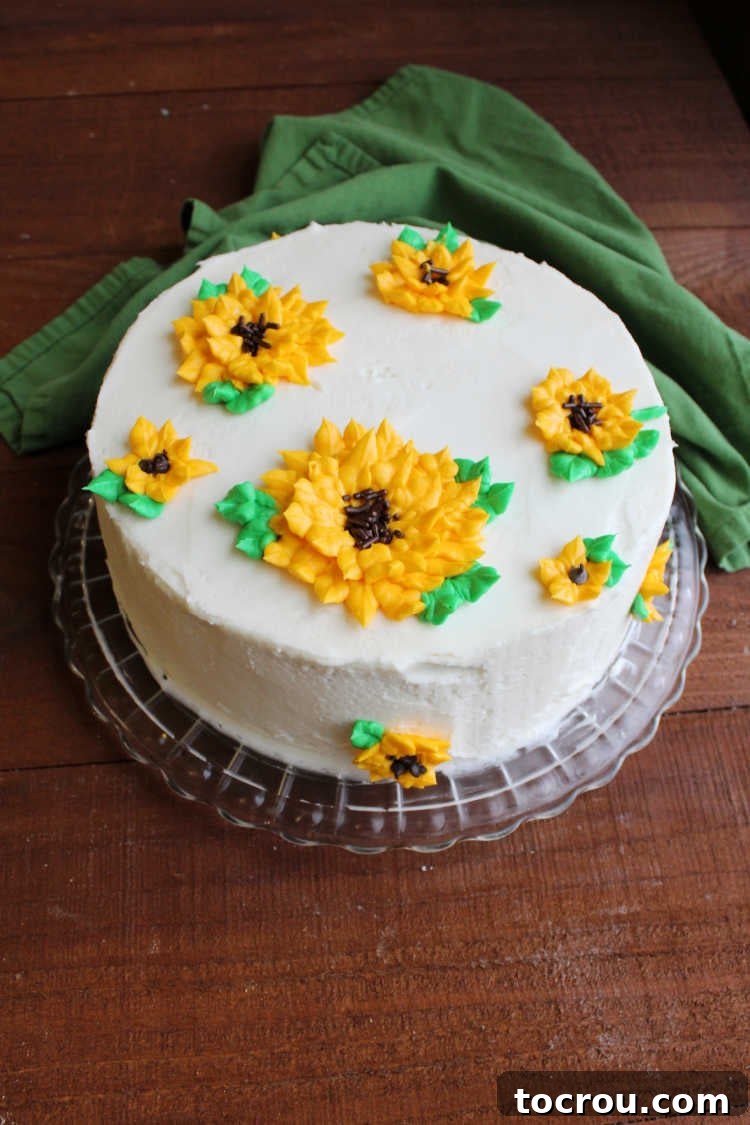
Essential Tips for Crafting the Best American Buttercream Frosting
Creating perfect American buttercream is straightforward, but a few key tips can elevate your frosting from good to truly exceptional:
- **Start with Room Temperature Butter:** This is perhaps the most crucial step. Your butter should be soft enough to easily indent with your finger, but not so soft that it appears greasy or melted. Properly softened butter creams smoothly with the sugar, creating an emulsified, airy base. Cold butter will result in a lumpy, inconsistent frosting, while overly warm butter can lead to a greasy, separated texture. Plan ahead and take your butter out of the refrigerator at least an hour or two before you begin.
- **Adjust Liquid Gradually:** The amount of milk or cream you’ll need can vary significantly based on factors like the temperature of your kitchen, the humidity levels, and your desired frosting consistency. Always add your liquid component (heavy cream or whole milk) a tiny bit at a time. Begin with the recommended amount, then add small splashes, perhaps half a teaspoon at a time, until you achieve the perfect spreadable or pipeable consistency. It’s much easier to add more liquid than to correct an overly thin frosting by adding more powdered sugar, which can drastically alter the sweetness and volume.
- **Combat Excessive Sweetness:** If you find your buttercream tastes a little too sweet, a common issue with American buttercream, there’s a simple trick. Add half a teaspoon of lemon juice and a tiny pinch of salt. These ingredients won’t be detectable as distinct flavors themselves, but their acidity and savory notes will subtly cut through the sweetness, balancing the overall profile and making the frosting more enjoyable.
- **Experiment with Flavors and Textures:** Don’t be afraid to customize your buttercream! While vanilla is classic, feel free to play with different extracts like almond, peppermint, lemon, or even coffee. You can also incorporate fruit purées (ensure they are reduced and cooled to avoid adding too much moisture), melted and cooled chocolate, or citrus zests for added depth. Adjust the butter-to-sugar ratio slightly to fine-tune the texture. Baking should be fun, so embrace the opportunity to experiment with your food and discover new favorites!
- **Beat for Airiness:** Don’t skimp on the beating time. After incorporating the sugar, turn your mixer to medium-high speed and beat for at least 3-5 minutes. This process whips air into the butter and sugar mixture, making the buttercream incredibly light and fluffy, rather than dense and heavy.
- **Scrape the Bowl Frequently:** As you mix, butter and sugar can cling to the sides and bottom of the bowl, especially in a stand mixer. Stop your mixer periodically and use a rubber spatula to scrape down the sides and bottom. This ensures all ingredients are thoroughly incorporated, leading to a smooth, uniform frosting without any unmixed pockets.
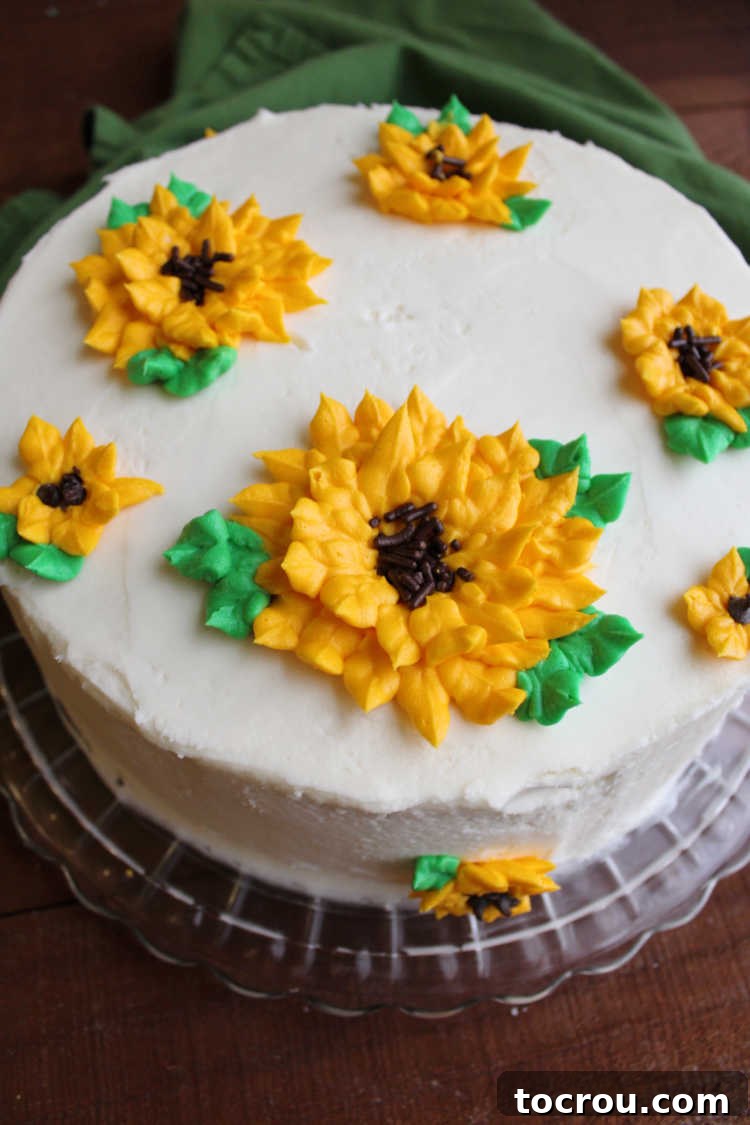
Watch Me Use This Frosting to Decorate a Sunflower Cake
Curious to see this amazing buttercream in action? Click this link to watch a fun and easy video demonstration where I transform a simple white layer cake into a cheerful sunflower masterpiece using this very buttercream recipe. It’s a fantastic way to visualize the piping consistency and get inspiration for your next baking project!
Frequently Asked Questions About American Buttercream
What exactly is American buttercream made of?
American-style buttercream is a deliciously simple and classic frosting created by creaming together softened butter, a generous amount of confectioners’ (powdered) sugar, and a touch of liquid, typically milk or heavy cream. The most common flavoring is vanilla extract, but its versatility allows for an endless array of flavor variations.
Does American buttercream melt easily?
One of the appealing characteristics of American buttercream is that it forms a light crust as it sits, which helps it maintain its shape and stability, especially for piped decorations. It generally does not melt at typical room temperatures. While it performs reasonably well in moderately warm conditions, it will naturally soften and may lose its structure if exposed to temperatures hot enough to melt the butter. For increased heat stability, particularly if you anticipate serving your frosted goods in a warmer environment, you can substitute a portion of the butter with vegetable shortening. This addition will help the frosting hold up better without significantly altering the taste.
What’s the difference between American buttercream and other buttercreams?
American buttercream is often considered the simplest buttercream to make. It relies on a direct creaming method of butter and powdered sugar. In contrast, Swiss meringue buttercream and Italian meringue buttercream both involve cooking egg whites with sugar to create a meringue base, which is then whipped with butter. These meringue-based buttercreams tend to be silkier, less sweet, and more stable in warm weather, but require more steps and precision. French buttercream uses egg yolks, giving it a rich, custard-like consistency, but it’s also less stable than American or meringue buttercreams.
Can I make American buttercream ahead of time?
Absolutely! American buttercream is an excellent make-ahead option. As detailed in the storage section above, you can prepare it and store it in the refrigerator for up to two weeks or freeze it for up to two months. When you’re ready to use it, simply bring it to room temperature and re-whip it in your stand mixer or with a hand mixer until it’s light, fluffy, and smooth again. This makes it a perfect choice for busy bakers who like to plan ahead.
Discover More Delicious Twists on American Buttercream
If you’re eager to expand your frosting horizons beyond the classic vanilla, these delightful variations of American buttercream are sure to inspire your next baking adventure. Each offers a unique flavor profile while retaining the beloved texture and ease of preparation.
White chocolate buttercream frosting is genuinely one of my all-time favorites, and as someone who adores frosting, I don’t say that lightly! It’s incredibly creamy, delightfully fluffy, and irresistibly fun to work with. The exquisite white chocolate flavor shines through beautifully, adding a touch of elegance and indulgence to any dessert.
Sweetened condensed milk buttercream is remarkably simple to create, yet it adds that special “something extra” you can’t quite pinpoint. This unique frosting boasts a rich, creamy texture and a depth of sweetness that sets it apart, making it utterly delicious and surprisingly addictive. It’s a fantastic choice when you want to impress with minimal effort.
Indulge in the creamy goodness of peanut butter buttercream, enhanced with just a hint of brown sugar. This perfectly fluffy and undeniably delicious frosting is an absolute dream for peanut butter lovers. Pipe it generously onto your favorite cake or cupcakes for an extra special treat that’s guaranteed to be a crowd-pleaser.
4.86 from 48 ratings
American Buttercream Frosting
Ingredients
- 1 cup unsalted butter softened
- 3 cups powdered sugar
- 2 teaspoons vanilla extract
- 1 Tablespoon heavy cream or whole milk
- 1 pinch salt
Instructions
-
In a large mixing bowl or the bowl of a stand mixer fitted with the paddle attachment, lightly cream the softened unsalted butter. Beat on medium-low speed for about 1-2 minutes until smooth and lump-free.1 cup unsalted butter
-
Gradually add the powdered sugar and the pinch of salt to the butter. Start mixing on the lowest speed to avoid a cloud of sugar. Once most of the sugar is incorporated, stop and scrape down the sides and bottom of the bowl thoroughly with a rubber spatula. Continue to mix on low speed until all the sugar is combined with the butter and no dry pockets remain.3 cups powdered sugar, 2 teaspoons vanilla extract
-
Increase the mixer speed to medium-high. While the mixer is running, slowly drizzle in the vanilla extract and the heavy cream or whole milk. Beat for a full 3-5 minutes until the frosting becomes incredibly light, fluffy, and noticeably increased in volume. The longer you beat it, the lighter and airier it will be.1 Tablespoon heavy cream or whole milk, 1 pinch salt
-
Assess the consistency. If the frosting seems too stiff for spreading or piping, add more milk or cream, a quarter teaspoon at a time, beating after each addition until your desired consistency is reached. If it appears too thin, add an additional tablespoon or two of powdered sugar, beating until smooth and thick enough.
-
Once you have the desired consistency, use a spatula to gently stir the frosting by hand. This step helps to “de-air” the frosting, knocking out any large air bubbles that may have formed during mixing, resulting in a smoother finish when applied to your baked goods. Your perfect American buttercream is now ready to transform your cakes, cupcakes, and cookies!
Notes
Video
Nutrition Information
“Cooking With Carlee” is not a dietitian or nutritionist, and any nutritional information shared is an estimate. If calorie count and other nutritional values are important to you, we recommend running the ingredients through whichever online nutritional calculator you prefer. Calories and other nutritional values can vary quite a bit depending on which brands were used.
Did you try this recipe?
Don’t forget to leave a rating below and make sure to follow on Pinterest and Instagram for more delicious recipes and baking inspiration!