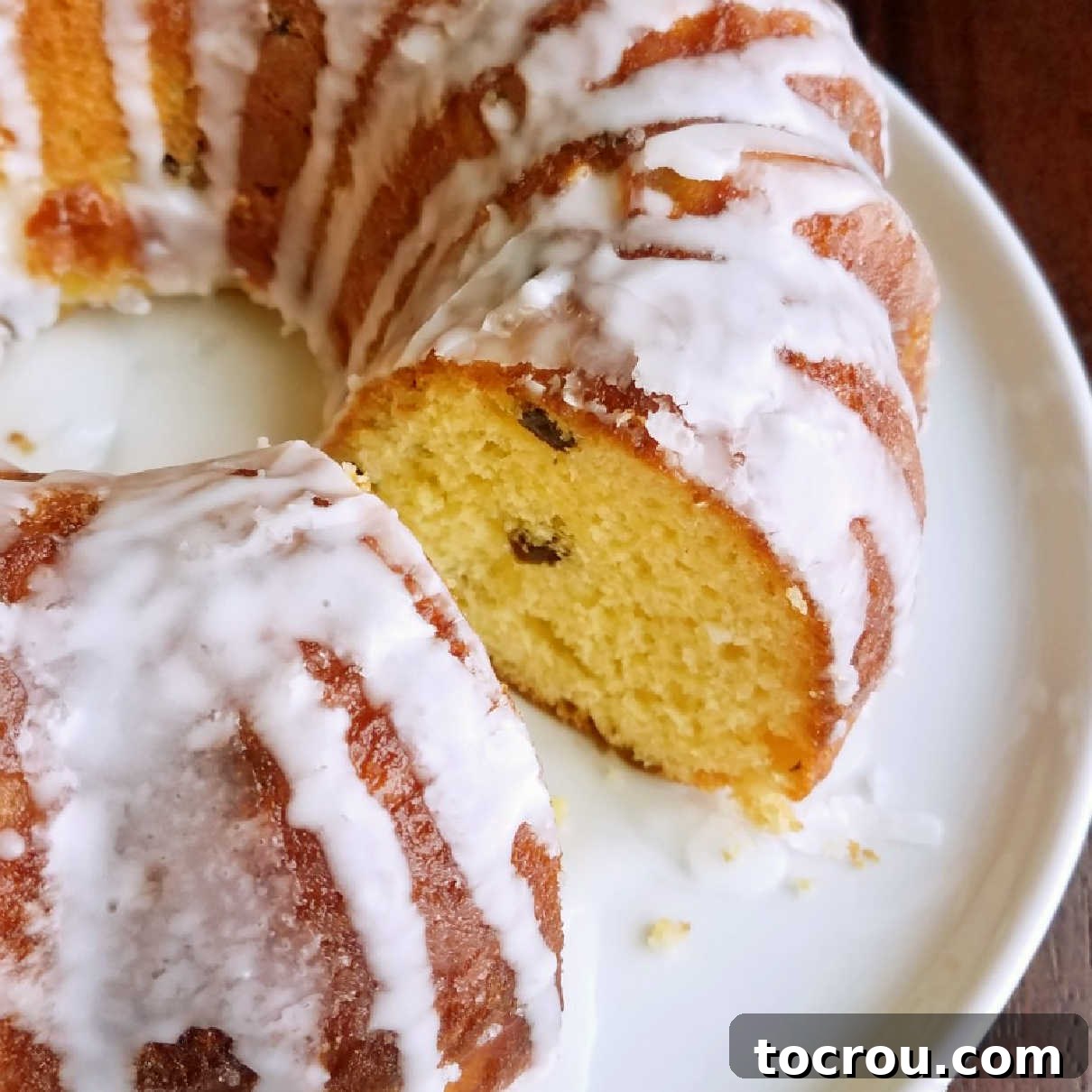
Authentic Polish Lemon Babka: A Sweet Easter Tradition
Imagine a culinary masterpiece born from the loving embrace of bread and cake—a creation that marries the fluffy texture of a traditional cake with the comforting, slightly chewy resilience of a rich yeast bread. That’s precisely what Polish Babka is: a delightful paradox, a sweet yeast bread that is just sweet enough, yet incredibly tender and moist. This revered pastry, especially our bright and zesty Lemon Babka, stands as a testament to the magic that happens when simple ingredients are transformed into something truly extraordinary.
The Heart of Polish Easter: A No-Knead Wonder
For countless Polish families around the world, Easter isn’t truly complete without a homemade Babka gracing the holiday table. This isn’t just a cake; it’s a cherished Easter tradition, a symbol of spring and celebration. What makes this particular Lemon Babka truly exceptional is its innovative no-knead preparation method. Despite its simplicity, it yields an enriched yeast bread that becomes incredibly soft and flavorful, especially once it has soaked up a generous “river” of syrupy lemon goodness.
The final result is nothing short of sublime: a wonderfully tender and aromatic bread, bursting with bright lemon flavor, making it the perfect companion to a steaming cup of coffee or tea during Easter brunch. So, go ahead, pour yourself a mug, grab a slice, and let’s delve into the delightful experience of this unique Polish pastry together.
Mastering the Unique Babka Dough
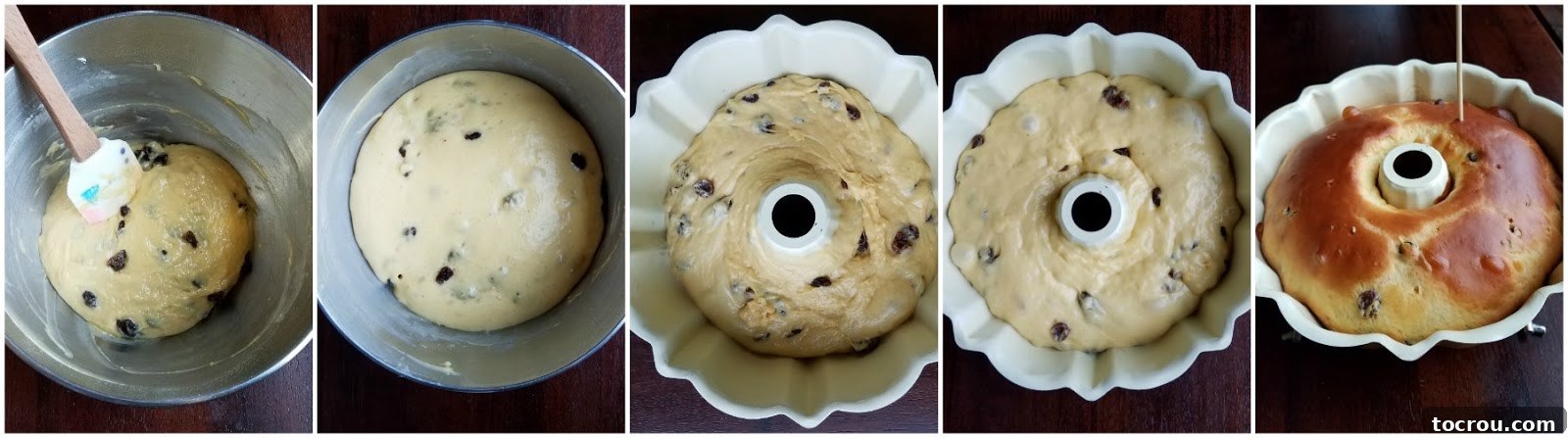
One of the most intriguing aspects of this Polish Lemon Babka recipe is its distinctly unconventional dough. Unlike traditional bread doughs that are typically firm and elastic, Babka dough is remarkably loose—often resembling a thick batter rather than a conventional bread mass. This texture is intentional and plays a crucial role in achieving the characteristic cake-like crumb.
When preparing the dough, you’ll beat it in your stand mixer just enough to coax the gluten into developing a subtle structure, but critically, not so much that it develops a chewy, bread-like texture. The goal is to maintain that delicate, almost crumbly tenderness that defines a perfect Babka.
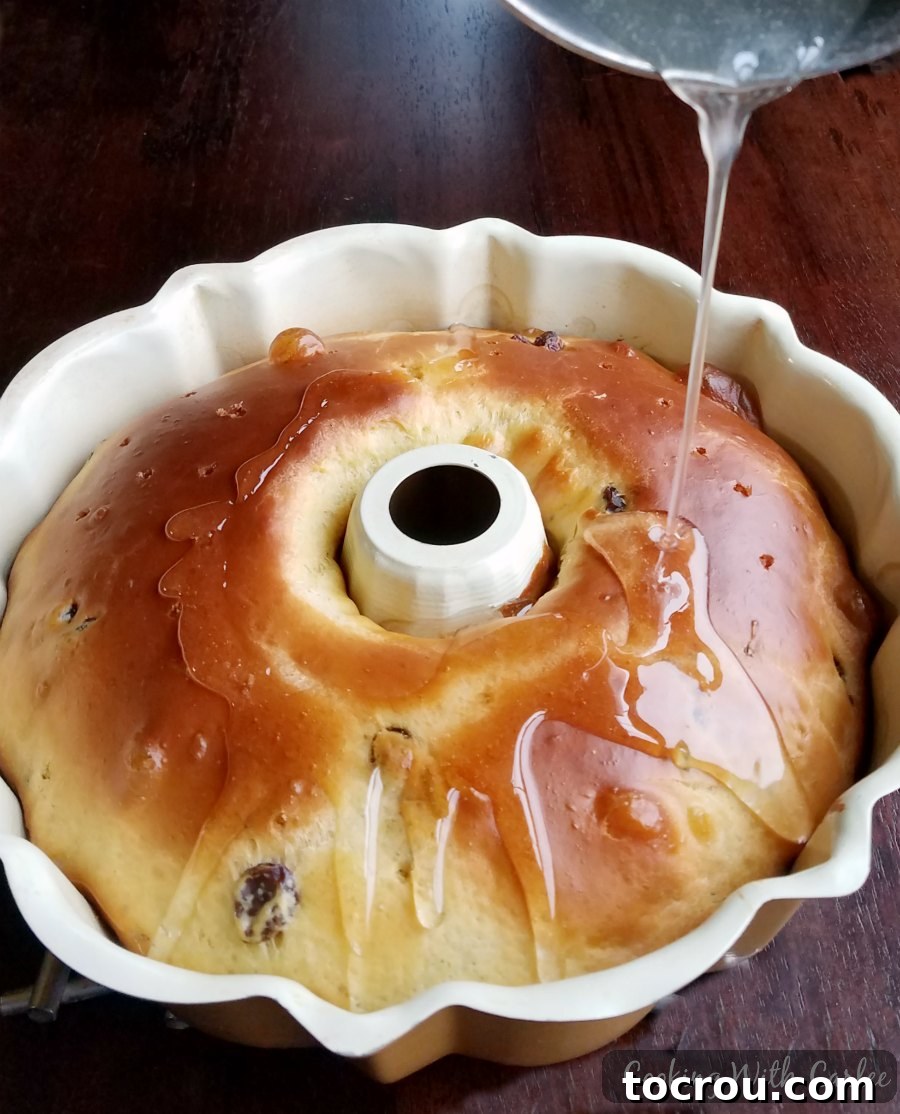
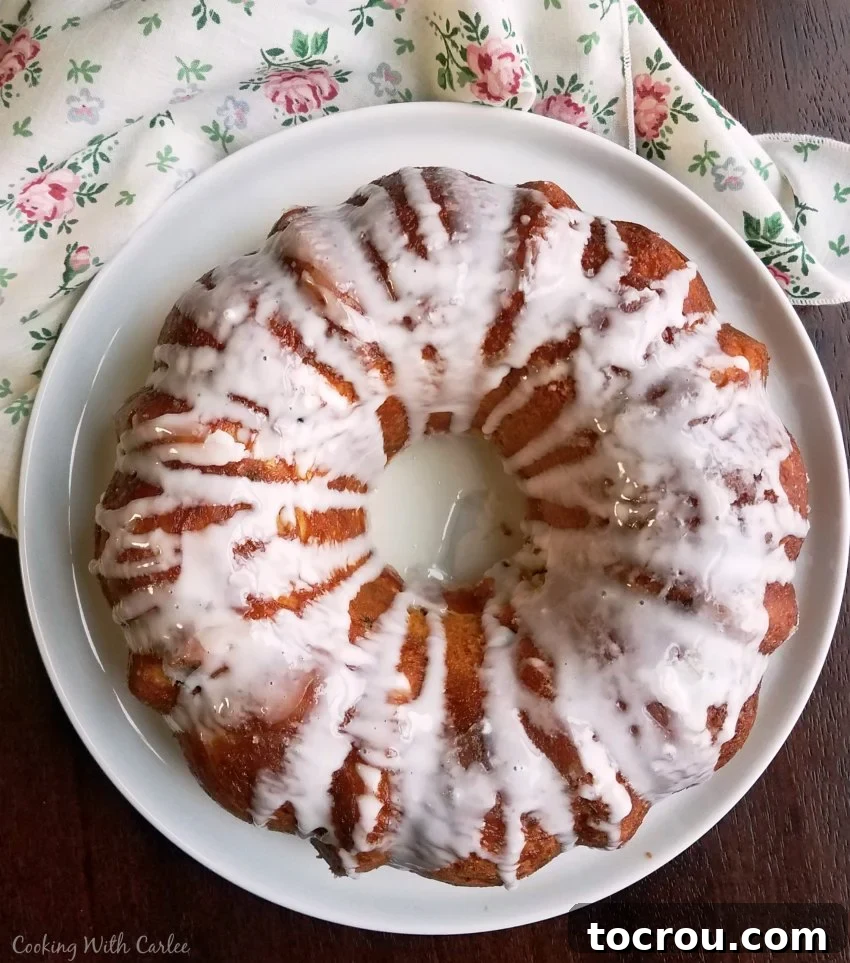
After mixing, the dough undergoes two distinct resting periods. It’s worth noting that you might not observe a dramatic rise during these stages, especially compared to other yeast breads. This minimal rise is completely normal for Babka, as its magic truly unfolds in the oven. Once baked to a golden perfection, the warm Babka is generously drenched in a fragrant lemon syrup, followed by a delicate drizzle of glaze. The transformation from a humble batter to a magnificent, syrupy, and glazed masterpiece is truly enchanting!
“Babka”: A Nod to Grandmothers and Tradition
The word “Babka” itself is Polish for “grandmother,” a fitting name given that this beloved pastry is often associated with family recipes passed down through generations. Just like every grandmother has her unique touch, there are countless variations of Babka found across Poland and beyond. Some are filled with chocolate or nuts, others are braided, but each carries the warmth and tradition of home baking.
While the world of Babka offers an array of delightful choices, this particular lemon rendition holds a special place. Its bright, refreshing flavor profile combined with its tender texture makes it an absolutely essential bake, especially if you’re looking to explore authentic Polish flavors.
I recently had the pleasure of baking this Lemon Babka to share with my Nana and Mike for a pre-Easter dinner. It was a wonderful way to introduce them to a new-to-them holiday treat. Glazing it while still warm, I couldn’t resist cutting a slice right away for a taste (and, of course, a picture!). The aroma alone was intoxicating.
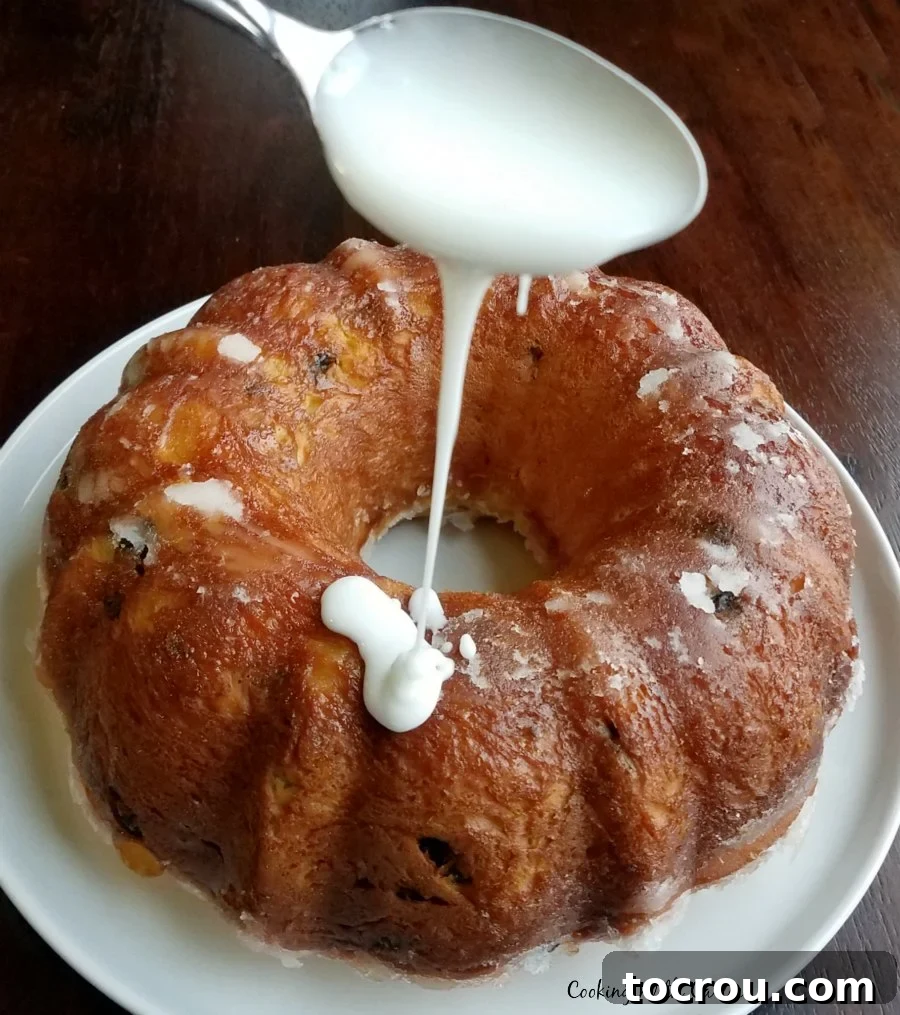
Later that afternoon, we gathered for a warm Babka mid-afternoon snack. A humorous moment arose when I offered up some “Babka,” and everyone initially thought I was offering “Vodka!” It led to some laughter and a repeated explanation of the delicious sweet bread for everyone who joined the conversation. It truly highlighted the unique and sometimes unfamiliar nature of this wonderful Polish specialty.
Serving Suggestions and Flavor Profile
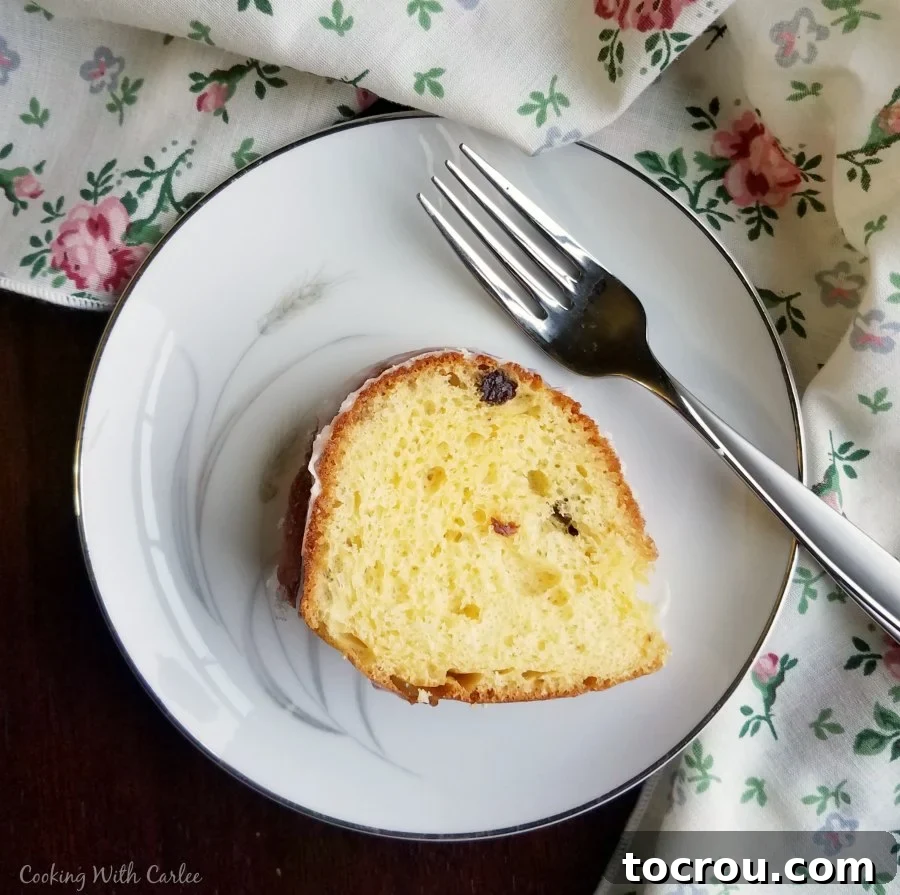
While we thoroughly enjoyed the Babka at room temperature, it truly shines when served still warm, allowing its subtle lemon notes and moist texture to fully develop. Its versatility makes it an excellent choice for various occasions; it’s not only a stellar dessert but also makes for a fantastic brunch item or a comforting mid-afternoon snack. The sweetness is perfectly balanced, making it rich and satisfying without being cloyingly sweet.
Frequently Asked Questions about Polish Babka
Is babka served warm or cold?
Babka is best enjoyed warm or at room temperature. It should not be refrigerated, as this can alter its delicate texture. To keep it fresh, store Babka in an airtight container at room temperature for a couple of days. For longer storage, it freezes beautifully.
What if I don’t like raisins in my Babka?
While traditional Babka often includes raisins, feel free to customize it to your liking! You can certainly leave them out entirely if preferred. However, we highly recommend substituting them with other dried fruits for added texture and flavor. Dried cherries, cranberries, or even blueberries would be absolutely delicious and complement the lemon beautifully.
Made this incredible recipe? We’d love to hear your thoughts! Please leave a review in the recipe card below!
Rated 4.88 out of 5 stars by 25 users.
Polish Lemon Babka
Author: Carlee
Servings: 16 Servings
This cake is a must-make. It is an Easter tradition for many Polish families. It is a no-knead enriched yeast bread that soaks up a river of syrupy lemon goodness. The final result is soft and flavorful, perfect with a cup of coffee at Easter brunch. So go ahead and pour yourself a mug of steaming coffee and grab a slice, let’s sit down and enjoy it together.
Pin
Rate
Prep: 20 mins
Cook: 30 mins
Additional Time: 2 hrs
Total: 2 hrs 50 mins
Equipment
- Nordic Ware Bundt Cake Pan & Keeper, 12 Cup capacity
- KitchenAid 5-Qt. Stand Mixer
Ingredients
Dough
- ½ cup warm milk
- 3 eggs room temperature
- 2 teaspoons active dry yeast
- 2 cups all-purpose flour
- ½ teaspoon salt
- ¼ cup granulated sugar
- ¼ cup unsalted butter softened
- ½ cup raisins soaked in warm water for at least a half hour and then drained*
Syrup
- ½ cup granulated sugar
- ¼ cup water
- 1 teaspoon lemon extract
Glaze
- ½ cup powdered sugar
- 2 Tablespoon milk
- ½ teaspoon lemon extract
Instructions
- In your stand mixer bowl, mix together milk, eggs, and yeast with your paddle attachment.
- Add flour, butter, sugar, and salt. Mix on low until blended and then on high for two minutes.
- Fold in the raisins.
- Cover the bowl and let sit for an hour. There won’t be much of a noticeable rise, which is perfectly normal for this type of dough.
- Dump the dough into a greased bundt pan and spread evenly around. Cover and let sit for another half hour. There will be a slight rise, but it won’t be huge (refer to the pictures above for reference).
- Bake in a preheated oven at 350° F (175°C) for about 30 minutes, or until golden brown and a skewer inserted comes out clean.
- While the bread is baking, prepare the syrup. In a small saucepan, bring the sugar and water to a boil, stirring until all of the sugar is dissolved. Remove from heat and stir in the lemon extract. Set aside.
- When the bread is done, remove it from the oven and immediately pierce it all over with a skewer or fork. Evenly pour the warm syrup over the top of the babka while it’s still in the pan, allowing it to soak in for about 20 minutes.
- Carefully invert your bundt pan onto a serving dish.
- For the glaze, mix together the powdered sugar, milk, and lemon extract until smooth. Drizzle this glaze generously over the top of the babka. Serve warm or at room temperature and enjoy!
Notes
A friend has made this recipe with dried cherries and said it was fabulous. Feel free to substitute dried cranberries or other favorite dried fruits for the raisins as well! This recipe is adaptable to your taste preferences.
Nutrition Information
Serving: 1 Serving | Calories: 168kcal | Carbohydrates: 29g | Protein: 4g | Fat: 4g | Saturated Fat: 2g | Polyunsaturated Fat: 2g | Cholesterol: 43mg | Sodium: 109mg | Fiber: 1g | Sugar: 16g
“Cooking With Carlee” is not a dietitian or nutritionist, and any nutritional information shared is an estimate. If calorie count and other nutritional values are important to you, we recommend running the ingredients through whichever online nutritional calculator you prefer. Calories and other nutritional values can vary quite a bit depending on which brands were used.
Explore More Polish-Inspired Delights
If you’ve enjoyed the sweet simplicity of this Polish Lemon Babka, you might be eager to explore more traditional Polish-inspired recipes. We highly recommend trying Kolacky, a delightful pastry that holds a special place as a Christmas tradition in my husband’s family. Another hearty and incredibly satisfying option is Loaded Pierogi. While they might involve a bit more effort, the rich, savory reward is absolutely worth every moment!
Did you try this recipe?
Don’t forget to leave a rating below and make sure to follow on Pinterest and Instagram for more delicious recipes!