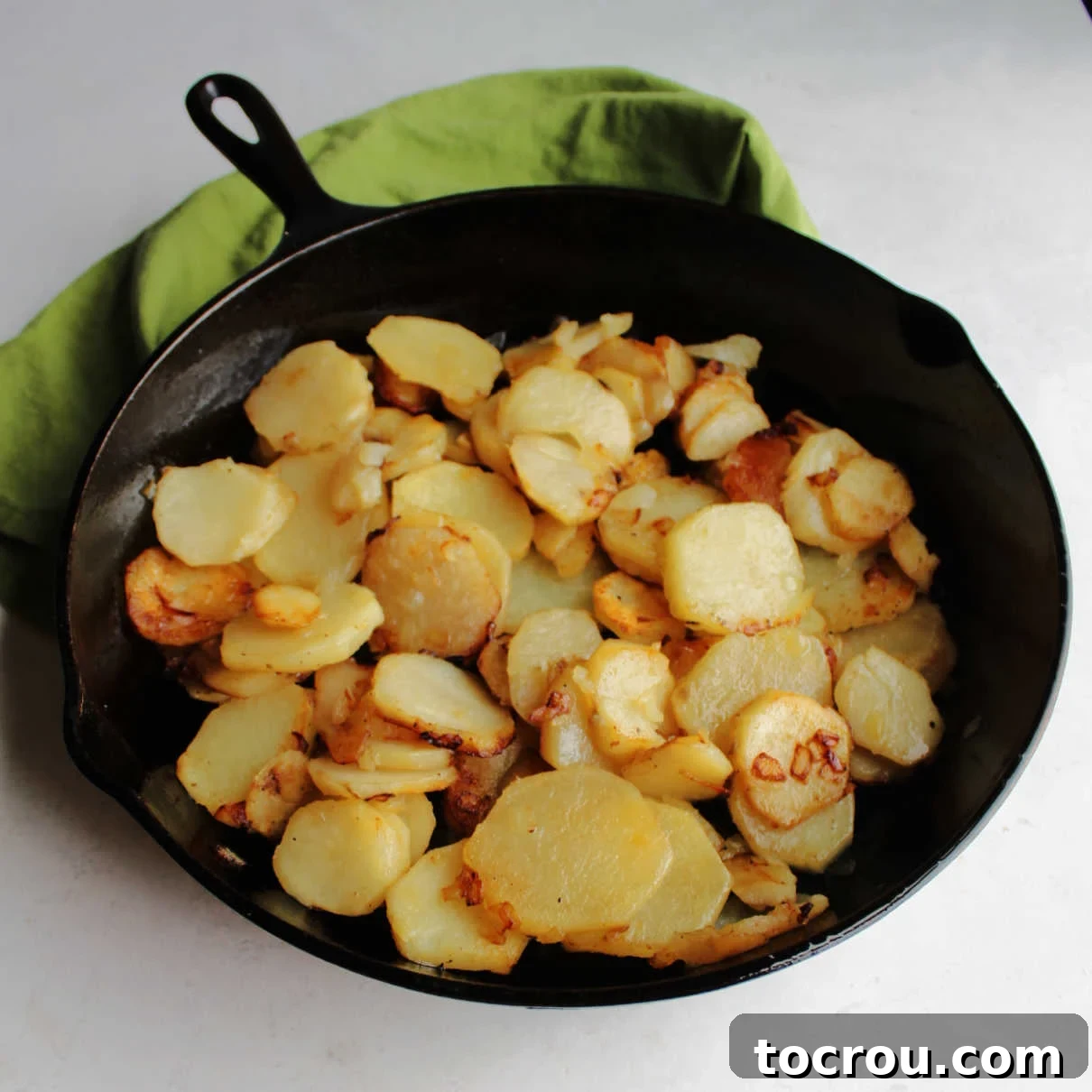
There are few side dishes as universally loved and enduringly classic as skillet fried potatoes. Simple, satisfying, and incredibly versatile, these golden, crispy spuds hold a special place at countless dinner tables. Whether served alongside a hearty steak, grilled chicken, or even for a comforting breakfast, homemade fried potatoes consistently deliver a taste of home. Their magic lies in their humble ingredients and straightforward preparation, transforming basic potatoes into a tender-on-the-inside, delightfully crispy-on-the-outside culinary delight. This guide will walk you through crafting the perfect batch, from selecting the right potato to mastering the ideal sizzle in your trusty cast iron skillet.
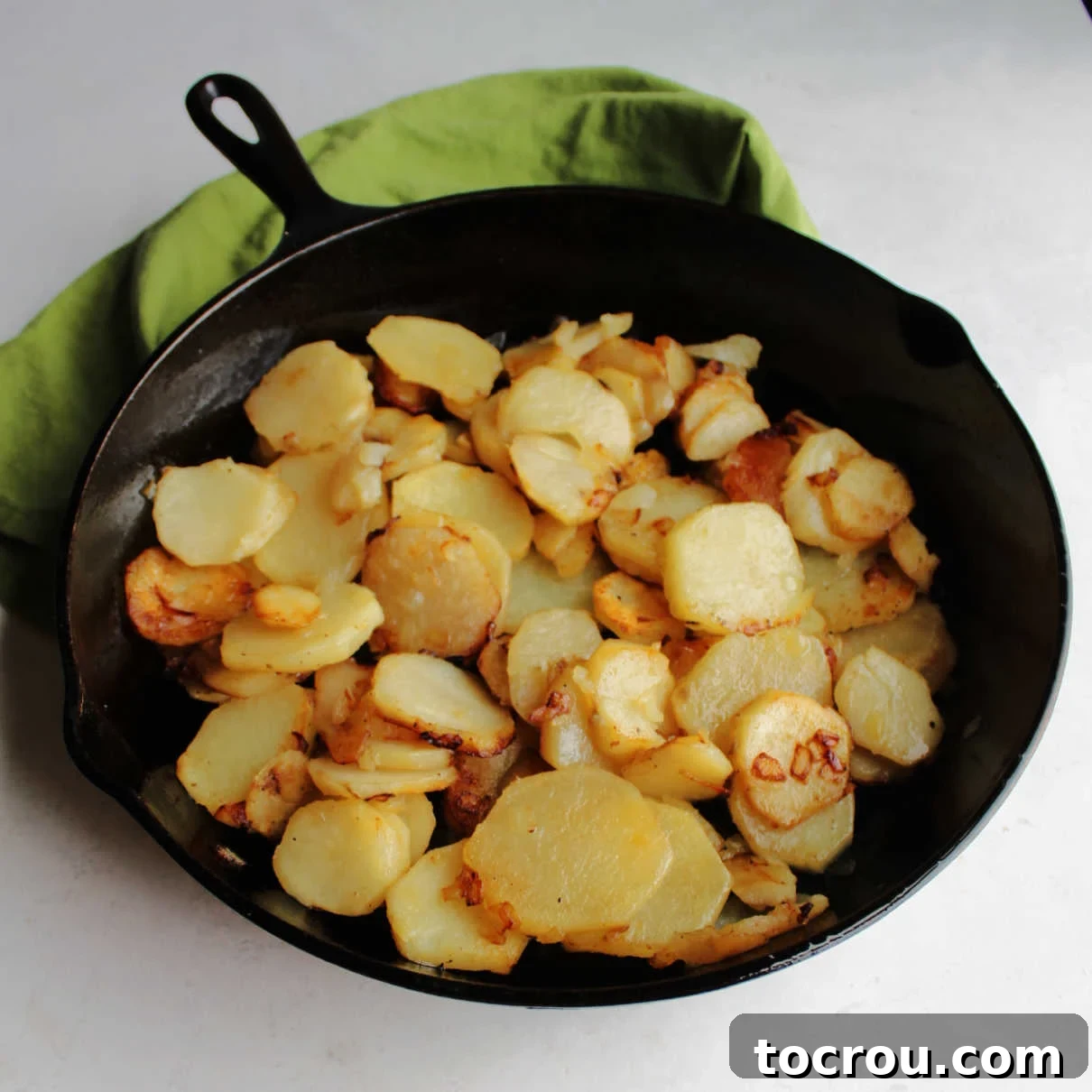
The Enduring Appeal of Skillet Fried Potatoes
While skillet fried potatoes might not be the most glamorous dish on the menu, their perfection is found in their unpretentious nature. They require minimal seasoning, allowing the natural, earthy flavor of the potato to truly shine. This simplicity is precisely what makes them such a cherished side. They don’t compete with the main course but rather complement it beautifully, adding a textural contrast and a comforting familiarity that brings warmth to any meal. From a casual weeknight dinner to a special family gathering, crispy fried potatoes are always a welcome addition, evoking a sense of tradition and home-cooked goodness.
A Journey Down Memory Lane: My Family’s Fried Potato Tradition
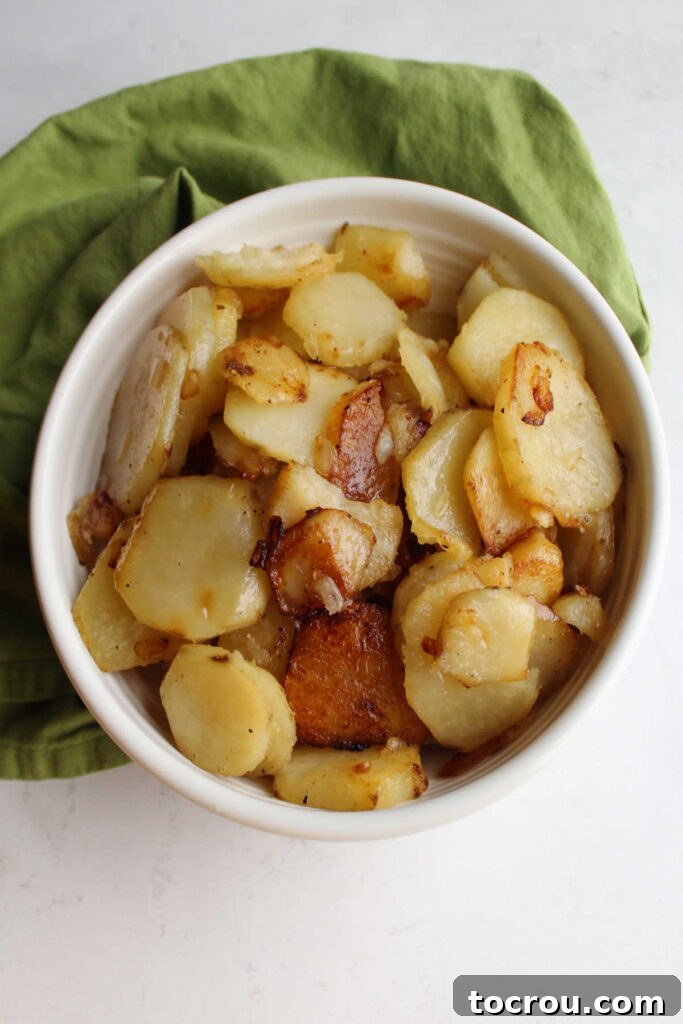
Growing up, fried potatoes were a staple, especially when a juicy steak was on the menu. These meals were more than just food; they were a summer ritual, often accompanied by fresh corn on the cob or a thick slice of garden-fresh tomato generously topped with cottage cheese and a sprinkle of Lawry’s seasoned salt. This combination created a simple yet profoundly satisfying spread, epitomizing the relaxed joy of warm weather and good company. The best part? The leftovers. There was nothing quite like waking up the next morning to leftover steak and potatoes, reheated and served alongside perfectly fried eggs. It was a second treat, a bonus meal that transformed the previous night’s dinner into an even more delightful breakfast. My mom, with her biggest cast-iron skillet always at the ready, perfected batch after batch of these beloved potatoes over the years, a tradition I proudly carry on today. While some prefer their fried potatoes extra dark and crispy, we tend to keep ours a little lighter, achieving a beautiful golden hue with a tender interior. But the beauty of this dish is its flexibility—you can easily adjust the heat in the final minutes to achieve your preferred level of crispiness and golden brown perfection.
Choosing the Perfect Potatoes for Frying
The type of potato you select plays a significant role in the texture and overall success of your skillet fried potatoes. While personal preference certainly dictates the final choice, certain varieties lend themselves better to this style of cooking. For many, including my family, russet potatoes are the gold standard. Their high starch content breaks down beautifully when fried, creating that desired crispy exterior and a fluffy, tender interior. We prefer to use raw, peeled russets, slicing them relatively thin—about ⅛ to ¼ inch thick. There’s no need for elaborate soaking or pre-boiling; the direct heat of the skillet works wonders. This approach embraces the rustic nature of the dish; a few uneven slices or a speck of peel left behind only adds to its charm.
The starchy quality of russets gives these fried potatoes a comforting, almost hash brown-like texture, which we absolutely adore. However, if you lean towards a waxier, firmer potato, varieties like Yukon Gold or red potatoes are excellent alternatives. These potatoes hold their shape a bit more and offer a creamier bite. If you choose Yukon Golds or red potatoes, and their skins are thin and clean, you can even skip the peeling step entirely. Just a quick wash, thin slices, and they’re ready for the pan. The key is to slice them uniformly, regardless of the type, to ensure even cooking and consistent crispiness throughout your batch of delicious fried potatoes.
The Essential Skillet: Cast Iron vs. Alternatives
When it comes to frying potatoes, the right pan can make all the difference. If you own a well-seasoned, large cast-iron skillet, this is its moment to shine. A 12-inch cast iron skillet is often ideal, providing ample surface area for the potatoes to spread out and fry rather than steam. Cast iron’s superior heat retention and even heat distribution are unmatched, creating a consistently crispy crust and preventing hot spots that can lead to uneven cooking.
The natural non-stick properties of a properly seasoned cast iron pan, combined with sufficient cooking fat, mean you won’t need a dedicated non-stick skillet. In fact, using a regular non-stick pan can sometimes hinder the development of those coveted golden-brown, crispy bits that cling to the bottom of the pan – the best part of any batch of fried potatoes! These flavorful bits are where much of the magic happens. If a cast iron skillet isn’t available, a heavy-bottomed stainless steel skillet can work as a good substitute. The key is to ensure it’s thoroughly preheated before adding the oil and potatoes. A sufficiently hot pan, along with plenty of grease, is crucial for preventing sticking, regardless of the pan material. This technique allows the potatoes to release easily, resulting in beautifully browned and crispy edges, making your homemade fried potatoes truly irresistible.
Selecting the Best Fat for Flavor and Fry
The choice of cooking fat is another critical factor in achieving perfectly crispy and flavorful skillet fried potatoes. It’s essential to use a fat with a high smoke point to prevent it from burning and imparting a bitter taste before your potatoes are cooked through. This is definitely not the time for butter or extra virgin olive oil, which have lower smoke points and will scorch at the temperatures required for frying.
Excellent choices for high smoke point oils include vegetable oil, peanut oil, canola oil, and avocado oil. These oils can withstand medium-high heat without smoking or breaking down, allowing the potatoes to cook evenly and crisp up beautifully. However, for a truly traditional and deeply flavorful southern fried potato experience, our top recommendation is to use lard or bacon grease. Bacon grease, in particular, infuses the potatoes with a subtle, smoky flavor that elevates the dish to another level of deliciousness. This savory undertone pairs incredibly well with the natural sweetness of the potatoes, creating an unforgettable taste profile. Shortening is also a reliable option for a classic flavor and texture. Whichever high-smoke-point fat you choose, ensuring you have enough to coat the bottom of the pan will contribute to both preventing sticking and developing that crave-worthy crispy texture.
Mastering the Fry: Tips for Crispy Southern Fried Potatoes
Achieving the perfect balance of tender interior and crispy exterior in your fried potatoes is an art form, but one that’s easily mastered with a few key techniques. These tips will help you create a batch of southern fried potatoes that will earn rave reviews every time.
- Minimize Stirring: This is perhaps the most crucial tip. Resist the urge to constantly stir your potatoes. Over-stirring prevents them from developing that desirable golden crust. Each time you flip, aim to do so cleanly, turning entire sections or individual slices rather than breaking them apart. Allow the potatoes to form a crust on one side before gently turning them to cook the other.
- Uniform Slicing: While we embrace rustic charm, consistency in slice thickness is vital for even cooking. Potatoes sliced too thin will burn quickly, while thicker slices will take longer and may not crisp up as well. Aim for an ⅛ to ¼ inch thickness. If you find slicing challenging or prefer a more robust texture, cutting the potatoes into small cubes creates delicious home fries, which are just as delightful and easier to manage with more frequent stirring.
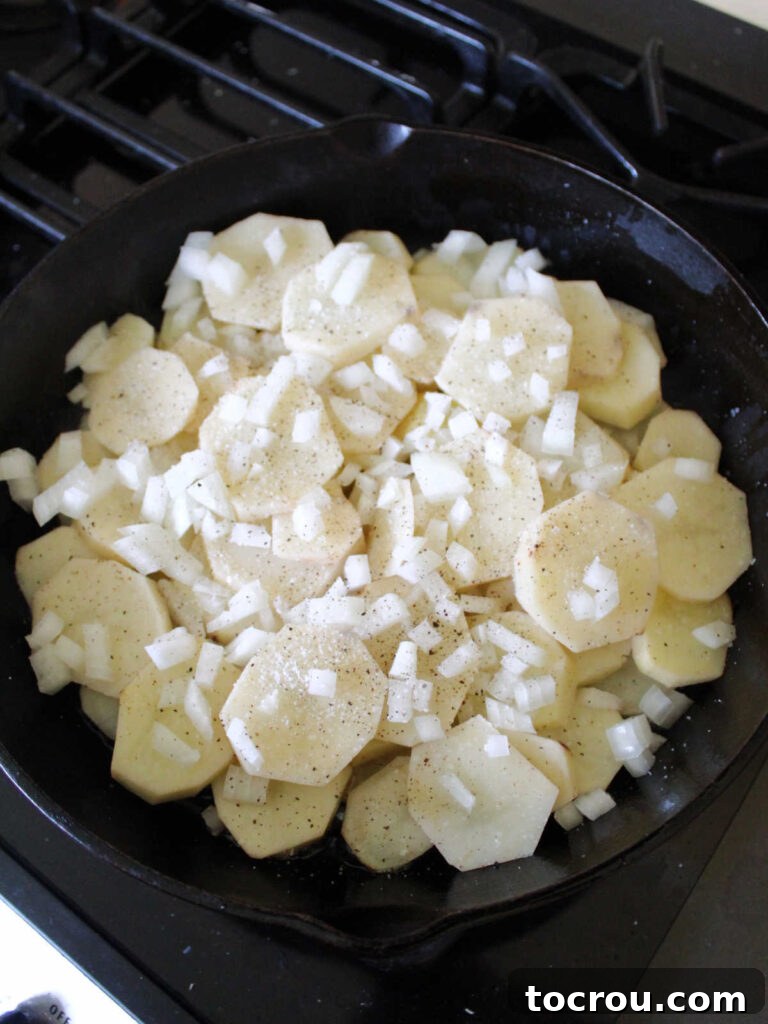
- Use a Large Skillet: The size of your pan directly impacts the outcome. A large skillet ensures the potatoes can spread out in a relatively single layer. Overcrowding the pan causes the potatoes to steam rather than fry, resulting in a soggy texture instead of crispiness. A little bit of steam is fine for tenderizing, but too much will prevent those sought-after crispy edges from forming.
- Optimal Oil Management: The exact amount of oil needed will vary slightly depending on the size and starch content of your potatoes. Start with enough oil to lightly cover the bottom of your skillet. This hot oil is essential for preventing sticking and contributing to that irresistible fried flavor. If you notice your potatoes looking excessively greasy after cooking, you can easily soak up some of the excess with a paper towel by dabbing them gently.
- Strategic Seasoning: While the basic seasonings are salt and pepper, feel free to experiment. Adding garlic powder, paprika, onion powder, or a pinch of cayenne pepper can enhance the flavor profile. Season your potatoes in layers as you add them to the pan or once they’ve started to cook, ensuring the seasoning adheres and infuses throughout the dish.
- Control Your Heat: Start with medium heat to allow the potatoes to cook through and tenderize without burning. Once they are tender, if you desire a deeper golden brown color and extra crispy edges, you can incrementally increase the heat to medium-high for the last few minutes. Watch them closely during this phase to avoid burning.
To Soak or Not to Soak Potatoes: The Great Debate
The question of whether to soak potatoes before pan-frying is a common one, and it largely depends on the desired outcome and family tradition. Soaking sliced potatoes in cold water, often with a pinch of salt, is a technique used to remove excess surface starch. This process can help prevent the potato slices from sticking together in the pan and, theoretically, contribute to a crispier end product by reducing the amount of starch that can get in the way of browning.
If you choose to soak your potatoes, it’s crucial to dry them thoroughly before they hit the hot oil. Any residual water will cause the oil to splatter vigorously and can lead to a steamed, rather than fried, result. Pat them completely dry with paper towels to ensure maximum crispiness. However, it’s worth noting that many traditional recipes, including those passed down through my family (my mom and Maw-Maw never soaked theirs), skip this step entirely. We find that using raw, un-soaked russet potatoes still yields beautifully tender and crispy fried potatoes, particularly if you appreciate the slightly starchier, more substantial texture that reminds us of classic hash browns. Ultimately, it’s a matter of personal preference and desired texture. Experiment with both methods to discover your favorite!
Serving Suggestions: What to Pair with Skillet Fried Potatoes
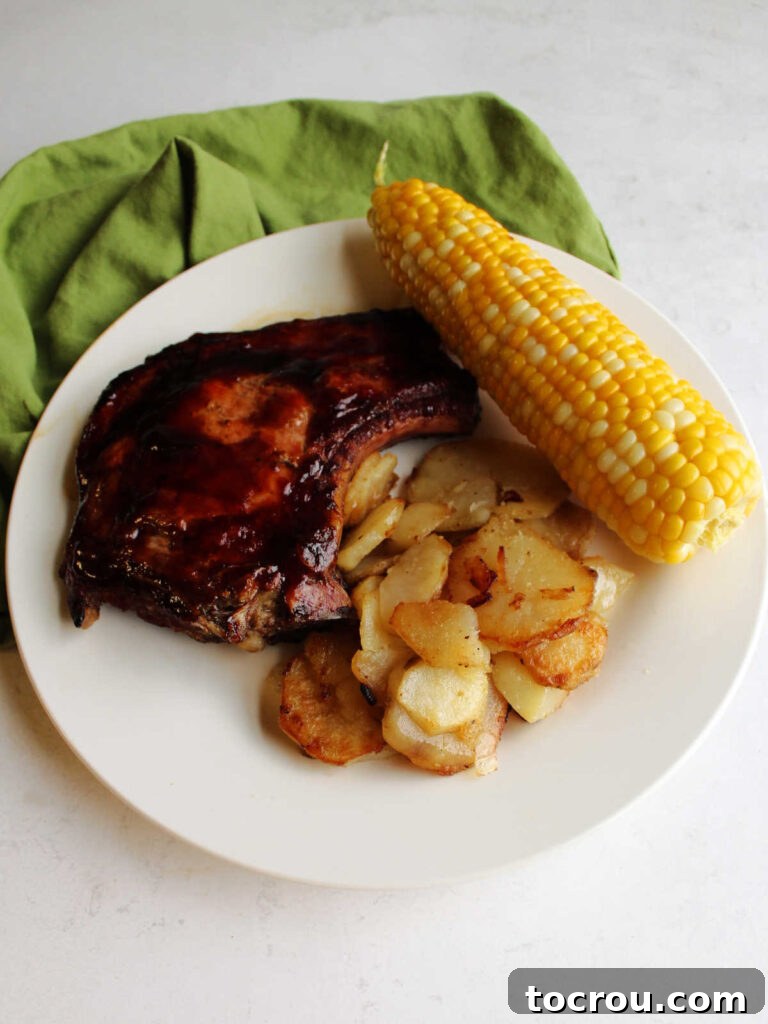
The beauty of skillet fried potatoes lies in their incredible versatility. They can effortlessly complement a wide array of main dishes, making them a go-to side for almost any meal. For a classic, hearty dinner, serve them alongside grilled steaks, juicy barbecued pork chops (as we did on this particular day), or tender roasted chicken. Their crispy texture and savory flavor provide a delightful contrast to rich meats.
Beyond dinner, fried potatoes are phenomenal as part of a comforting breakfast or brunch spread. Reheat leftovers and serve them with sunny-side-up eggs, crispy bacon, and a sprinkle of fresh chives for a truly satisfying start to your day. They also pair wonderfully with other breakfast staples like sausages, pancakes, or French toast, offering a savory counterpoint. Don’t forget simple garnishes like a dash of hot sauce, a sprinkle of finely chopped parsley, or a dollop of sour cream to elevate the experience. On our memorable meal day, these potatoes were served with succulent barbecued thick-cut pork chops and sweet corn—a meal truly fit for kings, demonstrating just how perfectly they complete a plate.
Storing and Reheating Leftover Fried Potatoes
One of the many joys of skillet fried potatoes is their versatility, extending even to delicious leftovers. If you find yourself with extra, simply allow them to cool completely before transferring them to an airtight container. Store them in the refrigerator, where they will keep well for up to 3-4 days. These leftover spuds are absolutely fantastic when repurposed for breakfast the following morning, serving as quick and easy breakfast potatoes.
For the best possible texture when reheating, avoid the microwave if time allows. Instead, spread the cold fried potatoes in a single layer in a preheated skillet over medium-low heat. Add a tiny bit of fresh oil or bacon grease if desired. Cook, stirring occasionally, until they are heated through and have regained some of their crispiness. This method helps to re-crisp the edges that might have softened in the refrigerator. If you’re truly in a rush, the microwave will work, but be prepared for a slightly softer texture. Either way, they remain a delicious and convenient meal component.
Discover More Delicious Potato Recipes
- Cheddar Bacon Ranch Potato Salad
- Sour Cream and Chive Mashed Potatoes
- Cheesy Potato Casserole with French Onion Dip
- Seasoned Roasted Potatoes
Southern Fried Potatoes Recipe
Author: Carlee
Average Rating: 4.90 out of 5 stars based on 37 ratings
Servings: 6 Servings
This fried potatoes recipe is the perfect side for any main dish. The skillet potatoes are one of our favorite ways to enjoy the simple flavor of tasty spuds. Quick to prepare and cook, they offer a comforting, crispy addition to any meal.
Prep time: 8 mins | Cook time: 20 mins | Total time: 28 mins
Ingredients
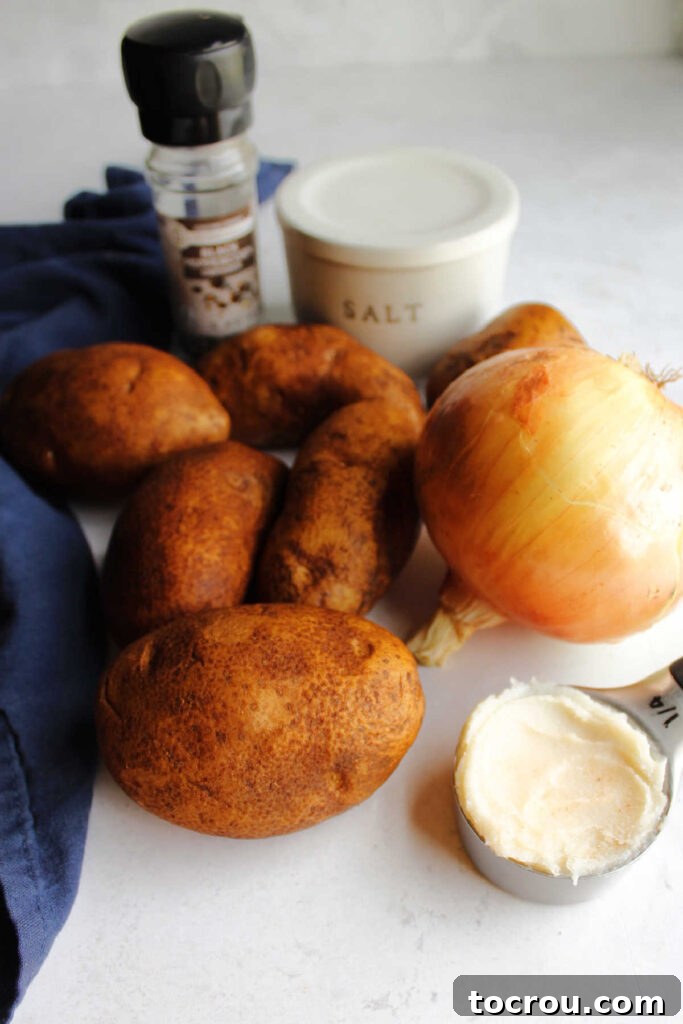
- 7 medium russet potatoes
- ¼ cup finely diced onion
- 3 to 4 Tablespoons oil (or lard/bacon grease)
- ½ teaspoon salt
- ¼ teaspoon ground black pepper
- Optional: ¼ teaspoon garlic powder and/or paprika
Instructions
- Wash and peel 7 medium russet potatoes. Slice them ⅛-¼-inch thick.
- Heat 3 to 4 Tablespoons oil in a large skillet over medium heat.
- When oil begins to ripple and shimmer, add an even layer of potatoes. Top with ¼ cup finely diced onion and sprinkle with ½ teaspoon salt, and ¼ teaspoon ground black pepper. Top with the remaining potato slices.
- Fry potatoes for about 20 minutes, gently flipping every 5 minutes or so to ensure even browning and prevent sticking.
- Once the potatoes are tender throughout, you can turn up the heat slightly (to medium-high) for the last few minutes to achieve a deeper golden brown color and crispier edges, if desired.
- Serve hot and fresh immediately after cooking.
- Leftovers should be stored in an airtight container in the refrigerator for up to 3-4 days. They are excellent when served as breakfast potatoes the next morning.
Notes
- Always use an oil with a high smoke point such as vegetable, peanut, canola, or avocado oil. For an authentic Southern flavor, lard or bacon grease are highly recommended.
- We love to make extra fried potatoes, anticipating delicious breakfast leftovers. For the best texture when reheating, warm them in a skillet over medium-low heat until heated through and re-crisped. While a microwave is quicker, it will result in a softer texture.
Nutrition Information (Estimated Per Serving)
Serving: 1 serving | Calories: 261kcal | Carbohydrates: 46g | Protein: 5g | Fat: 7g | Saturated Fat: 1g | Polyunsaturated Fat: 2g | Monounsaturated Fat: 4g | Trans Fat: 0.03g | Sodium: 206mg | Potassium: 1047mg | Fiber: 3g | Sugar: 2g | Vitamin A: 3IU | Vitamin C: 15mg | Calcium: 34mg | Iron: 2mg
Disclaimer: “Cooking With Carlee” is not a dietitian or nutritionist, and any nutritional information shared is an estimate. If calorie count and other nutritional values are important to you, we recommend running the ingredients through whichever online nutritional calculator you prefer. Calories and other nutritional values can vary quite a bit depending on which brands were used.
Loved this recipe?
Don’t forget to leave a rating below and make sure to follow us on Pinterest and Instagram for more delicious recipes!