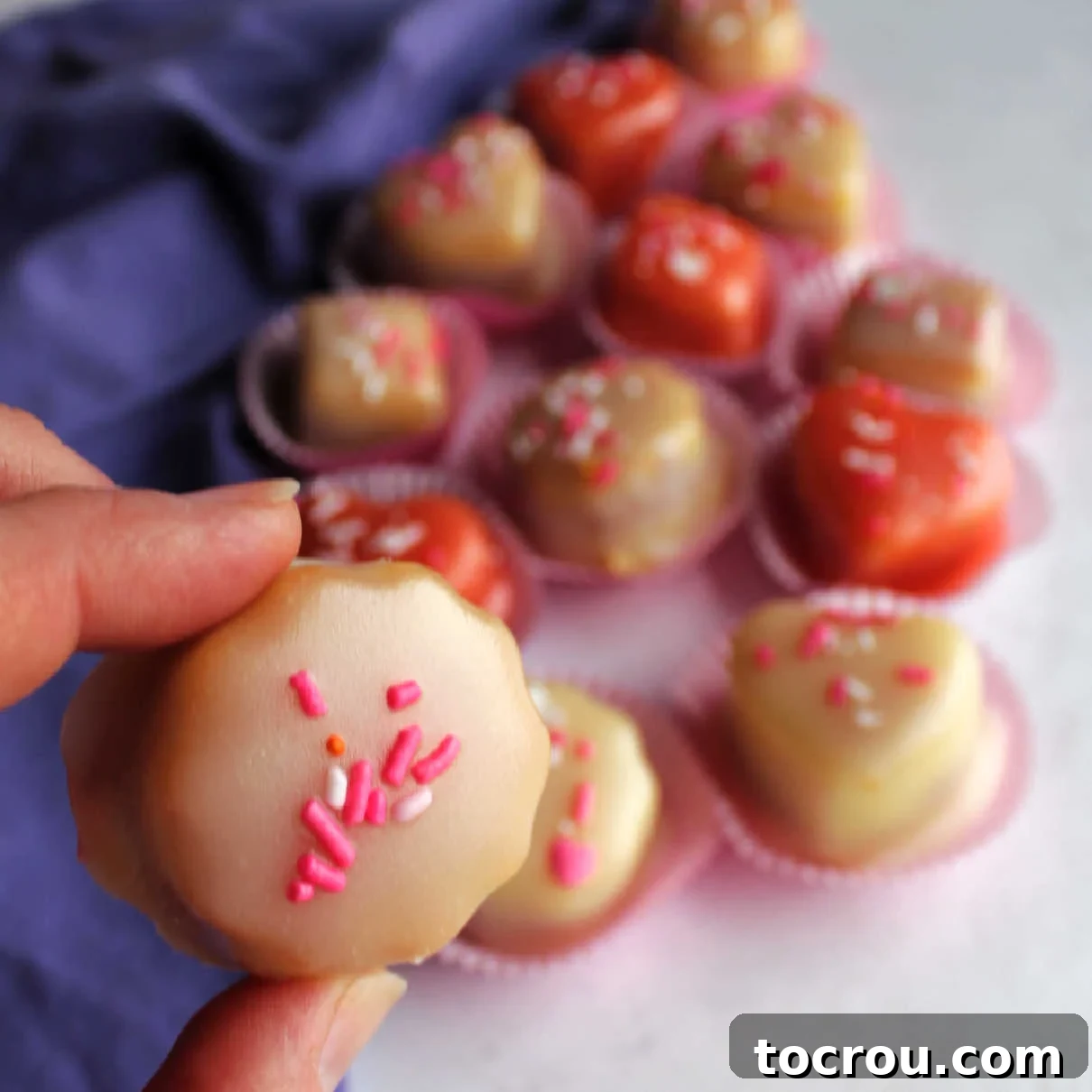
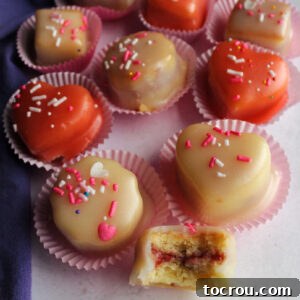
Delicate, elegant, and irresistibly delicious, homemade petit fours are miniature marvels of confectionery art. Imagine a tender, buttery pound cake, generously layered with a vibrant raspberry filling, all enveloped in a smooth, glistening glaze. While these exquisite treats might appear intricate, crafting them at home is a surprisingly achievable and incredibly rewarding endeavor. Each bite offers a harmonious blend of rich flavor and delicate texture, making them a perfect addition to any special occasion or a delightful indulgence for yourself.
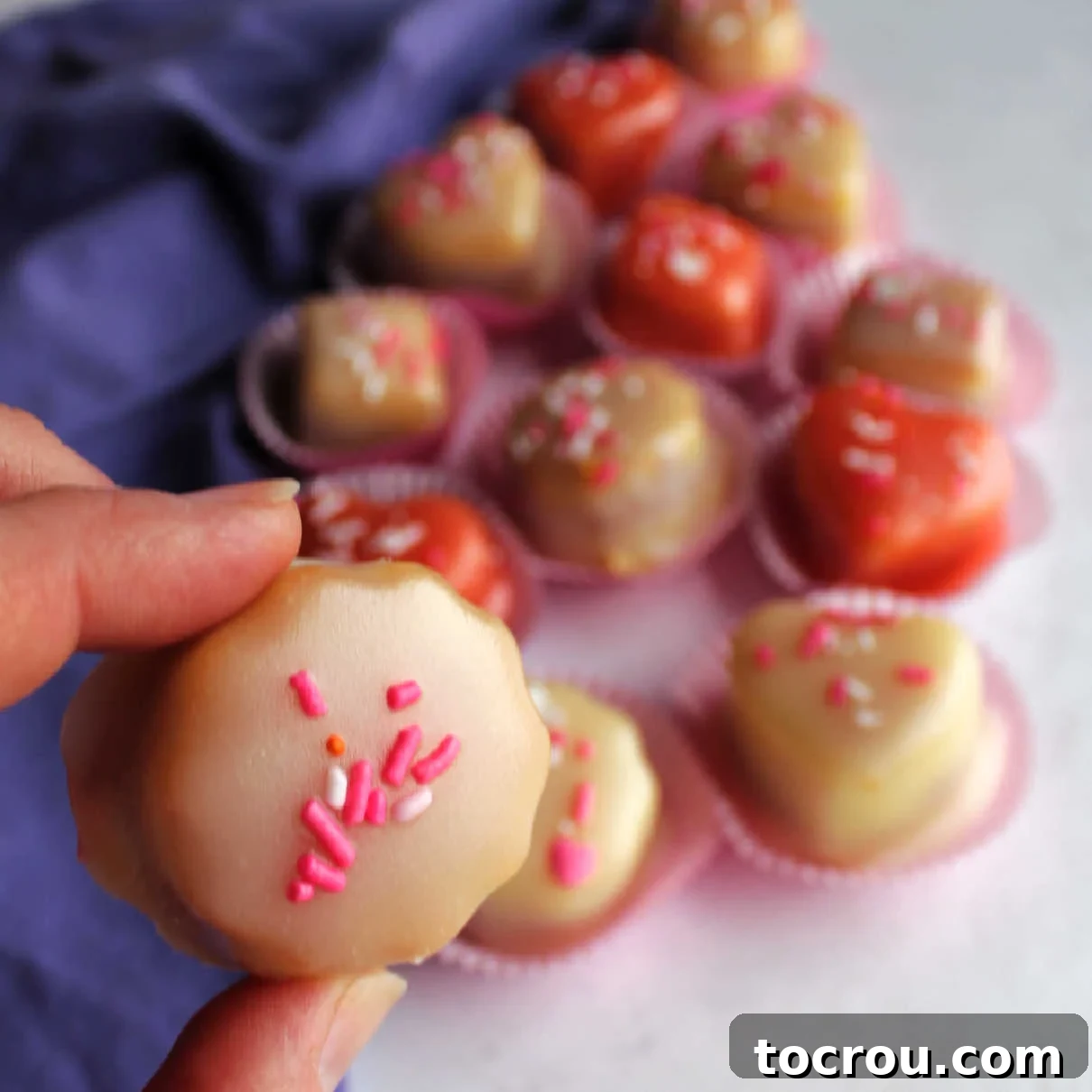
The secret to the unparalleled moisture and rich flavor of these petit fours lies in their unique batter, which combines both butter and cream cheese. This thoughtful inclusion ensures a cake that’s not only incredibly tender but also sturdy enough to withstand the careful handling required for shaping and coating. The finishing touch is a luscious, melted buttercream coating that locks in moisture and adds yet another exquisite layer of flavor, transforming each tiny cake into a memorable culinary experience.
These charming little cakes are incredibly versatile and suitable for a myriad of celebratory events. They lend an air of sophistication to baby showers and bridal showers, become the star of an elegant tea party, or serve as a stunning focal point in a wedding dessert bar. Their diminutive size and exquisite presentation make them ideal for guests to enjoy without fuss, offering a perfect, bite-sized moment of pure bliss.
Crafting the Perfect Petit Four Cake Base
The foundation of an exceptional petit four is a cake that is both moist and robust. My preferred batter for these miniature delicacies ticks all the boxes: it’s rich, flavorful, and has the perfect structural integrity to hold up beautifully when sliced, filled, and coated. This particular recipe ensures your petit fours will not only taste incredible but also maintain their elegant form.
Careful preparation of your baking pan is crucial for a smooth process. Always line the bottom of your 13×18-inch half-sheet pan with parchment paper. This simple step is a game-changer, making the removal of the baked cake from the pan infinitely easier and preventing any sticking, ensuring a perfect, even slab every time.
One of the more challenging, yet manageable, aspects of making petit fours is torting the cake – slicing it horizontally into thin layers. Don’t let this step intimidate you! With a few helpful techniques, you’ll find it becomes much simpler. And remember, perfection isn’t the goal; a delicious result is.
To make torting significantly easier, place the baked and cooled cake in the freezer for about 30 minutes. You don’t want it frozen solid, but a slightly firm texture makes it far less crumbly and easier to slice cleanly. This brief chilling period provides the necessary stability for precise cuts.
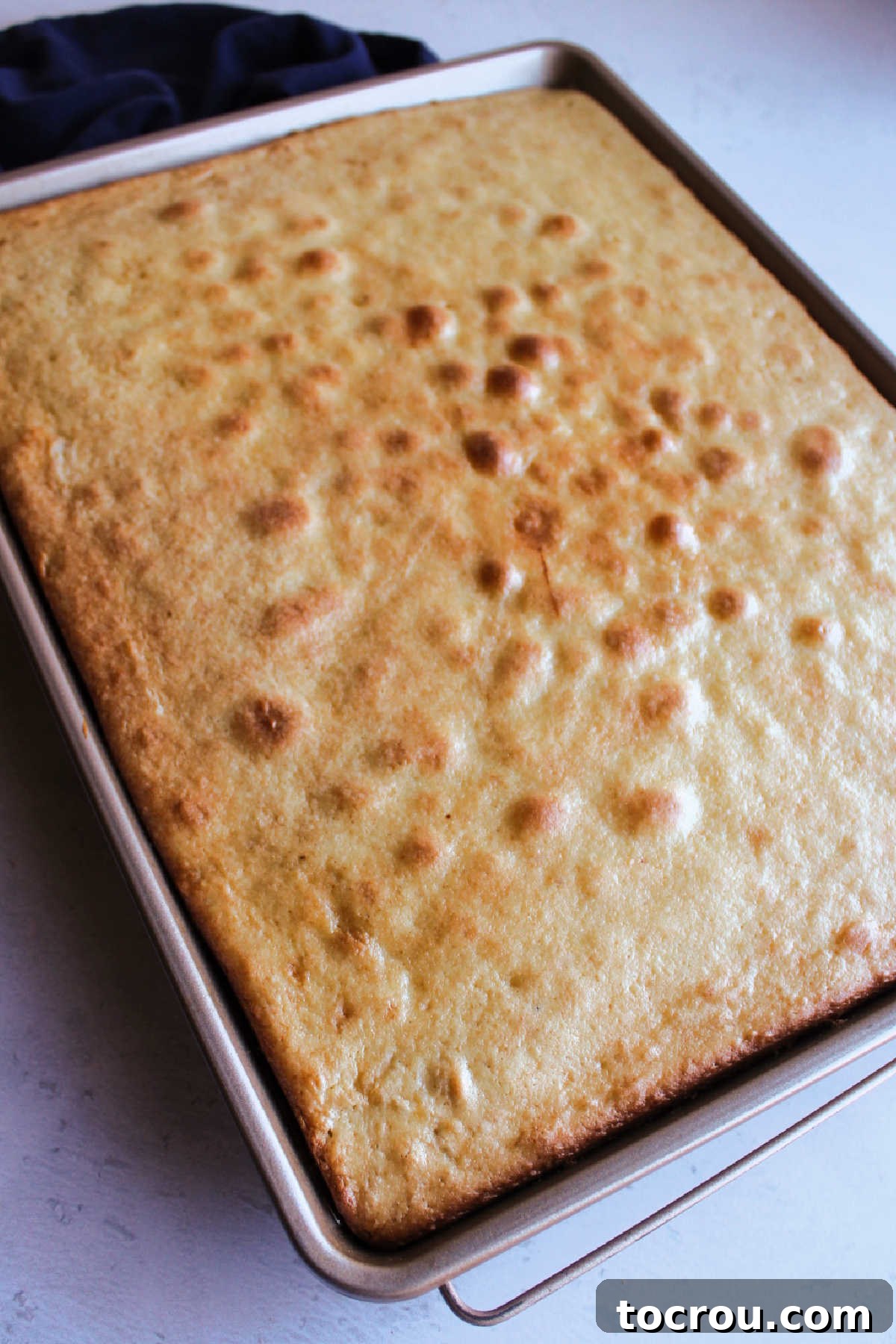
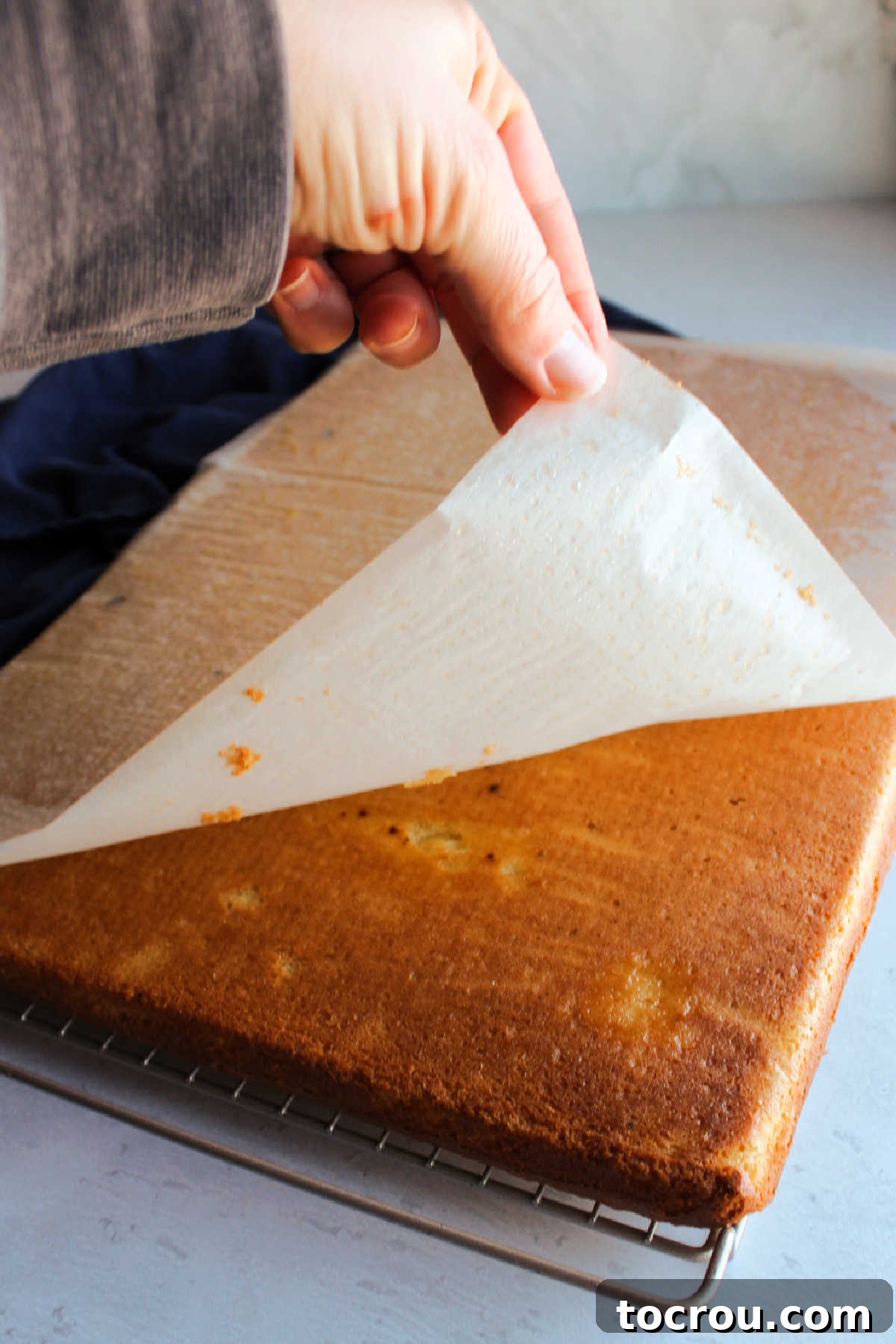
Another smart tip for torting is to cut the large sheet cake into smaller, more manageable sections before attempting to slice them into layers. Working with half or even a quarter of the sheet cake dramatically improves maneuverability and control, making it much easier to achieve even layers. Since the cake will ultimately be cut into small individual petit fours anyway, there’s no need to preserve the entire sheet cake’s integrity during the torting phase. Prioritize comfort and ease in your cutting process.
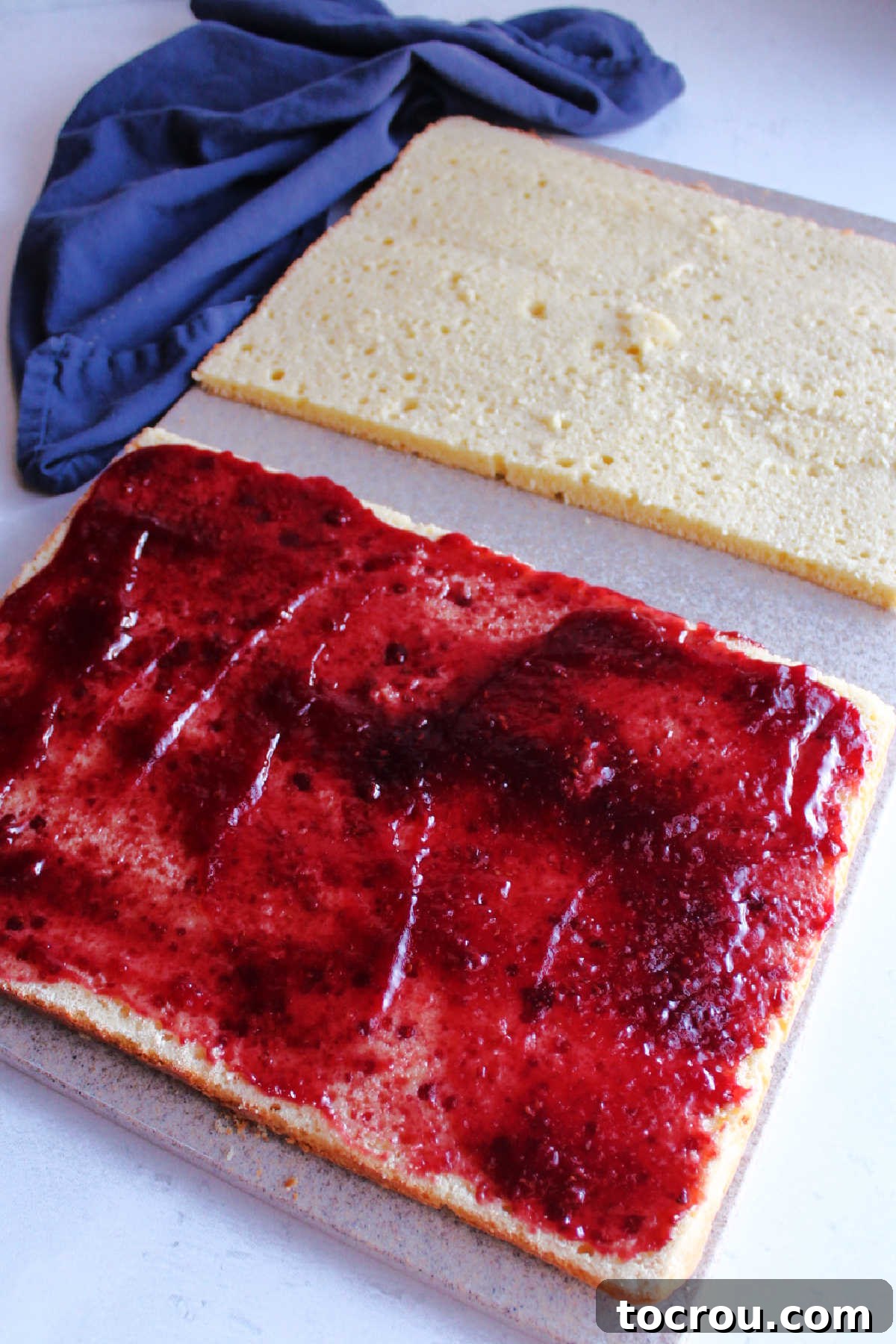
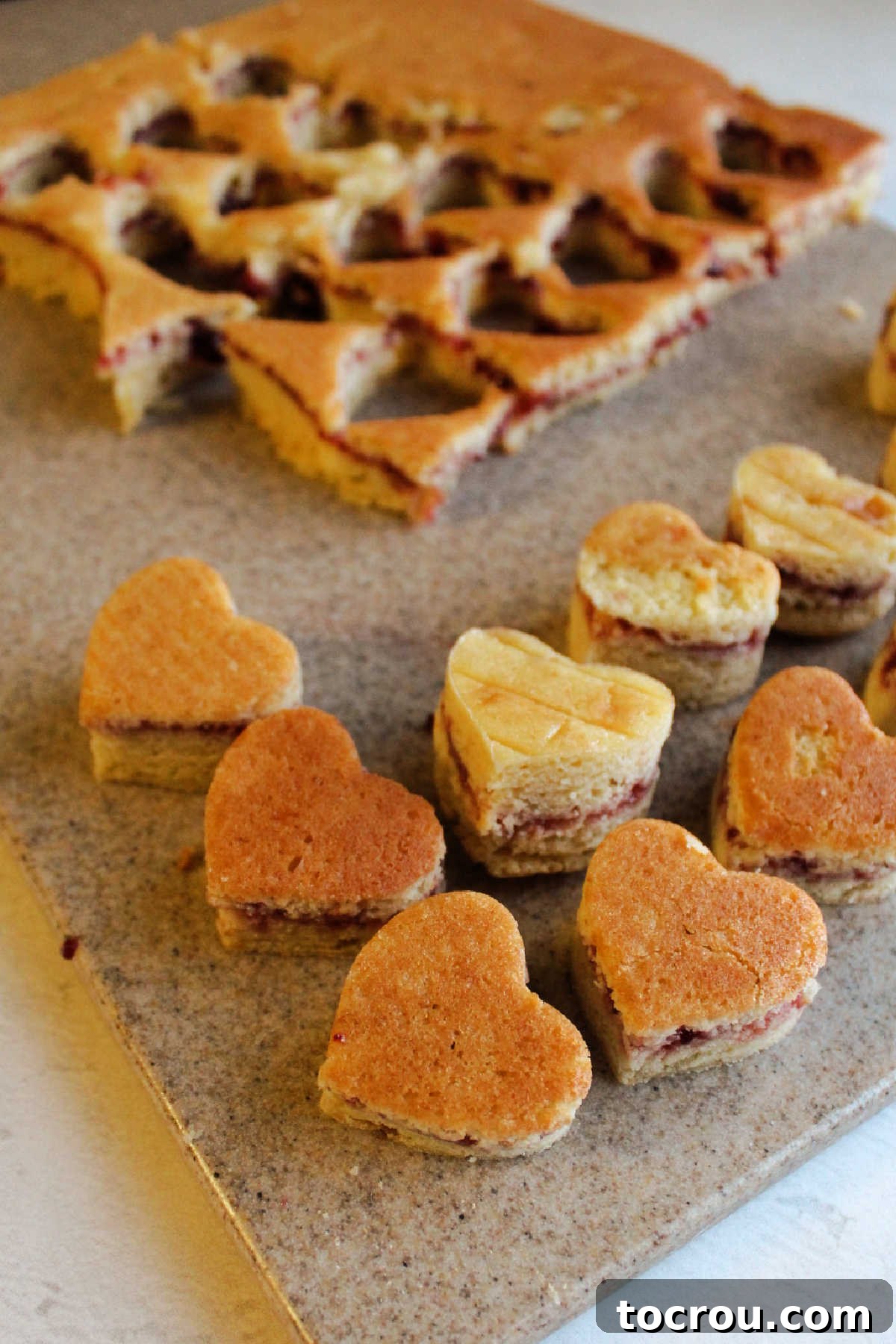
Once your cake layers are ready, spread a thin, even layer of your chosen filling over the bottom half. Classic choices include a smooth buttercream, a tangy lemon curd, or a high-quality fruit jam like raspberry. Then, carefully place the top layer of cake back over the filling. With your filled cake ready, use small cookie cutters to create charming shapes, or simply use a sharp knife to cut it into elegant 1-inch squares. For optimal coating results, freeze these assembled, miniature cakes for at least a couple of hours, or even up to several months if wrapped tightly. This freezing step is essential for firming them up, which will prevent crumbling during the coating process.
Can these petit fours be made gluten-free?
Absolutely! I’ve successfully created multiple batches of these delightful petit fours using King Arthur’s Measure for Measure Flour for gluten-free events, including a wedding. The texture remained wonderfully consistent, and the taste was just as amazing as the traditional version, proving that dietary restrictions don’t have to compromise on flavor or elegance.
Mastering the Art of Petit Four Icing
The coating is arguably the most defining feature of a petit four, providing both visual appeal and a protective, flavorful shell. There are several traditional methods bakers employ for this crucial step, each with its own characteristics and challenges. Some opt for a thinned-out white chocolate, which offers a crisp finish and rich flavor, while others prefer the classic poured fondant. It’s important to note that poured fondant is a delicate, thin icing made from sugar, water, and corn syrup, vastly different from the thick, rolled fondant used for cake decorating. It creates a smooth, almost porcelain-like finish that is characteristic of traditional petit fours.
However, my personal preference, inspired by the brilliant insights from Sugar Spun Run, is to use a melted buttercream. This method truly speaks to my frosting-loving heart, as it delivers all the creamy, rich flavor of buttercream in a pourable consistency. It’s less temperamental than traditional poured fondant and offers a taste profile that many find more appealing and familiar.
To prepare this luscious icing, utilizing a double boiler is key. This setup allows for precise temperature control, which is essential for achieving the perfect consistency. Whisk all the ingredients together in the double boiler, gradually adjusting the consistency as needed. Initially, the mixture may appear slightly lumpy or “broken,” but persist in mixing. With continued whisking and careful temperature management, it will come together into a smooth, pourable glaze. If it’s too thick, add a touch more milk; if too thin, a bit more powdered sugar will do the trick.
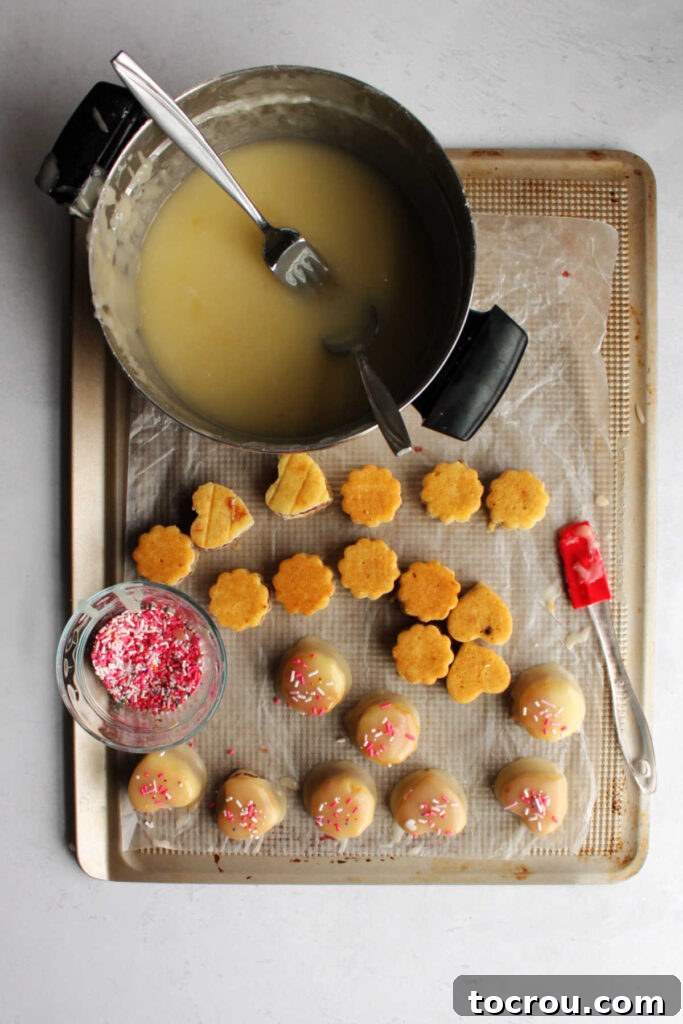
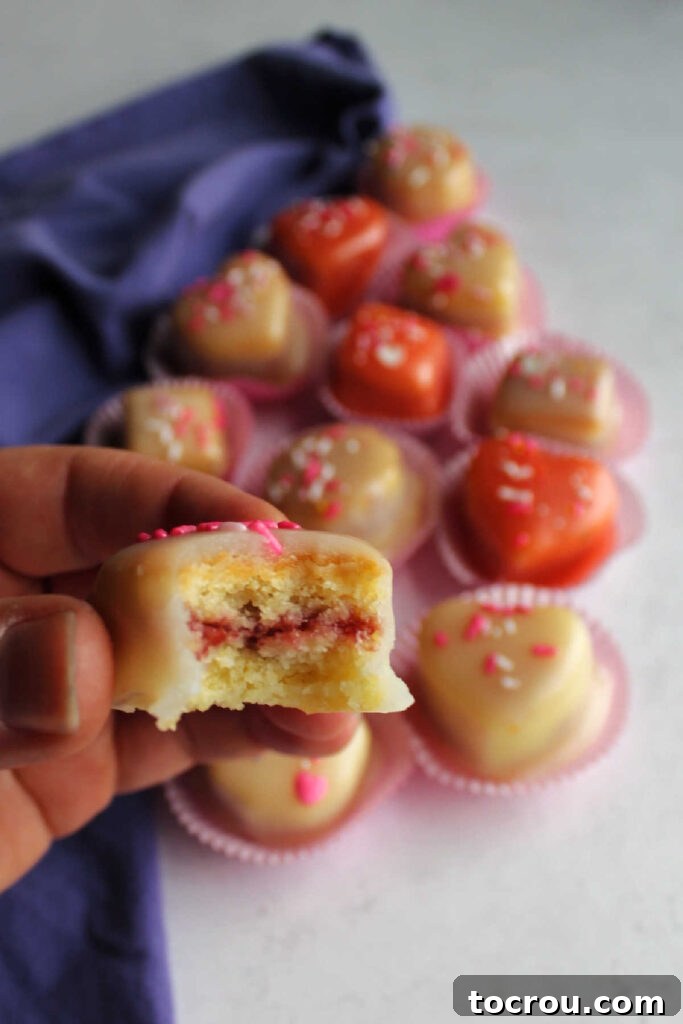
Before coating your entire batch, it’s wise to test the icing’s final consistency. Take one coated petit four and place it in the refrigerator for a few minutes. The ideal consistency should be fluid enough to smoothly run over all sides of the cake, yet thick enough to form an opaque, even coating without being translucent. Continue adjusting the temperature of your double boiler or the ingredient ratios until you achieve this perfect balance. Patience here ensures stunning results.
For the coating process, I find it easiest to work with a small batch of frozen petit fours at a time, keeping the rest in the freezer until ready. Place one frozen petit four on a fork, then use a spoon to generously pour the warm icing over the top, allowing it to drip down and cover all sides and corners. Ensure complete coverage for a flawless finish before carefully transferring the coated cake onto a piece of wax paper or a cooling rack set over parchment paper to catch drips. If you plan to add sprinkles or other small decorations, do so immediately while the icing is still wet and pliable, as it sets relatively quickly.
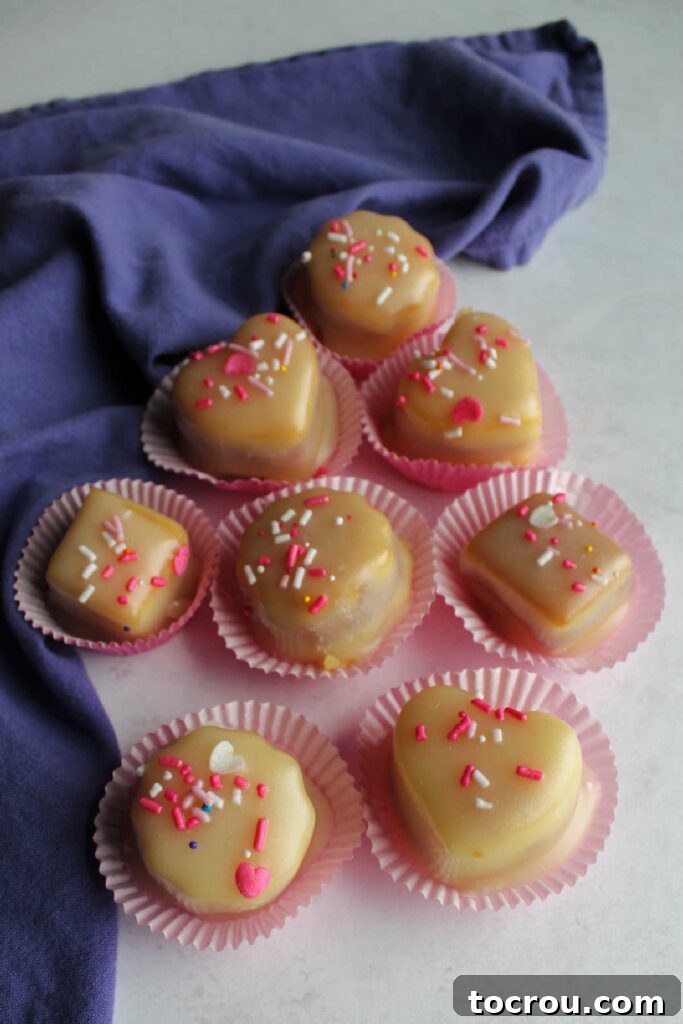
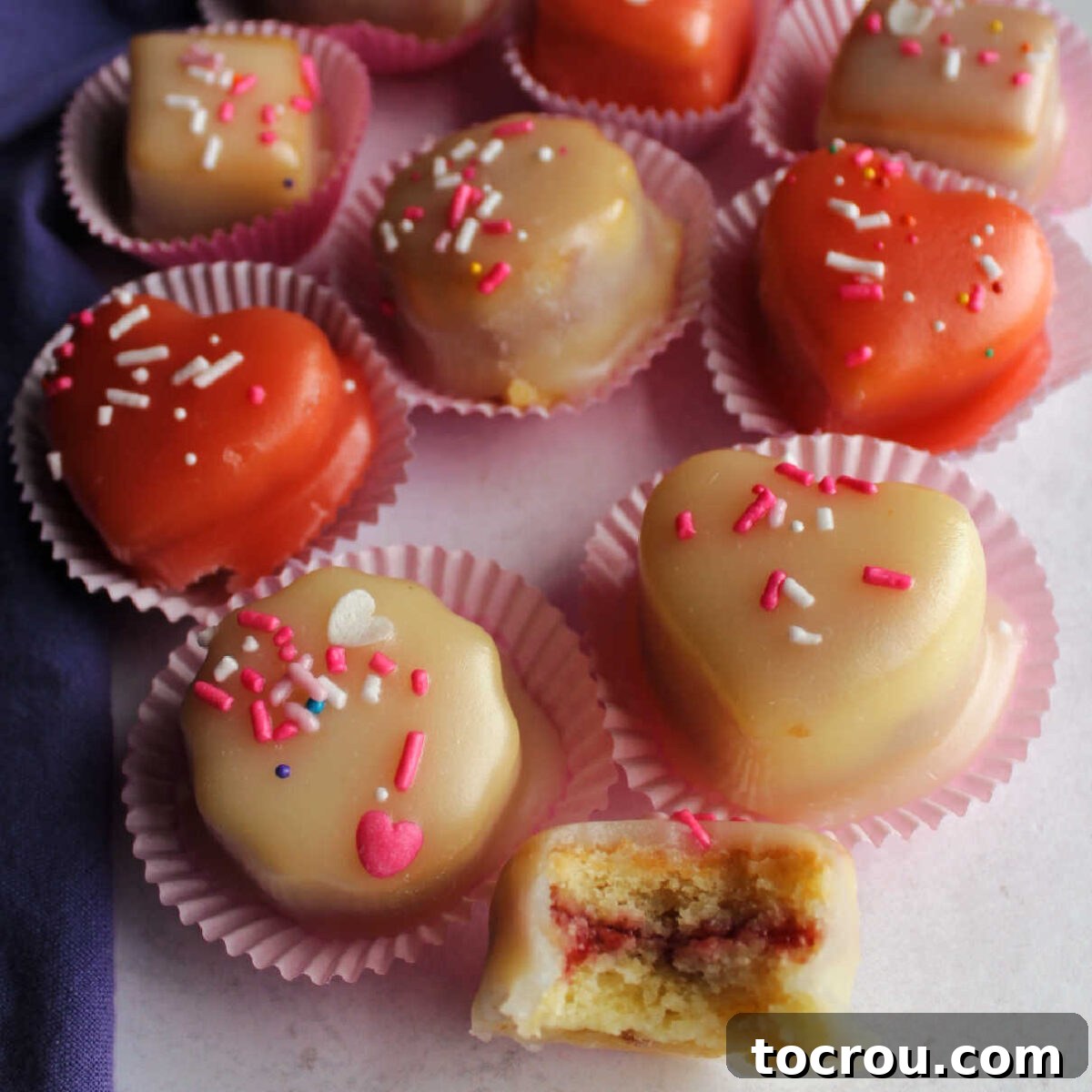
Once all your petit fours are coated and decorated with sprinkles if desired, allow the icing to set completely. This ensures a firm, non-sticky exterior. After the icing has fully set, you can further enhance their beauty by adding piped buttercream decorations, creating intricate designs or simple elegant flourishes, to truly personalize your miniature masterpieces. These small details can elevate your petit fours from delicious treats to stunning works of edible art, perfect for impressing guests at any gathering.
Petit Fours
Author: Carlee
Servings: 100 petit fours
Homemade petit fours are like having a little bite of buttery pound cake with a raspberry filling and tasty glaze. While they do require a few steps to make, they aren’t hard to do and they taste amazing.
Prep: 1 hr
Cook: 35 mins
Additional Time: 3 hrs
Total: 4 hrs 35 mins
Equipment
- KitchenAid 5-Qt. Stand Mixer
- Farberware Stainless Series 2-Quart Double Boiler
- Pre-Cut Baking Parchment Paper
- Sheet Pan
Ingredients
Cake
- 3 cups all purpose flour
- 1¼ teaspoon baking powder
- ½ teaspoon salt
- 1½ cups unsalted butter, soft
- 2¼ cups granulated sugar
- 8 oz. cream cheese, softened
- 5 large eggs
- 1 teaspoon vanilla extract
- 1 teaspoon almond extract
- ½ cup milk
- 10 oz. raspberry jam
Icing
- 1 cup unsalted butter
- 1 cup shortening
- 6 Tablespoons corn syrup
- pinch salt
- 1½ teaspoon vanilla extract
- 1½ Tablespoons heavy cream
- 5 cups powdered sugar
Instructions
Petit Four Cakes
- Preheat oven to 350°F. Grease 13×18-inch pan and line with parchment paper.
- In a mixing bowl, whisk together the 3 cups all purpose flour, 1¼ teaspoon baking powder, and ½ teaspoon salt. Set aside.
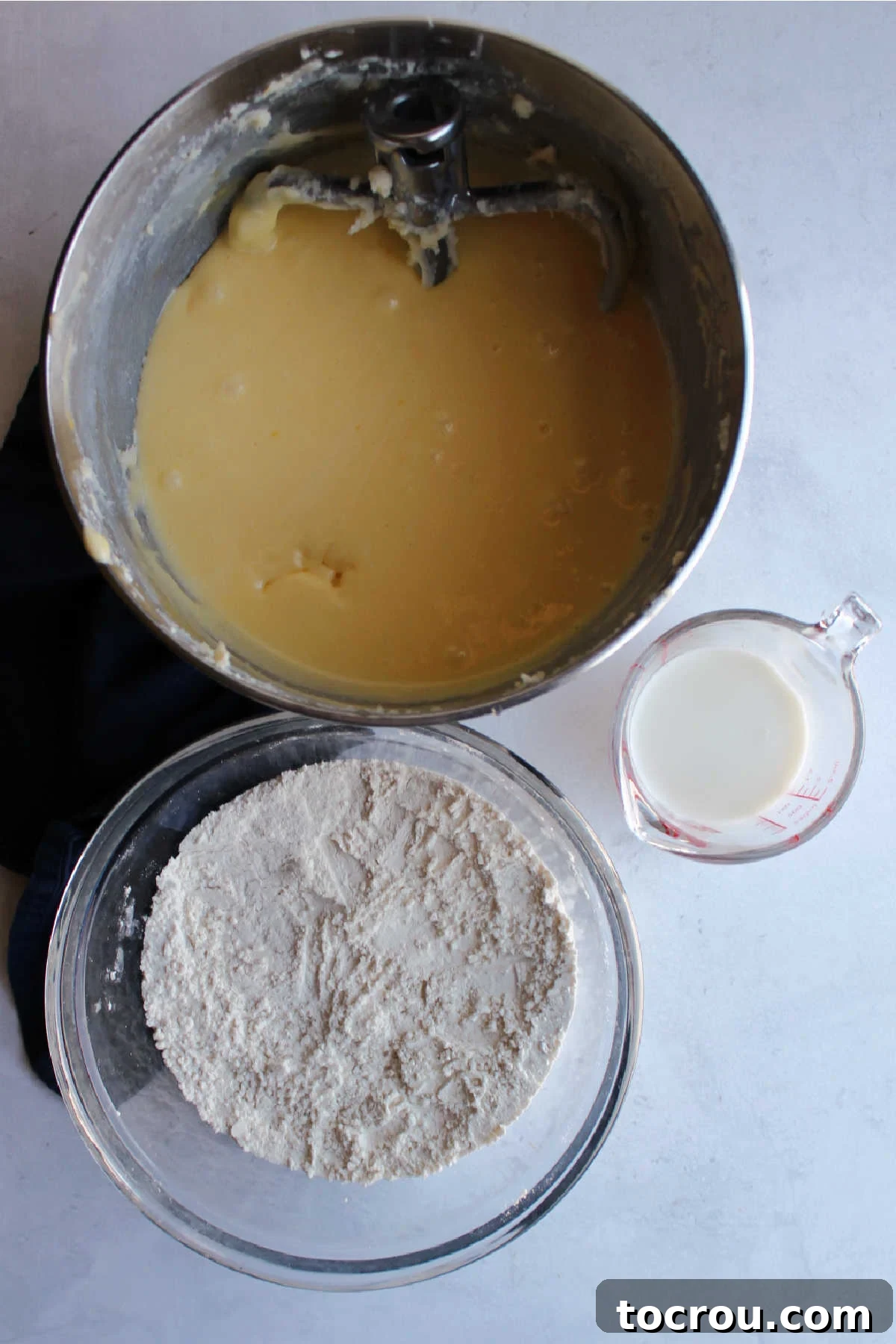
- In a mixer, cream together 1½ cups unsalted butter and 2¼ cups granulated sugar until light and fluffy. Add 8 oz. cream cheese and beat until fully combined.
- Add 5 large eggs, 1 teaspoon vanilla extract, and 1 teaspoon almond extract, one at a time, mixing until incorporated.
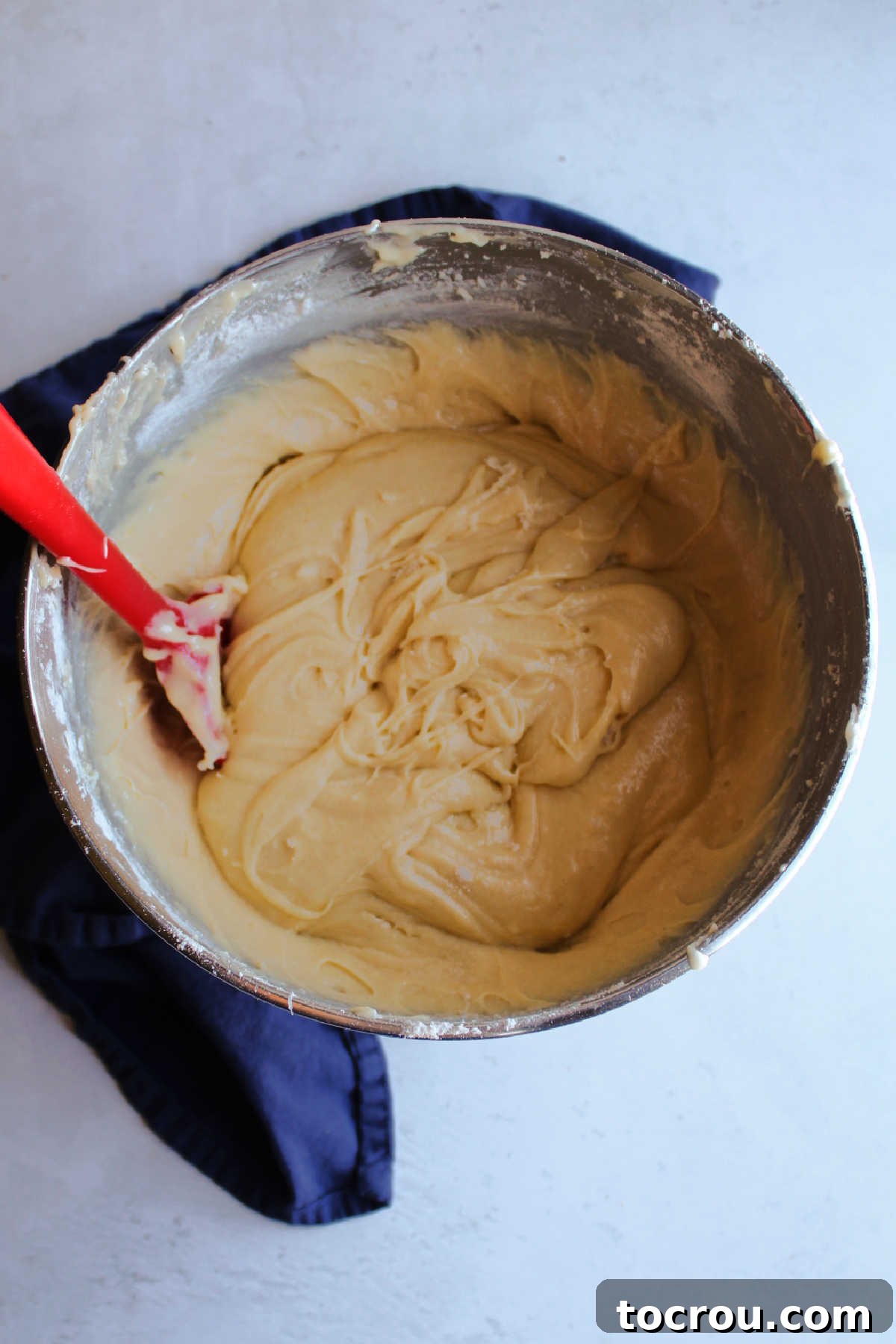
- Stir in half the flour, then the ½ cup milk, then the remaining flour.
- Spread in prepared pan and tap on the counter a few times to release any big air bubbles.
- Bake 25-30 minutes or until the center springs back when lightly touched with a finger.
- Cool for 5 minutes, then invert onto a wire rack to cool completely.
- Freeze the cake for 30 minutes, then cut into quarters. Cut each quarter in half across the hemisphere. Spread jam over the bottom half of the cake, then replace the top. Cut into 1-inch squares or use a small cookie cutter to cut shapes. Freeze for at least 2 hours to firm up.
Melted Buttercream Petit Four Icing
- Melt together the 1 cup unsalted butter and 1 cup shortening in a double boiler.
- Stir in 6 Tablespoons corn syrup.
- Whisk in pinch salt, 1½ teaspoon vanilla extract, 1½ Tablespoons heavy cream, and 5 cups powdered sugar. Adjust consistency with more powdered sugar or cream as needed to make a dippable consistency.
- Either dip the frozen petit fours into the icing or place a petit four on a fork and spoon icing over the top. Once completely coated, put on a sheet of wax paper to set up. If using sprinkles, do so immediately.
- Once the icing is set, transfer the petit fours to an airtight container for storage.
Notes
- Petit fours can be stored in an airtight container at room temperature for three to four days.
- Store them in an airtight container in the refrigerator for up to a week.
- Or freeze petit fours for up to three months.
- You can also hold the petit fours in the freezer for several days or weeks at a time in any of the steps that already require freezing. Just make sure they are in a freezer safe container to prevent them from taking on any freezer flavors.
Nutrition Information
Serving: 1 Serving | Calories: 138kcal | Carbohydrates: 17g | Protein: 1g | Fat: 8g | Saturated Fat: 4g | Polyunsaturated Fat: 1g | Monounsaturated Fat: 2g | Trans Fat: 0.5g | Cholesterol: 23mg | Sodium: 30mg | Potassium: 16mg | Fiber: 0.1g | Sugar: 13g | Vitamin A: 189IU | Vitamin C: 0.3mg | Calcium: 11mg | Iron: 0.2mg
“Cooking With Carlee” is not a dietitian or nutritionist, and any nutritional information shared is an estimate. If calorie count and other nutritional values are important to you, we recommend running the ingredients through whichever online nutritional calculator you prefer. Calories and other nutritional values can vary quite a bit depending on which brands were used.
Did you try this recipe?
Don’t forget to leave a rating below and make sure to follow on Pinterest and Instagram for more!