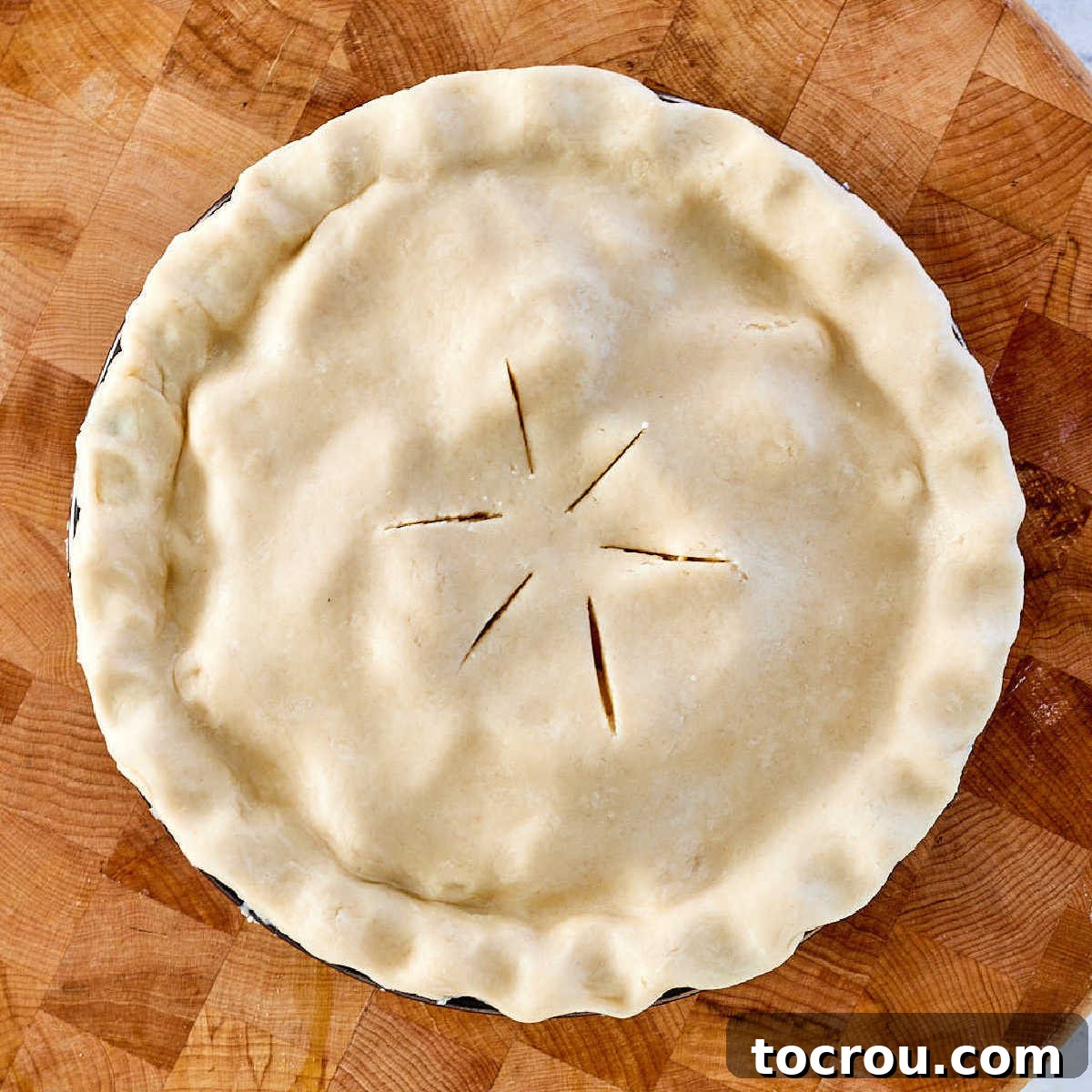
Unlock the secret to a truly unforgettable pie with this cherished lard pie crust recipe, passed down through generations. Straight from my great-grandma’s worn recipe box, this crust promises a tender, flaky texture that quite literally melts in your mouth, elevating any pie to a culinary masterpiece. If you’ve been searching for that elusive, perfect pie crust, your quest ends here.
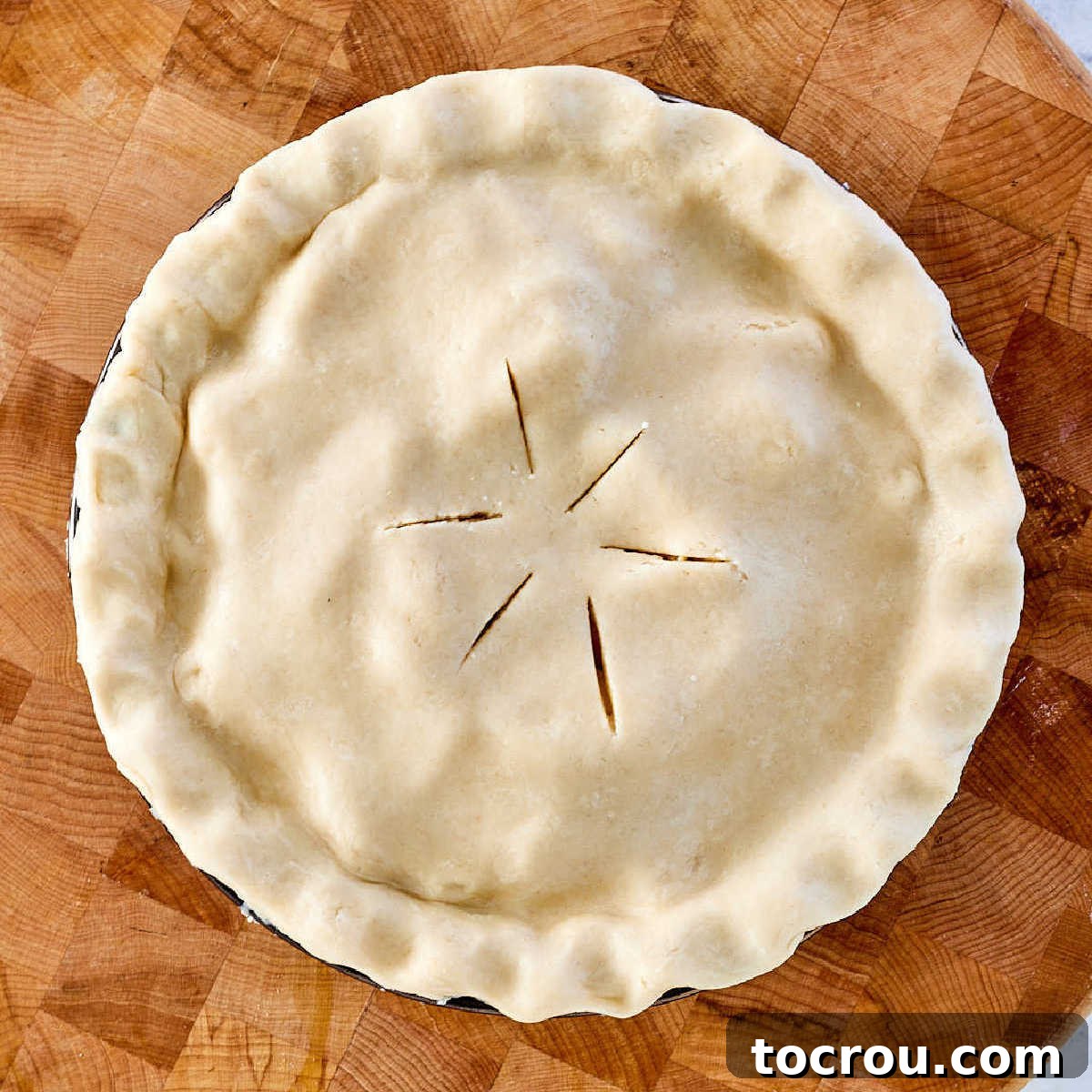
Discovering a Family Heirloom: The Quest for the Perfect Pie Crust
For decades, my mother embarked on a culinary pilgrimage, seeking to recreate the legendary pie crust her grandmother was renowned for. Growing up in the suburbs of Chicago, visits to her Indiana grandmother’s rural home were always an extraordinary delight, largely due to the heavenly pies that graced the table. My mom tirelessly experimented with countless recipes, finding some truly delicious alternatives like her extra flaky pie crust and even a decadent chocolate pie crust. Yet, none ever quite captured the magic of Grandma’s original.
The quest became a family legend, a testament to the enduring power of food memory. After years of searching and hopeful attempts, a breakthrough finally arrived: the treasured recipe was shared by a cousin! The excitement was palpable. We had the blueprint, the exact measurements, the steps—surely, instant pie gratification was just around the corner, right?
Not quite. As with all truly exceptional recipes, there was a deeper secret, a foundational element that made all the difference.
The Unsung Hero: Why Quality Lard is Paramount for a Flaky Pie Crust
The true heart of this incredible pie crust lies in the quality of its ingredients, particularly the lard. With so few components, each one’s flavor and texture contribution is magnified. My mother vividly recalls accompanying her grandmother to the local butcher, a special trip dedicated solely to acquiring the perfect lard. Grandma’s wisdom was clear and unwavering: “If you don’t have the right lard, it’s not worth making a pie.” This sentiment underscores the critical role this fat plays in achieving unparalleled flakiness and flavor.
Among all types of lard, **leaf lard** stands out as the most prized. This superfine, incredibly white fat is rendered from the visceral fat found around the kidneys and loins of a pig. Its neutral flavor and exceptional tenderness make it the gold standard for baking, particularly for pie crusts. Unlike regular lard, which can sometimes have a noticeable “porky” flavor, leaf lard offers a clean taste that allows the pie filling to truly shine, while imparting an unmatched crispness and delicate structure to the pastry.
Our journey to replicate Grandma’s crust meant waiting until we sourced this superior ingredient. Fortunately, my cousin MiMi, who raises pigs on her homestead, rendered fresh leaf lard specifically for this purpose. The moment it arrived, we knew it was finally time to embark on the sacred task of pie making. And indeed, the wait was absolutely worth it. The resulting crust was everything we remembered and more – impossibly tender, shatteringly flaky, and bursting with a subtle, rich flavor.
While rendering your own leaf lard offers the freshest option, it’s not a prerequisite for success. High-quality leaf lard is increasingly available in well-stocked grocery stores, specialty food markets, or local butcher shops. It might require a little effort to find, but trust us, the superior flavor and unparalleled flakiness it imparts to your pastry make it well worth the search. Look for pure, unhydrogenated leaf lard for the best results, avoiding any products with added ingredients or preservatives.
Lard, Really? The Benefits You Need to Know
The idea of using lard might surprise some, but this traditional fat offers numerous advantages over other options commonly used in pastry making. For centuries, lard has been the secret ingredient behind truly exceptional baked goods, and for good reason.
First, lard has a higher melting point than butter, making it easier to work with when cold and less prone to melting prematurely during handling. This characteristic is crucial for developing those desirable pockets of steam that create flakiness. Second, lard blends effortlessly into flour, creating a smooth, silky dough that is a pleasure to work with. Its unique fat crystal structure ensures that when baked, it separates into distinct, tender layers, yielding an incredibly flaky texture that is difficult to achieve with butter or shortening alone.
Furthermore, from a nutritional perspective, pure lard actually contains less saturated fat than butter and, crucially, no trans fats, unlike many commercial shortenings. When sourced from humanely raised animals, it’s a natural, wholesome fat that contributes not just to texture, but also to a subtle depth of flavor that complements both sweet and savory fillings.
Mastering Flakiness: Essential Tips for the Perfect Pie Crust
While exceptional lard is foundational, achieving a truly flaky crust also depends on a few key techniques. These tips, honed over generations, will ensure your pie crust is consistently light, tender, and beautifully layered:
- **Embrace the Cold:** The most critical rule for flaky pastry is to keep everything as cold as possible. Use ice-cold water, and ensure your lard is firm and chilled. Cold fat prevents gluten from developing too rapidly, which can lead to a tough crust. It also creates tiny pockets of fat within the dough that, when baked, release steam and form those coveted flaky layers.
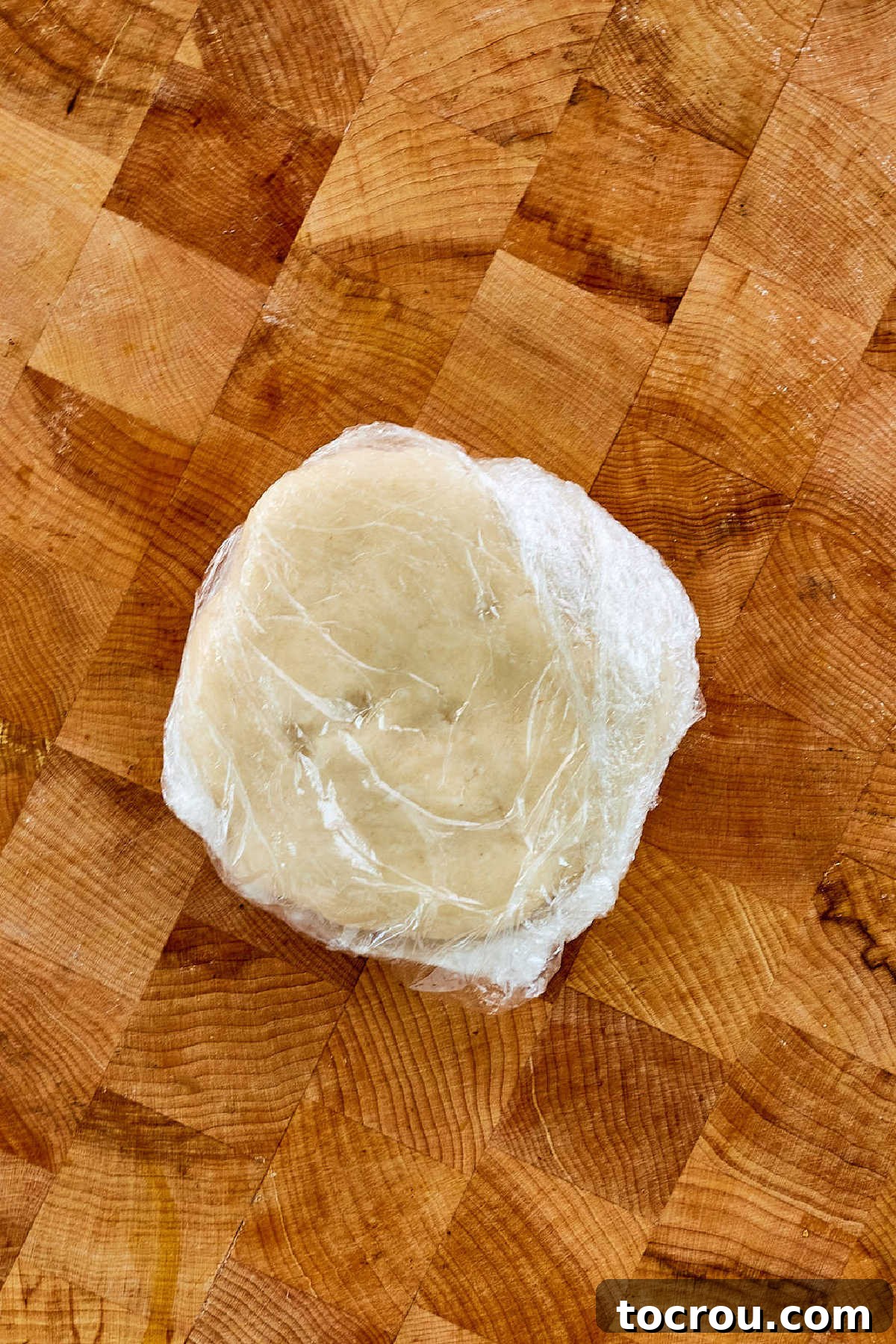
- **Chill, Chill, Chill (and then Chill Again!):** After mixing, pat your dough into a flat disk rather than a ball before wrapping it in plastic and chilling. This shape allows it to chill more evenly and gives you a head start when it comes to rolling. Chill the dough for at least 30 minutes. For ultimate flakiness, chill it again after you’ve fitted it into the pie pan, for another 15-30 minutes, before adding your filling or baking. This ensures the fat remains solid, maximizing its flaking potential.
- **Handle with Care:** Overworking the dough is the enemy of flakiness. Excessive kneading develops gluten, resulting in a tough, chewy crust instead of a tender one. Mix just until the ingredients come together, and roll out the dough with a light hand, rotating it frequently to prevent sticking. The less you handle it, the better.
- **The Right Tools Make a Difference:** A pastry blender or two knives can help cut the cold lard into the flour efficiently, creating pea-sized pieces of fat that are ideal for flakiness. If using a food processor, pulse quickly to avoid overmixing or warming the fat.
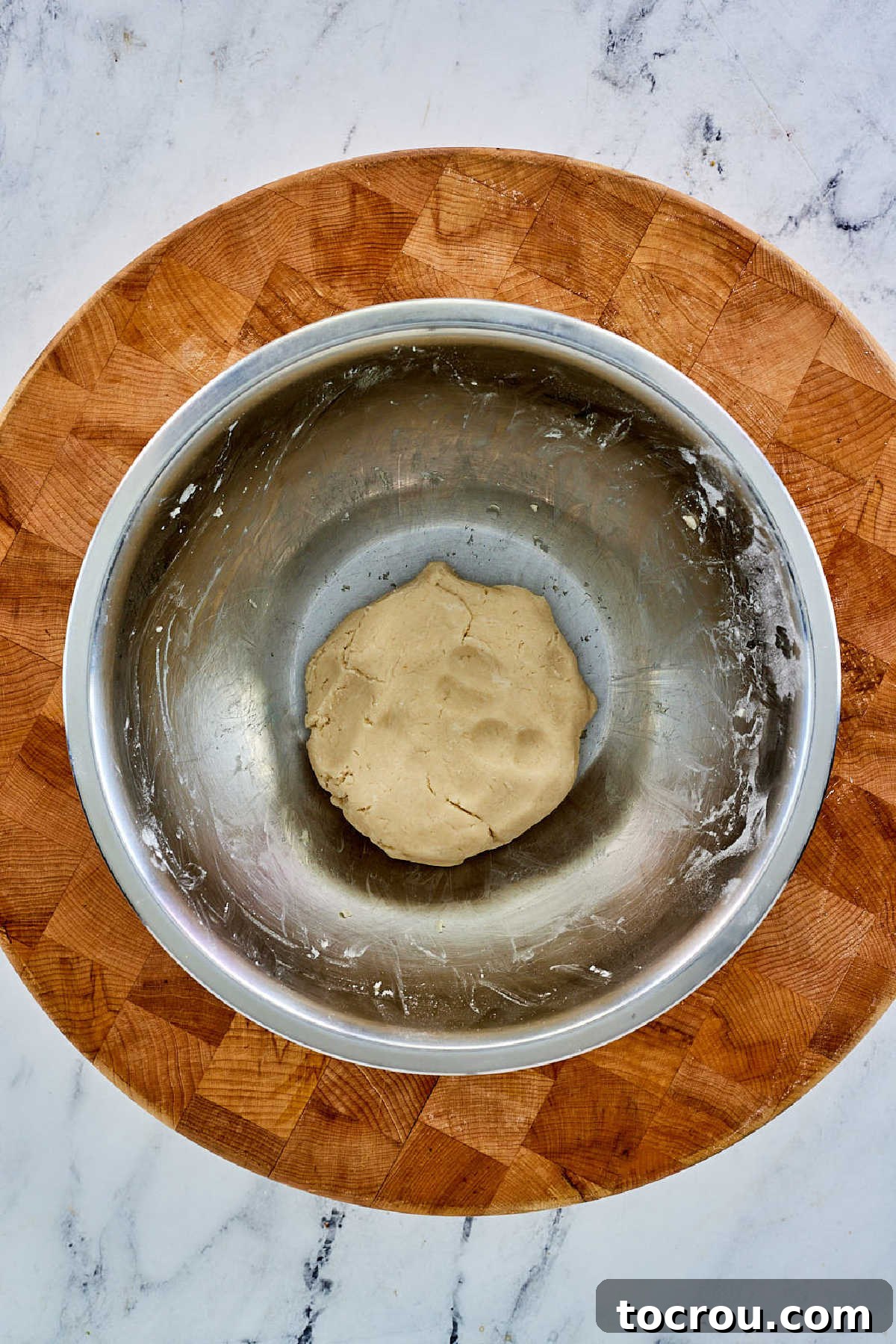
- **Don’t Fear the Crumbly Stage:** When cutting the lard into the flour, it’s normal for the mixture to look crumbly, like coarse meal, before adding water. This texture is exactly what you want – it means the fat is properly distributed.
Preventing the Dreaded Soggy Bottom
A soggy bottom can ruin even the most delicious pie. Great-grandma’s simple but ingenious trick for a perfectly crisp bottom crust is worth adopting:
Preheat a sturdy baking sheet or cookie sheet with your oven. When it’s time to bake your pie, place the pie pan directly onto this hot sheet pan. The hot surface will instantly transfer heat to the bottom of the pie crust, ensuring it cooks thoroughly and crisps up, effectively preventing a dreaded soggy bottom. This pan will also catch any potential drips, keeping your oven clean.
It’s Pie Time! Versatile Uses for Your Flaky Lard Crust
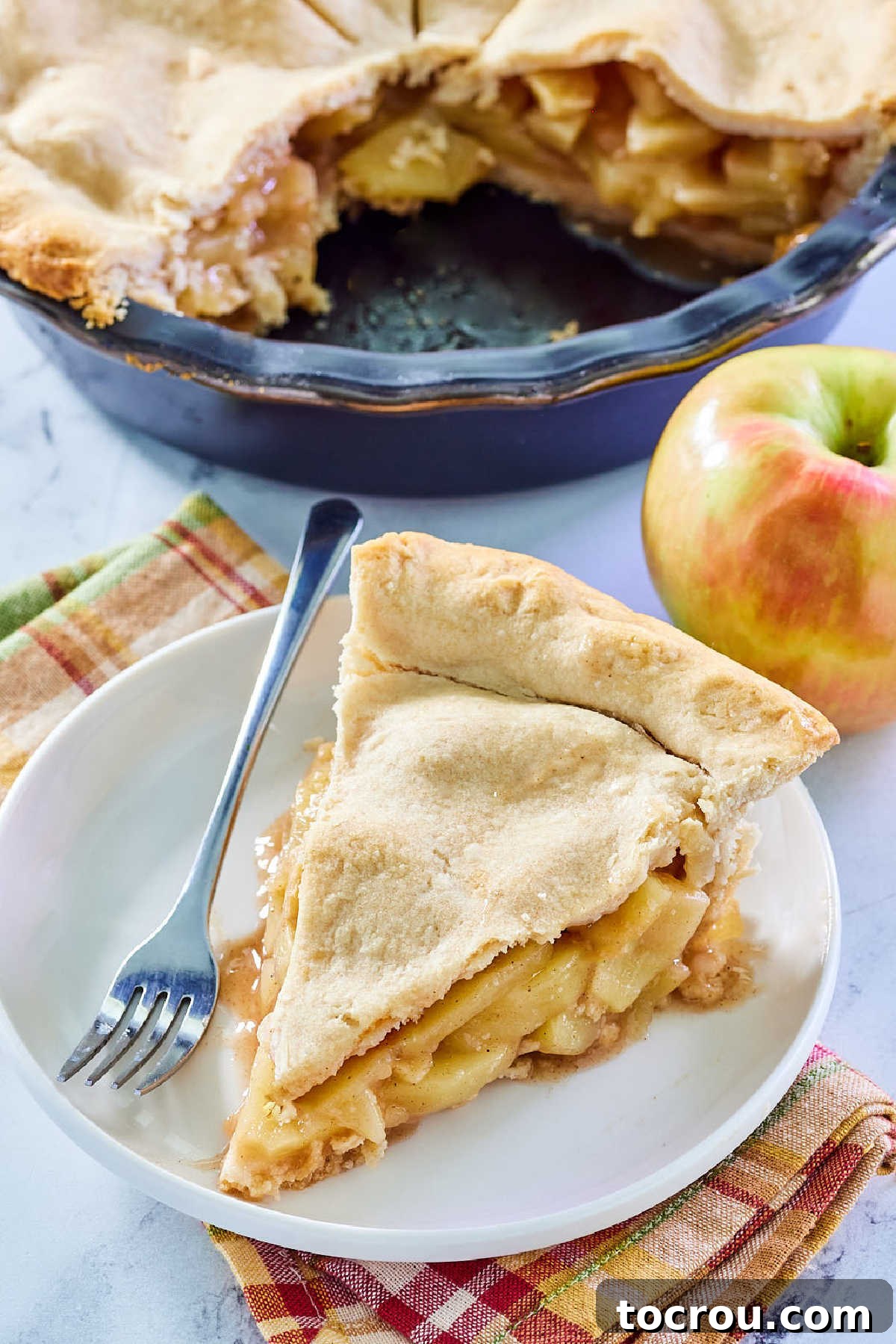
Once you’ve mastered this incredible lard pie crust, a world of baking possibilities opens up! I first used this recipe to create my great-grandma’s legendary apple pie, a recipe so beloved it will be shared here in just a few days. My mom considers it the gold standard of pies, a treat so irresistible she once braved snow and subzero temperatures just for a slice. Naturally, it has become a cherished favorite for our entire family.
But the versatility of this crust extends far beyond traditional apple pie. Its robust flavor and tender texture make it ideal for a wide array of sweet and savory creations:
- **Savory Delights:** Imagine this flaky crust crowning a hearty creamy chicken pot pie or a comforting ham and cheese pot pie. It would also be exceptional for quiches or savory tarts, adding a rich depth that store-bought crusts simply can’t match.
- **Classic Sweet Pies:** This crust is a perfect partner for fruit pies like cherry, peach, or berry. It also beautifully complements cream pies (like coconut cream or banana cream) and custard pies (such as pumpkin or pecan), providing a delicate counterpoint to their rich fillings. I can easily picture great-grandma savoring a slice of old-fashioned sour cream and raisin pie or indulging in a fun oatmeal pie made with this very crust.
- **Creative Treats:** Don’t let those precious scraps go to waste! Gather them up, sprinkle with cinnamon sugar, and bake them into delightful cinnamon sugar pie crust cookies. It’s a delicious little reward for your baking efforts, offering a taste of the pie to come.
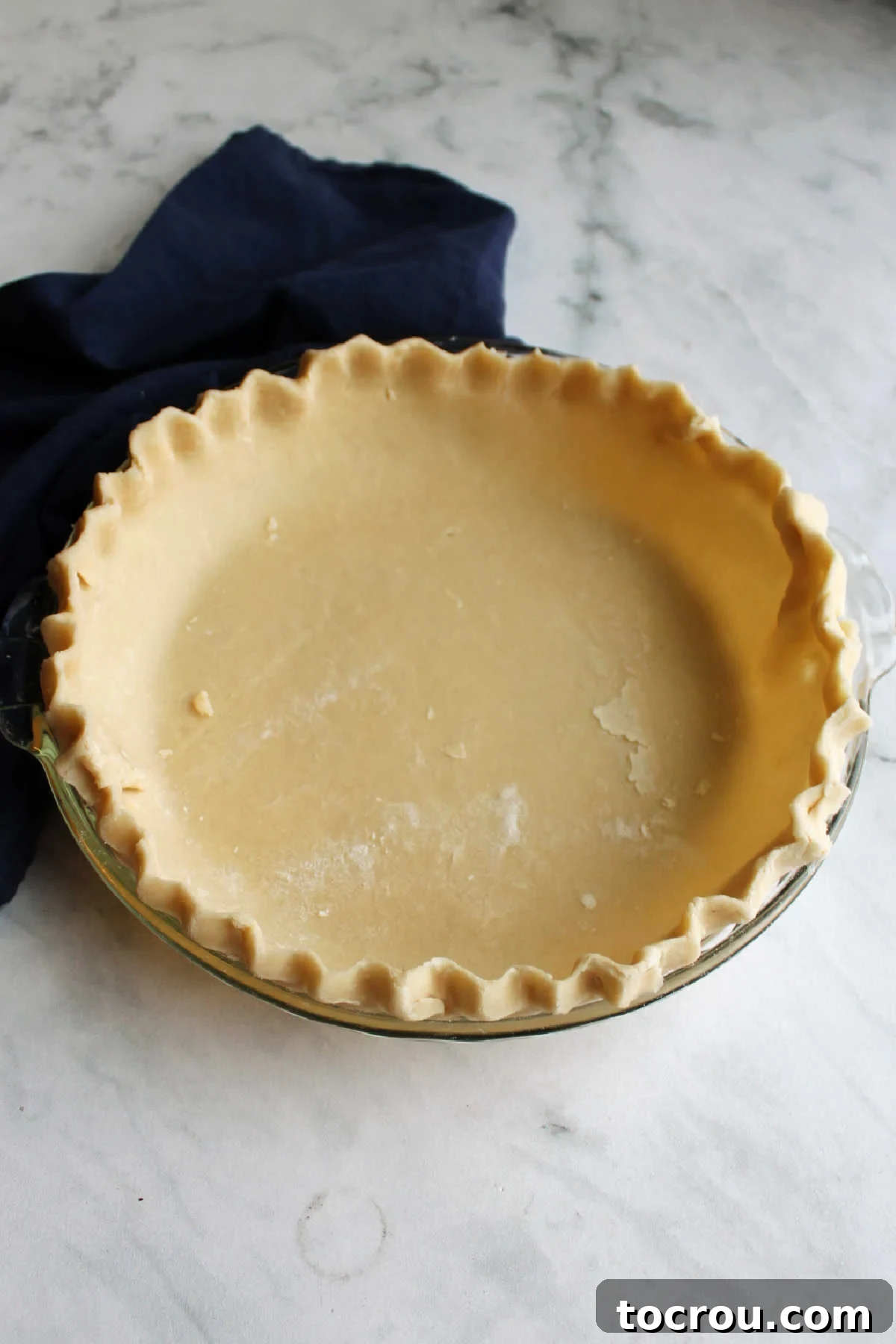
What is the Secret to an Unforgettable Pie Crust?
Achieving a super tender, incredibly flaky pie crust boils down to two fundamental secrets:
The first secret is maintaining a consistently **cold temperature**. This means starting with ice-cold water and firm, chilled lard. Even after assembling, refrigerate the crust again before you bake it. Cold ingredients prevent the fat from melting too soon and inhibit excessive gluten development, both of which are crucial for that coveted flaky texture.
The second secret is to **work the dough as little as possible**. Every time you handle or knead the dough, you activate the gluten in the flour. Overworking it develops too much gluten, which leads to a tough, chewy crust rather than one that is delicate and tender. Aim for minimal handling to preserve the integrity of the fat particles and ensure a melt-in-your-mouth result.
Lard Pie Crust: Great-Grandma’s Flaky Recipe
Carlee
12
Servings (Enough for a single 9″ pie)
15
15
30
1
Equipment
-
Pie Weights
Ingredients
Metric
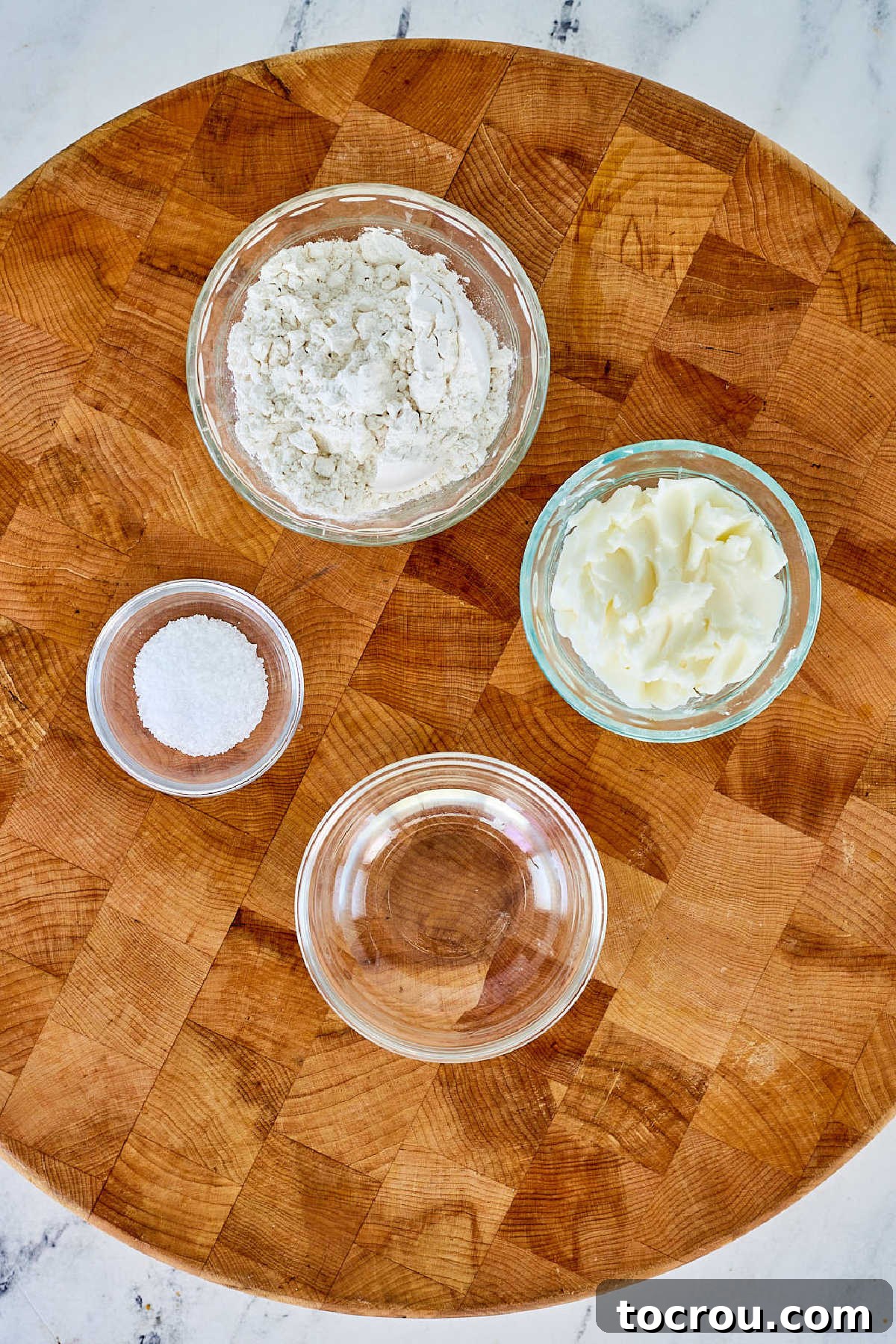
- 1½ cups all purpose flour
- 1 pinch salt
- ½ cup lard (leaf lard if possible)
- 3 to 4 Tablespoons cold water
Instructions
Making the Dough
-
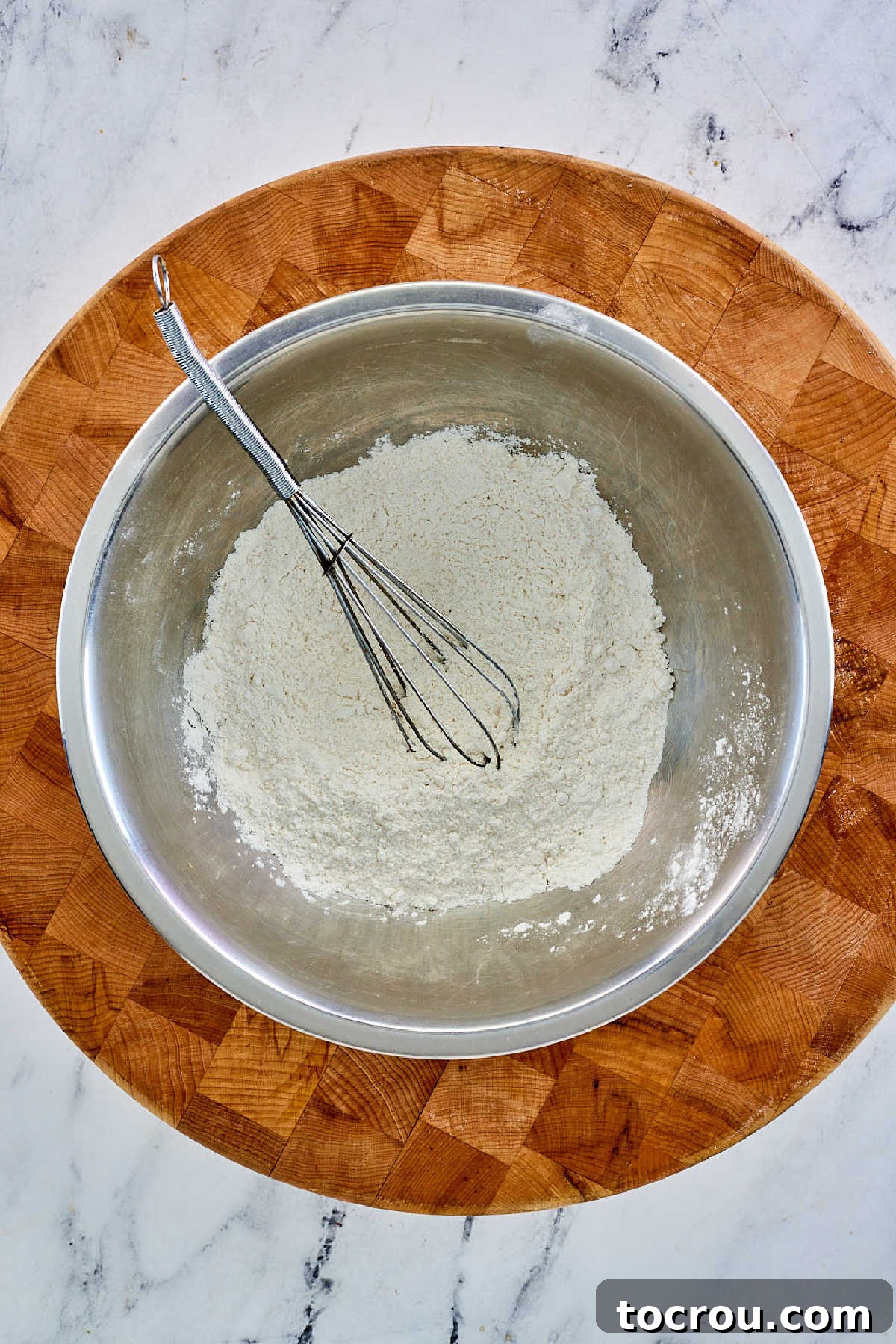
Stir together 1½ cups all purpose flour and 1 pinch salt.
-
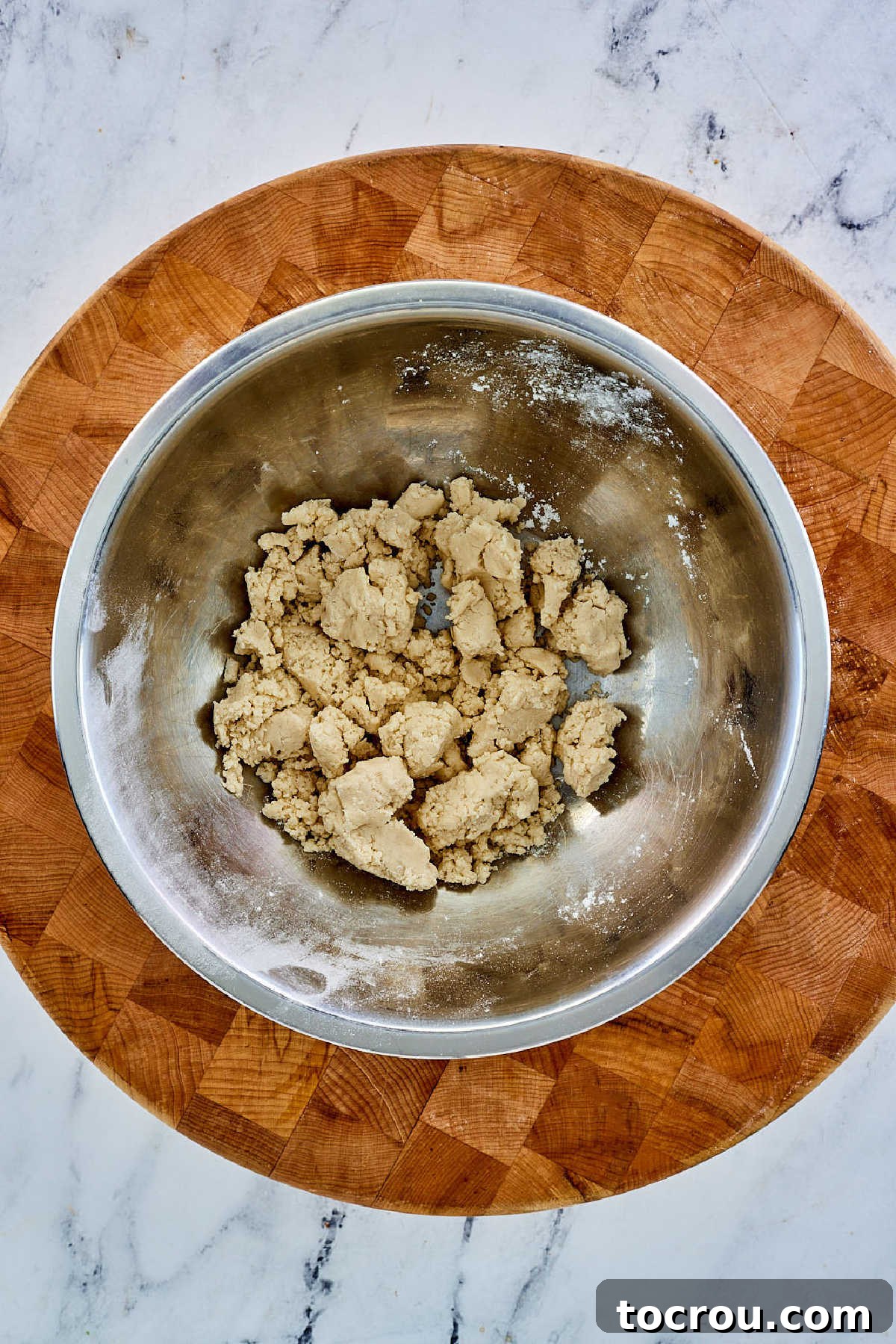
Cut in ½ cup lard until you have a crumbly mixture.
-
Add just enough ice cold water to make it come together into a dough. Start with 3 tablespoons and add more only if necessary, one teaspoon at a time.
-
Pat the dough into a flat disk, about 1-inch thick, and wrap tightly with plastic wrap. Chill in the refrigerator for at least 30 minutes, or up to 3 days.
-
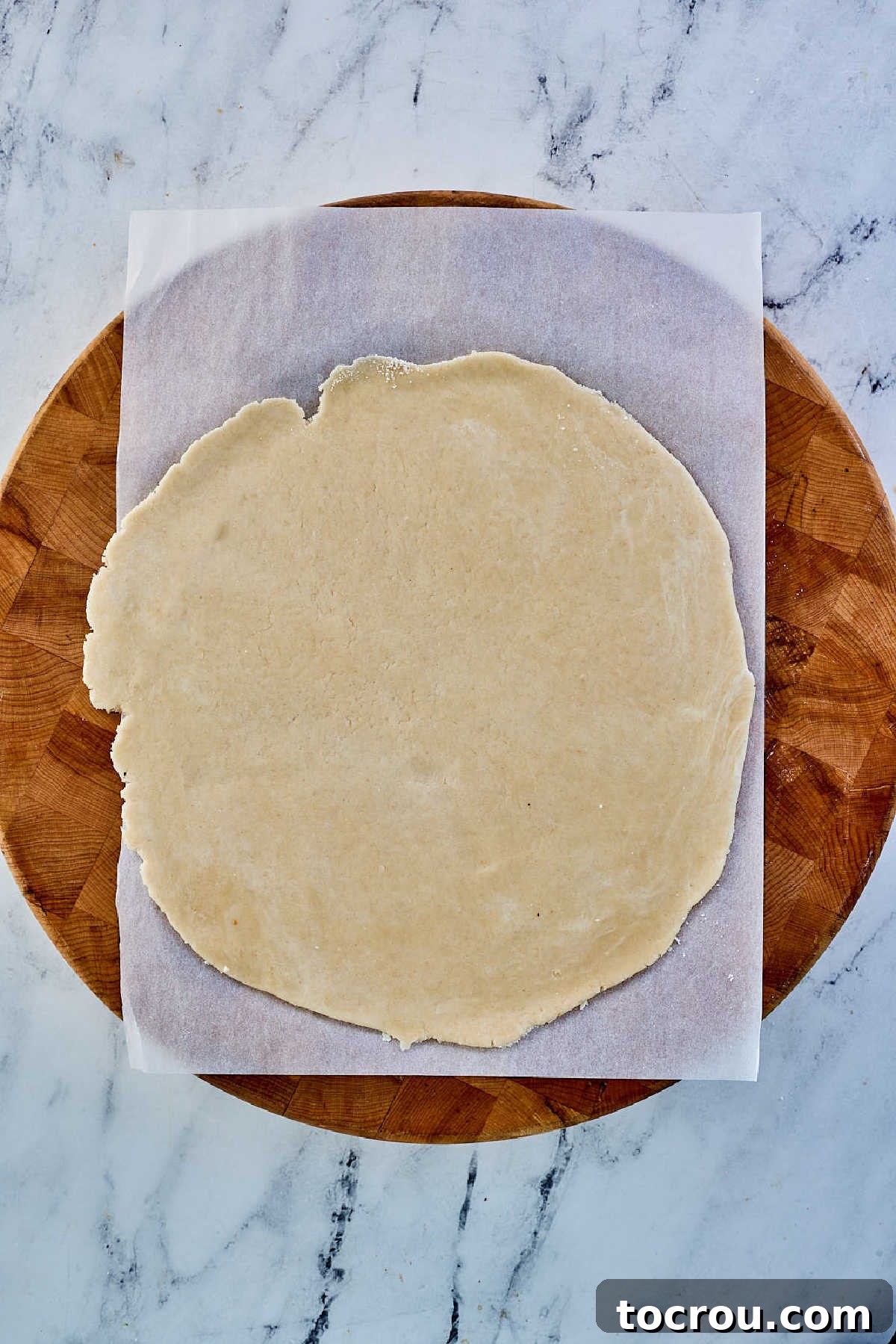
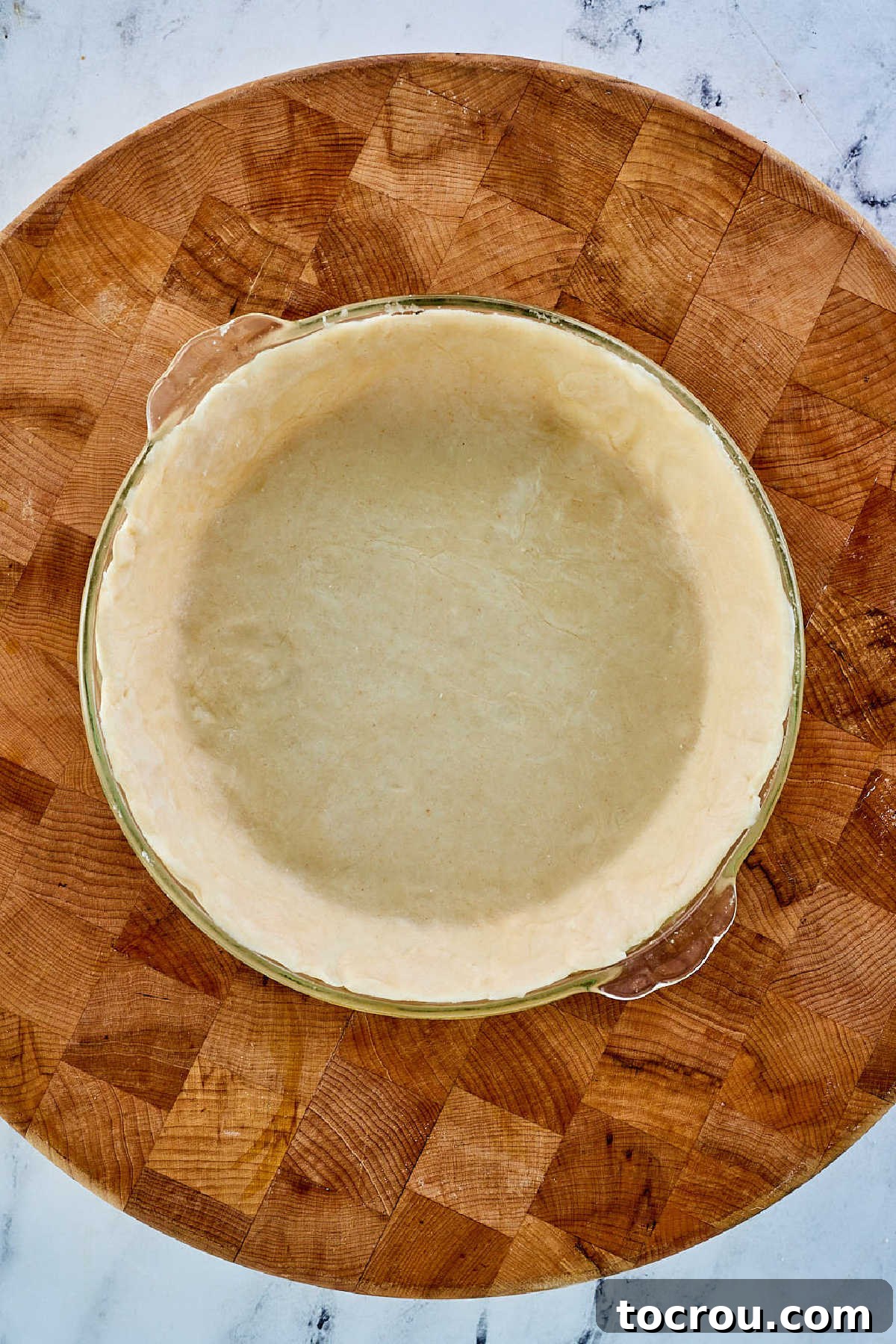
On a lightly floured surface, roll the chilled dough into a thin, even circle, approximately 12 inches in diameter. Carefully transfer and fit it into your 9-inch pie pan, trimming and crimping the edges as desired.
-
For the flakiest possible crust, place the crust-lined pie plate back in the refrigerator for another 15-30 minutes before filling. Alternatively, proceed directly to bake according to your pie filling’s instructions.
Blind Baking the Crust
-
To blind bake (pre-bake) the pie shell without fillings, preheat your oven to 425°F (220°C). For an extra crisp bottom, place a baking sheet in the oven while it preheats.
-
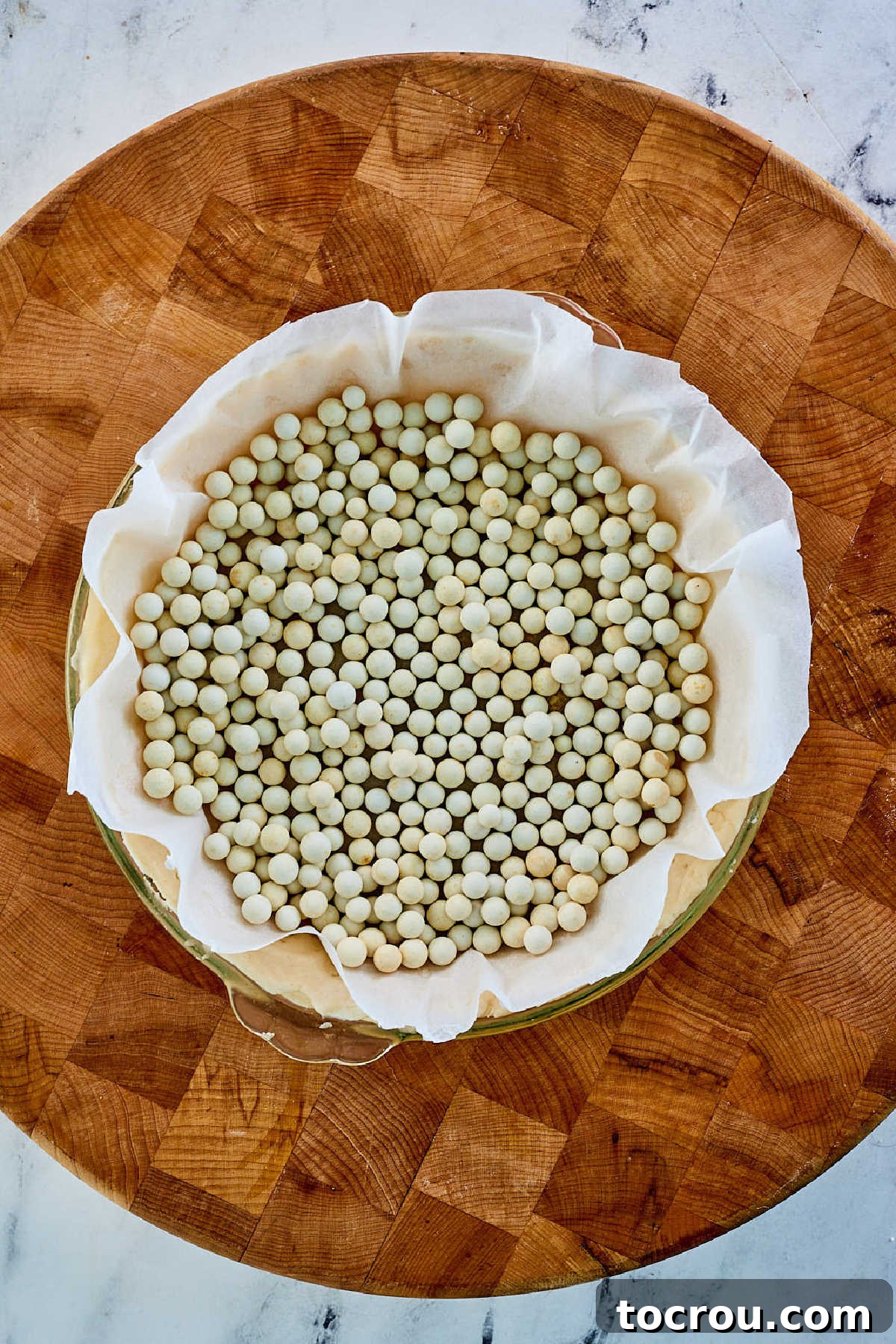
Prick the bottom and sides of the chilled pie crust a few times with a fork. Line the crust with parchment paper or aluminum foil, extending beyond the edges, and fill it with pie weights, dried beans, or rice. Place the pie plate on the preheated baking sheet (if using). Bake for 12 minutes.
-
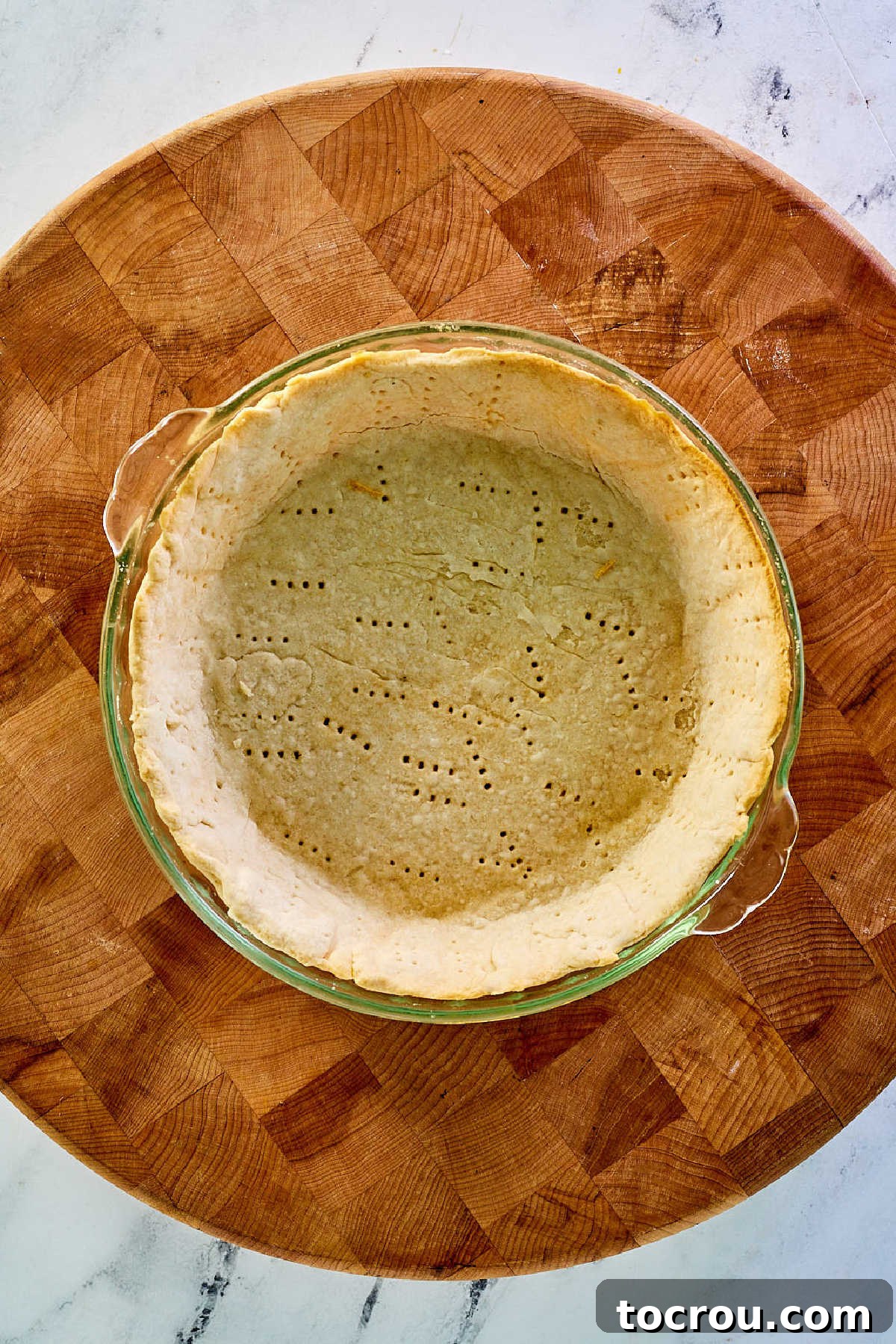
Carefully remove the parchment paper or foil and the weights. Return the crust to the oven. Bake for an additional 8 to 10 minutes for a partially baked crust (suitable for pies with moist fillings that bake for a long time), or for a fully baked crust, continue baking for 10 to 12 minutes longer, until the crust achieves a beautiful golden brown color.
Notes
- This recipe yields enough dough for a single 9-inch pie crust. If your pie requires a top crust or a double crust, simply double the ingredients.
- You can prepare this pie crust dough in advance. Store the wrapped disk of dough in the refrigerator for up to three days. For longer storage, freeze the dough for up to three months. Thaw frozen dough in the refrigerator overnight before use.
- For the absolute best results, insist on using good quality, rendered leaf lard. If you don’t find it near the shortening or butter in your grocery store, inquire at the meat counter or visit a local butcher shop. The clean flavor and superior texture it provides are truly unmatched.
Video
Nutrition Information
Serving:
1
serving
|
Calories:
132
kcal
|
Carbohydrates:
12
g
|
Protein:
2
g
|
Fat:
9
g
|
Saturated Fat:
2
g
|
Polyunsaturated Fat:
2
g
|
Monounsaturated Fat:
4
g
|
Trans Fat:
1
g
|
Sodium:
4
mg
|
Potassium:
17
mg
|
Fiber:
0.4
g
|
Sugar:
0.04
g
|
Calcium:
3
mg
|
Iron:
1
mg
“Cooking With Carlee” is not a dietitian or nutritionist, and any nutritional information shared is an estimate. If calorie count and other nutritional values are important to you, we recommend running the ingredients through whichever online nutritional calculator you prefer. Calories and other nutritional values can vary quite a bit depending on which brands were used.
Did you try this recipe?
We’d love to hear how it turned out! Don’t forget to leave a rating and share your creation on social media. Make sure to follow us on Pinterest and Instagram for more delicious recipes and baking inspiration!