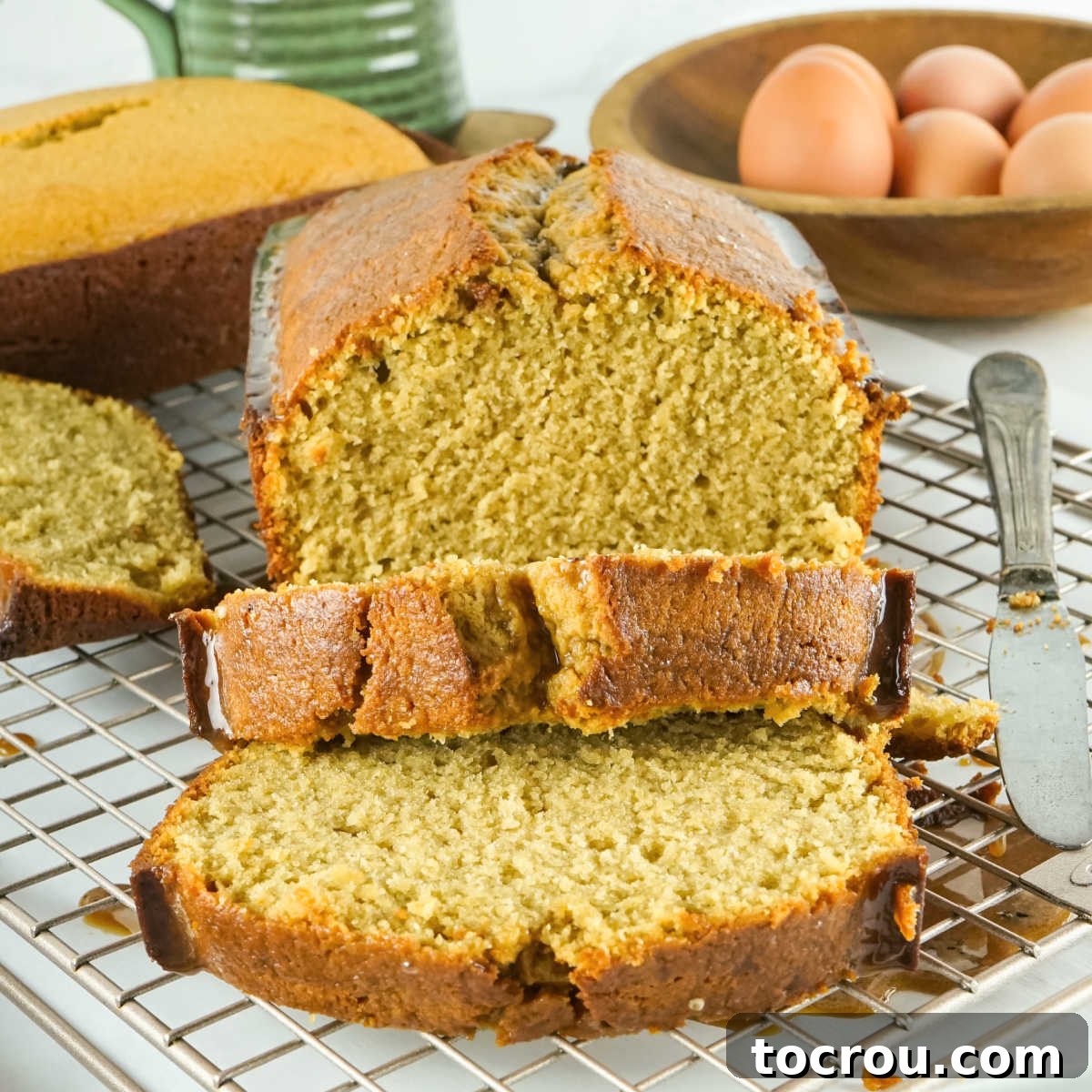
Imagine the comforting aroma of freshly brewed coffee mingling with the sweet fragrance of a classic pound cake. Now, picture that perfect harmony in every single bite of a rich, moist cake, generously crowned with an equally decadent coffee-infused glaze. This isn’t just a dream; it’s the reality of this exceptional Coffee Pound Cake recipe, a dessert that promises to tantalize your taste buds and elevate your baking game. It’s truly as delightful as it sounds, a sophisticated twist on a beloved classic.
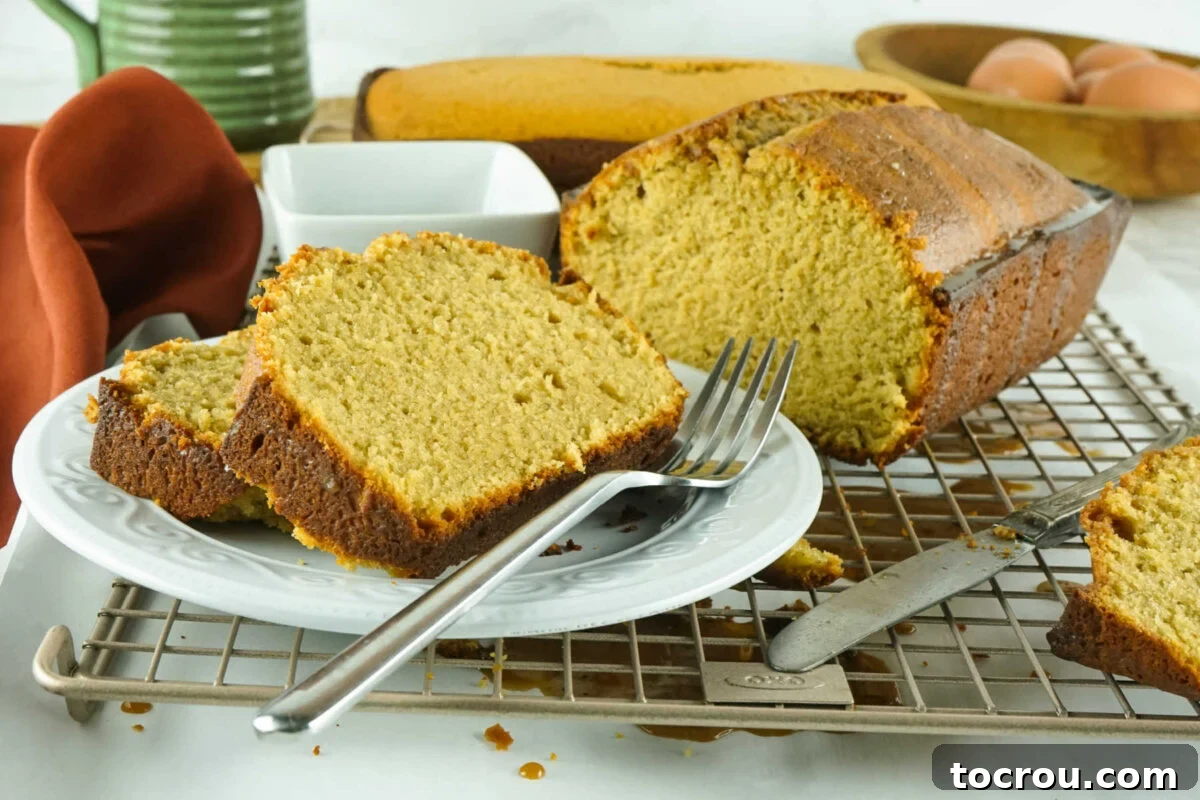
Why This Coffee Pound Cake Will Become Your New Favorite
If you’re a devoted fan of traditional pound cake and cherish the robust flavor of coffee, prepare to meet your culinary soulmate. This recipe expertly marries the best of both worlds, creating a dessert that is both comforting and elegantly sophisticated. It’s the ideal treat to enjoy with your morning coffee, as an afternoon pick-me-up, or as a delightful end to any meal. There’s something undeniably “adult comfort” about pairing a slice of this rich cake with a warm beverage, making it a perfect indulgence for any time of day.
The popularity of coffee-flavored desserts, like our acclaimed collection of coffee desserts or the much-loved coffee and cream sponge cake, speaks volumes. Coffee’s inherent bitterness acts as a magnificent counterpoint, balancing the sweetness often found in baked goods and creating a more complex, nuanced flavor profile that truly satisfies. This pound cake is no exception, offering a depth of flavor that sets it apart from more traditional, sweeter counterparts.
The Power of Instant Coffee in Baking
This recipe proudly features instant coffee as a star ingredient, and for good reason. Instant coffee is an incredible secret weapon in a baker’s pantry, offering a powerful, concentrated coffee flavor without introducing excess liquid to your batter. This is crucial for pound cakes, where the balance of wet and dry ingredients is paramount to achieving that signature dense, yet moist crumb. Using brewed coffee, while flavorful, would require significant adjustments to the recipe’s liquid content, potentially compromising the cake’s delicate structure.
If the idea of baking with instant coffee gives you pause, rest assured, you’re not alone. Many bakers initially find it a bit unconventional. However, once you experience the deep, rich coffee essence it imparts, you’ll become a convert. I’ve personally embraced it wholeheartedly, even incorporating it into both the dough and the luxurious glaze of my coffee and cream cinnamon rolls, to stunning effect. It’s a versatile ingredient that delivers big flavor with minimal fuss.
While instant coffee is our top recommendation for optimal results, we understand you might be looking for alternatives. A very finely ground espresso powder can be a suitable substitute, offering a similar concentrated flavor. Be mindful of its strength and adjust quantities if necessary. Another option is coffee extract, though you would likely need a substantial amount to achieve a truly pronounced coffee flavor, and it might alter the cake’s moisture content slightly. Our strongest suggestion remains: invest in some quality instant coffee. It’s not just for this pound cake; it opens up a world of delightful coffee-infused baking adventures!
Beyond this pound cake, a jar of instant coffee can inspire a baking spree. Imagine whipping up a batch of rich coffee and cream brownies, or crafting a smooth, egg-free coffee ice cream. You could also venture into no-bake territory with an decadent no-bake mocha cheesecake, or a creamy no-bake coffee pie. The possibilities are endless when you have this flavor enhancer on hand.
Mastering the Coffee Pound Cake: Detailed Baking Guide
Creating this exquisite Coffee Pound Cake is a straightforward and rewarding process. By following these detailed steps, you’ll achieve a perfectly baked, incredibly flavorful dessert every time. Precision and patience are your best allies in the kitchen!
Essential Equipment for Baking Success
Having the right tools can make all the difference in your baking experience. For this recipe, you’ll need a reliable loaf pan, ideally a metal one for even baking, and a hand mixer to ensure your batter is perfectly aerated and smooth. A large mixing bowl, a separate bowl for dry ingredients, and a rubber spatula are also indispensable.
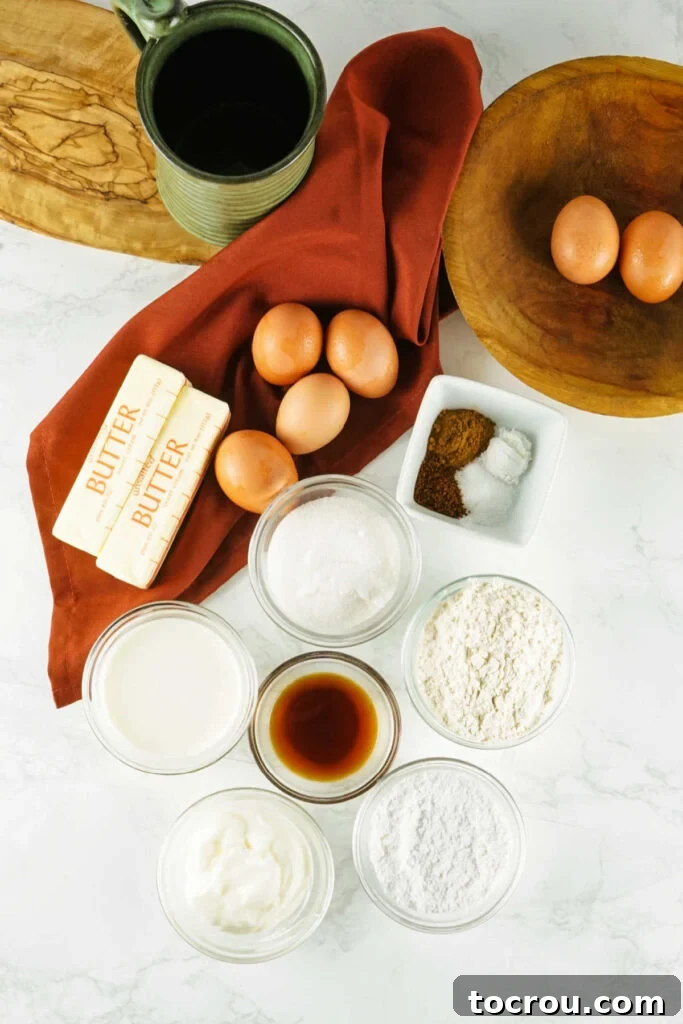
Ingredients for Your Delectable Coffee Pound Cake
For the Cake:
- 1 cup unsalted butter, softened: Room temperature butter is key for proper creaming, creating air pockets for a lighter texture.
- 1 cup granulated sugar: Provides sweetness and works with butter to build the cake’s structure.
- ⅓ cup sour cream: Adds moisture, richness, and a slight tang that enhances the coffee flavor.
- 4 eggs: Bind the ingredients together, add richness, and contribute to the cake’s structure. Ensure they are at room temperature.
- 4 Tablespoons instant coffee: The star ingredient for that bold coffee flavor. Don’t skimp!
- 1 Tablespoon vanilla extract: A classic enhancer that complements the coffee beautifully.
- 1 ½ cups all-purpose flour: Provides the main structure of the cake.
- 2 teaspoons salt: Balances the sweetness and enhances all the flavors.
- 1 teaspoon baking powder: Gives the cake a little lift, ensuring a tender crumb.
For the Coffee Glaze:
- 1 cup powdered sugar: Forms the base of your sweet, smooth glaze.
- 3 Tablespoons whole milk: Adjust as needed for desired consistency.
- 1 Tablespoon instant coffee: For that irresistible coffee kick in the glaze.
Instructions for Baking Your Coffee Pound Cake
- Prepare Your Oven and Pan: Preheat your oven to a precise 325°F (160°C). This lower temperature is essential for a pound cake’s dense yet moist texture, preventing the outside from baking too quickly. Generously grease and flour a 9×5 inch loaf pan, ensuring the cake releases easily after baking.
- Cream Butter and Sugar: In a large mixing bowl, using your hand mixer, cream together the softened unsalted butter and granulated sugar for a full two minutes. This step is crucial for incorporating air, which contributes to the cake’s texture and rise. The mixture should become light, fluffy, and pale in color.
- Add Wet Ingredients: Into the creamed butter and sugar, add the eggs one at a time, mixing well after each addition. Then, incorporate the vanilla extract, instant coffee, and sour cream. Continue mixing with your hand mixer for another two minutes. Ensure all these wet ingredients are thoroughly combined and smooth, creating an emulsified base for your cake.
- Whisk Dry Ingredients: In a separate, medium-sized bowl, whisk together the all-purpose flour, baking powder, and salt. This ensures even distribution of the leavening agent and salt throughout the dry mixture, which is vital for a consistent crumb.
- Combine Wet and Dry: Gradually add the whisked dry ingredients to the wet mixture. Begin by lightly folding them in with a rubber spatula until just combined. Then, switch back to your hand mixer and beat on low speed until the ingredients are fully incorporated. Be careful not to overmix; overmixing can lead to a tough cake. The batter should be smooth but don’t beat it excessively.
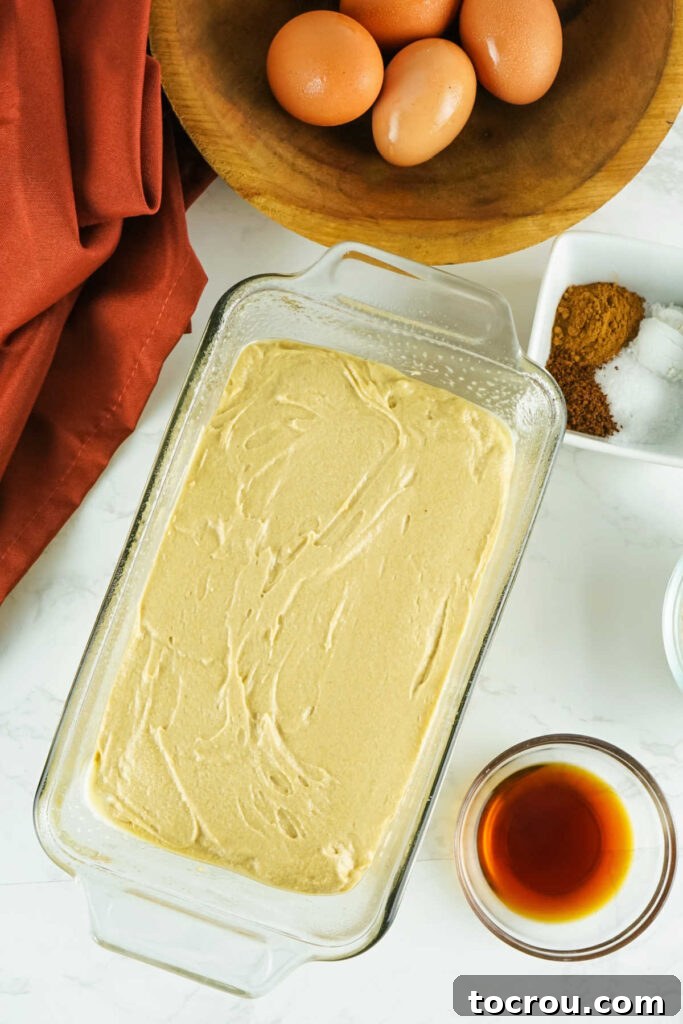
- Pour and Bake: Pour the luscious batter evenly into your prepared loaf pan. Spread it gently with your spatula to ensure a level top.
- Bake to Perfection: Bake for approximately 1 hour, or until a butter knife or wooden skewer inserted into the very center of the cake comes out clean. Baking times can vary slightly depending on your oven and pan material (see tips below), so monitor for doneness.
- Cooling Process: Once baked, remove the cake from the oven and allow it to cool in the pan on a wire rack for about 10-15 minutes. This allows the cake to set and prevents it from crumbling. After this initial cooling, carefully invert the cake onto the wire rack to cool completely. Cooling thoroughly is important before glazing.
- Prepare the Coffee Glaze: While the cake cools, prepare your irresistible glaze. In a small bowl, combine the powdered sugar, whole milk, and instant coffee. Stir vigorously until all ingredients are fully combined and the glaze is smooth. You might notice tiny specks of undissolved instant coffee, which adds a lovely visual texture and concentrated bursts of flavor – this is desirable! Adjust milk slightly if you prefer a thicker or thinner glaze.
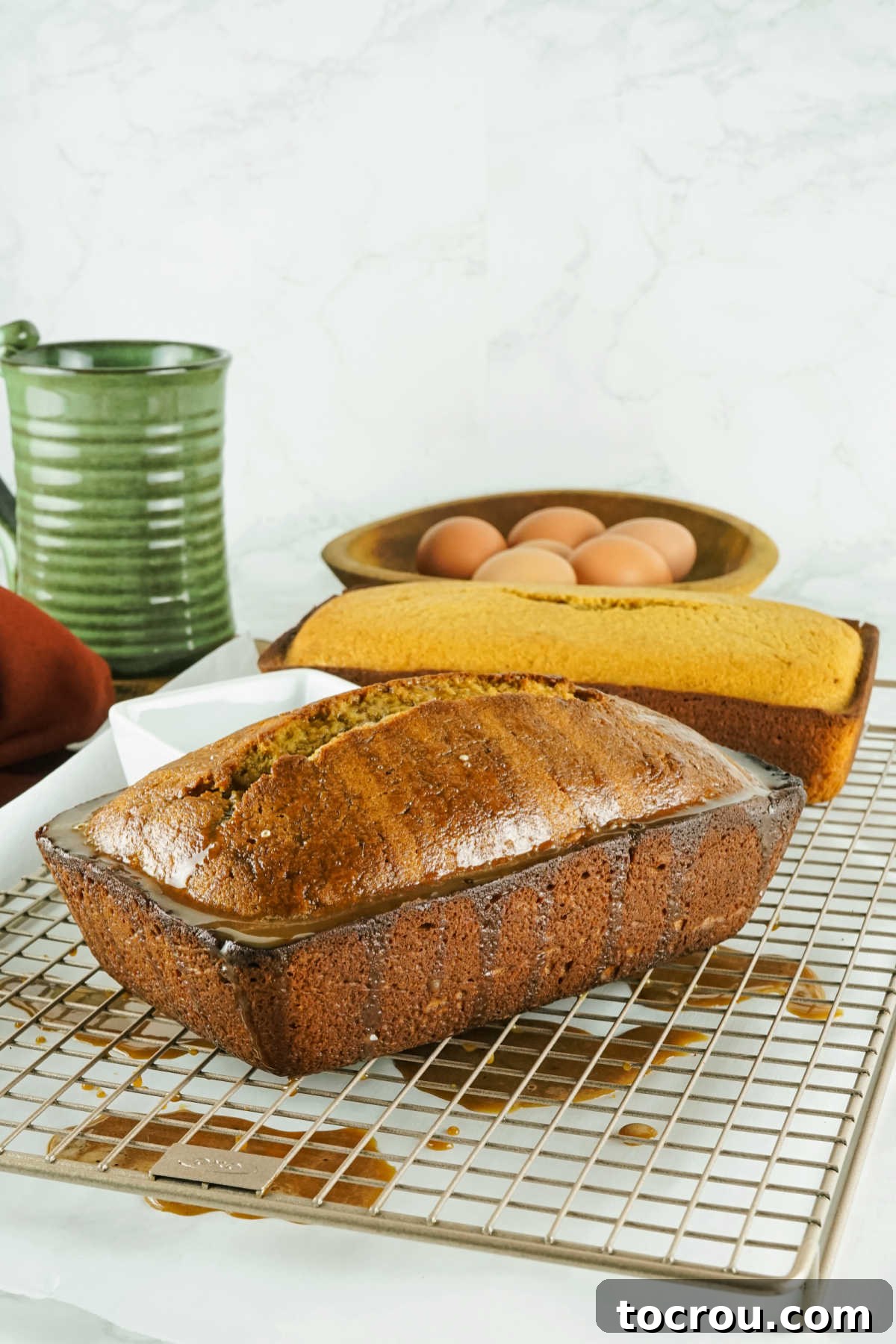
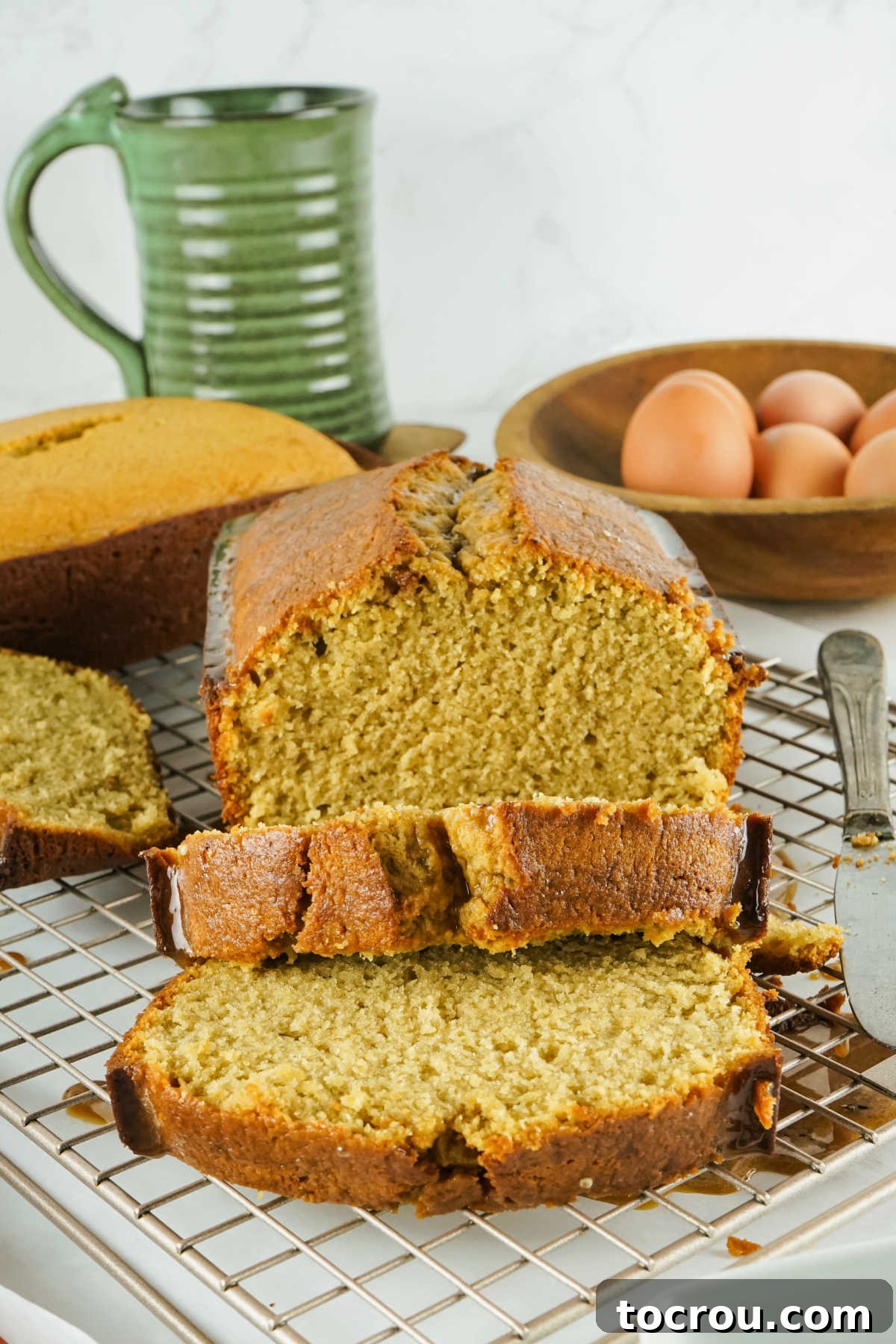
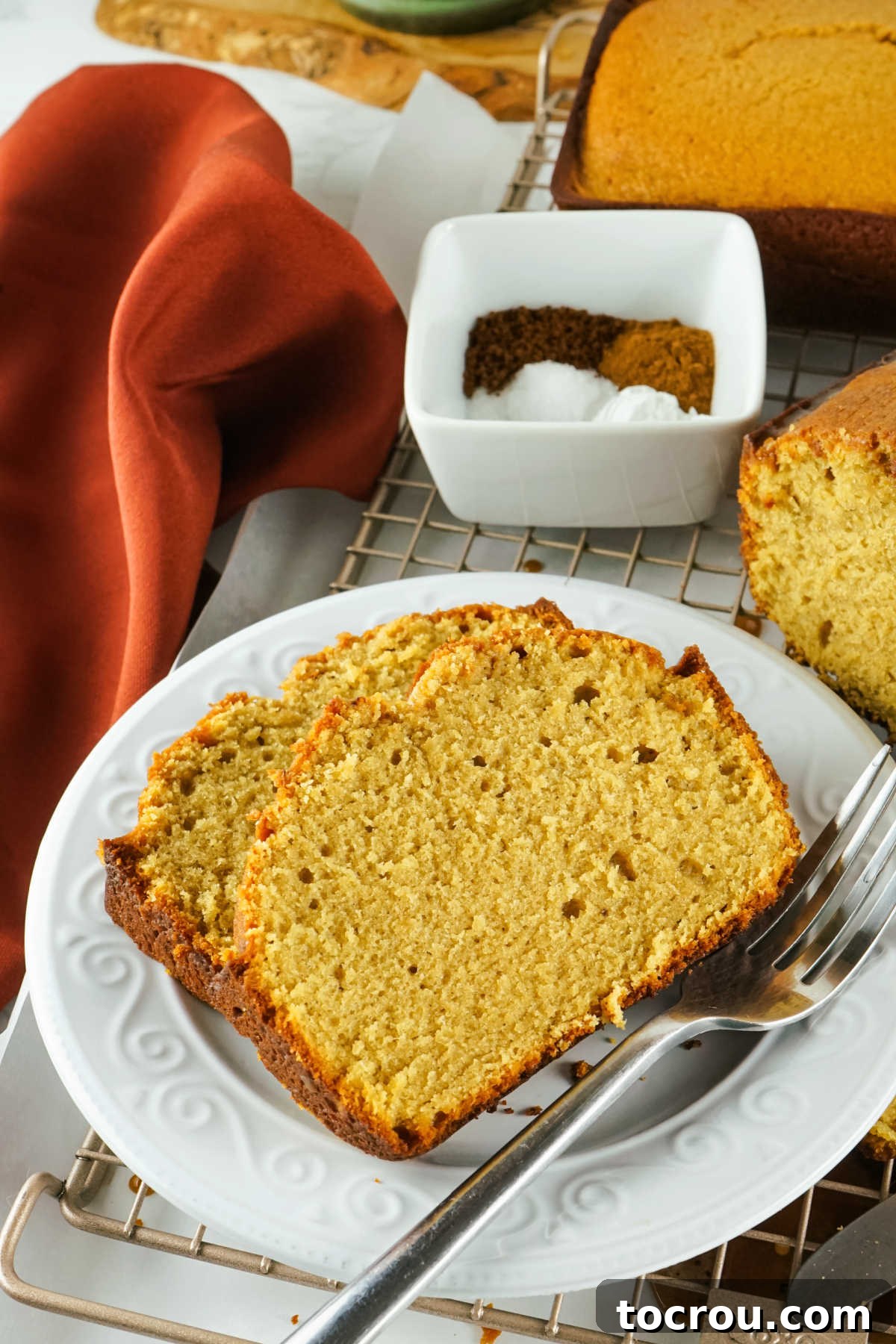
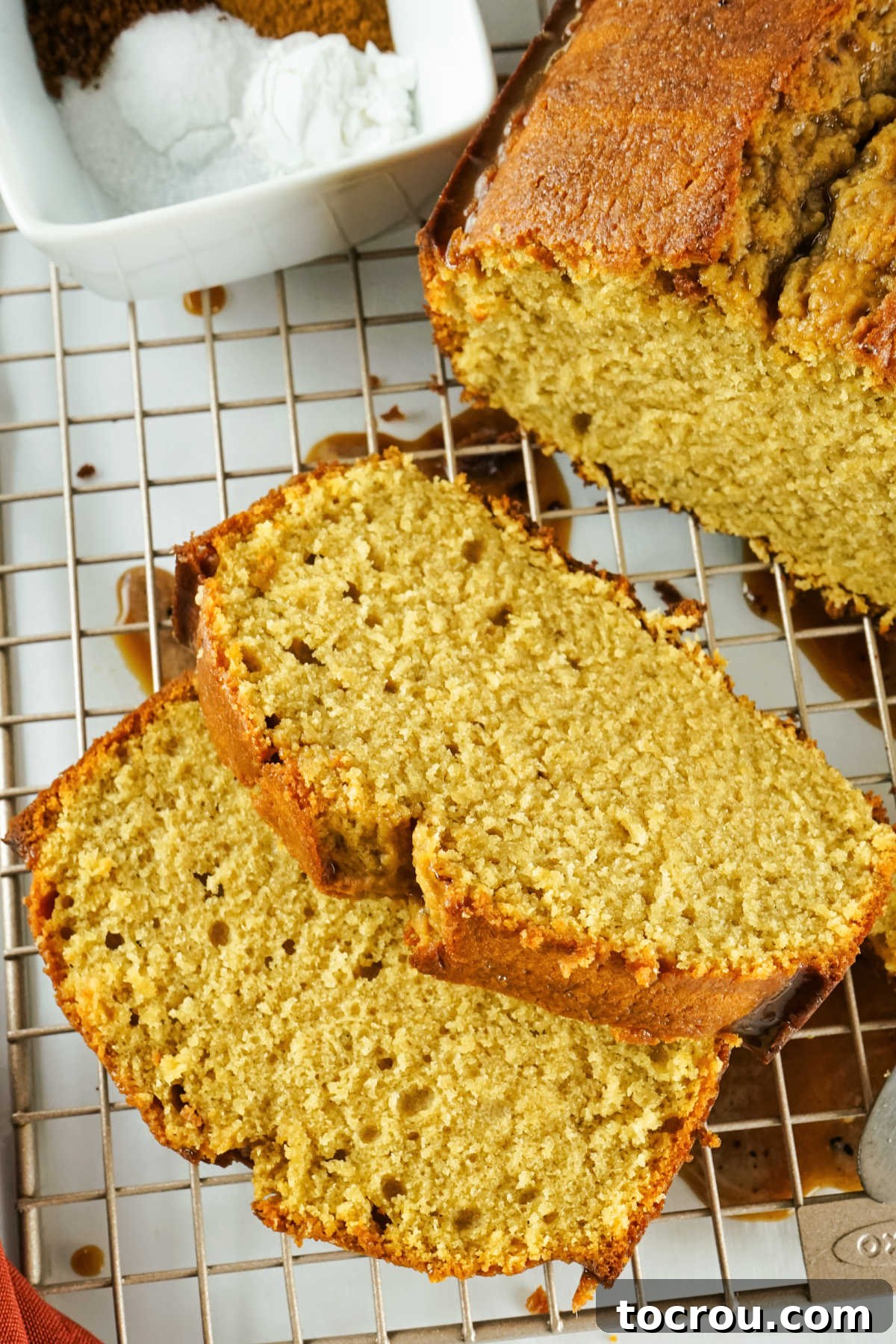
- Glaze and Serve: Once the cake is completely cool, generously drizzle the coffee glaze over the top, allowing it to drip down the sides for a beautiful presentation. Slice into thick pieces, serve with your favorite coffee or tea, and savor every exquisite bite!
Expert Baking Tips for Your Best Coffee Pound Cake
Achieving pound cake perfection often comes down to a few key techniques and considerations. Heed these expert tips to ensure your Coffee Pound Cake turns out flawlessly every time:
- Sour Cream vs. Greek Yogurt: While sour cream is our top recommendation for the ultimate texture and rich flavor, Greek yogurt can be used as a substitute if absolutely necessary. Be aware that using Greek yogurt may result in a slightly flatter cake, as it has a different fat content and acidity profile. However, if a flatter cake is desired for specific decorating or serving purposes (like creating an ice cream cake), Greek yogurt can actually be an advantage.
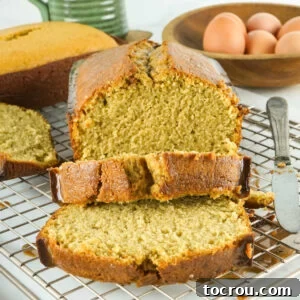
- Embrace the Dark Hue: Don’t be alarmed if the edges of your cake appear a little darker than typical pound cakes. This is a natural result of the coffee in the batter caramelizing during the baking process and contributes to its rich flavor. The key is to bake it “low and slow” at 325°F (160°C), rather than a higher temperature like 350°F (175°C), to prevent actual burning and ensure the inside cooks thoroughly without drying out.
- Customizing Your Glaze: The coffee glaze is an integral part of this recipe’s charm, but if you prefer a simpler finish, you can easily omit the instant coffee from the glaze ingredients. This will yield a classic, sweet vanilla glaze, reminiscent of those found on cinnamon rolls or other sweet breads, offering a lovely contrast to the coffee-flavored cake itself.
- Choosing Your Baking Pan: We tested this recipe in both metal and glass loaf pans. Both work, but there are notable differences. Metal pans generally conduct heat more efficiently and evenly, leading to a consistent bake and typically shorter baking times. In our tests, the glass pan took almost 20 minutes longer to achieve the same level of doneness. For the most reliable and even results, a metal loaf pan is highly recommended. If a glass pan is all you have, simply be prepared to extend the baking time and monitor the cake’s doneness carefully.
- Salted vs. Unsalted Butter: We’ve tested this recipe successfully with both salted and unsalted butter. While many baking recipes strictly call for unsalted butter to control salt content, the amount of salt in this recipe is forgiving enough that either type will yield delicious results. Just ensure your butter is properly softened to room temperature for optimal creaming.
- Thorough Mixing is Key (Initially): Do not shortchange the first two mixing steps – creaming the butter and sugar, and then combining the wet ingredients. Really take the full two minutes for each of these stages. This extended mixing incorporates sufficient air and thoroughly emulsifies the ingredients, which is fundamental to developing the pound cake’s signature fine, dense, and moist crumb. However, once you add the dry ingredients, switch to gentle mixing to avoid overdeveloping the gluten.
- Ingredient Temperature: Beyond softened butter, ensure your eggs and sour cream are also at room temperature. This allows them to incorporate more smoothly into the batter, creating a uniform emulsion and preventing a curdled appearance, ultimately leading to a more cohesive and tender cake.
- Don’t Overmix the Dry Ingredients: Once the flour mixture is added, mix only until just combined. Overmixing at this stage can develop the gluten too much, resulting in a tough, dry cake.
- Serving Suggestions: This coffee pound cake is exquisite on its own, but it also pairs beautifully with a scoop of vanilla bean ice cream, a dollop of whipped cream, or simply a fresh cup of coffee or espresso. A sprinkle of cocoa powder or a few chocolate shavings on top of the glaze can also add a touch of elegance.
Storage and Freezing Instructions
Proper storage is essential to keep your Coffee Pound Cake fresh and delicious for as long as possible. Follow these guidelines to ensure its longevity:
Room Temperature Storage: Leftover pound cake, whether whole or sliced, can be stored in an airtight container at room temperature for up to a week. Keeping it airtight prevents it from drying out and maintains its moist texture. Avoid direct sunlight or warm spots in your kitchen.
Freezing for Longer Storage: For extended freshness, this pound cake freezes beautifully. You can freeze the entire loaf or individual slices. Wrap the cake tightly in plastic wrap, then an additional layer of aluminum foil, or place wrapped slices into a freezer bag. Ensure it’s sealed well to prevent freezer burn. Well-wrapped cake can be frozen for several months (typically 2-3 months) to be enjoyed at a later date. Thaw overnight in the refrigerator or at room temperature.
Refrigeration: Why It’s Not Recommended: While it might seem logical to refrigerate cake, it’s generally not recommended for pound cake. The cold temperature can cause the cake to dry out and become stiff, losing its tender texture. Room temperature or freezer storage are the preferred methods.
Coffee Pound Cake Recipe Card
Rating: 4.95 from 18 ratings
Coffee Pound Cake
Carlee
8 Servings
20 mins
1 hr
1 hr 20 mins
Equipment
-
Farberware Loaf Pan Set, Two 9-Inch x 5-Inch
-
Hand Mixer
Ingredients
Unit Conversion: US Customary / Metric
Cake
- 1 cup unsalted butter softened
- 1 cup granulated sugar
- ⅓ cup sour cream
- 4 eggs
- 4 Tablespoons instant coffee
- 1 Tablespoon vanilla extract
- 1 ½ cups all purpose flour
- 2 teaspoons salt
- 1 teaspoon baking powder
Glaze
- 1 cup powdered sugar
- 3 Tablespoons whole milk
- 1 Tablespoon instant coffee
Instructions
-
Preheat the oven to 325°F and grease a 9×5 loaf pan.
-
Cream together the butter and sugar for two minutes.1 cup unsalted butter,
1 cup granulated sugar -
Add the eggs, vanilla, coffee, and sour cream and mix for another two minutes.4 eggs,
4 Tablespoons instant coffee,
1 Tablespoon vanilla extract,
⅓ cup sour cream -
In a separate bowl, whisk together the flour, baking powder, and salt.1 ½ cups all purpose flour,
2 teaspoons salt,
1 teaspoon baking powder -
Add the dry ingredients to the wet ingredients and lightly mix with a rubber spatula before switching to the hand mixer and beating until fully combined.
-
Pour the batter into the prepared loaf pan and spread even.
-
Bake for 1 hour or until a butter knife comes out clean when inserted into the middle of the cake.
-
Remove from the oven and let cool for a few minutes before inverting onto a cooling rack to cool completely.
-
Stir together the glaze ingredients until fully combined. You will still see some spot of undissolved coffee, that’s ok, you want that!1 cup powdered sugar,
3 Tablespoons whole milk,
1 Tablespoon instant coffee -
Drizzle over the top of the cake. Slice, serve, and enjoy!
Notes
- You can use Greek yogurt in place of the sour cream, if need be, although sour cream does the best job.
- This cake will turn out a little dark around the outside, but that’s ok, it’s just from the coffee. However, cooking it low and slow will keep it from burning, so don’t bake at 350 degrees like most cakes.
- If you like the icing, but don’t want to have coffee flavor added to it, simply don’t add the instant coffee and it will be a traditional icing like you serve over cinnamon rolls.
- I baked this in a metal pan and a glass pan. It baked well in both, but took a lot longer in the glass pan. It took about 20 minutes longer. I feel it cooked more evenly in the metal pan. In other words, for the best results, go with a metal pan, although it will turn out yummy in a glass pan as well.
- I tested this recipe with both salted and unsalted butter. Both worked great, so I don’t see a reason why you couldn’t use either.
- If you use plain yogurt in place of sour cream, the cake will turn out flatter, if that is something you desire. A flatter cake is easier for things like ice cream cakes and decorating, if that’s something of interest.
- Don’t shortchange the first two mixing steps. Really mix those ingredients well. It makes for a better cake.
Nutrition Information
Serving: 1 Serving | Calories: 502kcal | Carbohydrates: 58g | Protein: 6g | Fat: 28g | Saturated Fat: 16g | Polyunsaturated Fat: 10g | Cholesterol: 160mg | Sodium: 635mg | Fiber: 1g | Sugar: 39g
“Cooking With Carlee” is not a dietitian or nutritionist, and any nutritional information shared is an estimate. If calorie count and other nutritional values are important to you, we recommend running the ingredients through whichever online nutritional calculator you prefer. Calories and other nutritional values can vary quite a bit depending on which brands were used.
Did you try this recipe?
Don’t forget to leave a rating below and make sure to follow on Pinterest and Instagram for more!
Email Me The Link
I’ll email this post to you, so you can easily find it later. Plus you’ll get new recipes from me every week!
Frequently Asked Questions About Coffee Pound Cake
- Can I use brewed coffee instead of instant coffee in the cake or glaze?
- While brewed coffee provides flavor, it also adds significant liquid. For the cake, this can disrupt the delicate balance of ingredients and lead to a dense or gummy texture. Instant coffee provides concentrated flavor without excess moisture. For the glaze, brewed coffee would likely make it too thin and less stable. It’s best to stick with instant coffee for optimal results in both the cake and glaze.
- How can I make this coffee pound cake less sweet?
- If you prefer a less sweet cake, you can slightly reduce the amount of granulated sugar in the cake batter, perhaps by ¼ cup. However, remember that sugar plays a crucial role in the cake’s structure and moisture, so don’t reduce it too drastically. For the glaze, you can reduce the powdered sugar, but it might affect the consistency. Another option is to simply use less glaze or omit it entirely for a less sweet finish.
- Can I add other ingredients like chocolate chips or nuts to this pound cake?
- Absolutely! Coffee and chocolate are a classic pairing. You can fold in about ½ cup to ¾ cup of mini chocolate chips or chopped dark chocolate into the batter during the final mixing step. Toasted chopped walnuts or pecans would also complement the coffee flavor beautifully, adding a lovely textural crunch. Be careful not to add too many mix-ins, as it can weigh down the batter.
- What’s the best way to serve coffee pound cake?
- This cake is incredibly versatile. It’s fantastic on its own, perhaps with a simple cup of coffee or tea. For a more decadent dessert, serve it with a scoop of vanilla bean ice cream, a dollop of freshly whipped cream, or even a drizzle of chocolate sauce. It also makes a wonderful breakfast or brunch item, especially when served warm.
- My cake came out dry, what went wrong?
- A dry pound cake is usually a sign of overbaking or overmixing. Ensure you’re baking at the correct temperature (325°F for this recipe) and only until a skewer comes out clean – don’t leave it in longer than necessary. Also, remember to mix the dry ingredients into the wet ones just until combined; overmixing develops gluten, which can lead to a tough, dry texture.
We hope this comprehensive guide inspires you to bake the most irresistible Coffee Pound Cake. Its rich flavor, moist texture, and delightful coffee glaze make it a truly special treat perfect for any occasion. Don’t hesitate to experiment with the tips and tricks to make it your own. Happy baking, and we can’t wait to hear your thoughts and see your creations!