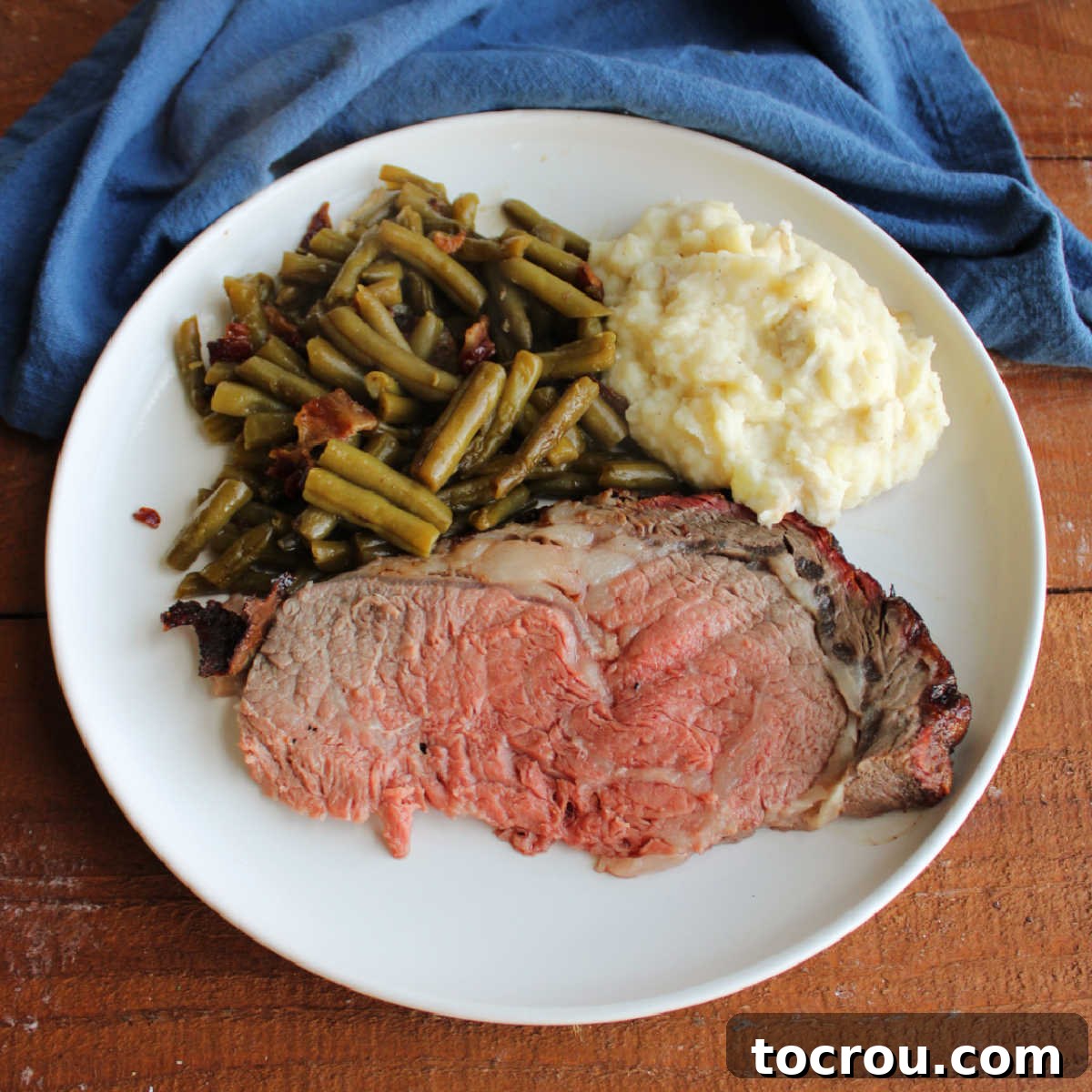
Prime rib is synonymous with celebration and fine dining. It’s the centerpiece that elevates any special occasion, from holiday feasts to memorable gatherings. While its grandeur might suggest complexity, cooking a magnificent prime rib at home is surprisingly achievable, especially with the right technique and equipment.
Among the various methods, cooking prime rib on a pellet grill stands out as one of the easiest and most flavorful. This guide will walk you through creating a tender, juicy, and perfectly crusted beef rib roast that will impress your guests and satisfy your culinary ambitions. The unique combination of smoky flavor and precise temperature control offered by a pellet grill ensures success, transforming a potentially intimidating cut into an unforgettable meal.
This prized cut of beef, often a significant investment, deserves to be cooked flawlessly. Our recipe leverages the “reverse sear” technique, a fool-proof method that guarantees an edge-to-edge medium-rare doneness and a delectable, savory crust. Patience is key, as the low-and-slow approach combined with a final high-heat sear delivers a prime rib that’s worth every moment of anticipation.
Why Choose a Pellet Grill for Your Prime Rib?
Pellet grills have revolutionized home smoking and grilling, offering unparalleled ease of use and consistent results. When it comes to a premium cut like prime rib, these advantages become even more pronounced, making it the ideal choice for achieving perfection.
Consistent Temperature Control for Flawless Results
Unlike traditional charcoal or gas grills, pellet grills maintain a remarkably stable temperature, which is critical for the slow cooking phase of a reverse sear. You simply set your desired temperature, and the grill’s internal thermostat efficiently feeds wood pellets as needed. This automation eliminates the guesswork and frequent adjustments often required with other methods, allowing you to relax while your prime rib cooks gently and evenly.
Infusion of Irresistible Smoke Flavor
The burning wood pellets infuse the prime rib with a gentle, aromatic smoke that penetrates deep into the meat. This process significantly enhances its natural beefy flavor without overwhelming it. You can even customize the smoke profile by choosing different pellet types; options like hickory, oak, cherry, or mesquite offer subtle variations. For prime rib, milder woods such as oak or cherry, or even a balanced competition blend, are often recommended to complement the rich beef rather than mask its inherent taste.
Unmatched Convenience from Start to Finish
From quick ignition to minimal cleanup, pellet grills are designed with convenience in mind. They heat up swiftly, require little monitoring during the long cook, and their digital controls make operation straightforward for both novice and experienced grill masters. This means less stress in the kitchen and more valuable time spent with your guests, enjoying the culinary masterpiece you’ve created.
Understanding the Reverse Sear Technique for Prime Rib Perfection
The reverse sear method is a culinary game-changer for preparing thick cuts of meat, especially something as magnificent as prime rib. Instead of the traditional approach of searing first and then slow-roasting, we reverse the order: a prolonged low-temperature cook followed by a brief, high-temperature sear. This technique consistently delivers a perfectly cooked interior from edge to edge and an irresistibly flavorful, crispy exterior crust.
Low and Slow for Uniform Doneness
The initial phase involves cooking the prime rib at a relatively low temperature, typically around 225°F on your pellet grill. This gentle, indirect heat slowly raises the internal temperature of the roast, allowing the meat to cook much more evenly from the outside in. This crucial step significantly minimizes the undesirable “gray band” of overcooked meat often found beneath the crust when using traditional high-heat searing first. The result is that highly coveted, uniformly pink, medium-rare doneness across the entire roast. Furthermore, the slow cooking process tenderizes the meat fibers, ensuring a melt-in-your-mouth texture.
The Crucial Resting Phase
After the initial low-and-slow cook, it’s absolutely vital to remove the prime rib from the grill and allow it to rest for a period. This resting stage is not to be skipped! It provides an essential opportunity for the meat’s internal juices, which tend to concentrate towards the center during cooking, to redistribute evenly throughout the entire roast. This redistribution results in a significantly juicier, more tender, and flavorful final product. Cutting into the meat too soon will cause those precious juices to run out, leaving you with a drier roast.
High-Heat Searing for Unrivaled Flavor and Texture
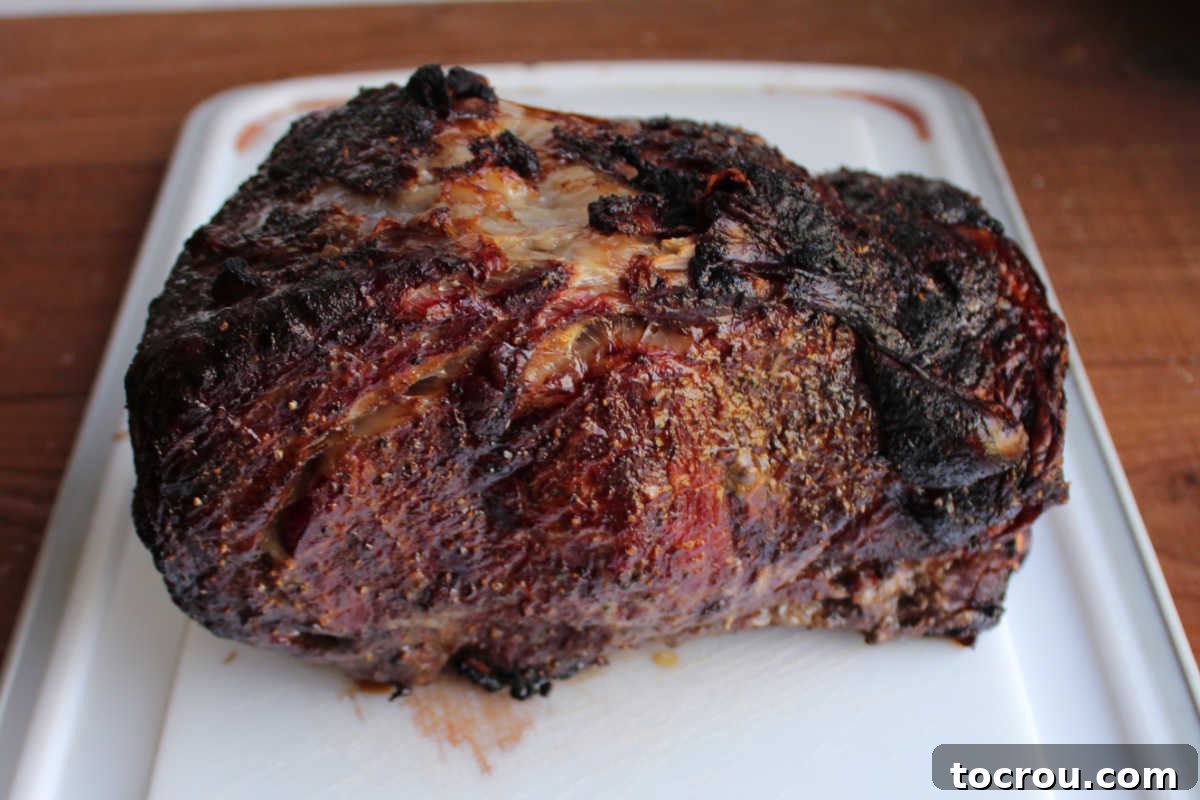
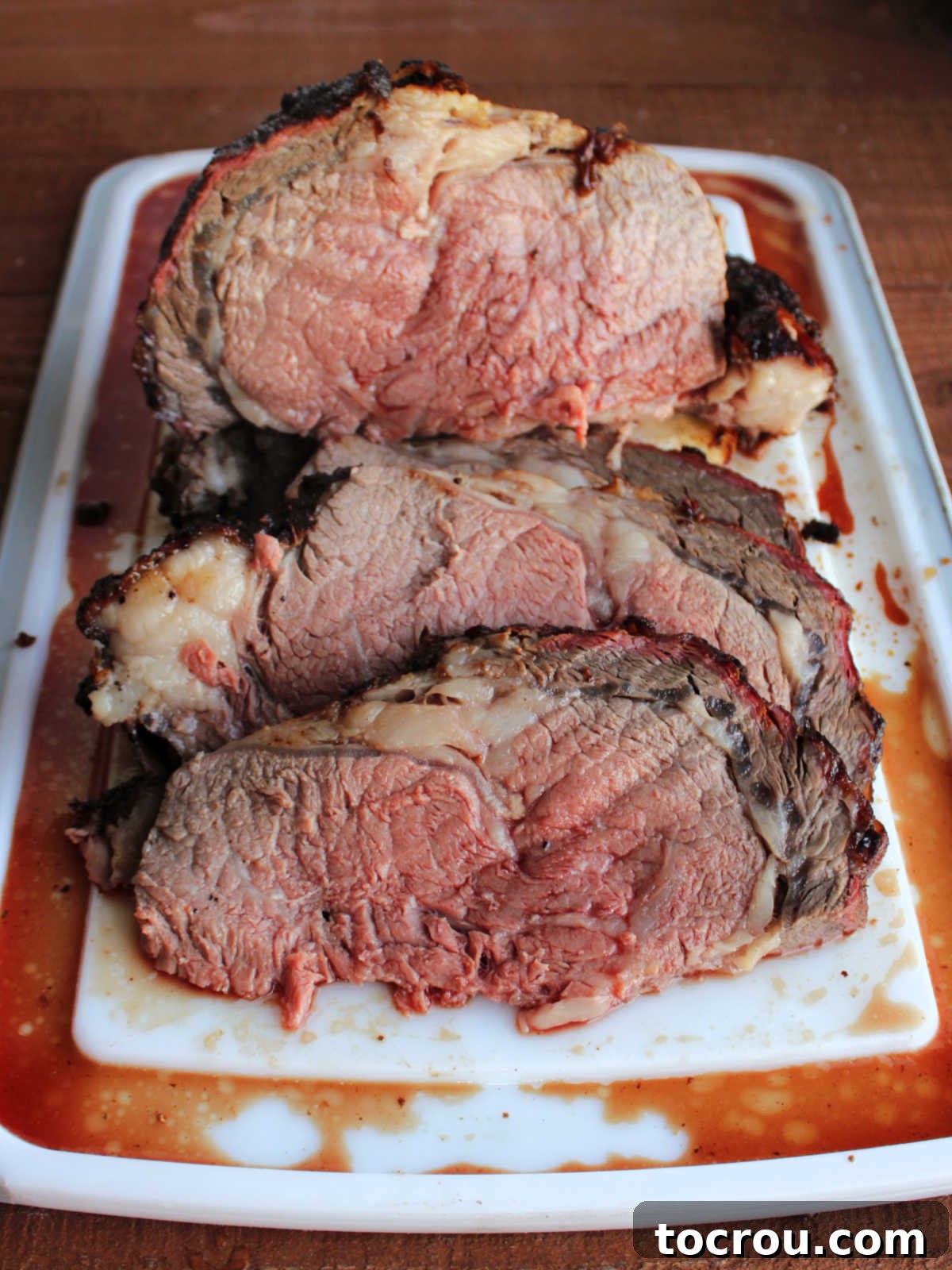
The final step in the reverse sear technique involves cranking your pellet grill to a much higher temperature, typically between 400°F and 450°F. The rested prime rib is then returned to this super-hot environment for a quick, intense sear. This burst of high heat rapidly initiates the Maillard reaction on the exterior, developing a rich, savory, and beautifully caramelized crust. This incredible layer of flavor and texture provides a stunning contrast to the tender, juicy interior. Because this stage is brief, it ensures that the internal temperature doesn’t rise too much beyond your desired doneness, maintaining the integrity of your perfectly cooked roast.
Selecting and Preparing Your Prime Rib for Smoking
Choosing the Best Cut of Prime Rib
To ensure a truly exceptional prime rib experience, starting with a high-quality cut is paramount. Understanding the options will help you make the best choice:
- Bone-in vs. Boneless: While a boneless roast offers convenience for carving, many connoisseurs argue that a bone-in prime rib (also known as a standing rib roast) yields superior flavor and moisture. The bones act as natural insulation, protecting the meat during cooking and contributing to overall juiciness. They also impart a deeper, richer beefy flavor to the surrounding meat. For this recipe, we specifically recommend a 6-7 pound bone-in prime rib, which typically includes 3-4 ribs.
- Grading Matters: Look for USDA Prime or Choice grades. USDA Prime will boast the most abundant marbling (intramuscular fat), which translates to the juiciest, most tender, and most flavorful results. USDA Choice is also an excellent option, offering great quality and marbling. Select grade has less marbling and might result in a drier, less tender roast.
- Marbling is Key: Regardless of the grade, visually inspect the roast for good marbling—those small flecks of fat distributed throughout the muscle. Marbling is crucial for both tenderness and flavor, melting during cooking to baste the meat from within.
- Aging (Optional but Recommended): If available and within your budget, consider a dry-aged prime rib. This process concentrates the beef flavor and further tenderizes the meat, offering a more intense and complex taste profile.
Bringing the Roast to Room Temperature
One to two hours before you intend to begin cooking, remove your prime rib from the refrigerator. Allowing the roast to come closer to room temperature before it hits the grill is a simple yet effective step for promoting more even cooking. A very cold roast will take significantly longer to cook through, increasing the risk of overcooking the exterior by the time the center reaches your desired doneness.
Crafting the Perfect Seasoning for Your Prime Rib
A magnificent prime rib doesn’t require an overly complicated seasoning blend to shine. Its inherent flavor is the star. However, a generous and well-applied rub is essential for enhancing that flavor and contributing to the formation of a delicious crust.
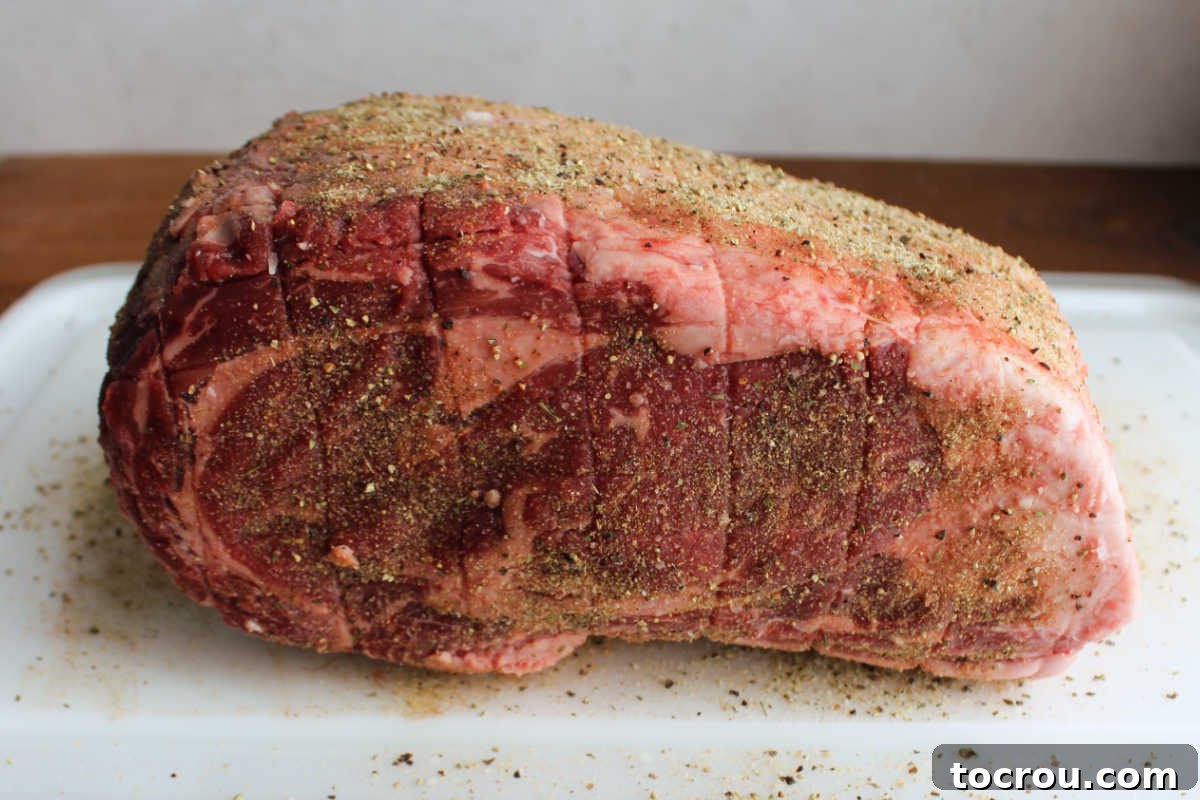
- Our Simple Blend: This recipe utilizes a straightforward yet highly effective combination of garlic powder, salt, and ground black pepper. This trio works harmoniously to highlight the meat’s natural richness without overpowering it.
- Generous Application: Don’t be shy with the seasoning! Liberally coat all sides of the prime rib, ensuring every surface, including the bone side and ends, is thoroughly covered. This ensures maximum flavor penetration and contributes significantly to the development of that desirable savory crust during the searing process.
- Personalize Your Rub: Feel free to experiment with your favorite steak seasoning or add aromatic herbs like fresh or dried rosemary and thyme for an extra layer of complexity and fragrance. Just ensure your chosen rub doesn’t contain too much sugar, which can burn at high searing temperatures.
Step-by-Step Guide: Smoking Prime Rib to Perfection on Your Pellet Grill
Cook It Perfectly with a Thermometer
Achieving the perfect doneness for your prime rib is paramount, and a reliable meat thermometer is your most invaluable tool. Remember that the internal temperature will continue to rise a few degrees after the roast is removed from the heat (this is called carryover cooking). Therefore, it’s always best to pull the roast slightly *before* it reaches your final target temperature.
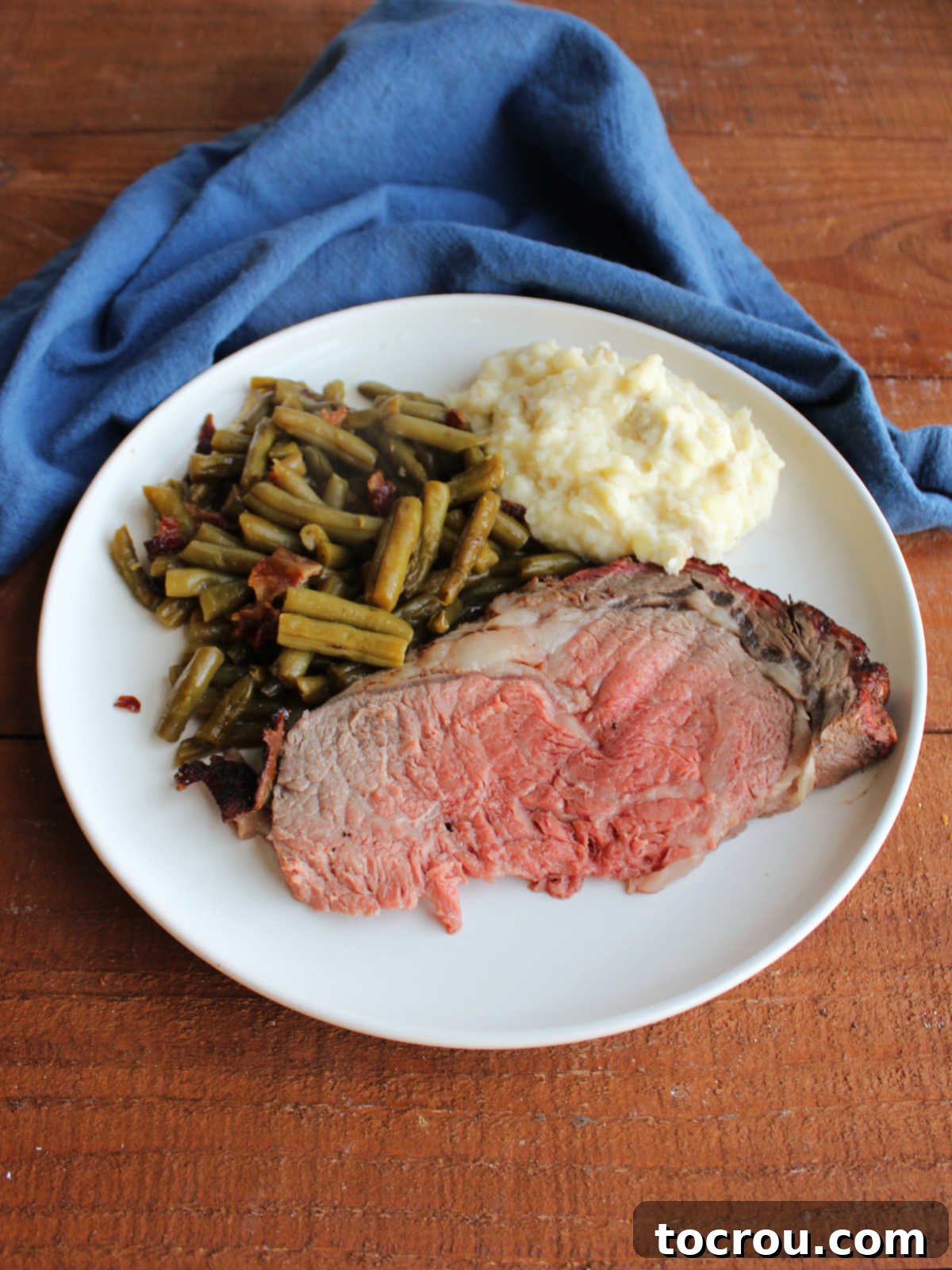
For example, if you’re aiming for a classic medium-rare, the center of the prime rib should ideally be between 130-135°F after resting. If in doubt, it’s always safer to err on the side of undercooking slightly, as you can always cook it a little longer, but you can’t undo overcooking. When serving, the ends of the roast will naturally be more well-done, catering to guests who prefer less pink meat, while the coveted center slices will be perfect for those who appreciate a beautiful medium-rare.
Preheat Your Pellet Grill to the Ideal Smoking Temperature
Initiate the cooking process by preheating your pellet grill to a precise 225°F. This specific low temperature is absolutely crucial for the initial slow-smoking phase. It ensures that the prime rib cooks gently and evenly throughout, allowing the smoke to deeply penetrate the meat without drying it out. Give your grill sufficient time to reach and stabilize at the set temperature before you place the roast inside.
The Initial “Low and Slow” Smoke
Once your pellet grill is preheated and stable, carefully place the seasoned prime rib, bone-side down, directly onto the grates. The bones serve a practical purpose here, acting as a natural rack that slightly elevates the meat, allowing for optimal air circulation and smoke exposure around all sides of the roast.
Allow the prime rib to cook for approximately 35 minutes per pound. For a 6-7 pound roast, this typically translates to a cooking time of 3 to 4 hours. However, remember that cooking times are merely estimates. Your leave-in digital meat thermometer is your most reliable guide. Monitor the internal temperature closely. For a rare prime rib, aim for an internal temperature of 120°F in the thickest part of the center. If you’re targeting a medium-rare final product, pull it when it reaches closer to 125°F-130°F at this stage.
Expert Tip: Utilizing a high-quality leave-in probe thermometer is highly recommended. This allows you to track the internal temperature continuously without repeatedly opening the grill lid, which causes precious heat and smoke to escape and prolongs cooking time.
First Rest and High-Heat Boost
Once the prime rib has reached its initial target internal temperature (e.g., 125-130°F for an eventual medium-rare), carefully remove it from the pellet grill using sturdy tongs or heat-resistant gloves. Transfer the roast to a clean cutting board or a rimmed baking sheet.
Loosely tent the prime rib with aluminum foil. This isn’t to keep it hot, but to allow it to rest. This critical resting period, lasting at least 20 minutes, is vital for allowing the internal juices to redistribute throughout the meat, ensuring maximum juiciness in every bite.
While your prime rib is resting, immediately increase the temperature of your pellet grill to a much hotter setting, typically 400°F, or even 450°F if your specific grill model can safely and consistently reach that temperature. This higher heat setting is what will rapidly create that desirable, crispy, and flavorful crust during the final searing phase.
The Rapid and Crucial Final Sear
After the initial resting period, carefully return the prime rib to the now super-hot pellet grill. This searing phase will be relatively quick, lasting an additional 15 to 30 minutes, or until the internal temperature reaches your ultimate desired doneness.
- **For Rare:** Aim for a final internal temperature of 130°F.
- **For Medium-Rare (Recommended):** Aim for a final internal temperature of 135°F.
- **For Medium:** Aim for a final internal temperature of 140°F.
During this high-heat stage, continuous monitoring with your meat thermometer is absolutely critical. The searing happens rapidly, and overcooking here can quickly negate all the careful efforts of the low-and-slow phase. The primary objective is to achieve a beautiful, deep brown crust without significantly raising the internal temperature beyond your target doneness.
The Second (and Final) Rest Before Carving
As soon as the prime rib hits its final target temperature, remove it from the grill without delay. Tent it loosely with aluminum foil once more and allow it to rest for another 15 to 20 minutes. This second resting period is just as, if not more, important than the first. It allows the meat’s fibers to relax completely and for any remaining juices to settle back into the meat, ensuring that every single slice you carve will be incredibly tender, moist, and bursting with flavor.
Expert Carving and Serving Tips
Before you begin to slice, for a bone-in roast, carefully run a sharp carving knife along the contour of the bones to separate them from the meat. This will make the subsequent carving of the roast significantly easier and allow for cleaner, more elegant slices. Once the bones are removed, slice the prime rib against the grain into your desired thickness. Serving immediately will ensure your guests experience the peak of its flavor and juiciness. Prepare for applause!
Achieving Perfect Doneness: A Comprehensive Guide to Internal Temperatures
Mastering prime rib means mastering internal temperatures. A high-quality, instant-read meat thermometer is not just recommended, it’s essential. Keep in mind that carryover cooking means your roast’s temperature will continue to rise by a few degrees after it’s removed from the heat. Therefore, always pull your prime rib slightly *before* it reaches the target temperature for perfect results.
- Rare: 125-130°F (Characterized by a cool, deep red center)
- Medium-Rare: 130-135°F (The highly sought-after warm red center, widely considered the ideal doneness for prime rib, offering maximum tenderness and juiciness)
- Medium: 135-140°F (Features a warm pink center)
- Medium-Well: 140-145°F (Exhibits a slightly pink center, beginning to firm up)
- Well-Done: 150°F+ (Shows little to no pink, firm texture)
For guests who might prefer their meat more thoroughly cooked, the end pieces of the roast will naturally reach a higher internal temperature, providing options for everyone at your table. This ensures that every diner can enjoy their magnificent prime rib exactly to their liking.
What to Serve Alongside Your Magnificent Prime Rib
A show-stopping prime rib deserves equally delicious and thoughtfully chosen accompaniments. Here are some classic and creative side dish ideas that will perfectly complement the rich, smoky flavor of your pellet-grilled beef:
Classic Comforts: Timeless Pairings
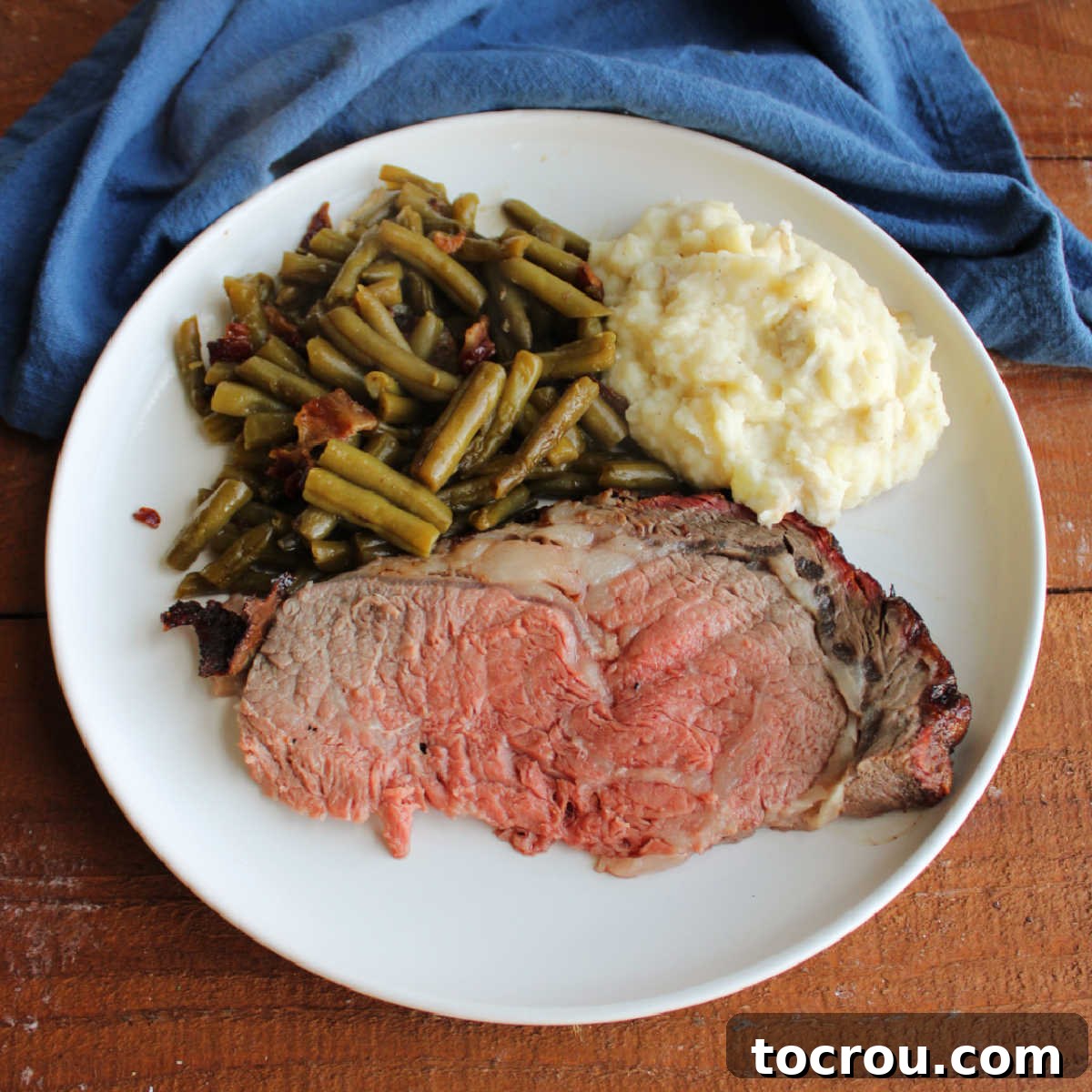
- Creamy Mashed Potatoes: An absolute, timeless pairing. Whether you opt for classic garlic mashed potatoes or a more decadent sour cream and chive mashed potatoes, their smooth, velvety texture provides the perfect comforting counterpoint to the robust prime rib.
- Smothered Green Beans: Tender green beans, cooked low and slow with savory additions like bacon or other aromatics, offer a deeply flavorful and comforting vegetable side. Our favorite smothered green beans recipe is an excellent choice.
- Roasted Asparagus or Brussels Sprouts: Simple yet incredibly elegant, roasted vegetables provide a delightful slight char and earthy flavor that pairs wonderfully with beef. Toss them with olive oil, salt, pepper, and a touch of garlic powder before roasting until tender-crisp. You can even try our oven-roasted brussels sprouts for a guaranteed hit.
Fresh and Vibrant Contrasts
- Seven Layer Salad: A vibrant and refreshing salad with distinct layers of crisp lettuce, fresh vegetables, cheese, and a creamy dressing offers a welcome, lighter contrast to the richness of the main course. Consider our seven layer salad recipe.
- Wilted Lettuce Salad with Warm Bacon Dressing: For a more rustic and deeply flavorful salad, combine fresh greens with a warm, tangy bacon vinaigrette. Our wilted lettuce salad is a fantastic option.
Hearty and Unique Indulgences
- Creamed Spinach Mac and Cheese: For a truly indulgent and unique side, combining the rich, earthy flavors of creamed spinach with the ultimate comfort of macaroni and cheese creates an unexpected delight that will undoubtedly be a crowd-pleaser. Try our creamed spinach mac and cheese for something fun and different.
- Classic Yorkshire Pudding: A traditional British accompaniment, these light, airy, and savory puddings are absolutely perfect for soaking up any delicious juices or au jus from your prime rib.
Prime Rib on a Pellet Grill
Carlee
8 servings
Pin Recipe
Rate This Recipe
10 mins
4 hrs 30 mins
35 mins
5 hrs 15 mins
Equipment
- Pit Boss Pellet Grill
- Thermapen ONE Thermometer
Ingredients
- 6-7 pound bone-in prime rib
- 1 Tablespoon garlic powder
- 2 Tablespoons salt
- 1 Tablespoon ground black pepper
Instructions
- Pull the prime rib out of the refrigerator an hour or two before you plan to cook it.
- Mix together the seasonings, or use your favorite steak seasoning, and liberally season all of the sides of the meat.
- Preheat smoker to 225℉.
- Place the prime rib bone side down on the smoker. Cook for about 35 minutes per pound or 3-4 hours. The center should read 120℉ for a rare prime rib or closer to 130℉ for medium-rare.
- Place the prime rib on a cutting board or rimmed baking sheet. Tent it with foil and allow to rest for 20 minutes. Meanwhile, turn the smoker up to 400℉.
- Return the roast to the smoker. Cook until the center is 130℉ for rare, 135℉ for medium-rare, or 140℉ for medium. Keep an eye on it, getting the correct temperature is really important.
- Rest for 15 minutes before slicing. Run a knife along the bones to remove them from the meat to make slicing easier.
Nutrition Information
Calories: 1020kcal |
Carbohydrates: 1g |
Protein: 46g |
Fat: 91g |
Saturated Fat: 38g |
Polyunsaturated Fat: 3g |
Monounsaturated Fat: 39g |
Cholesterol: 206mg |
Sodium: 1896mg |
Potassium: 774mg |
Fiber: 0.3g |
Sugar: 0.03g |
Vitamin A: 4IU |
Vitamin C: 0.01mg |
Calcium: 31mg |
Iron: 5mg
“Cooking With Carlee” is not a dietitian or nutritionist, and any nutritional information shared is an estimate. If calorie count and other nutritional values are important to you, we recommend running the ingredients through whichever online nutritional calculator you prefer. Calories and other nutritional values can vary quite a bit depending on which brands were used.
Tips for the Best Pellet Grill Prime Rib
- Don’t Rush the Rest: The resting periods are absolutely critical for a juicy prime rib. Resist the urge to slice immediately after removing it from the grill!
- Know Your Grill: Every pellet grill is slightly different in how it holds and distributes heat. Keep an eye on how yours performs and be prepared to adjust cook times as needed, especially during the low-and-slow phase.
- Quality Ingredients Matter: Start with the highest quality prime rib you can afford. A superior foundation makes a world of difference in the final taste and texture of your roast.
- Experiment with Pellets: Don’t be afraid to try different types of wood pellets to discover your favorite smoke profile. Oak, hickory, cherry, or even a specialized competition blend are all excellent choices for enhancing beef.
- Don’t Forget Au Jus: While the prime rib rests, collect any delicious drippings from the roasting process. These can be used to make a flavorful au jus, a perfect accompaniment for serving alongside your sliced roast.
Conclusion: A Feast to Remember
Cooking prime rib on a pellet grill is an incredibly rewarding culinary adventure that yields spectacular results with surprisingly minimal fuss. The harmonious combination of a smoky aroma, an exquisitely tender interior, and a beautifully crispy exterior transforms this dish into a true masterpiece, perfect for making any gathering feel like a grand celebration. With a little patience, the right technique, and the magic of your pellet grill, you’ll not only master this impressive meal but also become the celebrated chef of your next special occasion. Get ready to savor every perfectly cooked, juicy slice and bask in the admiration of your guests!
Did you try this recipe?
Don’t forget to leave a rating below and make sure to follow on Pinterest and Instagram for more!