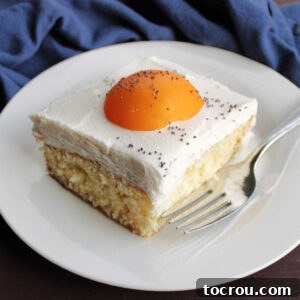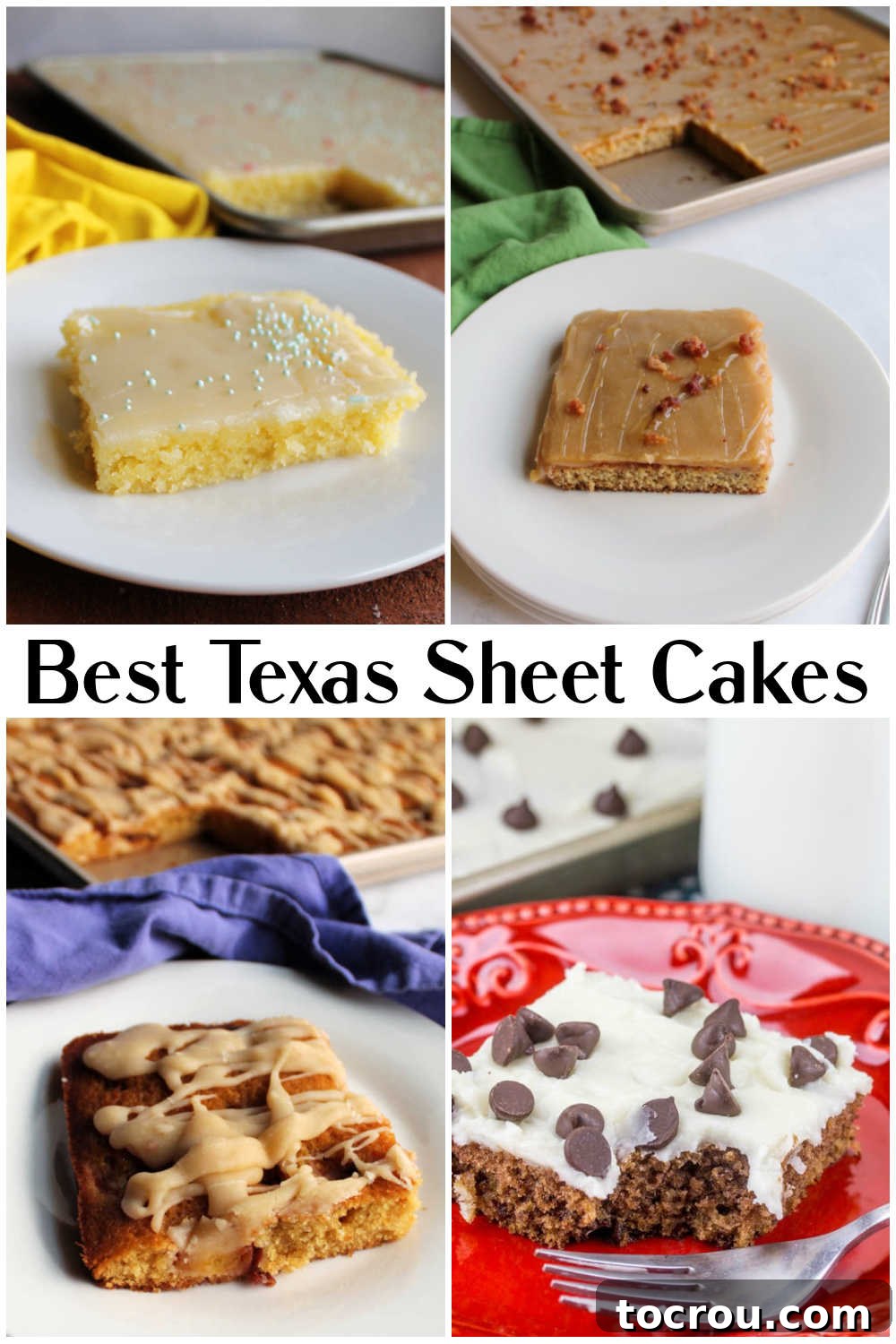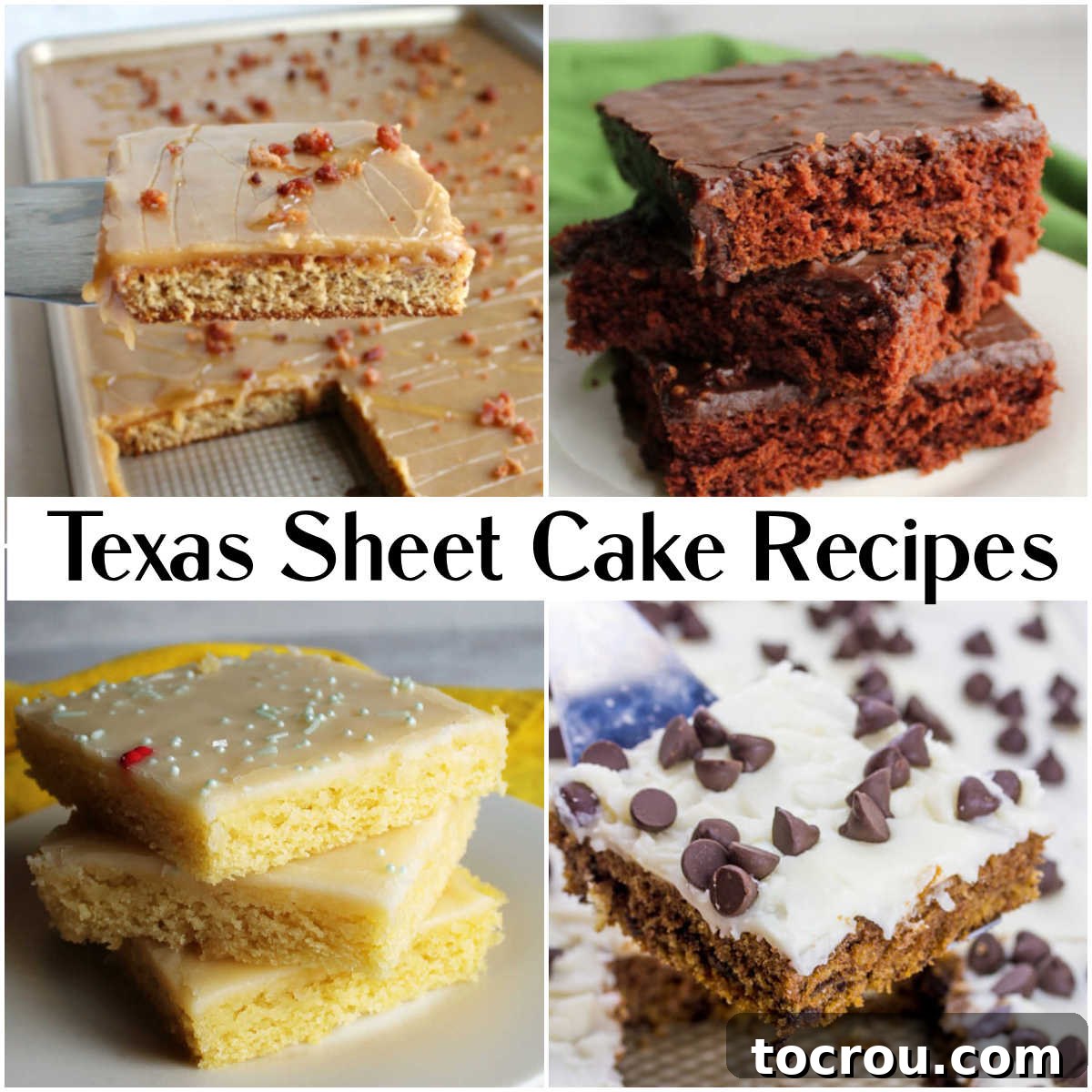
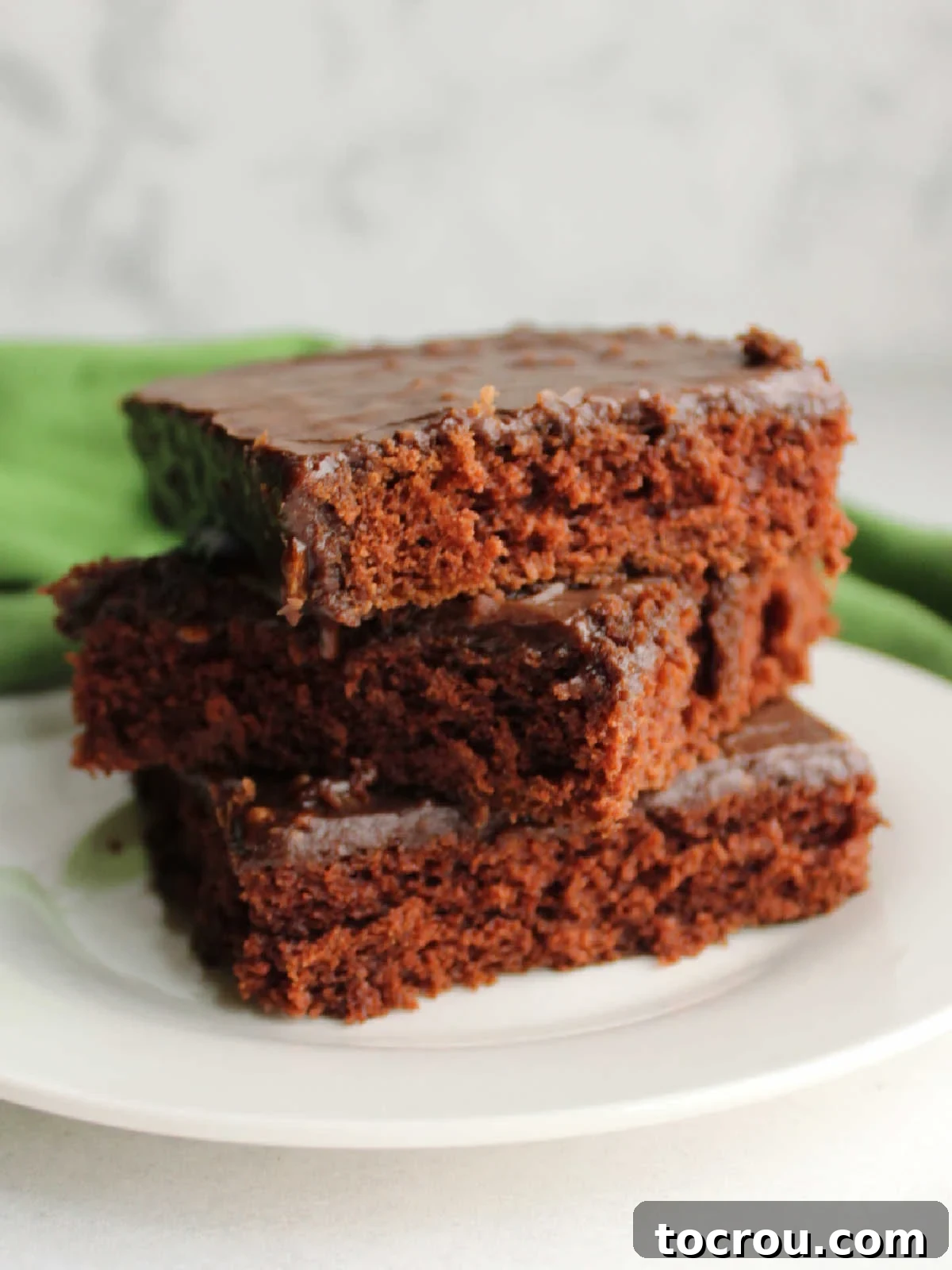
There’s nothing quite like a Texas Sheet Cake to bring people together. Renowned for its incredible ease of preparation, impressive ability to feed a crowd, and undeniable deliciousness, this iconic dessert is a staple at summer parties, potlucks, and family gatherings across the country. While the classic chocolate version often steals the spotlight, a delightful array of flavors exists, ready to surprise and delight your taste buds. If you’ve only ever experienced the rich, fudgy embrace of a chocolate Texas sheet cake, prepare to discover a whole new world of simple, satisfying sheet cake perfection.
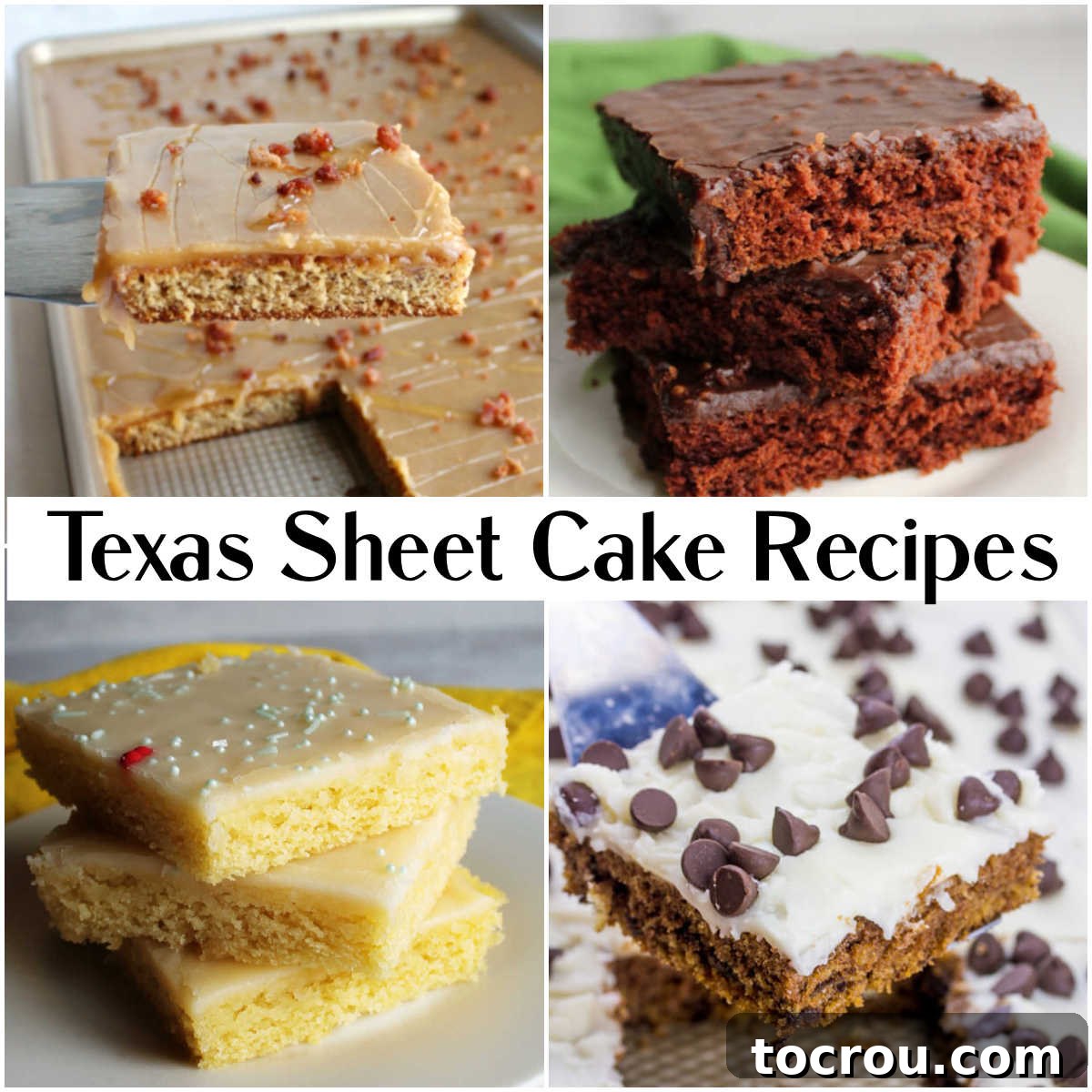
The enduring popularity of Texas sheet cakes stems from several key attributes, with their remarkable simplicity leading the charge. Forget about elaborate baking equipment, stand mixers, or the tedious task of softening butter to precise temperatures. The beauty of this cake lies in its straightforward, almost foolproof method, making it accessible to even the most novice bakers. You literally just need a saucepan and a baking pan.
The process is incredibly efficient: simply combine butter and water in a saucepan, bring them to a boil, then whisk in the remaining dry and wet ingredients. Pour the resulting smooth batter into a sheet pan, and you’re halfway to a sensational dessert. This “throw-it-together” approach means you spend less time in the kitchen and more time enjoying your event, confident that you’re serving a dessert that everyone will adore. Its humble origins and uncomplicated preparation are precisely what elevate the Texas sheet cake to legendary status, promising a consistently moist and flavorful result every time.
History of Texas Sheet Cakes
The exact origins of the Texas sheet cake are shrouded in a bit of culinary mystery, yet its presence in American baking history is undeniable. Food historians trace earlier iterations of what we now recognize as the chocolate sheet cake back to at least the mid-twentieth century. Initial recipes often referred to these simple, large-format cakes as “sheath cakes,” suggesting their broad, flat nature, much like a protective covering or a large canvas.
Barry Popik, a prominent etymologist, has found newspaper mentions of the cake dating back to 1950, highlighting its rapid spread across the country. It wasn’t long before virtually every community cookbook, particularly those compiled by churches and women’s groups, featured a variation of this easy-to-make chocolate delight. Some early recipes even incorporated cinnamon, giving rise to names like “Mexican chocolate cake,” which added a subtle spice to the traditional chocolate base. While some recipes debated the merits of using oleo (margarine) versus butter, the core ingredients and the distinctive saucepan baking method remained consistent, creating the moist, tender crumb and rich flavor profile that everyone has come to know and love.
This dessert’s ability to be baked in a single, large pan and served directly from it cemented its place as a practical and beloved choice for gatherings, making it a fixture in Southern hospitality and beyond.
The Hallmarks of a True Texas Sheet Cake
When it comes to distinguishing a genuine Texas sheet cake from other sheet cake variations, there are a few non-negotiable characteristics that define its authenticity. These distinctive features, often passed down through generations of home bakers, contribute to its unique texture, flavor, and effortless appeal.
The first and perhaps most crucial hallmark is the saucepan method for the batter. Unlike many traditional cakes that demand softened butter creamed with sugar, or require a stand mixer for aeration, a true Texas sheet cake simplifies the process dramatically. The butter and liquid (often water or buttermilk) are melted together in a saucepan, brought to a boil, and then the dry ingredients are stirred in. This hot liquid method not only speeds up preparation by eliminating the need for softened butter but also contributes to the cake’s signature moist and tender crumb. This moistness is what allows the cake to absorb the warm, poured icing so beautifully, creating a harmonious blend of cake and frosting.
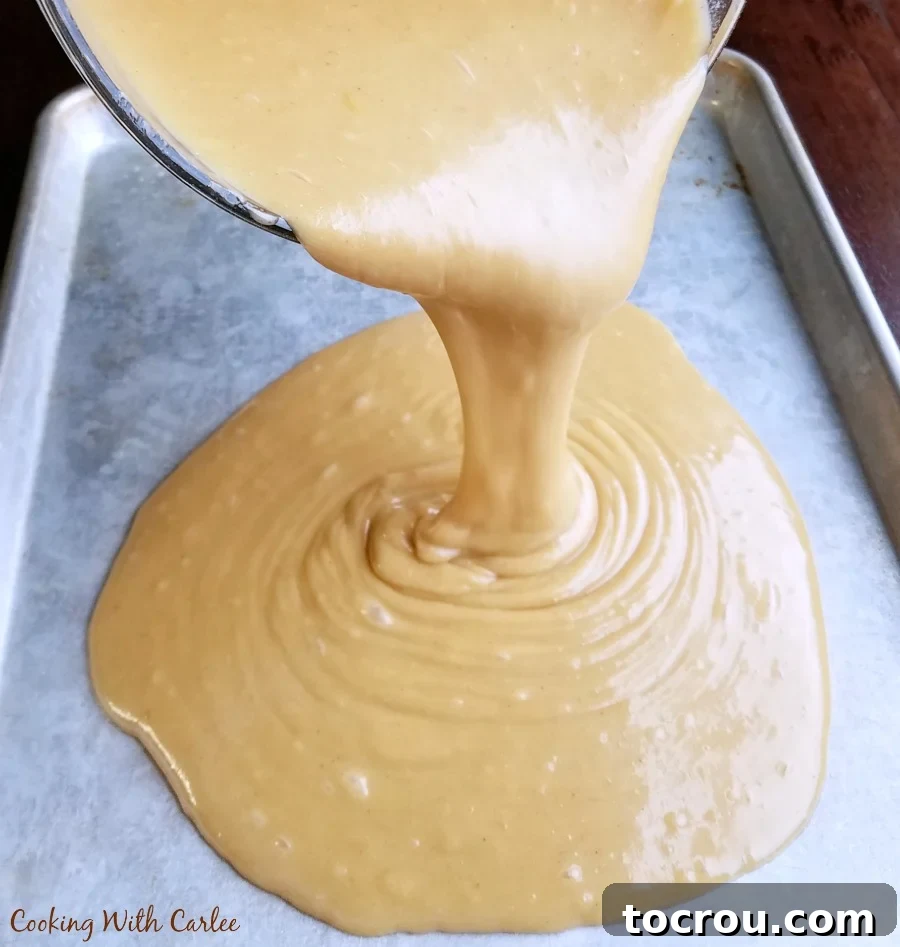
Once the simple batter is ready, it is poured into a generously greased sheet pan. The most traditional pan size for this recipe is a 13×18-inch half sheet pan, often referred to as a jelly roll pan. This large surface area ensures the cake bakes thin and evenly, resulting in a perfect cake-to-icing ratio in every bite. While a slightly smaller 10×15-inch pan can also be used, producing a slightly thicker cake, it might require a few additional minutes of baking time to compensate for the increased depth. Regardless of the pan size, the goal is always a cake that bakes quickly and uniformly, ready to be topped with its signature warm icing.
While some modern adaptations might deviate slightly from these strict guidelines, the recipes featured here largely adhere to the traditional definition of a Texas sheet cake, guaranteeing a delightful experience for any dessert enthusiast. Rest assured, whether they tick every single box or come remarkably close, all of these recipes promise incredible flavor and an enjoyable baking experience.
Why the Name “Texas Sheet Cake”?
The exact origin of the “Texas” in Texas sheet cake remains a charming mystery, with no definitive historical record to pinpoint its inception. However, the most widely accepted theory, and certainly the most endearing, attributes the name to the state’s famous motto: “Everything’s bigger in Texas.” Given the cake’s expansive size, baked in a large sheet pan to generously serve a crowd, the name perfectly encapsulates its generous portions and grand scale. It’s a cake designed for feeding large gatherings, a true testament to Texan hospitality and abundance. Whether the name originated in Texas or simply adopted the moniker due to its impressive size, it has stuck, becoming an inseparable part of this beloved dessert’s identity.
Mastering the Iconic Icing
One of the most distinctive and beloved characteristics of a Texas sheet cake is its unique poured-over icing. While you certainly have the freedom to top your cake with any frosting you desire, be it a fluffy buttercream or a delicate glaze, embracing tradition means opting for an icing that’s just as simple and delicious as the cake itself. This signature topping is prepared using a second saucepan, ensuring the entire dessert-making process remains wonderfully streamlined.
The magic happens when the cake has partially cooled but is still warm from the oven. At this point, butter is melted on the stovetop, forming the rich base for the icing. Powdered sugar is then whisked in, along with your chosen flavorings – vanilla extract for a classic touch, a splash of citrus for a zesty twist, or cocoa powder for an extra chocolatey punch. The mixture is heated until smooth and pourable, creating a glossy, rich icing. Immediately, this warm concoction is poured directly over the still-warm cake. The residual heat of the cake allows the icing to melt slightly and seep into the cake’s pores, creating an incredibly moist, fudgy, and utterly delicious top layer that melds seamlessly with the cake beneath.
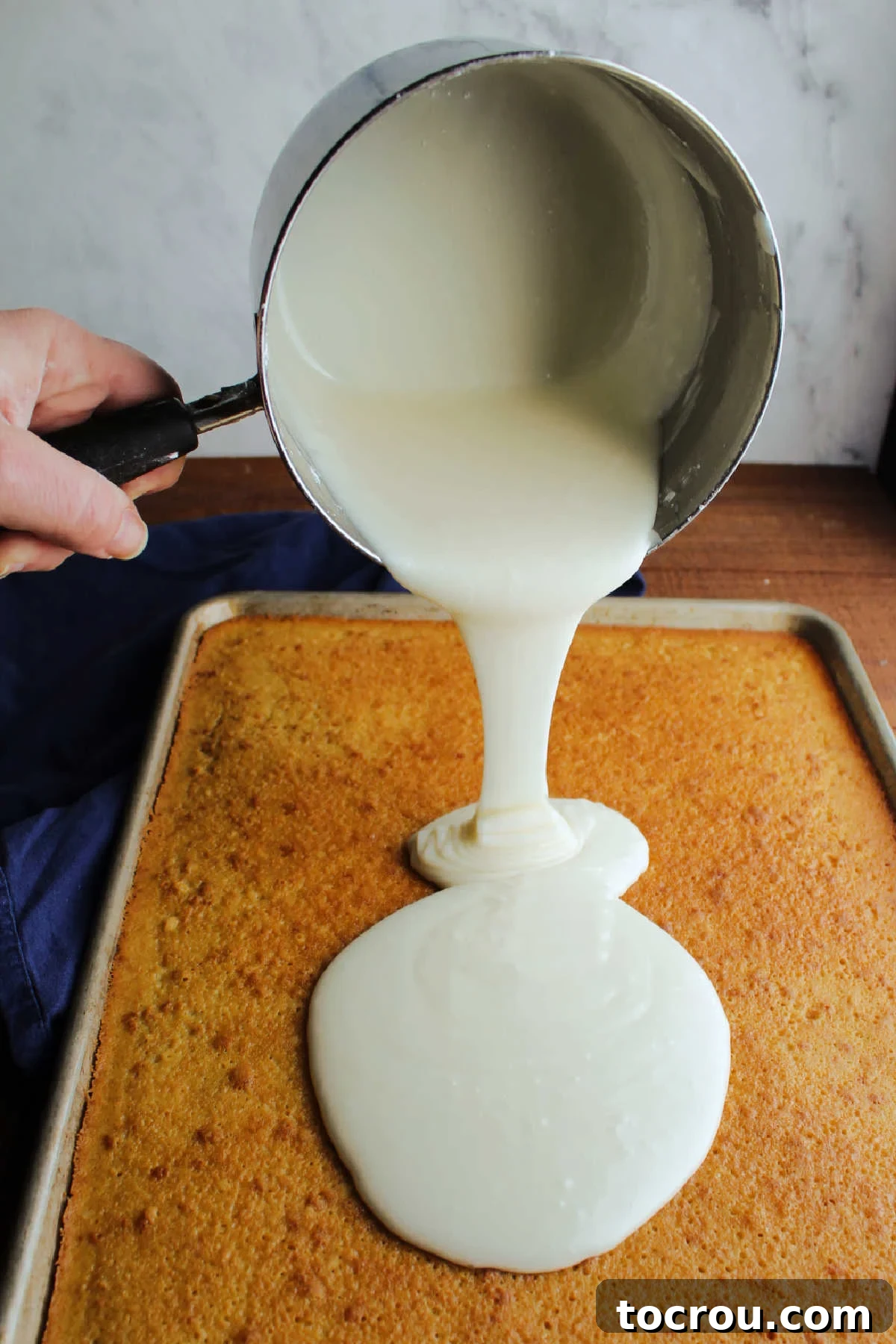
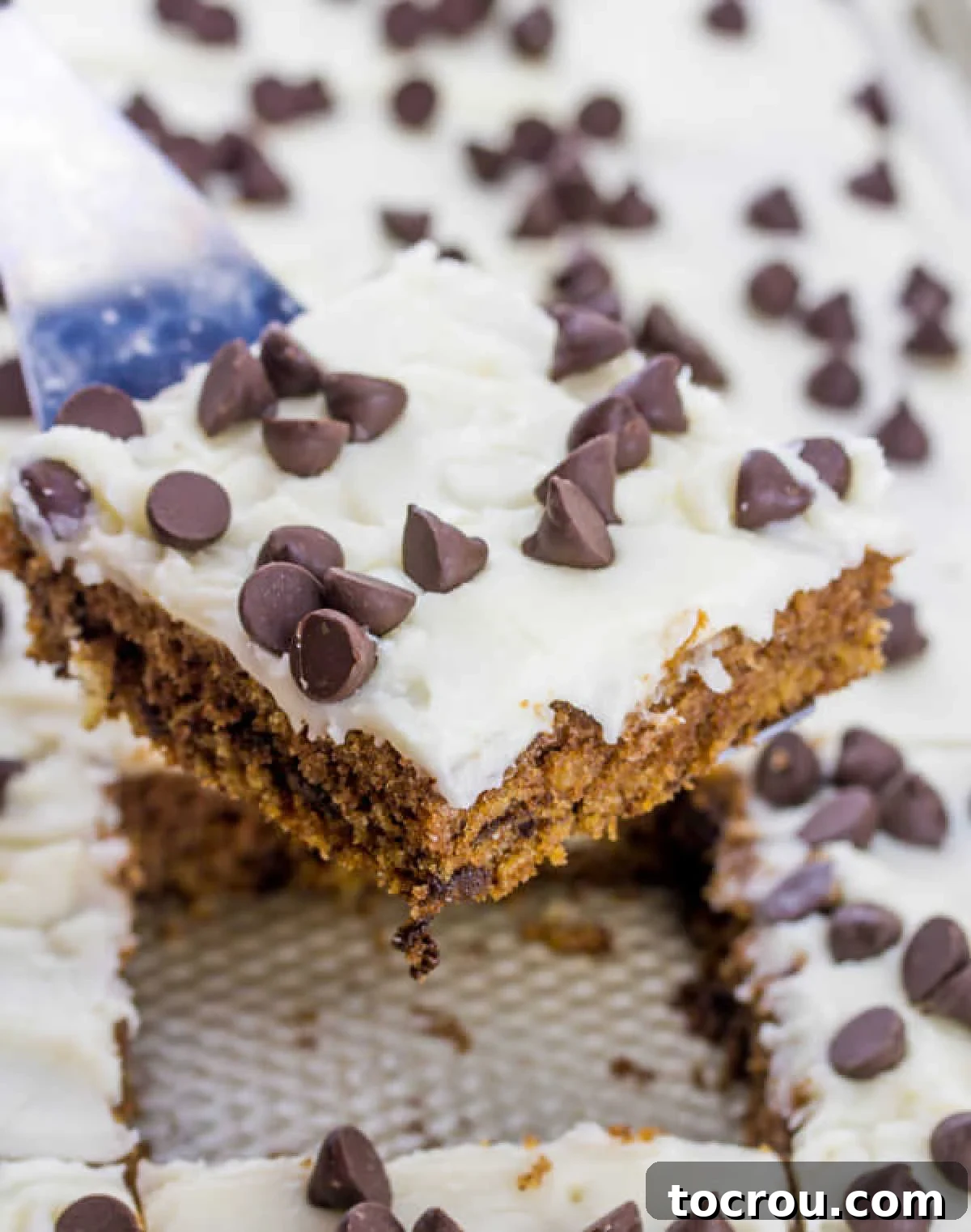
A quick, gentle spread is all it takes to ensure an even coating, resulting in a beautifully smooth and enticingly delicious finish. To add a personal touch or extra texture, consider sprinkling some chopped nuts, colorful sprinkles, or a dusting of cocoa powder over the warm icing before it sets. This not only enhances the visual appeal but also introduces delightful textural contrasts. You’ll find a plethora of creative and fun icing ideas incorporated into the diverse recipes shared further down, each designed to elevate your Texas sheet cake experience.
Serving Your Sheet Cake with Ease
One of the many reasons Texas sheet cakes are celebrated is their unparalleled convenience when it comes to serving. This dessert is designed to be enjoyed directly from the pan it was baked in, making it an incredibly low-stress, low-mess, and fuss-free option for any occasion. There’s no need for fancy cake stands, careful transfers, or elaborate plating. Simply cut generous squares straight from the pan, and you’re ready to serve.
This inherent ease also makes it the ideal dessert for transportation. Whether you’re heading to a potluck, a backyard barbecue, a family reunion, or any community event, your Texas sheet cake travels beautifully and is ready to be presented upon arrival. Its substantial size means it can effortlessly yield numerous portions, making it the perfect choice for feeding a large crowd without requiring multiple smaller desserts. It’s a testament to practical, hearty baking that doesn’t compromise on flavor or satisfaction.
While the cake is undeniably delicious on its own, you can easily elevate the experience with a simple accompaniment. Feel free to add a scoop of your favorite ice cream, a dollop of freshly whipped cream, or a handful of fresh berries to complement its rich flavors. However, let’s be clear: a well-made Texas sheet cake truly needs nothing else. Its moist crumb and decadent icing are a complete and satisfying treat in themselves. So, the only question that remains is: which delightful version will you bake first?
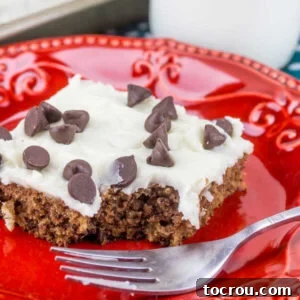
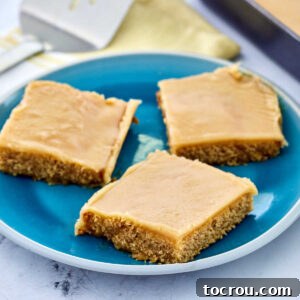
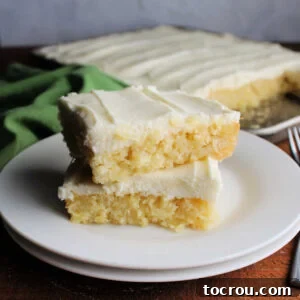
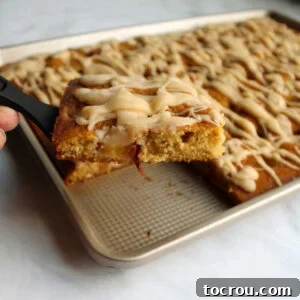
Below, we’ve curated some of our absolute favorite Texas sheet cake ideas, ranging from classic chocolate to inventive fruit and nutty variations. Each recipe promises the signature ease and deliciousness that defines this beloved dessert. And if you happen to know of another fantastic Texas sheet cake variation that hasn’t made our list, we’d be thrilled to hear about it! Please share your discoveries in the comments below – we’re always eager to expand our baking repertoire and try new, crowd-pleasing creations!
A Spectrum of Texas Sheet Cake Recipes to Try
Get the Recipe
Pin the Recipe
Get the Recipe
Pin the Recipe
Get the Recipe
Pin the Recipe
Get the Recipe
Pin the Recipe
Get the Recipe
Pin the Recipe
Get the Recipe
Pin the Recipe
Get the Recipe
Pin the Recipe
Get the Recipe
Pin the Recipe
Get the Recipe
Pin the Recipe
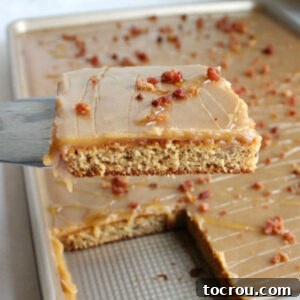
Get the Recipe
Pin the Recipe
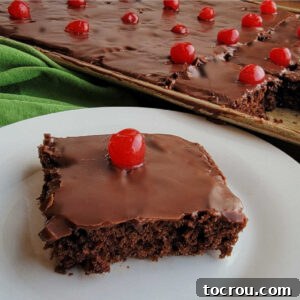
Get the Recipe
Pin the Recipe