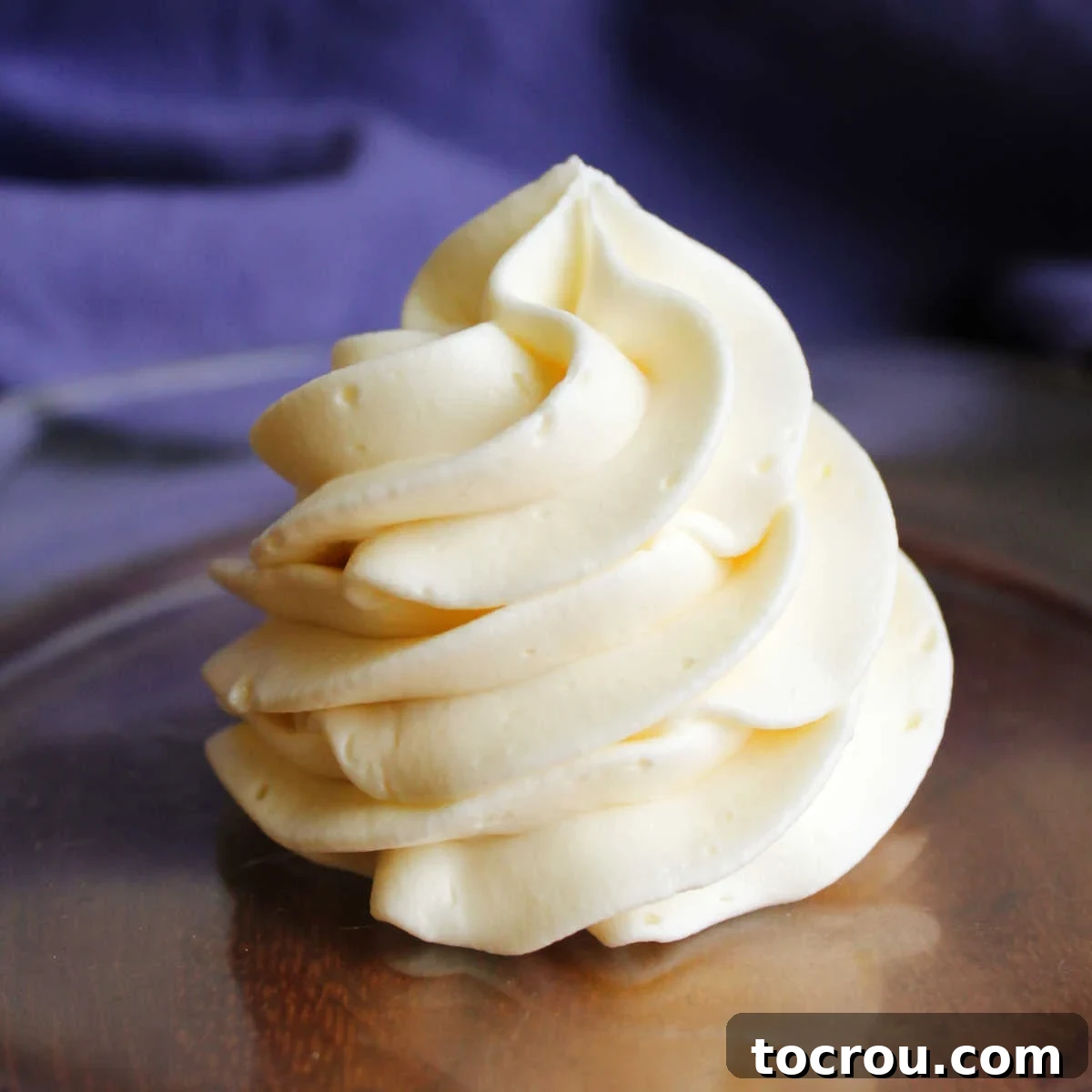
For many home bakers and dessert enthusiasts, frosting is a delightful, essential topping that completes any cake or cupcake. However, a common complaint often surfaces: the overpowering sweetness of traditional frostings. If you’ve ever found yourself wishing for a more balanced flavor profile, one that allows the cake’s taste to shine through without being masked by an excessive sugar rush, then you’ve come to the right place. Don’t despair, because achieving a perfectly toned-down, less sweet frosting is entirely within your reach. We’re here to share a collection of expert tips, clever additions, and fantastic alternative recipes that will transform your baking, making your homemade treats truly exceptional.
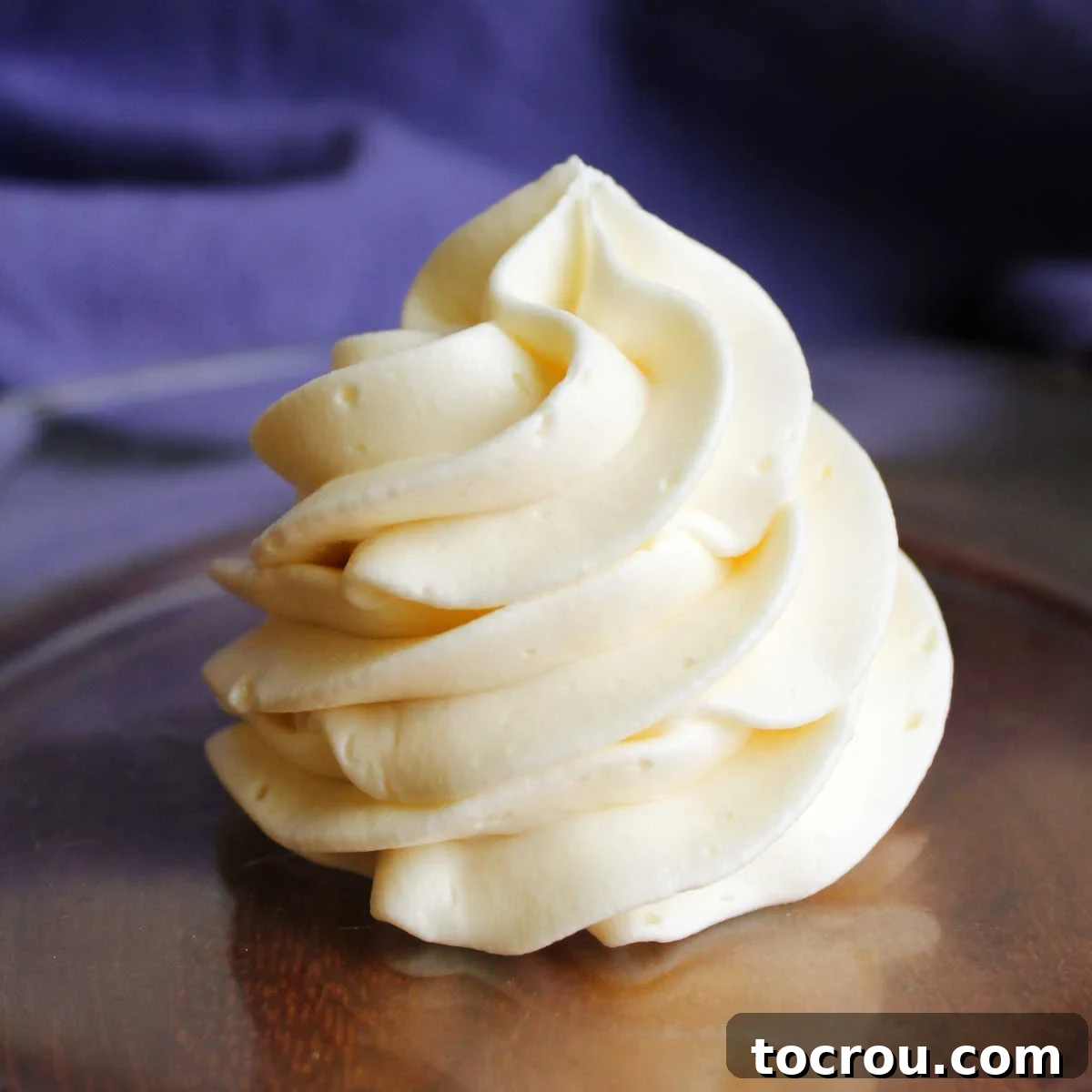
There is an undeniable charm and superior quality to homemade frosting. It elevates any baked good, imparting a freshness and depth of flavor that store-bought varieties simply can’t match. In fact, if you’re looking to make a simple cake mix taste genuinely homemade, topping it with a well-crafted, less-sweet homemade frosting is the ultimate secret weapon. Among the vast world of frostings, American buttercream stands out as the most widely known and frequently made. Its simplicity, speed, and forgiving nature make it a go-to for many. Yet, precisely because of its high powdered sugar content, American buttercream often earns the reputation for being overwhelmingly sweet. But fret not, as we’ve gathered an array of brilliant techniques to help you temper that sweetness, allowing for a more enjoyable and sophisticated dessert experience.
Transforming American Buttercream: Expert Additions and Substitutions for a Less Sweet Finish
American buttercream, typically a blend of butter, powdered sugar, milk or cream, and vanilla extract, derives its structure and signature taste primarily from powdered sugar. While delicious, this can lead to an intensely sweet flavor. Thankfully, with a few clever tweaks and additions, you can significantly reduce its cloying sweetness without sacrificing texture or stability. Let’s dive into some of the most effective strategies:
1. Embrace the Tang: A Splash of Lemon Juice
One of my absolute favorite and most effective methods for cutting through the richness and sweetness of American buttercream is by introducing a touch of acidity. A small addition of fresh lemon juice can work wonders. The natural sourness of lemon acts as a perfect counterpoint to the sugar, creating a more balanced and vibrant flavor profile. When experimenting, you can substitute a portion of the liquid (milk or cream) in your recipe with lemon juice. Start small, perhaps with just a teaspoon, and gradually add more until you achieve your desired level of tang and reduced sweetness. The goal isn’t to make your frosting taste distinctly lemony, but rather to use the lemon’s acidity to brighten the overall flavor and balance the sugar. This technique was expertly employed in my perfect not-too-sweet buttercream recipe, yielding fantastic results.

2. Adjust the Ratio: Use Less Sugar, More Fat
This might seem overly simplistic, but one of the most direct ways to reduce sweetness is to simply use less sugar than your recipe calls for. While sugar is crucial for the structure and consistency of buttercream, many recipes are overly generous with it. You can often increase the fat-to-sugar ratio slightly and still achieve a stable, delicious frosting. If you’re concerned that increasing the butter will result in a frosting that tastes too much like, well, butter, consider substituting a portion of the butter with vegetable shortening. Shortening has a neutral flavor, which allows other flavors to shine, and boasts a wider range of temperatures at which it remains stable. This makes it an excellent option for creating a less sweet, yet structurally sound and versatile buttercream, especially in warmer climates or for intricate piping work.
3. Lighten it Up: Incorporate Heavy Cream and Whip Well
Adding a little extra heavy cream to your American buttercream serves a dual purpose in reducing sweetness. Firstly, the added cream helps to dilute the overall sugar concentration in the finished product. Secondly, and perhaps more importantly, when cream is whipped thoroughly into the buttercream, it introduces more air. This aeration creates a lighter, fluffier texture that feels less dense and less sweet on the palate. The increased volume from whipping also means you get more frosting for the same amount of sugar, further contributing to a less intense sweetness. Ensure your cream is very cold for optimal whipping results, and continue beating until the frosting is visibly lightened and airy, almost cloud-like.
4. The Secret Weapon: A Pinch of Salt
Salt is a magical ingredient in baking, known for its ability to enhance flavors and, crucially, to balance sweetness. Just as a pinch of salt can make chocolate taste richer, it can also brilliantly cut through the sugary intensity of frosting. The key is to add just enough to achieve balance without making your frosting taste salty. Start with a tiny pinch – literally, a pinch between your fingers – and mix it in thoroughly. Taste, and if necessary, add another small pinch. It’s a delicate dance, but when done right, the salt will beautifully round out the flavors, allowing the butter and any other extracts to truly shine, diminishing the perception of excessive sweetness.
5. The Tangy Counterpart: Cream Cheese
The delightful tang of cream cheese is another superb way to counteract the often overwhelming sweetness of powdered sugar. By incorporating cream cheese into your buttercream, you introduce a zesty, slightly savory note that beautifully complements and balances the sugar. However, there’s a minor trade-off: cream cheese has a tendency to make frosting softer and less firm than traditional American buttercream, which can be a concern for intricate piping or stacking cakes. To mitigate this, start by substituting just a tablespoon or two of butter with softened cream cheese. Experiment with the ratio until you find a consistency and flavor you love. Alternatively, if you adore the cream cheese flavor, you can fully embrace it and make a dedicated decorator’s cream cheese frosting, which is specifically formulated for a great balance of tang, sweetness, and superior stability.
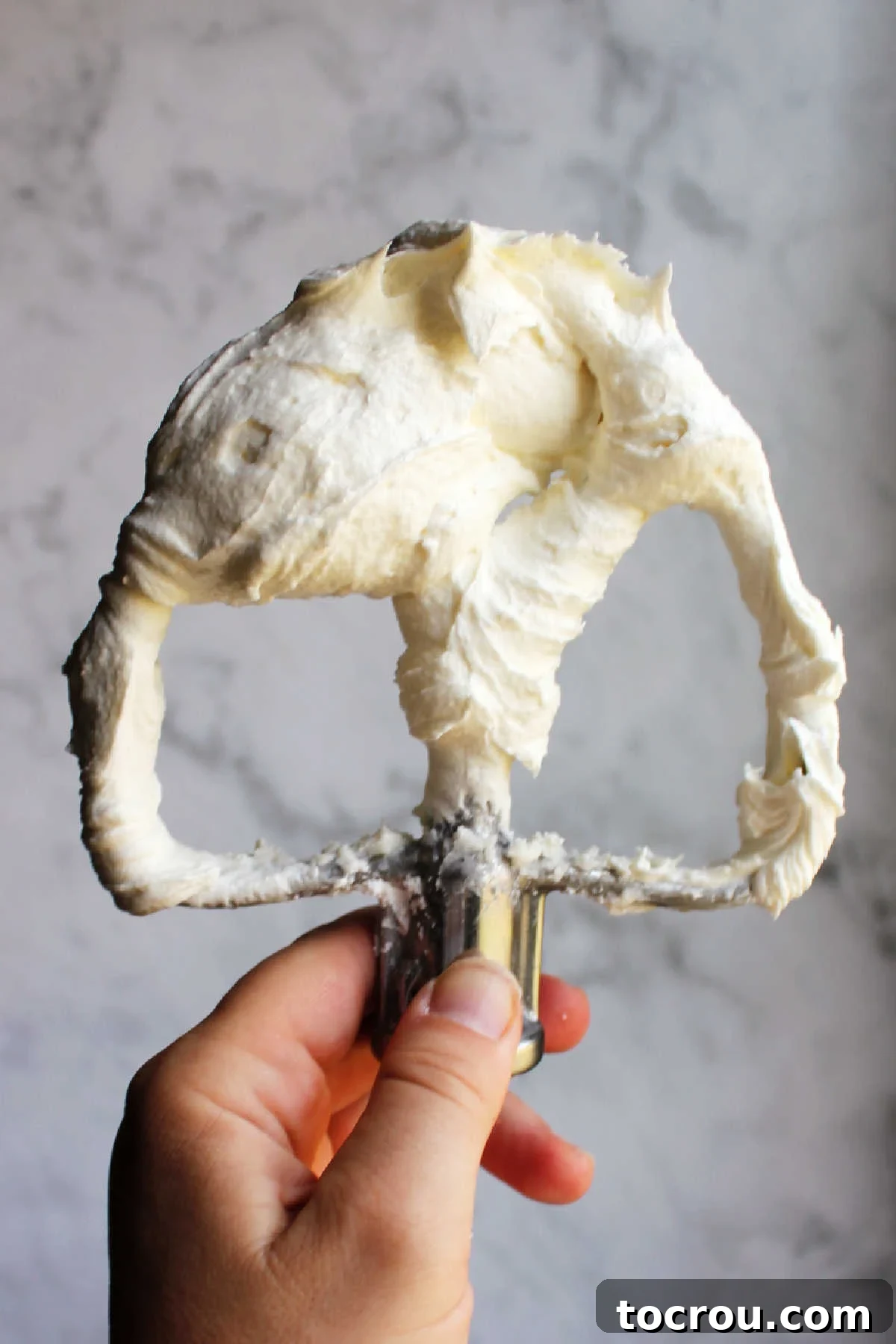
Beyond American Buttercream: Exploring Less Sweet Frosting Alternatives
If you’ve tried these adjustments to American buttercream and still find yourself craving a less sweet option, or perhaps you’re simply looking to broaden your frosting repertoire, then you’re in luck! The world of frosting is rich and diverse, offering many exquisite types that are inherently less sweet than their American counterpart. Most of these alternatives achieve their balanced sweetness and unique textures by either cooking flour into a paste or pudding, or by creating a light, airy meringue base, which are then expertly combined with butter or other fats.
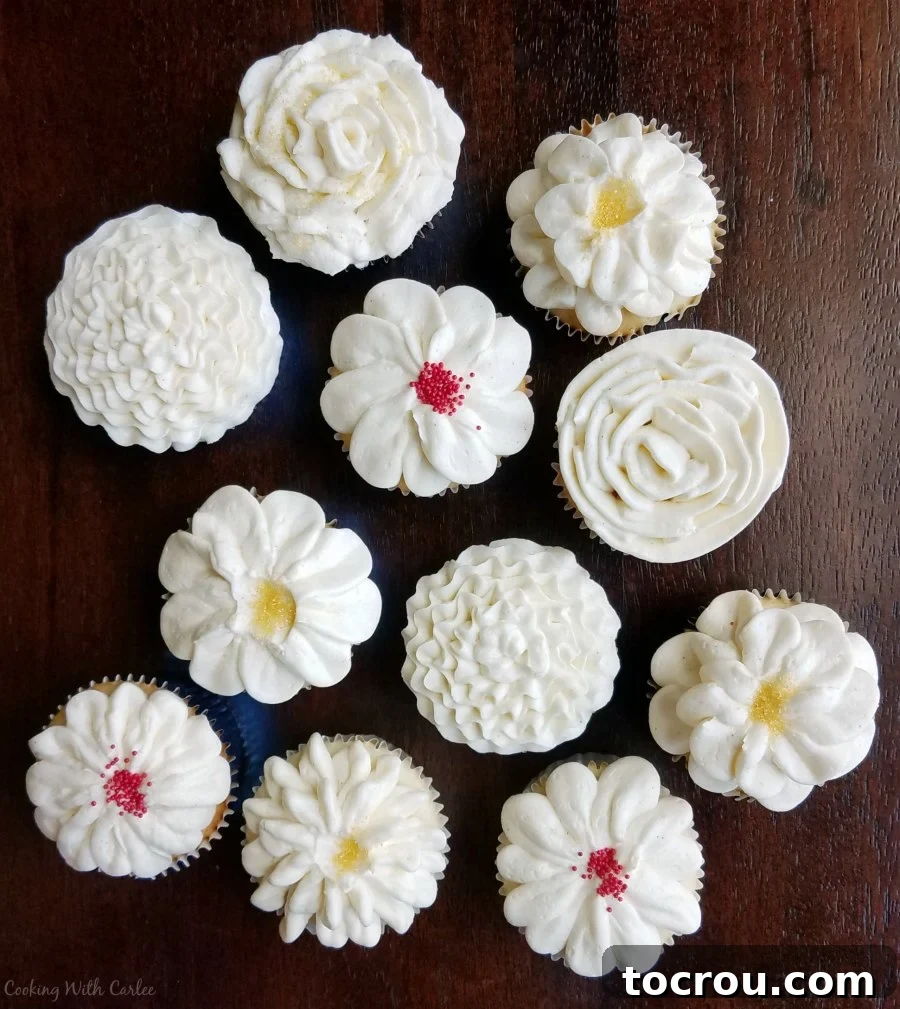
Italian Meringue Buttercream (IMBC)
For those seeking a truly luxurious and sophisticated frosting that is decidedly less sweet, Italian meringue buttercream is a stellar choice. This elegant frosting begins with a meringue made by slowly pouring hot sugar syrup into whipping egg whites, cooking them as they whip. This stable meringue is then gradually beaten with softened butter, resulting in an incredibly light, airy, and silky-smooth frosting. Its delicate sweetness is perfectly balanced, making it a favorite among professional bakers. An added benefit is its remarkable heat stability, making it ideal for cakes and cupcakes displayed in warmer environments where American buttercream might falter.
Russian Buttercream
If simplicity and an incredibly creamy, smooth texture are what you’re after, then Russian buttercream is a revelation. This unique frosting stands apart because it doesn’t use any powdered sugar at all. Instead, it’s typically made with just three core ingredients: butter, vanilla extract, and sweetened condensed milk. The condensed milk provides a subtle, milky sweetness that is far less intense than powdered sugar, yielding a velvety-smooth, rich, and not overly sweet frosting that melts delightfully in your mouth. Its ease of preparation and divine texture make it a fantastic alternative. For an even more balanced flavor profile, Chocolate Russian buttercream incorporates cocoa powder, which naturally lessens the perceived sweetness while adding a beautiful depth of flavor.
Ermine Frosting (Flour Buttercream / Boiled Milk Frosting)
Another classic, often associated with traditional Southern baking and one of the two classic toppings for red velvet cake, is Ermine frosting. This delicious frosting gets its unique texture and mild sweetness from a cooked flour paste. You create this paste by cooking milk, sugar, and flour together until it thickens into a pudding-like consistency. Once cooled, this paste is then beaten into softened butter until it transforms into a light, fluffy, and incredibly smooth whipped frosting. The result is distinctively less sweet than American buttercream, often described as tasting almost like a stabilized whipped cream, offering a wonderfully airy and delicate finish that pairs beautifully with a wide range of cakes.
Beyond these popular options, there are several other ingenious ways to create super smooth and not-too-sweet buttercreams by incorporating various meringues and cooked puddings. Each method offers a unique texture and flavor profile, allowing you to tailor your frosting perfectly to your dessert and your preference. To delve deeper into the fascinating world of frostings and discover all the different types and their nuances, be sure to explore my comprehensive guide, Frosting 101: A Guide to the Types of Frosting. With these tips and alternative recipes, you’re well-equipped to create beautifully balanced, incredibly delicious frostings that will impress everyone without overwhelming their taste buds with excessive sweetness.