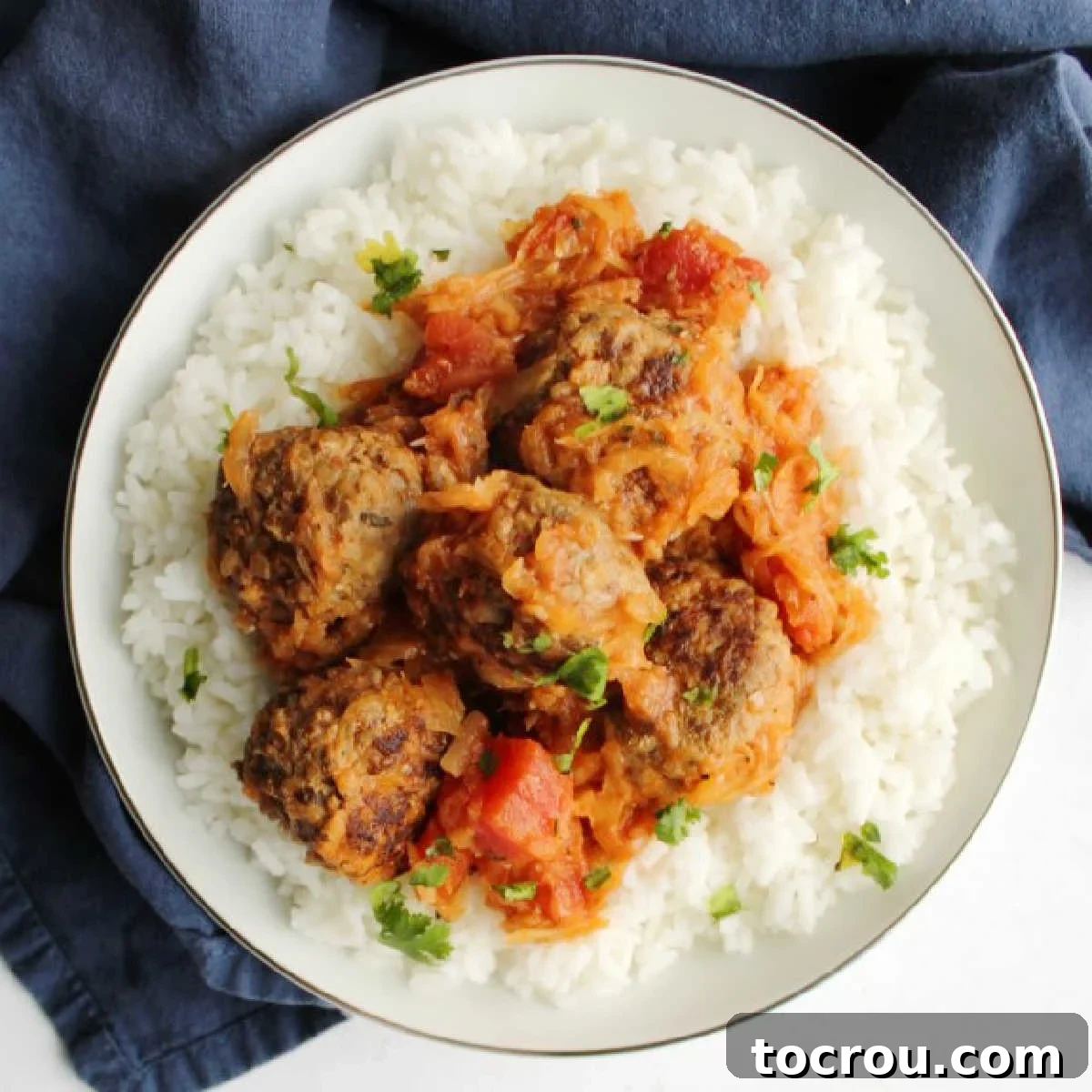
The Secret to Irresistible Porcupine Meatballs: A Flavorful Family Favorite
Prepare for a culinary revelation! These aren’t just any meatballs; they’re Porcupine Meatballs with a Secret Ingredient Sauce that promises to delight even the pickiest eaters. Perfectly versatile, these savory spheres are fantastic tucked into sandwiches and sliders, provide a hearty topping for pasta, or make themselves right at home on a fluffy bed of rice. Get ready to discover a comforting classic with an unexpected twist that will become a cherished recipe in your kitchen.
What Makes Them “Porcupine” Meatballs?
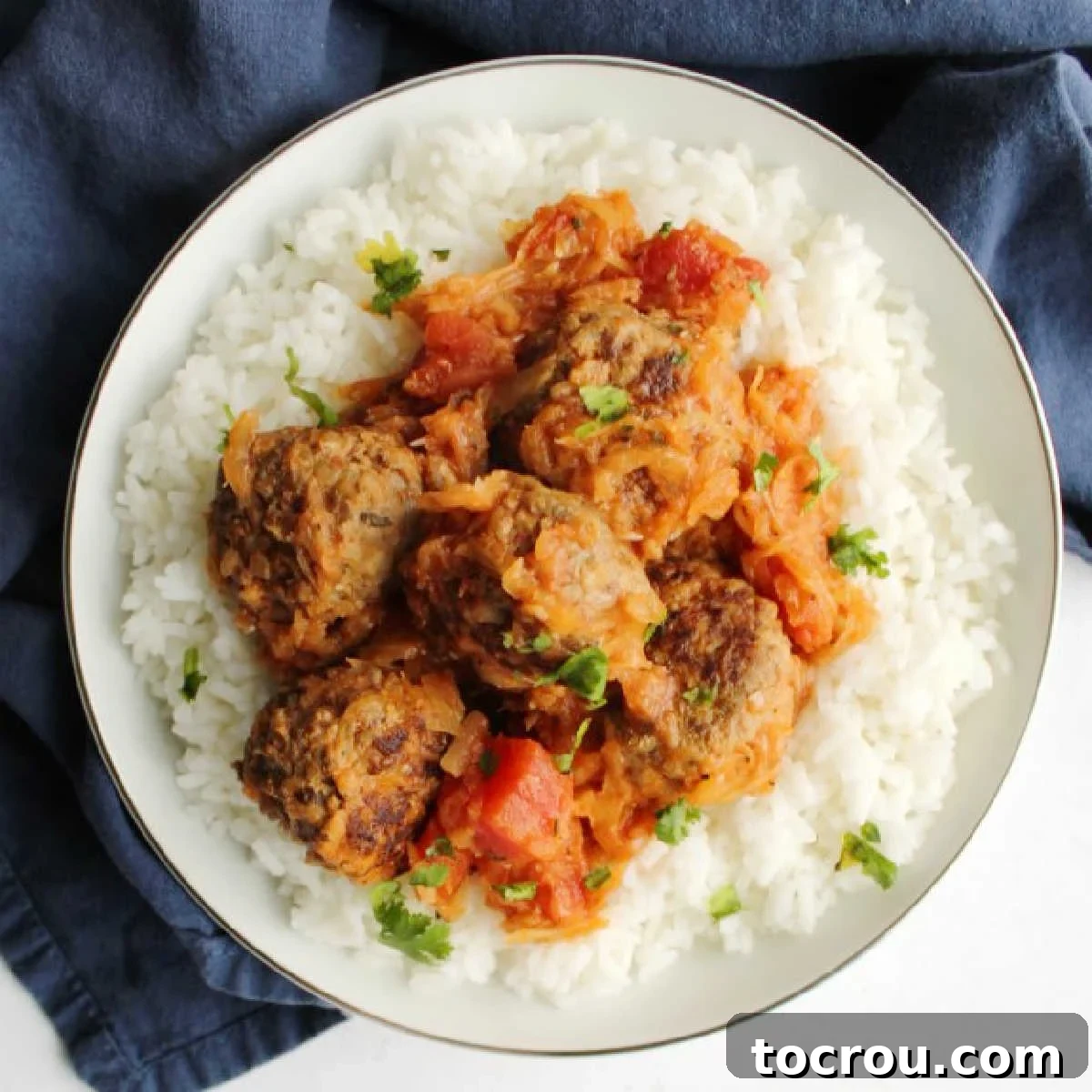
The intriguing name “porcupine meatballs” comes from a clever culinary trick: uncooked rice is mixed directly into the ground meat. As the meatballs simmer in their flavorful sauce, the rice absorbs the liquid, plumping up and poking out slightly, giving them a whimsical, quill-like appearance similar to a porcupine. This internal inclusion of rice not only creates a unique texture but also helps to bind the meatballs, keeping them incredibly moist and tender from the inside out. It’s a simple addition that makes all the difference, transforming ordinary meatballs into something truly special and memorable.
The Unforgettable “Secret Ingredient” Story
Now, for the big reveal! Are you ready for a culinary confession that’s just between us? Because this secret is so good, it needs to be guarded with the utmost care. These incredibly delicious meatballs are cooked in a luscious sauce featuring… sauerkraut! Yes, you heard that right, sauerkraut. I can almost hear your gasp, but trust me, this is where the magic truly happens.
The reason for such secrecy? My husband, bless his heart, utterly detests sauerkraut. I mean, an intense, deep-seated dislike that would usually send him running from any dish containing it. Yet, he devours these meatballs with gusto! Not only did he eat them the first time, but he has enjoyed them several times since, completely oblivious to the hidden ingredient. The most amusing part came one evening when we were enjoying another meal with bean sprouts. He curiously poked at them and asked, “What are these stringy things?” I, of course, feigned innocence and smoothly changed the subject. He truly had no idea, and you and I certainly won’t be the ones to spill the beans, will we? Why ruin a perfectly good thing when it brings such joy to the dinner table?
Unveiling the Magic: Why Sauerkraut Works in This Secret Sauce
The genius of using sauerkraut in this sauce lies in its transformative properties when cooked. Far from overpowering the dish with a distinct sourness, the sauerkraut melts into the background, lending an incredible depth of flavor, a subtle tang, and a natural umami boost that elevates the entire sauce. Its acidity also acts as a natural tenderizer for the ground beef, ensuring your meatballs are unbelievably succulent. When finely chopped and simmered in the rich tomato base, the distinctive texture and strong flavor of raw sauerkraut mellow out, becoming an integral part of a complex, savory sauce that tastes far more intricate than its simple ingredients suggest. It’s a testament to how humble ingredients can create extraordinary results.
I owe this incredible recipe to my good friend, Diane, who shared it with me back in 2017. She confessed her own son, much like my husband, also dislikes sauerkraut but adores these meatballs. Her trick? Chopping the sauerkraut very finely before adding it to the sauce. He gobbles them up every time, proving that this “secret ingredient” method is a foolproof way to introduce unexpected flavors to reluctant palates. I’ve since updated the recipe card and shared new pictures, making it easier than ever for you to bring this family favorite to your own table.
Crafting Your Perfect Porcupine Meatballs: Tips for Success
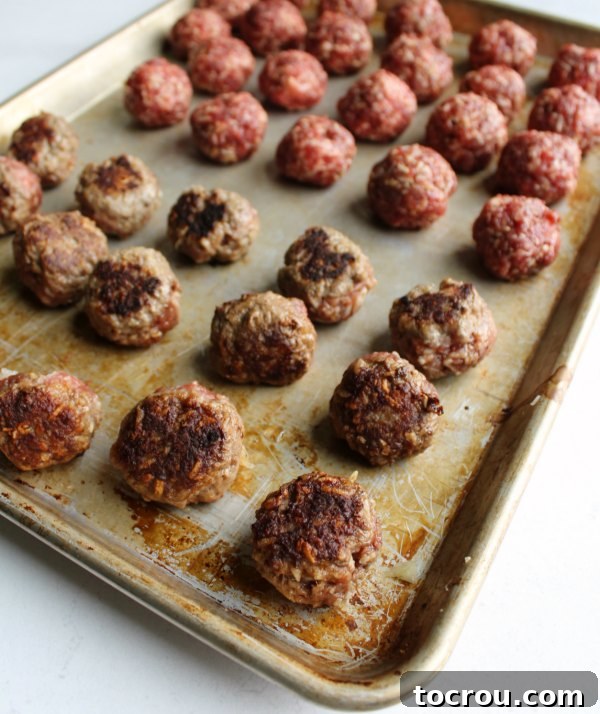
Creating these meatballs is surprisingly simple, but a few tips can ensure they turn out perfectly every time. First, when mixing your meatball ingredients – ground beef, dehydrated minced onion, garlic, eggs, and instant rice – be gentle. Overworking the meat can lead to tough meatballs. Mix just until everything is combined, then roll them into golf-ball-sized spheres.
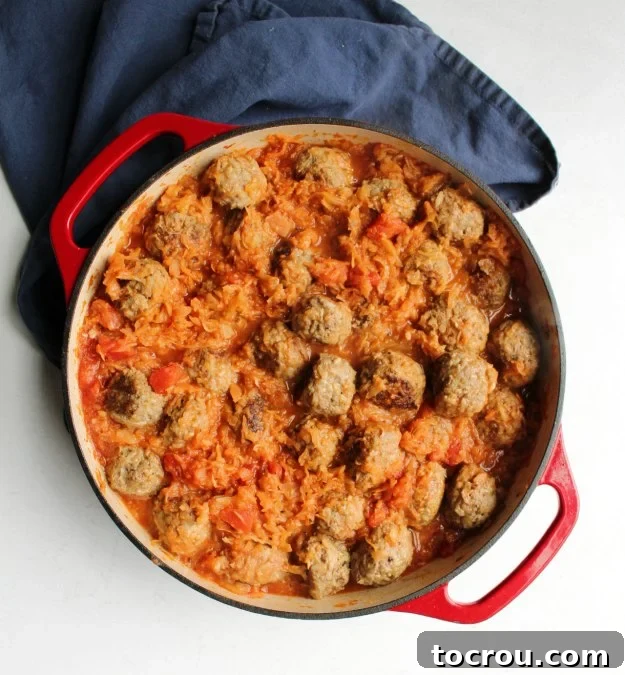
Browning the meatballs before simmering is a crucial step for developing deep, rich flavors. Sear them in batches in an oven-safe skillet until all sides are nicely browned. This creates a crust that locks in juices and adds complexity to the final dish. Don’t worry about cooking them through at this stage; they will finish cooking in the sauce. After browning, drain any excess grease to keep the sauce from becoming oily. Then, it’s time to build the glorious secret sauce right in the same pan, scraping up all those delicious browned bits from the bottom, which adds even more flavor.
Perfect Pairings: How to Serve Your Porcupine Meatballs
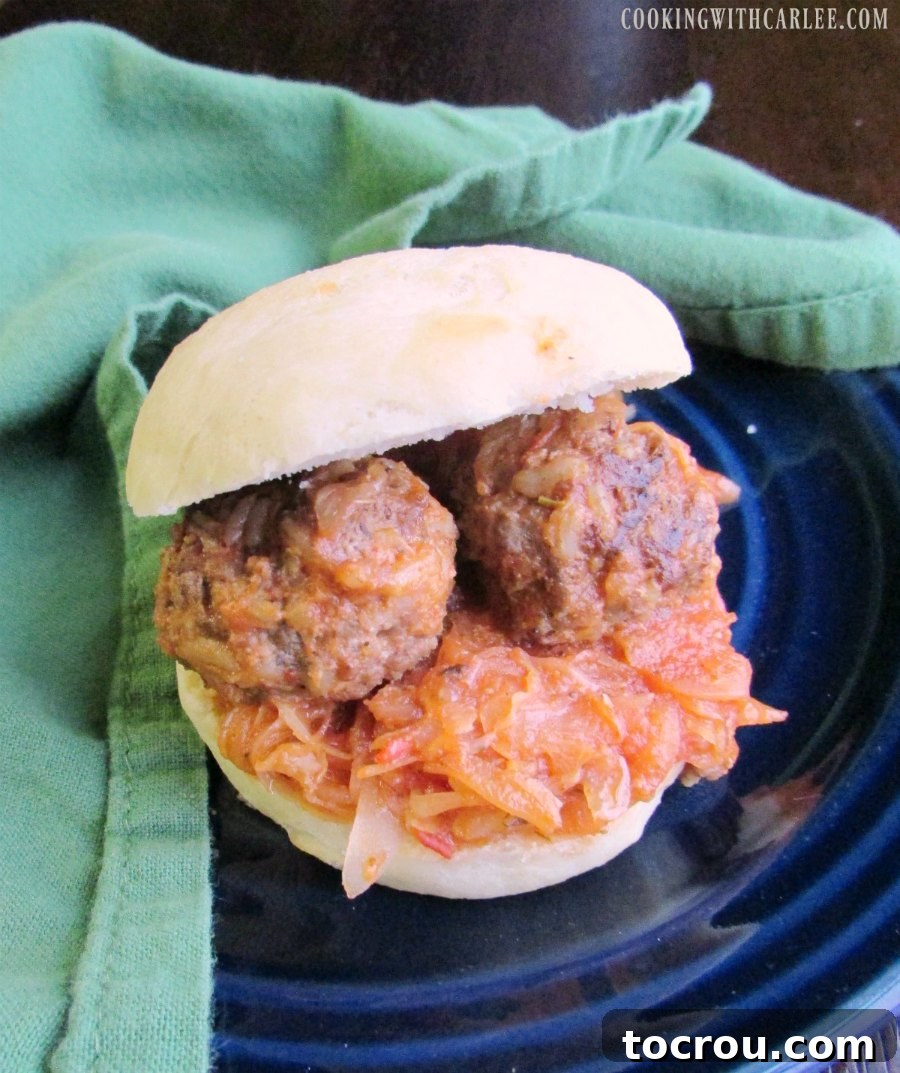
The versatility of these porcupine meatballs is truly remarkable, making them suitable for almost any meal or occasion. For a classic and utterly satisfying experience, serve them on soft, buttery potato rolls, just like Diane suggested. The pillowy texture of the rolls perfectly complements the tender meatballs and rich sauce, creating an irresistible sandwich or slider that’s great for parties or a casual dinner.
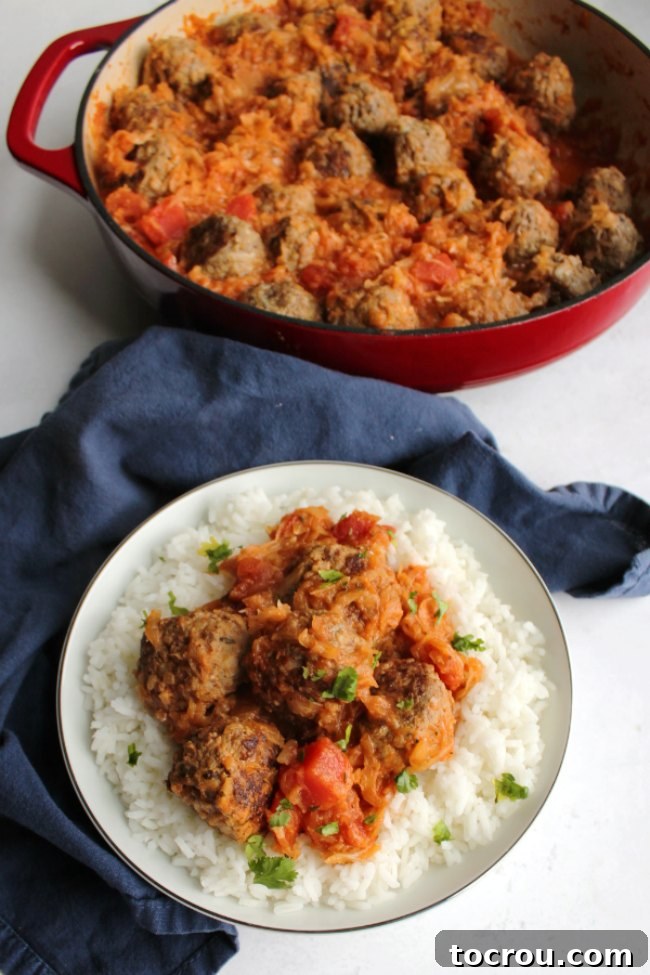
Beyond sandwiches, these meatballs shine brightly when served over a variety of bases. Spoon them generously over a mound of al dente pasta for a hearty Italian-American twist. The sauce clings beautifully to spaghetti, linguine, or penne, ensuring every bite is packed with flavor. For a more comforting, stick-to-your-ribs meal, present them atop a bed of creamy mashed potatoes, allowing the rich sauce to meld with the velvety spuds. And, of course, they are absolutely divine served over steaming white rice, where the rice in the meatballs finds a harmonious partner, making it a complete and satisfying meal.
Consider also serving them with a side of steamed green beans or a crisp garden salad to add freshness and balance. They can even be transformed into a fantastic party appetizer when served on toothpicks, perhaps with a sprinkle of fresh parsley for garnish. No matter how you choose to enjoy them, these porcupine meatballs are guaranteed to be a hit!
Tips for Picky Eaters & Enhancing the Secret Flavor
While the sauerkraut flavor is remarkably subtle, if you’re particularly concerned about a family member detecting it, there are a couple of extra steps you can take. First, make sure to drain the sauerkraut thoroughly. You can even give it a quick rinse under cold water to wash away some of its brine, which will further mute its distinct tang. Secondly, chopping the sauerkraut very finely – almost to a mince – will help it practically disappear into the sauce. This ensures it contributes only to the background notes of flavor and texture, rather than standing out.
For those who adore a bolder flavor, feel free to use the sauerkraut directly from the jar after draining, without rinsing. The more robust tang will beautifully complement the sweetness of the tomatoes and the richness of the beef. Don’t hesitate to adjust the seasoning to your liking; a pinch of red pepper flakes can add a subtle kick, or a touch of brown sugar can balance the acidity if you prefer a sweeter profile.
Make-Ahead, Storage, and Reheating Solutions
These porcupine meatballs are fantastic for meal prepping! You can prepare the meatballs ahead of time and store them uncooked in an airtight container in the refrigerator for up to 24 hours. Alternatively, brown them as instructed, then cool and store in the fridge for 2-3 days, ready to be simmered in the sauce when you’re ready for dinner. For longer storage, both the cooked meatballs and sauce freeze beautifully.
To freeze: Allow the cooked meatballs and sauce to cool completely. Transfer them to freezer-safe containers or heavy-duty freezer bags, removing as much air as possible. They will keep in the freezer for up to 3 months. Thaw overnight in the refrigerator before reheating. Reheat gently on the stovetop over medium-low heat until warmed through, or in the oven at 300°F (150°C) until bubbling. If the sauce thickens too much upon reheating, add a splash of water or beef broth to achieve your desired consistency.
Frequently Asked Questions About Porcupine Meatballs
Can I use different types of ground meat?
Absolutely! While ground beef is traditional, you can easily substitute it with ground pork, ground turkey, or a combination of meats. Adjust cooking times slightly if using leaner meats to prevent them from drying out.
Do I have to use instant rice?
Instant rice is recommended because it cooks quickly and absorbs liquid efficiently within the meatballs. If using regular long-grain rice, you might need to par-cook it slightly before adding it to the meat mixture, or increase the simmering time for the meatballs to ensure the rice is fully cooked.
Can I make these in a slow cooker?
Yes, porcupine meatballs are excellent in a slow cooker! After browning the meatballs as instructed, combine them with the sauce ingredients in your slow cooker. Cook on low for 4-6 hours or on high for 2-3 hours, until the meatballs are cooked through and tender. This method is perfect for game day snacks or hands-off weeknight dinners.
What if I don’t like sauerkraut at all?
If you’re truly apprehensive about sauerkraut, even in its hidden form, you can omit it and still have delicious meatballs. However, you’ll lose that unique depth of flavor it brings. Consider adding a splash of Worcestershire sauce, a teaspoon of Dijon mustard, or a pinch of smoked paprika to your tomato sauce for an alternative boost of umami and complexity.
More Delicious Meatball Recipes to Explore
If you love discovering new and exciting ways to enjoy meatballs, you’re in for a treat! From savory sandwiches to comforting baked dishes, there’s a meatball recipe for every craving. For another delicious sandwich idea, you might enjoy classic Maid Rites or loose meat sandwiches, packed with flavor. Or, for an easy weeknight meal, try these succulent Slow Cooker Chicken Parmesan Sandwiches.
If you’re interested in alternative binders for your meatballs, Marlene’s Meatballs use oatmeal instead of rice, offering a different texture and flavor profile. And for a quick and satisfying dinner, these Swiss Steak Meatballs start with frozen meatballs and come together in no time in your Instant Pot. Have you tried any of these incredible recipes? They are definitely worth adding to your culinary repertoire!
Porcupine Meatballs with Secret Ingredient Sauce
Author: Carlee | Servings: 10 Servings
These tasty meatballs have rice cooked right inside. That’s what gives them their porcupine name. They are delicious cooked in this simple homemade sauce. We love them for dinner, but you could easily make them in a slow cooker for a game day snack as well!
Prep Time: 15 mins | Cook Time: 40 mins | Total Time: 55 mins
Equipment
- OXO 9-Inch Locking Tongs
- Lodge 3.6 Quart Enamel Cast Iron Casserole Dish with Lid
Ingredients
For the Meatballs:
- 2 Tablespoons cooking oil
- ½ cup dehydrated minced onion
- 2 pounds ground beef
- 3 cloves garlic, minced
- 2 large eggs
- ¾ cups uncooked instant rice
- salt and pepper to taste
For the Secret Sauce:
- 16 oz canned tomato sauce
- 15 oz diced tomatoes
- 24 oz jar sauerkraut, drained (and rinsed if desired)
- 1 Tablespoon Italian seasoning
Instructions
- Prepare Meatballs: In a large mixing bowl, gently combine the dehydrated minced onion, ground beef, minced garlic, large eggs, uncooked instant rice, salt, and pepper. Mix just until combined; avoid overworking the meat.
- Form Meatballs: Gently roll the mixture into golf ball-sized meatballs and place them on a clean cooking sheet.
- Brown Meatballs: Heat 2 Tablespoons of cooking oil in an oven-safe skillet over medium heat. Working in batches, brown all sides of the meatballs until a nice crust forms. Remove the browned meatballs from the pan and set aside.
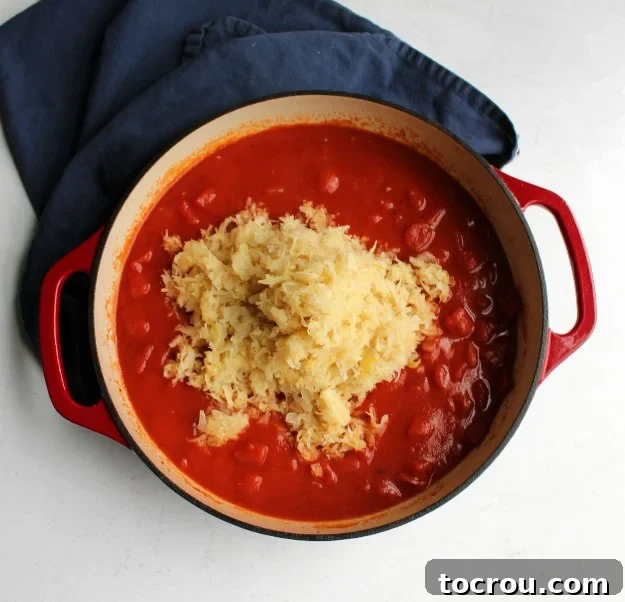
- Deglaze Pan & Add Tomatoes: Once all meatballs are browned, carefully drain any excess grease from the skillet. Add the canned tomato sauce and diced tomatoes to the pan, scraping any browned bits from the bottom to incorporate all that delicious flavor.
- Simmer Sauce: Stir in the drained sauerkraut and Italian seasoning. Gently nestle the browned meatballs back into the sauce. It’s okay if the sauce doesn’t completely cover them; it will come together as it simmers.
- Cook Through: Cover the skillet and cook over medium-low heat for about 25 minutes, or until the meatballs are cooked through and the rice has plumped up.
Notes
If you are concerned about the sauerkraut flavor, you can rinse the kraut a bit under cold water and chop it up finer before adding it to the sauce. This will help it meld even more seamlessly into the background flavor.
Nutrition Information
Serving: 1 Serving | Calories: 340kcal | Carbohydrates: 12g | Protein: 28g | Fat: 20g | Saturated Fat: 6g | Polyunsaturated Fat: 11g | Trans Fat: 1g | Cholesterol: 118mg | Sodium: 858mg | Fiber: 4g | Sugar: 5g
“Cooking With Carlee” is not a dietitian or nutritionist, and any nutritional information shared is an estimate. If calorie count and other nutritional values are important to you, we recommend running the ingredients through whichever online nutritional calculator you prefer. Calories and other nutritional values can vary quite a bit depending on which brands were used.
Did you try this recipe?
We’d love to hear from you! Don’t forget to leave a rating below and share your experience. For more delicious recipes and culinary inspiration, make sure to follow us on Pinterest and Instagram!