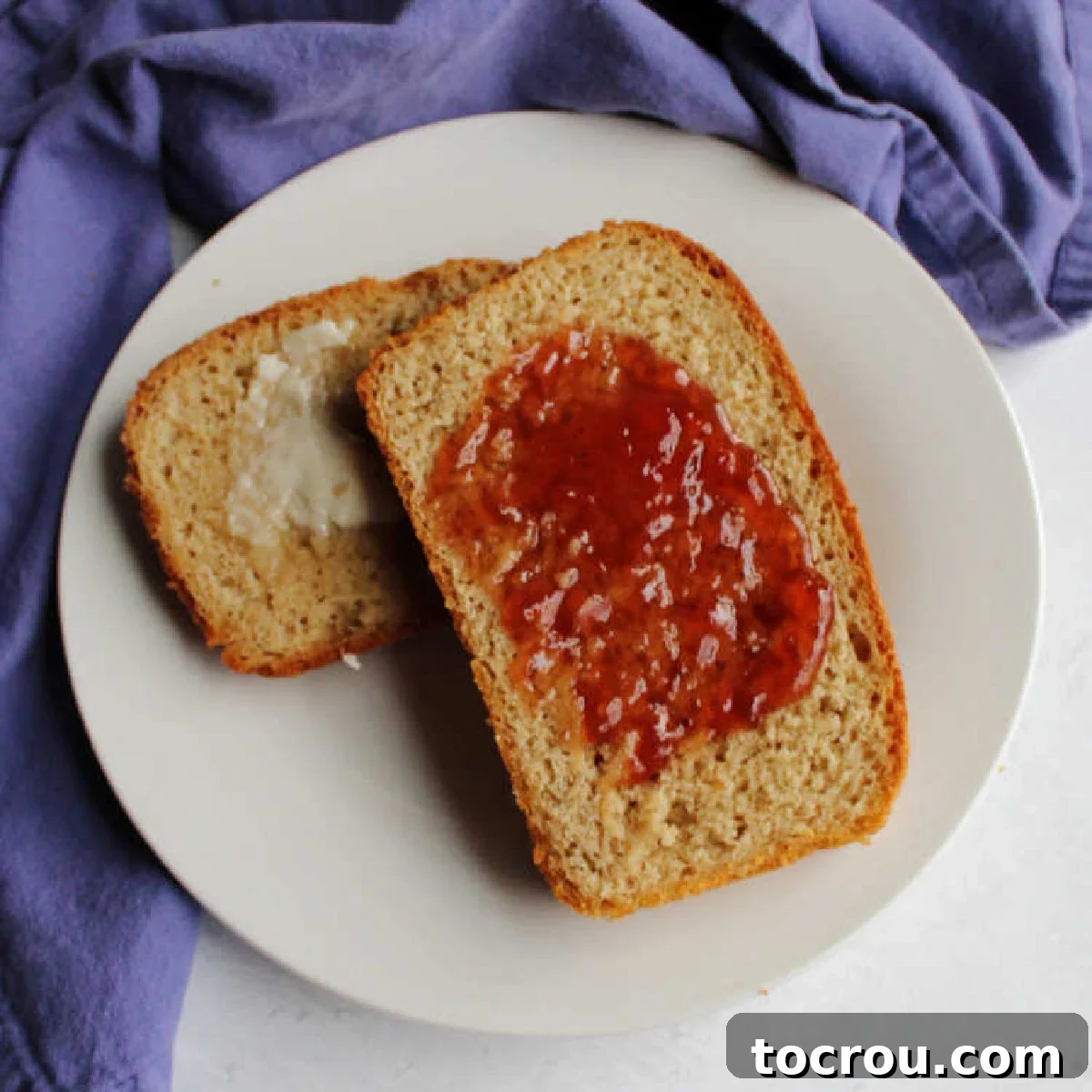
Easy Whole Wheat Sourdough Sandwich Bread (Using Sourdough Discard)
Discover the simple pleasure of baking your own incredibly soft and flavorful whole wheat sourdough bread, tailor-made for perfect sandwiches or delightful toast. This recipe brilliantly utilizes your sourdough discard, transforming what might otherwise be wasted into a hearty, wholesome loaf that your entire family will adore. Forget the complex rituals of traditional sourdough; this method brings the tangy goodness of sourdough to your table with remarkable ease and convenience.
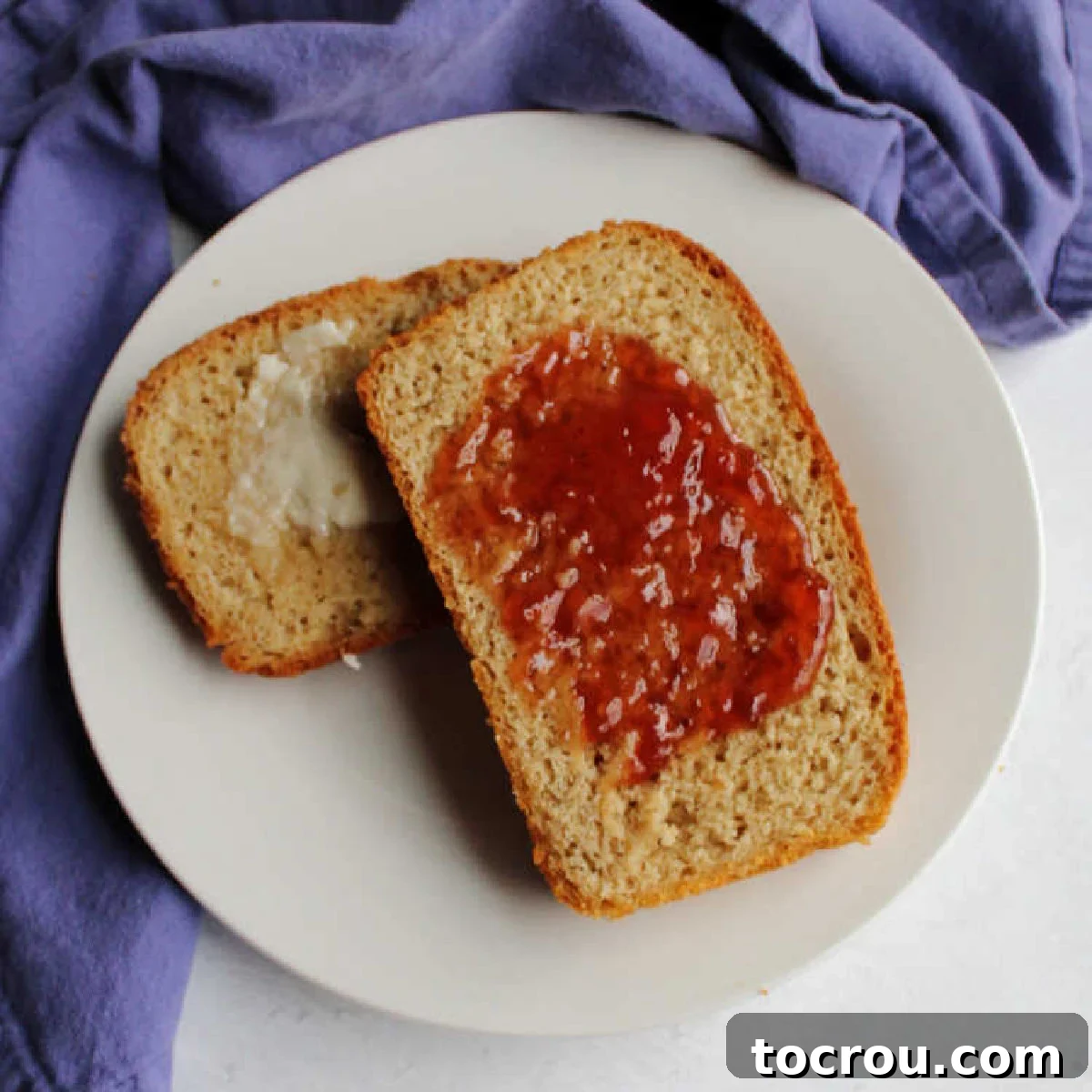
Mastering Soft Sourdough Bread for Everyday Meals
Imagine biting into a sandwich crafted with bread that’s perfectly soft yet substantial, brimming with a subtle sourdough tang and the wholesome goodness of whole wheat. This recipe delivers exactly that. It’s designed to be straightforward and rewarding, making homemade bread a regular, joyful activity rather than a daunting challenge. Your active sourdough starter, or even your unfed discard, will find its ultimate purpose in creating this delicious foundation for countless meals.
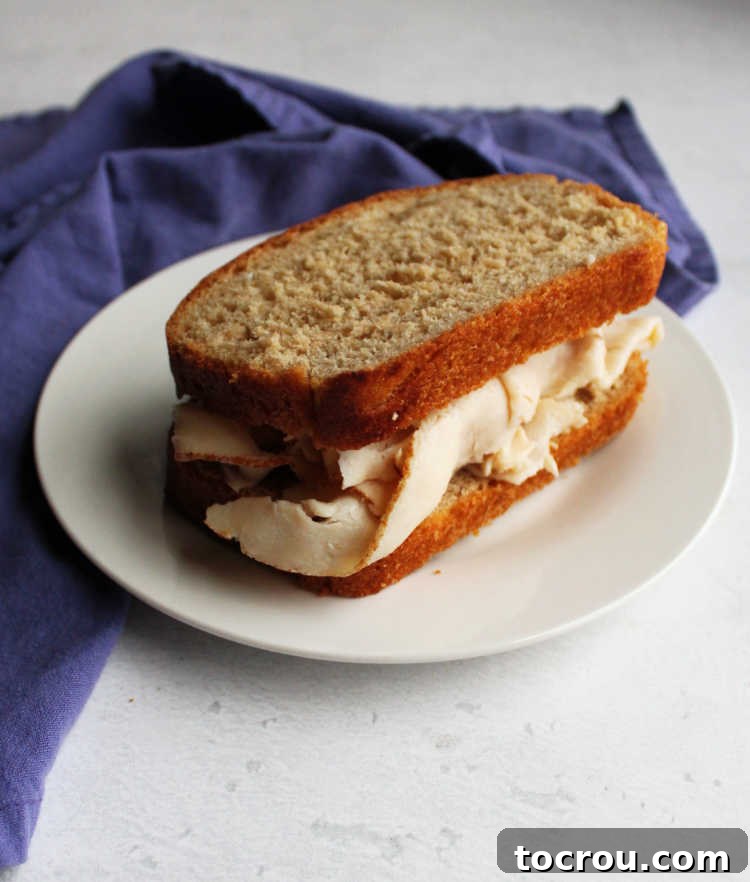
The versatility of this whole wheat sourdough loaf knows no bounds. Serve warm slices with butter alongside a comforting dinner, or transform it into irresistible toast topped with jam or avocado for a nourishing breakfast. It’s also sturdy enough to hold your favorite sandwich fillings, from classic deli meats to creative veggie combinations, and tender enough to roll around fun wraps. The culinary possibilities are truly endless once you have a fresh loaf on hand!
The Genius of Sourdough Discard: No More Waste!
Many home bakers, myself included, are captivated by the romantic idea of baking beautiful, crusty sourdough boules. However, the reality often involves meticulous planning, precise timing, and a significant time commitment that busy schedules rarely allow. The elaborate feeding schedules and proofing times can feel overwhelming, leading to neglected starters and missed baking opportunities.
But the desire for homemade sourdough flavor doesn’t have to lead to wasted starter. If you maintain a sourdough starter, you know the weekly routine: regular feedings keep it vibrant. This routine often results in a surplus of “discard” – the portion of the starter you remove before feeding. Instead of discarding it, which can feel wasteful, this recipe provides a fantastic solution. Sourdough discard is a treasure trove of flavor and culture, perfect for elevating a myriad of delicious recipes.
In fact, many dedicated sourdough enthusiasts keep their starters alive precisely for the discard it produces. This versatile ingredient can be transformed into light and fluffy muffins, crispy pizza crusts, tender waffles, and, of course, this wonderfully soft and tender whole wheat sandwich bread. By incorporating sourdough discard, you infuse your bread with that signature complex flavor profile without relying solely on the starter for its leavening power.
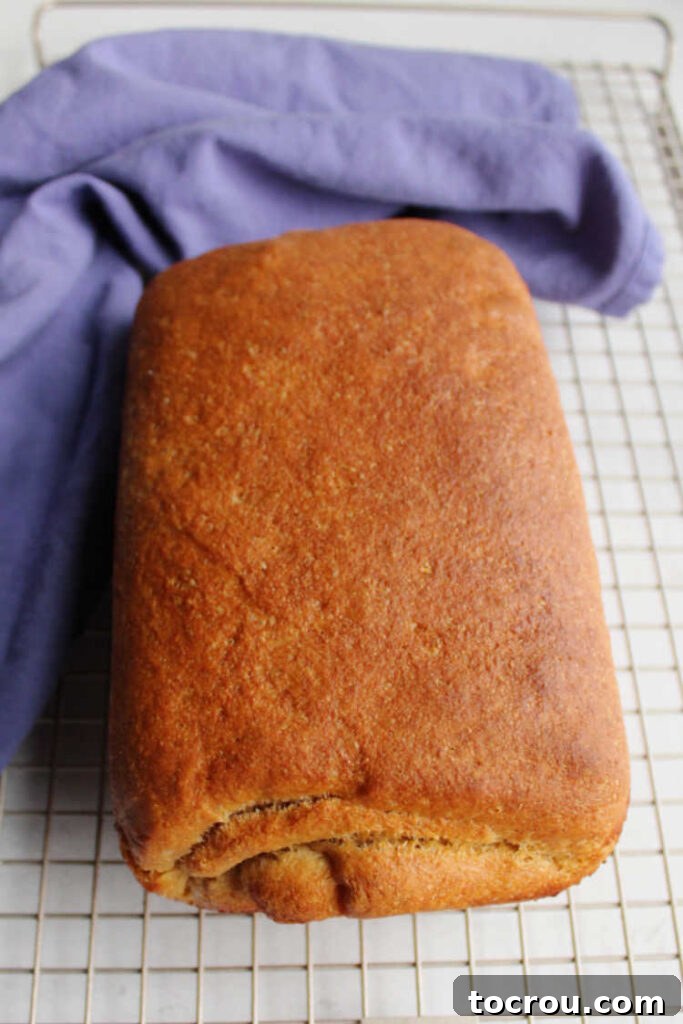
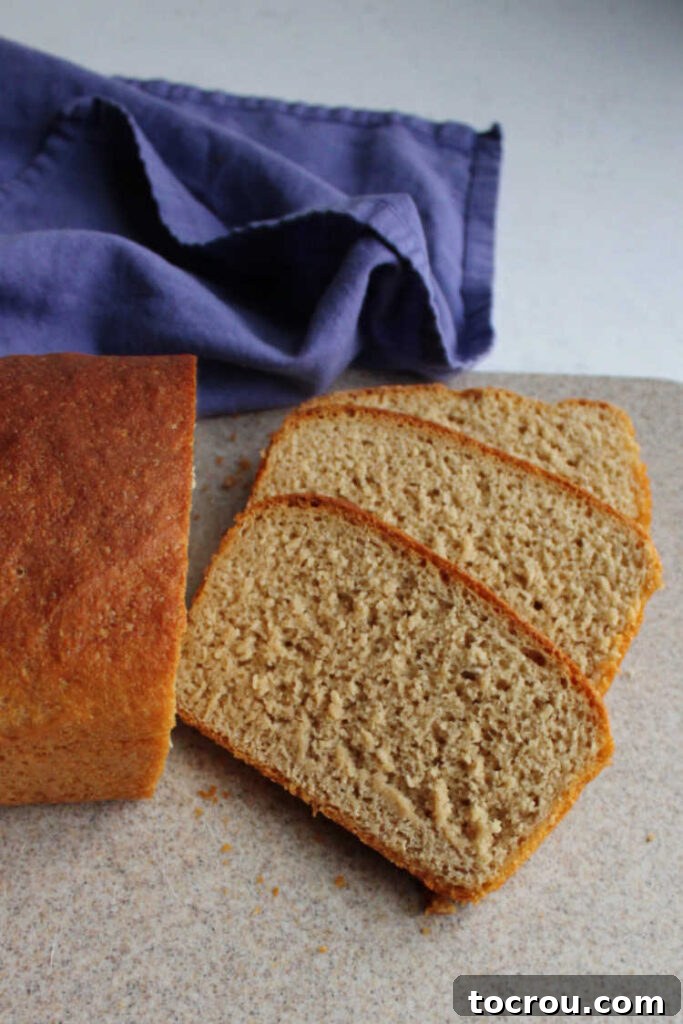
This particular recipe masterfully combines the unique depth of flavor from your sourdough discard with the reliable leavening boost of traditional active dry yeast. This synergy results in a bread that’s both tender and versatile, rising beautifully every time. The golden crust and soft interior of your homemade loaf will make every sandwich a gourmet experience and every slice of toast a moment of pure bliss.
This recipe has been a beloved staple for many readers since its original publication in 2016. Its enduring popularity is a testament to its simplicity and delicious results. We’ve recently refreshed the photographs and added a helpful video to guide you through each step, ensuring your baking success. We sincerely hope you enjoy this updated version as much as we do!
No Need to Feed Your Starter for This Recipe!
One of the greatest advantages of this recipe is its sheer convenience. You can use your sourdough discard or unfed starter straight from the refrigerator. There’s absolutely no advanced planning or prior feeding required. This eliminates a significant hurdle for many bakers and makes spontaneous bread baking a reality.
The Health Benefits of Sourdough and Whole Wheat
Beyond its incredible flavor, sourdough bread offers several notable health advantages, especially when combined with whole wheat flour. The fermentation process involved in sourdough baking helps to break down phytates, which are compounds naturally found in grains that can inhibit the absorption of essential minerals. Lower phytate levels mean your body can more easily access the nutrients in the bread, making it easier to digest for many individuals.
Furthermore, sourdough contains prebiotics, which are beneficial fibers that feed the good bacteria in your gut, supporting a healthy digestive system. When you choose whole wheat flour, you amplify these benefits, adding a significant boost of dietary fiber, essential vitamins, and minerals. Whole grains are known to contribute to heart health, help regulate blood sugar, and provide sustained energy throughout the day. This makes our whole wheat sourdough sandwich bread a truly nourishing choice for your family.
Optimal Storage for Your Homemade Loaf
To keep your freshly baked whole wheat sourdough sandwich bread at its best, proper storage is key. Once completely cooled, store the loaf in an airtight container or a bread bag at room temperature. It will stay wonderfully fresh for several days, perfect for enjoying daily.
For longer preservation, especially if you’ve baked an extra loaf or want to ensure a supply of homemade bread, wrapping it well and freezing is an excellent option. Wrap the cooled loaf tightly in plastic wrap, then an additional layer of aluminum foil or place it in a freezer-safe bag. It can be stored in the freezer for up to three months. To enjoy, simply thaw at room temperature or gently warm in the oven.
A quick tip: Storing bread in the refrigerator is generally not recommended. The cold temperature tends to dry out bread and accelerate the staling process, making it firm and less enjoyable much faster than at room temperature.
More Creative Ways to Use Sourdough Discard
Don’t let any of that precious sourdough discard go to waste! It’s an incredibly versatile ingredient that can elevate a wide array of recipes, adding flavor and tenderness. Here are a few more ideas to inspire your next baking adventure:
- Transform your discard into a wonderfully crispy and chewy pizza crust! It’s a quick and easy way to use up your starter and enjoy homemade pizza with an added layer of flavor.
- Indulge in delicious cherry chocolate chip muffins that taste like a decadent treat but are secretly packed with the goodness of sourdough. They’re a fantastic way to utilize your discard in a sweet and satisfying breakfast or snack.
- Whip up a batch of fluffy and flavorful sourdough waffles. Tender on the inside with a perfect crispness, they’re simply irresistible. So go ahead, break out the syrup and warm up those waffle irons for a delightful morning.
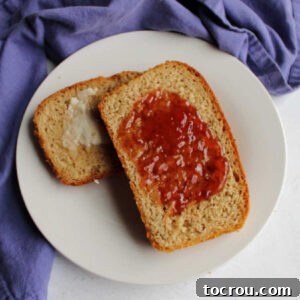
Whole Wheat Sourdough Sandwich Bread
Carlee
12
servings (1 9″ loaf)
15 mins
40 mins
3 hrs
3 hrs
55 mins
Equipment
-
Farberware Loaf Pan Set, Two 9-Inch x 5-Inch
-
Dough Whisk
-
OXO Mixing Bowl Set
Ingredients
- ⅔ cup warm water
- ¾ teaspoon dry active yeast
- 1 cup sourdough starter (discard or unfed)
- 1 cup white whole wheat flour
- 1- 1½ cups all purpose flour
- 1½ teaspoons salt
- 1-2 teaspoons butter melted
Instructions
-
In a large mixing bowl, stir together the warm water, dry active yeast, and sourdough starter until the starter is mostly dissolved and well combined.
-
Add the white whole wheat flour to the mixture and stir until just combined. Let this sit for 7-10 minutes. This hydration step helps the whole wheat flour absorb moisture, leading to a softer dough.
-
Sprinkle in the salt. Begin adding the all-purpose flour, starting with 1 cup. Stir until the flour is incorporated. Continue adding additional all-purpose flour, a little at a time, until you achieve a shaggy, cohesive dough that pulls away from the sides of the bowl. (The exact amount of flour needed will vary depending on the consistency of your starter and the humidity in your kitchen.)
-
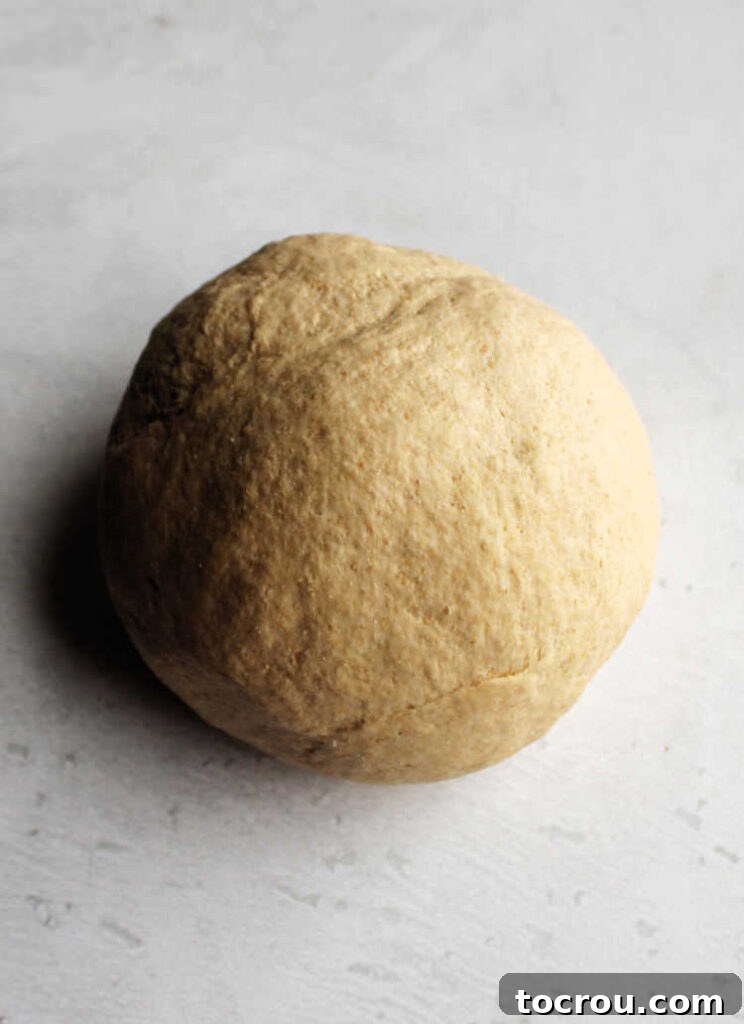
Once the dough forms, turn it out onto a lightly floured counter. Knead the dough for approximately 8 minutes, or until it becomes smooth, elastic, and passes the windowpane test (where a small piece of dough can be stretched thin enough to see light through without tearing). You can use your preferred kneading method, whether by hand or with a stand mixer.
-
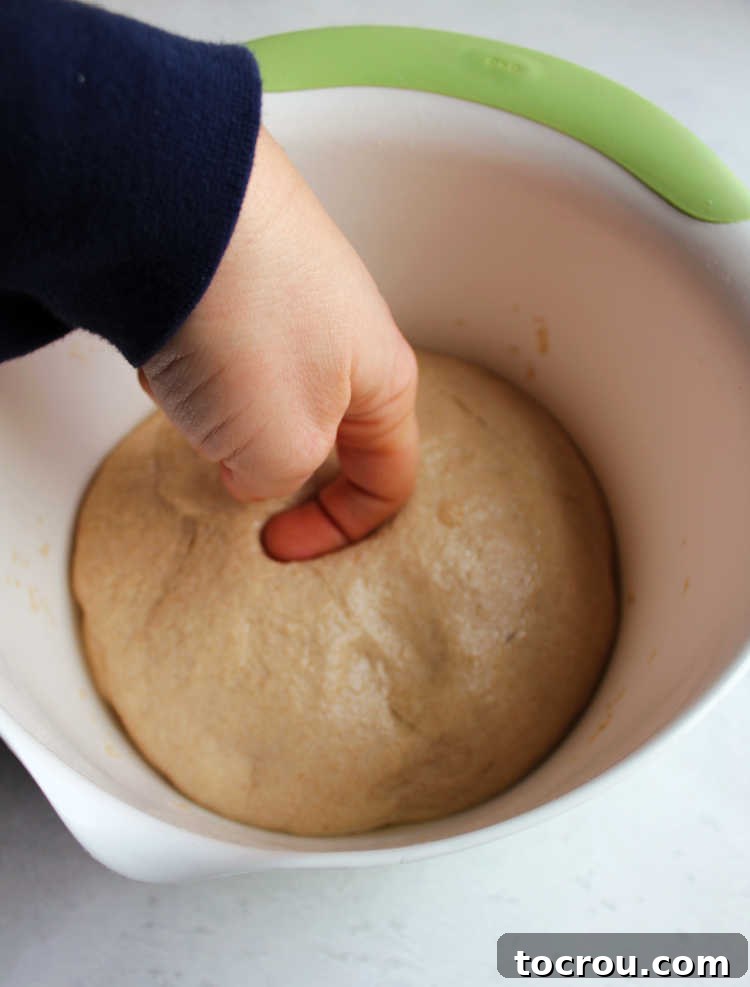
Lightly grease a clean bowl, place the kneaded dough inside, and cover it with a damp towel or plastic wrap. Let it rise in a warm spot until it has doubled in size, which typically takes about 1½ to 2 hours, depending on your room temperature.
-
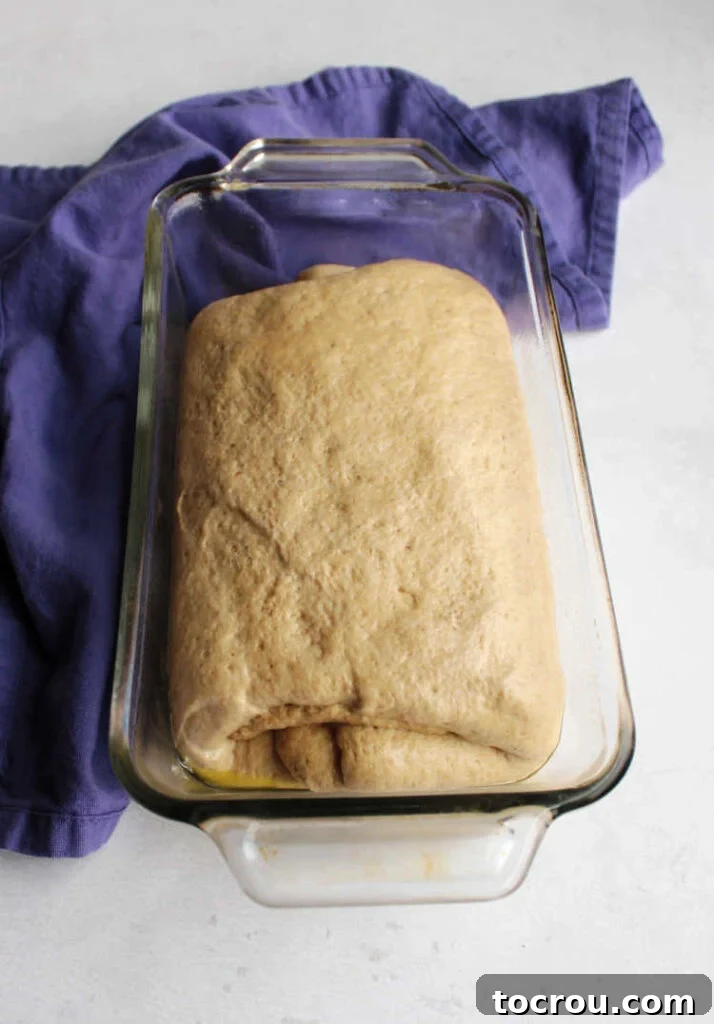
Once risen, gently punch down the dough to release the air. To shape the loaf, pat the dough out into a rectangle. Fold the dough into thirds, like you would a letter. Then, fold it in half lengthwise, almost rolling it over itself, to form a taut log shape. If the log is too long for your loaf pan, simply tuck the ends underneath. (Feel free to use your favorite loaf shaping method if you have one!) Place the shaped dough, seam-side down, into a greased 9-inch x 5-inch loaf pan.
-
Cover the loaf pan with the damp towel and let it rise again for another 1 to 1½ hours, or until the dough has risen beautifully over the edge of the pan. This second rise is crucial for a light and airy texture.
-
Preheat your oven to 450°F (232°C). Just before baking, gently brush the top of the risen dough with melted butter. Be very careful not to deflate the delicate dough during this step.
-
Bake the bread at 450°F (232°C) for the first 10 minutes. Then, reduce the oven temperature to 400°F (200°C) and continue baking for another 25-30 minutes, or until the crust is golden brown and the internal temperature reaches 200-210°F (93-99°C).
-
Once baked, immediately remove the loaf from the pan and turn it onto a wire rack to cool completely. Allowing it to cool fully before slicing is essential for setting the crumb and preventing a gummy texture. Enjoy your homemade sourdough!
Notes
Video Tutorial
Nutrition Information
Serving: 1 Serving | Calories: 133kcal | Carbohydrates: 27g | Protein: 4g | Fat: 1g | Saturated Fat: 1g | Polyunsaturated Fat: 1g | Cholesterol: 2mg | Sodium: 271mg | Fiber: 2g
“Cooking With Carlee” is not a dietitian or nutritionist, and any nutritional information shared is an estimate. If calorie count and other nutritional values are important to you, we recommend running the ingredients through whichever online nutritional calculator you prefer. Calories and other nutritional values can vary quite a bit depending on which brands were used.
Did you try this recipe?
We’d love to hear from you! Don’t forget to leave a rating below and make sure to follow us on Pinterest and Instagram for more delicious recipes and baking inspiration!