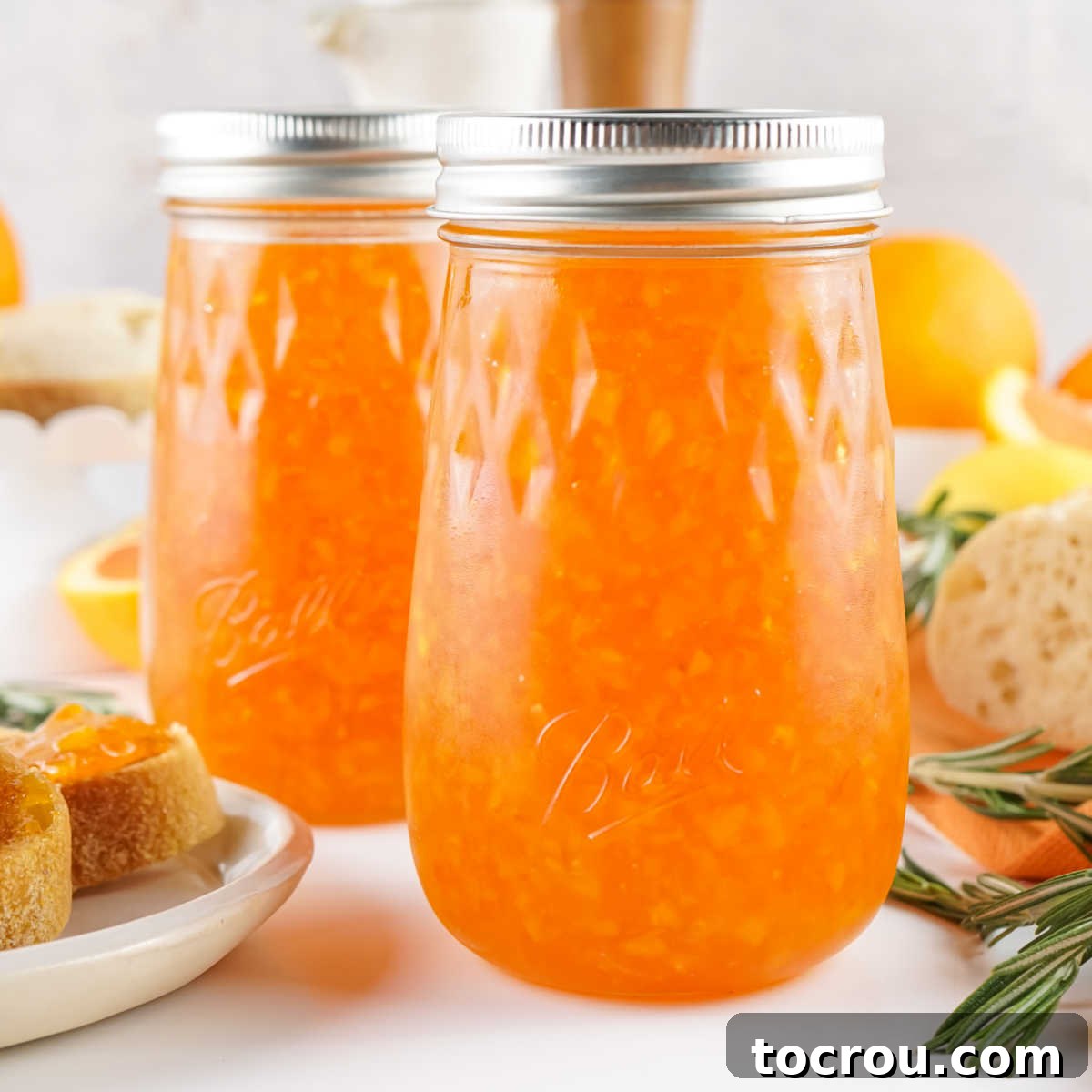
Crafting the Perfect Homemade Orange Marmalade: A Zesty Delight
There’s nothing quite like the vibrant burst of citrus in a perfectly crafted orange marmalade, especially when it’s homemade. This incredibly simple recipe requires just five core ingredients, yet it yields a spread that’s bursting with unparalleled fresh orange flavor. Forget store-bought options; making your own marmalade allows you to capture the true essence of oranges, transforming them into a versatile condiment that’s equally delicious spread on toast or incorporated into your favorite recipes. Prepare to elevate your breakfast and culinary creations with this sweet, tangy, and subtly bitter delight!
What Exactly is Orange Marmalade?
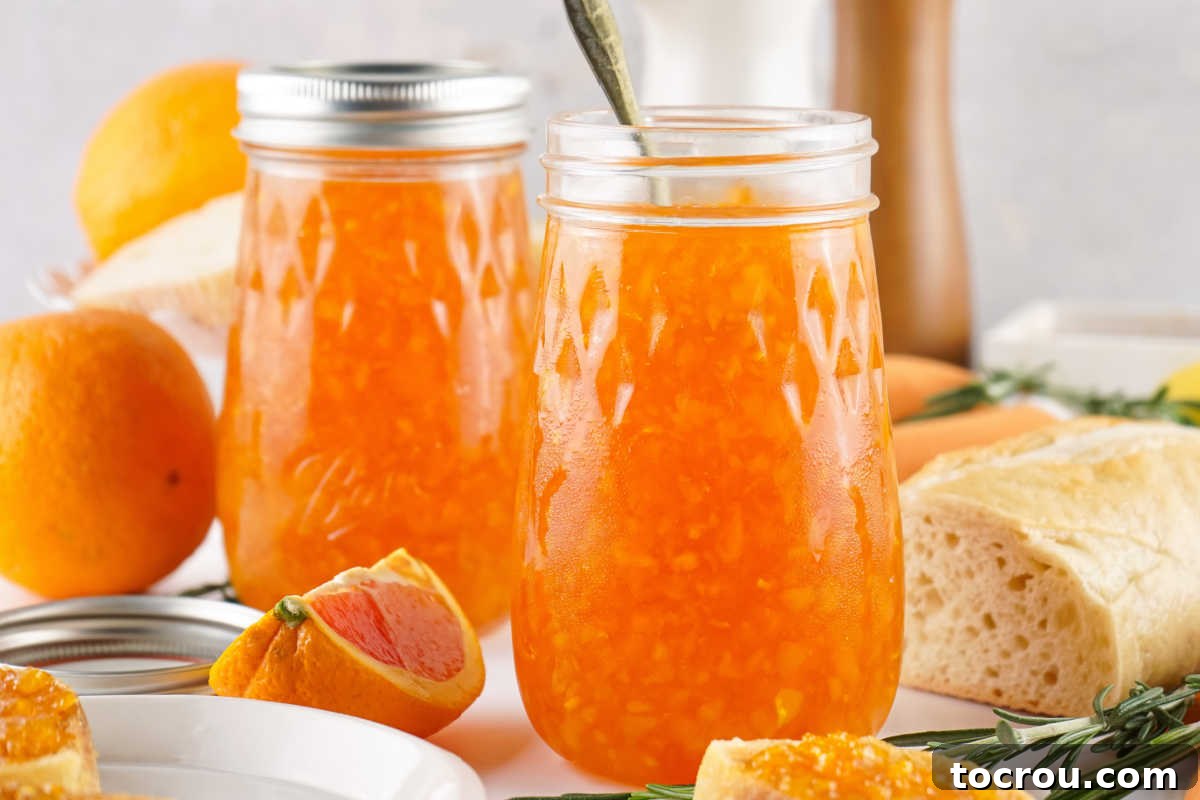
For those unfamiliar, orange marmalade is essentially a fruit preserve much like jam, but with a distinctive twist: it includes pieces of citrus rind (peel), giving it a unique texture and a characteristic sweet-bitter flavor profile. While jams are typically made from crushed fruit and sugar, marmalade highlights the entire fruit, particularly the zest and pith, which contribute significantly to its complex taste and aroma. It’s often associated with Seville oranges, known for their high pectin content and bitter notes, but this recipe proves you can achieve fantastic results with common sweet oranges too, balanced with a hint of lemon.
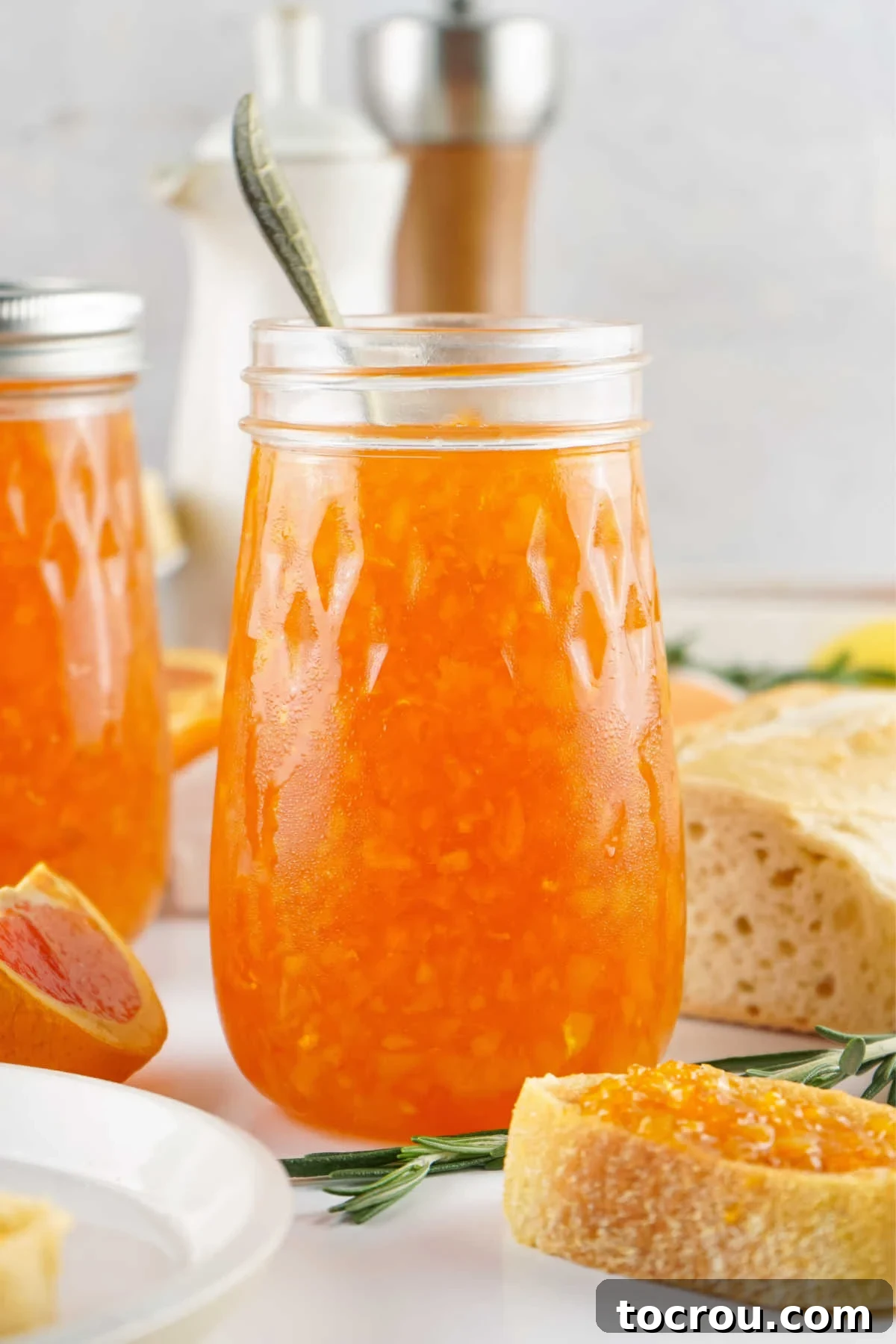
The beauty of marmalade lies in this blend of sweetness, acidity, and a pleasant bitterness from the orange peel. This balance makes it incredibly moreish and a sophisticated addition to any pantry. The translucence and bright color are also hallmarks of a well-made marmalade, hinting at the sunshine-filled flavor locked within each jar.
Why Embark on a Homemade Marmalade Journey?
While convenience might tempt you to reach for a jar from the supermarket shelf, making orange marmalade at home offers several compelling advantages. Firstly, the freshness is incomparable. You control the quality of the oranges, ensuring they are ripe and fragrant, which translates directly into superior flavor. Secondly, homemade marmalade contains no artificial preservatives or unnecessary additives, allowing the natural citrus taste to shine through pure and unadulterated.
This particular recipe simplifies the process, making it accessible even for beginners. By utilizing the entire orange—rind and all—you harness all the natural pectin present in the fruit, which is crucial for achieving that perfect jelly-like consistency without needing to add commercial pectin. This means fewer ingredients to buy and a more authentic, deeply flavored product. Plus, there’s an immense sense of satisfaction that comes from transforming fresh fruit into a glorious preserve with your own hands. It’s an easy project that yields impressive results, proving that delicious homemade goods don’t have to be complicated.
Essential Tips for Flawless Homemade Marmalade
Selecting the Right Oranges
While you can use many types of oranges for marmalade, opting for varieties with thinner pith (the white layer under the peel) can help reduce bitterness. Navel oranges, Valencia oranges, or even a mix can work beautifully. Always choose firm, ripe oranges that feel heavy for their size, indicating they are juicy. Thoroughly wash and dry your oranges before beginning to remove any waxes or residues.
The Power of Pectin
Oranges, especially their rinds and seeds, are naturally high in pectin, a soluble fiber that acts as a gelling agent. This is why you don’t need to add commercial pectin to this recipe. The combination of fruit, sugar, and heat activates the pectin, allowing the marmalade to set. Lemon juice also plays a critical role, as the acidity helps to extract pectin and ensures a good set, in addition to brightening the flavors.
Achieving the Perfect Set
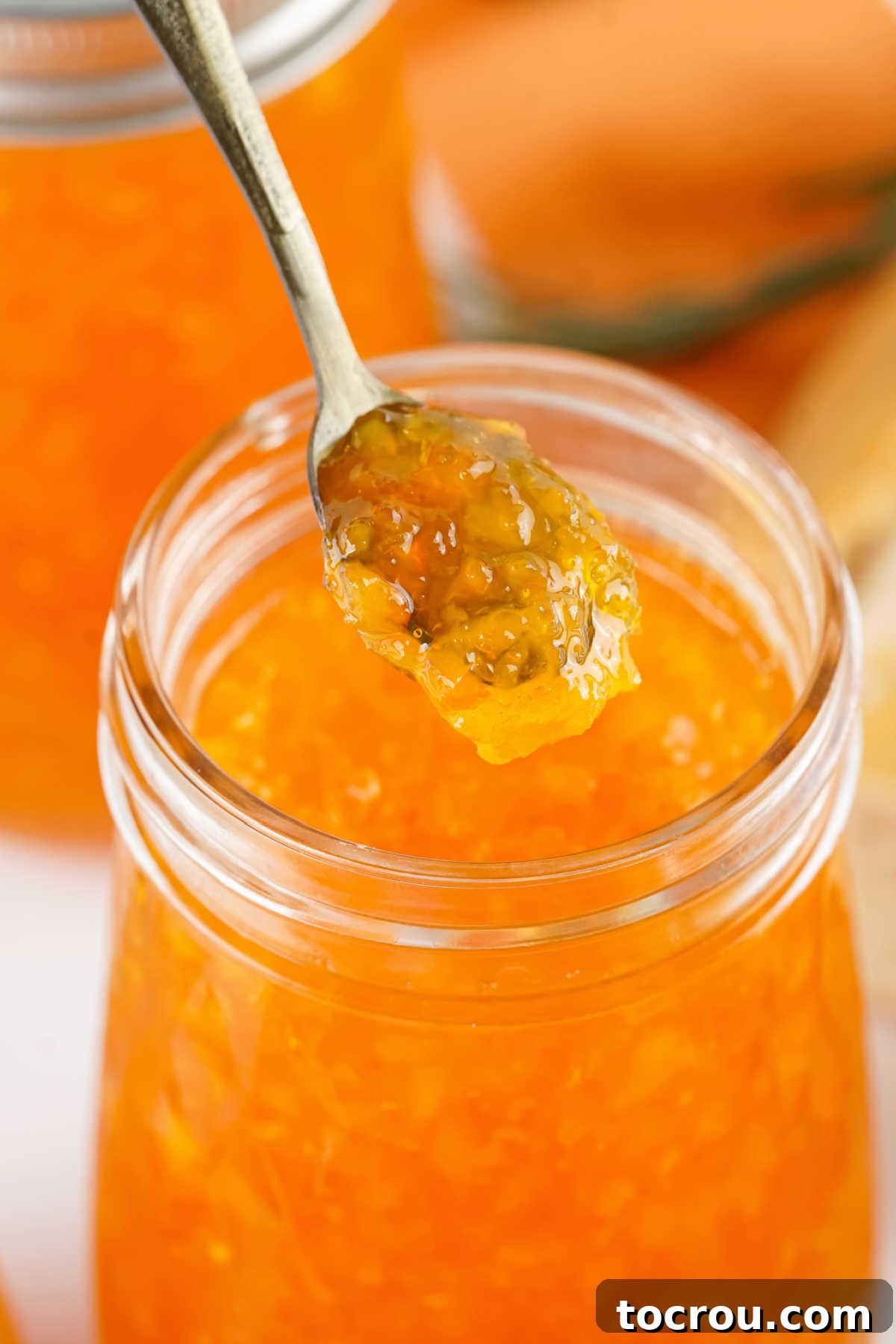
One of the trickiest parts of making any preserve is knowing when it’s perfectly set. A common and reliable method is the “frozen plate test.” Before you start cooking, place a small ceramic plate in the freezer. When you think the marmalade is ready, spoon a small dollop onto the chilled plate. Let it sit for about 30 seconds, then push it gently with your finger. If the surface wrinkles, your marmalade is ready. If it’s still runny, continue cooking for a few more minutes and retest. This simple trick prevents overcooking (which can lead to a stiff, overly firm marmalade) or undercooking (resulting in a runny, syrup-like consistency).
Creative Ways to Savor Your Homemade Orange Marmalade
Don’t let your delicious homemade orange marmalade languish in the fridge! Its vibrant flavor and delightful texture make it incredibly versatile. Of course, it’s a quintessential spread for buttery biscuits, warm toast, or flaky croissants. But its uses extend far beyond the breakfast table:
- Elevate Baked Goods: Swirl it into plain yogurt or oatmeal, fill thumbprint cookies, or layer it into cakes and tarts for a citrusy kick.
- Savory Pairings: The sweet and tangy profile of marmalade makes it an excellent glaze for roasted chicken, duck, or pork. It can also be incorporated into marinades or served alongside a cheese board with sharp cheeses and crackers.
- Dessert Enhancer: Drizzle it over vanilla ice cream, mix it into whipped cream for a citrus-infused topping, or use it as a filling for crepes and pastries.
- Cocktail Component: A spoonful can add a unique depth of flavor to various cocktails, especially gin-based drinks.
The possibilities are endless, ensuring your homemade marmalade will be enjoyed to the last drop!

5 from 1 rating
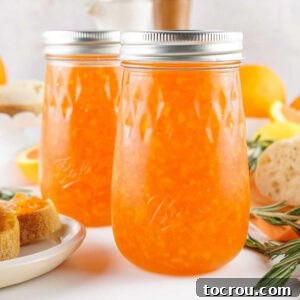
Homemade Orange Marmalade
Carlee
80 Tablespoons (5 cups)
10 minutes
35 minutes
8 hours
8 hours 45 minutes
Equipment
-
Wide Mouth Mason Jars 16 oz
-
Hamilton Beach 12-Cup Food Processor
-
Thermapen ONE Thermometer
Ingredients
- 4 medium oranges
- 4 cups granulated sugar
- 2 Tablespoons lemon juice
- 1 Tablespoon lemon zest optional
- ⅓ cup water
Instructions
-
Wash and dry your citrus thoroughly.
-
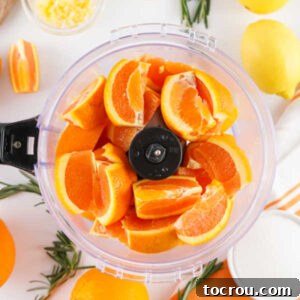
Cut the ends off the 4 medium oranges, then cut each orange into eight equal pieces.
-
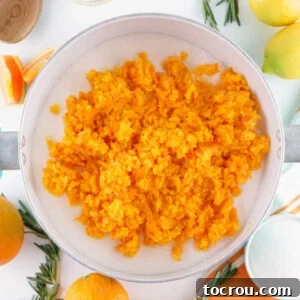
Add the orange pieces (including rind and pulp) to a food processor and pulse until they are finely minced. Be careful not to over-process into a puree.

-
Transfer the minced oranges, 2 Tablespoons lemon juice, 1 Tablespoon lemon zest (if using), 4 cups granulated sugar, and ⅓ cup water to a medium or large heavy-bottomed sauce pot.
-
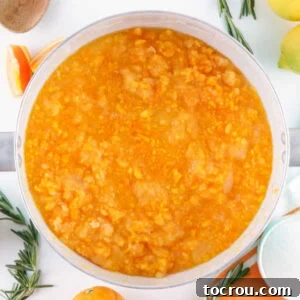
Place the pot over medium heat, stirring frequently to dissolve the sugar. Continue to cook, stirring occasionally, until the mixture reaches 220℉ (104℃) on an instant-read thermometer. Maintain this temperature and simmer for 2 minutes, stirring gently. (Remember to use the frozen plate test mentioned above to check for desired consistency.)
-
Remove the pot from the heat and let it cool for a couple of minutes. This helps the peel distribute evenly in the jars.
-
Carefully spoon the hot marmalade into clean, sterilized jars, leaving about ¼ inch of headspace. Wipe the rims clean and place lids on securely.
-
Allow the jars to sit on the counter until they reach room temperature. Once cool, retighten the lids if necessary.
-
For best results, place the jars in the fridge overnight to allow the marmalade to fully set. Enjoy your homemade delight!
Notes on Storage & Common Issues
Pith and Bitterness: Try to avoid oranges with a really thick pith (the white part under the rind), as it may impart an overly bitter aftertaste. While some bitterness is characteristic of marmalade, excessive pith can make it unpleasantly sharp.
Adjusting Consistency: If your marmalade turns out too thick after cooling, you can gently reheat it in a saucepan over medium heat, stirring in a small amount of water (1-2 tablespoons at a time) until it reaches your desired consistency. If it’s too runny, simmer it for a bit longer, checking the set frequently with the frozen plate test.
Nutrition Information
“Cooking With Carlee” is not a dietitian or nutritionist, and any nutritional information shared is an estimate. If calorie count and other nutritional values are important to you, we recommend running the ingredients through whichever online nutritional calculator you prefer. Calories and other nutritional values can vary quite a bit depending on which brands were used.
Did you try this recipe?
Don’t forget to leave a rating below and make sure to follow on Pinterest and Instagram for more!