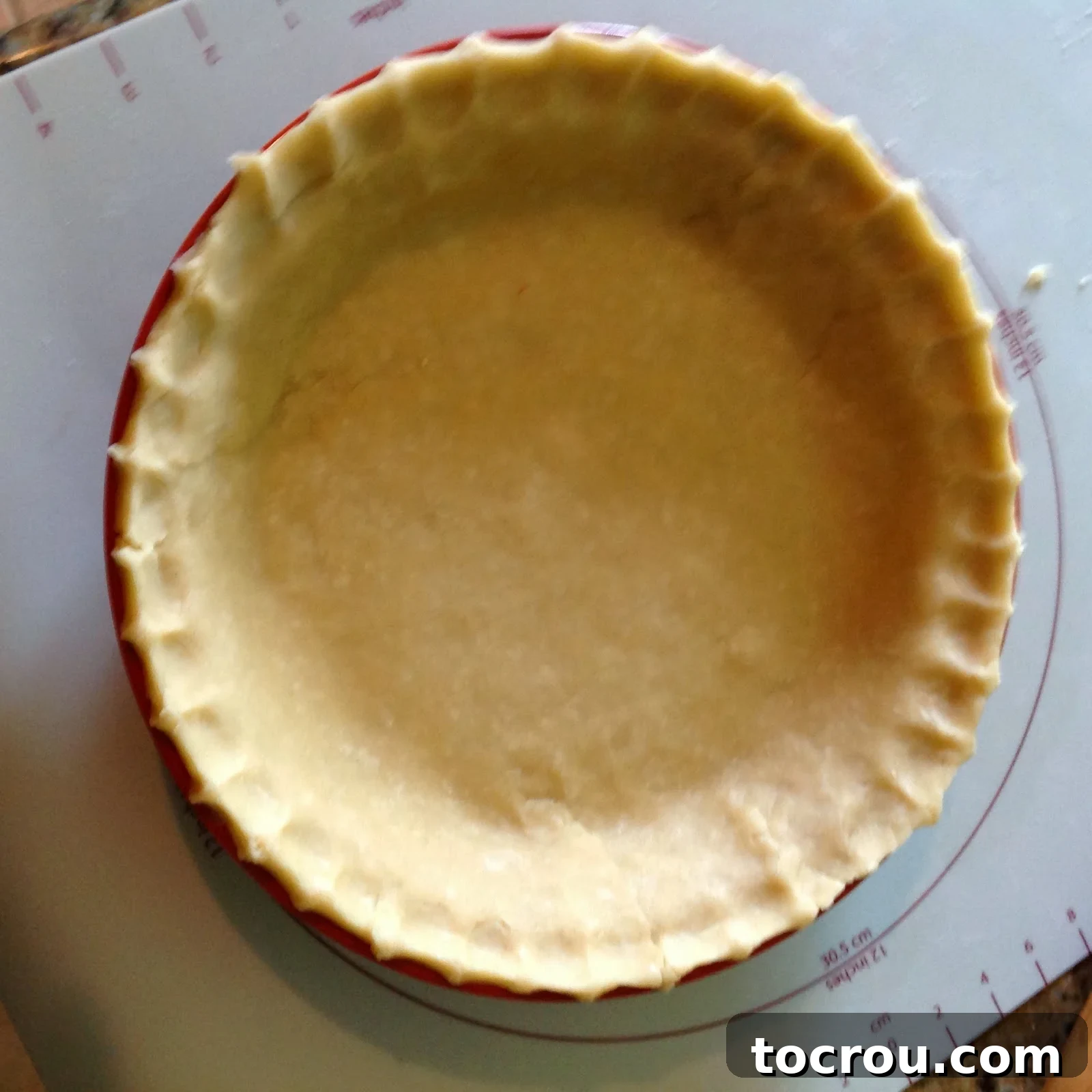
Unlock the secret to baking extraordinary pies with this guide to crafting an **extra flaky pie crust**. Whether you’re dreaming of a sweet apple pie or a savory quiche, this recipe delivers a tender, buttery foundation that elevates any filling. Say goodbye to store-bought crusts and embrace the joy of homemade perfection.
The Journey to the Ultimate Homemade Pie Crust
As an avid home baker, my kitchen is often filled with the comforting aroma of baked goods and, if I’m being honest, an ever-growing collection of cookbooks. This delightful obsession can sometimes present a challenge: with so many recipes at my fingertips, choosing just one can be daunting. However, when it came to pie crust, my goal was singular and deeply personal: to recreate the magic of my Grandma McCallum’s legendary pie crust.
Grandma’s pies were the stuff of legend. Her crusts were exceptionally tender, melt-in-your-mouth flaky, and had a rich flavor that store-bought versions could never replicate. I wish I could spend a day with her in the kitchen, observing her masterful technique, learning her secrets firsthand. Unfortunately, with her recipes lost to time, I had to embark on my own culinary quest, starting from scratch.
My grandmother was a staunch advocate for using lard, specifically the kind sourced directly from a butcher – a far cry from the processed options found in modern grocery stores. Despite countless attempts and numerous recipes that yielded “good” pie crusts, none ever quite captured the unique essence of Grandma’s. The subtle disappointment eventually led me down a path of convenience, where refrigerated, pre-made pie crusts became a regrettable staple in my fridge. But that era of compromise ends today, with a recipe so exceptional, it’s worth every moment spent in the kitchen.
The turning point arrived when I decided to bake an oatmeal pie for Carlee’s Mother’s Day dessert buffet, a wonderful recipe shared by my friend Lynn. It called for two pre-made pie crusts, but I found myself without them. Instead of a quick run to the store, I saw an opportunity to revisit my pie crust ambitions. While I’ll never compare any recipe to my grandmother’s (some things are simply inimitable), I was determined to find a homemade alternative that truly shone.
Discovering the “Back in the Day Bakery” Secret
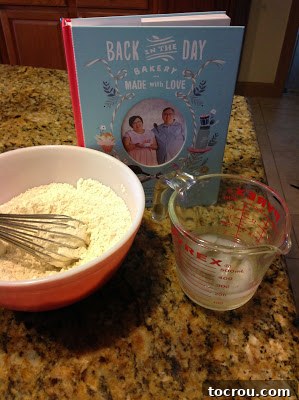
My search led me to the “Back in the Day Bakery, Made With Love” cookbook. This wasn’t just any cookbook; the bakery behind it had been featured on several of Paula Deen’s shows, a testament to their culinary prowess. If their baked goods were good enough for a renowned chef like Paula Deen, they were certainly good enough for me. Having both of their cookbooks, I delved into their pie crust sections, carefully studying the options.
I ultimately selected this particular recipe, drawn in by the promise of flakiness and the intriguing inclusion of apple cider vinegar – a detail the authors, Cheryl and Griffith Day, thoroughly explain. What truly resonated was learning that Cheryl had been taught to make pie crust by her own grandmother, creating a lineage of traditional baking that felt wonderfully familiar to my own quest. This connection, combined with their detailed instructions and scientific explanations, promised a reliable path to pie crust excellence.
The Science Behind a Super Flaky and Tender Pie Crust
Through research and experimentation inspired by this recipe, I uncovered critical techniques that make all the difference. One revelation was the importance of refrigerating the pie crust *after* it’s placed in the pie pan, a step I had previously overlooked. This chilling period is not just a suggestion; it’s a non-negotiable step for achieving that coveted tender and flaky texture. Chilling helps the butter solidify and prevents the crust from shrinking during baking, ensuring a beautiful, defined shape.
Equally crucial is the method of incorporating butter into the flour. The key is to leave some butter chunks larger than others – think sandy patches mixed with pea-sized pieces, and even a few slightly bigger bits. When these varied butter pieces melt in the oven, they release steam, creating pockets of air that result in multiple distinct layers, giving the crust its incredible flakiness. Overworking the dough or fully incorporating the butter will lead to a tough, less flaky crust. The goal is a delicate balance of flour, fat, and liquid, handled minimally.
The addition of apple cider vinegar, while seemingly unusual, plays a vital role. Vinegar helps to tenderize the dough by inhibiting gluten development. Gluten, a protein formed when flour and water are mixed, can make a crust tough if overdeveloped. A touch of acid like vinegar helps keep the gluten strands short, ensuring a delicate and tender texture that complements the flakiness created by the butter. This simple ingredient is a game-changer for pie crust texture.
Furthermore, using ice-cold water is paramount. Cold water ensures that the butter remains firm and doesn’t melt prematurely into the flour. This preserves those crucial pockets of butter that expand into flaky layers during baking. Every ingredient and every step in this recipe is meticulously designed to contribute to the ultimate pie crust experience.
This recipe transforms the seemingly complex art of pie crust making into an achievable, enjoyable process. Follow these steps, and you’ll be rewarded with a pie crust that is not only delicious but also a testament to the timeless joy of homemade baking. Prepare to impress your family and friends with pies that boast an exquisitely flaky and tender foundation, perfect for any occasion.
MiMi’s Extra Flaky Pie Crust
Equipment
-
OXO Non-stick Rolling Pin
-
Pyrex 9-1/2-Inch Scalloped Pie Plate
Ingredients
- 1¼ cup unbleached all-purpose flour
- 1½ teaspoons granulated sugar
- ½ teaspoon fine sea salt
- ½ cup ice water
- 1 Tablespoon apple cider vinegar
- 8 Tablespoons cold unsalted butter cut into 1 inch cubes
Instructions
-
In a medium bowl, whisk together the flour, sugar and salt. Set aside.1¼ cup unbleached all-purpose flour,
1½ teaspoons granulated sugar,
½ teaspoon fine sea salt -
In a measuring cup or small bowl, combine water and apple cider vinegar. Set aside.½ cup ice water,
1 Tablespoon apple cider vinegar -
Toss the butter into the flour mixture to gently coat it. Then use a pastry blender to cut the butter into the flour. You should have various sized pieces of butter, ranging from sandy patches to pea sized hunks, with some larger bits as well. Add about half of the ice water mixture and stir lightly with a fork until the flour is evenly moistened and the dough begins to come together into a ball. If the dough seems dry, add a little more ice water, 1 to 2 T at a time.8 Tablespoons cold unsalted butter cut into 1 inch cubes
-
Flatten the dough into a disk and wrap it in plastic. I like to put mine in a ziploc bag and flatten it a bit more so that it is quick to roll out. Refrigerate for at least one hour or overnight. (This dough can be stored in the refrigerator for up to three days or in the freezer for a month. If frozen, defrost in the refrigerator overnight before using)
-
Lightly dust your rolling pin with flour. Put the dough on a lightly floured surface, or parchment paper dusted with flour and dust the top of the dough with a little flour as well. Roll out the dough until it is one and a half to two inches larger than your pie pan. About 1/8 inch thick.
-
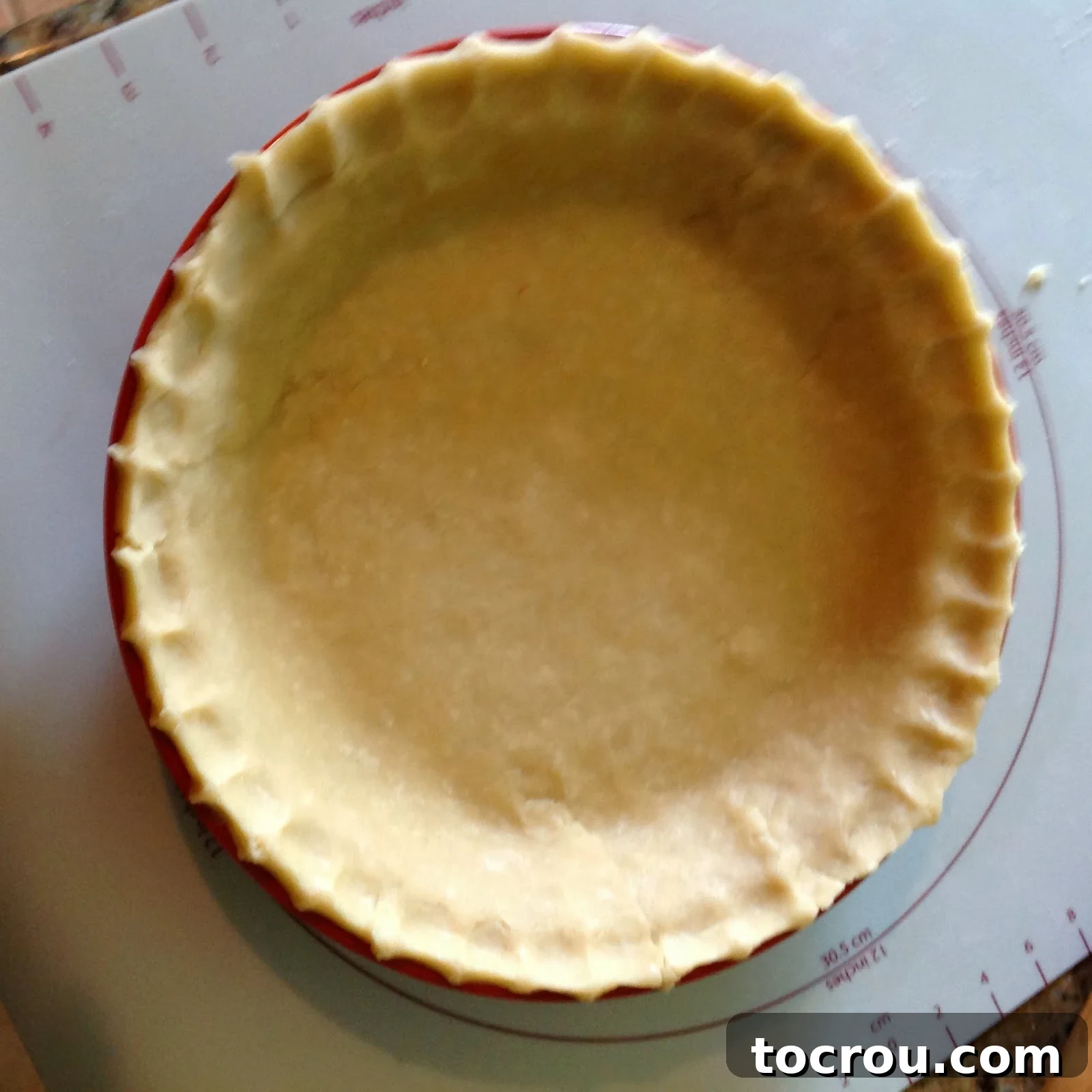
Place the dough in a buttered pie pan, tuck the edges under and crimp the edges.
-
Cover the crust with plastic wrap and chill in the refrigerator for at least 30 minutes. Flaky pie crust is always the best when they have been chilled before baking. (You can also refrigerate the dough at this point for 3 days or freeze for a month)
-
Once the pie crust is fully chilled, prick the bottom of the crust all over with a fork.
-
It is now ready to bake in the way suggested in your recipe.
Notes
Hide Nutrition Information
Nutrition Information
Calories: 118kcal |
Carbohydrates: 10g |
Protein: 1g |
Fat: 8g |
Saturated Fat: 5g |
Polyunsaturated Fat: 3g |
Cholesterol: 20mg |
Sodium: 99mg |
Sugar: 1g
“Cooking With Carlee” is not a dietitian or nutritionist, and any nutritional information shared is an estimate. If calorie count and other nutritional values are important to you, we recommend running the ingredients through whichever online nutritional calculator you prefer. Calories and other nutritional values can vary quite a bit depending on which brands were used.
Did you try this recipe?
Don’t forget to leave a rating below and make sure to follow on Pinterest and Instagram for more!
Mastering Your Homemade Pie Crust: Expert Tips and Troubleshooting
Creating an extra flaky pie crust is more than just following a recipe; it’s about understanding the techniques that yield the best results. Here are some additional tips to ensure your pie crust is consistently perfect:
- Keep Everything Cold: This cannot be stressed enough. Cold butter, ice water, and even chilling your flour and tools (like your pastry blender or rolling pin) beforehand can make a significant difference. The colder your ingredients, the less likely the butter is to melt into the flour prematurely, preserving those precious butter pockets.
- Don’t Overmix: Overmixing develops gluten, which leads to a tough crust. Mix the dough just enough for it to come together. Visible streaks of butter are a good sign – they will turn into flaky layers when baked.
- Handle Minimally: The less you handle the dough, the better. Excessive handling warms the butter and overworks the gluten. Use light, quick motions when mixing and rolling.
- Flour Your Surface Wisely: Lightly flour your work surface and rolling pin. Too much flour can make your crust dry and tough, while too little will make it stick. Dust off any excess flour from the dough before transferring it to the pie plate.
- The Role of Apple Cider Vinegar: As mentioned, apple cider vinegar acts as a tenderizer. If you don’t have it, a small amount of lemon juice can be a substitute, but the vinegar offers a neutral flavor profile ideal for pie crust.
- Resting is Best: Don’t rush the chilling process. The dough needs time to relax (allowing gluten to settle) and for the butter to firm up. Rushing this step can lead to a shrinking crust or one that is difficult to roll.
- Rolling Technique: Roll from the center outwards, rotating the dough frequently to ensure an even thickness and prevent sticking. If the dough starts to crack, mend it by pressing the edges together with your fingers.
- Transferring the Dough: Gently fold the rolled-out dough in half or quarters, or carefully roll it around your rolling pin, then unroll it over your pie plate. This minimizes stretching and prevents tearing.
- Crimping for Perfection: Don’t just press the edges; create a beautiful crimp. This not only looks professional but also helps contain the filling and prevents the crust from shrinking too much.
- Blind Baking: For custard-based pies or those with very wet fillings, blind baking (pre-baking) your crust can prevent a soggy bottom. Prick the bottom with a fork, line with parchment paper, fill with pie weights or dried beans, and bake until lightly golden.
Common Questions & Solutions:
- Why is my pie crust tough? This is usually due to overworking the dough, which develops too much gluten. Use a light touch and minimal handling.
- My crust shrunk in the oven. Why? Insufficient chilling time or stretching the dough too much when placing it in the pie plate can cause shrinking. Ensure ample chilling and gently fit the dough without stretching.
- Why isn’t my crust flaky? Not enough cold butter chunks or overmixing the butter into the flour can result in a less flaky texture. Embrace those visible butter bits!
- Can I make this dough ahead of time? Absolutely! The dough can be refrigerated for up to 3 days or frozen for up to a month. Defrost overnight in the refrigerator before using.
The Versatility of a Perfect Pie Crust
The beauty of this extra flaky pie crust lies in its incredible versatility. Its balanced flavor profile makes it suitable for an array of sweet and savory creations. For sweet pies, imagine it cradling a classic apple, cherry, or pumpkin filling, with its buttery layers complementing the rich fruit or creamy custard. Consider a decadent chocolate silk pie, a vibrant berry galette, or a rustic peach cobbler – each one elevated by the superior texture of a homemade crust.
But don’t limit yourself to desserts! This crust is equally phenomenal for savory applications. Envision a hearty chicken pot pie, a comforting quiche Lorraine, or an elegant spinach and feta tart. The robust structure and rich flavor stand up perfectly to savory ingredients, adding depth and a delightful crunch to every bite. From holiday feasts to weeknight dinners, this crust provides the ideal foundation for any culinary masterpiece you wish to create.
Making pie crust from scratch can seem intimidating, but with this detailed guide and the “Back in the Day Bakery” recipe, you’re set for success. The satisfaction of pulling a golden, flaky pie from your oven, knowing you made every element from scratch, is unparalleled. This recipe not only delivers on taste and texture but also brings a piece of baking history and tradition into your own kitchen.
So, gather your ingredients, embrace the chill, and prepare to create the most exquisite homemade pie crust you’ve ever tasted. Happy baking!