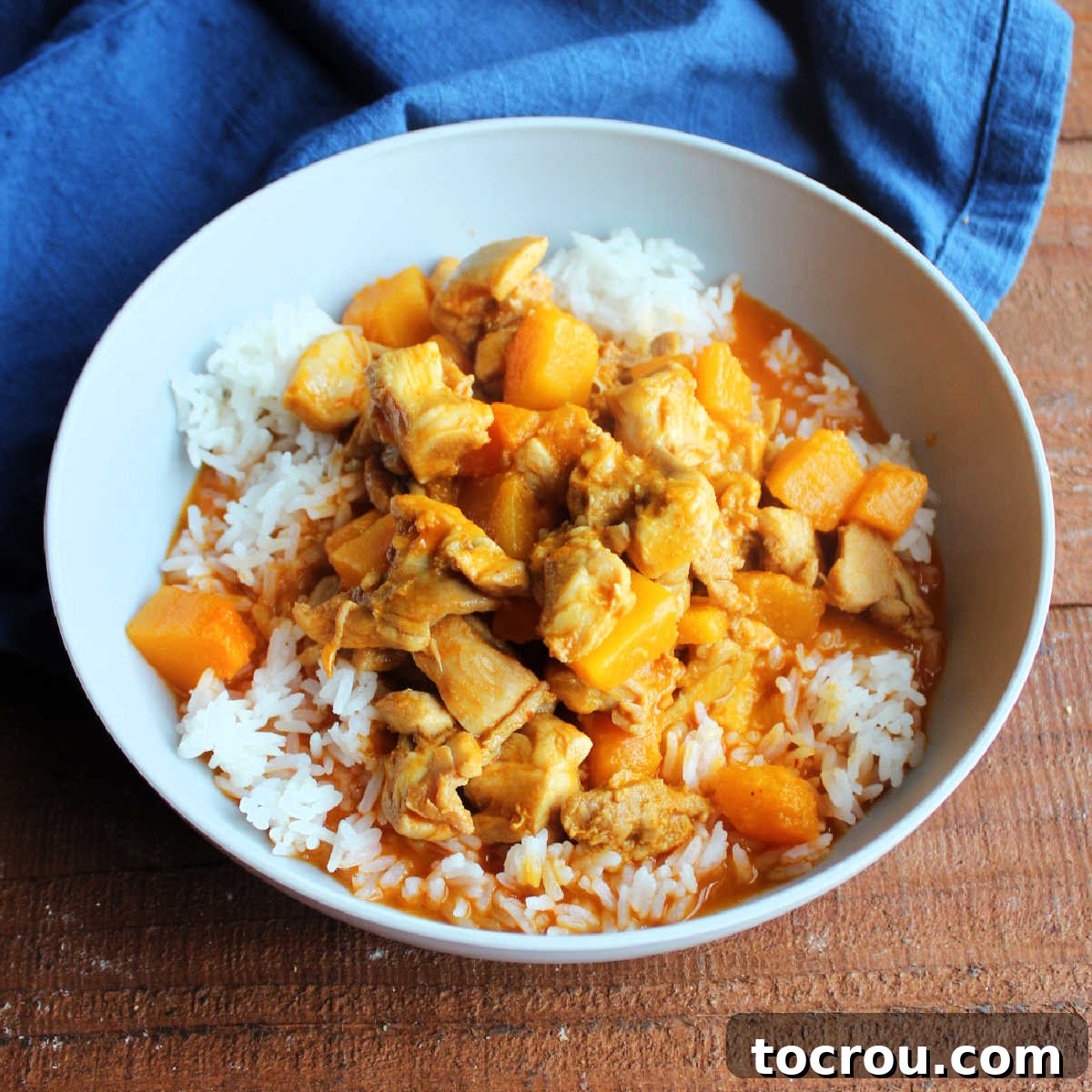
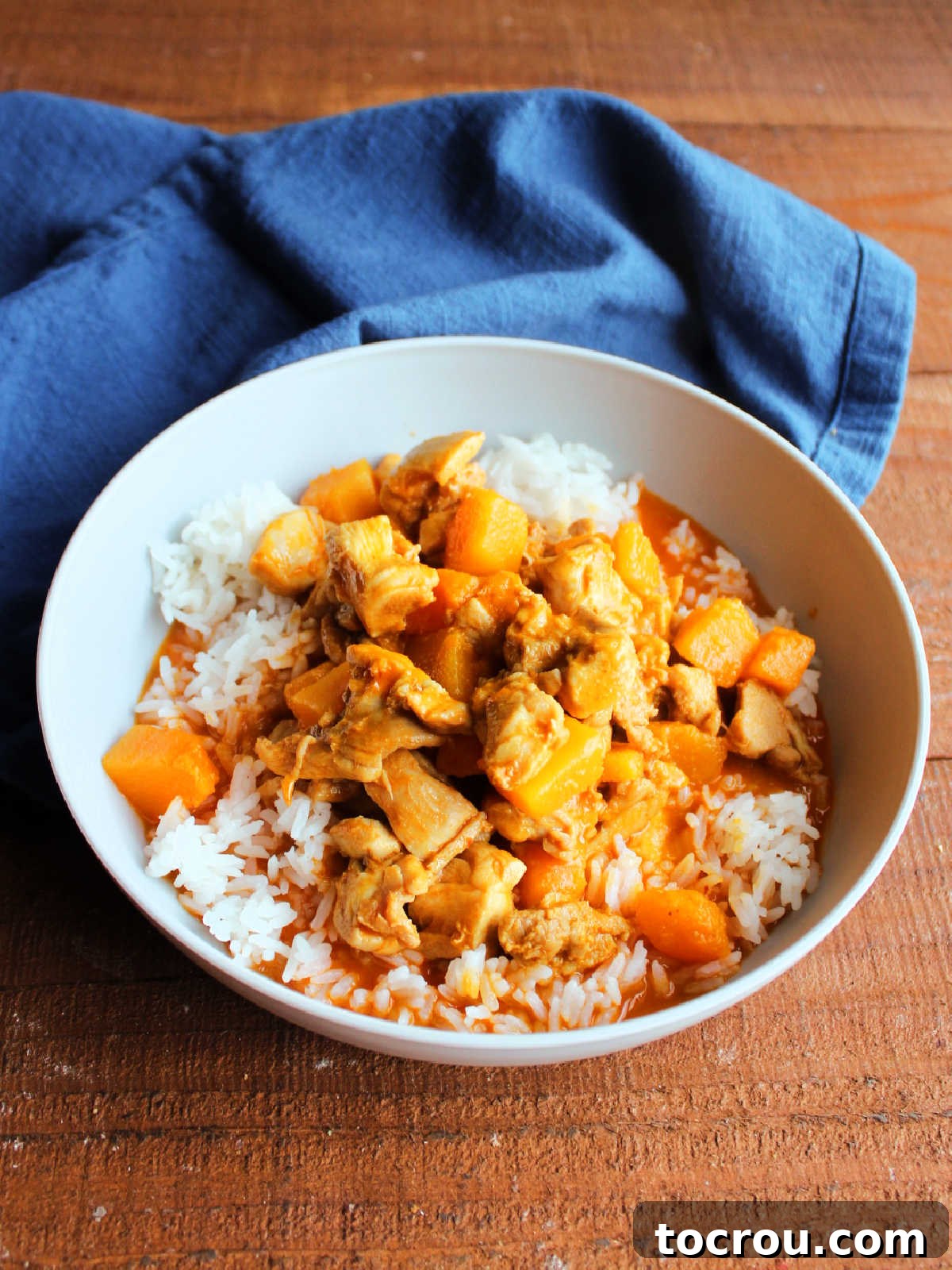
Embark on a culinary journey to Thailand from the comfort of your own kitchen with this incredible Thai Red Curry with Chicken. This vibrant dish features tender chicken and sweet butternut squash bathed in a rich, creamy coconut milk broth that’s bursting with layers of authentic Thai flavors. It’s a remarkably straightforward recipe to master, quickly transforming into a staple in our household – and soon to be one of yours too. Forget takeout; this homemade version promises a depth of taste so profound, you’ll savor every single drop.
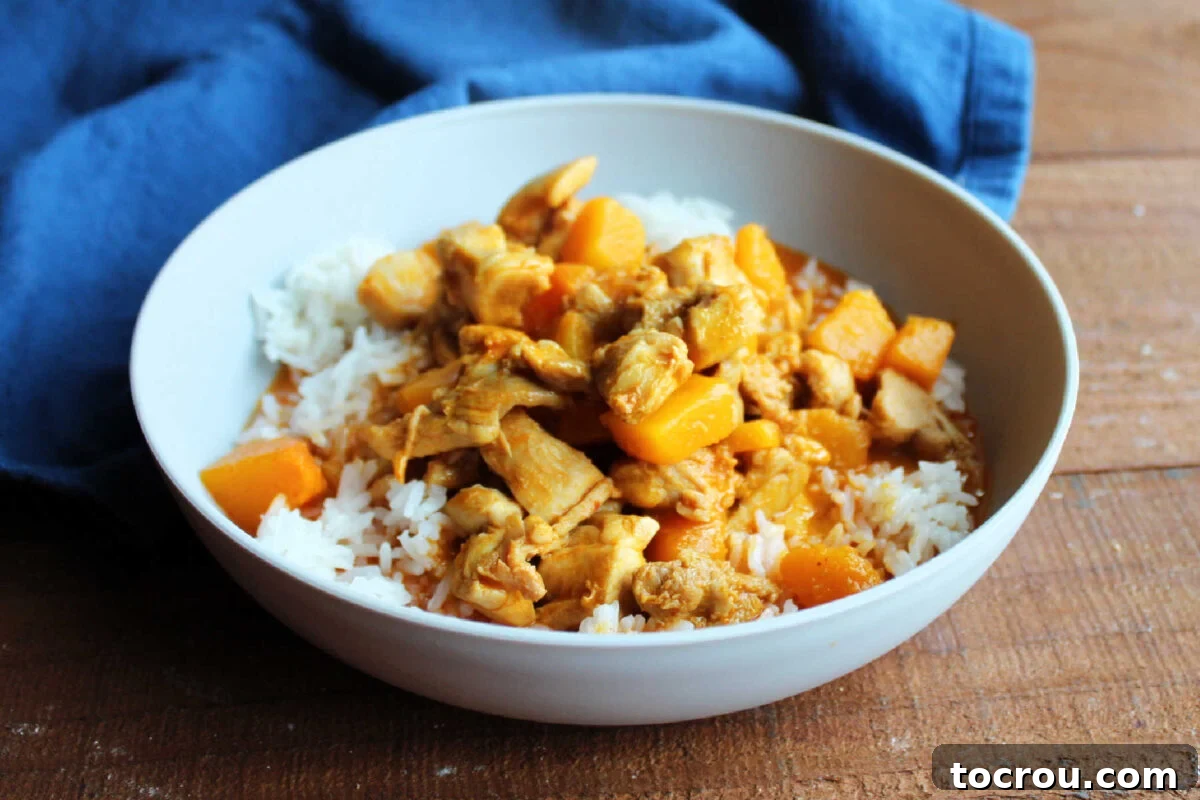
The Irresistible Flavor Profile of Thai Red Curry
What makes this specific Thai Red Curry stand out? It’s the harmonious blend of robust red curry paste with the natural sweetness of coconut milk and butternut squash. This combination creates a perfectly balanced profile that is simultaneously spicy, sweet, savory, and subtly tangy. The creamy texture from the coconut milk mellows the heat, while the squash adds an earthy sweetness that is utterly addictive. Each spoonful delivers a complex symphony of flavors that simply “works” in a way that truly delights the palate.
Thai red curry is a beloved dish globally, celebrated for its aromatic spices and comforting richness. Originating from central Thailand, it traditionally uses a paste made from red chilies, galangal, kaffir lime peel, lemongrass, and other potent aromatics. When combined with creamy coconut milk, it forms a versatile base for a myriad of ingredients. Our recipe embraces these classic elements while simplifying the process, making it accessible for home cooks eager to explore authentic Thai cuisine without intimidation. This particular rendition balances the spice with a delightful sweetness, creating a family-friendly meal that doesn’t compromise on its vibrant Thai essence.
From Family Favorite to Your Kitchen Table
This recipe holds a special place in our hearts. It all started when my brother introduced us to his rendition of Thai Red Curry. From the very first bite, we were completely smitten. We found ourselves asking him to prepare it so often that, in a moment of exasperation (or perhaps pure generosity!), he finally shared his secret recipe. He didn’t just give us the instructions; he also handed over cans of his preferred red curry paste and little jars of fish sauce, empowering us to recreate the magic ourselves. Since then, it’s been a regular on our dinner rotation, bringing smiles and satisfied sighs with every serving.
Now, we’re passing that culinary torch to you. This isn’t just a recipe; it’s an invitation to experience that same joy and ease in your own home. The beauty of this quick Thai curry recipe lies in its simplicity and adaptability, ensuring that even novice cooks can achieve restaurant-quality results. Trust us, once you try this, you’ll understand why it earned its permanent spot on our menu. It’s a testament to how simple, fresh ingredients can come together to create something truly extraordinary.
Customizing Your Thai Red Curry
One of the many wonderful aspects of Thai Red Curry is its incredible versatility. While our preferred combination is boneless, skinless chicken thighs and butternut squash, the possibilities for customization are endless. Don’t be afraid to experiment and make this dish truly your own!
Protein Alternatives for Your Curry
While chicken thighs are fantastic for their tenderness and flavor, you have many other options:
- Chicken Breasts: If you prefer white meat, chicken breasts can be used. Cut them into bite-sized pieces and be mindful not to overcook them to keep them tender and juicy.
- Beef: For a heartier curry, try thinly sliced beef sirloin or stew meat. Adjust cooking time to ensure the beef is fork-tender.
- Shrimp: For a quick-cooking seafood option, add shrimp towards the very end of the cooking process, as they cook rapidly (typically 2-3 minutes) to prevent them from becoming tough or rubbery.
- Tofu or Tempeh: For a fantastic vegetarian or vegan option, firm or extra-firm tofu (pressed and cubed) or tempeh works wonderfully. Sauté them briefly before adding to the curry to develop some texture and a golden crust.
Diverse Vegetable Enhancements
Butternut squash provides a lovely sweetness and creamy texture, but it’s just one of many options. Feel free to swap it out or add more vegetables to increase nutritional value and flavor complexity:
- Sweet Potatoes: Cut into similar size pieces as the butternut squash, sweet potatoes offer a similar earthy sweetness and rich texture, holding up well in the curry.
- Bell Peppers: Sliced red, yellow, or orange bell peppers add a vibrant color and a sweet, slightly crisp texture. Add them halfway through cooking to retain some bite and freshness.
- Green Beans: Trimmed green beans contribute a fresh crunch and bright green color, offering a pleasing contrast to the creamy sauce.
- Bamboo Shoots: For an authentic Thai touch, sliced bamboo shoots add a unique, slightly crunchy texture that is characteristic of many Thai dishes.
- Zucchini or Eggplant: These vegetables absorb the curry flavors beautifully. Add them later in the cooking process as they soften quickly and you don’t want them to become mushy.
- Broccoli or Cauliflower: Break into florets and add for a hearty vegetable component. They absorb flavor well and add nutritional bulk.
You can even use a mix of several vegetables to create a truly diverse and nutritious meal. The key is to cut them into similar sizes to ensure even cooking and a cohesive texture throughout the curry.
Tips for the Best Homemade Thai Red Curry
Achieving the perfect Thai red curry at home is easier than you think, especially with a few helpful tips:
- Choose Your Curry Paste Wisely: The quality and spice level of red curry paste can vary significantly between brands. Read labels and check reviews if you’re trying a new one. Some are mild, others are intensely spicy. Adjust the amount you use to your preference. It’s always best to start with less and add more if needed, as you can’t remove spice once it’s in.
- Don’t Skip the Coconut Milk Solids Step: Skimming the thick, solid cream from the top of your can of full-fat coconut milk and sautéing it with the curry paste is crucial. This step, sometimes referred to as “cracking the coconut milk,” helps to release the aromatic oils from the curry paste, intensifying its flavor and creating a richer, more vibrant base for your curry.
- Browning the Chicken: While not strictly necessary, taking a few extra minutes to lightly brown the chicken thighs before adding the liquid can add an extra layer of savory depth and texture to your finished curry.
- Fresh Ingredients Matter: While convenience is key, using fresh, high-quality ingredients for your vegetables and proteins will always yield the best results in terms of flavor and texture. Avoid pre-cut, older vegetables if possible.
- Taste and Adjust: Thai cooking is all about balance. Before serving, always taste your curry and adjust the seasoning. You might want a little more fish sauce for saltiness and umami, a touch more sugar for sweetness to cut the spice, or a final squeeze of fresh lime juice for brightness (though not explicitly in this recipe, it’s a common Thai practice).
- Serve with Jasmine Rice: The fragrant, slightly sticky texture of jasmine rice is the absolute perfect accompaniment to soak up all that delicious curry sauce, making every bite a delight.
Why You’ll Love This Easy Thai Red Curry
Beyond its fantastic taste and straightforward preparation, there are countless reasons why this homemade Thai Red Curry will become a cherished recipe in your collection:
- Quick & Convenient: Ready in under an hour, it’s an ideal solution for busy weeknights when you crave something exotic yet fuss-free and comforting.
- Incredibly Flavorful: The dynamic combination of creamy coconut, aromatic red curry paste, and savory chicken creates a truly unforgettable taste experience that will transport your senses.
- Healthy & Wholesome: Packed with lean protein and nutrient-rich vegetables like butternut squash, this curry is a wholesome, balanced meal that doesn’t compromise on flavor or satisfaction.
- Highly Customizable: Easily adapt it to suit your dietary preferences or what you have on hand, whether it’s different proteins, a variety of vegetables, or adjusting the spice levels to your family’s liking.
- Meal Prep Friendly: This curry tastes even better the next day as the flavors meld and deepen, making it perfect for meal prepping your lunches or dinners for the week ahead. Reheating is a breeze!
So go ahead, gather your ingredients and give this recipe a try. It truly is that good, and we’re confident it will become a new favorite for you and your family, bringing delicious Thai flavors right to your table!
Explore More Delicious Recipes
If you’re looking for more exciting dishes to add to your repertoire, we also highly recommend our Korean BBQ backstrap. The incredible marinade is based on an authentic bulgogi recipe passed down from my great-aunt, ensuring a truly special and flavorful experience.
For an effortlessly easy family dinner, be sure to try our crockpot garlic chicken. Its delectable sweet and sour sauce makes it absolutely fantastic when served over a bed of fluffy rice, a perfect blend of convenience and taste.
5 from 2 ratings
Thai Red Curry With Chicken
Carlee
6
Servings
This yummy Thai Red Curry with Chicken has a coconut milk broth that is so full of flavor, you won’t want to waste a drop. It is actually pretty straightforward to make and has quickly become one of our favorite meals.
10 mins
30 mins
40 mins
Ingredients
- 13.66 ounce can full-fat coconut milk, divided
- 4 ounces red curry paste
- 2 pounds boneless skinless chicken thighs, cut into bite-sized pieces
- 1 butternut squash, peeled, seeded, and cut into 1-inch cubes
- 1½ cups chicken stock
- 1 Tablespoon fish sauce
- 1 Tablespoon granulated sugar
- fresh Thai basil (optional) and Jasmine rice for serving
Instructions
-
Prepare your ingredients: Cut the boneless, skinless chicken thighs and butternut squash (or any other desired vegetables) into uniform bite-sized pieces for even cooking.
-
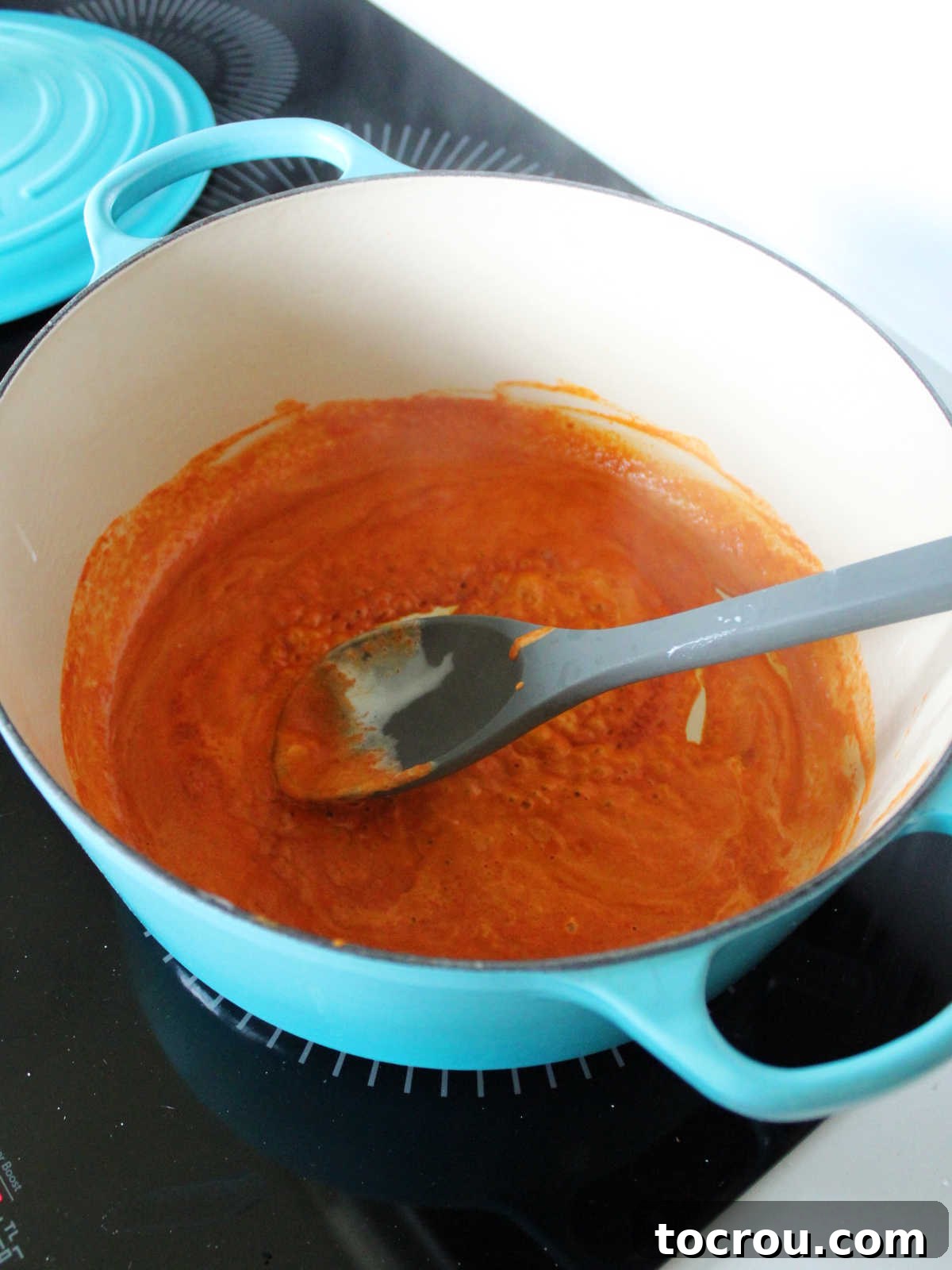
Begin the curry base: Carefully skim the thick, solid cream from the top of your can of coconut milk. Transfer these solids into a large pot or Dutch oven. Add the red curry paste to the pot. Stir well to combine the paste with the coconut solids. Bring this mixture to a boil over medium-high heat, stirring frequently, until you observe the coconut oil beginning to separate and rise to the surface. This step is crucial for developing the deep, aromatic flavors of the curry.
-
Cook the chicken: Add the prepared chicken thigh pieces to the pot. Stir to ensure all the chicken is thoroughly coated in the fragrant curry mixture. Continue to cook over medium-high heat, stirring occasionally, until the chicken is mostly cooked through, with only a little pink remaining in the center.
-
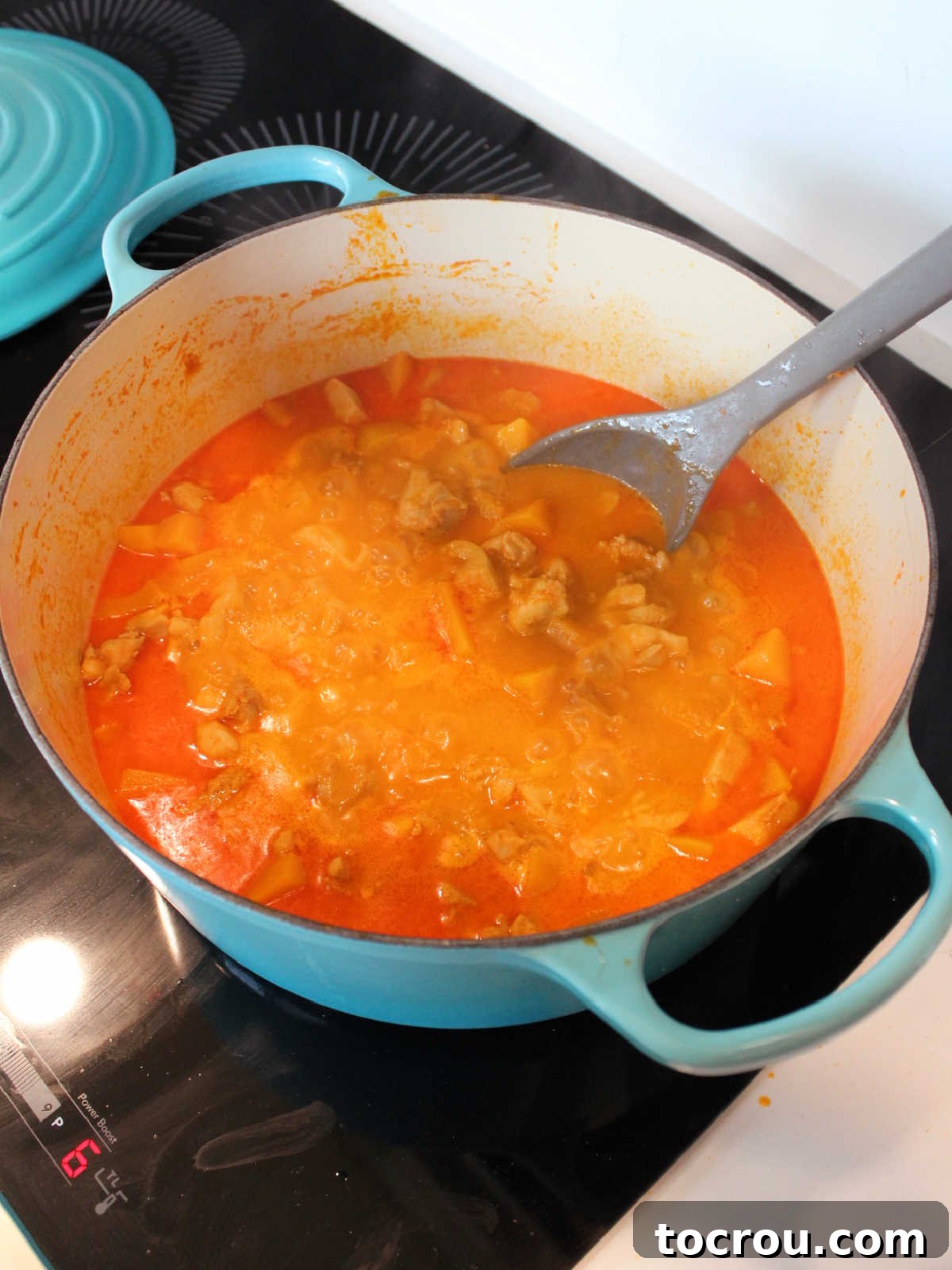
Simmer the curry: Pour in the remaining coconut milk (the liquid portion), chicken stock, fish sauce, and granulated sugar. Add the butternut squash and any other hard vegetables you’re using. Bring the entire mixture to a gentle boil.
-
Finish cooking: Reduce the heat to a simmer and continue to cook, uncovered, until the vegetables are tender, which typically takes about 15-20 minutes depending on the vegetable size. Remove the pot from the heat. If desired, stir in some fresh Thai basil leaves for an added layer of aromatic freshness just before serving.
-
Serve: Ladle the hot Thai Red Curry generously over bowls of fluffy jasmine rice. Garnish with additional fresh basil or a squeeze of lime if you wish. Enjoy your flavorful homemade meal!
Notes
Choosing Coconut Milk: Ensure you purchase a can of full-fat coconut milk, typically found in the international or Asian foods aisle of your grocery store. Do NOT use coconut milk from the dairy section, as that is a much thinner beverage and will not yield the rich, creamy consistency required for this curry.
Curry Paste Spice Levels: We’ve observed that small jars of red curry paste tend to be on the milder side, while larger cans can pack more heat. Always choose according to your preferred spice level. If you’re sensitive to spice or unsure, start with a smaller amount of paste and taste before adding more.
Vegetable Variations: While butternut squash is delicious, feel free to substitute or complement it with other vegetables. Sweet potatoes, julienned bell peppers (red, yellow, orange), green beans, and even broccoli florets are excellent additions that work beautifully in this curry.
Email Me The Link
I’ll email this post to you, so you can easily find it later. Plus you’ll get new recipes from me every week!
Nutrition Information
Serving:
1
Serving
|
Calories:
437
kcal
|
Carbohydrates:
24
g
|
Protein:
34
g
|
Fat:
24
g
|
Saturated Fat:
16
g
|
Polyunsaturated Fat:
2
g
|
Monounsaturated Fat:
4
g
|
Trans Fat:
0.03
g
|
Cholesterol:
145
mg
|
Sodium:
471
mg
|
Potassium:
1052
mg
|
Fiber:
5
g
|
Sugar:
9
g
|
Vitamin A:
16303
IU
|
Vitamin C:
30
mg
|
Calcium:
114
mg
|
Iron:
4
mg
“Cooking With Carlee” is not a dietitian or nutritionist, and any nutritional information shared is an estimate. If calorie count and other nutritional values are important to you, we recommend running the ingredients through whichever online nutritional calculator you prefer. Calories and other nutritional values can vary quite a bit depending on which brands were used.
Did you try this recipe?
Don’t forget to leave a rating below and make sure to follow on Pinterest and Instagram for more!