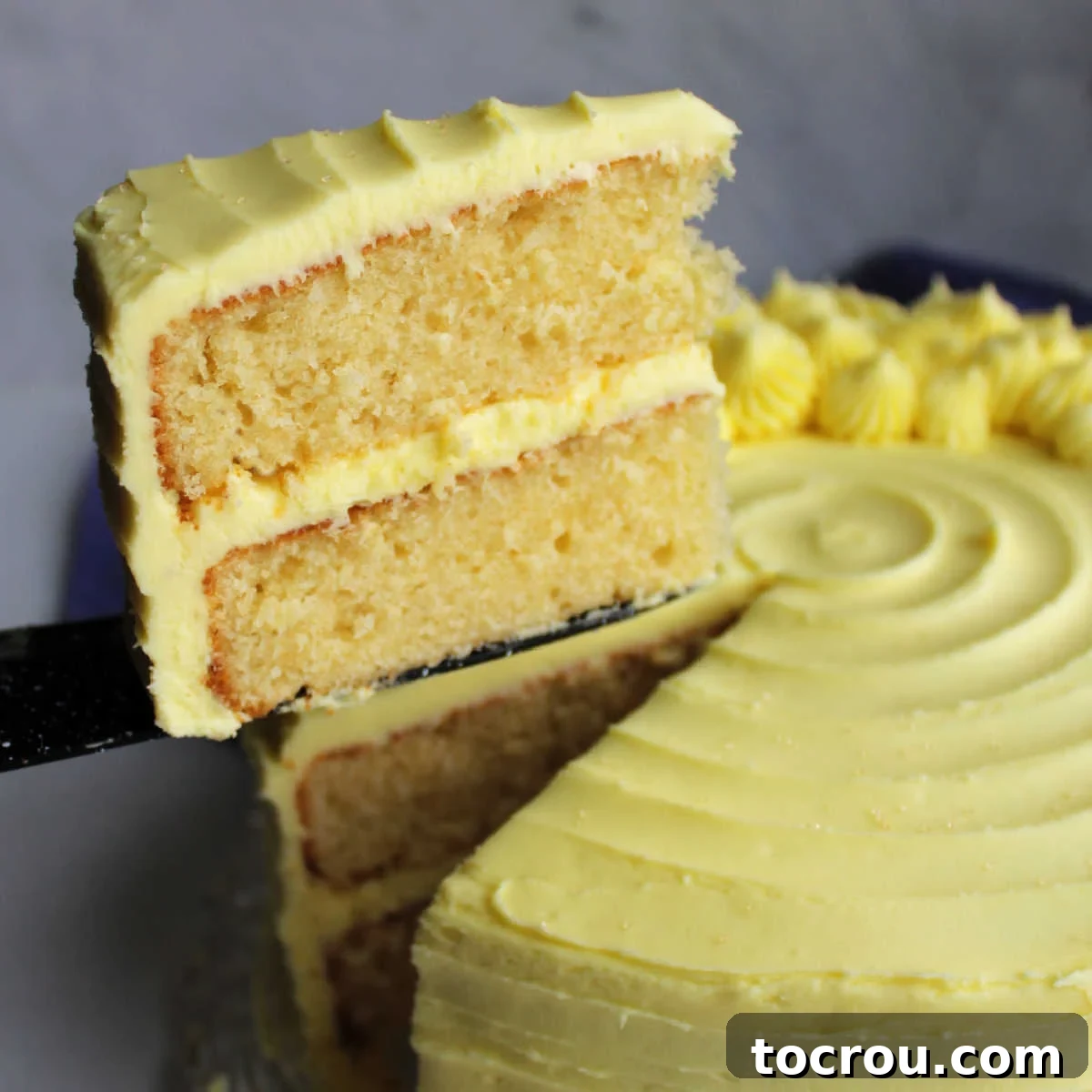
Prepare to be enchanted by the sheer delight of this Luscious Lemon Velvet Cake. It’s a truly exquisite dessert that promises a tender, moist crumb, vibrant lemon flavor, and an unbelievably simple preparation. Forget complicated baking; this homemade cake proves that elegance can be effortless, making it a perfect choice for bakers of all skill levels.
The Irresistible Allure of Lemon Velvet Cake
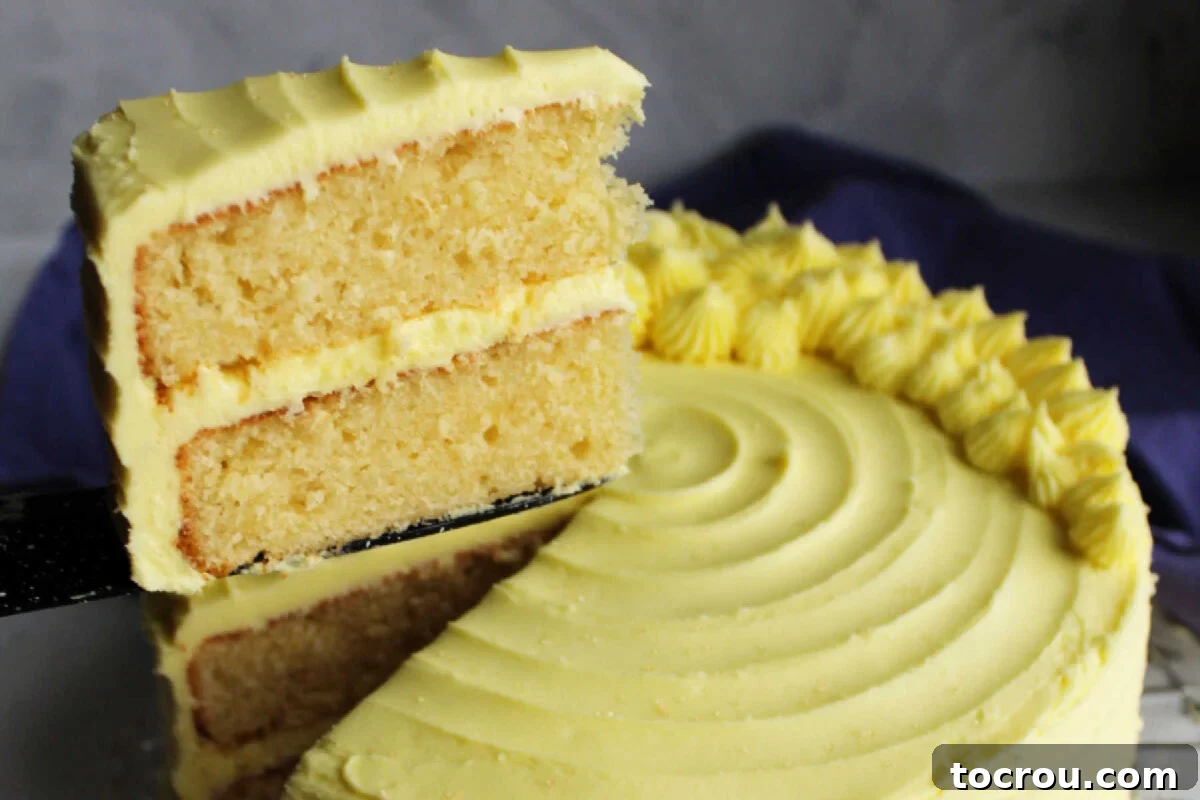
Imagine layers of beautifully soft lemon cake, generously enrobed in a rich, tangy lemon buttercream frosting. This citrus-infused twist on the classic velvet cake is more than just a dessert; it’s a celebration of bright, zesty flavors that can instantly brighten any day. What truly sets this recipe apart is its incredible simplicity. You won’t find yourself wrestling with stubborn, unsoftened butter or hunting for obscure ingredients. This cake comes together quickly, whisked into the oven in what feels like no time, and delivers a taste experience that will have you giving thanks after every single bite.
The journey of this particular recipe dates back to 2017 when it first graced our kitchen. It was undeniably fabulous then, a true testament to the power of a good lemon cake. However, as with many creative endeavors, there was always room for refinement, especially concerning its presentation. A cake this good, with its perfectly balanced flavors and delicate texture, certainly deserved a fresh look. And let’s be honest, finding an excuse to revisit and remake our favorite cakes is hardly a chore; it’s a joyous occasion!
My initial discovery of this recipe was serendipitous, found on the wonderful Tumbleweed Contessa blog. Her take on a fluffy lemon velvet cake immediately captured my attention. I have always championed the art of homemade baking, but the reality of a busy schedule often means that complex, time-consuming recipes take a back seat. Thankfully, the baking world is full of ingenious, simple homemade cake recipes that don’t compromise on flavor or quality.
This lemon velvet cake recipe instantly stood out as being both quick and approachable. While it shares the fundamental cake ingredients like flour and sugar with my devilishly good chocolate cake, the similarities largely end there. Yet, its promise of vibrant flavor and tender texture drew me in completely.
A Taste of Sunshine in Every Slice
Lately, there’s been a profound craving for bright, invigorating flavors. As winter seems to stretch on endlessly, any hint of sunshine is warmly welcomed, even if it comes in the delightful form of fresh lemons. But the beauty of lemon isn’t confined to combating winter blues. In the sweltering heat of summer, the sharp tang of citrus is equally refreshing and celebrated. While a creamy orange creamsicle cheesecake is always a hit, a change of pace is often appreciated. This bright lemon cake is wonderfully versatile, making it an ideal dessert for any season – from a cozy winter gathering to a lively summer barbecue.
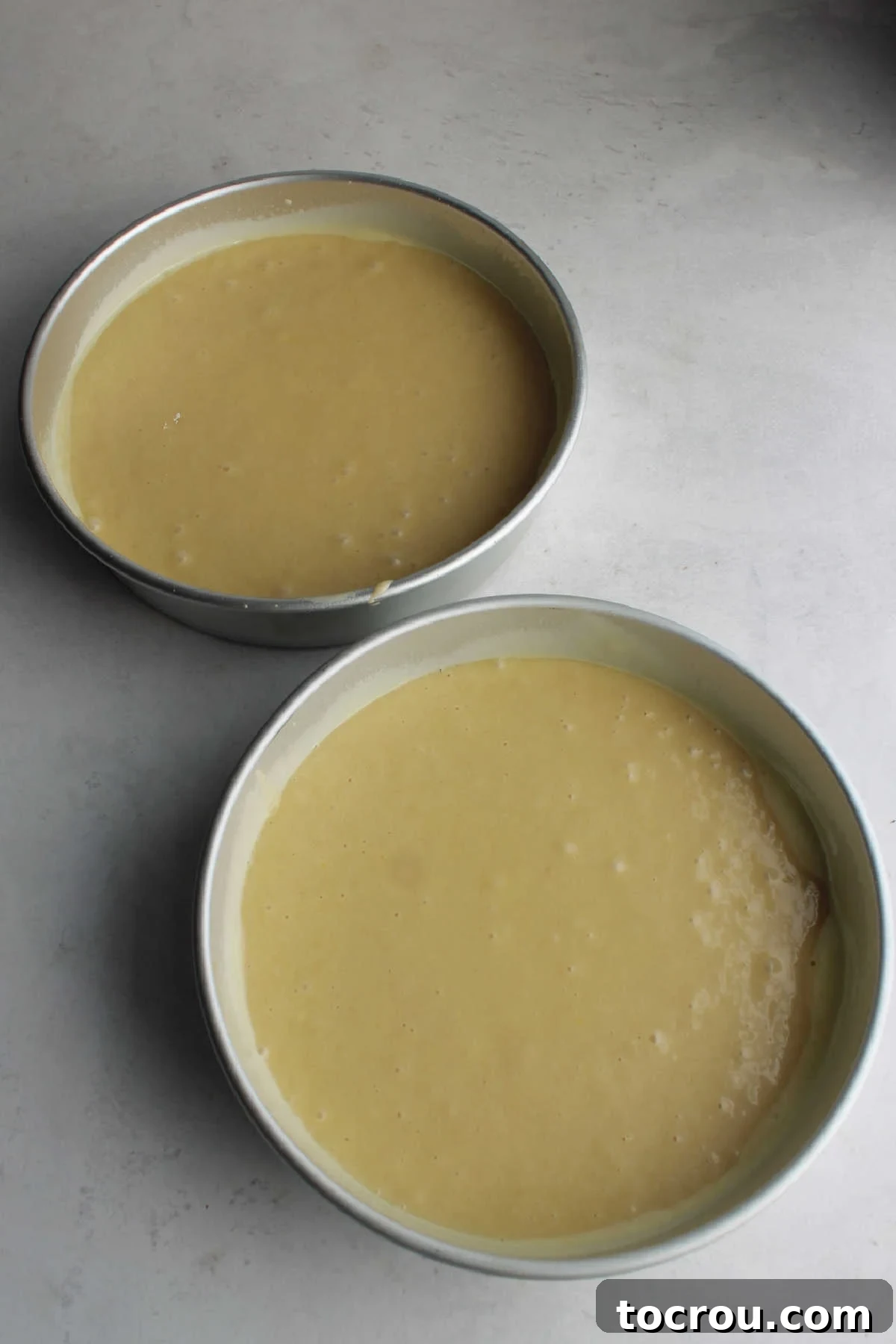
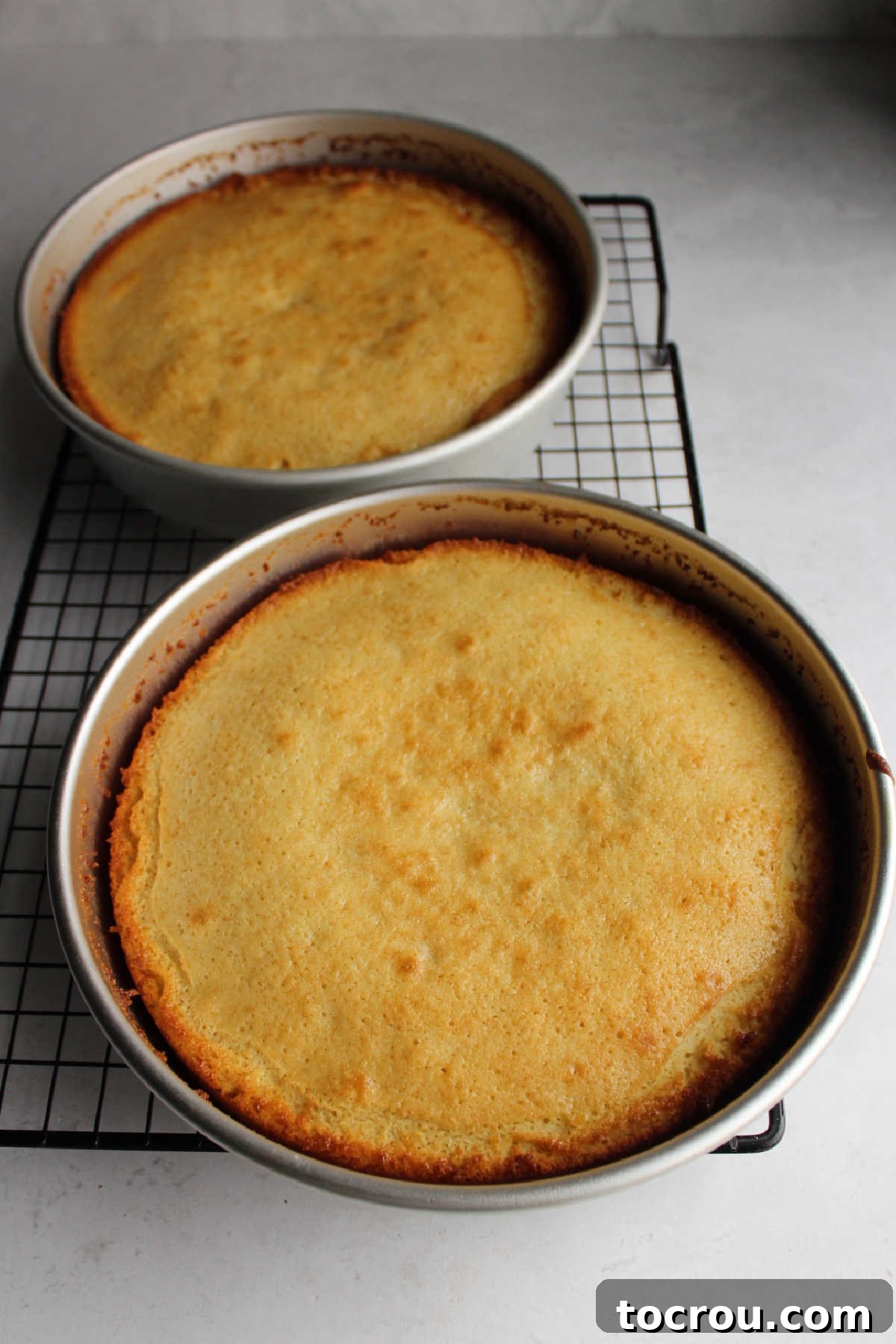
I couldn’t wait to whip this cake up and share it with my family. True to my expectations, it came together with remarkable speed. If the thought of baking a homemade cake feels daunting, I sincerely hope this recipe inspires you to take the leap. Many homemade cake recipes are surprisingly as easy as using a box mix, yet they offer the immense satisfaction of creating something truly special from scratch. The aroma of a freshly baked cake filling your home, the pride in serving a dessert you made yourself – these are simple pleasures that elevate the entire experience.
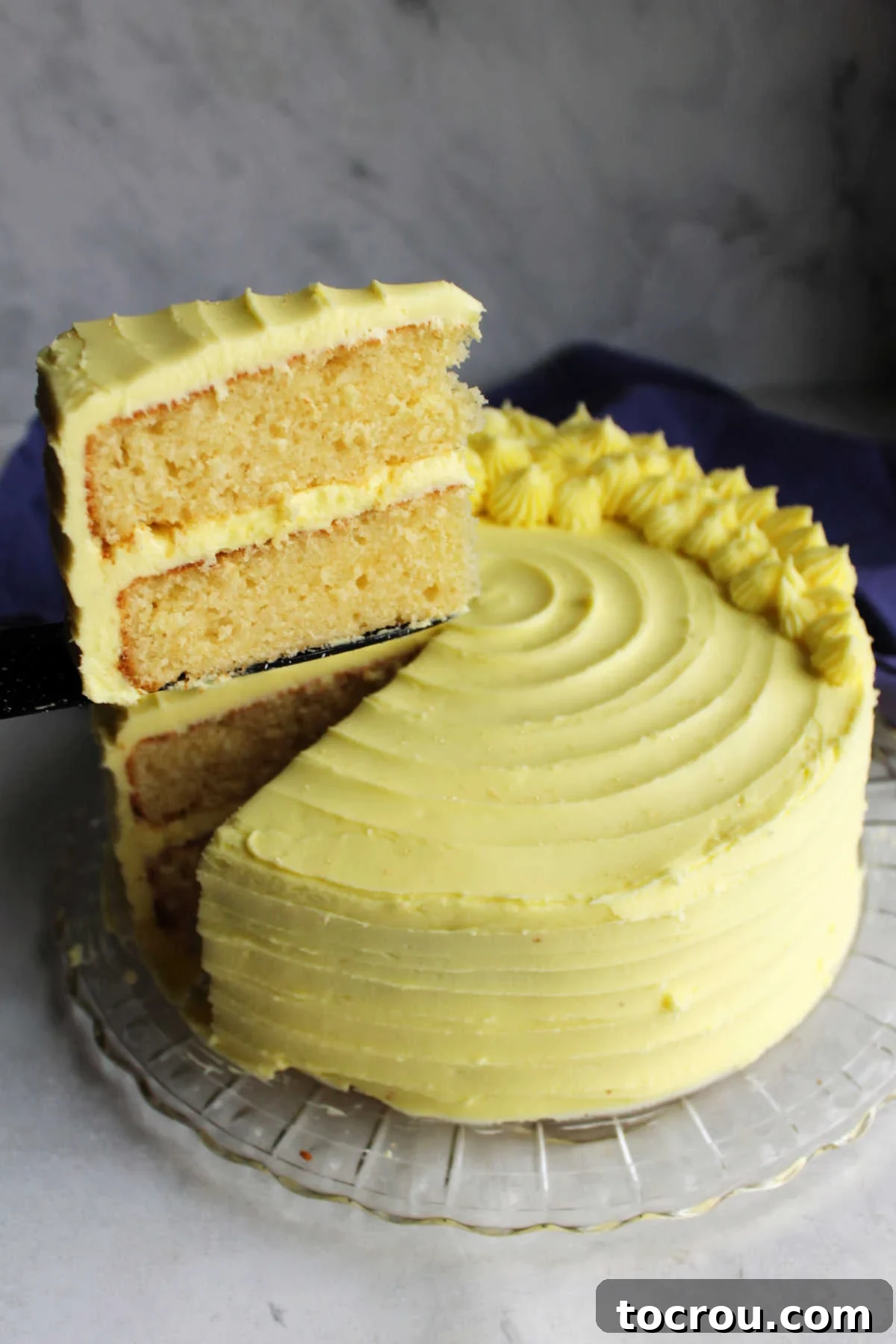
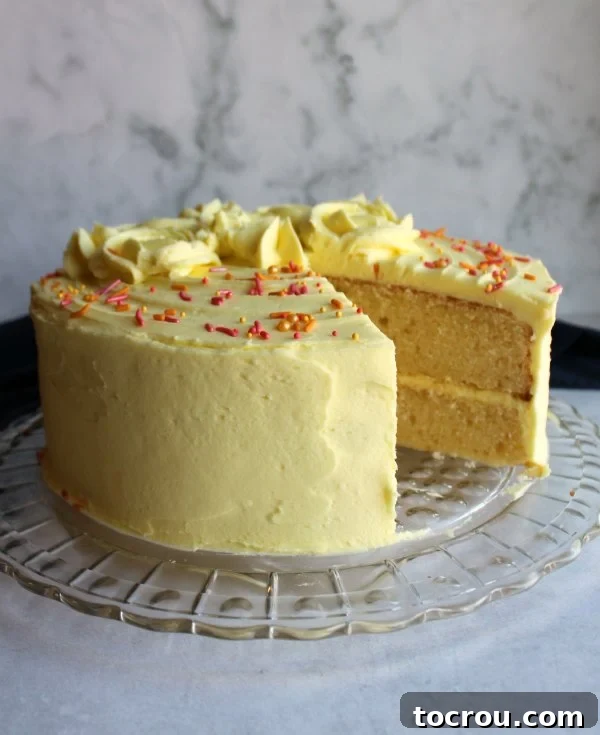
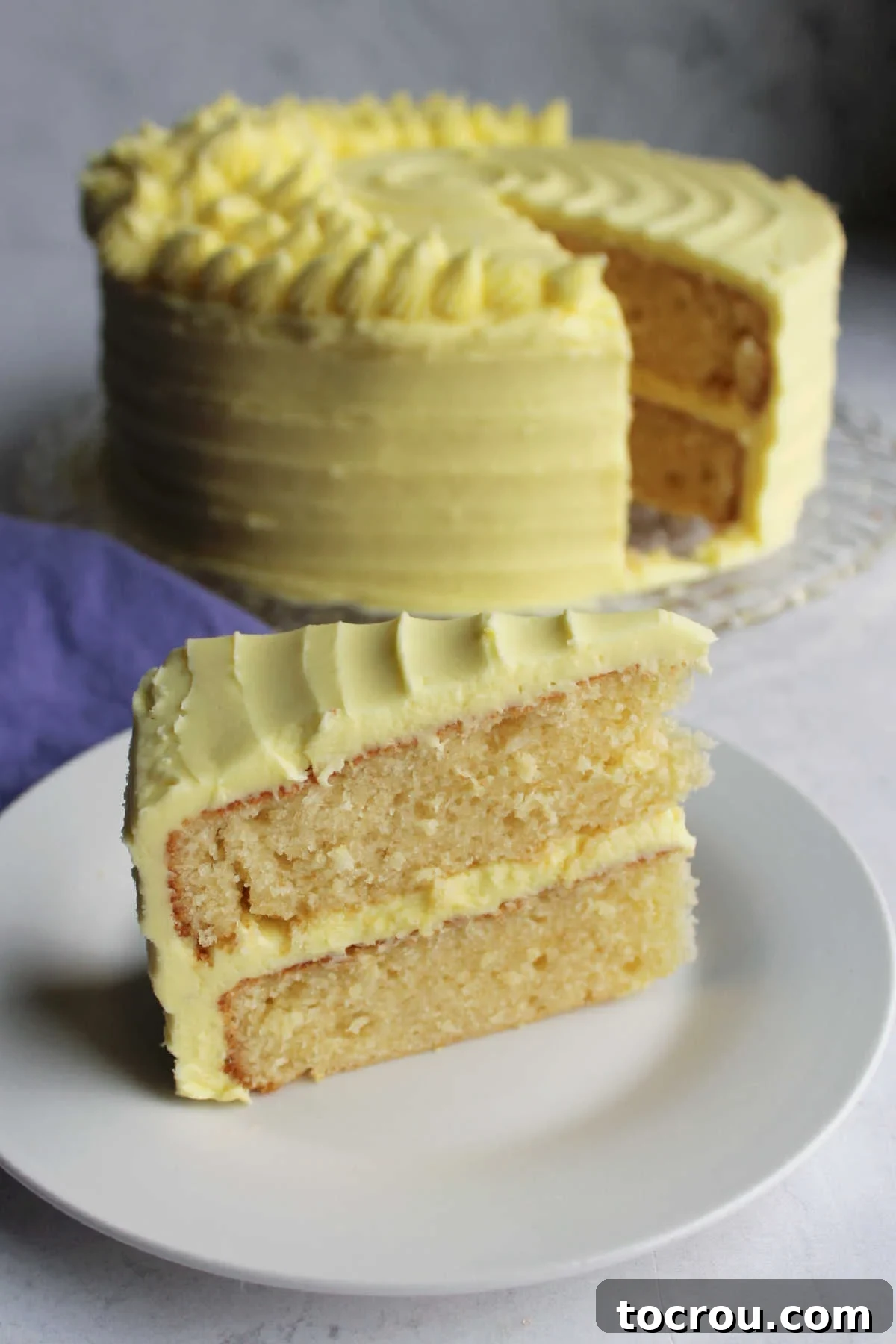
This delicious lemon velvet cake was incredibly well-received by everyone who tried it. It boasted a beautifully fine crumb and sliced effortlessly, making serving an absolute dream. While it looks fantastic with a generous layer of frosting, I often prepare a little extra lemon sweetened condensed milk frosting to create decorative piped designs on top, adding an elegant touch and an extra burst of lemon flavor.
Keys to Achieving a Perfectly Tender Cake
Achieving that coveted tender, airy texture in a velvet cake primarily comes down to one crucial factor: avoiding overbaking. Velvet cakes, by their very nature, are prone to drying out quickly if left in the oven for too long. To ensure your cake remains wonderfully moist and tender, keep a close eye on it:
- The Touch Test: Gently touch the center of the cake with a clean finger. If it springs back lightly, it’s ready to come out of the oven.
- The Toothpick Test: If you prefer the classic toothpick method, insert a toothpick into the center of the cake. When it comes out with just a crumb or two attached, but no wet batter, your cake is done. Remember, the cake will continue to cook slightly from its residual heat after you remove it from the oven, so it’s always better to err on the side of slightly underbaked than overbaked.
What Defines a Velvet Cake?
The term “velvet cake” conjures images of luxurious desserts known for their exceptionally soft, delicate, and airy texture. The most renowned and likely original iteration is the iconic red velvet cake. In the classic red velvet, the acidic ingredients—typically vinegar and buttermilk—react with the cocoa powder, helping to give it a subtle reddish hue. Of course, a generous amount of red food coloring is often added to enhance that signature vibrant color.
In this delightful lemon version, we naturally omit the cocoa powder. Instead, fresh lemon juice steps in to provide the necessary acidity, replacing the vinegar used in traditional recipes. This brilliant substitution allows you to harness the beneficial effects of acid on the cake’s texture, but with the added bonus of infusing it with bright, natural lemon flavor! Another distinguishing characteristic of most velvet cakes, setting them apart from many other cake recipes, is their reliance on oil as the primary fat, rather than creamed butter. This choice not only contributes to the cake’s moistness and delicate crumb but also makes the baking process incredibly straightforward and often more affordable. There’s no need to wait for butter to soften to room temperature; simply grab your preferred neutral oil and get baking!
While buttermilk is a traditional ingredient in velvet cakes, it’s not always a staple in every kitchen. Don’t let that deter you! A fantastic and easy substitute is to simply add a teaspoon of lemon juice (or white vinegar) to a cup of regular milk and let it sit for about 5-10 minutes before incorporating it into your batter. By the time you’re ready to use it, the acid will have worked its magic, slightly curdling the milk and creating a homemade buttermilk that functions beautifully in the recipe without requiring any special trips to the store. For those who bake frequently, keeping powdered buttermilk on hand can be a great convenience, perfect for recipes like this or for making fluffy pancakes.
Can I Prepare This Cake in Advance?
Absolutely! Cakes, especially those made with oil, freeze exceptionally well, making them ideal for meal prep or for saving time before a special event. Here’s how to do it:
- Allow the baked cake layers to cool slightly on a wire rack until they are warm to the touch but not hot.
- Once the cakes are cool enough to handle, carefully wrap each layer individually in several layers of plastic wrap. Be gentle, as warm cakes can be quite fragile.
- After wrapping them thoroughly, place the wrapped cake layers into the freezer. They can be stored in the freezer for up to 2-3 months.
- When you’re ready to assemble and frost, you have options: you can either frost the cake layers while they are still frozen, or you can allow them to thaw completely at room temperature before applying the buttercream. Both methods work wonderfully, so choose whichever you prefer for convenience.
Lemon Velvet Cake
Carlee
16 Servings
10 mins
35 mins
45 mins
Equipment
-
Wilton 9-Inch Round Cake Pans, Set of 2
-
Large mixing bowls
-
Electric mixer (handheld or stand mixer)
-
Wire cooling rack
Ingredients
For the Cake:
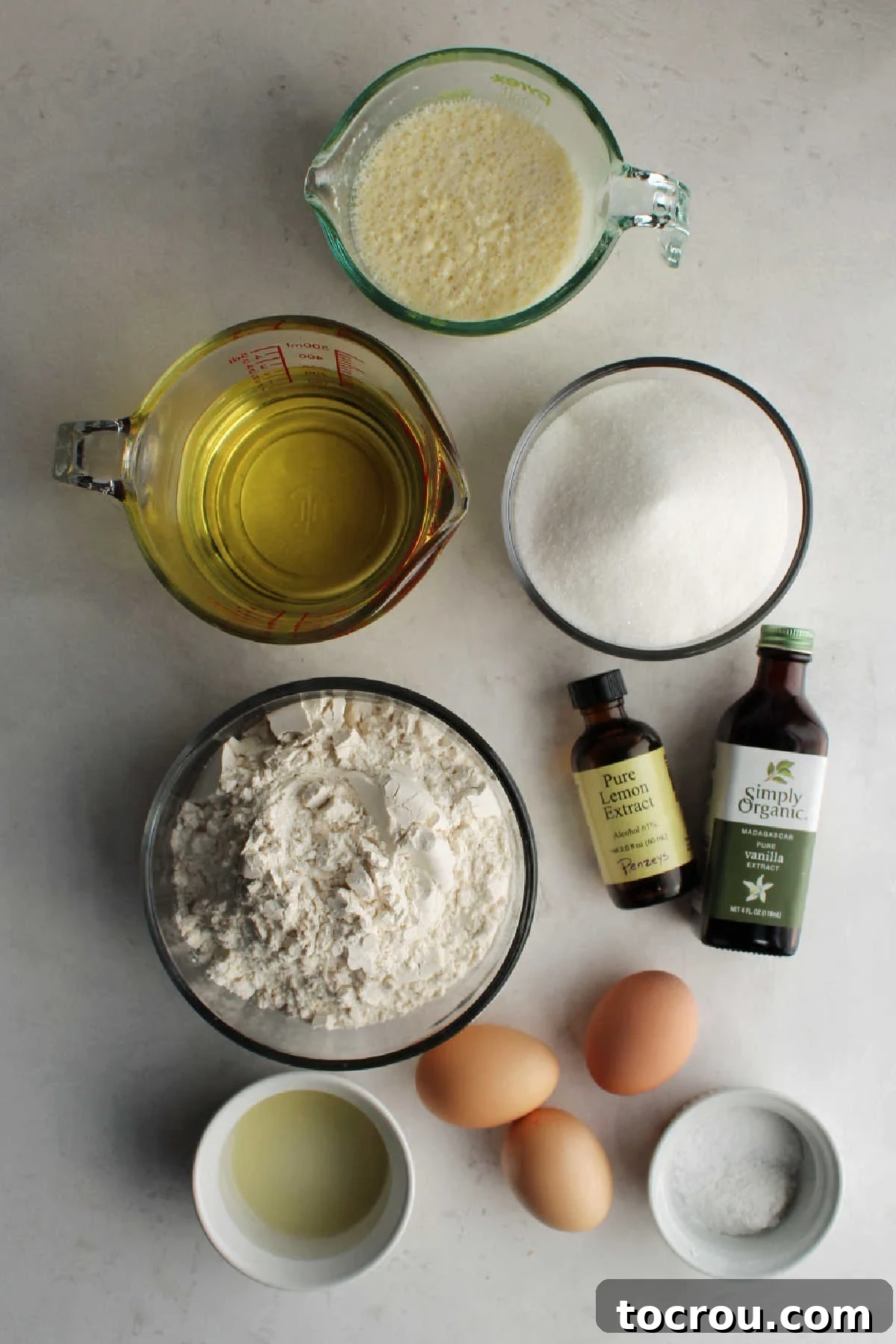
- 2½ cups all purpose flour
- 1 teaspoon salt
- 1 teaspoon baking powder
- 1½ cups granulated sugar
- 1½ cups vegetable oil (or other neutral oil like canola or avocado)
- 3 large eggs
- 1 cup buttermilk or 1 cup milk soured with 1 tsp lemon juice
- 1 teaspoon lemon extract
- 1 teaspoon vanilla extract
- 1 Tablespoon fresh lemon juice
- Optional: a few drops of yellow food coloring for enhanced color
9 inch round cake layers
Instructions
- Preheat oven to 350° F (175°C). Grease and flour two 9-inch round cake pans.
- In a medium bowl, whisk together the dry ingredients: 2½ cups all purpose flour, 1 teaspoon salt, and 1 teaspoon baking powder until completely combined and free of clumps. Set aside.
- In a large bowl, using an electric mixer, beat together 1½ cups vegetable oil, 3 large eggs, and 1½ cups granulated sugar until the mixture is light, fluffy, and well combined.
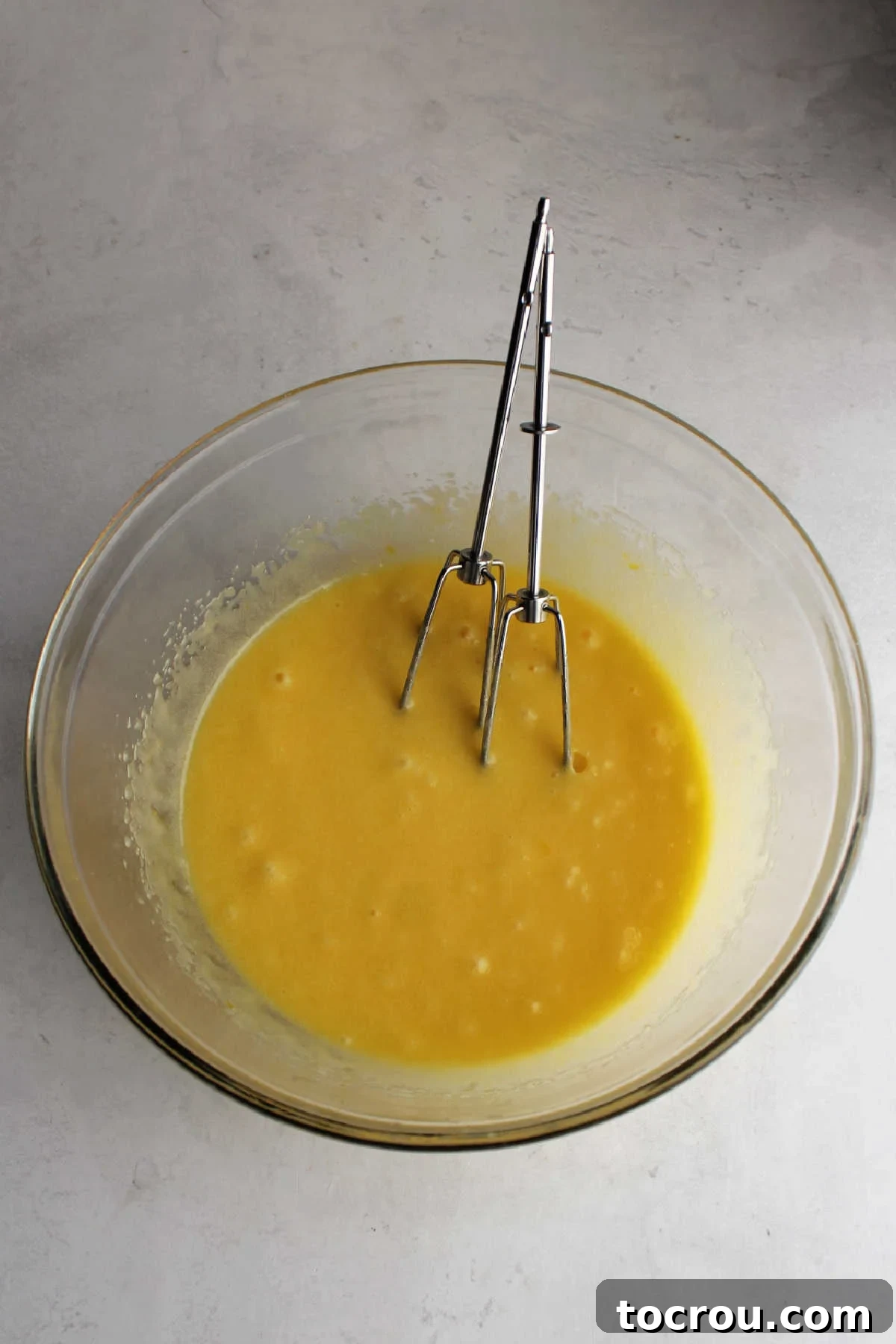
- To the wet ingredients, add 1 cup buttermilk (or milk soured with lemon juice), 1 teaspoon lemon extract, 1 teaspoon vanilla extract, and 1 Tablespoon fresh lemon juice. Whip until all ingredients are just combined.
- Gradually add the dry ingredients to the wet ingredients, mixing on low speed until just combined. Be careful not to overmix the batter; overmixing can lead to a tough cake. If desired, add a few drops of yellow food coloring to achieve a more vibrant lemon hue.
- Evenly spoon the cake batter into the two prepared pans.
- Bake for 30-35 minutes, or until the top of the cake springs back when lightly touched with a finger. A toothpick inserted into the center should come out with moist crumbs attached.
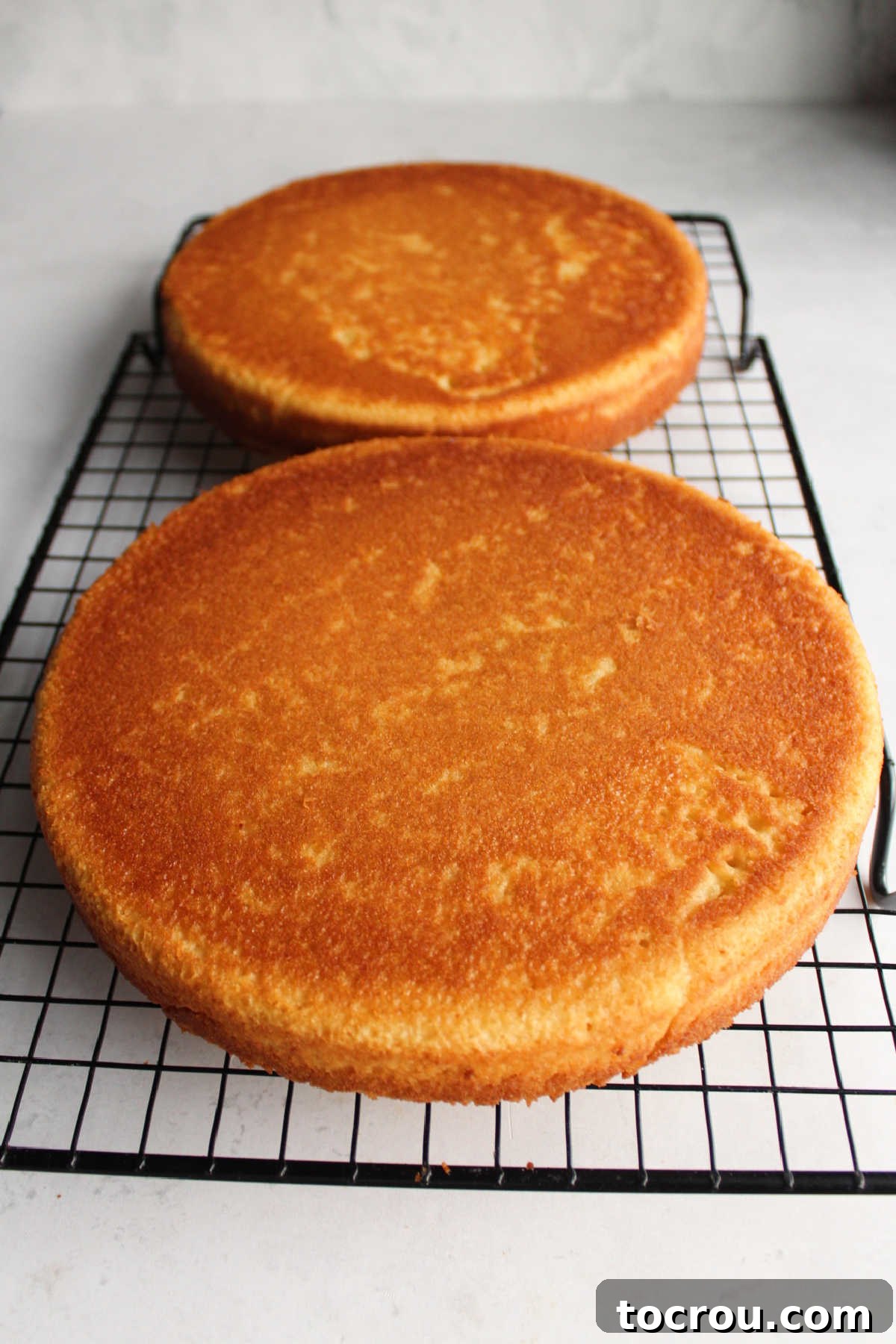
- Allow the cakes to cool in their pans on a wire rack for 10 minutes. Then, invert them onto the wire rack to cool completely before frosting. This prevents the cakes from sinking or sticking.
Notes
You can easily substitute vegetable oil with canola oil, avocado oil, or another neutral-flavored oil without altering the taste or texture significantly.
If you prefer, you can bake this cake in a 9×13-inch pan. Simply add a few minutes to the baking time and monitor it closely for doneness, as baking times can vary slightly in different pan sizes.
Video
Don’t Miss Out!
Want to easily find this recipe later or get more delicious recipes weekly? Consider saving this post or signing up for updates!
Show Nutrition Information
Nutrition Information
Serving: 1 Serving | Calories: 346kcal | Carbohydrates: 35g | Protein: 4g | Fat: 22g | Saturated Fat: 4g | Polyunsaturated Fat: 12g | Monounsaturated Fat: 5g | Trans Fat: 0.1g | Cholesterol: 32mg | Sodium: 200mg | Potassium: 54mg | Fiber: 1g | Sugar: 20g | Vitamin A: 69IU | Vitamin C: 0.4mg | Calcium: 40mg | Iron: 1mg
“Cooking With Carlee” is not a dietitian or nutritionist, and any nutritional information shared is an estimate. If calorie count and other nutritional values are important to you, we recommend running the ingredients through whichever online nutritional calculator you prefer. Calories and other nutritional values can vary quite a bit depending on which brands were used.
Did you try this recipe?
Don’t forget to leave a rating below and make sure to follow us on Pinterest and Instagram for more delicious recipes and baking inspiration!
More Great Lemon Cake Recipes to Explore
Italian Lemon Honey Bundt Cake With Caramelized Honey Glaze
Homemade Lemon Bundt Cake with Ginger Lemon Glaze
Homemade Lemon Blueberry Bundt Cake
Lemon Texas Sheet Cake
For even more delectable baking ideas, be sure to check out our comprehensive collection of cake recipes.