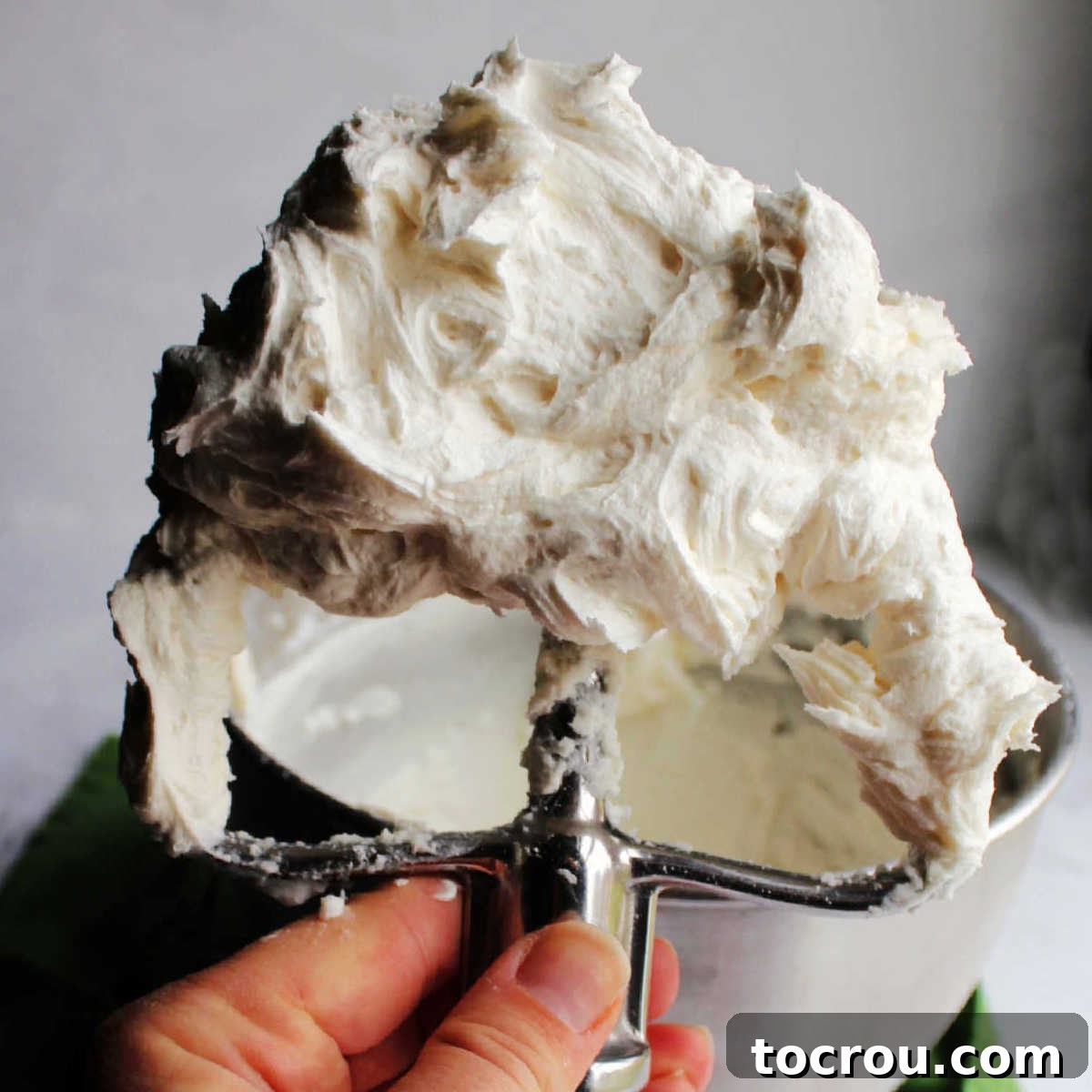
Crusting buttercream frosting is a game-changer for any home baker or professional decorator. It’s renowned for its light, fluffy texture and exceptional stability, making it an ideal choice for a wide array of decorating projects. Unlike traditional buttercreams, this unique frosting develops a delicate crust on its exterior as it sets, locking in intricate details and providing a sturdy finish. This characteristic not only enhances the visual appeal of your treats but also significantly improves their resilience during transportation, ensuring your culinary creations arrive at their destination looking as flawless as when they left your kitchen.
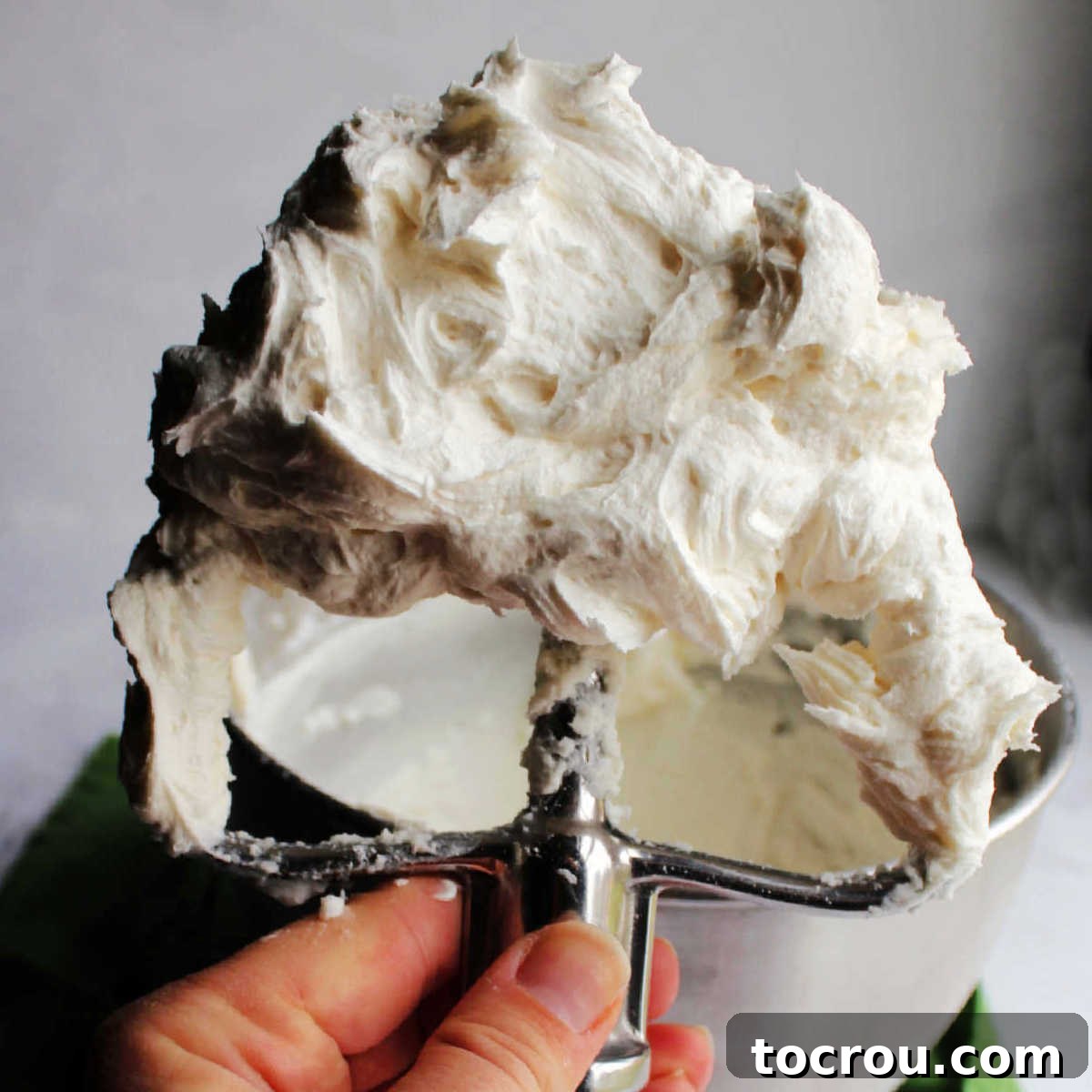
If you’re searching for a frosting that delivers both aesthetic brilliance and enduring performance, crusting buttercream is your answer. Its ability to form a protective outer layer means your piped flowers, sharp edges, and delicate designs will maintain their integrity, even in less-than-ideal conditions. This resilience makes it particularly valuable for events like outdoor picnics, summer parties, or any occasion where your desserts might be exposed to varying temperatures. Furthermore, its versatile nature allows for easy adjustments in consistency, transforming it from a thick, spreadable coating to a perfectly pliable medium for delicate piping work, including intricate designs with Russian piping tips. This recipe is an essential addition to any decorator’s repertoire for stunning cakes and cookies.
Why Butter and Shortening is the Winning Combination for Stable Frosting
Many frosting enthusiasts, myself included, adore the rich flavor and smooth texture that butter brings to a buttercream. Pure butter-based frostings are undeniably delicious, offering a melt-in-your-mouth experience that is hard to beat. However, when stability and a firm finish are paramount, especially in warmer climates, butter alone often falls short. This is where the strategic incorporation of shortening becomes not just beneficial, but essential. The blend of butter and shortening in crusting buttercream offers a synergy that maximizes the strengths of both fats while mitigating their individual weaknesses.
The Science Behind the Perfect Blend: Butter’s Flavor, Shortening’s Structure
Butter is prized for its exquisite flavor profile, contributing a creamy richness that elevates any dessert. It also emulsifies beautifully, creating a silky-smooth frosting. However, butter has a relatively low melting point, meaning it can become soft and lose its shape quickly when exposed to heat. Shortening, on the other hand, is a solid vegetable fat with a higher melting point. This inherent stability makes it a fantastic structural component in frosting. When combined with butter, shortening provides the necessary backbone for the buttercream to hold its form, even in warmer environments, while the butter infuses it with that desirable, classic flavor. This balanced approach ensures your frosting isn’t just stable, but also incredibly delicious.
The combination of these fats, along with a significant amount of powdered sugar, is what facilitates the crusting process. As the frosting is exposed to air, the sugar on the surface dries out, forming a thin, slightly firm layer. This crust acts as a protective shield, preventing smudging and preserving the integrity of your decorations. It’s this unique property that makes crusting buttercream superior for specific decorating needs, such as creating intricate floral designs, achieving sharp edges, or ensuring crisp lines on a tiered cake that needs to withstand transport or outdoor display.
Mastering Consistency and Flavor Infusion for Fluffy Buttercream
One of the many advantages of crusting buttercream is its adaptability. You have complete control over its consistency, allowing you to tailor it precisely to your decorating task at hand. For smooth, even spreading on cakes, a slightly looser consistency might be preferred, achieved by adding a touch more liquid. Conversely, for detailed piping work, a firmer frosting will yield sharper, more defined shapes and retain intricate patterns. This customization is a dream come true for decorators looking for a versatile medium that can handle everything from filling cakes to creating delicate sugar flowers.
Beyond consistency, this buttercream is a blank canvas for flavors. While classic vanilla is always a winner, the neutral base of shortening allows other extracts and flavorings to truly shine without competing. Imagine lemon zest and extract for a bright spring cake, almond for an elegant touch, or even a hint of coffee for a rich chocolate dessert. The possibilities are endless, making each batch a new adventure in taste. You can also easily incorporate gel food colorings to achieve vibrant hues without thinning the frosting, allowing for stunning, bold decorations that pop and remain stable.
Versatile Applications for Your Crusting Buttercream Frosting
The robust nature of crusting buttercream makes it an excellent choice for a wide variety of dessert applications. Its ability to hold shape and resist minor smudges means you can decorate with confidence, knowing your hard work will last. Whether you’re preparing for a grand celebration or a simple family gathering, this frosting will elevate your treats and provide a professional finish.
Decorating Cakes and Cupcakes with Precision
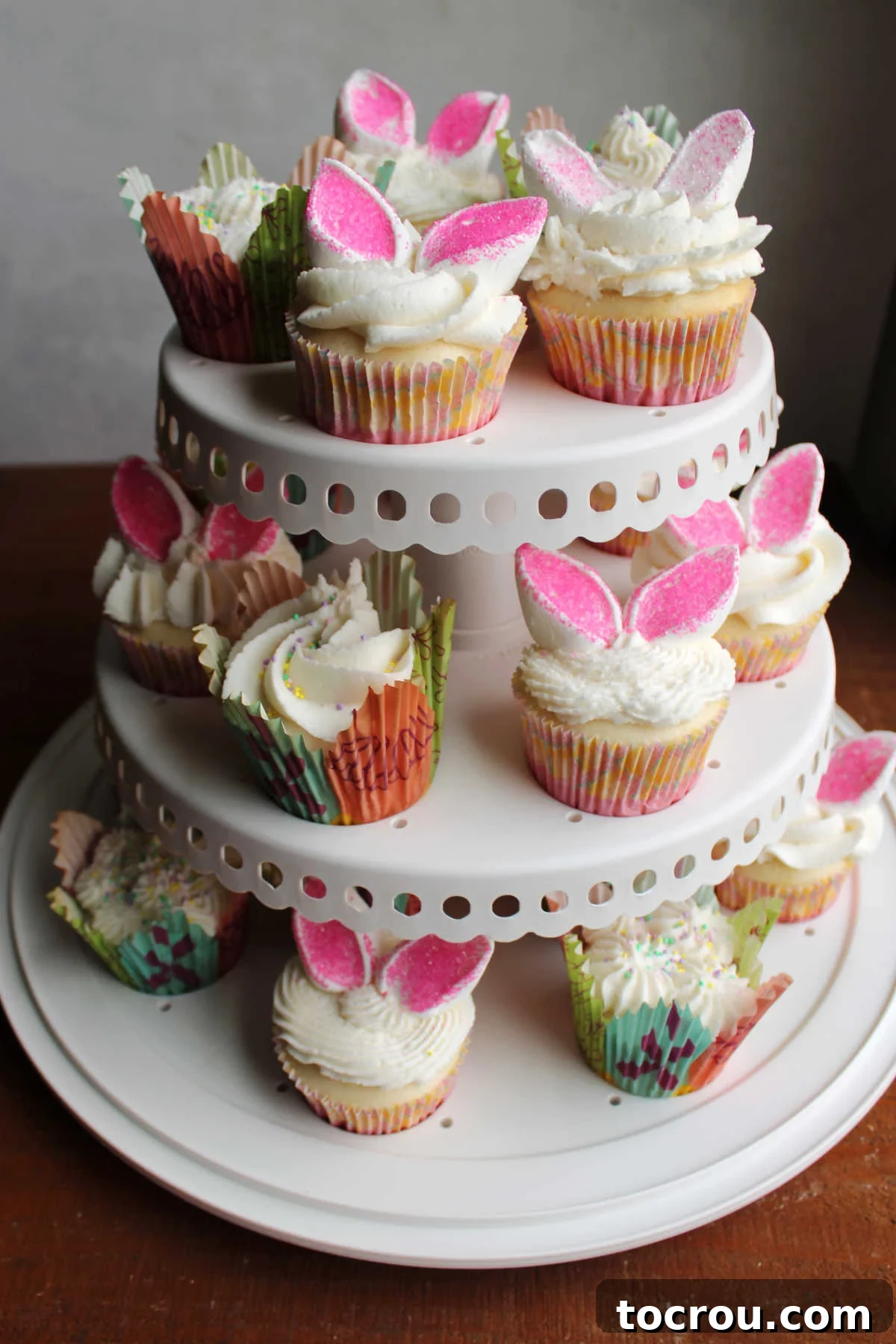
When it comes to cakes and cupcakes, crusting buttercream excels. It provides a smooth, even surface for layer cakes, perfect for achieving those coveted sharp edges that distinguish a professionally decorated cake. Its stability also makes it ideal for supporting multi-tiered cakes, acting as a reliable adhesive between layers and a sturdy base under fondant. For cupcakes, it pipes beautifully, creating voluminous swirls, rosettes, and intricate patterns that maintain their definition. We’ve used it to create adorable bunny cupcakes atop fluffy white cupcakes, showcasing its versatility for fun, themed desserts. The firm crust allows for easy handling and packaging without fear of damage to your delicate designs, ensuring your cupcakes look perfect even after transport.
Cookies and Intricate Designs Made Easy
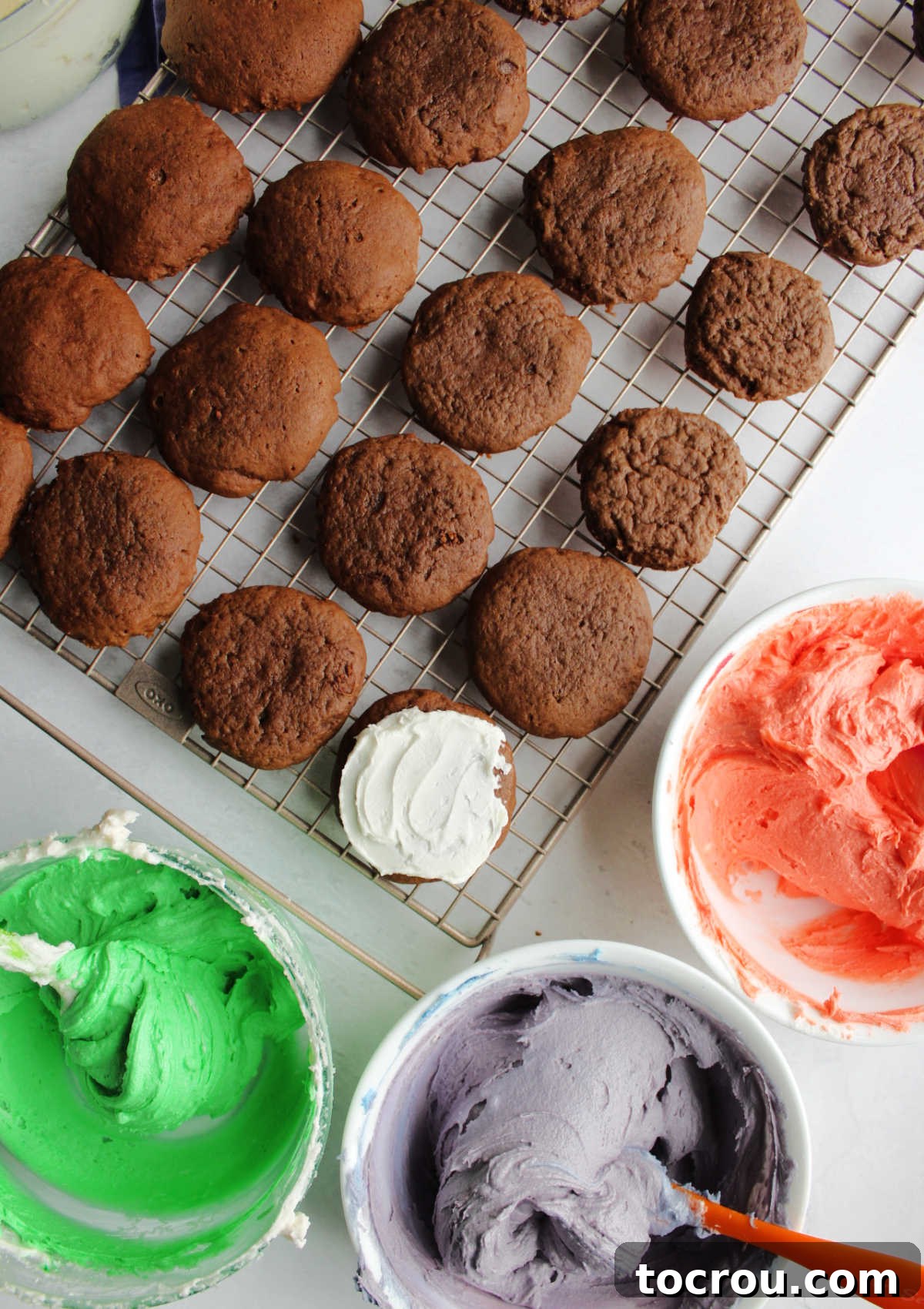
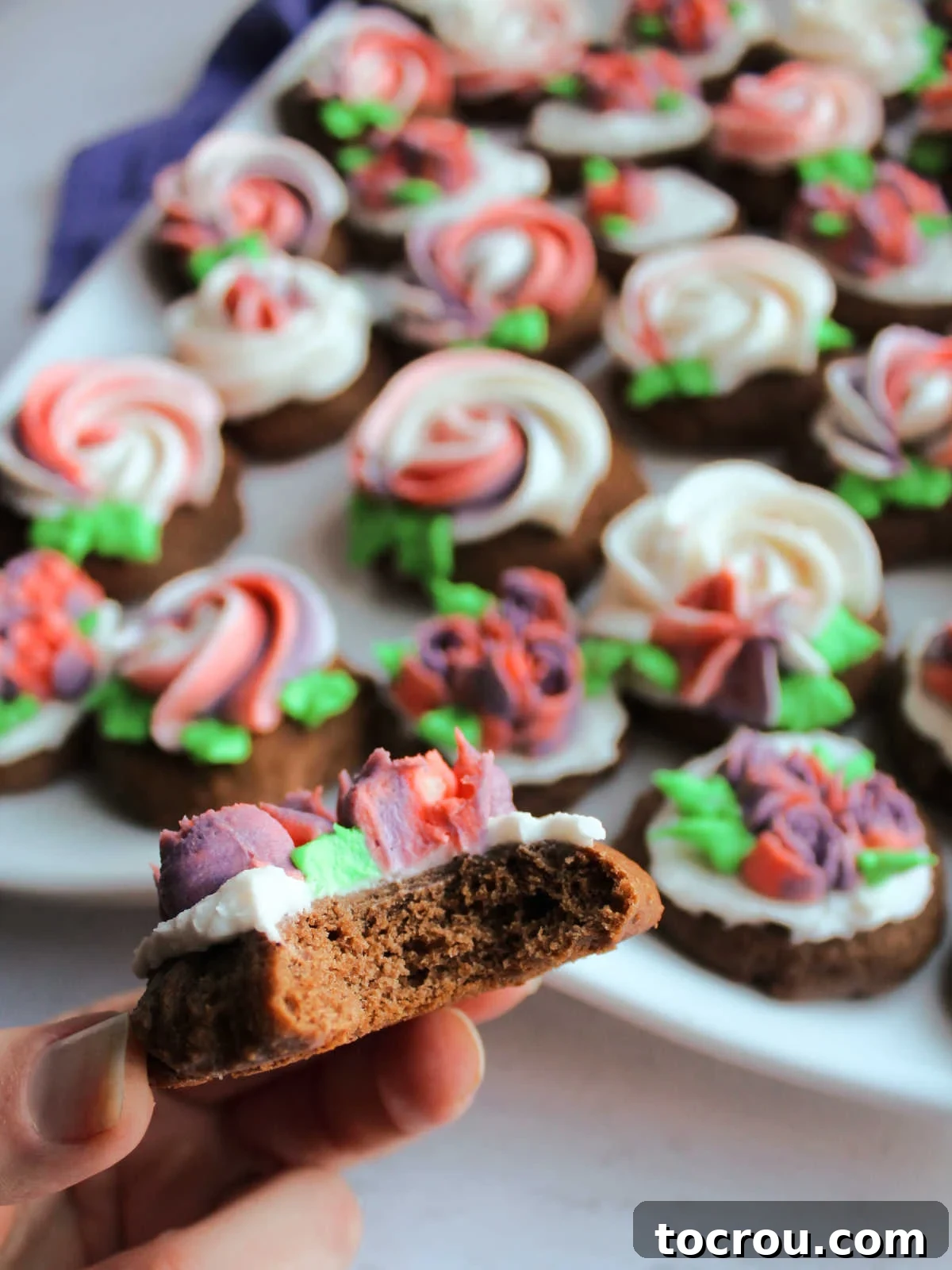
This buttercream is also a fantastic choice for decorating cookies. From simple piped borders to elaborate royal icing-like designs, its crusting property gives you the freedom to create without worry. You can pipe a design, let it crust, and then stack cookies without smudging, making it perfect for gift-giving or selling at bake sales. Its robust nature makes it especially well-suited for intricate work with various piping tips, including detailed star tips and the popular Russian piping tips for instant floral designs. Imagine piping big, beautiful rosettes or delicate small flowers on chocolate sour cream cookies – the results are always stunning and long-lasting, providing both visual appeal and a delightful texture contrast.
Perfect for Special Occasions and Travel-Friendly Desserts
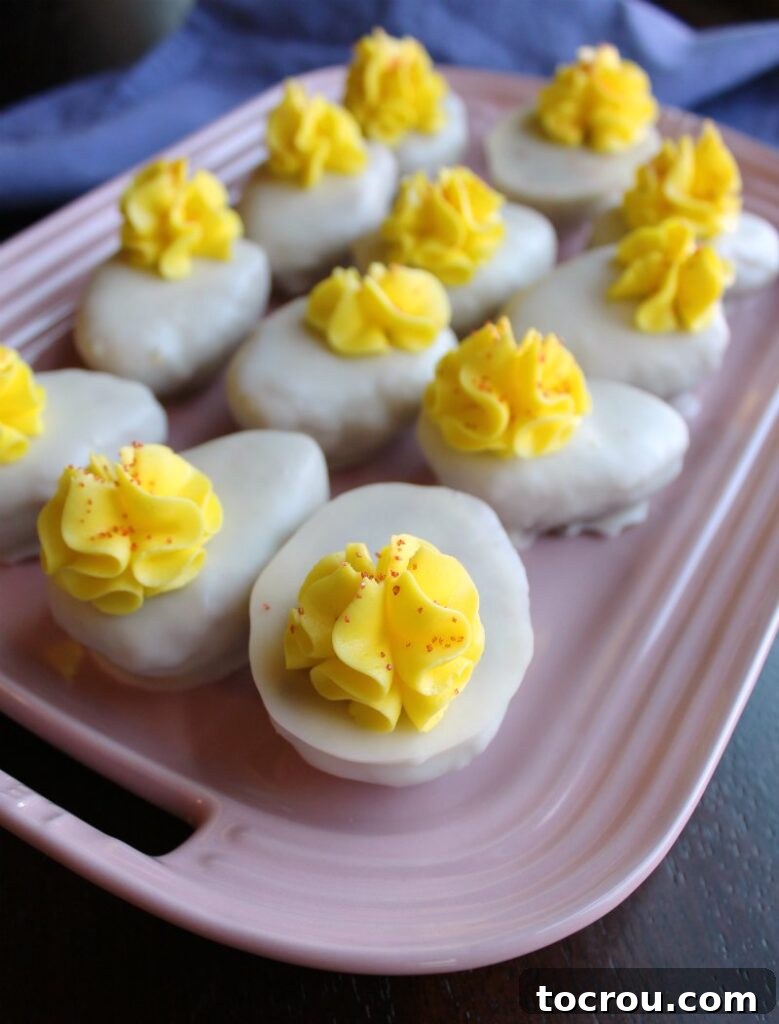
Planning an outdoor summer wedding, a birthday party in a park, or a family picnic? Crusting buttercream is your best friend. Its enhanced heat resistance provides peace of mind, allowing you to display your beautiful desserts without them melting into a puddle or losing their shape. This stability also makes it incredibly convenient for transporting baked goods. Whether it’s a short drive across town or a longer journey, the crusting property ensures that your decorations remain pristine and intact, preserving the professional look of your creations. From whimsical deviled egg cake balls for a fun April Fool’s Day treat to elegant wedding cakes, this frosting is truly indispensable for any occasion requiring durability and visual appeal, offering a solution for common frosting challenges.
Frequently Asked Questions About Crusting Buttercream
What exactly is a crusting buttercream?
Crusting buttercream is a type of frosting that, after being exposed to air for a short period, forms a light, delicate crust on its outer surface while remaining soft and creamy underneath. This crust is created by the drying of the powdered sugar and fat on the surface. This unique characteristic makes the frosting incredibly sturdy and resistant to smudges, allowing it to hold its shape exceptionally well. You can lightly touch the surface without leaving a mark, making it ideal for packaging, transporting, and creating intricate decorations that need to maintain their pristine appearance. It’s perfect as a smooth base for cakes or for detailed piping work, offering superior stability compared to non-crusting varieties.
How can I make my buttercream crust faster?
Several factors influence the crusting speed of your buttercream. The most effective way to accelerate the process is to expose the frosted item to cool, dry air. If your cake or cupcakes are fully covered with buttercream, placing them in the refrigerator can significantly speed up crusting. The dry environment of a fridge helps the surface moisture evaporate faster, leading to quicker crust formation. Rest assured, if your cake is completely sealed by the buttercream, the dry air will not negatively affect the cake’s interior. Additionally, ensuring your kitchen environment is cool and low in humidity can also help. Thinner applications of frosting will also crust more quickly than very thick layers, so apply evenly for best results.
Can I make crusting buttercream dairy-free?
Absolutely! To make a dairy-free crusting buttercream, you’ll need to substitute the butter and milk with dairy-free alternatives. For butter, opt for a high-quality, solid dairy-free butter substitute (often found in stick form in the refrigerated section). Ensure it’s suitable for baking and has a similar fat content to regular butter for optimal texture. For the milk, use any plant-based milk like almond milk, soy milk, or oat milk. The shortening component is naturally dairy-free, so no substitution is needed there. The process and stability will remain largely the same, providing a delicious and inclusive option for those with dietary restrictions without compromising on quality or performance.
How should I store leftover crusting buttercream?
Crusting buttercream is wonderfully forgiving when it comes to storage, making it perfect for preparing ahead. At room temperature (around 70°F or 21°C), it can be stored in an airtight container for up to 2-3 days, provided your kitchen isn’t excessively warm. For longer storage, refrigerate it for up to 2 weeks. Before using refrigerated buttercream, let it come to room temperature, then re-whip it with an electric mixer for a few minutes until it’s light and fluffy again. To extend its shelf life even further, you can freeze crusting buttercream for up to 3 months. Thaw it in the refrigerator overnight, then bring it to room temperature and re-whip thoroughly before use. Always store in an airtight container to prevent it from absorbing odors or drying out.
What flavors can be added to crusting buttercream?
The neutral base of crusting buttercream makes it incredibly versatile for flavor customization, allowing your creativity to shine. Beyond the classic vanilla extract, you can experiment with a vast array of flavorings. Consider almond extract for a nutty depth, lemon or orange zest and extract for a vibrant citrus kick, peppermint extract for holiday treats, or even coffee extract for a rich, bold flavor in chocolate desserts. Fruit purees (ensure they are thick and strained to avoid adding too much liquid), cocoa powder for chocolate variations, or even a touch of liqueurs can transform your frosting. Always add flavorings gradually and taste as you go to achieve your desired intensity. Gel food colorings are also perfect for adding vibrant hues without affecting consistency, giving you limitless color possibilities.
Classic Crusting Buttercream Recipe
Carlee
36 Servings (approximately 5½ cups)
This ultimate crusting buttercream recipe is your ticket to perfectly decorated cakes and cookies that maintain their beauty and integrity. With its superior stability and delightful flavor, it’s perfect for both spreading and intricate piping. Master this versatile frosting and elevate all your baking endeavors!
13 minutes
0 minutes
13 minutes
Ingredients
- ½ cup unsalted butter (softened to room temperature)
- 1½ cups vegetable shortening
- 2 lbs. powdered sugar (confectioners’ sugar), sifted
- 1½ Tablespoons vanilla extract or your favorite flavoring/extract
- 5 Tablespoons milk (whole milk recommended for best results, or dairy-free alternative)
Instructions
-
In a large mixing bowl, cream together the softened butter and vegetable shortening. Beat on medium speed with an electric mixer until the mixture is light, fluffy, and well combined, usually for about 2-3 minutes. Scrape down the sides of the bowl as needed to ensure everything is incorporated and no lumps remain.
-
Gradually add the sifted powdered sugar to the creamed butter and shortening mixture, one cup at a time, beating on low speed until each addition is fully incorporated. This crucial step prevents a sugar cloud from forming and ensures a smooth, lump-free frosting base. Once all the sugar is added, mix in the vanilla extract or your chosen flavoring. Add 2 tablespoons of milk at this stage to start the hydration process.
-
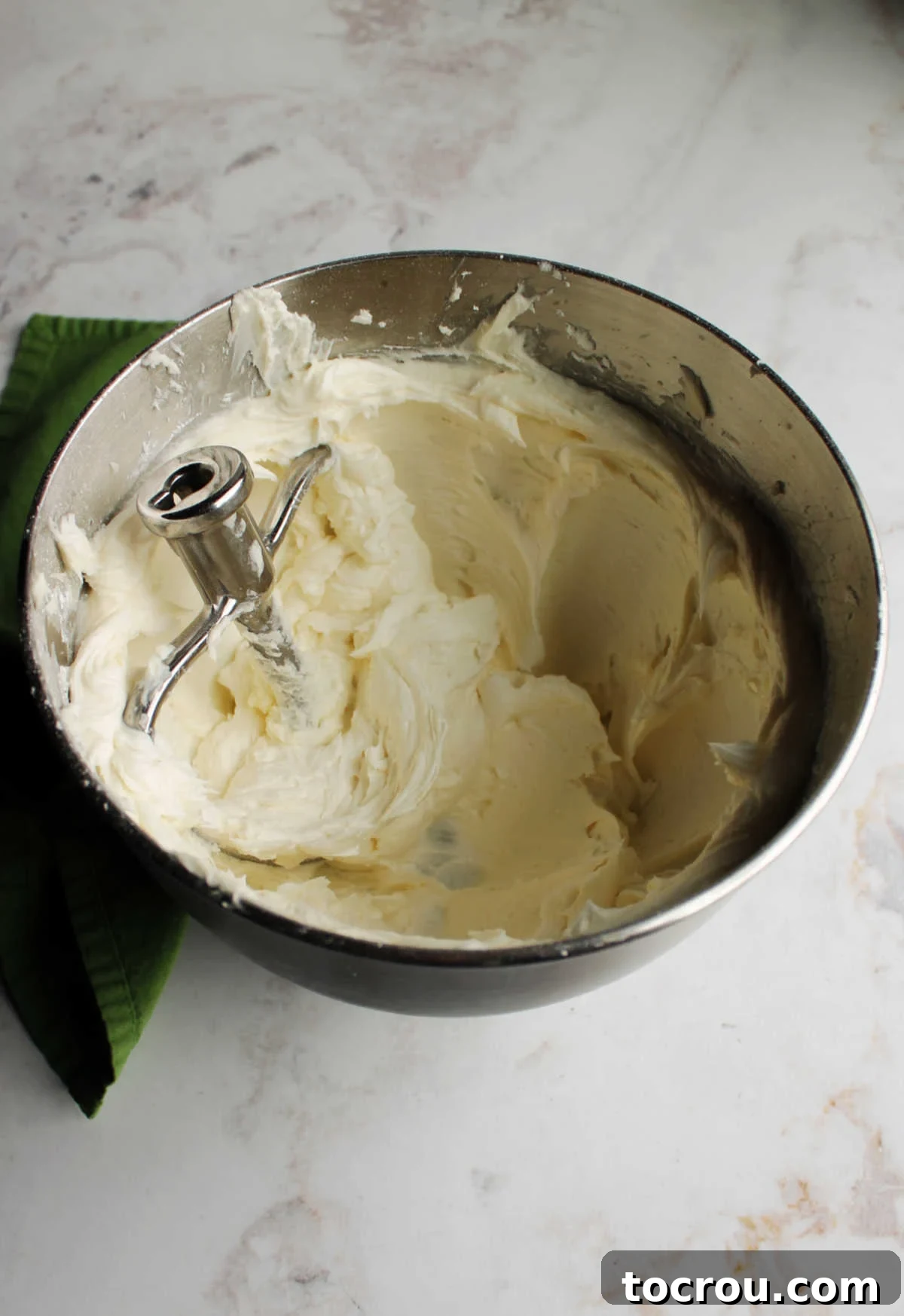
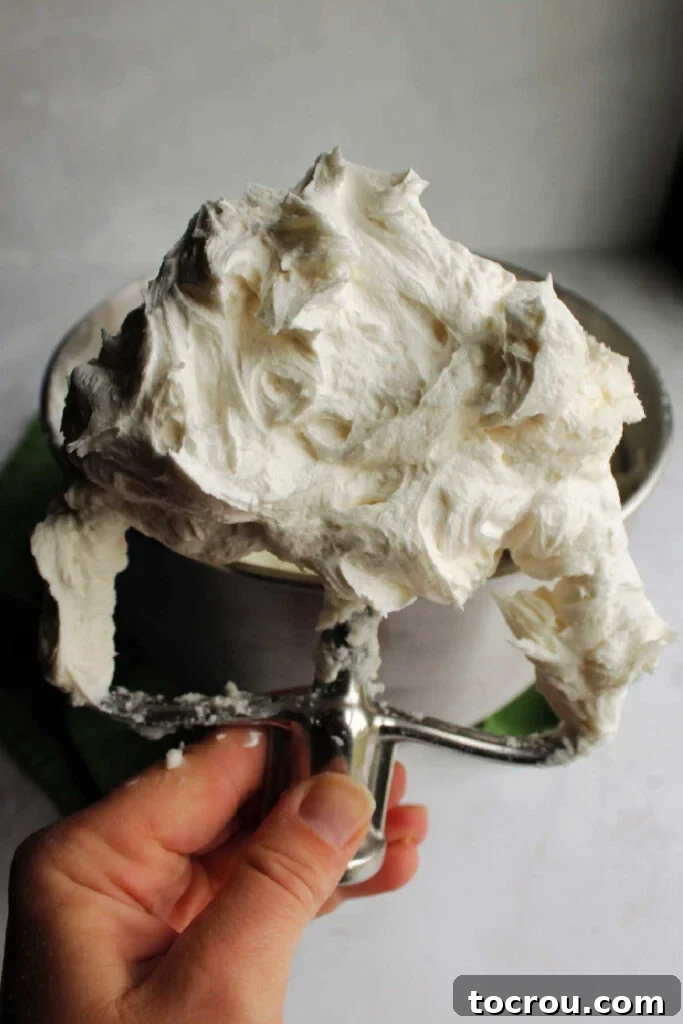
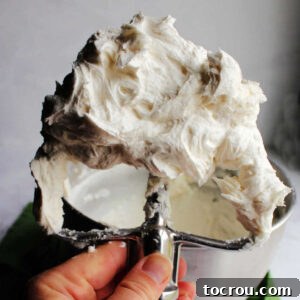
Increase the mixer speed to medium-high and beat for at least 5-7 minutes. During this beating process, gradually add the remaining milk (up to 3 more tablespoons, for a total of 5 tablespoons) one tablespoon at a time, until you reach your desired consistency. For a thicker frosting suitable for piping intricate details, use less milk. For a smoother, spreadable consistency ideal for coating cakes, you might use the full amount. Continue beating until the buttercream is incredibly light, airy, and fluffy, ensuring it’s well-aerated for the best texture.
Recipe Notes & Tips for Success
This recipe yields approximately 5½ cups of crusting buttercream, which is ample for frosting 48 standard cupcakes or a 9-inch, two-layer cake with enough leftover for decorative flourishes. If you’re frosting a three-layer 9-inch cake, it will be sufficient provided you apply the frosting in a moderate thickness to ensure coverage.
If your decorating project requires less frosting, you can easily adjust the recipe by cutting all ingredient quantities in half. Look for a scaling button near the ingredients list for quick adjustments, or manually halve the amounts if no such tool is available.
Should you find yourself with excess buttercream, don’t fret! Crusting buttercream freezes exceptionally well. Simply transfer any unused frosting to an airtight container and freeze for up to three months. When you’re ready to use it, thaw it in the refrigerator overnight, then bring it to room temperature and re-whip it with a paddle attachment on your stand mixer until it regains its original light and fluffy texture, adding a splash of milk if needed.
For vibrant colors, incorporate gel food coloring once your buttercream has reached its desired consistency and fluffiness. Gel colors are highly concentrated and won’t significantly alter the frosting’s texture, allowing for brilliant hues without thinning it out, unlike liquid food colorings.
If your buttercream feels too stiff, add a tiny bit more milk or heavy cream (½ teaspoon at a time) and re-whip until it’s pliable. If it’s too loose, add a tablespoon of sifted powdered sugar and re-whip until desired consistency is achieved. Patience and small adjustments are key.
Video Tutorial: Crusting Buttercream
Nutrition Information (Estimate Per Serving)
Serving Size: 1 Serving | Calories: 200 kcal | Carbohydrates: 25g | Fat: 11g | Saturated Fat: 5g | Polyunsaturated Fat: 6g | Cholesterol: 12mg | Sodium: 23mg | Sugar: 25g
Disclaimer: “Cooking With Carlee” is not a dietitian or nutritionist, and any nutritional information shared is an estimate. If calorie count and other nutritional values are important to you, we recommend running the ingredients through whichever online nutritional calculator you prefer. Calories and other nutritional values can vary quite a bit depending on which brands were used.
Loved this Crusting Buttercream recipe?
Don’t forget to leave a rating below and share your creations! Make sure to follow on Pinterest and Instagram for more inspiring recipes and decorating tips!