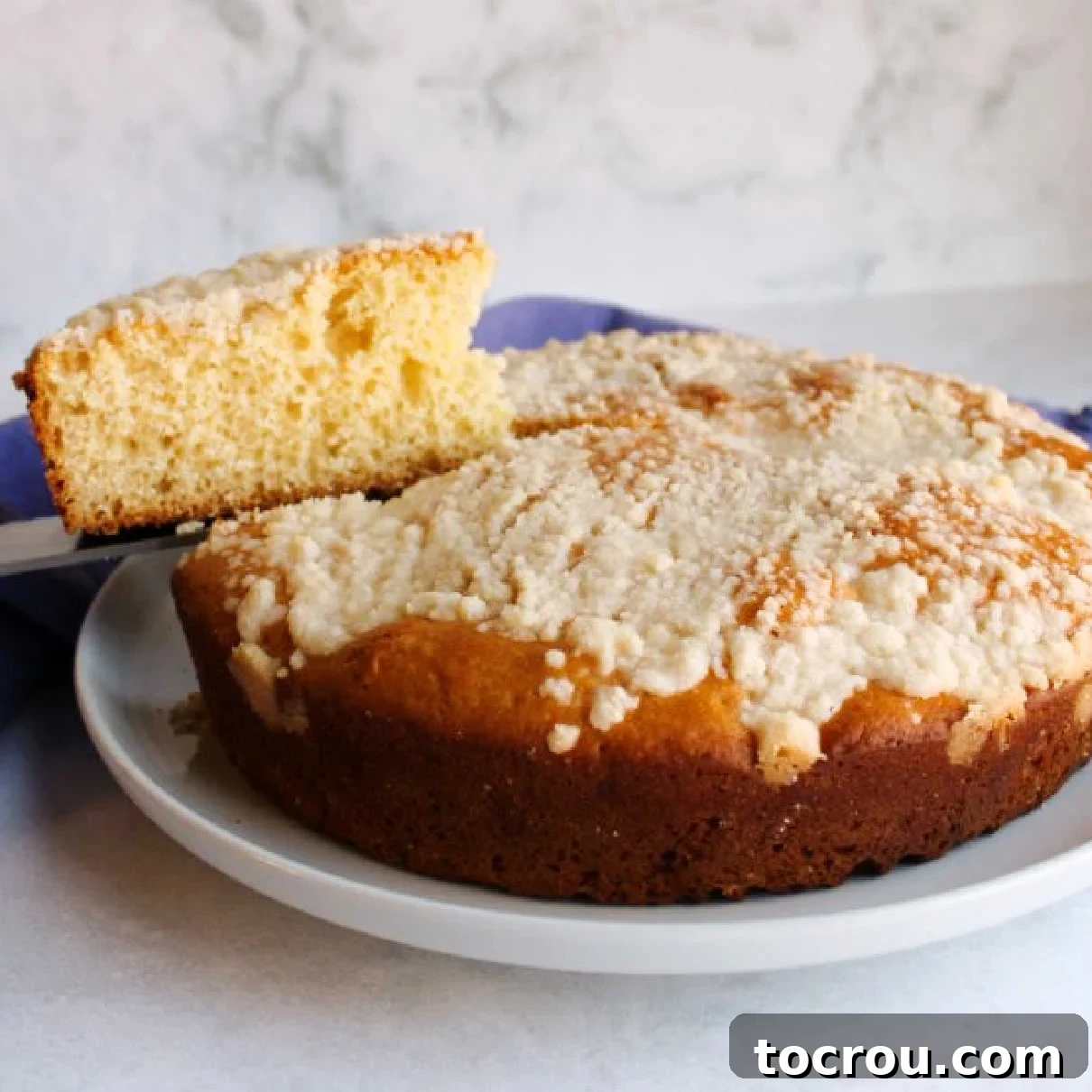
Step into the heartwarming tradition of Polish baking with this incredible recipe for Polish Placek. More than just a sweet bread, Placek is a culinary emblem, cherished especially during Easter, yet wonderfully comforting any day of the year. Imagine a tender, enriched yeast bread, almost a hybrid between a brioche and a coffee cake, crowned with an irresistible buttery crumb topping known as Kruszynki. This delightful treat is destined to become a staple in your home, whether served with your morning coffee, afternoon tea, or as a centerpiece for your holiday brunch.
What is Placek? The Quintessential Polish Sweet Bread
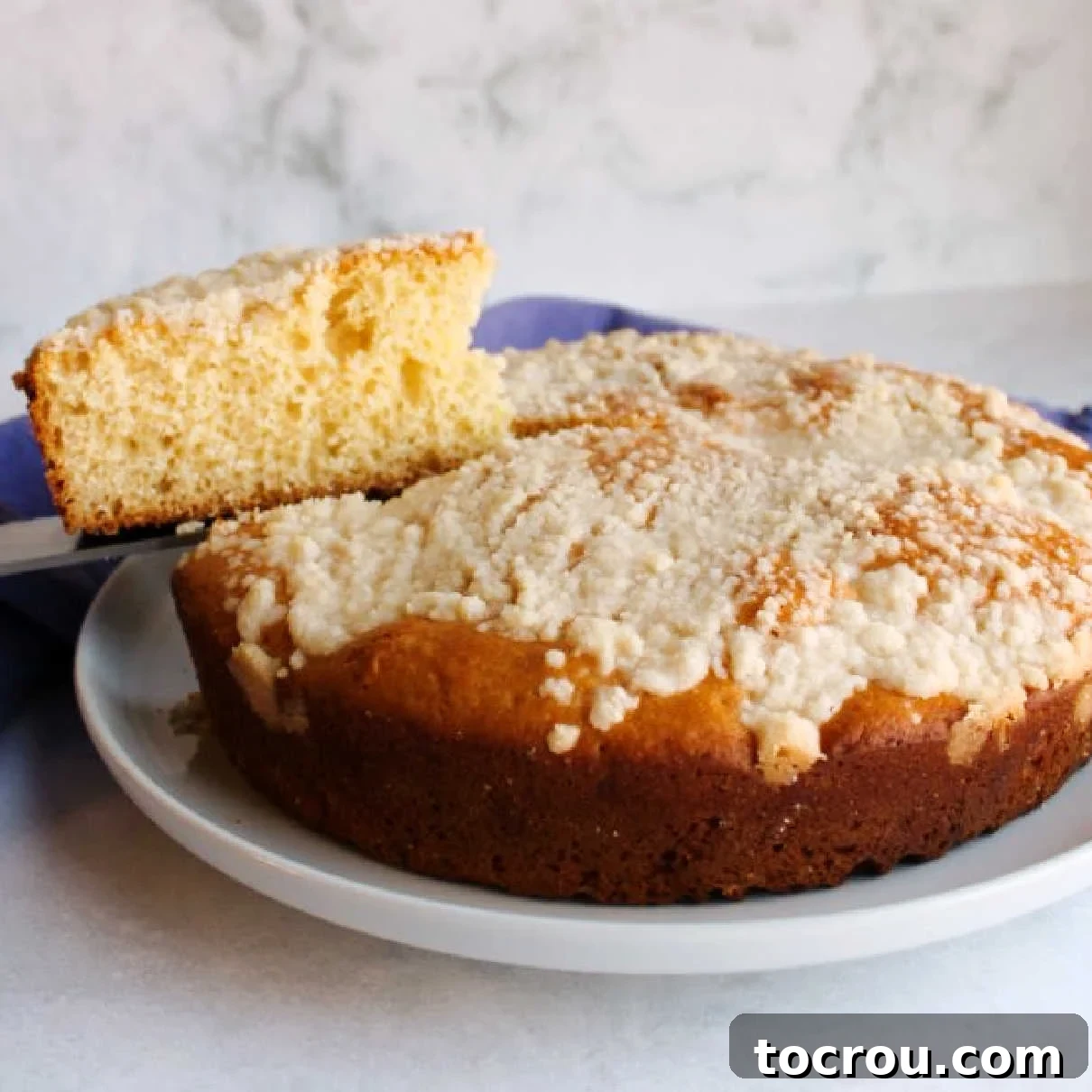
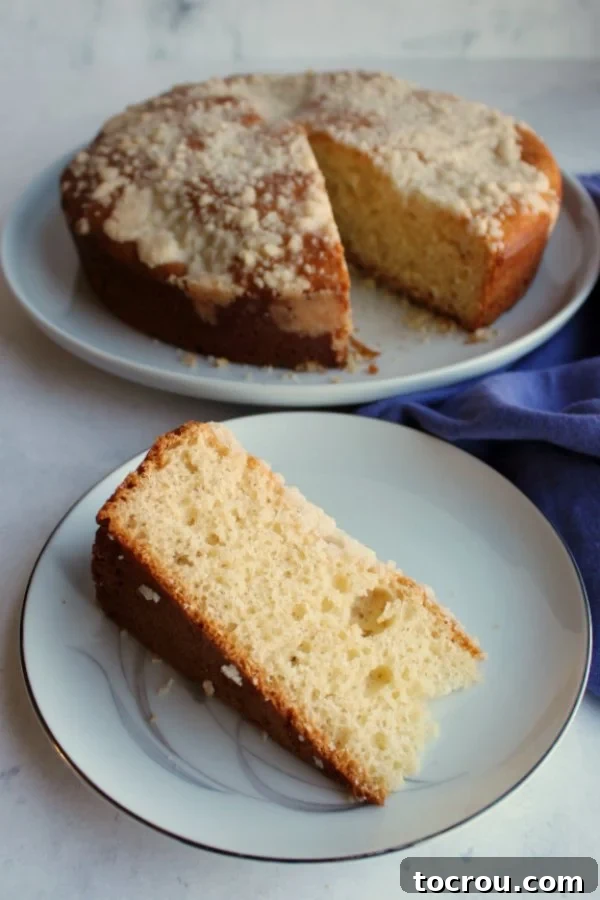
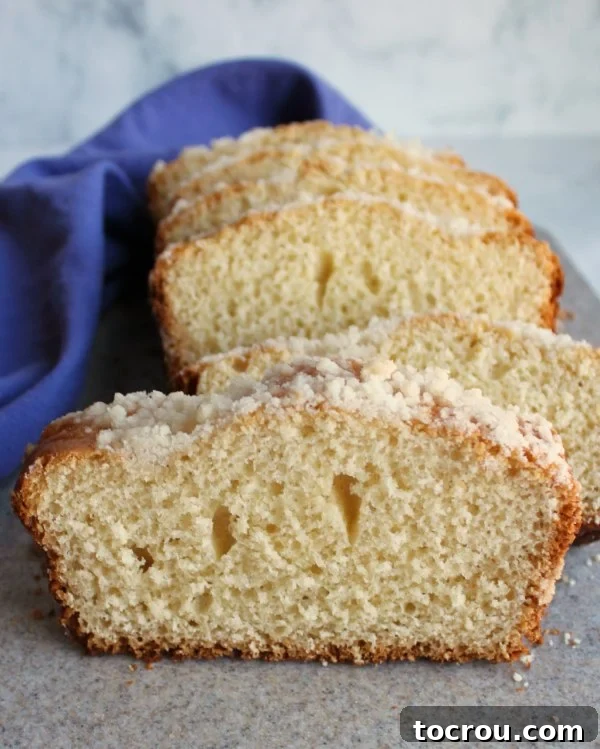
Placek (pronounced “plah-sek”), literally meaning “flat cake” or “pie” in Polish, embodies the rich culinary heritage of Poland. It’s a sweet, yeast-leavened bread known for its incredibly tender, almost cake-like crumb. Unlike many coffee cakes that rely on chemical leaveners, Placek achieves its lofty texture and depth of flavor through a meticulous yeast-rising process. The dough itself is enriched with butter and eggs, contributing to its luxurious richness and golden hue. But what truly sets Placek apart is its generous, golden crumb topping, Kruszynki, which adds a delightful texture and a sweet, buttery crunch to every bite. This combination creates a sophisticated yet comforting treat that’s hard to resist.
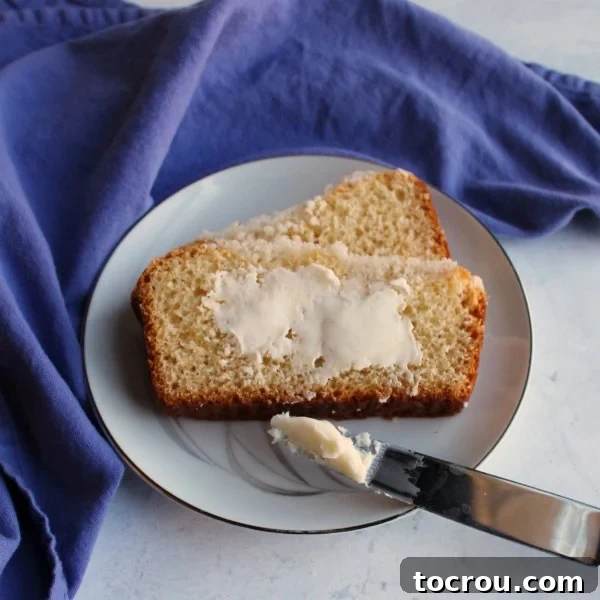
While often enjoyed fresh from the oven, Placek also holds up beautifully for several days. A simple spread of butter or your favorite fruit jam can elevate it further, making it a versatile option for breakfast, brunch, or an indulgent snack. The fact that a single batch typically yields two loaves (or round cakes) makes it even better: enjoy one now and freeze the other for a convenient treat later, ensuring you always have a taste of Polish tradition on hand.
A Cherished Easter Tradition and Year-Round Delight
For many Polish families, particularly Polish-Americans, Placek is an indispensable part of Easter celebrations. It symbolizes the sweetness of spring and the joy of coming together after the solemnity of Lent. Its presence on the Easter table, alongside other traditional dishes, speaks to generations of cultural pride and culinary expertise. My Nana’s Polish heritage always sparked a desire to explore these rich traditions. Last year’s lemony babka, another fantastic Polish sweet bread, was such a hit that I knew I had to delve deeper into Polish baking for our annual Easter Open House brunch. Placek, with its appealing coffee cake qualities, was the perfect candidate!
While deeply rooted in Easter customs, there’s absolutely no reason to limit this exquisite sweet bread to just one season. Its comforting flavors and delightful texture make it an ideal companion for any gathering, a quiet morning, or an afternoon pick-me-up. Imagine serving slices of warm Placek with tea during a chilly autumn afternoon, or as a light dessert on a summer evening. Its adaptability ensures it can bring a touch of special occasion to everyday moments throughout the year.
The Quest for Authenticity: Mrs. Mary Lipinski’s Recipe
In my search for the ultimate Placek recipe, I discovered a treasure trove of variations, each boasting a rich yeast dough foundation, abundant in butter and eggs, and all featuring the signature Kruszynki topping. Many were traditionally baked in loaf pans, each promising a delectable outcome. The true gem, however, came from an unexpected source: a Polish parish’s website, featuring a newspaper clipping dated March 17, 1966. This was the handwritten recipe of Mrs. Mary Lipinski, residing at 124 Colt Street – a testament to generations of home baking.
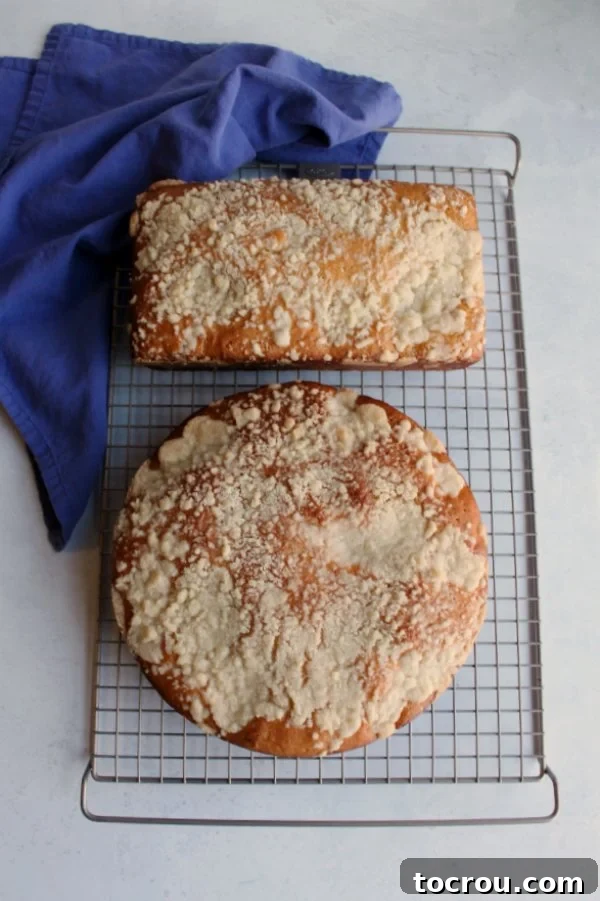
Mrs. Lipinski’s recipe carried the weight of authenticity and experience, and I instinctively knew it was the one to follow. My first attempt adhered strictly to her instructions, a golden rule in baking, especially when working with traditional recipes. The original recipe, designed for a crowd, yielded four substantial loaves – a generous amount even for my large, food-loving family! For subsequent batches, I made careful adjustments to scale it down to a more manageable two loaves, a perfect quantity for most households. Should you need to serve a larger gathering, simply double the ingredients, and the recipe scales beautifully.
Customizing Your Placek: Raisins, Nuts, and Citrus Zest
While the classic Placek is divine on its own, it also offers wonderful opportunities for customization. Many traditional recipes, including my Polish babka, often feature golden raisins incorporated into the dough. These add pockets of chewy sweetness and a subtle fruity note that complements the rich bread. However, I understand that raisins can be a divisive ingredient! In my adapted recipe, I’ve opted to omit them to cater to broader preferences, but feel free to stir in a cup of golden raisins when adding the flour for an authentic touch. For those who enjoy a nutty crunch, walnuts are a popular addition to the Kruszynki crumb topping. Finely chopped walnuts or pecans can be mixed into the crumb topping mixture before sprinkling it over the dough, adding another layer of texture and flavor. This time, I kept it simple, but don’t hesitate to experiment with these delicious additions to make the Placek truly your own.
Another fantastic way to brighten the flavor of Placek is through citrus zest. The original recipe includes a dash of nutmeg and the zest of lemon or orange. Lemon zest provides a bright, refreshing counterpoint to the richness of the butter and eggs, while orange zest offers a warmer, subtly sweeter aroma. If fresh citrus isn’t available, half a teaspoon of lemon extract can provide a similar aromatic quality, ensuring your Placek has that signature hint of brightness.
Mastering the Bake: Essential Tips for Perfect Placek
Baking Placek is a journey that rewards patience and attention to detail. This sweet bread undergoes three distinct rising stages, each crucial for developing its complex flavor and signature light texture: the initial sponge, the main dough proofing, and the final rise in the pan. While this might seem time-consuming, it’s this extended fermentation that coaxes out the rich flavors and ensures an incredibly tender crumb. Don’t rush these steps; they are key to a truly magnificent Placek.
The Three Stages of Rise: Time and Flavor Development
- The Sponge: This initial stage activates the yeast, allowing it to become robust and bubbly. It’s a foundational step that builds flavor and ensures a lively dough.
- First Proof (Dough Rise): After mixing, the dough undergoes its first significant rise, developing gluten and expanding in volume. This is where much of the bread’s structure and elasticity are formed.
- Second Proof (Final Rise in Pan): The final rise in the baking pan ensures the bread achieves its full potential for height and airiness before baking, resulting in a beautiful domed top and delicate crumb.
One fantastic aspect of this dough is its flexibility. If you’re short on time or prefer to spread your baking over two days, you can chill the dough after its first proof. Simply cover the bowl tightly with plastic wrap and refrigerate it for up to three days. When you’re ready to bake, let the dough return to room temperature before proceeding with shaping and the final rise. This slow fermentation in the fridge can even enhance the dough’s flavor, adding a subtle depth.
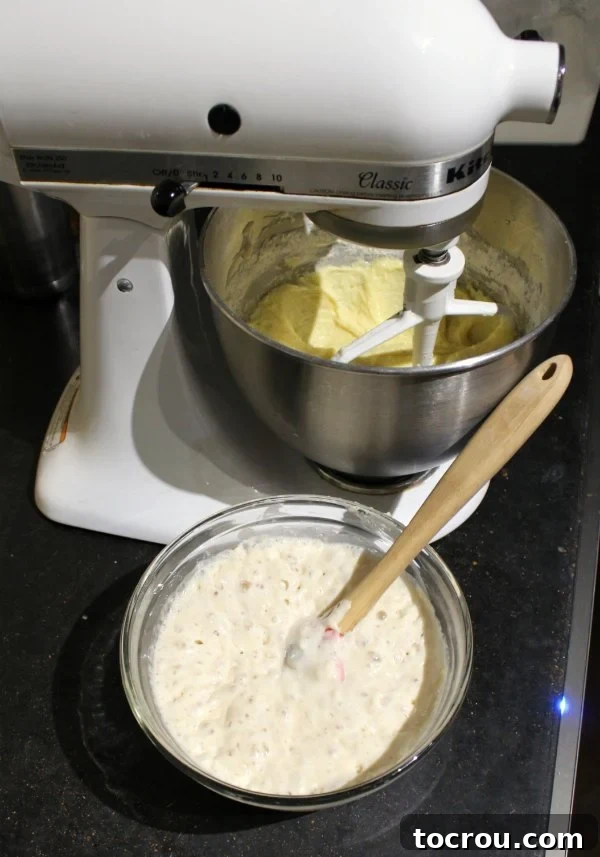
A common point of confusion for new Placek bakers is the dough’s consistency. Unlike typical bread doughs that form a firm, pliable ball, Placek dough is more akin to a very thick, sticky batter. It won’t be a neat ball, but rather a soft, loose, and adhesive mixture. This high hydration and richness are what contribute to its cake-like tenderness. As you mix, aim for a smooth and elastic texture, indicating proper gluten development, even if it remains sticky to the touch.
While you *can* mix the flour by hand, a stand mixer with a dough hook will be your best friend for Placek. The mixer effortlessly handles the sticky dough, ensuring proper gluten development without tiring your arms. Five minutes of medium-speed mixing in a stand mixer is usually sufficient to achieve the desired smooth, elastic, and well-developed consistency, making the entire process much more enjoyable and efficient.
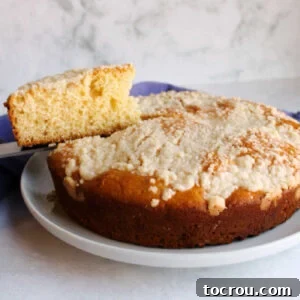
Polish Placek: An Enriched Sweet Bread
Author: Carlee
Servings: 24 Servings
This Placek recipe is part coffee cake and part sweet bread. It is traditional around Easter, but fabulous any time. The buttery crumb topping is what makes it extra special. It is especially popular amongst Polish Americans but should be a staple in every home!
Prep Time: 5 hrs
Cook Time: 40 mins
Total Time: 5 hrs 40 mins
Equipment
- KitchenAid 5-Qt. Stand Mixer
- USA Pan Loaf Pan
Ingredients
Sponge
- 1 cup milk
- 2½ teaspoons granulated sugar
- 2½ teaspoons active dry yeast (1 pkg)
- 1 cup all-purpose flour
Dough
- ½ cup unsalted butter, softened
- 1 cup granulated sugar
- 3 large eggs, at room temperature
- ½ teaspoon salt
- Dash nutmeg
- Zest of lemon or orange, or ½ teaspoon lemon extract
- 2½ cups all-purpose flour
Crumb Topping
- 3 Tablespoons unsalted butter, softened
- ⅓ cup granulated sugar
- ½ cup all-purpose flour
Instructions
Sponge
- Warm the 1 cup milk to about 105°F. It should be warm to the touch, but not so warm you couldn’t keep your finger in it.
- Pour into a large bowl. Stir in the 2½ teaspoons granulated sugar and 2½ teaspoons active dry yeast, let sit for about 15 minutes. It should be foamy and active.
- Stir in the 1 cup all-purpose flour and let sit until about doubled in size, about 45 minutes.
- During this time, pull the ½ cup unsalted butter and 3 large eggs out of the refrigerator for the dough if you haven’t already.
Dough
- Cream together the ½ cup unsalted butter and 1 cup granulated sugar until light and fluffy.
- Add the 3 large eggs, one at a time, mixing well between each addition.
- Stir in the ½ teaspoon salt, dash nutmeg, and zest of lemon or orange (or extract).
- Add 1 cup flour, beating until combined. Add sponge and remaining 1½ cups flour. Beat for 5 minutes on medium speed. The batter should be smooth and elastic, but still sticky. It is more of a stiff batter than a ball of dough.
- Place in a greased bowl and cover with plastic wrap or a damp towel. Allow to rise until doubled, about 1½ – 2 hours.
- The proofed dough can be left covered and refrigerated for up to 3 days at this point. (Just allow it to come to room temperature again before proceeding.)
Crumb Topping and Baking
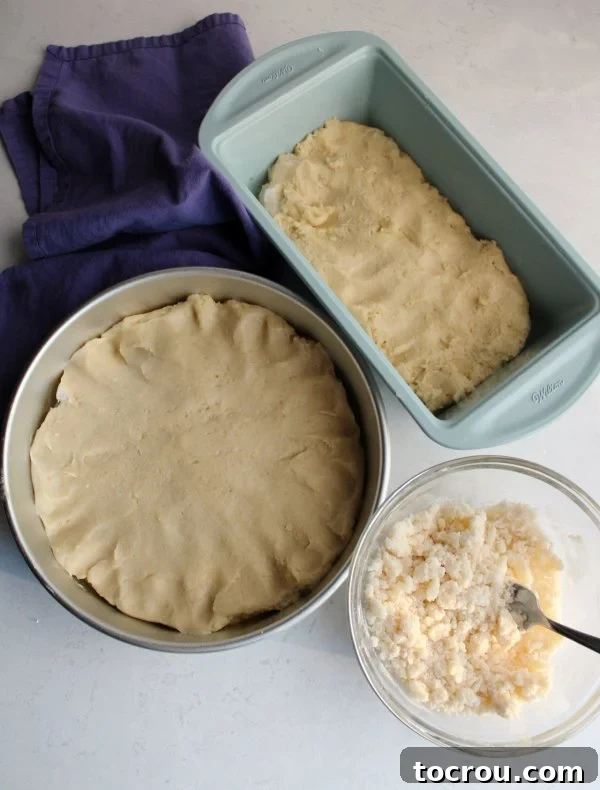
- Grease two 9×5-inch loaf pans, two 9-inch round cake pans, or one of each. Punch down the proofed dough and put half in each pan. Using damp or greased fingers, press the dough to the edges of the pan.
- Cut together the 3 Tablespoons unsalted butter, ⅓ cup granulated sugar, and ½ cup all-purpose flour until the mixture is crumbly and well mixed. Sprinkle half over each part of the dough. Press lightly to affix to the dough.
- Cover and let rise until they are risen almost to the top of the pans, about 1½ hours.
- Preheat oven to 325°F. Bake 35-40 minutes. They should be golden on top.
- Cool in the pans for 10 minutes, then remove from pan and place on a wire rack until completely cool.
- Store in an airtight container at room temperature or wrap and freeze for up to 3 months.
- Serve slightly warmed or at room temperature with a spread of butter or preserves.
Nutrition Information
Serving: 1 Serving | Calories: 182kcal | Carbohydrates: 28g | Protein: 3g | Fat: 6g | Saturated Fat: 4g | Polyunsaturated Fat: 0.4g | Monounsaturated Fat: 2g | Trans Fat: 0.2g | Cholesterol: 36mg | Sodium: 62mg | Potassium: 50mg | Fiber: 1g | Sugar: 12g | Vitamin A: 208IU | Vitamin C: 0.001mg | Calcium: 21mg | Iron: 1mg
“Cooking With Carlee” is not a dietitian or nutritionist, and any nutritional information shared is an estimate. If calorie count and other nutritional values are important to you, we recommend running the ingredients through whichever online nutritional calculator you prefer. Calories and other nutritional values can vary quite a bit depending on which brands were used.
Did you try this recipe?
Don’t forget to leave a rating below and make sure to follow on Pinterest and Instagram for more!
More Popular Coffee Cake Recipes
Great-Great-Grandma’s Dutch Apple Cake
Peach Breakfast Cake
Grandma’s Sour Cream Coffee Cake
Irish Tea Brack