Transform your desserts into truly spectacular and edible works of art with this incredibly easy and versatile white modeling chocolate recipe. Whether you’re a seasoned cake decorator or just starting your journey into the world of edible crafts, this pliable confection is a game-changer. Requiring just two simple ingredients, it takes color beautifully and can be molded, shaped, and sculpted into an endless array of stunning designs, intricate details, and whimsical figures. Imagine crafting delicate flowers, realistic leaves, or charming characters that not only look amazing but taste delicious too! Unlike some other decorating mediums, this homemade modeling chocolate offers a delightful, melt-in-your-mouth experience, making your edible creations as enjoyable to eat as they are to behold.
Modeling chocolate, often referred to as ‘chocolate clay’ or ‘candy clay,’ is a fantastic way to add professional-looking flair and delightful taste to all your baked goods. This particular recipe is a marvel of simplicity, harnessing the magic of combining just white chocolate (or white candy melts) with light corn syrup. The chemical reaction between these two ingredients prevents the chocolate from fully seizing and instead creates a smooth, flexible, and perfectly pliable paste. Its texture is remarkably similar to soft playdough, making it incredibly forgiving and an absolute joy to work with, whether you’re creating detailed embellishments or covering an entire cake. The best part? It’s significantly more flavorful than many traditional sugar pastes like fondant, ensuring your decorations contribute positively to the overall dessert experience.
My son, affectionately known as Little Dude, has recently been completely captivated by the art of cake decorating, and much to my pleasant surprise, he’s proven to be quite a natural artist in the kitchen! It’s a humorous contrast, really, because while I absolutely adore baking cakes and love the process, I often find myself lacking the intricate artistic flair required for truly elaborate decorations. My go-to approach tends to be more minimalist, sticking to simpler, elegant designs. Little Dude, on the other hand, is drawn to complex and ambitious concepts that, I admit, initially make me a little nervous about the outcome. Yet, with a combination of focus and innate talent, he consistently manages to pull off his designs with remarkable success, bringing his imaginative visions to life. It’s truly a delight to watch his creative process unfold, step by edible step.
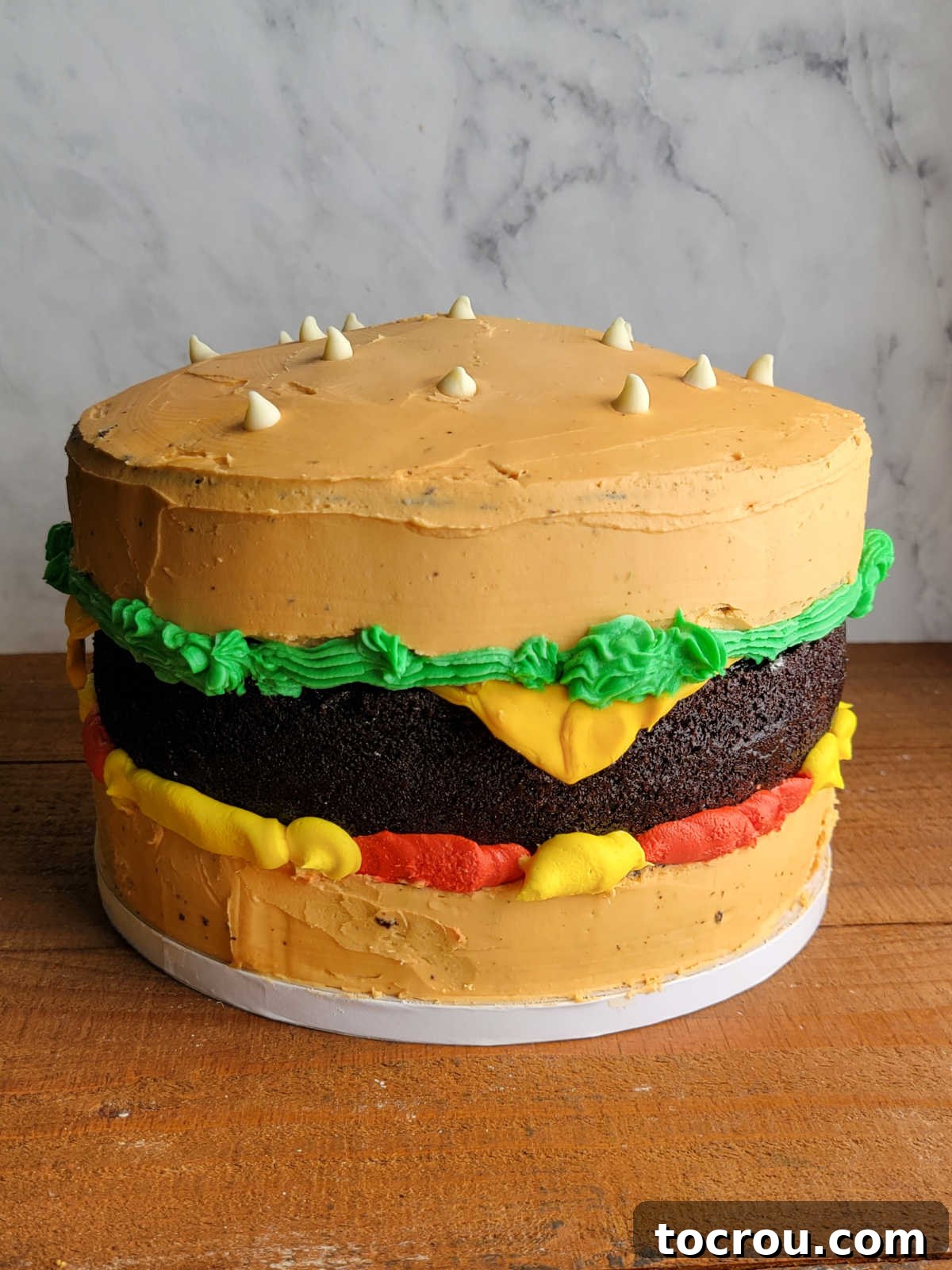
His inaugural solo cake project was a fantastic and unforgettable cheeseburger cake, meticulously crafted for my grandma’s birthday. For this culinary masterpiece, he ingeniously dyed some of our homemade modeling chocolate a vibrant, realistic orange to create a perfectly convincing slice of cheese that looked ready to melt. That project marked our very first adventure into the exciting world of homemade modeling chocolate, and it was an absolute blast for both of us. The ease of handling this versatile medium and the impressive, delicious results immediately captivated us, setting the stage for many more edible decorating endeavors to come. We discovered that modeling chocolate is not only easy to sculpt but also holds its shape beautifully once set, making it ideal for structural decorations.
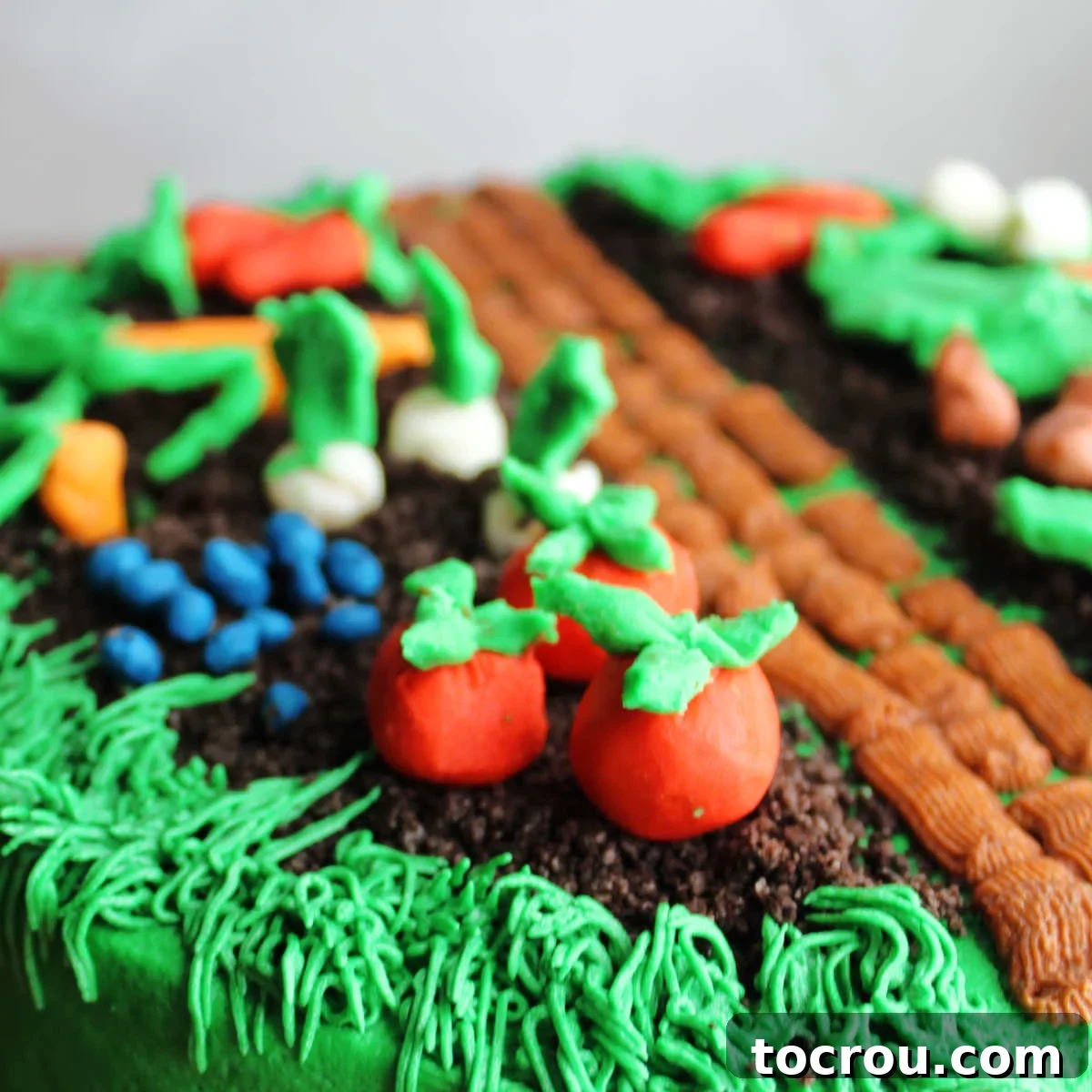
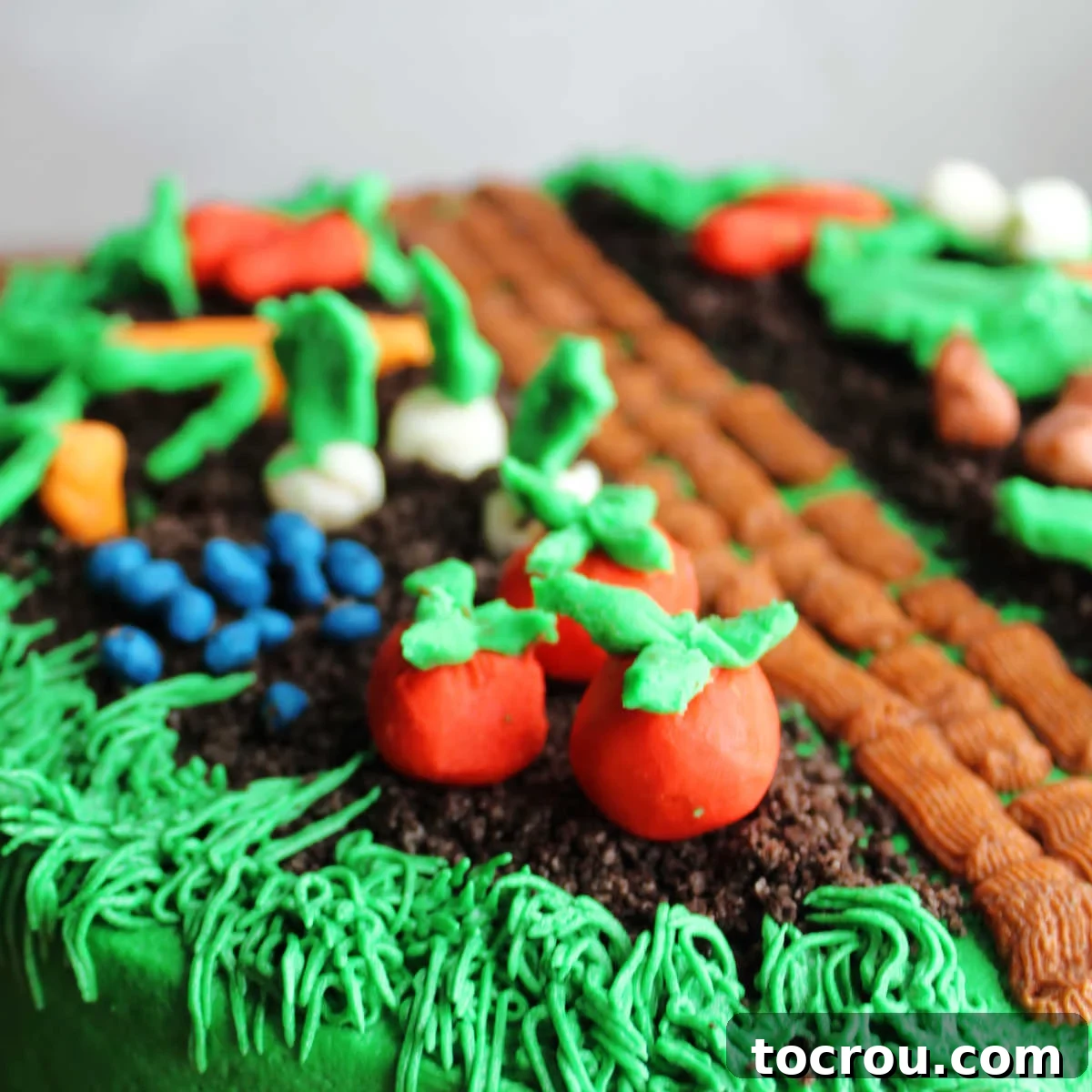
The following year, for his own birthday celebration, Little Dude had a very specific vision: a detailed duck hunting-themed cake. Without hesitation, he turned to our trusty modeling chocolate once again to craft all the intricate decorations. He sculpted miniature ducks, created realistic marsh reeds, and even formed camouflage patterns to adorn the sides of the cake. This medium provided the perfect blend of workability and deliciousness, allowing him to bring his unique and detailed vision to life with edible precision. And then, this year, his birthday theme evolved into a delightful garden, complete with vibrant flora and fauna. True to form, modeling chocolate became his indispensable material for shaping all the charming miniature fruits and vegetables that artfully adorned the top of the cake, transforming it into a vibrant, edible landscape filled with tiny tomatoes, carrots, peas, and berries.
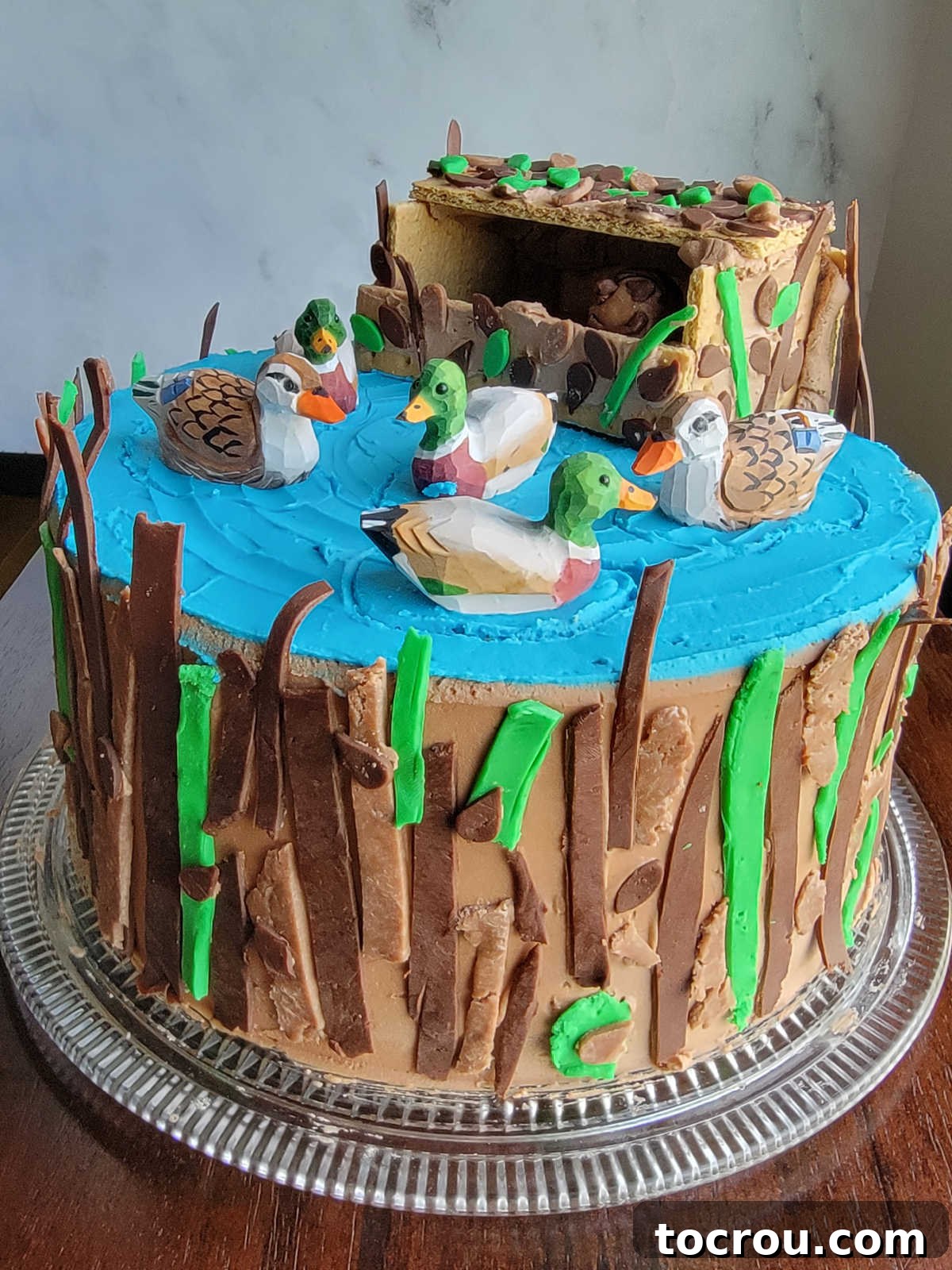
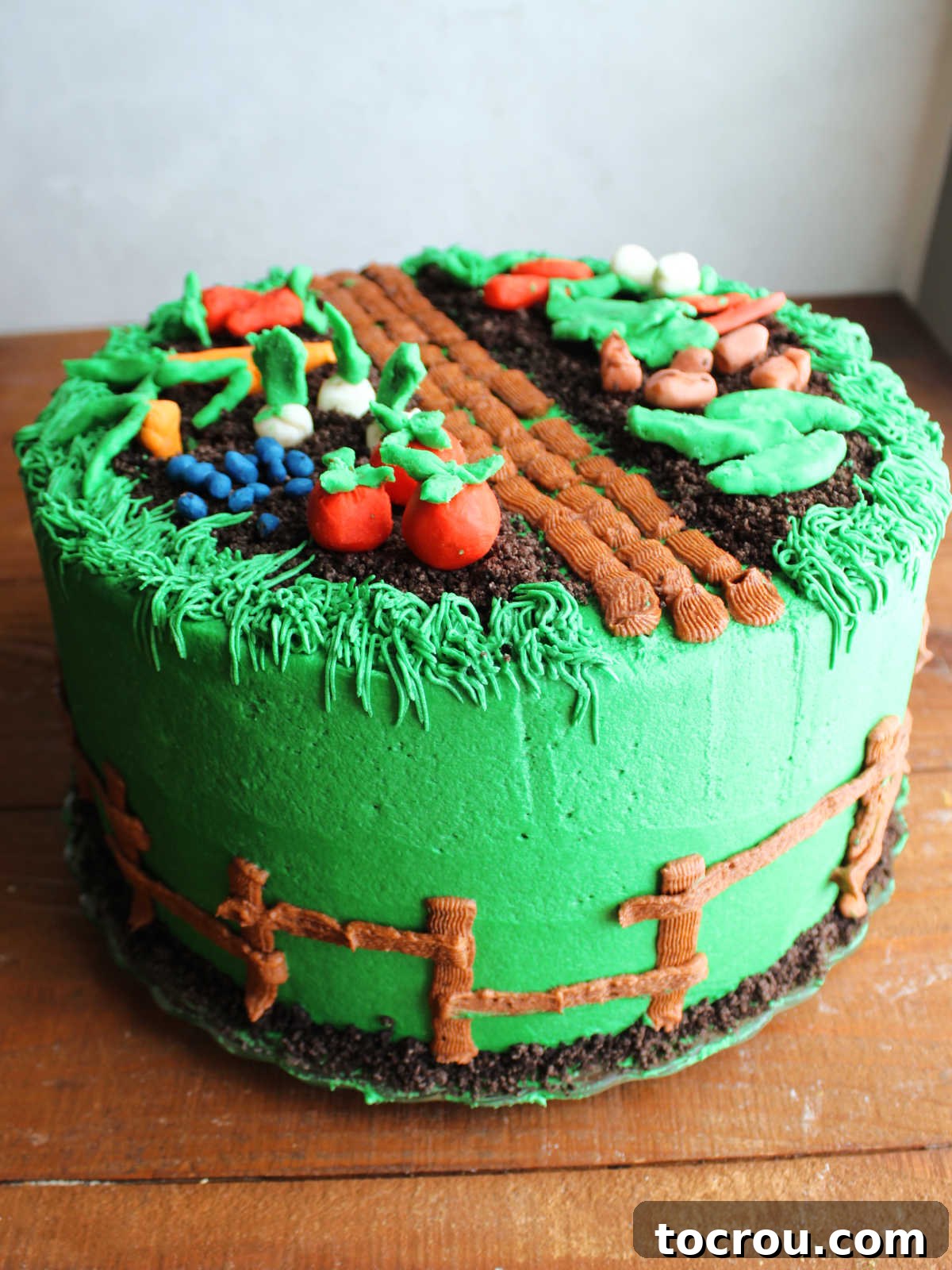
From our family’s extensive experience, modeling chocolate consistently stands head and shoulders above traditional fondant as a decorating medium. The most significant advantage is, without a doubt, its taste. Modeling chocolate offers a rich, pleasant chocolate flavor that truly enhances the dessert, rather than merely adding a sugary, often bland, layer like fondant. Beyond taste, its pliable, dough-like texture makes it significantly more enjoyable and forgiving to work with. It’s less prone to tearing and cracking than rolled fondant, making it ideal for intricate sculpting and shaping. This ease of manipulation is a huge bonus, especially when involving children in the decorating process, allowing for more creative freedom and less frustration. Given our repeated success and the sheer enjoyment it brings, I felt it was high time to share this fantastic and indispensable easy modeling chocolate recipe. Primarily, it’s so you, our wonderful readers, can also experience the magic and deliciousness of homemade modeling chocolate. Secondarily, and quite practically, it serves as a convenient and easily accessible reference for us, making it simple to find whenever Little Dude embarks on his next magnificent and imaginative cake project!
The beauty of this recipe lies not just in its simplicity, but in its incredible versatility. While Little Dude’s absolute favorite base for all his elaborate creations is the rich and moist 10-inch chocolate cake – a consistent feature in all his cake creations – this white modeling chocolate can be utilized with virtually any dessert. Imagine crafting delightful figurines for cupcakes, intricate wraps for smaller cakes, or charming decorative accents for pies, tarts, and even cookies. Its neutral white base means it’s a blank canvas, ready to be dyed any color to match your party theme or creative vision. Unleash your inner artist and let this simple, two-ingredient wonder elevate your baking and decorating game to a new, delicious level!

White Modeling Chocolate: The Ultimate Edible Dough for Cake Decorating
Ingredients for White Modeling Chocolate
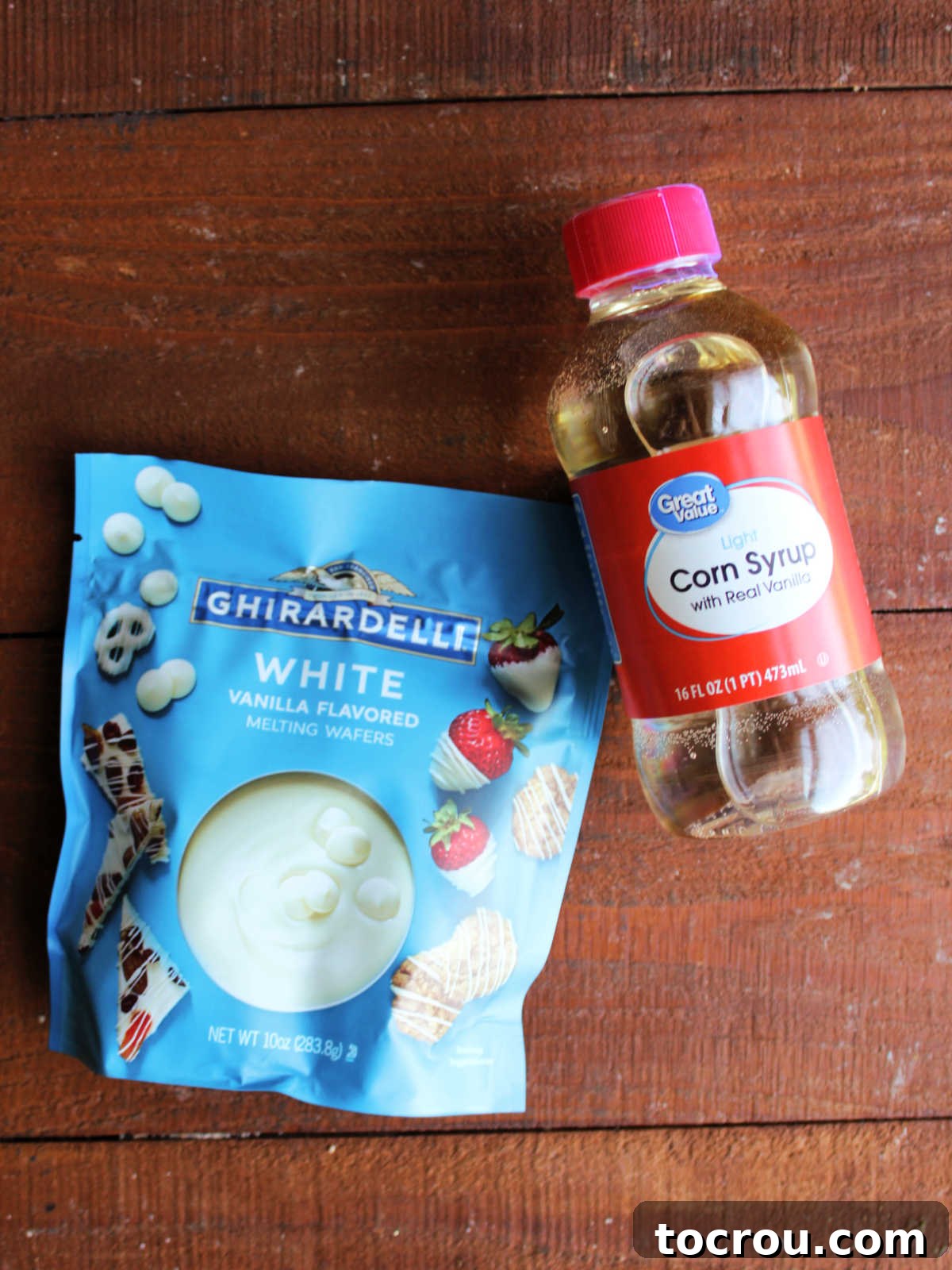
- 8 ounces (approximately 225g) high-quality white candy melts or premium white chocolate, finely chopped for easier melting
- 2 ounces (approximately 55g) light corn syrup
Step-by-Step Instructions for Making Modeling Chocolate
- Melt the Chocolate: Place your white candy melts or finely chopped white chocolate into a medium-sized, microwave-safe bowl. Heat in the microwave using short bursts of 20-30 seconds on high power. After each interval, remove the bowl and stir the chocolate thoroughly with a spatula or spoon. Continue this process until the chocolate is completely smooth and melted, with no solid lumps remaining. It’s crucial not to overheat the chocolate, as this can cause it to seize or burn.
- Incorporate Corn Syrup: Once your chocolate is perfectly smooth and melted, add the light corn syrup to the bowl. Stir gently but continuously with your spatula. You will immediately notice the chocolate mixture begin to “seize” and thicken dramatically; this is exactly what you want to happen. Keep stirring only until the mixture is uniform and comes together into a cohesive, dough-like ball. Be very careful not to overmix at this stage, as excessive stirring can cause the fats to separate from the chocolate, resulting in an oily, unusable mixture. Stop stirring as soon as it’s just combined.
- Chill to Firmness: Pour the newly formed modeling chocolate mixture out onto a piece of parchment paper or plastic wrap. Flatten it slightly into a disc or rectangle to help it cool evenly. Allow it to set at room temperature until it becomes firm to the touch, which can take a few hours depending on your ambient temperature. For a quicker process, you can place it in the refrigerator for 20-30 minutes until it’s solid but still has some give. It should feel firm but not rock-hard.
- Knead and Prepare: Once the modeling chocolate is firm, remove it from the parchment or plastic wrap. Begin to knead it thoroughly on a clean, dry surface (you can dust your hands lightly with cornstarch if it feels sticky, though usually it’s not necessary). Knead the chocolate until it becomes smooth, soft, and beautifully pliable, much like a workable dough. If it feels too hard to knead, let it warm up slightly at room temperature. If it becomes too soft or sticky from the warmth of your hands, chill it for a few more minutes.
- Color and Create: To color your white modeling chocolate, take a portion you wish to color and add a small drop or two of gel food coloring. Avoid liquid food coloring, as it can introduce too much moisture and cause the chocolate to seize. Knead the gel color into the chocolate until it’s evenly distributed and achieves your desired hue. You can then use your colored modeling chocolate just as you would playdough – roll it, cut it, sculpt it, or press it into molds – to create all the beautiful and delicious edible decorations you envision for your cakes, cupcakes, and other desserts.
Expert Tips & Notes for Perfect Modeling Chocolate
Preventing an Oily Mess: The most common mistake is overmixing after adding the corn syrup. Stir just until it comes together, then stop. If your modeling chocolate becomes oily or separates, it’s often due to overmixing or overheating. Try kneading it gently on a clean surface; sometimes the oils can be reincorporated. If it’s too oily, you can try pressing it between paper towels to absorb some excess oil, then re-kneading.
Storage and Reheating: To store any leftover modeling chocolate, wrap it tightly in plastic wrap, pressing out as much air as possible, and place it in an airtight container. It can be kept at room temperature for several weeks, or in the freezer for up to 6 months. When you’re ready to use it again, simply remove it from the freezer (if frozen) and let it warm up slightly at room temperature, or microwave it for very brief 10-15 second intervals until it’s pliable. Once slightly softened, knead it until it becomes smooth and workable once more, ready for shaping.
Coloring Tips: Always use gel food coloring. Liquid food coloring adds too much water and can ruin the consistency of your modeling chocolate, making it sticky or lumpy. Add color sparingly, a drop at a time, as the color deepens as you knead it in. For very dark colors, you might need to add more gel, but always do so gradually.
Video Tutorial: Working with Modeling Chocolate
Email Me This Recipe
Enter your email address to receive this delicious modeling chocolate recipe directly in your inbox, along with weekly updates and new recipes!
Nutrition Information (Per 1 Ounce Serving)
“Cooking With Carlee” is not a dietitian or nutritionist, and any nutritional information shared is an estimate. If calorie count and other nutritional values are important to you, we recommend running the ingredients through whichever online nutritional calculator you prefer. Calories and other nutritional values can vary quite a bit depending on which brands were used.
Tried This Easy Modeling Chocolate Recipe?
We’d love to hear your thoughts! Don’t forget to leave a rating and comment below and make sure to follow us on Pinterest and Instagram for more delicious recipes and decorating inspiration!