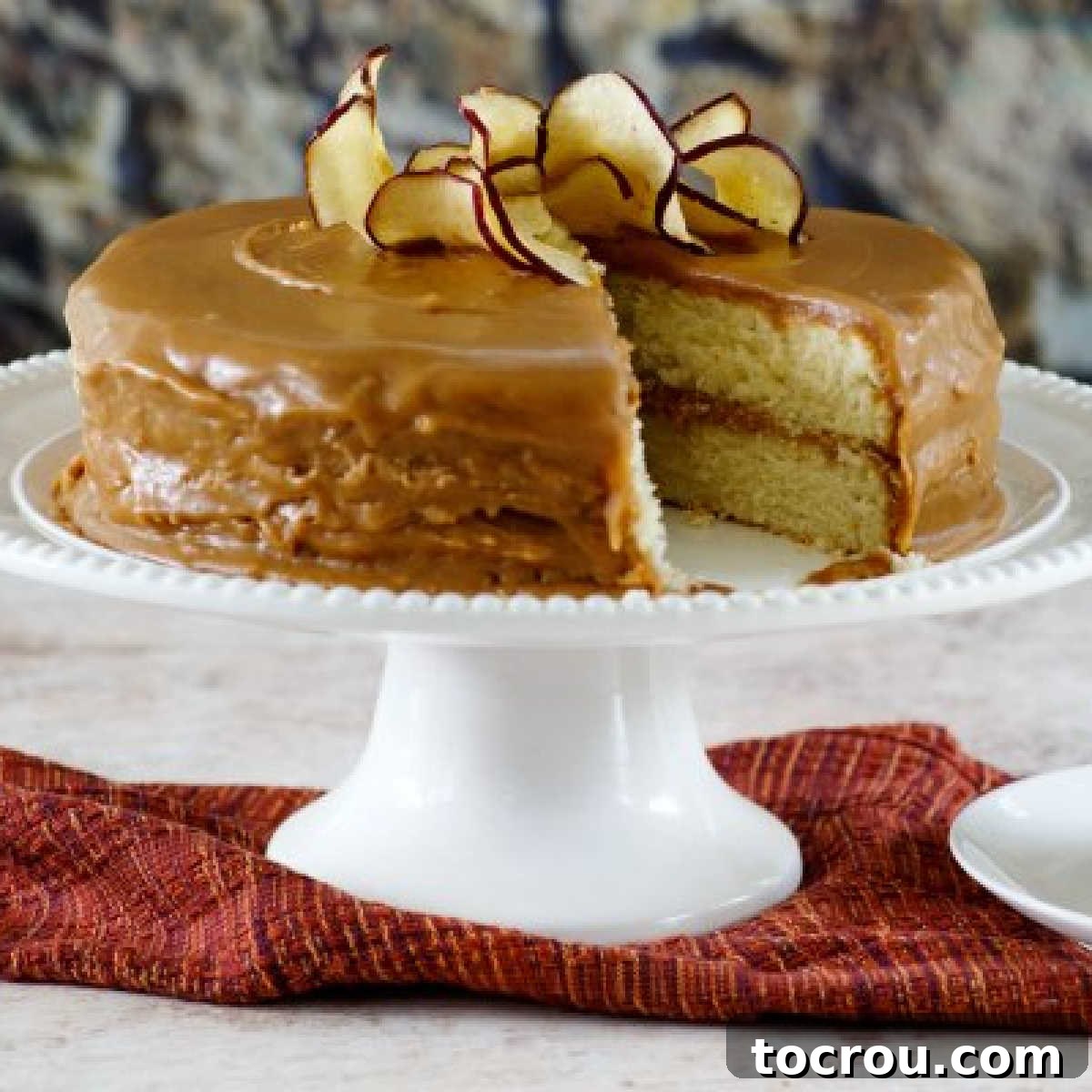
There’s something truly magical about a classic Southern Caramel Frosting. It evokes memories of Sunday dinners, holiday gatherings, and the comforting taste of homemade goodness. If you’ve been on the hunt for that perfect, authentic caramel frosting that transforms any cake into a masterpiece, your search ends here. This isn’t just a recipe; it’s an invitation to experience the rich, deep flavors of the South, crafted from scratch with care and precision.
The Irresistible Allure of Authentic Southern Caramel Frosting
What sets homemade Southern caramel frosting apart from the rest? It’s the unparalleled depth of flavor that can only come from caramelizing sugar yourself. Unlike many store-bought options that often rely on artificial flavors and corn syrup, this recipe empowers you to create the very essence of caramel from its purest form. This process, while requiring a touch of patience and attentiveness, yields a reward far greater than any pre-made alternative. The result is a smooth, luscious frosting that adheres beautifully to every layer, infusing your cake with a buttery, intensely sweet, and slightly smoky aroma that’s simply divine.
For me, the journey to perfecting this Southern staple has been a delightful challenge and a testament to the enduring appeal of traditional baking. There’s a constant demand for authentic Southern flavors, and a truly great caramel frosting is at the heart of many beloved desserts. Crafting this icing from scratch ensures a superior taste and texture that mass-produced versions simply cannot replicate. It’s about taking control of the ingredients and allowing the simple act of caramelization to build complex, nuanced flavors. This dedication makes every bite a comforting reminder of cherished culinary traditions.
Embracing the art of homemade caramel is more than just following a recipe; it’s unlocking a world of culinary possibilities. While the process of caramelizing sugar might initially seem daunting, it’s a fundamental technique that, once mastered, opens doors to countless dessert creations. This specific frosting recipe, with its meticulous balance of sweetness and rich, toasted sugar notes, is designed to be the crowning glory for a wide array of baked goods, elevating ordinary moments into something truly special and memorable.
Navigating the Nuances: The Art and Challenge of Homemade Caramel
Creating the perfect caramel frosting is an intricate art form, and like all crafts, it comes with its unique set of challenges. I’ll be transparent: this frosting wasn’t the easiest to manage, particularly due to the inherently delicate nature of caramel. The instructions demand precision, as caramel has a notorious reputation for transitioning rapidly from a shimmering liquid gold to a burnt, bitter mess if not carefully monitored. Achieving the ideal temperature and consistency is absolutely paramount for success.
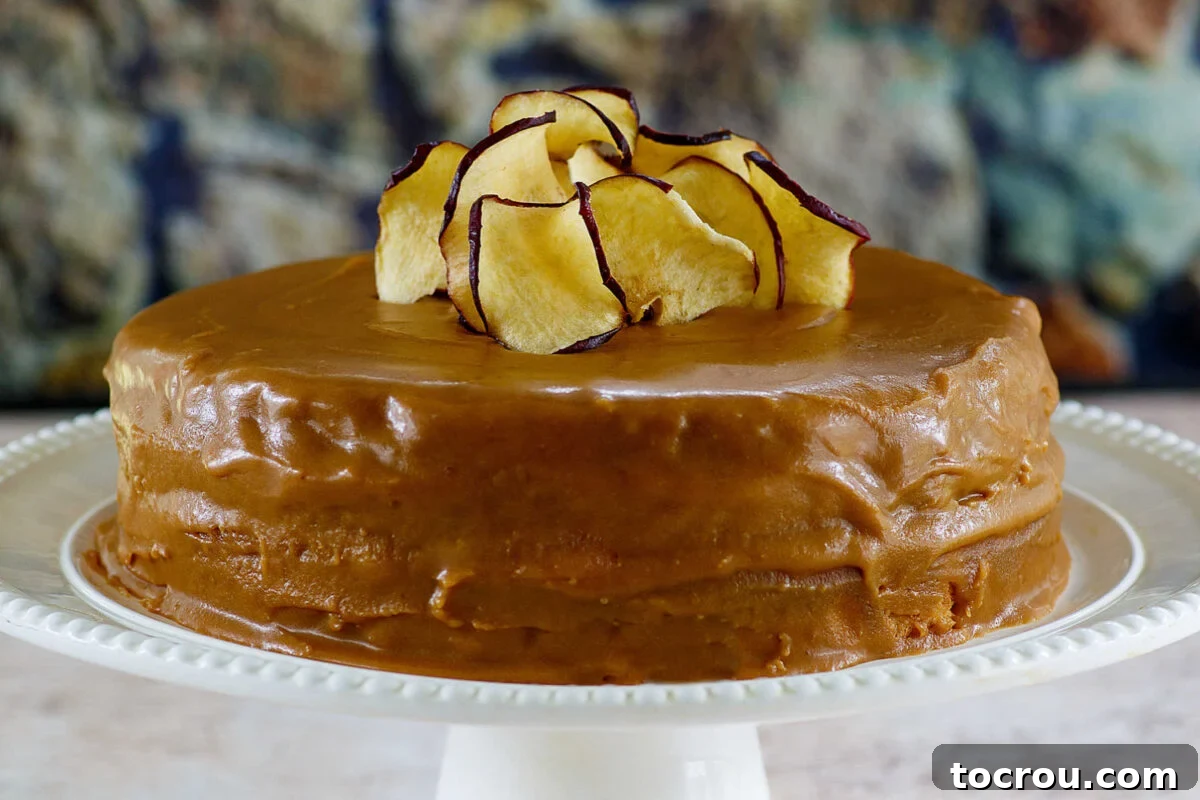
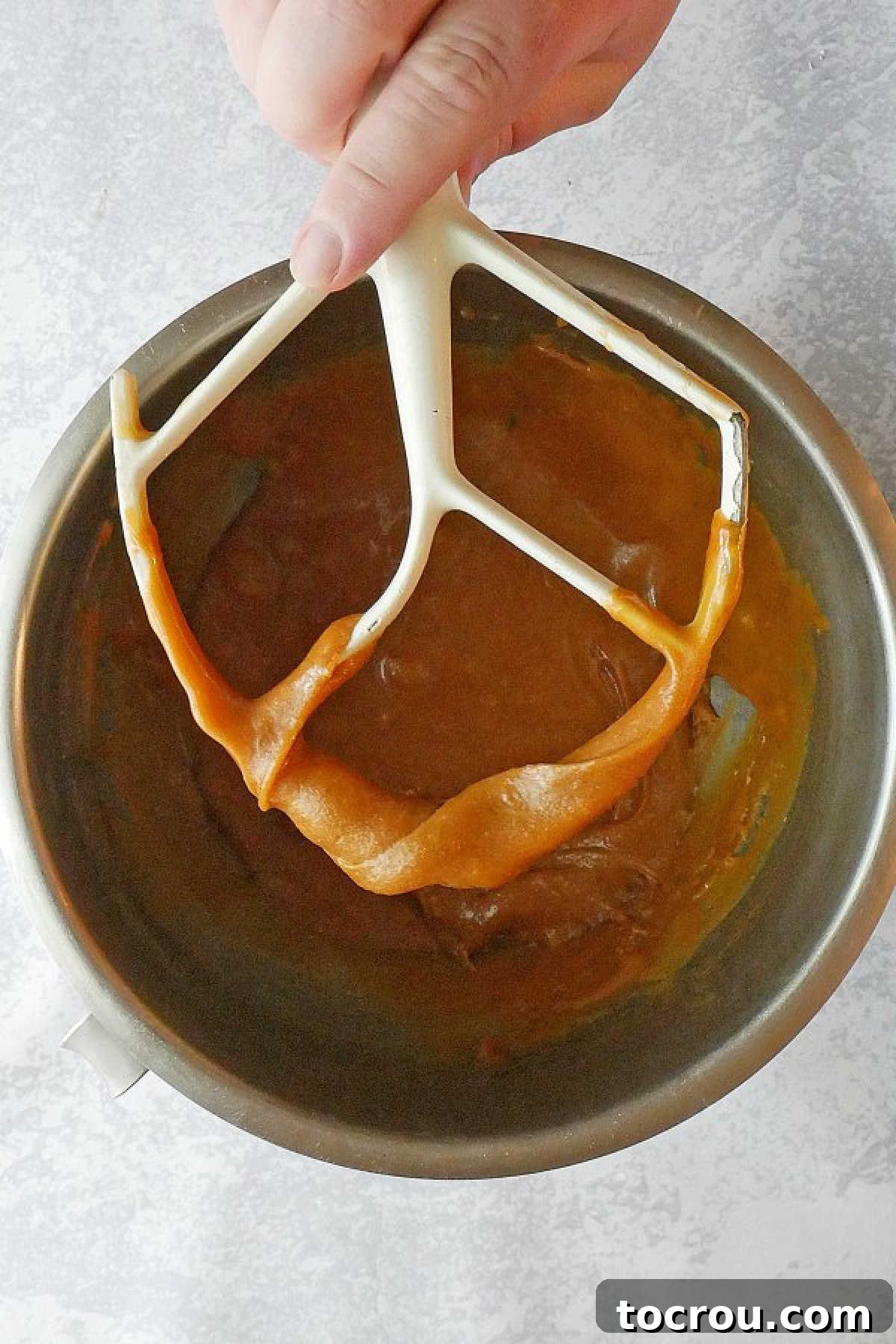
My own baking experience with this recipe vividly underscored these challenges. Initially, the frosting presented as an almost glaze-like consistency, far too loose to adhere properly to the sides of a layered cake. For a moment, I feared my grand caramel cake ambition would culminate in a delicious, albeit unplanned, trifle! However, as I continued working with the mixture, its texture quickly pivoted. It rapidly thickened to an almost unmanageable stiffness, making smooth application a true test of speed and technique. The beautiful, glossy surface I had admired moments before gave way to a more textured finish as I raced against time to spread it evenly.
This hands-on experience taught me the critical importance of swift application once the frosting reaches its desired, spreadable consistency. Caramel frosting, by its very nature, continues to thicken as it cools, making timing an essential factor. While many contemporary cakes showcase the flawlessly smooth finish of fondant or perfectly whipped buttercream, traditional Southern caramel frosting embraces a different, equally charming aesthetic. Its dense, deeply flavorful texture naturally lends itself to a slightly more rustic, handcrafted appearance. Indeed, even esteemed culinary publications frequently feature caramel cakes with this distinctively textured finish, celebrating its authentic and time-honored charm.
Mastering the Craft: Essential Tips for a Flawless Southern Caramel Frosting
Do not let the initial learning curve of caramel making deter you. With a few invaluable tips and a solid understanding of the caramelization process, you can achieve truly remarkable and consistently delicious results. Here’s what I’ve learned through trial and error, offering my best recommendations for making your Southern caramel frosting perfect every single time:
1. The Right Equipment is Your Best Friend:
- Heavy-Bottomed Saucepan: This is an absolute must-have. A heavy-bottomed pan ensures incredibly even heat distribution, which is crucial for preventing the sugar from burning in isolated spots and developing a bitter taste.
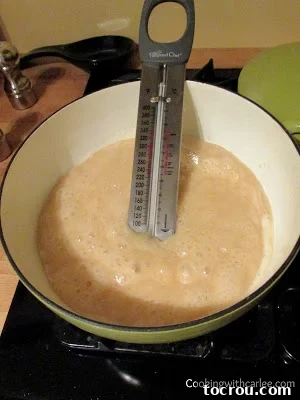
- Reliable Candy Thermometer: Absolutely essential! Hitting the precise “soft ball stage” (238°F / 114°C) is key to the frosting’s final texture. Attempting to eyeball caramel temperatures can be incredibly risky and often leads to inconsistent or failed batches.
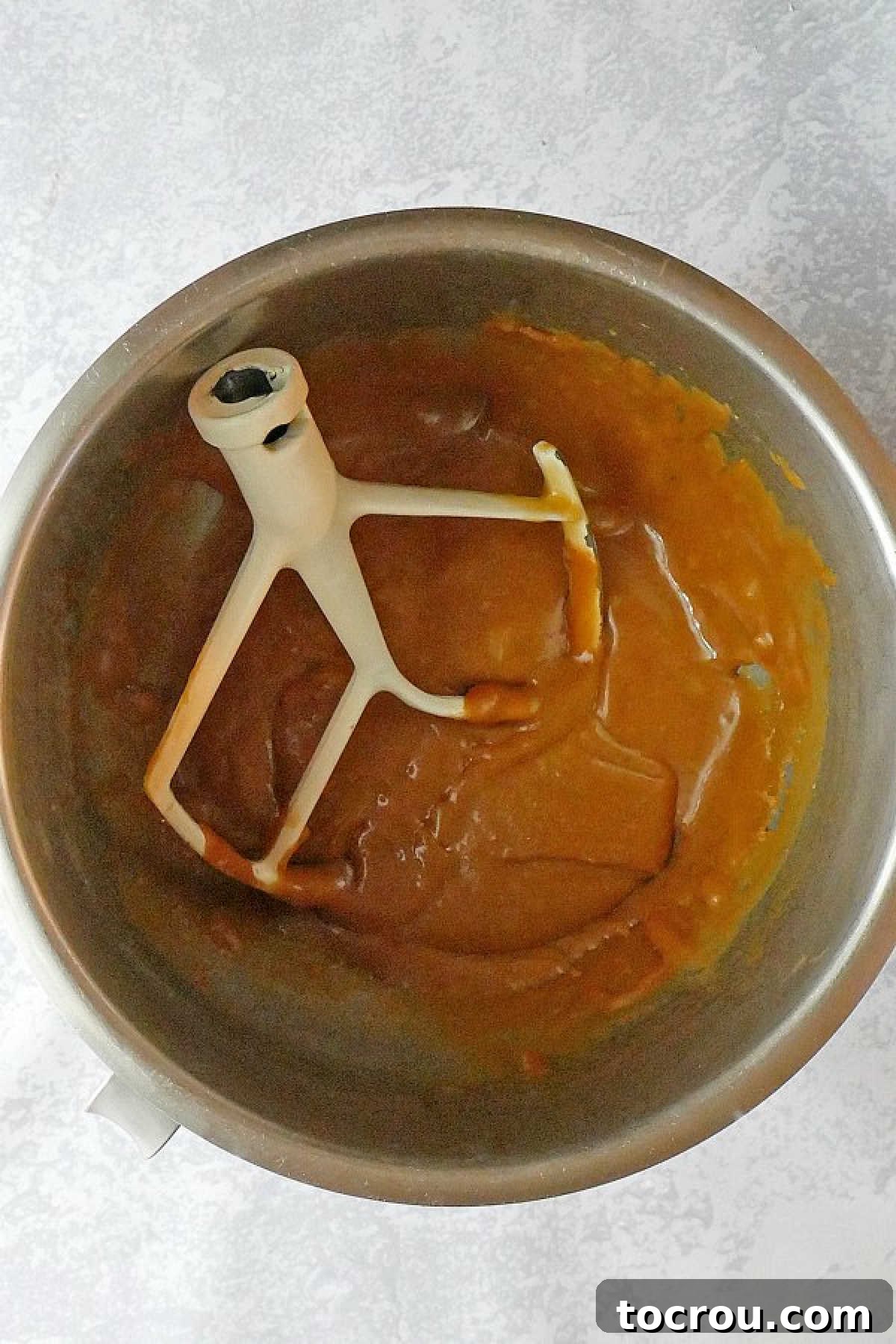
- Stand Mixer with Paddle Attachment: While manual mixing is possible, a stand mixer ensures consistent aeration and temperature reduction. This steady mixing is vital for achieving that signature creamy, velvety, and ultimately spreadable texture without the frosting becoming grainy or overly stiff.
2. Precision in the Caramelization Process:
- The initial stage involves dry caramelization of just a small portion of the sugar. This step demands your undivided attention. Watch it constantly as it melts, liquefies, and then slowly transforms into a beautiful amber color. Remove it from the heat the very moment it reaches a light golden-brown hue to prevent it from burning and becoming bitter.
- When combining the freshly melted caramel with the hot milk mixture, proceed with extreme caution. It will sizzle intensely and the caramel may temporarily seize into hard lumps; this is a completely normal reaction. Continue to whisk vigorously and patiently over low heat until the caramel fully dissolves and the mixture becomes smooth again.
3. Temperature Control is Paramount for Success:
- Once all the ingredients are thoroughly combined and the caramel has dissolved, the mixture must be cooked until it precisely reaches 238°F (soft ball stage). This specific temperature is critical because it ensures that all sugar crystals are perfectly dissolved and that the frosting will set with the correct creamy, yet firm, consistency.
- After incorporating the butter and vanilla extract, allow the entire mixture to cool undisturbed for approximately one hour. This cooling period is not optional; it’s a critical step that allows the frosting to begin thickening naturally without becoming granular when it’s later mixed.
4. Working Quickly for That Desired Smooth Finish:
- Once you begin the final mixing stage in your stand mixer (which typically takes about 20 minutes), the frosting will gradually thicken and develop its body. The instant it achieves a consistency that is both spreadable and firm enough to hold its shape, it’s time to apply it to your cake.
- Caramel frosting sets remarkably quickly. Therefore, it is imperative to have your cake layers or preferred dessert ready and positioned. Work with deliberate speed and confidence. If the frosting becomes too stiff before you’ve finished, you can attempt to gently reheat a small portion over a double boiler for a very short duration, stirring continuously. However, exercise extreme caution to avoid melting it completely or altering its delicate texture too much.
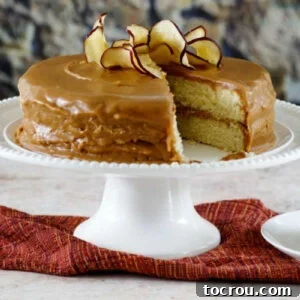
Despite its unique characteristics compared to lighter, more forgiving buttercreams, the rich, dense, and deeply flavorful texture of this Southern caramel frosting is precisely what makes it pair so perfectly with a classic Southern caramel cake. The complex flavors of the cake and frosting meld together harmoniously, creating a truly unforgettable dessert that is far greater than the sum of its individual parts. This frosting isn’t just a topping; it’s an experience.
Beyond the Caramel Cake: The Versatility of This Southern Delight
While this homemade Southern caramel frosting is an absolute dream atop a traditional caramel cake, its versatility gracefully extends far beyond this classic pairing. There’s no need to limit its deliciousness to just one type of dessert! Its rich, buttery flavor and wonderfully dense consistency make it a fantastic complement to an extensive variety of other baked goods and sweet treats.
- Pound Cakes: Imagine the lusciousness of this caramel spread generously over a classic, dense Southern pound cake, perhaps baked in a simple tube pan. The firm texture of the pound cake provides the perfect, sturdy foundation for the decadent, sweet frosting.
- Sheet Cakes: A humble sheet cake can be transformed into an extraordinary centerpiece with a thick, even layer of this caramel icing. Consider pairing it with a moist banana cake for a delightful flavor combination, or perhaps an autumnal spiced carrot cake for a truly indulgent treat.
- Cupcakes: For charming individual servings, delicately pipe this caramel frosting onto vanilla, chocolate, or even spice-flavored cupcakes. It adds a sophisticated and deeply flavorful touch that elevates any cupcake into a gourmet delight.
- Cookies & Bars: Drizzle or elegantly spread this frosting over homemade blondies, classic shortbread cookies, or even warm apple bars. The added layer of rich caramel goodness brings an extra dimension of sweetness and chewiness.
- Breakfast & Brunch Treats: For an incredibly indulgent breakfast or brunch experience, lightly warm the frosting until it’s pourable and use it as a luxurious glaze for homemade cinnamon rolls or a decadent topping for fluffy pancakes and waffles.
If you, like me, are a true frosting fanatic and eager to explore the vast and delicious world of sweet toppings, be sure to check out my comprehensive Frosting 101 guide. It delves deep into various frosting types, explores their unique characteristics and applications, and provides links to an array of delicious recipes to significantly broaden your baking repertoire!
Traditional Southern Caramel Frosting
Carlee
12 Servings
Perfect real deal homemade Southern caramel frosting perfect for caramel cakes and more! This is the caramel frosting you want to make it extra delicious!
20 mins
20 mins
40 mins
Ingredients
- ⅓ cup granulated sugar
- 1 Tablespoon all purpose flour
- 2½ cups granulated sugar
- 1 pinch salt
- 1 cup whole milk
- ¾ cup unsalted butter
- 1 teaspoon vanilla extract
Instructions
-
Place the first ⅓ cup of sugar in the bottom of a large heavy-bottomed saucepan.
-
Stirring frequently, cook over medium heat until it melts and becomes lightly golden brown. This will take about 3 minutes and don’t worry if the sugar clumps a bit.
-
In a second saucepan, combine flour, sugar and salt. Whisk in cold milk until combined and any lumps are worked out. Place over medium-high heat and cook until it comes to a boil, stirring constantly.1 Tablespoon all purpose flour, 2½ cups granulated sugar, 1 pinch salt, 1 cup whole milk
-
Pour ¼ of the hot milk mixture into the caramelized sugar. Whisk until combined. Slowly add the rest of the hot milk, stirring as you go.
-
Cover mixture and cook over low heat for 2 minutes. Uncover and turn heat to medium, without stirring cook until it reaches 238°F (soft ball stage.) This will take about 10 minutes. Add butter and stir until well blended. Remove from heat and let sit for about an hour.¾ cup unsalted butter
-
Pour into stand mixer bowl. Add vanilla and mix on medium for 20 minutes.1 teaspoon vanilla extract
-
Spread immediately over cake, working quickly before it completely sets.
Nutrition Information
Serving: 1Serving
|
Calories: 298kcal
|
Carbohydrates: 49g
|
Protein: 1g
|
Fat: 12g
|
Saturated Fat: 8g
|
Polyunsaturated Fat: 4g
|
Cholesterol: 32mg
|
Sodium: 113mg
|
Sugar: 47g
“Cooking With Carlee” is not a dietitian or nutritionist, and any nutritional information shared is an estimate. If calorie count and other nutritional values are important to you, we recommend running the ingredients through whichever online nutritional calculator you prefer. Calories and other nutritional values can vary quite a bit depending on which brands were used.
Did you try this recipe?
Don’t forget to leave a rating below and make sure to follow on Pinterest and Instagram for more!