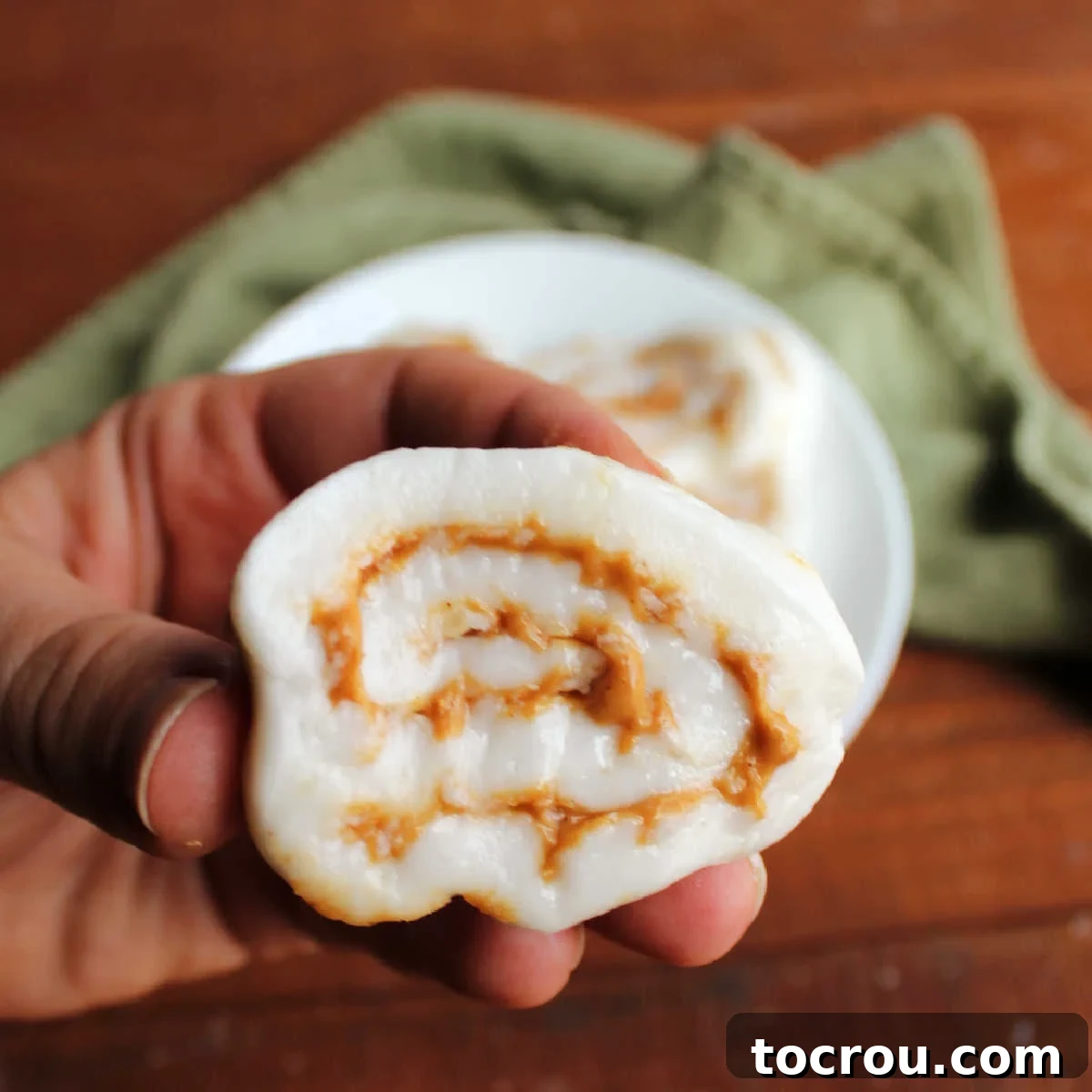
Step into a delightful journey back in time with a culinary classic that continues to charm hearts and tantalize taste buds: old-fashioned potato candy. This surprisingly simple yet incredibly delicious treat, often reminiscent of simpler times and cherished family recipes, requires just a handful of common ingredients and minimal effort. Forget complicated confectionery – this vintage gem proves that the most unexpected combinations can create the most memorable sweets. If you’ve never experienced the magic of transforming humble potatoes into a delightful confection, prepare to be amazed by this unique and utterly irresistible recipe.
The Unexpected Delight: Why Potato Candy Endures
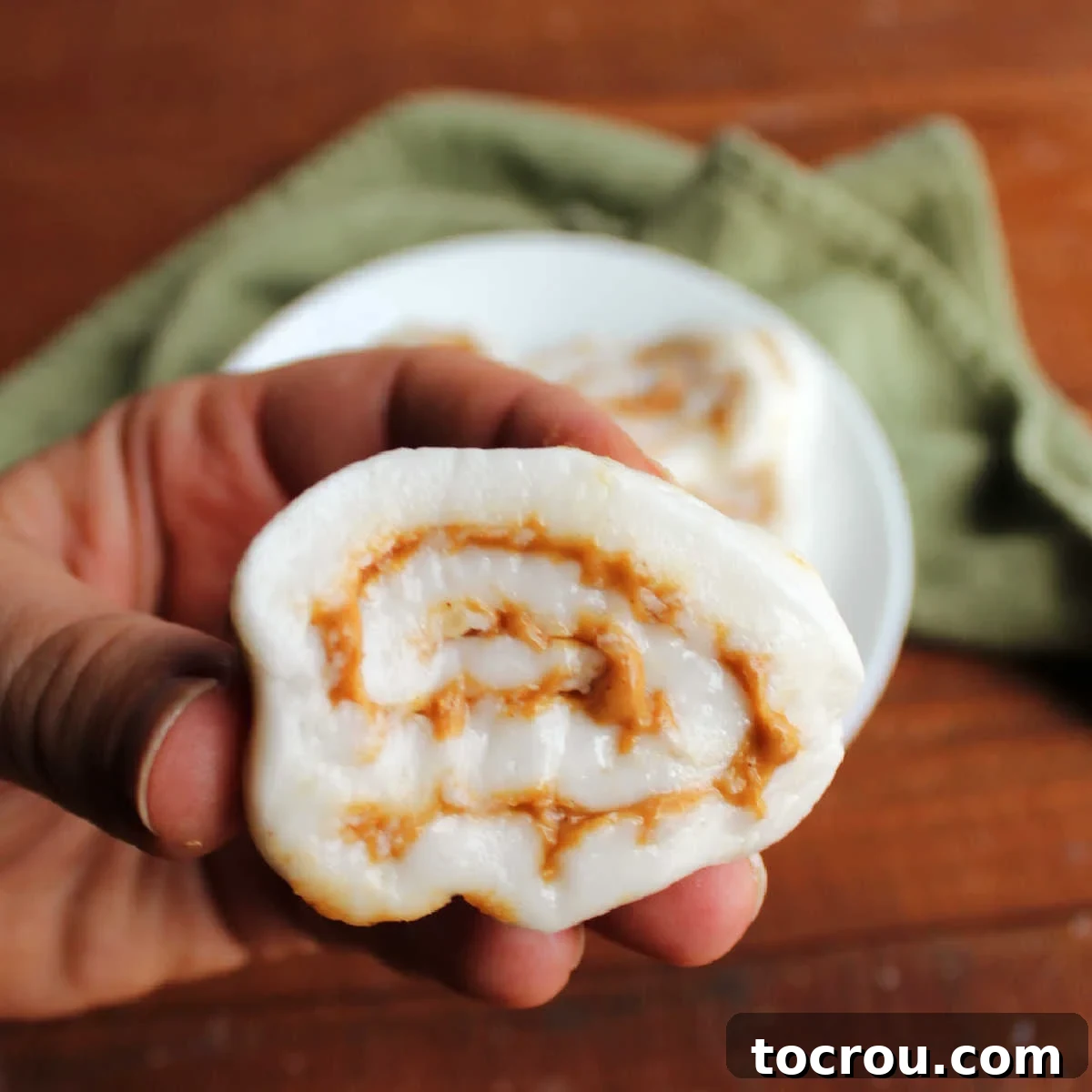
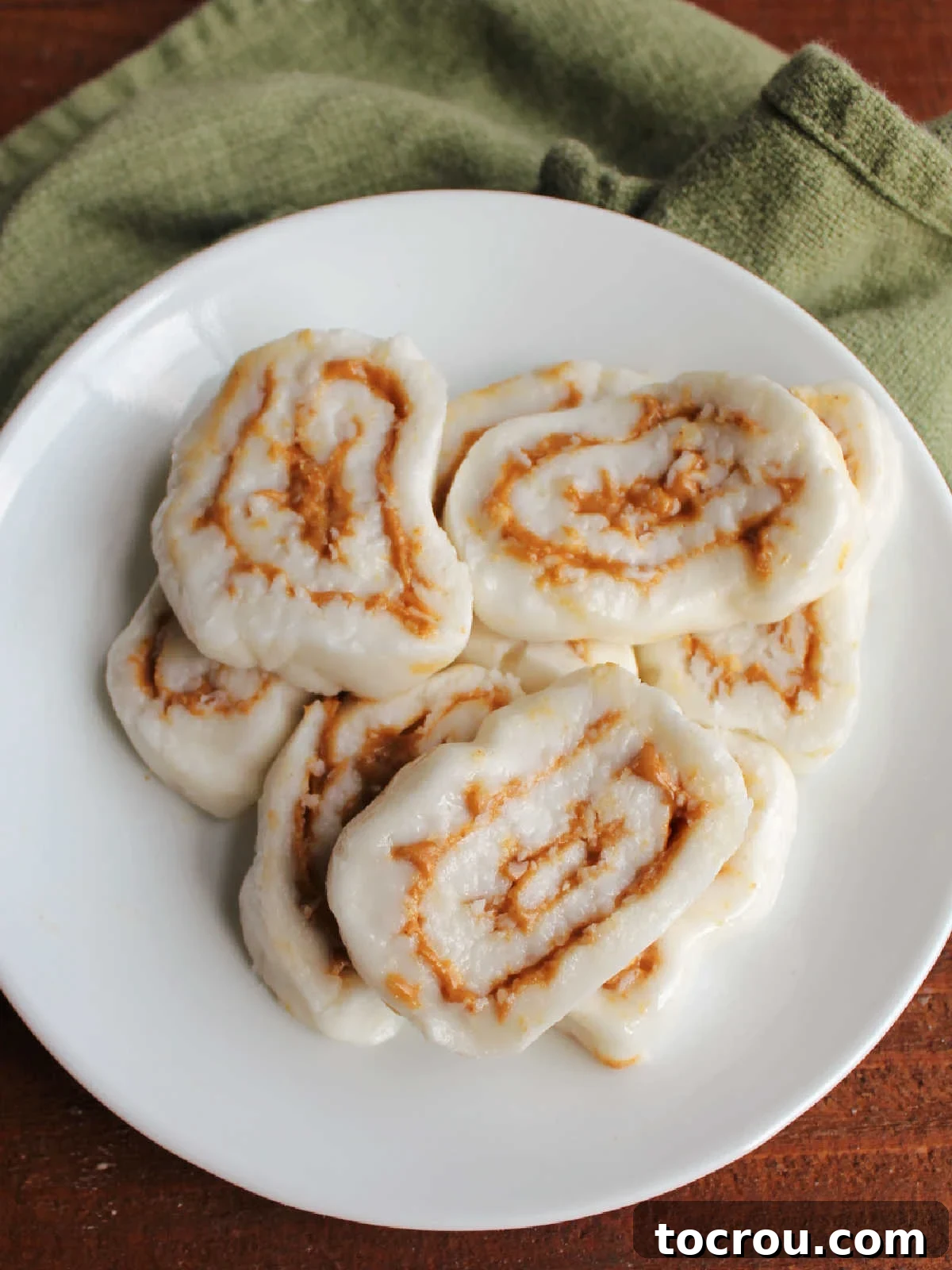
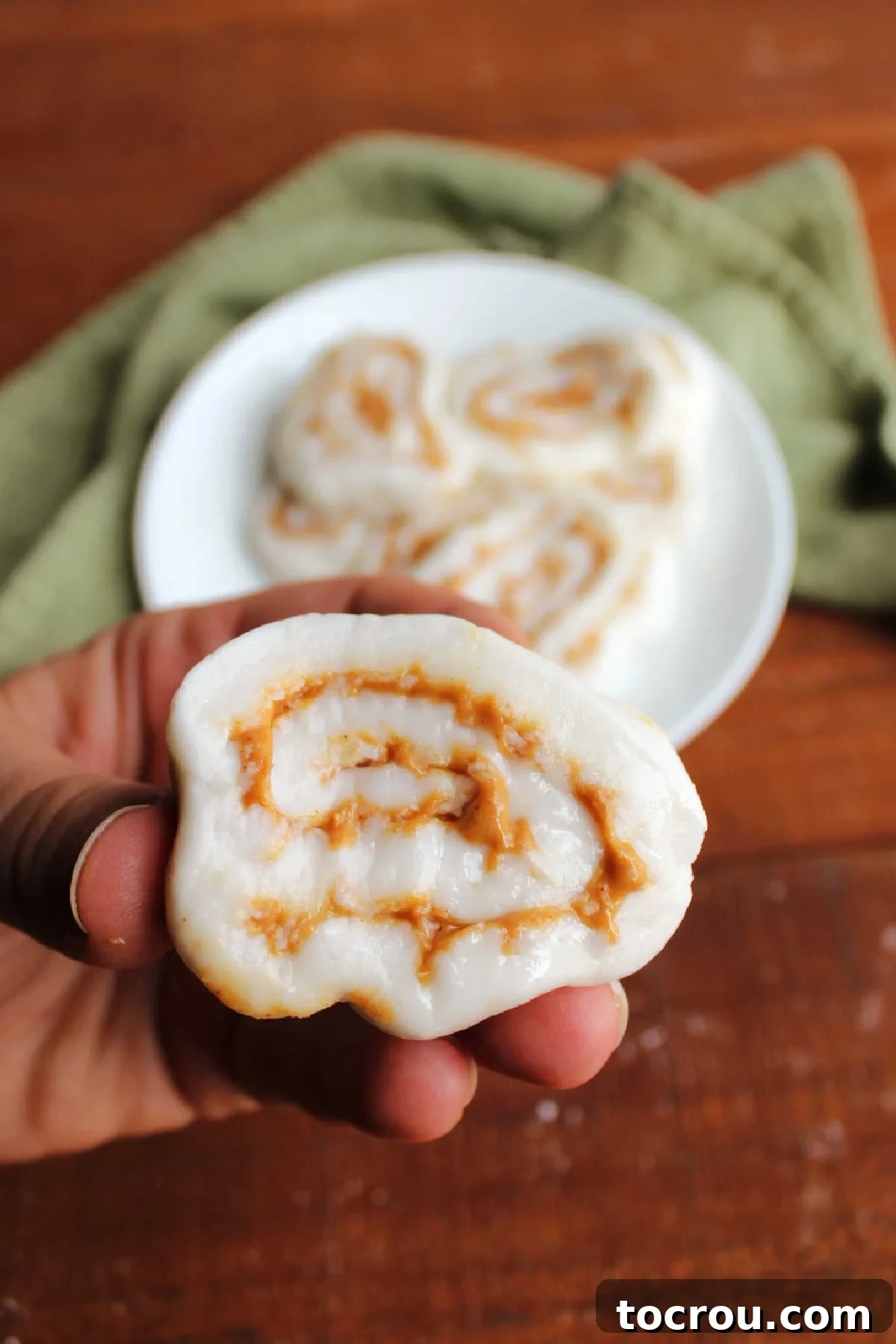
There’s an undeniable allure to vintage treats, and Grandma’s potato candy recipe stands out as a timeless favorite for good reason. It’s a nostalgic sweet that surprises everyone with its creamy texture and rich flavor. The concept of using mashed potatoes as the base for a candy might sound unusual, even peculiar, but it’s precisely this unexpected ingredient that gives the candy its unique, melt-in-your-mouth quality and remarkable smoothness. Combined with powdered sugar, a hint of vanilla, and a generous swirl of peanut butter, it transforms into a spiral-shaped confection that defies all expectations.
The popularity of potato candy is not just anecdotal; it’s often proven in friendly competitions. In a recent family potato cook-off featuring nearly 20 diverse entries, this unassuming candy secured a coveted second place. This speaks volumes about its unexpected appeal and the lasting impression it leaves. Among a wide array of potato dishes, it was arguably the most talked-about creation, prompting murmurs of disbelief and delight. If you’re skeptical, we urge you to try making a batch yourself – the proof, as they say, is in the pudding… or rather, in the candy!
A Glimpse into History: The Origins of This Sweet Innovation
Potato candy isn’t just a quirky recipe; it’s a testament to resourcefulness and ingenuity, likely born out of necessity during challenging economic times, particularly during the Great Depression. When traditional candy-making ingredients like sugar and butter were scarce or expensive, creative home cooks turned to readily available and inexpensive staples. Potatoes, a common and versatile crop, proved to be an ingenious substitute. Their starchy consistency, when properly mashed, provided a perfect base that could be sweetened and shaped. This historical context adds another layer of charm to the treat, reminding us of the enduring spirit of making something wonderful out of very little. It’s more than just candy; it’s a piece of culinary history, a delicious heirloom passed down through generations.
Mastering the Potato Prep: The Foundation for Flawless Candy
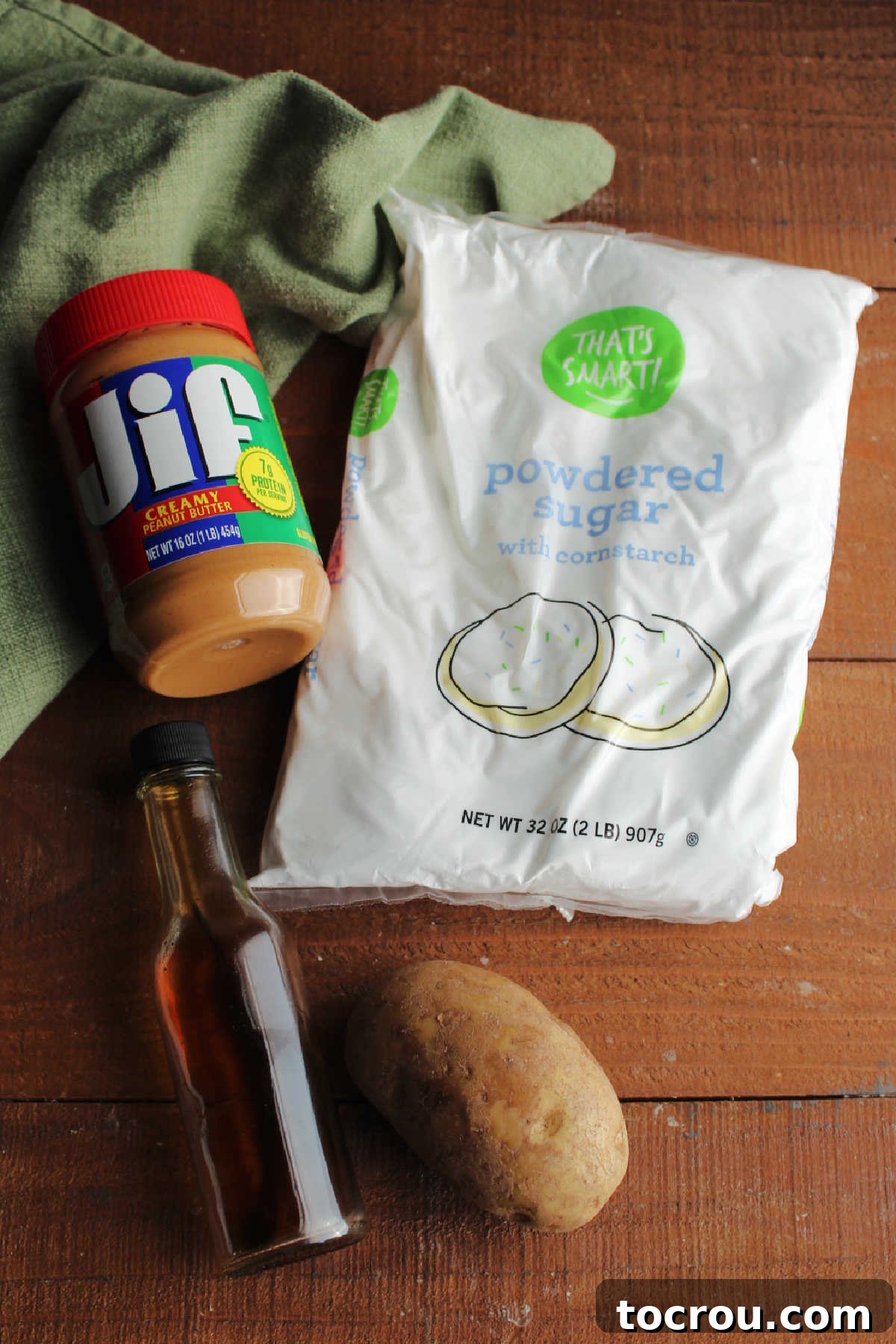
The secret to exceptional potato candy begins with the potato itself. It’s crucial to start with plain, unseasoned potatoes. This means absolutely no black pepper, garlic, or other savory spices that might interfere with the sweet flavor profile of your candy. The goal is to achieve a neutral base that will readily absorb the sweetness of the sugar and the richness of the peanut butter.
For best results, consider using the interior of a leftover baked potato. Baking helps to dry out the potato, which is ideal for this recipe as less moisture translates to needing less powdered sugar to achieve the desired consistency. If a baked potato isn’t available, microwaving a potato and then carefully removing the peel can also help keep the water content down. These methods ensure a drier potato base, which is key to preventing a sticky, unmanageable dough.
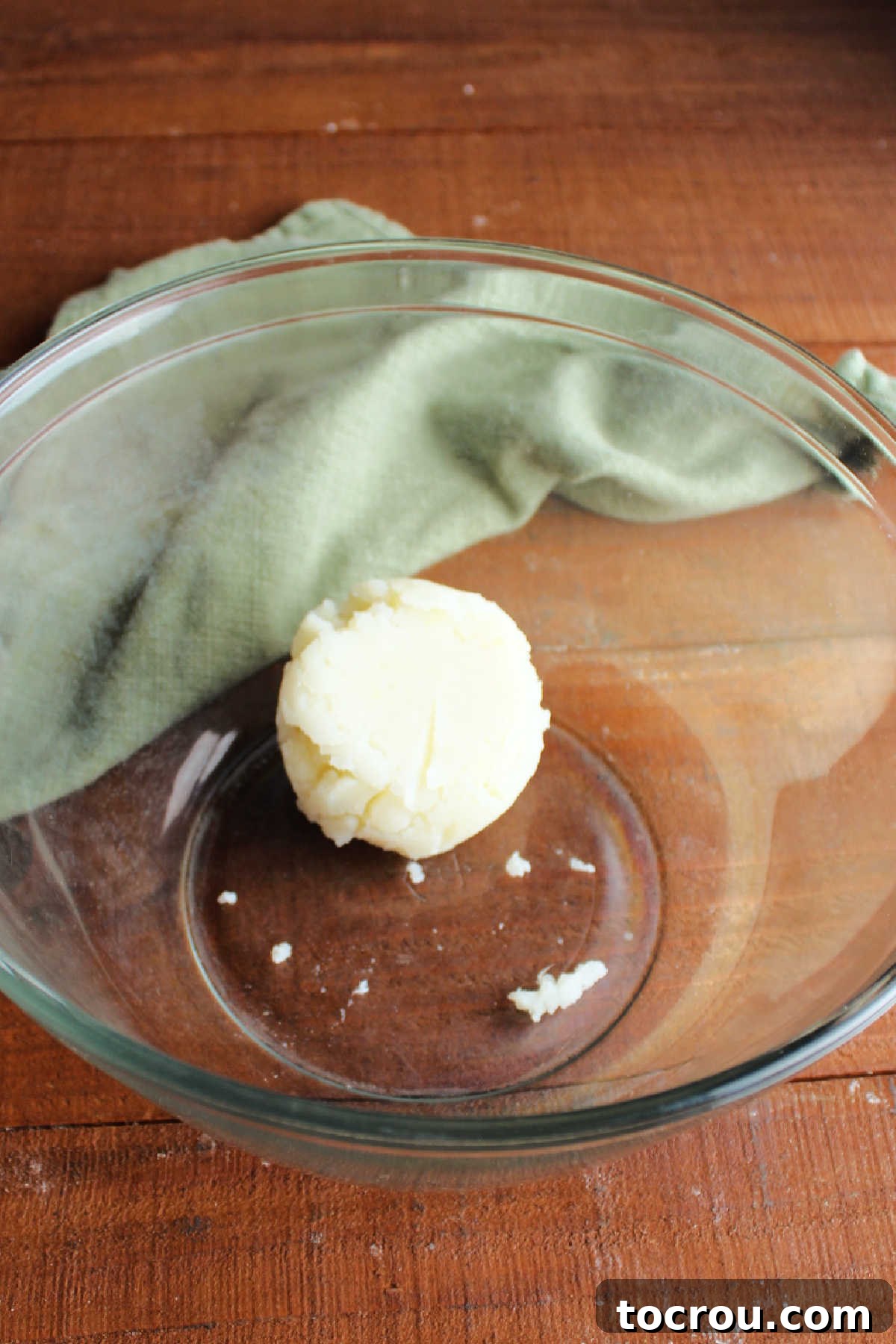
Alternatively, if you’re making mashed potatoes for dinner, simply set aside about half a cup of the cooked potatoes *before* adding any milk, butter, or seasonings. This clever trick allows you to get “double duty” from your potatoes – a savory side dish for dinner and a sweet base for candy! Whichever method you choose, make sure your mashed potatoes are incredibly smooth and lump-free. A potato ricer is an excellent tool for achieving this silky texture, but thoroughly mashing by hand with patience can also yield a perfectly smooth result. The smoother the potato, the finer the candy.
Crafting the Candy Dough: A Step-by-Step Guide
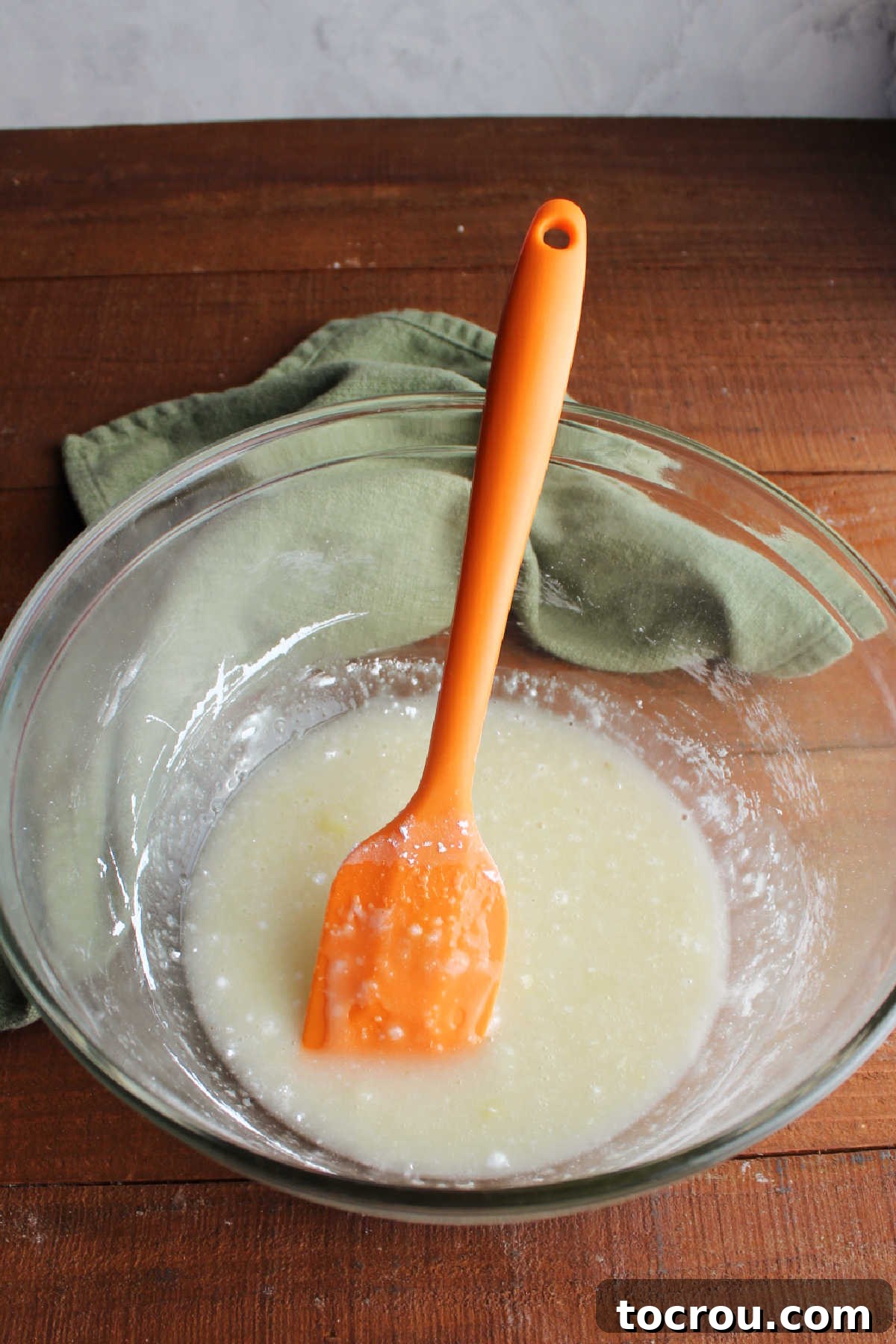
Once your potatoes are perfectly prepared and cooled, the candy-making process truly begins. Place your smooth mashed potatoes in a large mixing bowl. Start by adding a couple of cups of powdered sugar and begin stirring. You might be surprised by the initial transformation: as you mix the two seemingly solid ingredients, they will begin to come together and might even appear liquidy at first. Don’t be alarmed; this is a normal part of the process where the sugar dissolves into the potato’s moisture.
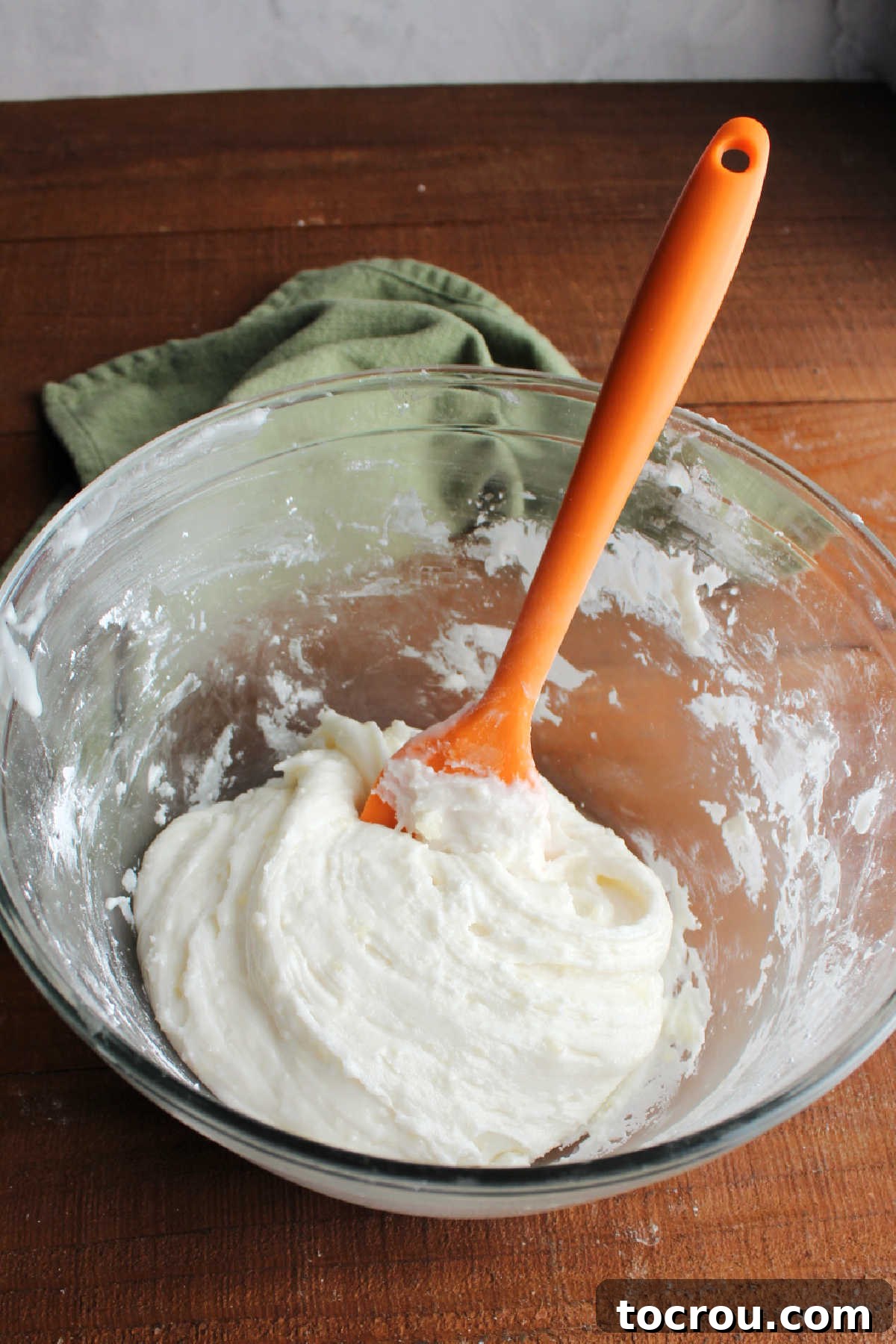
Next, stir in a splash of vanilla extract – this adds a crucial layer of flavor that complements the other ingredients beautifully. Continue adding powdered sugar, about a cup at a time, mixing thoroughly after each addition. The exact amount of powdered sugar required can vary significantly, primarily depending on the moisture content of your potatoes. Keep adding and mixing until the mixture reaches a consistency similar to playdough – firm enough to hold its shape but still pliable and smooth. This stage requires a bit of patience and observation, as the dough will transition from sticky to perfectly workable.
The Art of Assembly: Rolling and Filling for the Perfect Pinwheel
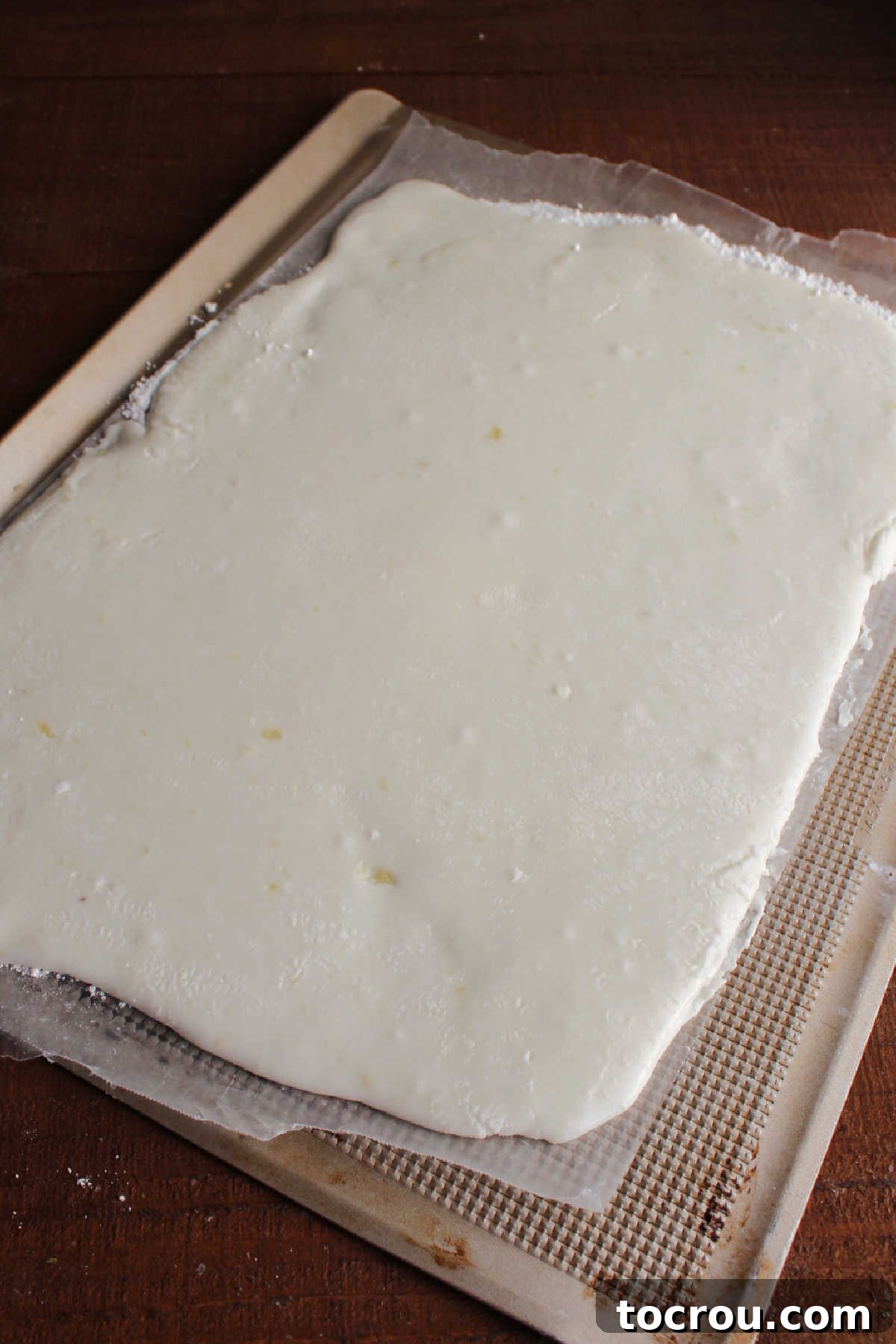
Once your potato candy dough has achieved the perfect playdough-like consistency, it’s time for the artistic part: rolling and filling. Generously sprinkle a clean sheet of wax paper or parchment paper with powdered sugar. This dusting is essential to prevent the dough from sticking and ensures a smooth rolling process. Place the potato mixture on the prepared paper and, using a rolling pin (an OXO Non-stick Rolling Pin is recommended for ease), roll it out into a thin, even rectangle, approximately 13×18 inches in size and about ¼-inch thick. Aim for uniformity to ensure consistent thickness in your finished candy.
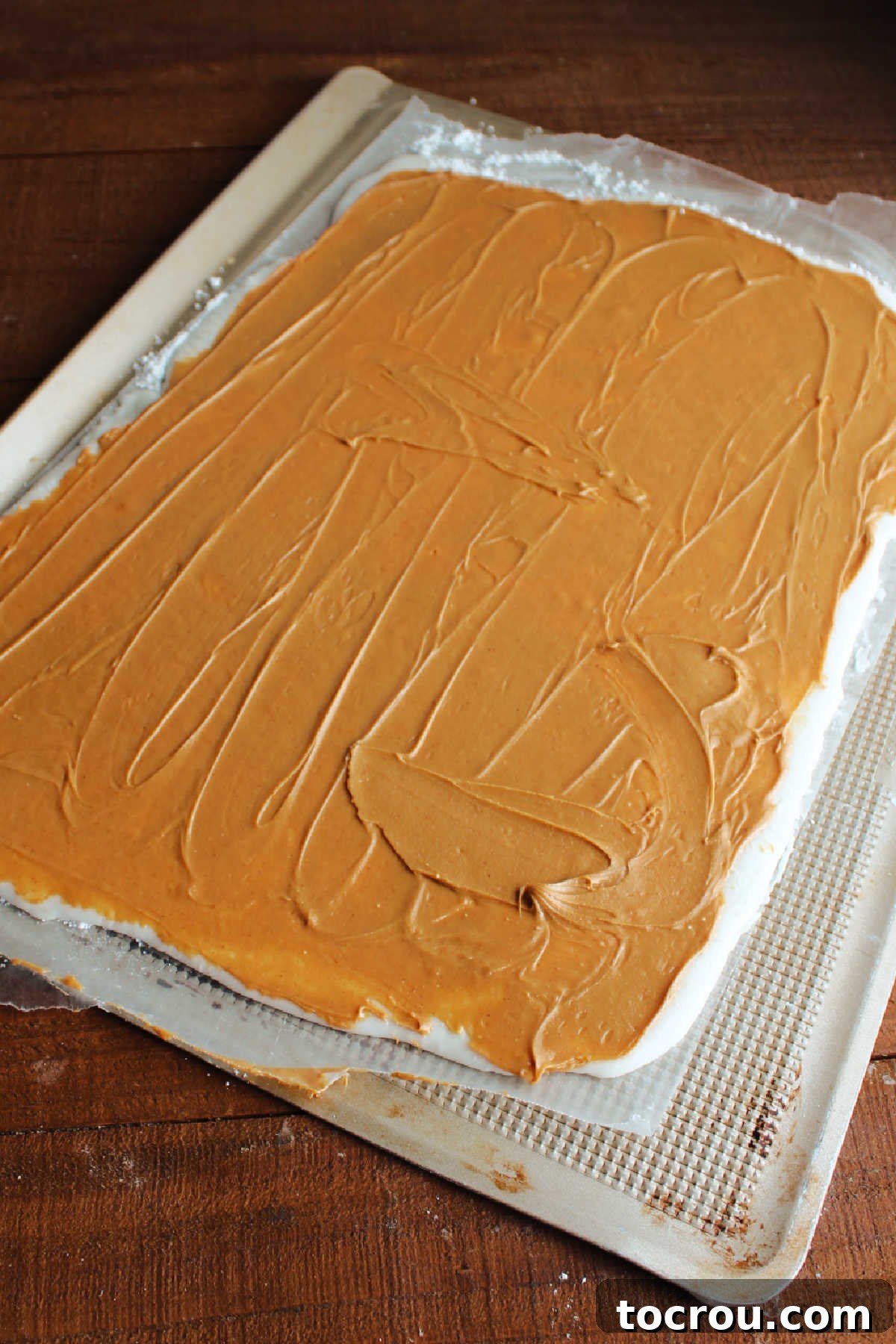
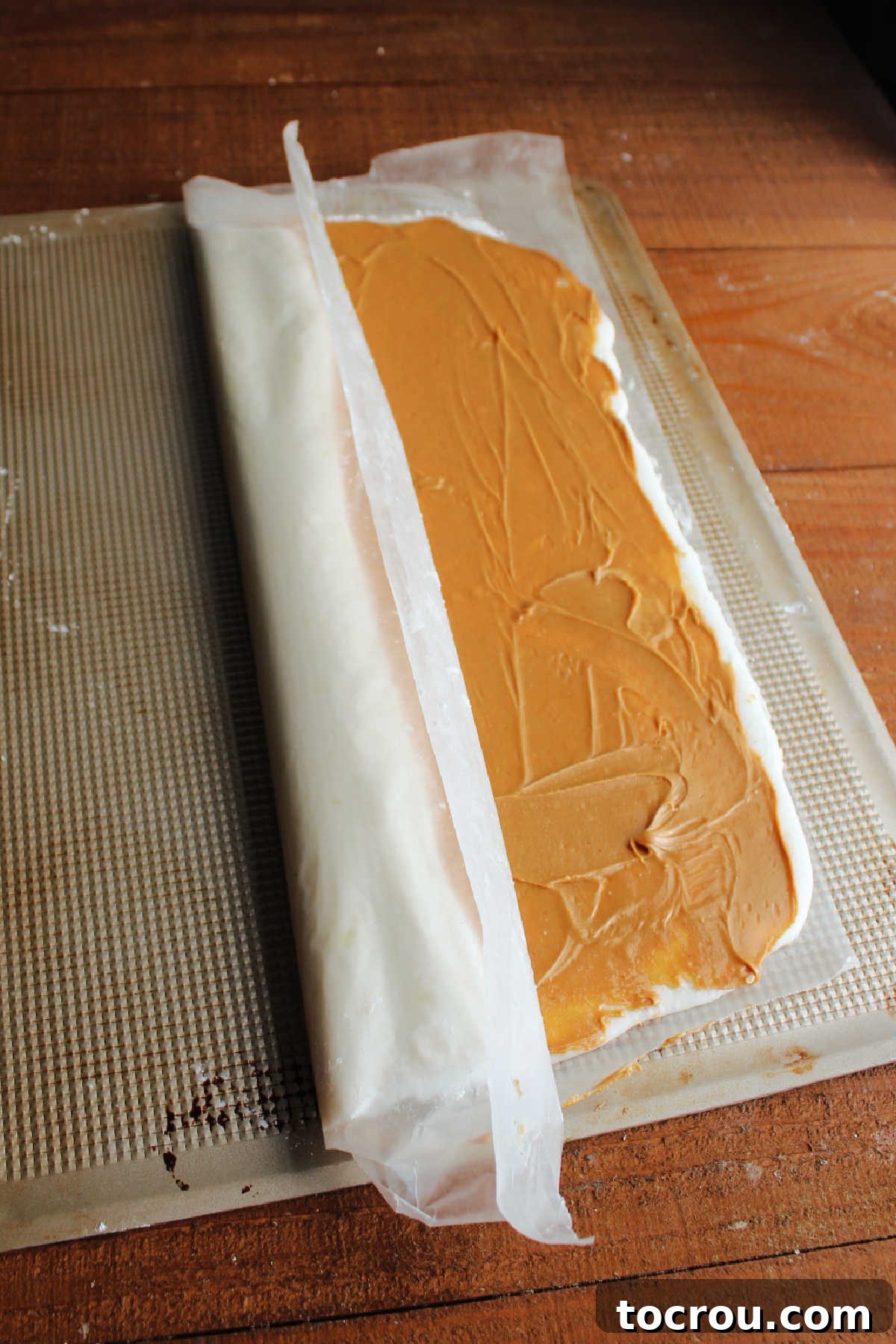
Next, gently and evenly spread your chosen filling – traditionally peanut butter – over the entire surface of the rolled-out potato candy sheet, leaving a small border free along one of the longer edges. This border will help seal the roll. With the help of the wax paper beneath it, carefully begin to roll the potato candy from one long edge, much like you would roll a cinnamon roll. Take your time to create a tight, even spiral. The wax paper will assist in lifting and guiding the dough, preventing it from tearing or sticking as you roll.
Chilling and Slicing: The Grand Finale
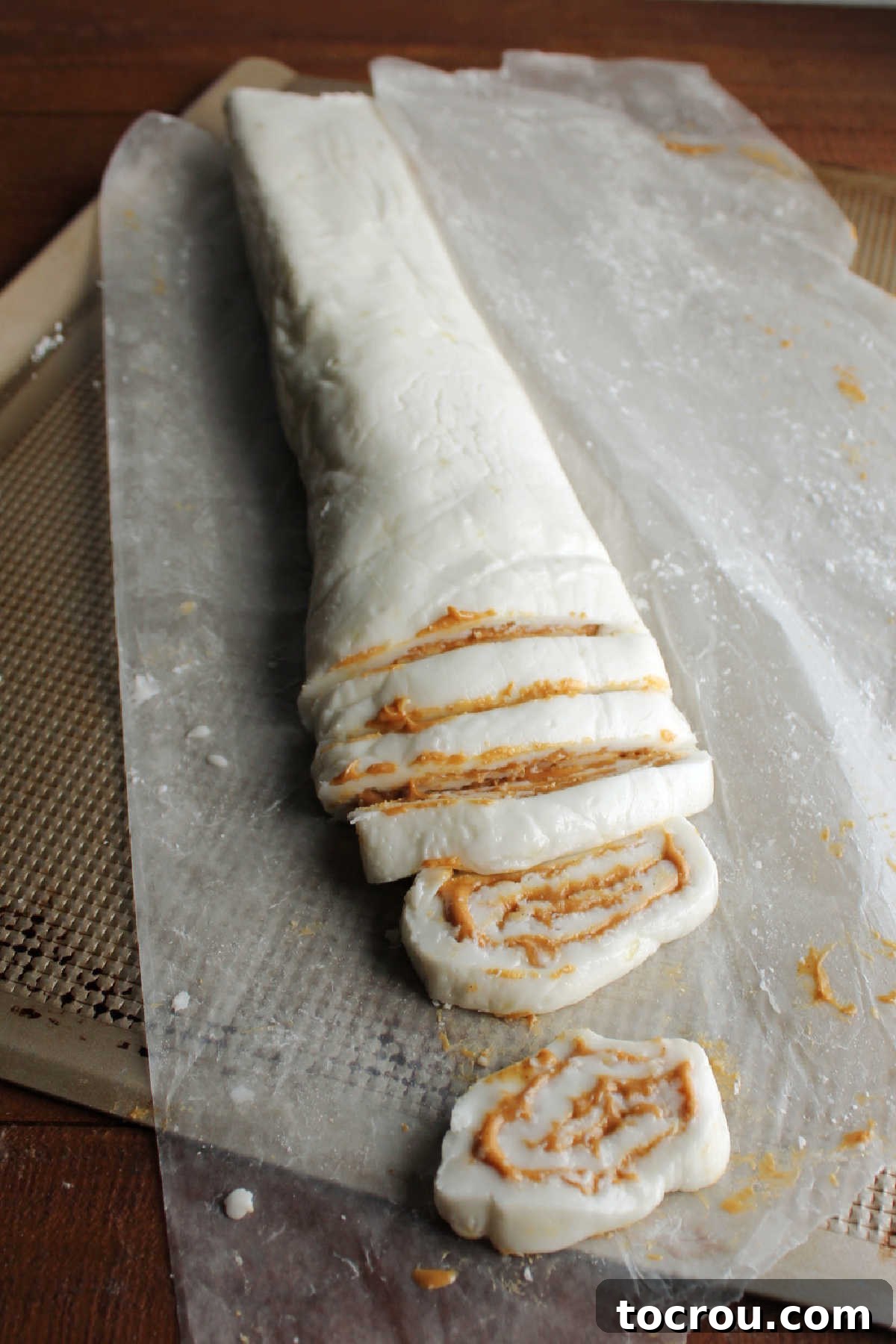
Once rolled, wrap the entire log tightly in the wax paper and place it in the refrigerator to chill for at least an hour. This crucial chilling period allows the candy to firm up and set, making it much easier to slice neatly without squishing the beautiful spiral. When sufficiently chilled, unwrap the log and place it on a clean cutting board. Using a sharp knife, carefully cut the candy into ¼-inch to ½-inch thick slices, revealing the mesmerizing pinwheel pattern within. The precision of your slices will impact the presentation, so take your time for clean, even cuts.
Once sliced, transfer the potato candy pieces to an airtight container. They should be stored in the refrigerator until you’re ready to serve them. This simple process, though it involves a bit of trial and error to get the consistency just right initially, truly results in a rewarding and unique sweet treat that’s both fun to make and delicious to eat.
Beyond Peanut Butter: Exciting Variations to Try
While classic potato candy traditionally features a luscious peanut butter filling, the beauty of this recipe lies in its adaptability. You can easily customize the filling to suit your taste preferences or dietary needs. Any nut butter, such as almond butter or cashew butter, makes a fantastic alternative, offering a slightly different flavor profile while maintaining that creamy texture. For those who adore chocolate and hazelnut, a layer of Nutella creates an indulgent and decadent twist. If you’re looking for a nut-free option, cookie butter provides a delightful sweet and spiced flavor that pairs wonderfully with the potato base.
Don’t stop there! Consider other creative fillings like a thin layer of chocolate ganache (ensure it’s cooled and slightly firmed), or even a cream cheese frosting mixed with a little powdered sugar for a tangy sweetness. A hint of almond extract instead of vanilla in the potato dough can also open up new flavor dimensions. The possibilities are endless, allowing you to experiment and find your favorite combination.
Troubleshooting Common Potato Candy Issues
Even simple recipes can sometimes present small challenges. Here are a few tips to troubleshoot common potato candy issues:
- Candy is too soft: If your potato candy turns out softer than desired, don’t fret! Simply place the sliced pieces (or the entire log if it hasn’t been sliced yet) uncovered on a wax paper-lined sheet pan and chill it in the refrigerator for a couple of hours. The dry air in the refrigerator will help to firm up the candy. Once firmer, transfer them to an airtight container for longer storage. This is often due to potatoes having too much moisture or not enough powdered sugar being incorporated.
- Candy is too crumbly: If your dough is too dry and crumbly to roll, it might indicate too much powdered sugar or potatoes that were excessively dry. Try adding a very tiny amount of milk (start with ¼ teaspoon) or a tablespoon more of plain mashed potato, kneading gently until it reaches a more cohesive, pliable consistency.
- Peanut butter smears during rolling: Ensure your peanut butter is at room temperature for easy spreading, but not overly warm. Spreading it thinly and evenly is key. Also, make sure your potato dough is firm enough to handle before spreading the peanut butter.
Frequently Asked Questions About Potato Candy
What kind of potato should I use for potato candy?
Russet potatoes are undoubtedly the best choice for making potato candy. Their high starch content and low moisture make them ideal for mashing into a smooth, fluffy, and relatively dry base, which is crucial for achieving the perfect candy consistency when combined with powdered sugar. Other potato varieties may have too much moisture or a waxy texture, leading to a less desirable outcome.
Can I use instant potatoes in this recipe?
Unfortunately, instant potatoes are not recommended for this recipe. Their texture, which is often gummy or grainy when reconstituted, will not yield the smooth, fine consistency required for delicious potato candy. For the best results, always use freshly cooked and mashed potatoes.
What can I do if my potato candy is too soft?
As mentioned in our troubleshooting section, if your potato candy is too soft, the simplest solution is to chill it uncovered on a wax paper-lined sheet pan in the refrigerator for a few hours. The exposure to the dry, cool air will help to draw out excess moisture and firm up the candy. Once it reaches your desired firmness, you can transfer it to an airtight container for storage.
How long does potato candy last?
When properly stored in an airtight container in the refrigerator, potato candy can last for up to 2 weeks. For best flavor and texture, it’s generally recommended to consume it within a week. If you need to store it longer, you can freeze it (see below).
Can potato candy be frozen?
Yes, potato candy can be frozen! Wrap individual slices tightly in plastic wrap, then place them in an airtight freezer-safe container or bag. It can be frozen for up to 2-3 months. Thaw in the refrigerator before serving.
Storage Tips for Your Delicious Potato Candy
To ensure your potato candy stays fresh and prevents slices from sticking together, always store it in an airtight container in the refrigerator. For added convenience and to maintain their perfect shape, place a sheet of wax paper or parchment paper between layers of candy slices. This simple step will make serving a breeze and keep your candy looking as good as it tastes.
For another fun old-fashioned treat that sparks curiosity, be sure to check out Stupid Pie – the name alone is intriguing, and the ingredients promise a delightful surprise! And if you’re eager for more sweet inspiration, explore our extensive collection of homemade candy and fudge recipes for a variety of delightful confections.
Grandma’s Classic Potato Candy Pinwheels
Carlee
30
Pieces
20 minutes
1 hour
1 hour
20 minutes
Equipment
-
OXO Non-stick Rolling Pin
Ingredients
- ½ cup mashed potatoes plain, smooth, and lump-free
- 6 to 7 cups powdered sugar divided
- 1 teaspoon vanilla extract
- ⅔ cup peanut butter or other desired filling
Instructions
-
In a large mixing bowl, combine the smooth, plain mashed potatoes and an initial 2-3 cups of powdered sugar. Stir well until the mixture appears loose and somewhat liquidy.
-
Stir in the vanilla extract. Gradually add the remaining powdered sugar, about a cup at a time, mixing thoroughly after each addition, until the mixture achieves a firm, pliable consistency similar to playdough. The exact amount will depend on the potato’s moisture content.
-
Lightly dust a 13×18-inch piece of wax paper or parchment paper with powdered sugar. Transfer the potato dough onto the prepared paper and roll it out evenly into a ¼-inch thick rectangle.
-
Evenly spread the peanut butter (or your chosen filling) over the entire surface of the rolled potato mixture, leaving a small border along one long edge.
-
Using the wax paper to assist, carefully roll the potato and peanut butter layers tightly from the long edge into a log, creating a spiral effect similar to cinnamon rolls.
-
Wrap the candy log securely in the wax paper and chill in the refrigerator for at least one hour, or until firm.
-
Once firm, unwrap the log and use a sharp knife to cut the candy into ½-inch thick slices.
-
Store the finished potato candy slices in an airtight container in the refrigerator for up to 2 weeks.
Notes
Nutrition Information
Serving:
1piece
|
Calories:
132kcal
|
Carbohydrates:
26g
|
Protein:
1g
|
Fat:
3g
|
Saturated Fat:
1g
|
Polyunsaturated Fat:
1g
|
Monounsaturated Fat:
1g
|
Sodium:
26mg
|
Potassium:
44mg
|
Fiber:
0.3g
|
Sugar:
24g
|
Vitamin A:
0.1IU
|
Vitamin C:
1mg
|
Calcium:
3mg
|
Iron:
0.1mg
“Cooking With Carlee” is not a dietitian or nutritionist, and any nutritional information shared is an estimate. If calorie count and other nutritional values are important to you, we recommend running the ingredients through whichever online nutritional calculator you prefer. Calories and other nutritional values can vary quite a bit depending on which brands were used.
Did you try this recipe?
Don’t forget to leave a rating below and make sure to follow on Pinterest and Instagram for more!