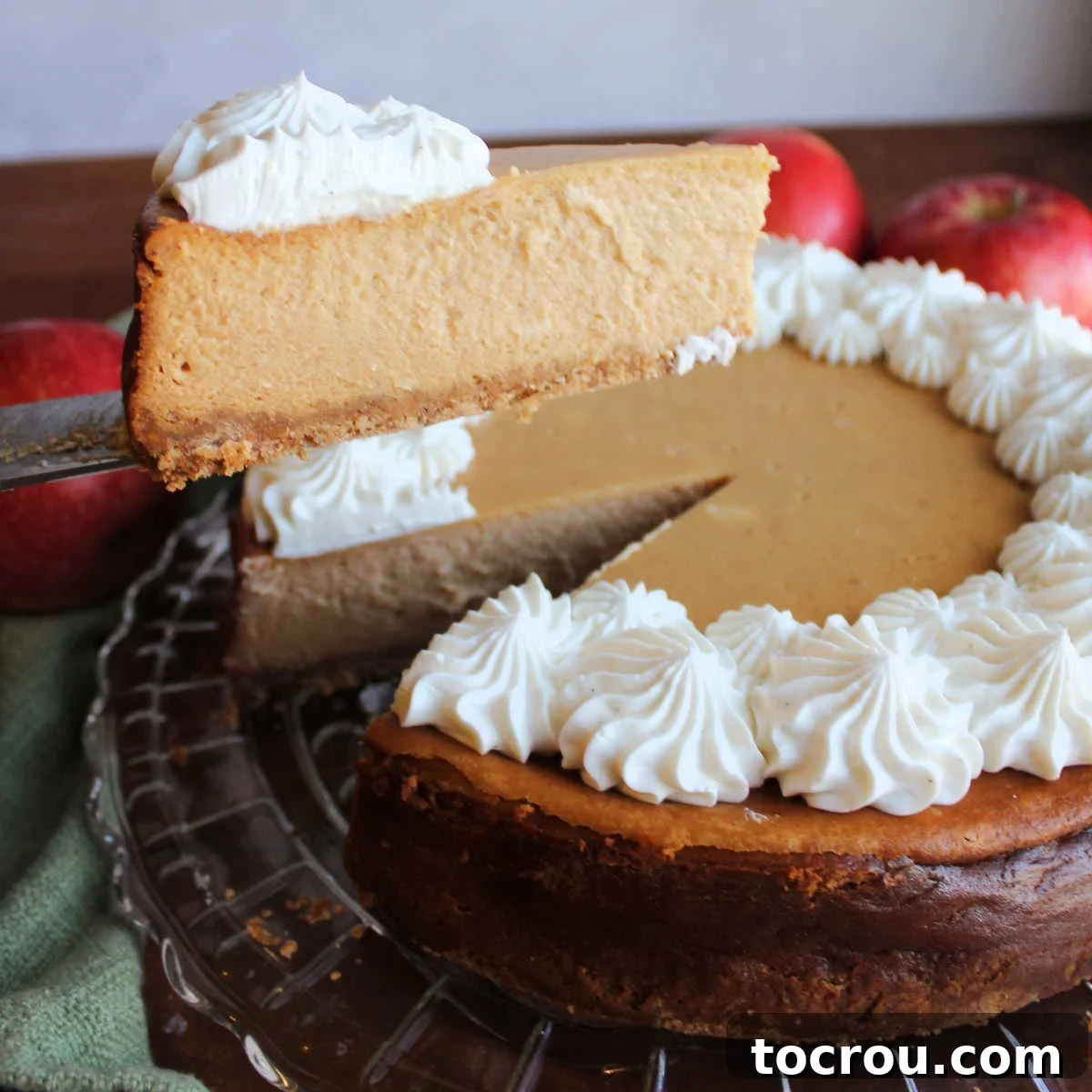
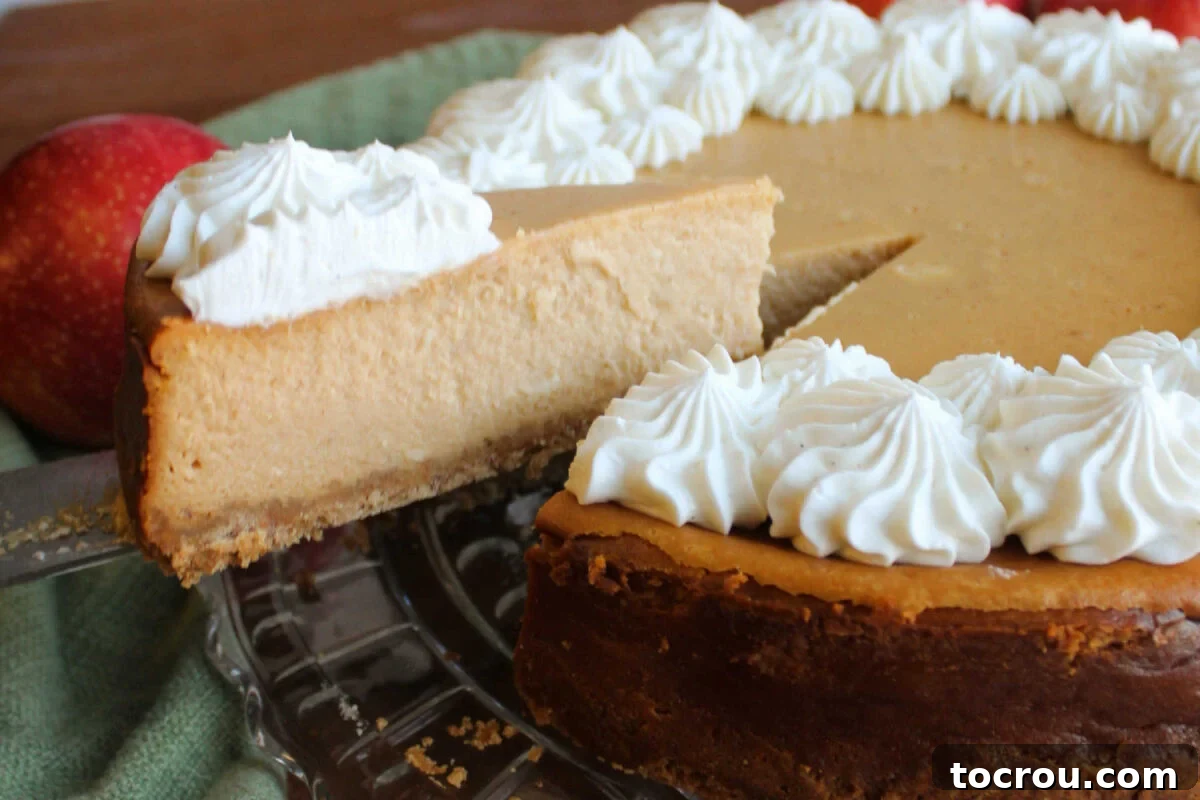
Welcome to the enchanting world of fall desserts, where flavors of the season come alive in every bite. Today, we’re diving into a truly special treat: Apple Butter Cheesecake. Imagine a dessert that’s exceptionally creamy, bursting with rich apple flavor, and kissed with just the right amount of warm baking spices. This isn’t just any cheesecake; it’s a culinary masterpiece that promises a silky-smooth texture and an unforgettable taste experience. Best of all, this easy-to-follow recipe simplifies cheesecake baking, ensuring success even for novice bakers. Say goodbye to complicated water baths and dreaded cracks—this recipe is designed to deliver perfection every time, making it an absolute must-try for your autumn gatherings or simply as a cozy indulgence.
Why This Apple Butter Cheesecake Will Be Your New Fall Favorite
As the leaves turn golden and the air grows crisp, our palates naturally gravitate towards comforting, spiced flavors. This Apple Butter Cheesecake perfectly encapsulates the essence of autumn. It combines the concentrated, sweet, and spiced goodness of apple butter with the luxurious creaminess of a classic cheesecake. What makes this recipe truly stand out is its incredible simplicity and reliability. Built upon a foundation of our beloved condensed milk cheesecake recipe, it eliminates the need for a water bath—a common source of anxiety for many bakers—and virtually guarantees a crack-free finish. This means less stress in the kitchen and more time enjoying a truly spectacular dessert.
The beauty of using condensed milk in cheesecake goes beyond just ease; it contributes to an unparalleled richness and a denser, yet wonderfully smooth, texture that sets this recipe apart. When infused with homemade or high-quality store-bought apple butter, the cheesecake transforms into a symphony of apple, cinnamon, nutmeg, and clove notes. The apple butter not only imparts its signature flavor but also enhances the cheesecake’s texture, making it slightly lighter and even more sumptuous than traditional versions. It’s a dessert that’s quick to assemble, forgiving to bake, and utterly delicious to devour, proving that exceptional taste doesn’t have to come with excessive effort.
The Power of Apple Butter: Flavor and Texture Enhancement
At the heart of this extraordinary dessert is the star ingredient: apple butter. This concentrated apple preserve brings a depth of flavor that fresh apples simply cannot replicate in a baked cheesecake. Its natural sweetness and rich fruitiness, combined with a medley of autumnal spices like cinnamon, nutmeg, and cloves, create a warm and inviting taste profile. Whether you opt for a homemade batch, brimming with personalized spice levels, or a quality jar from your local grocery store, the key is ensuring your apple butter is adequately spiced. If your chosen apple butter leans more towards a subtle apple flavor, don’t hesitate to enhance the cheesecake batter with a pinch of extra cinnamon or a dash of nutmeg to make those comforting spices truly shine.
Beyond its incredible flavor contribution, apple butter plays a crucial role in the cheesecake’s texture. It introduces a certain lightness to the otherwise dense cream cheese mixture, resulting in a cake that is wonderfully moist and incredibly smooth, without being heavy. This subtle textural shift elevates the overall eating experience, making each forkful a pure delight. The versatility of apple butter makes it a fantastic ingredient for fall baking, and this cheesecake recipe truly allows its unique characteristics to take center stage, delivering a dessert that is both sophisticated and deeply comforting.
Crafting the Perfect Crust: Beyond Graham Crackers
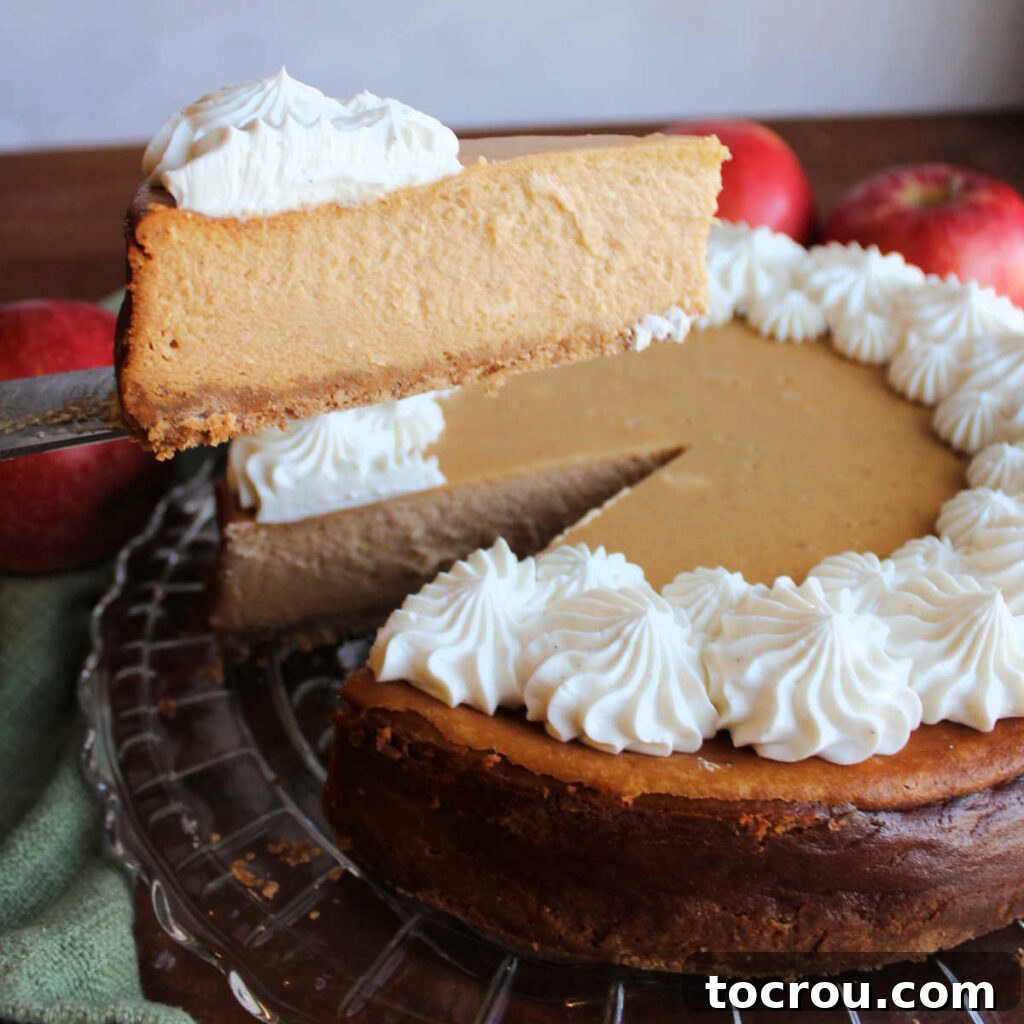
While a classic graham cracker crust offers a delightful crunch and buttery base, this Apple Butter Cheesecake opens the door to exciting variations that can further enhance its spiced profile. For those who adore warm baking spices, consider swapping traditional graham crackers for gingersnap or Biscoff cookie crumbs. These alternatives bring an extra layer of spice—ginger, cinnamon, and sometimes even a hint of cardamom—that beautifully complements the apple butter filling. This simple change can elevate the cheesecake, offering a unique twist that will surprise and impress your guests. Whichever crust you choose, remember that a well-pressed and slightly pre-baked crust is essential for a stable and delicious foundation.
Garnish for Grandeur: The Cream Cheese Whipped Cream Touch
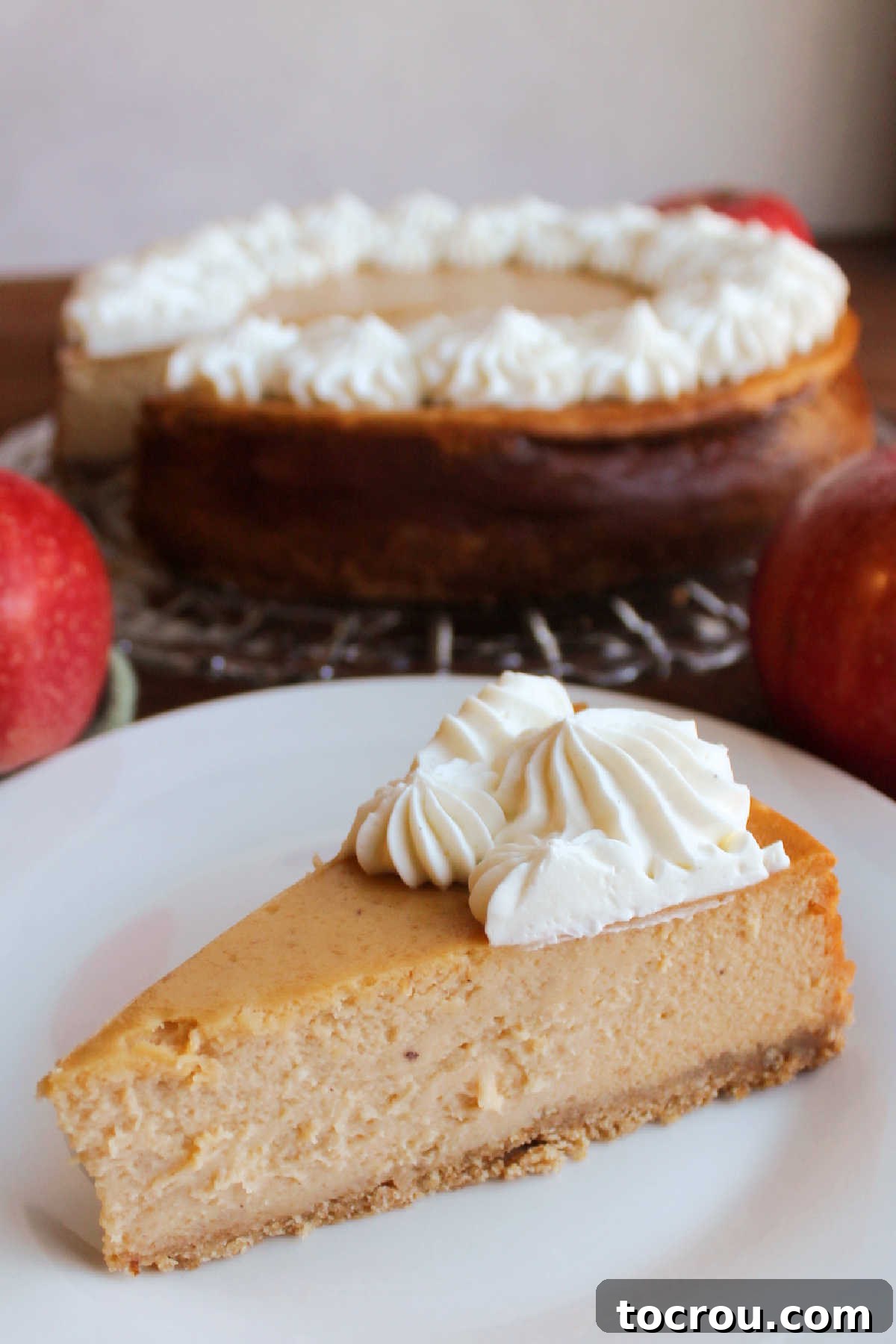
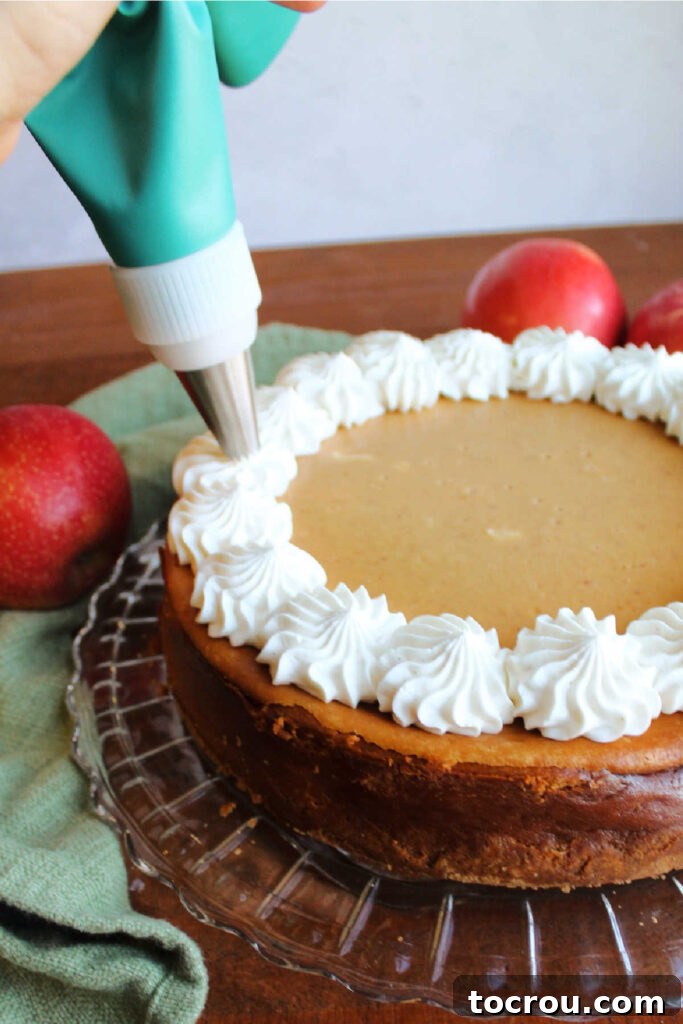
To truly elevate the presentation of your Apple Butter Cheesecake and add another layer of complementary flavor, we highly recommend a swirl of cream cheese whipped cream. While entirely optional, this luscious topping provides a beautiful visual contrast and a tangy counterpoint to the sweet, spiced cheesecake. Piping decorative stars or a delicate border around the edge of your chilled cheesecake instantly transforms it into a showstopper. This extra touch not only makes the dessert look more impressive but also adds a cloud-like texture that melts in your mouth alongside the creamy cheesecake. A light dusting of cinnamon or a drizzle of caramel sauce can also add a final flourish, making your cheesecake truly irresistible.
Carlee’s Essential Tips for a Velvety Smooth Cheesecake Texture
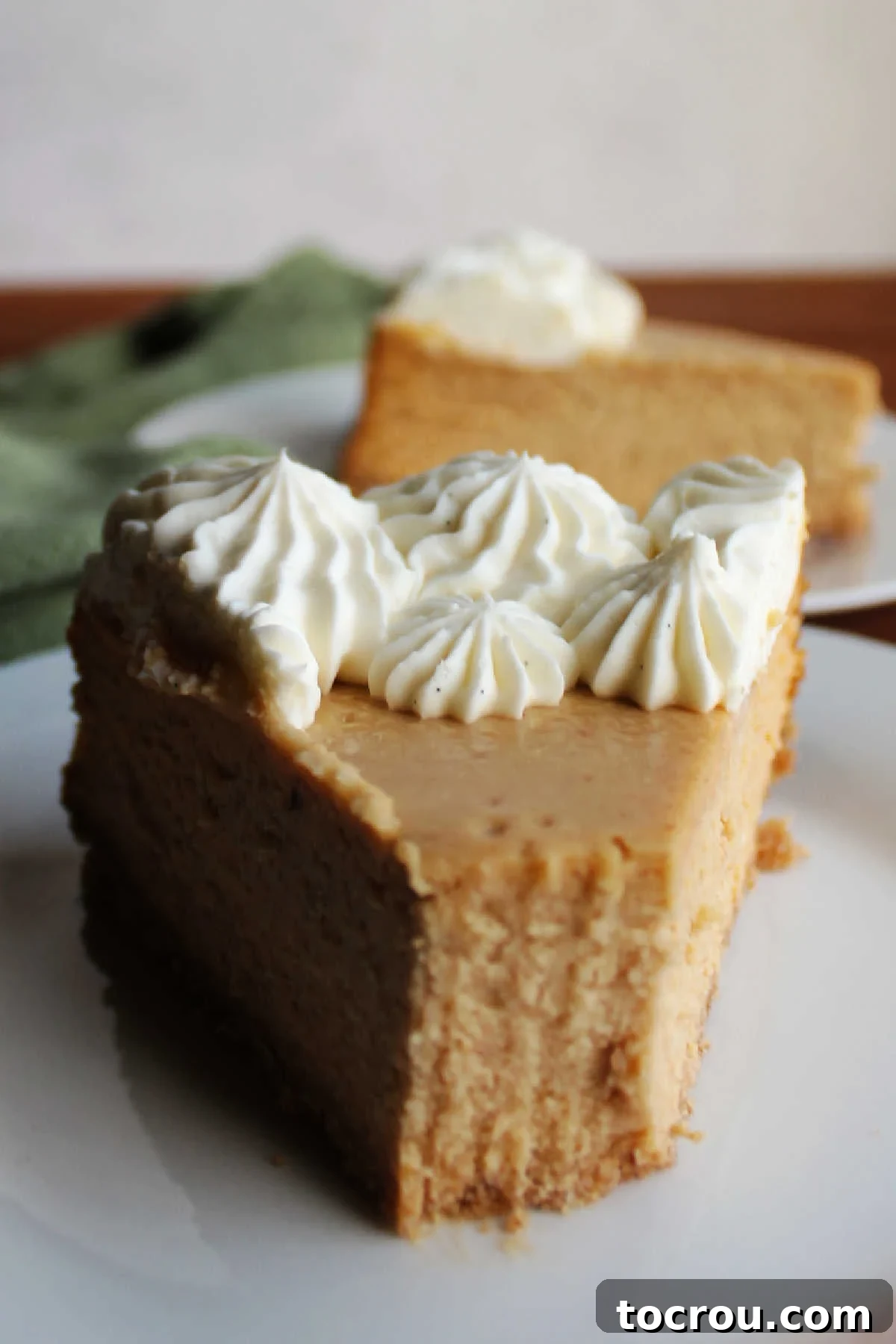
Achieving that perfectly smooth, lump-free, and creamy cheesecake texture is the dream of every baker. While this recipe is incredibly forgiving, a few key steps can make all the difference in ensuring your Apple Butter Cheesecake is nothing short of perfection. The most critical, yet often overlooked, step begins before you even start mixing: ensure all your ingredients, especially the cream cheese, are at room temperature. This isn’t just a suggestion; it’s a fundamental requirement. Cold cream cheese is stiff and will resist blending smoothly, leading to lumps in your final batter. Allowing it to soften completely at room temperature, typically for at least an hour or two, ensures it whips into a silky, uniform consistency.
Once your cream cheese is wonderfully soft, dedicate sufficient time to beating it thoroughly on its own. This is your primary opportunity to eliminate any potential lumps. Use a stand mixer or a hand mixer to whip the cream cheese until it’s light, fluffy, and entirely smooth. As you mix, remember to frequently scrape down the sides and bottom of your mixing bowl. Cream cheese has a tendency to stick to the bowl, and any unmixed portions can create undesirable pockets in your finished cheesecake. Continue beating and scraping until you are confident the cream cheese is perfectly uniform. Only then should you proceed to add the other ingredients, gradually incorporating them to maintain that luxurious texture.
Mastering the Mix: Preventing Air Bubbles and Cracks
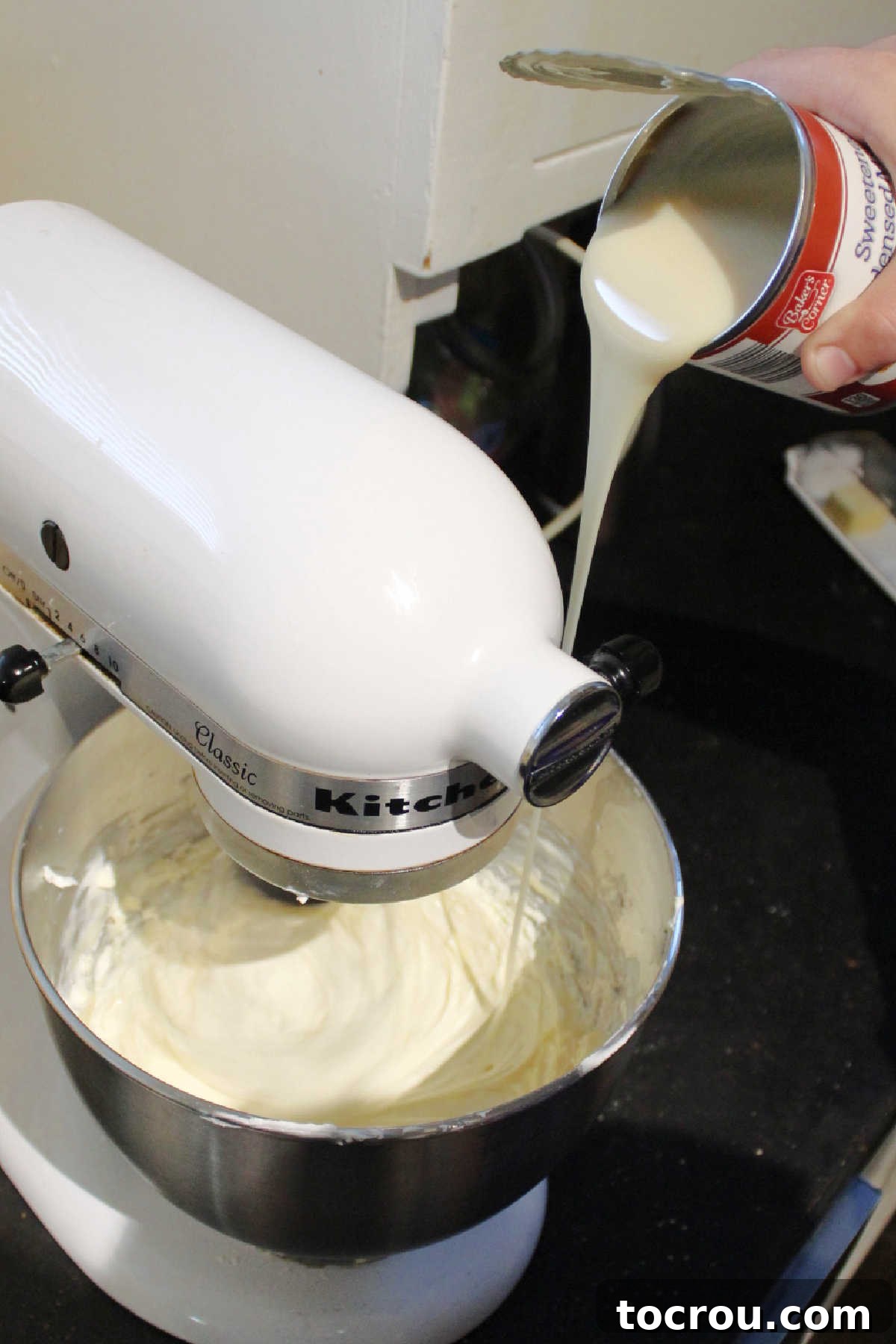
After achieving a smooth cream cheese base, the next crucial step is incorporating the remaining liquid ingredients and eggs without introducing excessive air. When adding sweetened condensed milk and vanilla extract, continue mixing until just combined. The real caution comes with the eggs. Add them one at a time, mixing only until each egg is fully incorporated into the batter. Keep your mixer speed on low during this stage. Overmixing, especially at a high speed after the eggs are added, can whip too much air into the batter. This air can expand during baking, causing the cheesecake to rise excessively, and then deflate rapidly as it cools, leading to unsightly cracks on the surface.
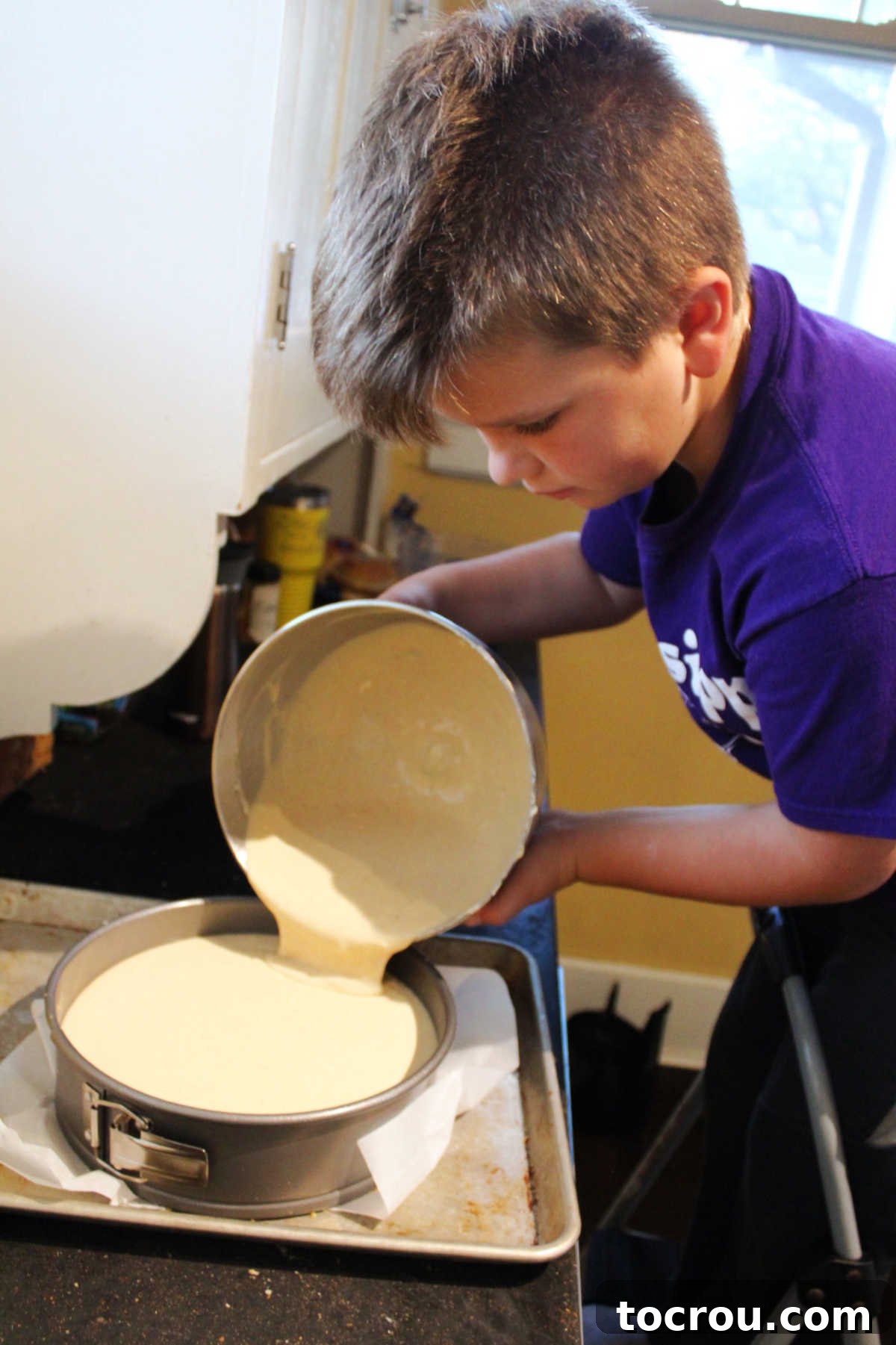
Once the creamy, spiced apple butter batter is poured into your prepared crust in the springform pan, take a moment for a simple but effective trick: gently tap the pan on your kitchen counter a few times. This helps to release any large air bubbles that may have become trapped in the batter, further reducing the risk of cracks and ensuring a dense, even texture throughout the finished cheesecake. These mindful steps in the mixing process are fundamental to achieving the flawless, professional-looking cheesecake you desire.
Achieving a Crack-Free Cheesecake Without a Water Bath
The quest for a perfectly crack-free cheesecake often leads bakers to the intimidating water bath method. However, with this cheesecake recipe, you can achieve stunning results without the extra hassle. The secret lies in a low and slow baking approach, followed by a gradual cooling process. Baking at a lower temperature for a longer duration allows the cheesecake to cook evenly from edge to center, preventing the rapid expansion and contraction that often causes cracks. This method ensures the internal structure sets uniformly, leading to that coveted smooth and creamy texture.
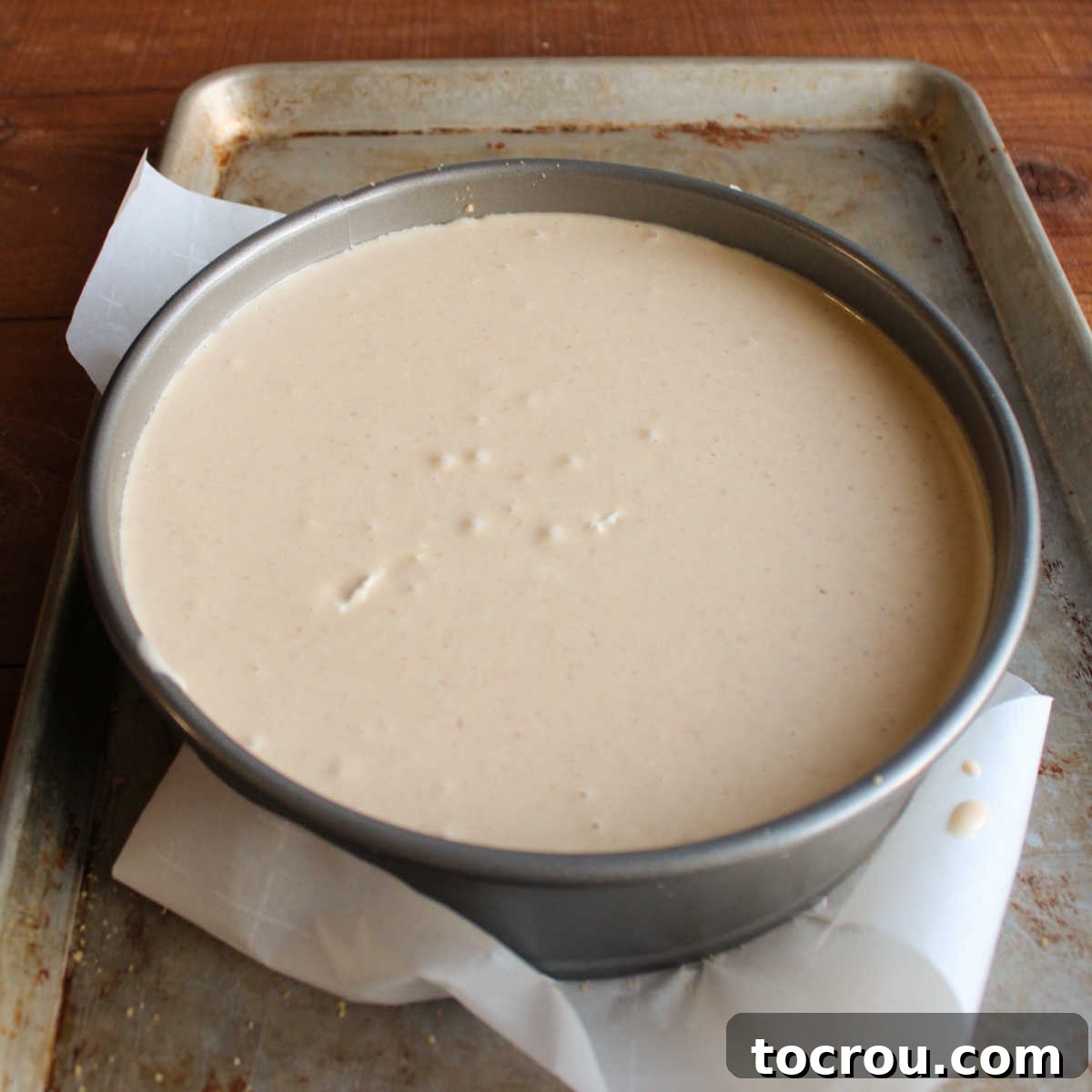
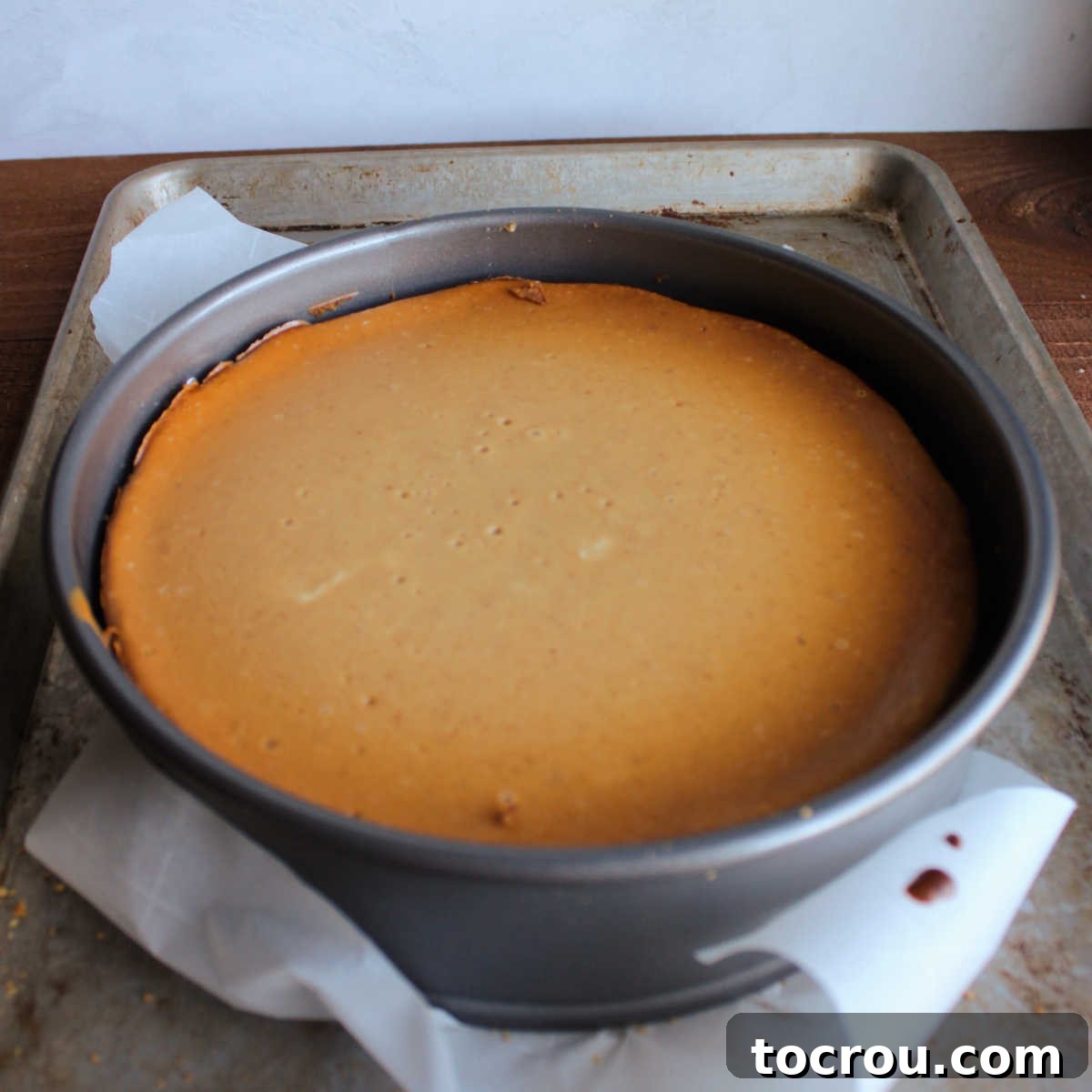
Equally important as slow baking is slow cooling. A sudden change in temperature is a major culprit for cheesecake cracks. Once your cheesecake is set (the edges should be firm, and the center should have only a slight jiggle), turn off the oven and prop the oven door open slightly. Leave the cheesecake inside for about 10 to 15 minutes. This gentle transition allows the cheesecake to gradually adjust to the cooler air, minimizing thermal shock. After this initial cooling period, transfer the cheesecake to a wire rack on the counter to cool completely to room temperature. Finally, a prolonged chill in the refrigerator, preferably overnight, is essential for the flavors to meld and the texture to firm up beautifully. Avoiding drastic temperature swings from start to finish is truly the key to a flawless, crack-free cheesecake.
Baking Tip: Heat Slowly, Cool Slowly
For a perfect, crack-free cheesecake without the fuss of a water bath, remember these golden rules: avoid extreme temperature changes and resist the urge to overmix your batter. These two simple principles are the foundation for cheesecake success.
Apple Butter Cheesecake Recipe
Apple Butter Cheesecake
Equipment
-
KitchenAid 5-Qt. Stand Mixer
-
9-inch Nonstick Springform Pan
Ingredients
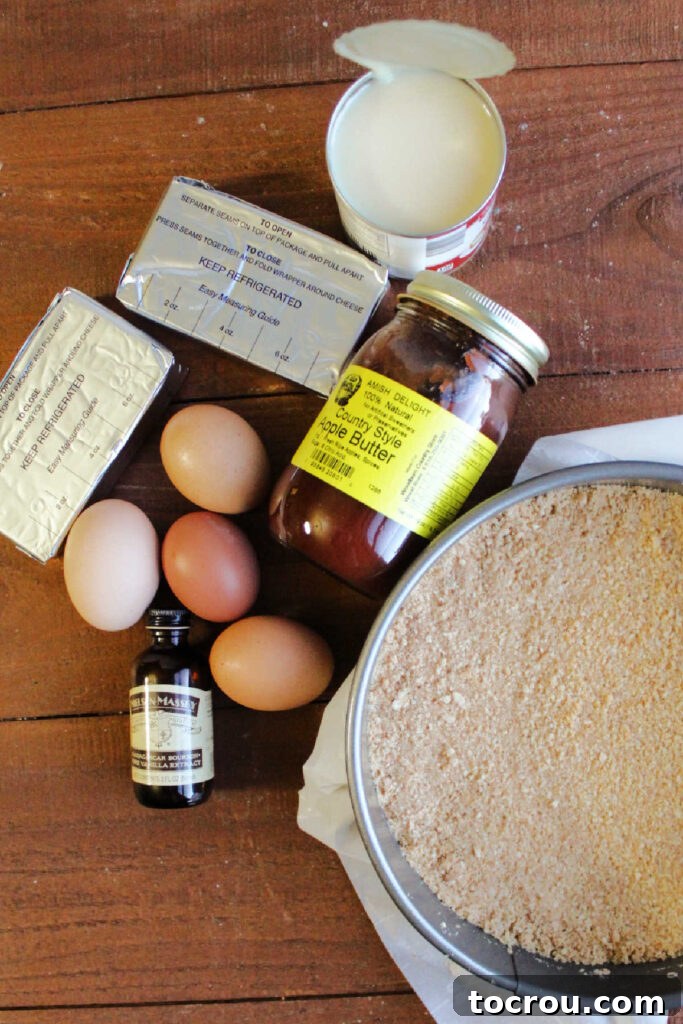
- 1½ cups graham cracker crumbs*
- 4 Tablespoons butter melted
- 16 ounces cream cheese softened
- 14 ounces sweetened condensed milk
- 2 teaspoons vanilla extract
- 4 large eggs
- 1 cup apple butter*
Instructions
-
Preheat oven to 300°F (150°C).
-
Combine the graham cracker crumbs and melted butter in a bowl. Press this mixture evenly into the bottom of a 9-inch springform pan. Bake for about 10 minutes until lightly golden. Set aside to cool slightly.
-
Ensure your cream cheese is very well softened to room temperature. In a large mixing bowl, using an electric mixer, beat the cream cheese until it is completely smooth and fluffy. Be sure to scrape down the sides and bottom of the bowl multiple times to ensure no lumps remain.
-
Gradually add the sweetened condensed milk to the cream cheese, mixing on low speed until the mixture is smooth and fully incorporated. Stir in the vanilla extract until just combined.
-
Add the eggs one at a time, mixing on very low speed only until each egg is just combined with the batter. Avoid overmixing at this stage to prevent incorporating too much air.
-
Gently mix in the apple butter until the entire cheesecake mixture is uniform in color and texture.
-
Pour the cheesecake batter over the baked crust in the springform pan. Gently tap the pan on the counter a couple of times to release any large air bubbles from the batter.
-
Bake for approximately 1 hour, or until the edges are set and the center has only a slight jiggle when gently shaken.
-
Once baked, turn off the oven and crack the oven door open. Leave the cheesecake inside the oven for 10-15 minutes to cool slowly. Then, remove it from the oven and let it cool completely to room temperature on a wire rack. Finally, transfer the cheesecake to the refrigerator and chill for at least a couple of hours, preferably overnight, before serving.
Notes
If your apple butter lacks a strong spice profile, feel free to enhance the flavor by adding a bit of extra cinnamon, nutmeg, ginger, allspice, or your preferred apple-complementary baking spices to the cheesecake batter.
For an elegant presentation, pipe some cream cheese whipped cream onto the chilled cheesecake before serving.
Video
Hide Nutrition Information
Nutrition Information
| Calories: 316kcal
| Carbohydrates: 34g
| Protein: 7g
| Fat: 18g
| Saturated Fat: 10g
| Polyunsaturated Fat: 6g
| Cholesterol: 94mg
| Sodium: 211mg
| Fiber: 1g
| Sugar: 28g
“Cooking With Carlee” is not a dietitian or nutritionist, and any nutritional information shared is an estimate. If calorie count and other nutritional values are important to you, we recommend running the ingredients through whichever online nutritional calculator you prefer. Calories and other nutritional values can vary quite a bit depending on which brands were used.
Did you try this recipe?
Don’t forget to leave a rating below and make sure to follow on Pinterest and Instagram for more!