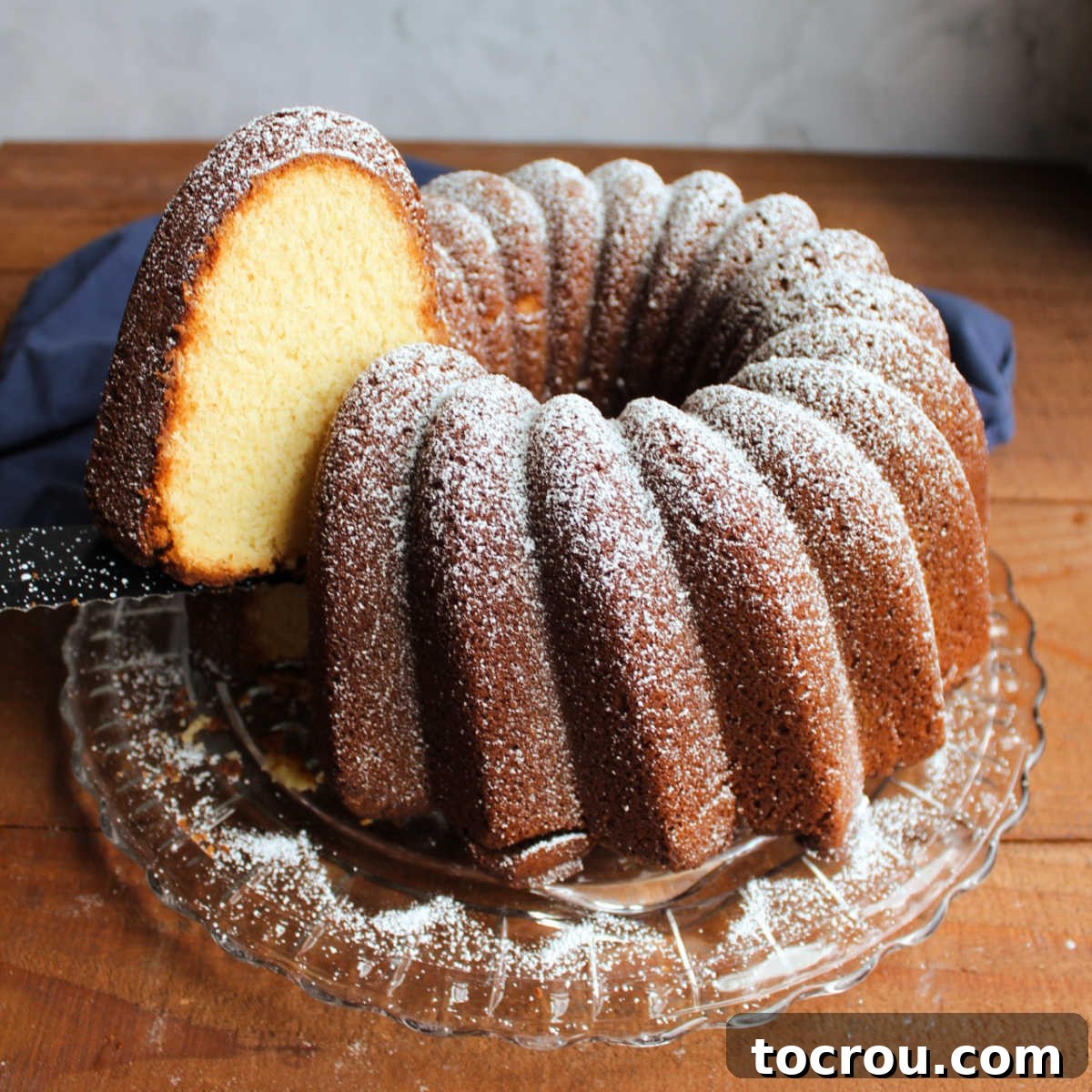
Welcome to the delightful world of pound cakes, where rich flavors and a tender, dense crumb create a truly irresistible dessert. Today, we’re diving into a special variation: the Condensed Milk Pound Cake. This recipe elevates the classic pound cake experience, offering a uniquely moist texture and a subtle sweetness that will make it an instant favorite. Imagine a cake that forms a perfectly golden crust, boasts a fine, buttery crumb, and remains wonderfully tender with every bite. This isn’t just a cake; it’s a versatile canvas ready to be enjoyed on its own or adorned with your favorite fresh fruits, a cloud of whipped cream, or a dusting of powdered sugar for an elegant finish.
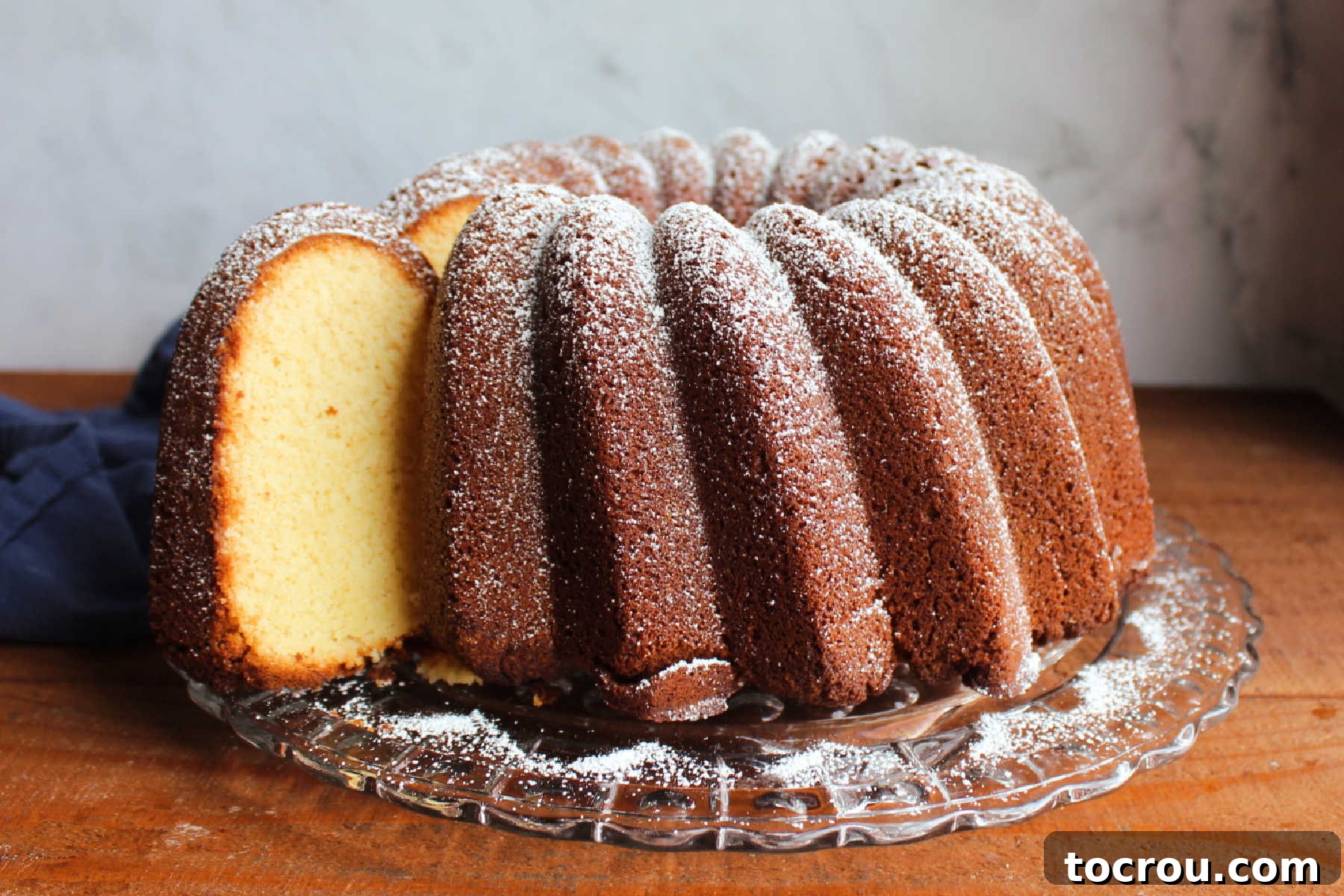
What truly sets this pound cake apart from its traditional counterparts is a brilliant, secret ingredient: sweetened condensed milk. While classic pound cakes are renowned for their generous amounts of butter, this recipe cleverly uses condensed milk to achieve an unparalleled richness and moisture, often requiring less butter than you might expect. This innovative addition not only imbues the cake with a profound depth of flavor but also contributes to its incredibly tender and plush texture, creating a dessert that feels both familiar and refreshingly new.
The Magic of Sweetened Condensed Milk in Pound Cake
Sweetened condensed milk is a game-changer in the world of baking, and its inclusion in this pound cake recipe is nothing short of brilliant. This thick, sweet dairy product, made by removing water from milk and adding sugar, brings several incredible benefits to your baked goods. For one, it acts as a powerful humectant, meaning it helps to retain moisture, resulting in a pound cake that stays incredibly moist and fresh for longer. Unlike traditional pound cakes, which rely heavily on butter for richness, sweetened condensed milk contributes a creamy, caramelized sweetness and a velvety texture that no amount of butter alone can replicate.
This secret ingredient also allows for a reduction in the overall amount of butter and sugar needed, without compromising on flavor or richness. The concentrated sweetness of the condensed milk means you don’t need as much granulated sugar, leading to a perfectly balanced sweetness that isn’t overpowering. Furthermore, the milk solids in condensed milk contribute to a finer crumb structure, giving the cake that desirable dense yet tender characteristic that defines a great pound cake. It’s this unique combination of moisture, flavor, and texture that makes condensed milk pound cake an extraordinary indulgence.
Understanding Sweetened Condensed Milk
Sweetened condensed milk is milk that has had about 60% of its water removed, and a significant amount of sugar added. This creates a viscous, sweet liquid that is shelf-stable and incredibly versatile in desserts. Its high sugar content not only sweetens but also acts as a preservative and contributes to browning, giving our pound cake a beautiful, golden crust. Its thick consistency also aids in creating a dense, yet incredibly tender crumb, which is a hallmark of an exceptional pound cake.
Mastering the Bundt Pan Preparation for a Flawless Release
Achieving a perfectly shaped Bundt cake that effortlessly releases from the pan is often considered the ultimate baking triumph. The intricate designs of Bundt pans, while beautiful, can also be a challenge if not prepared correctly. A proper pan preparation is the crucial first step to ensuring your Condensed Milk Pound Cake emerges from its mold without a hitch, showcasing all its stunning details.
There are several tried-and-true methods bakers swear by for preparing a Bundt pan. One popular technique involves thoroughly coating the pan with softened butter or shortening, ensuring every nook and cranny is covered. Following this, a light dusting of flour is applied, shaking out any excess. This creates a non-stick barrier that helps the cake slide out easily. The butter or shortening helps the flour adhere, forming a protective layer that prevents the batter from sticking to the pan’s surface.
Another method, often favored by seasoned bakers, involves creating a custom “goop” mixture. This concoction typically combines equal parts vegetable oil, shortening, and all-purpose flour. Once mixed into a smooth paste, this mixture is meticulously painted onto the inside of the Bundt pan using a pastry brush, ensuring an even and complete coating. This homemade release agent is particularly effective for highly detailed Bundt pans, as the brush helps reach every curve and crevice.
Some bakers also advocate for using a butter and sugar combination instead of butter and flour. The idea here is that the sugar not only aids in preventing sticking but also caramelizes slightly during baking, creating an extra-crisp and delightfully sweet crust on the cake. While this method sounds intriguing and promises an enhanced texture, it’s essential to ensure the sugar coats the pan evenly to avoid any sticky spots.
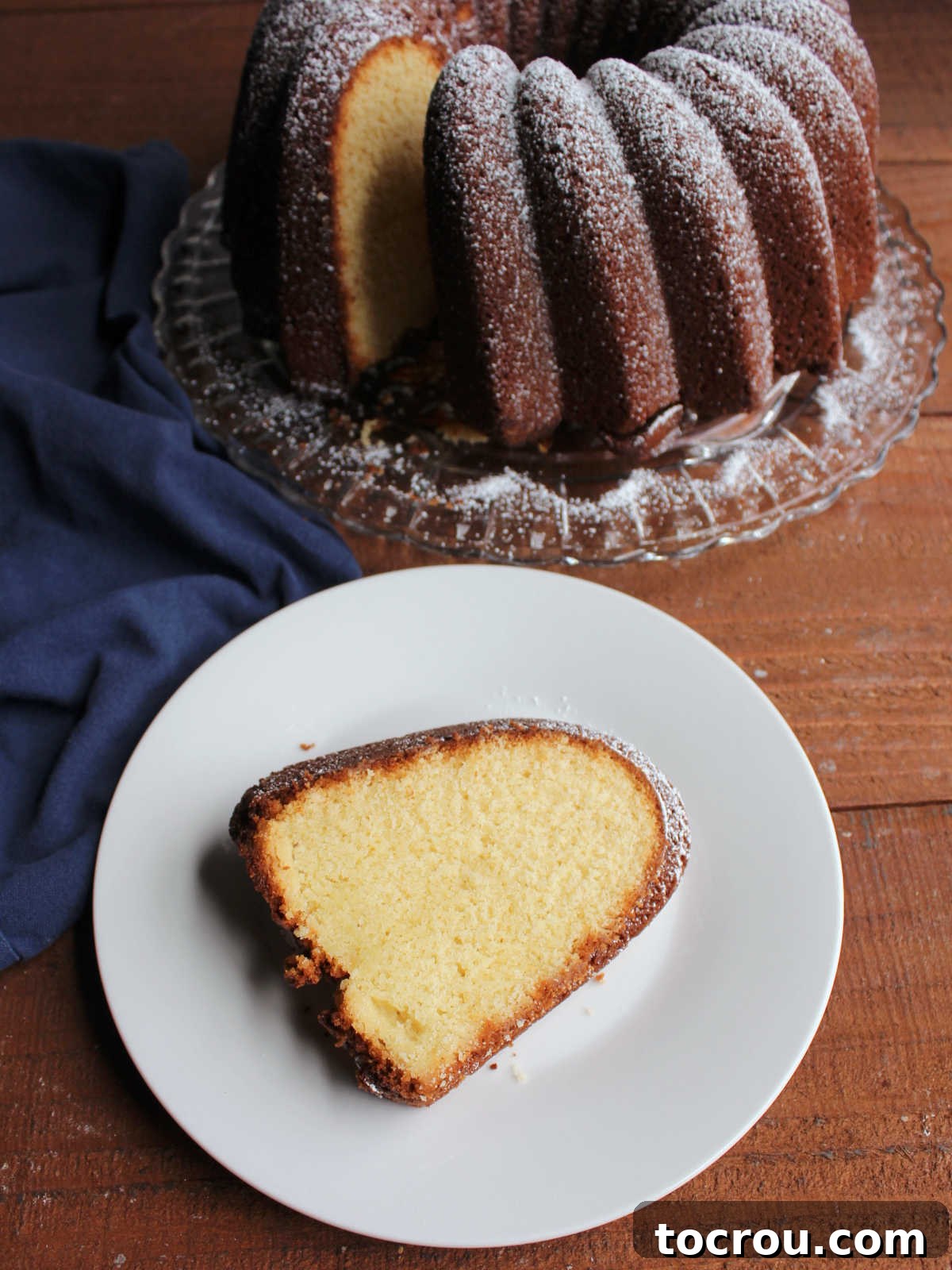
For convenience and consistent results, many home bakers, including myself, find great success with non-stick baking sprays that already contain flour. These sprays offer a quick and effective way to grease and flour your pan in one go, significantly reducing preparation time. Whichever method you choose, the key to success lies in thoroughness. Ensure you coat every single part of the pan, from the base to the fluted sides and especially up the center tube. Missed spots are prime locations for your cake to cling, potentially ruining its presentation. Don’t underestimate the importance of this step; it’s the foundation for a beautifully released Bundt cake.
Pro Tip for Pan Prep
No matter your preferred method, take your time to ensure full coverage. Use a bright light to check for any ungreased areas. For especially intricate pans, use a small brush or even a paper towel to push the butter/shortening into the tightest corners. This attention to detail will pay off when your cake slides out perfectly, leaving no crumbs behind.
Crafting the Perfect Batter for Your Pound Cake
Creating the batter for this sweetened condensed milk Bundt cake is a straightforward process, but a few key practices will ensure your cake turns out light, airy, and evenly baked. The most crucial element before you even begin mixing is ensuring all your ingredients are at room temperature. This simple step can dramatically impact the final texture and quality of your pound cake.
The Importance of Room Temperature Ingredients
Starting with softened butter is essential for achieving the signature light and fluffy texture of pound cake. When butter is at room temperature, it creams together with sugar much more effectively, incorporating tiny air pockets. These air pockets expand during baking, contributing to the cake’s rise and tender crumb. Cold butter, on the other hand, will not cream properly, often resulting in a dense, heavy cake with unmixed butter chunks. Similarly, room temperature eggs emulsify much more easily into the butter-sugar mixture, creating a smooth, cohesive batter. Cold eggs can cause the batter to curdle or separate, leading to an inconsistent texture. Moreover, a room temperature batter bakes more evenly, as it doesn’t need to come up to temperature in the oven before it starts cooking, preventing issues like doming or uneven cooking.
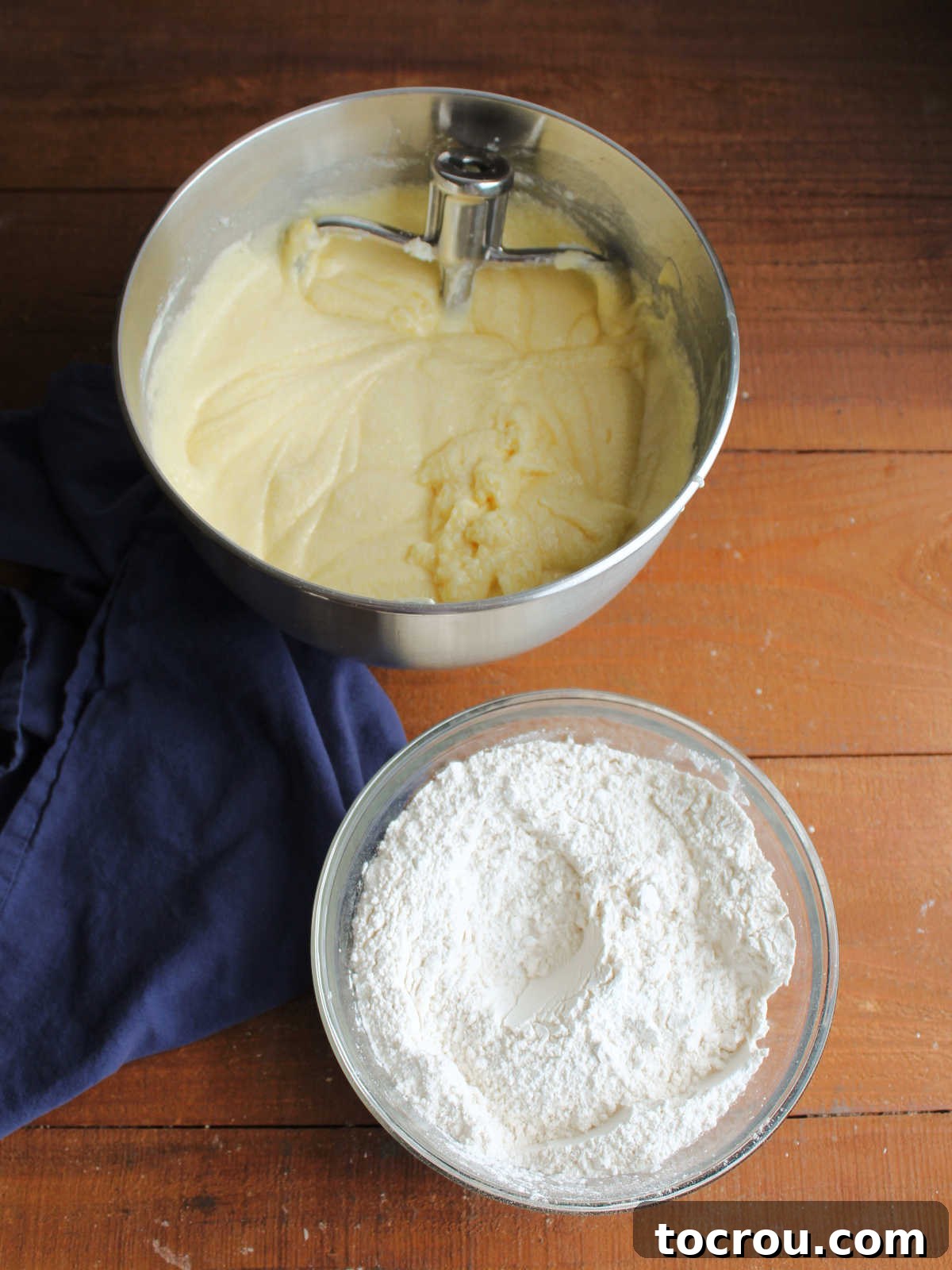
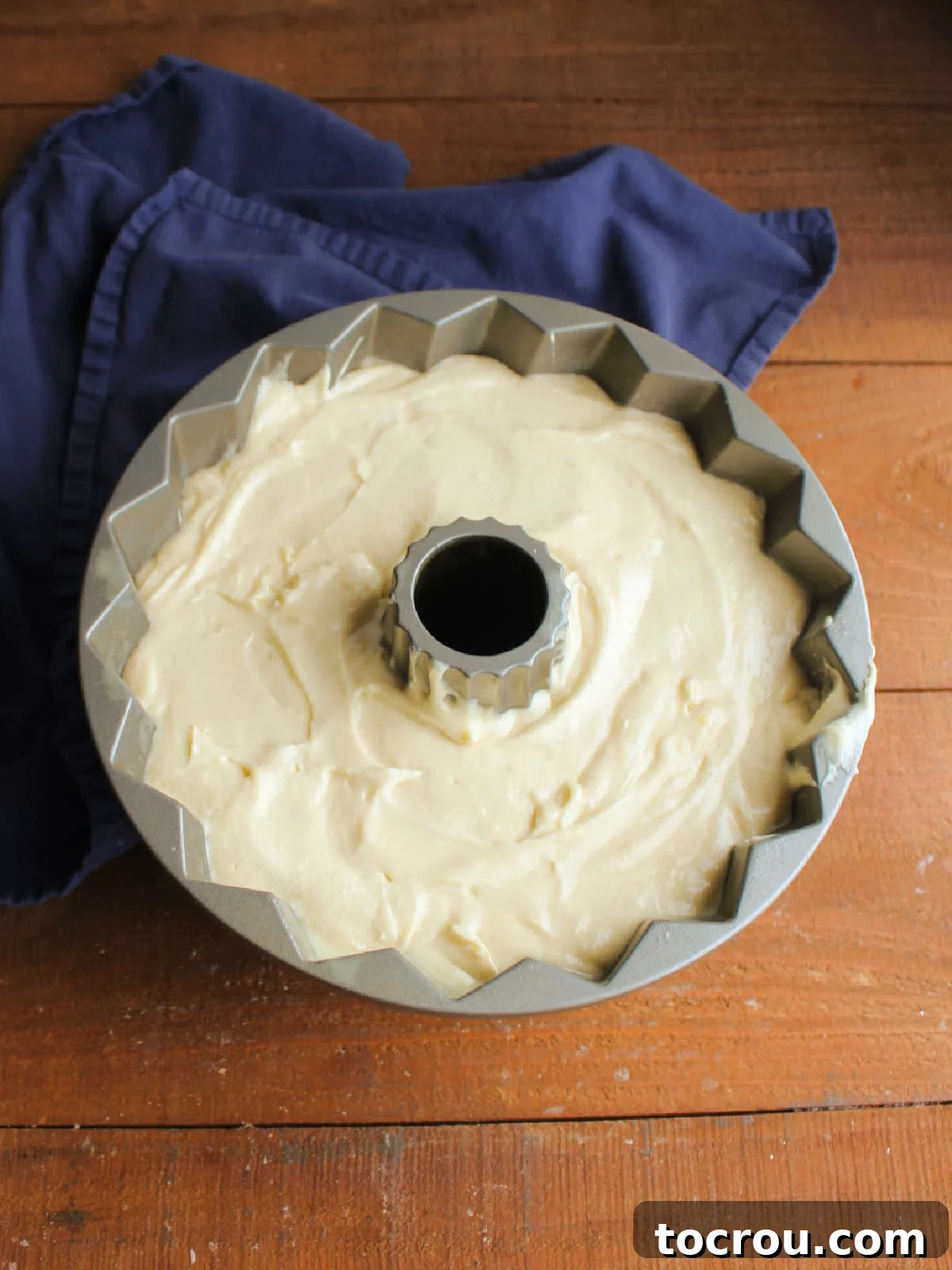
Once your ingredients are properly tempered, the mixing process can begin. In a large mixing bowl, cream together the softened unsalted butter and granulated sugar until the mixture is light, fluffy, and pale in color. This creaming step is vital for incorporating air. Next, the sweetened condensed milk is added, ensuring it’s thoroughly combined to create a uniform, rich base. Then, the eggs are incorporated one at a time, allowing each to fully mix into the batter before adding the next. This prevents the batter from breaking and ensures a smooth emulsion. Finally, the flavor extracts are stirred in. For this pound cake, a blend of vanilla and almond extract offers a classic and inviting aroma. However, feel free to customize; an all-vanilla approach is perfectly acceptable, or you could experiment with a hint of lemon extract for a brighter, zesty note. The beauty of this recipe is its adaptability to your personal taste preferences.
In a separate bowl, whisk together the dry ingredients: all-purpose flour, baking powder, and salt. Gradually add this dry mixture to the wet ingredients, about a cup at a time, mixing only until the flour is just incorporated after each addition. Overmixing the batter can develop the gluten in the flour too much, leading to a tough and dry cake. The goal is to achieve a smooth, thick batter without overworking it. Once mixed, spread the batter evenly into your prepared Bundt pan and give the pan a couple of gentle taps on the counter to release any trapped air pockets, ensuring an even bake and a beautiful finish.
Baking and Cooling for Perfection
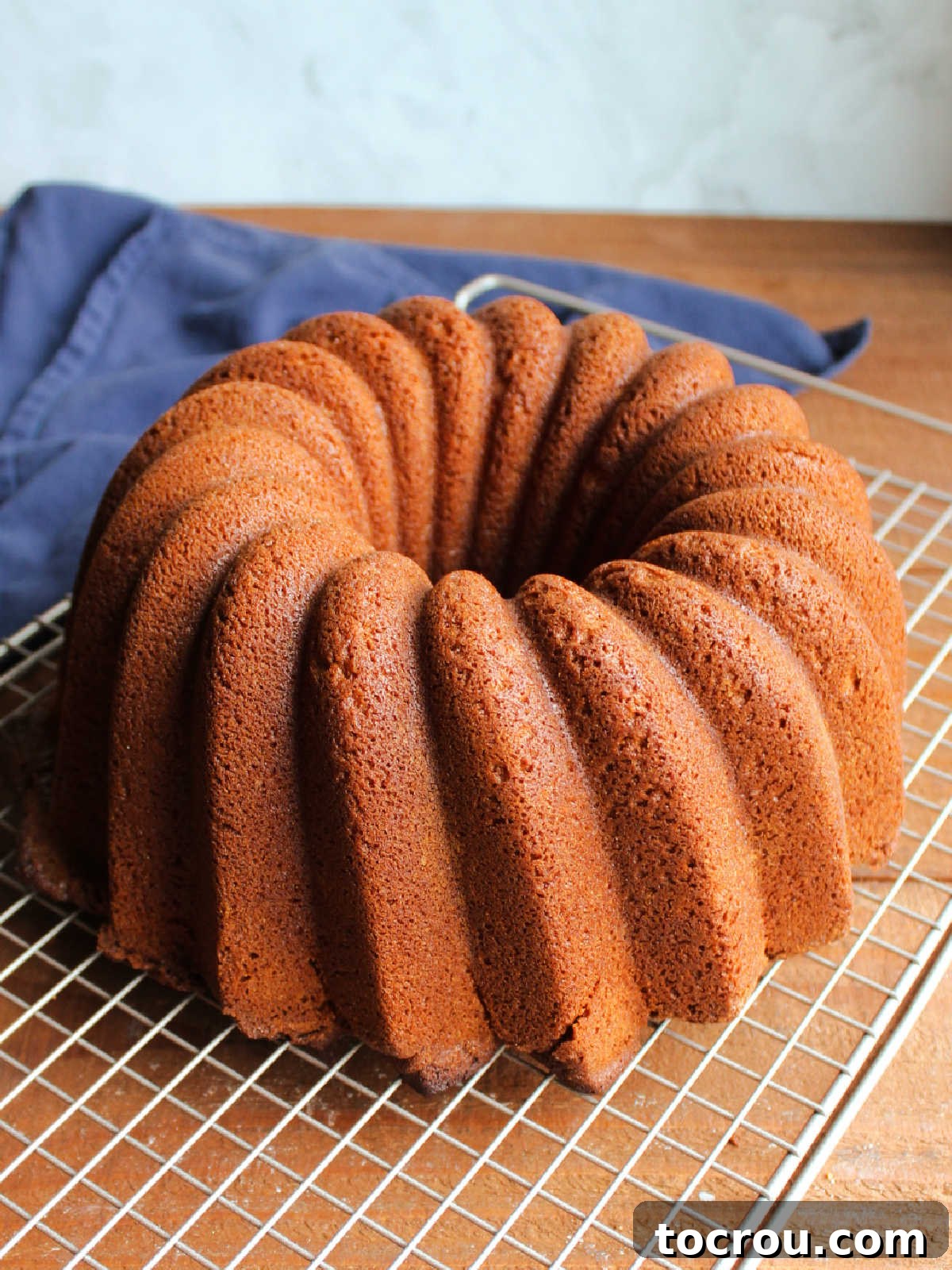
The baking process for your Condensed Milk Pound Cake is a patient art, leading to that coveted golden-brown crust and moist interior. For optimal results, a 12-cup Bundt pan is the ideal size, allowing the cake to bake evenly and achieve its characteristic shape. Preheat your oven to 325°F (160°C), a slightly lower temperature than many cakes, which helps prevent over-browning on the exterior before the interior is fully cooked.
Bake the cake for approximately 75-85 minutes. The best way to test for doneness is to insert a long skewer or toothpick into several spots of the cake. It should come out mostly clean, with perhaps a few moist crumbs attached, but no wet batter. If it comes out completely clean, your cake might be slightly overdone, though still delicious. Avoid opening the oven door too frequently during the first 60 minutes, as sudden temperature drops can cause the cake to sink.
Once baked, resist the urge to immediately remove the cake from the pan. Allow it to cool in the Bundt pan for about 15 minutes. This resting period is crucial; it allows the cake to firm up slightly, making it less prone to breaking when inverted. After 15 minutes, carefully invert the pan onto a wire rack. The cake should slide out easily if the pan was properly prepared. Let the cake cool completely on the wire rack before slicing and serving. Cooling on a rack ensures air circulates around the entire cake, preventing condensation and a soggy bottom. A fully cooled cake will also slice much more cleanly and taste better, as the flavors have time to meld and the texture to set.
Storage Tips for Lasting Freshness
Proper storage is key to extending the life and deliciousness of your Condensed Milk Pound Cake. Like most pound cakes, this Bundt cake is best stored at room temperature, wrapped tightly in plastic wrap or placed in an airtight container. This method will keep it wonderfully fresh and moist for up to 3-4 days. Storing at room temperature allows the cake to maintain its tender crumb and rich flavor profile, preventing it from drying out.
For longer storage, freezing is an excellent option. Once the cake has cooled completely, you can wrap individual slices or the entire cake (if uncut) tightly in plastic wrap, followed by a layer of aluminum foil. This double-layer protection helps prevent freezer burn. Frozen pound cake can be stored for up to three months. When ready to enjoy, simply thaw at room temperature. This is a fantastic way to have a quick, delightful treat on hand for unexpected guests or a personal craving.
It’s generally advisable to avoid refrigerating pound cakes. While it might seem counterintuitive for preserving freshness, refrigeration tends to dry out cakes, making them stale more quickly. The cold temperature causes the starches in the cake to recrystallize rapidly, resulting in a firm, dry texture. If you must refrigerate, ensure it’s tightly wrapped, but always aim for room temperature or freezing for the best results.
Serving Suggestions and Variations
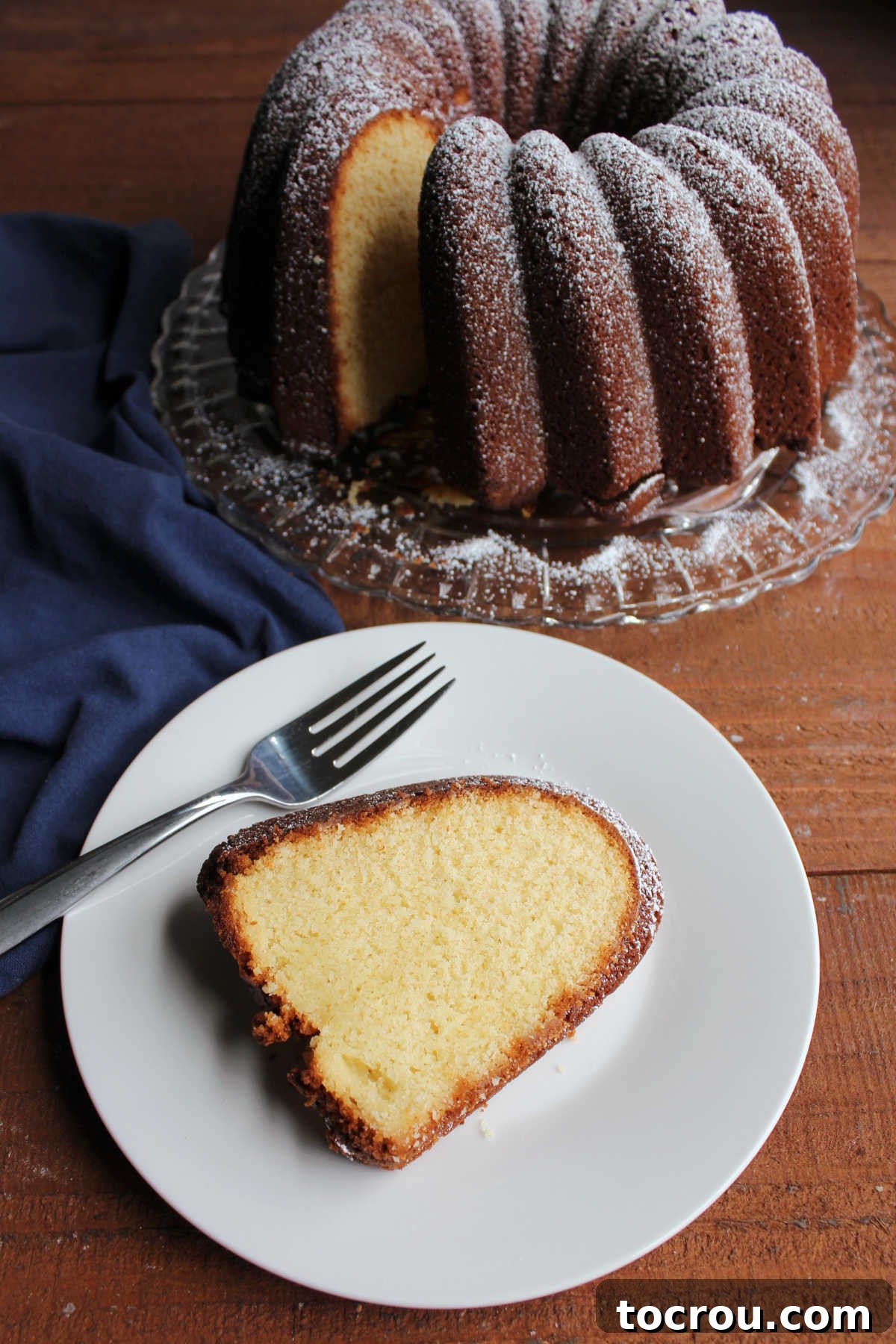
The beauty of this Condensed Milk Pound Cake lies not only in its exquisite flavor but also in its versatility. While it’s absolutely fabulous on its own, a few simple additions can transform it into an even more spectacular dessert. A light dusting of powdered sugar is a classic and elegant touch, highlighting the cake’s beautiful fluted design without overpowering its inherent sweetness. For a truly decadent experience, pair a slice with a generous dollop of freshly whipped cream and a medley of seasonal berries – think ripe strawberries, blueberries, or raspberries, which provide a delightful tart contrast to the cake’s richness.
Consider drizzling your pound cake with a simple glaze. A lemon glaze (powdered sugar mixed with fresh lemon juice) adds a bright, zesty kick, while a vanilla bean glaze can enhance its inherent warmth. For chocolate lovers, a rich chocolate ganache drizzle would be an irresistible pairing. Fruit sauces, such as a homemade blackberry or blueberry sauce, are also fantastic complements, adding both flavor and visual appeal.
Looking to switch things up? This recipe is highly adaptable. You can introduce a different flavor profile by adding citrus zest to the batter – orange or lemon zest can provide a lovely aroma and subtle tang. For a spicy twist, a pinch of nutmeg or cardamom can be incorporated. Chocolate chips or finely chopped nuts can also be folded into the batter for added texture and flavor. The possibilities are endless, making this Condensed Milk Pound Cake a versatile foundation for your culinary creativity.
Troubleshooting Common Pound Cake Issues
Even seasoned bakers can encounter hiccups. Here are solutions to common pound cake problems:
- Sinking in the middle: This often indicates the cake was underbaked. Ensure your skewer comes out mostly clean. It can also happen if the oven door is opened too early, causing a sudden temperature drop.
- Dry or crumbly cake: Overmixing the batter develops too much gluten, leading to a tough texture. Always mix just until ingredients are combined. Also, overbaking can cause dryness; stick to the recommended baking time and test for doneness carefully.
- Sticking to the pan: This is almost always due to improper pan preparation. Revisit the greasing and flouring steps, ensuring every crevice is covered. Using a high-quality non-stick spray with flour can help. Make sure the cake cools in the pan for the recommended 15 minutes before inverting.
- Dense texture: This can result from cold ingredients, insufficient creaming of butter and sugar (not enough air incorporated), or using too much flour. Ensure ingredients are at room temperature and measure flour accurately, preferably by weight.
- Dark or burnt crust: If your oven runs hot, or if the cake is baking too close to a heating element, the crust can brown too quickly. You can try lowering the oven temperature by 10-15 degrees Fahrenheit or loosely tenting the cake with foil during the last part of baking.
By understanding these common issues and their solutions, you can confidently bake a perfect Condensed Milk Pound Cake every time.
Condensed Milk Pound Cake
Ingredients
- 1¼ cup unsalted butter softened
- 2½ cup granulated sugar
- 14 ounces sweetened condensed milk
- 6 eggs room temperature
- 2 teaspoons vanilla extract
- 2 teaspoons almond extract
- 3¼ cups all-purpose flour
- ½ teaspoon baking powder
- ½ teaspoon salt
Instructions
-
Preheat oven to 325℉ and grease a 12-cup Bundt pan thoroughly.
-
In your mixer or a large mixing bowl, cream together 1¼ cup unsalted butter and 2½ cup granulated sugar until light and fluffy.
-
Mix in the 14 ounces sweetened condensed milk until uniform.
-
Add the 6 eggs, one at a time, mixing until each is fully incorporated. Stir in the 2 teaspoons vanilla extract and 2 teaspoons almond extract.
-
In a medium mixing bowl, stir together 3¼ cups all-purpose flour, ½ teaspoon baking powder, and ½ teaspoon salt.
-
Gradually add the dry ingredients, about a cup at a time, to the wet ingredients. Mix after each addition until the flour is just incorporated, being careful not to overmix.
-
Spread the batter evenly into the prepared cake pan. Tap the pan gently on the counter a couple of times to release any air pockets.
-
Bake for 75-85 minutes, or until a skewer inserted into the center of the cake comes out mostly clean.
-
Cool in the pan for 15 minutes before inverting onto a wire rack to cool completely.
Video
Nutrition Information
“Cooking With Carlee” is not a dietitian or nutritionist, and any nutritional information shared is an estimate. If calorie count and other nutritional values are important to you, we recommend running the ingredients through whichever online nutritional calculator you prefer. Calories and other nutritional values can vary quite a bit depending on which brands were used.
Did you try this recipe?
Don’t forget to leave a rating below and make sure to follow on Pinterest and Instagram for more!