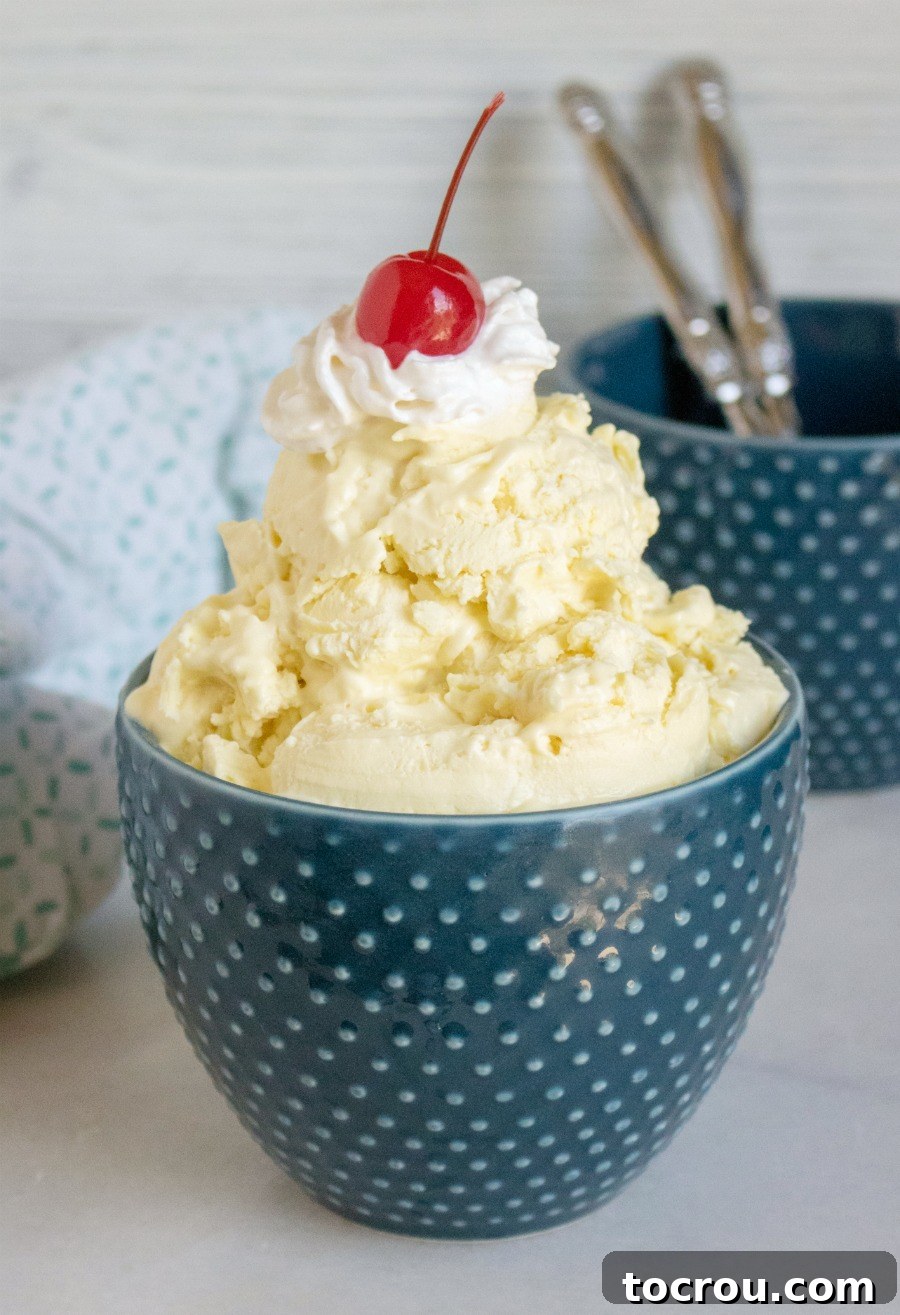
There’s nothing quite like the creamy, rich taste of homemade ice cream. It’s a nostalgic treat that brings joy to any occasion, and thankfully, it’s surprisingly simple to master in your own kitchen. Forget store-bought tubs; once you’ve experienced the unparalleled freshness and customized flavors of homemade, you’ll be hooked. This comprehensive guide will walk you through every step, from selecting the right ingredients to perfecting that velvety texture, ensuring you can whip up all the delicious frozen desserts your heart desires!
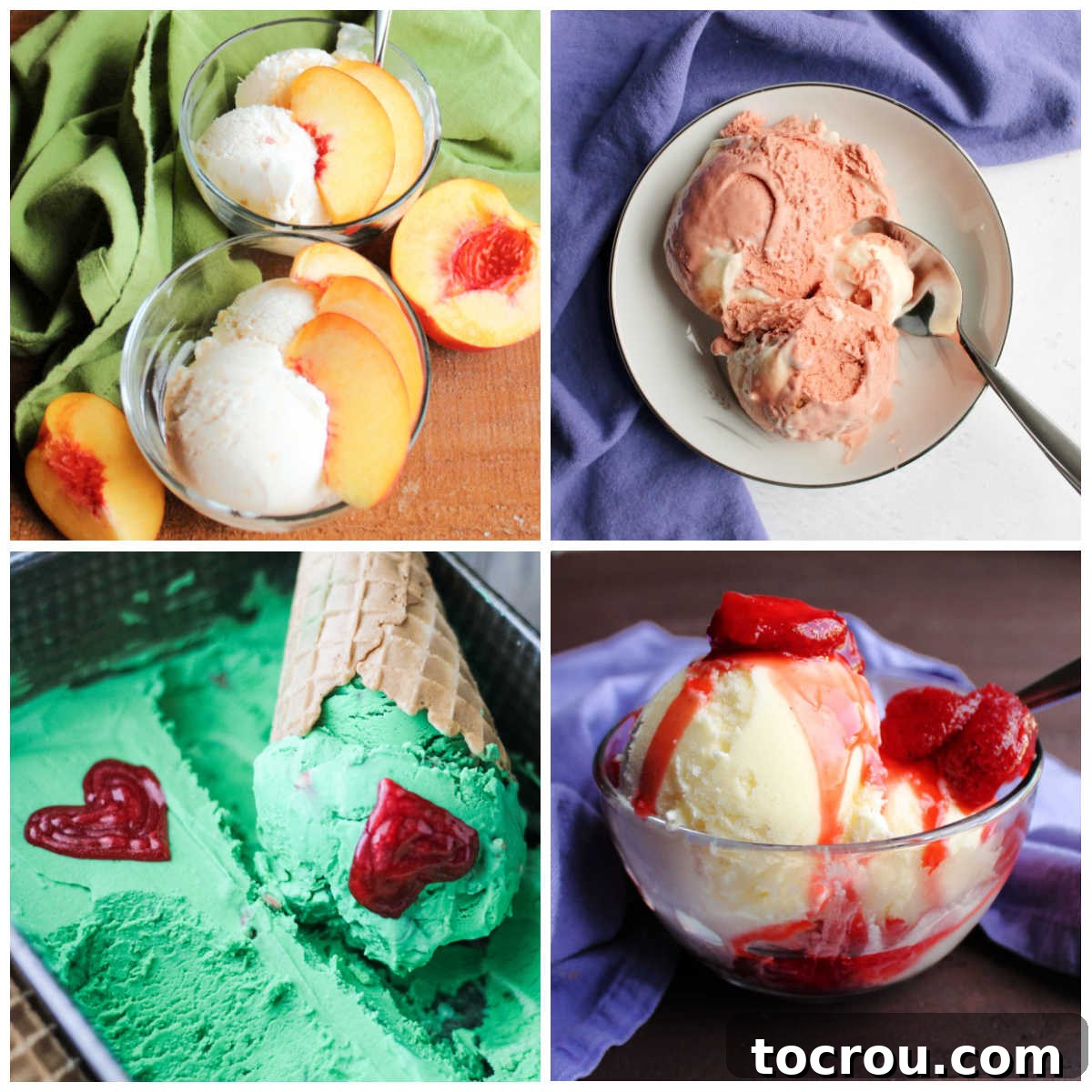
Ice cream stands as one of the world’s most universally cherished desserts, and its widespread appeal is entirely understandable. Its irresistibly creamy texture, refreshing coolness, and the endless spectrum of flavors available make it an unparalleled delight. From classic vanilla to adventurous gourmet creations, there’s a perfect scoop for every palate.
If you consider yourself an ice cream enthusiast, discovering the art of making your own at home will be a game-changer. Homemade ice cream allows for complete control over ingredients, enabling you to use only the freshest, highest-quality components for the most vibrant and authentic flavors. Beyond that, it opens up a world of creative possibilities, empowering you to experiment with unique flavor combinations and mix-ins that you simply can’t find in stores. Imagine crafting a custom flavor perfectly suited to your cravings!
The truly exciting part is that this culinary adventure is far more accessible than you might think. Many people assume homemade ice cream is complicated, but with the right knowledge and tools, it’s a straightforward and incredibly rewarding process. Whether you’re a complete novice or have some kitchen experience, this detailed guide is designed to empower you with all the essential information, tips, and tricks you need to start producing your own exquisite, utterly delicious homemade ice cream with confidence.
The Essential Ingredients for Homemade Ice Cream
At its core, ice cream relies on a surprisingly simple combination of 3-4 fundamental ingredients: milk, cream, sugar, and flavorings. While countless other additions can be incorporated to enhance flavor, refine texture, and adjust consistency, these four form the bedrock of almost every delicious ice cream recipe.
Milk: The choice of milk significantly impacts the final texture and richness of your ice cream. For the creamiest, most luxurious results, whole milk is highly recommended due to its higher fat content. The milk fat contributes to a smoother mouthfeel and helps prevent the formation of large ice crystals. While fat-free or low-fat milk can certainly be used, be aware that the resulting ice cream will likely be less rich, have a slightly icier texture, and a lighter consistency. For a good balance, some recipes call for a combination of whole milk and skim milk.
Cream: Heavy cream, often labeled as heavy whipping cream, is truly the star ingredient for achieving that desired rich and indulgent texture. With its substantial fat content (typically 36% or higher), heavy cream provides the necessary body and velvety mouthfeel that defines premium ice cream. In a pinch, lighter creams or even half-and-half can be substituted, but it’s important to understand that using them will result in a less dense and less creamy product. The higher the fat content in your cream, the richer and smoother your homemade ice cream will be.
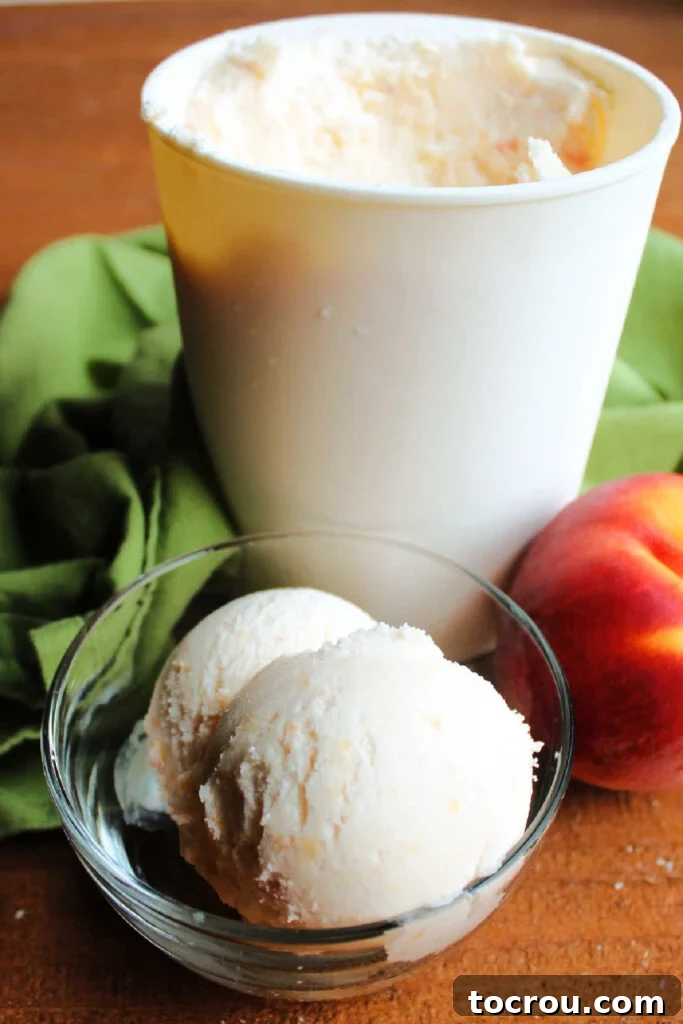
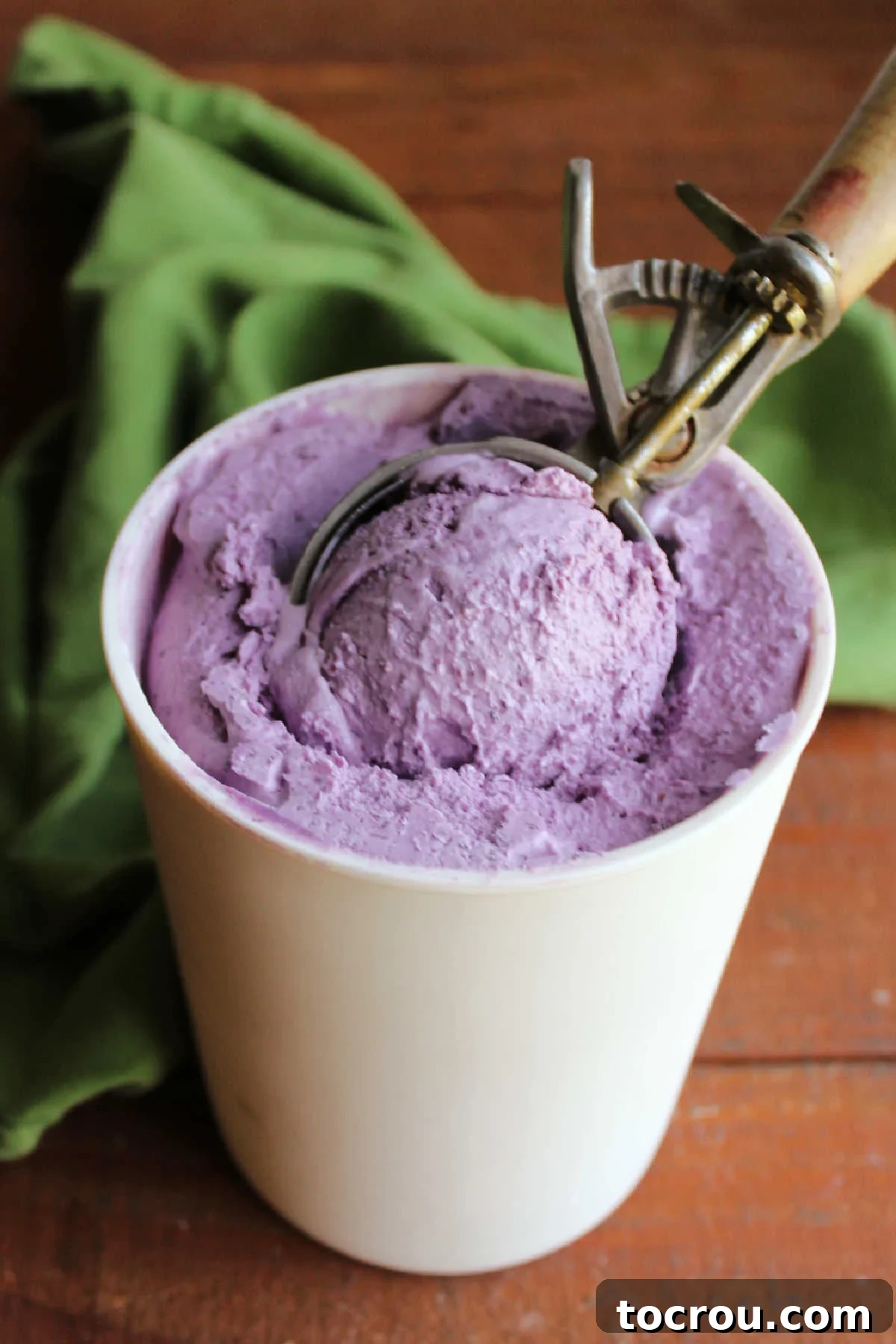
Sugar: Sugar plays a dual role in ice cream making: it provides essential sweetness and significantly influences the freezing process. Sugar acts as an antifreeze, lowering the freezing point of the mixture, which is crucial for achieving a scoopable, rather than rock-hard, consistency. Granulated sugar is the most common choice, but don’t hesitate to explore other sweeteners like honey, maple syrup, or molasses. Each will impart its own distinct flavor profile and subtly alter the final texture. Just remember that liquid sweeteners might require minor adjustments to the overall liquid content of your base.
Flavorings: Here is where your culinary imagination can truly soar! The possibilities for flavoring your homemade ice cream are virtually limitless. You can incorporate anything from fresh, seasonal fruits for a vibrant taste, rich chocolate chips or chunks for indulgence, crushed cookies for added texture, or various nuts for a satisfying crunch. Extracts like vanilla, almond, or peppermint are also fantastic for infusing concentrated flavor. Just remember to add most mix-ins towards the end of the churning process to prevent them from becoming too pulverized.
In addition to these core ingredients, you’ll also need some essential equipment. Most importantly, an **ice cream maker** is indispensable. These come in various forms, from standalone electric machines to convenient attachments for popular stand mixers like KitchenAid. You’ll also need a large bowl for mixing your base, a sturdy whisk or spoon for stirring, and measuring cups and spoons for precise ingredient ratios. Depending on the type of ice cream maker you use, you might also require rock salt and ice, which surround the canister during churning to facilitate freezing – these do not go *into* your ice cream!
Understanding the interplay between these ingredients and tools is key to crafting different styles of ice cream, each aiming for that quintessential rich, creamy mouthfeel, smooth finish, and delightful texture. Your preference for a specific texture and richness will guide your ingredient choices and preparation method.
Heating Your Ice Cream Base: The First Step to Perfection
The journey to exquisite homemade ice cream often begins with preparing the base. This foundational mixture of milk, cream, sugar, and flavorings is what will eventually be transformed into a frozen delight by your ice cream maker. One of the most effective techniques for creating a superior base involves gentle heating.
The primary reason for heating the milk in your base is to ensure that the sugar completely and evenly dissolves. Sugar crystals can remain undissolved in cold liquids, leading to a gritty texture in your finished ice cream. Warm liquid, however, significantly increases sugar’s solubility, resulting in a perfectly smooth, silky base. Heating also helps to better infuse flavors, especially from ingredients like vanilla beans or spices, and can aid in emulsifying the fats in the cream, leading to a more stable and cohesive mixture.
To prepare your heated base, start by combining the milk in a saucepan over medium heat. The goal is to bring the milk to a comfortable warmth, not a boil. You’ll see small bubbles forming around the edges of the pan, indicating it’s hot enough. Boiling the milk can scorch it and alter its flavor, so keep a close eye on it.
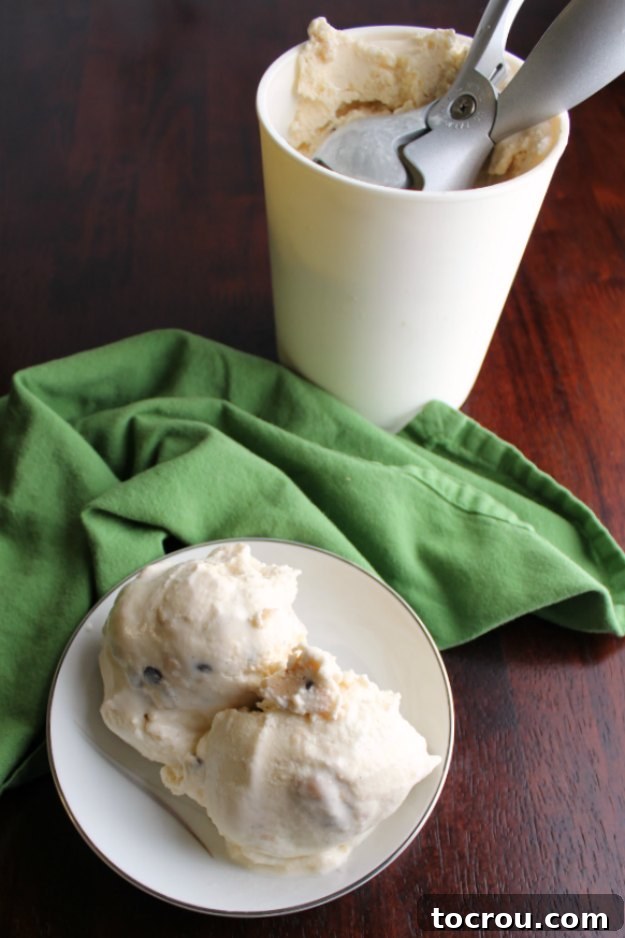
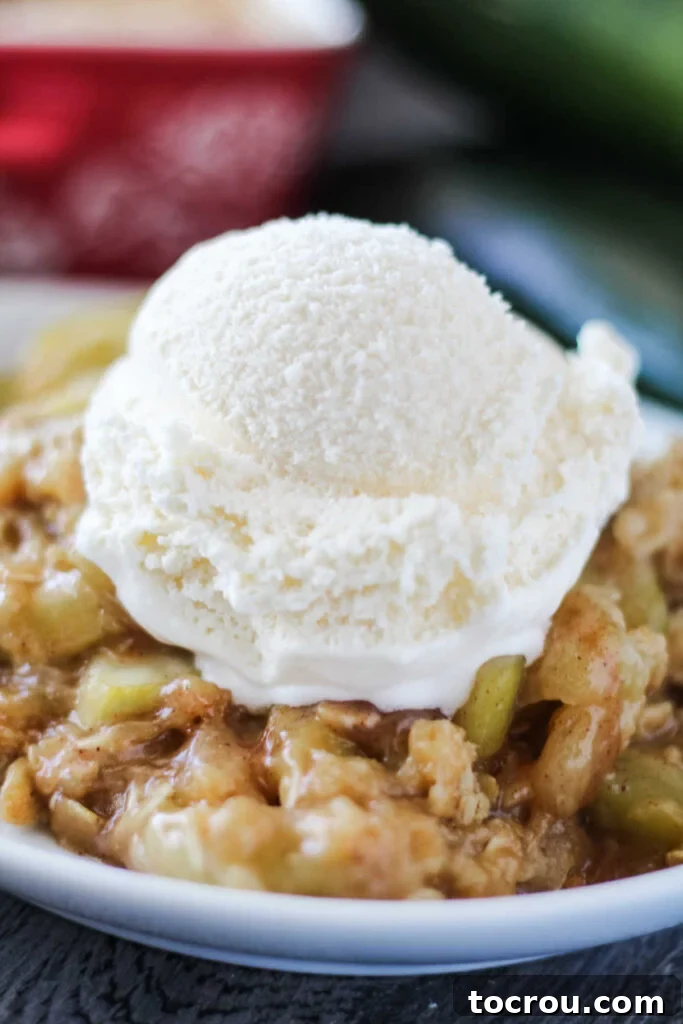
Once the milk is warm, add the sugar to the saucepan and stir continuously until it is completely dissolved. You shouldn’t feel any grittiness when you rub a small amount of the mixture between your fingers. Next, incorporate the heavy cream, stirring until all ingredients are thoroughly combined and the mixture is homogenous. This creates a rich, sweet foundation for your ice cream.
At this stage, you can stir in any desired flavorings that benefit from heat, such as vanilla extract (added off heat to preserve its delicate flavor), coffee, or fruit purées. Ensure everything is well combined to distribute the flavor evenly throughout the base. For solid mix-ins like chocolate chips or nuts, these are typically added after churning.
Finally, and this step is absolutely critical, pour the warm mixture into a large bowl, cover it, and place it in the refrigerator to chill thoroughly. This cooling process should ideally take at least 1-2 hours, but preferably longer, even overnight. It’s imperative that your ice cream base is very cold before it goes into the ice cream maker. A well-chilled base freezes faster and more efficiently, leading to a smoother, creamier texture and preventing the formation of undesirable large ice crystals. Rushing this step is a common mistake that can compromise the final quality of your homemade ice cream.
The Richness of Eggs in Ice Cream: Custard-Style
For those seeking an exceptionally rich, smooth, and stable ice cream, incorporating eggs into your base is a time-honored technique. This method creates what is often referred to as “custard-style” or “French-style” ice cream, known for its unparalleled decadence and luxurious mouthfeel.
Adding egg yolks to the ice cream base serves multiple critical functions. Firstly, they significantly contribute to the richness and impart a beautiful, natural yellow hue, characteristic of classic French vanilla ice cream. Beyond color and flavor, egg yolks act as powerful emulsifiers. They contain lecithin, a natural emulsifying agent that helps bind the fat and water molecules in the mixture, preventing separation and creating a much smoother, more cohesive base. This emulsification is key to achieving that desirable firm scoop without the undesirable presence of icy crystals.
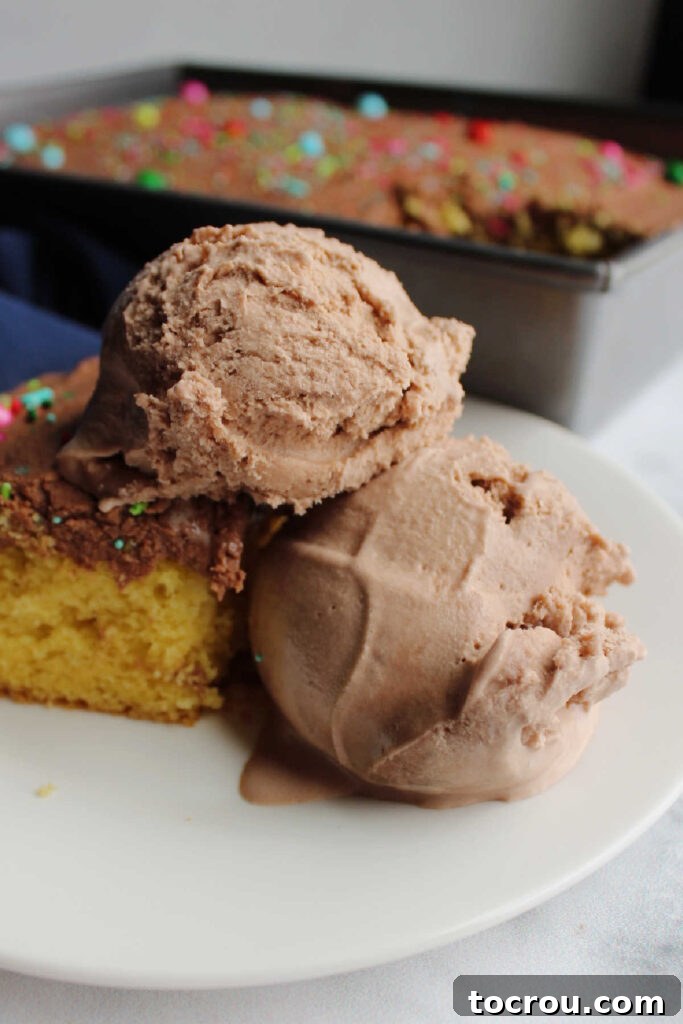
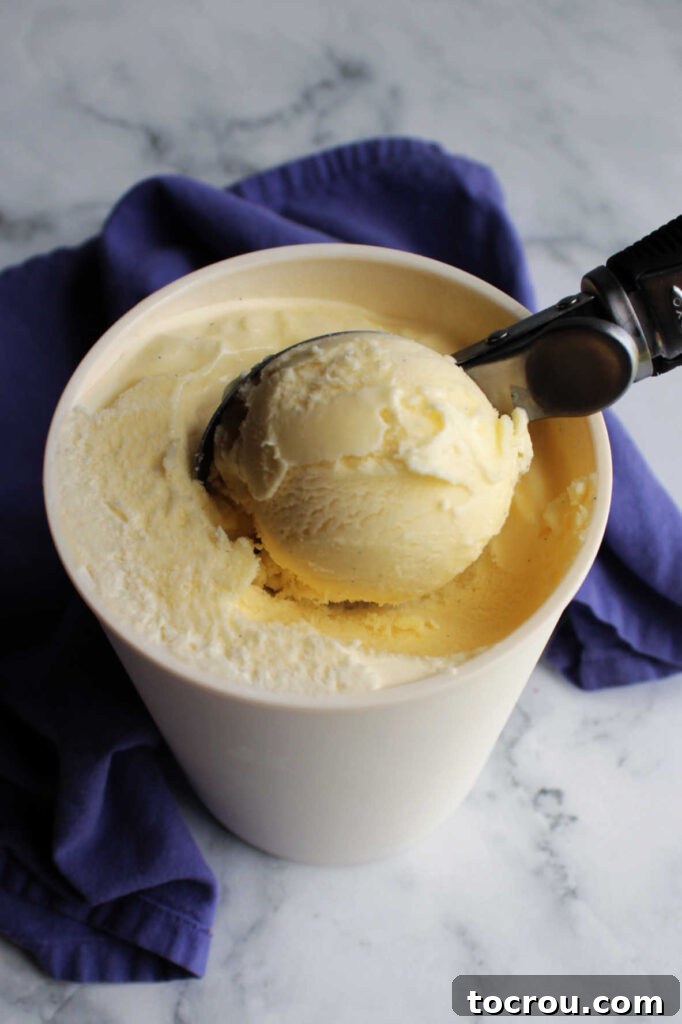
Furthermore, eggs dramatically improve the stability of the ice cream. This means your scoop will hold its shape longer, resisting melting more effectively and giving you more time to savor every bite. While egg whites contribute protein, they don’t significantly enhance the texture in the same way yolks do. Therefore, many recipes specifically call for only egg yolks, though using whole eggs won’t negatively impact the outcome if you prefer not to separate them.
Making a Custard Base (Crème Anglaise)
The process of incorporating eggs involves cooking the base to create a crème anglaise. This ensures food safety and activates the emulsifying properties of the eggs. Here’s a brief overview:
- Heat the milk, cream, and about half of the sugar in a saucepan until warm (not boiling).
- In a separate bowl, whisk the egg yolks (and remaining sugar) until light and creamy.
- Slowly “temper” the egg mixture by gradually whisking about half of the hot milk mixture into the yolks. This slowly raises the temperature of the eggs, preventing them from scrambling.
- Pour the tempered egg mixture back into the saucepan with the remaining milk mixture.
- Cook over medium-low heat, stirring constantly with a wooden spoon or spatula, until the custard thickens enough to coat the back of the spoon (this is called “nappe”). It should reach about 175-180°F (80-82°C). Do not boil!
- Immediately remove from heat and strain the custard through a fine-mesh sieve into a clean bowl to catch any small scrambled bits.
- Stir in your flavorings (like vanilla extract) and chill the custard thoroughly in the refrigerator before churning. This chilling step is even more crucial for custard bases, as it needs to be very cold to set properly.
If concerns about salmonella arise, you can opt for pasteurized eggs or a carton of pasteurized liquid egg product, which are safe for consumption without extensive cooking. Still hesitant about eggs in your ice cream? Just remember that if you enjoy the deep, satisfying flavor and color of French vanilla ice cream, it’s precisely the eggs that give it those signature qualities.
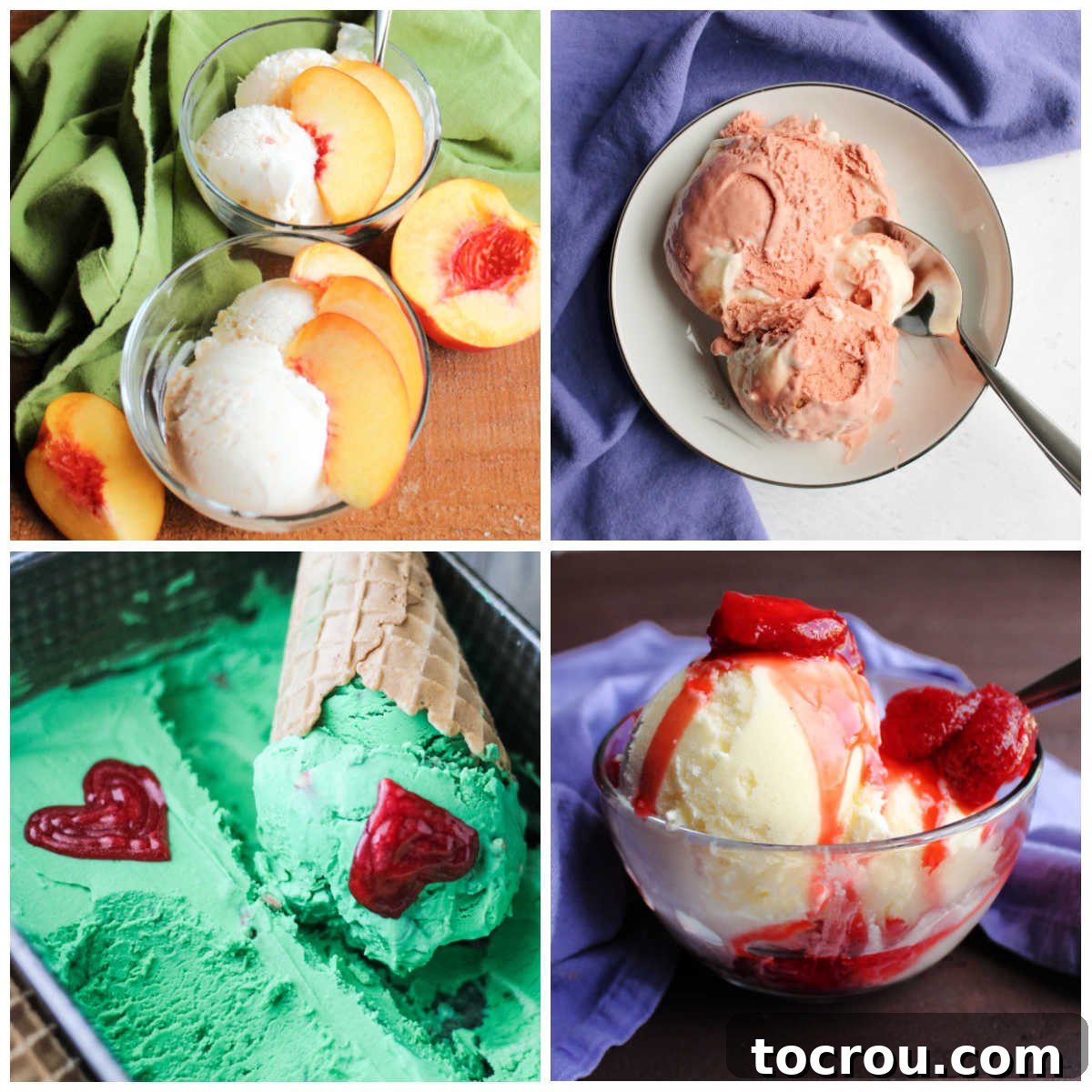
We have many beloved homemade ice cream recipes that utilize an egg-enriched base. A fantastic starting point for beginners is MiMi’s Vanilla Ice Cream, which offers a classic and utterly delicious introduction to custard-style ice cream. You might also enjoy the rich indulgence of Brownie Batter Ice Cream, the vibrant freshness of Homemade Blueberry Ice Cream, or the irresistible combination of Chocolate Peanut Butter Ice Cream.
Alternative Methods for Achieving Creamy Texture and Stability
While heating the base and incorporating eggs (as in custard-style ice cream) yields truly exceptional results, there are equally fantastic methods for making delicious homemade ice cream without those steps. If you’re looking for a quicker “no-cook” approach or prefer to avoid eggs, several excellent alternatives can still deliver that desired rich, smooth, and stable texture.
One of the simplest strategies for a no-cook, egg-free ice cream is to adjust the ratio of cream to milk in your base. By increasing the proportion of heavy cream, you naturally boost the overall fat content. More fat contributes significantly to a smoother mouthfeel and helps prevent the formation of large, icy crystals during freezing. Fat molecules interfere with water crystallization, resulting in a silkier, more luxurious texture that rivals custard-style ice cream in richness.
Another brilliant and somewhat unexpected option is to incorporate cream cheese into your ice cream base. Cream cheese, with its unique composition, acts as a wonderful natural stabilizer and texture enhancer. It adds more milk proteins to the mixture, which are excellent at trapping air during the churning process. This increased aeration leads to a lighter, softer, and incredibly smooth ice cream. Furthermore, the stabilizers inherent in cream cheese contribute to the ice cream’s stability, reducing iciness and improving its scoopability straight from the freezer.
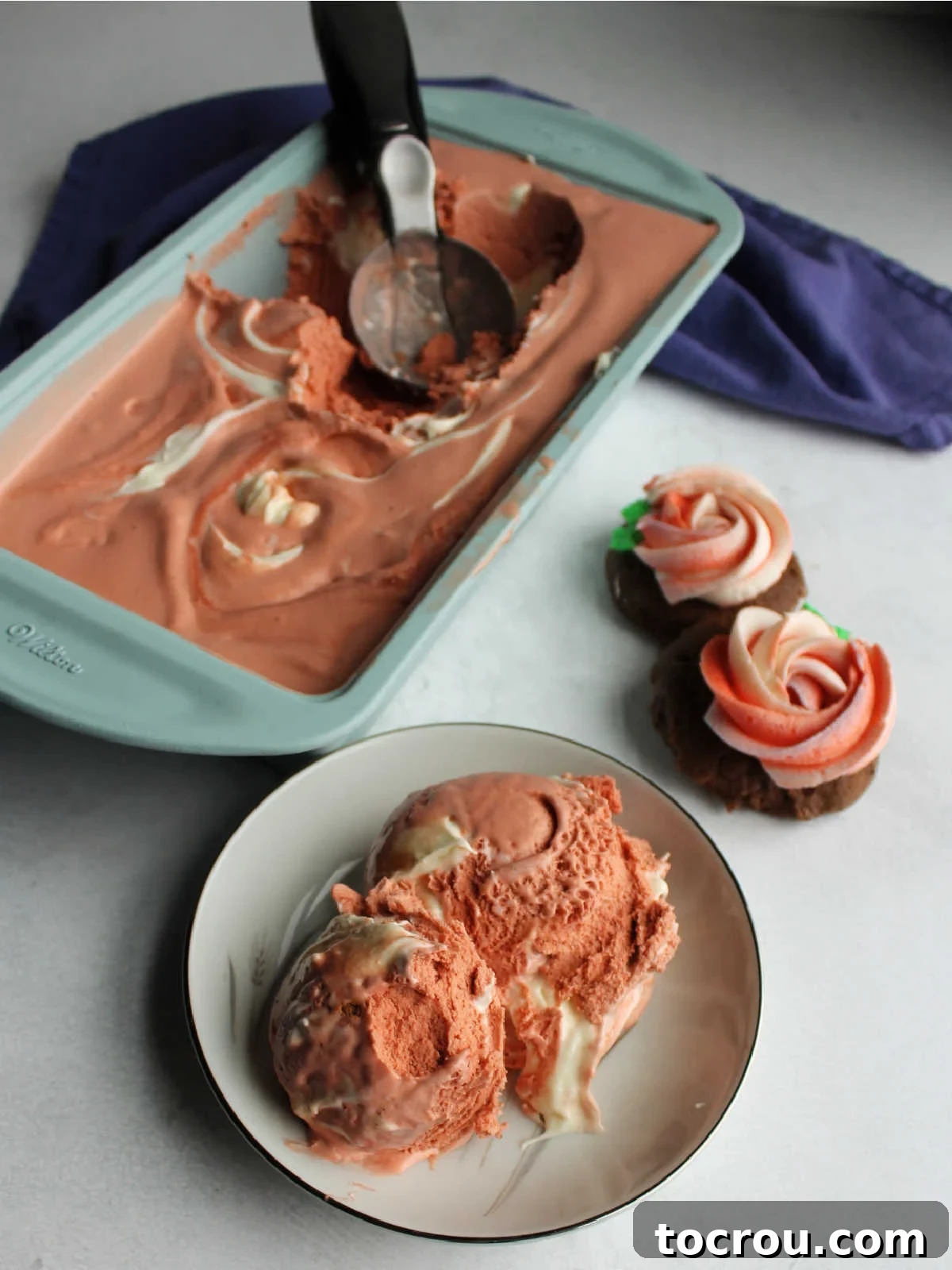
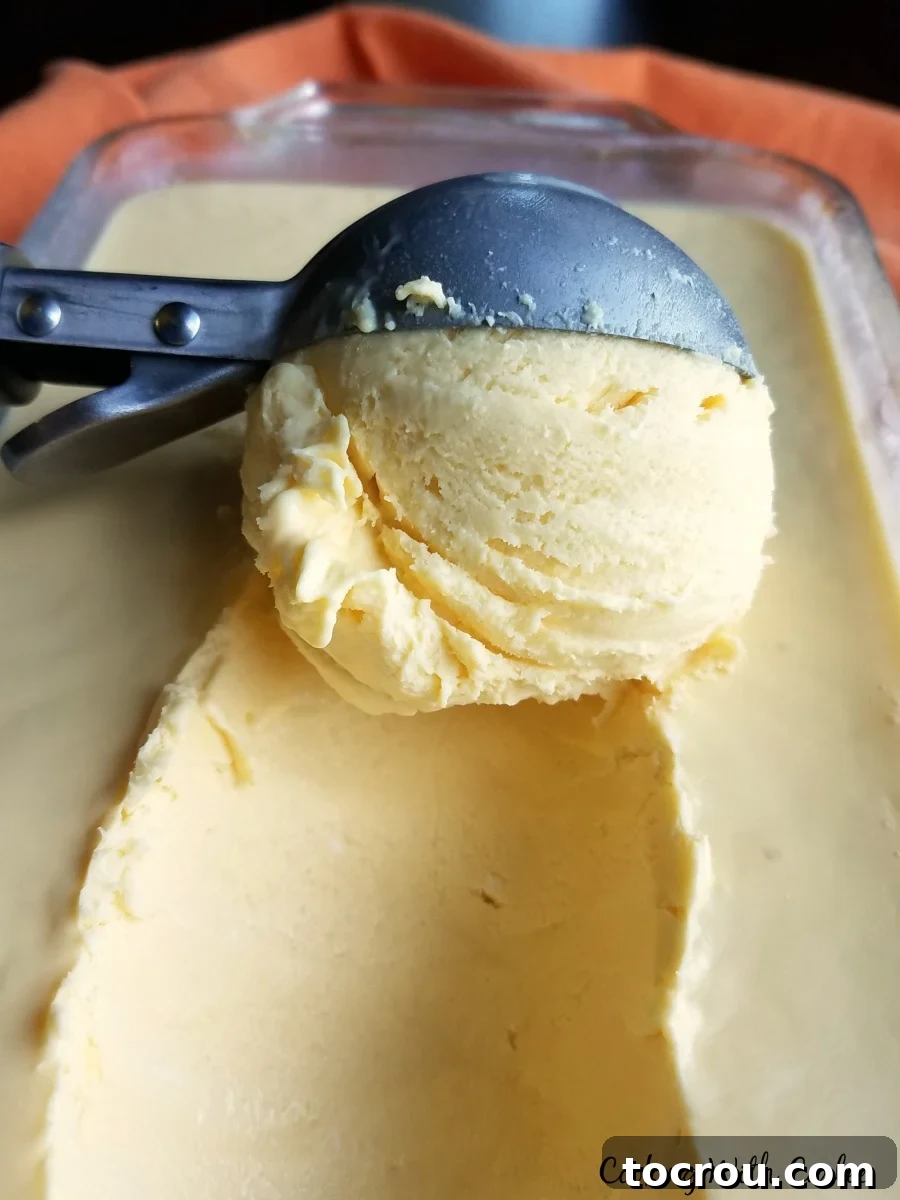
Beyond its stabilizing properties, cream cheese also imparts a subtle, pleasant tang that can beautifully complement a variety of flavors, adding an extra layer of complexity to your dessert. It’s a fantastic ingredient for creating unique and delicious ice cream experiences.
If you’re intrigued by the idea of a cream cheese-infused ice cream base, you absolutely must try our recipe for Pink Velvet Ice Cream. It’s a stunning dessert that even includes a luscious cream cheese frosting swirl! Another delightful option for a refreshing treat, especially during warmer months, is our Orange Cheesecake Ice Cream, which perfectly balances creamy indulgence with a zesty citrus kick. Both recipes showcase how innovative ingredient choices can lead to incredible homemade ice cream without needing a cooked egg custard.
The Churning Process: Transforming Base into Ice Cream
Once your meticulously prepared ice cream base has been thoroughly chilled, it’s time for the magical transformation: churning. This crucial process is what turns a liquid mixture into a smooth, creamy, and scoopable frozen dessert. Churning involves two primary actions: freezing the base and simultaneously incorporating air.
To churn your ice cream, simply pour the cold base into your ice cream maker’s canister. From this point, it’s vital to meticulously follow your specific machine’s manufacturer instructions, as different models operate in distinct ways. Some traditional ice cream makers, particularly those with a bucket design, require you to layer rock salt and ice around the outside of the canister containing your ice cream base. The salt lowers the melting point of the ice, creating an intensely cold brine that quickly freezes the mixture inside the canister. Other modern machines, like those with a freezer bowl, require you to pre-freeze the bowl itself for at least 12-24 hours before you begin churning. Compressor-style machines, on the other hand, have a built-in freezer and don’t require any pre-freezing or external ice.
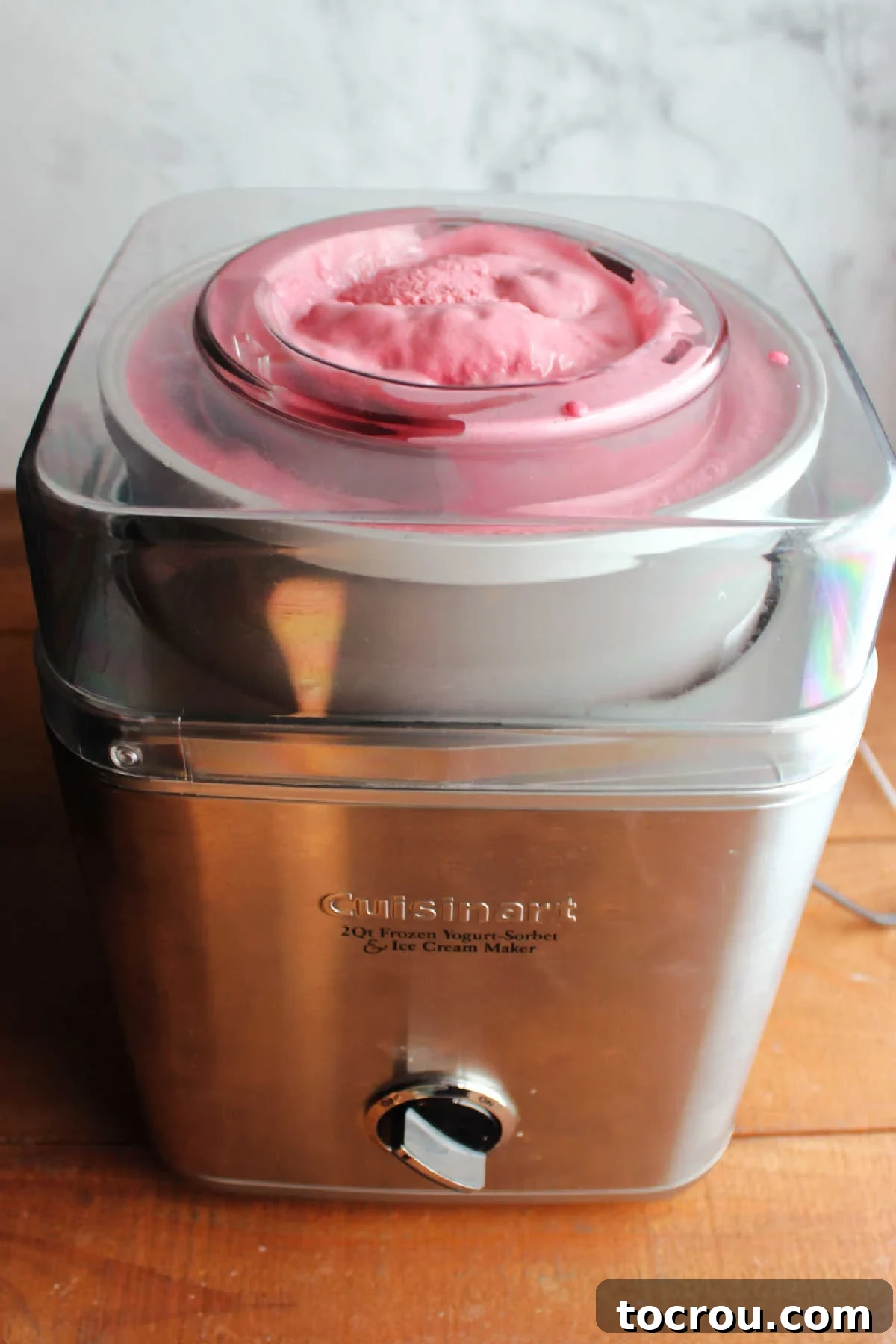
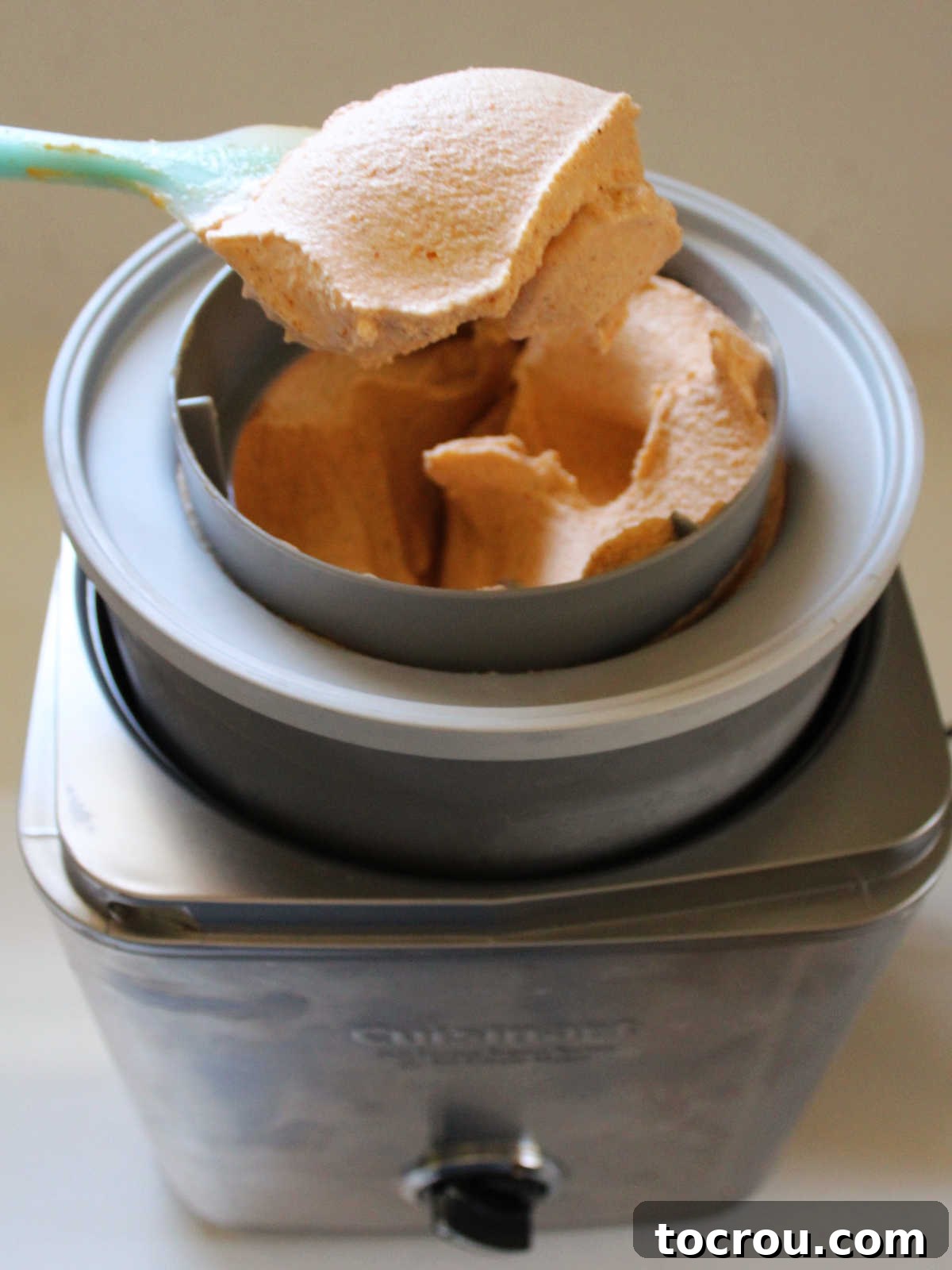
The churning paddles constantly agitate the base as it freezes. This agitation serves two critical purposes: it scrapes the freezing ice cream from the cold walls of the canister, preventing large ice crystals from forming (which would result in an icy, rather than smooth, texture), and it incorporates air into the mixture. The air, known as “overrun,” gives ice cream its light, fluffy texture and increases its volume. Without adequate aeration, your ice cream would be dense and hard.
In most cases, the churning process typically takes between 20 to 30 minutes. However, the exact duration will vary depending on your specific machine, the initial temperature of your base, and your desired consistency. It’s crucial to read your machine’s instructions carefully. You’ll know the ice cream is done churning when it reaches a soft-serve consistency—thick, creamy, and soft enough to scoop directly, but still quite icy and not fully firm.
Once churning is complete, your ice cream will be delicious but typically too soft for a firm scoop. This is where the “ripening” or “hardening” phase comes in. To achieve a firmer, more set consistency, transfer the freshly churned ice cream to an airtight freezer-safe container. Press plastic wrap directly onto the surface of the ice cream before sealing the container to prevent freezer burn and the formation of ice crystals. Place it in the coldest part of your freezer for at least 2-4 hours, or even overnight. This final freezing period allows the ice cream to firm up properly, developing that perfect scoopable texture we all love. Resist the urge to open the freezer too often during this hardening phase, as temperature fluctuations can negatively impact the final texture.
Choosing the Right Ice Cream Maker for You
Investing in the right ice cream maker is a key step towards consistent homemade ice cream success. The market offers a variety of types, each with its own advantages, price points, and convenience factors. Understanding these differences will help you select the best machine for your needs and kitchen habits.
1. Freezer Bowl Machines (Compressor-Free)
These are among the most popular and affordable options for home cooks. They feature a double-walled bowl filled with a coolant gel, which must be frozen solid (typically for 12-24 hours) before churning. The frozen bowl then keeps the ice cream base cold during the churning process.
- Pros: Relatively inexpensive, compact (when not in use), easy to clean, generally quiet. You don’t need to buy ice or salt.
- Cons: Requires significant pre-planning due to the long freezing time for the bowl. You can usually only make one batch per day as the bowl needs refreezing.
- Example: I personally love my Cuisinart ice cream maker, which operates on this principle. It’s incredibly convenient not to have to deal with ice and rock salt.
2. Stand Mixer Attachments
If you already own a powerful stand mixer (like a KitchenAid), an ice cream maker attachment is a space-saving and efficient choice. These typically feature a freezer bowl similar to standalone models, which attaches to your mixer’s power hub for churning.
- Pros: Saves counter space (no extra motor unit), leverages existing kitchen equipment, often produces excellent results.
- Cons: Still requires pre-freezing the bowl, tied to the availability of your stand mixer.
- Example: MiMi absolutely adores her KitchenAid ice cream maker attachments. She even has two to keep them in constant rotation for various batches. She highly recommends one if you possess the compatible KitchenAid stand mixer.
3. Compressor Ice Cream Makers
These are the most advanced and convenient, featuring a built-in freezer unit. They don’t require pre-frozen bowls or ice/salt, allowing you to make batch after batch of ice cream with minimal waiting time.
- Pros: No pre-freezing needed, can make multiple batches consecutively, consistently excellent results, generally faster churning.
- Cons: Most expensive option, larger and heavier footprint on the counter.
- Best For: Serious ice cream enthusiasts, those who make ice cream frequently, or people who enjoy experimenting with many flavors in one session.
4. Traditional Ice and Salt Machines
These are often old-fashioned, charming, and sometimes hand-cranked, but electric versions are common too. They use a combination of ice and rock salt packed around a metal canister to chill the base.
- Pros: Often nostalgic, can be very affordable for electric models, fun for family activities.
- Cons: Messy (dealing with melting ice and salt), requires buying bags of ice and rock salt, can be slower.
- Best For: Occasional use, outdoor gatherings, or those who enjoy the traditional experience.
When choosing, consider your budget, available freezer space, how often you plan to make ice cream, and your desire for convenience. Any of these machines, when used correctly, will produce superior homemade ice cream compared to store-bought varieties.
Optimal Ice Cream Storage Solutions
Once you’ve poured your heart into making a perfect batch of homemade ice cream, proper storage is paramount to preserve its creamy texture, prevent freezer burn, and keep it tasting fresh for as long as possible. A little attention to detail in this final step will ensure every scoop is as delightful as the first.
The enemy of perfectly textured homemade ice cream is large ice crystals, which form when moisture evaporates and then refreezes on the surface, or when the ice cream undergoes temperature fluctuations. Freezer burn, characterized by a dry, crusty texture and off-flavors, is also a common issue with improper storage.
To combat these problems, choose containers specifically designed for freezing. Ideally, these should be:
- Airtight: This is the most crucial factor. A tight seal prevents air from circulating and causing freezer burn.
- Freezer-safe: Made from durable materials that can withstand very low temperatures without cracking.
- Shallow and wide: Containers that offer a greater surface area allow the ice cream to freeze more quickly and evenly, which also helps minimize ice crystal formation. Many specialty ice cream containers are designed with this in mind.
My mom, for instance, absolutely loves the Tovolo Glide-A-Scoop containers. They are designed to fit efficiently in the freezer, stack neatly, and facilitate easy scooping. She already owns a couple and is planning to acquire more due to their superior performance.
I personally use and enjoy these fun quart-sized containers. They are reusable, dishwasher safe, and quite versatile for various flavors. No matter the container, there are a few best practices to follow:
- Press plastic wrap directly onto the surface: After transferring your freshly churned ice cream, place a layer of plastic wrap directly onto the surface before putting on the lid. This creates an additional barrier against air and helps prevent freezer burn and ice crystal formation on top.
- Fill containers to the brim: Minimize air space in the container by filling it as much as possible. Less air means less opportunity for ice crystals to form.
- Store in the coldest part of the freezer: Avoid storing ice cream in the freezer door, which is subject to more temperature fluctuations. Place it towards the back of the main freezer compartment where temperatures are most consistent and coldest.
- Don’t let it melt and refreeze: Once ice cream has partially melted and then refrozen, its texture will suffer significantly, becoming icier and grittier. Scoop quickly and return the container to the freezer immediately.
Following these simple storage tips will help ensure that your hard work results in perfectly creamy, smooth, and delicious homemade ice cream, ready to enjoy whenever a craving strikes. Though no matter how meticulously it’s stored, ice cream tends to vanish quite rapidly around here!
Easy Vanilla Ice Cream Recipe: A Beginner’s Delight
If you’re eager to dive into homemade ice cream but feel a bit overwhelmed by choosing unique flavors or complex ingredient lists, don’t worry! This straightforward recipe for classic vanilla ice cream is absolutely perfect for beginners. It’s simple, requires minimal fuss, and consistently delivers wonderfully delicious results every single time. Vanilla is the perfect canvas for future experiments, but it’s also a timeless delight on its own.
Yields: Approximately 1 quart
Prep time: 10 minutes (plus at least 1 hour chilling time)
Churning time: 20-30 minutes
Ingredients:
- 1 cup whole milk (for optimal creaminess)
- 2 cups heavy cream (also known as heavy whipping cream)
- 1/2 cup granulated sugar (adjust to taste, slightly more for a sweeter ice cream)
- 1 teaspoon pure vanilla extract (ensure it’s good quality for best flavor)
Instructions:
1. Gently Heat the Milk: In a medium saucepan, combine the whole milk and half of the granulated sugar. Heat over medium heat, stirring occasionally, until the milk is hot but not boiling. You’ll see small bubbles forming around the edges of the pan. This step helps dissolve the sugar completely.
2. Dissolve Sugar and Remove from Heat: Once the milk is hot, add the remaining 1/4 cup of sugar and stir vigorously until all the sugar crystals are completely dissolved. You shouldn’t feel any grit when you rub a small amount between your fingers. Remove the saucepan from the heat.
3. Combine with Cream: Pour in the cold heavy cream into the warm milk mixture. Stir well until everything is thoroughly combined and the mixture looks homogenous.
4. Add Vanilla: Stir in the pure vanilla extract. Adding it at this stage helps preserve its delicate aroma and flavor.
5. Chill the Base Thoroughly: Transfer the entire mixture to a large bowl or a clean pitcher. Cover it tightly with plastic wrap and place it in the refrigerator to cool completely. This is a critical step; allow it to chill for at least 1 hour, but ideally 2-4 hours, or even overnight. The colder the base, the faster and smoother your ice cream will churn.
6. Churn the Ice Cream: Once the base is thoroughly chilled, pour it into your ice cream maker. Follow your specific ice cream maker’s instructions for churning. This usually takes between 20 to 30 minutes, or until the ice cream reaches a soft-serve consistency.
7. Serve or Harden: You can serve this soft, freshly churned ice cream immediately for a delightful soft-serve experience. For a firmer, more scoopable texture, transfer the ice cream to an airtight freezer-safe container. Press plastic wrap directly onto the surface of the ice cream, then secure the lid. Freeze for an additional 2 to 4 hours (or longer) in the coldest part of your freezer until firm. Enjoy your homemade vanilla ice cream!
What’s your favorite flavor of ice cream, or perhaps a unique topping you love? Let us know in the comments below – we’d love to hear your ideas!
The Magic of No-Churn Ice Cream
For those who love the idea of homemade ice cream but don’t own an ice cream maker, or simply want a quicker, simpler alternative, no-churn ice cream is an absolute revelation. This ingenious method allows you to create wonderfully creamy frozen treats with just a few ingredients and no specialized equipment beyond a hand mixer and a freezer-safe container.
The core concept behind no-churn ice cream is remarkably simple: you combine freshly whipped cream with sweetened condensed milk and your chosen flavorings, then simply freeze the mixture. The secret lies in the key ingredients:
- Whipped Cream: This provides the essential aeration that an ice cream maker typically achieves through churning. As heavy cream is whipped, it incorporates air, creating a light, fluffy, and voluminous base. This trapped air prevents the ice cream from becoming a solid block of ice, contributing significantly to a smooth texture.
- Sweetened Condensed Milk: This ingredient is the unsung hero of no-churn ice cream. It’s a rich, thick milk product that already contains both sugar and vanilla (in many brands) fully dissolved. More importantly, its high sugar content and unique viscosity play a crucial role in lowering the freezing point of the mixture. This ensures the ice cream freezes to a scoopable, creamy consistency rather than turning rock-hard, even without churning. It also acts as an excellent emulsifier, binding the ingredients together.

The process is incredibly straightforward. First, you whip heavy cream to stiff peaks. In a separate bowl, you combine sweetened condensed milk with any flavorings you desire – vanilla extract, fruit purées, melted chocolate, cookie crumbs, or extracts like mint or almond. Gently fold the whipped cream into the condensed milk mixture until just combined, being careful not to deflate too much of the air. Then, pour the mixture into a bread pan or another freezer-safe container and freeze for at least 6 hours, or overnight, until firm.
It is a truly simple and accessible way to enjoy a scoop of homemade ice cream without needing any fancy equipment. All you truly need is a hand mixer for the whipped cream (though a stand mixer works too) and a sturdy loaf pan or similar container for freezing. The results are surprisingly rich, creamy, and satisfying, making it an excellent option for quick desserts or when you’re short on specialized tools.
Troubleshooting Common Homemade Ice Cream Issues
Even with the best recipes and intentions, sometimes homemade ice cream doesn’t turn out quite as expected. Here are some common problems you might encounter and how to fix or prevent them:
1. Ice Cream is Too Icy or Hard
- Cause: Not enough fat or sugar, not chilling the base sufficiently, slow churning, or improper storage. Large ice crystals form when water molecules freeze slowly or repeatedly.
- Solution:
- Ensure your recipe uses enough heavy cream and sugar. Sugar lowers the freezing point, keeping it softer.
- Always chill your ice cream base for at least 2-4 hours (or overnight) before churning. A colder base churns faster and produces smaller ice crystals.
- Churn quickly. Ensure your ice cream maker’s freezer bowl is fully frozen, or your compressor is working efficiently.
- Store correctly: use an airtight container, press plastic wrap directly on the surface, and place in the coldest part of the freezer.
2. Ice Cream is Too Soft or Doesn’t Freeze
- Cause: Too much sugar or alcohol (which significantly lowers the freezing point), or insufficient churning/freezing time.
- Solution:
- Reduce sugar slightly if you find it consistently too soft.
- Be mindful of adding too much alcohol-based flavorings; they can prevent proper freezing.
- Ensure your freezer bowl is completely frozen (if applicable) and churn for the recommended duration.
- Allow ample time (4+ hours, preferably overnight) for the ice cream to harden in the freezer after churning.
3. Gritty or Sandy Texture
- Cause: Undissolved sugar crystals, or, less commonly, protein coagulation (especially in egg-based custards if overcooked).
- Solution:
- For sugar, ensure it is completely dissolved in the base, especially if heating the milk. Heat until no grittiness remains.
- If using eggs, cook your custard gently to avoid scrambling the eggs. Strain the base after cooking to remove any small bits of coagulated egg.
4. Freezer Burn
- Cause: Exposure to air, or fluctuating temperatures in the freezer.
- Solution:
- Use airtight, freezer-safe containers.
- Press plastic wrap directly onto the surface of the ice cream before sealing the lid.
- Store the ice cream in the coldest, most consistent part of your freezer, away from the door.
- Fill containers as much as possible to minimize air space.
By understanding these common issues and their solutions, you can confidently adjust your technique and ingredients to consistently produce perfect homemade ice cream. Practice makes perfect, and every batch is a learning opportunity!
We are truly passionate about ice cream here, and we know you’ll love it too! For even more fantastic homemade ice cream recipes, from quick no-churn delights to richly flavored creations packed with exciting mix-ins, be sure to explore our extensive collection of ice cream recipes. There’s a perfect scoop waiting for everyone!